




Top 20 Most Common Insects in South Dakota
From the rolling prairies to the rugged Black Hills in South Dakota, there's an abundance of insect life catching eyes and aiding ecosystems. Although they're typically seen as pests, this richness of insect diversity also includes our essential pollinators. Our list of 'Top 20 most common insects in South Dakota' highlights the intricate balance between South Dakota's environments and these fascinating insects. Be prepared to discover the unnoticed life beneath your feet and buzzing around you!

Most Common Insects
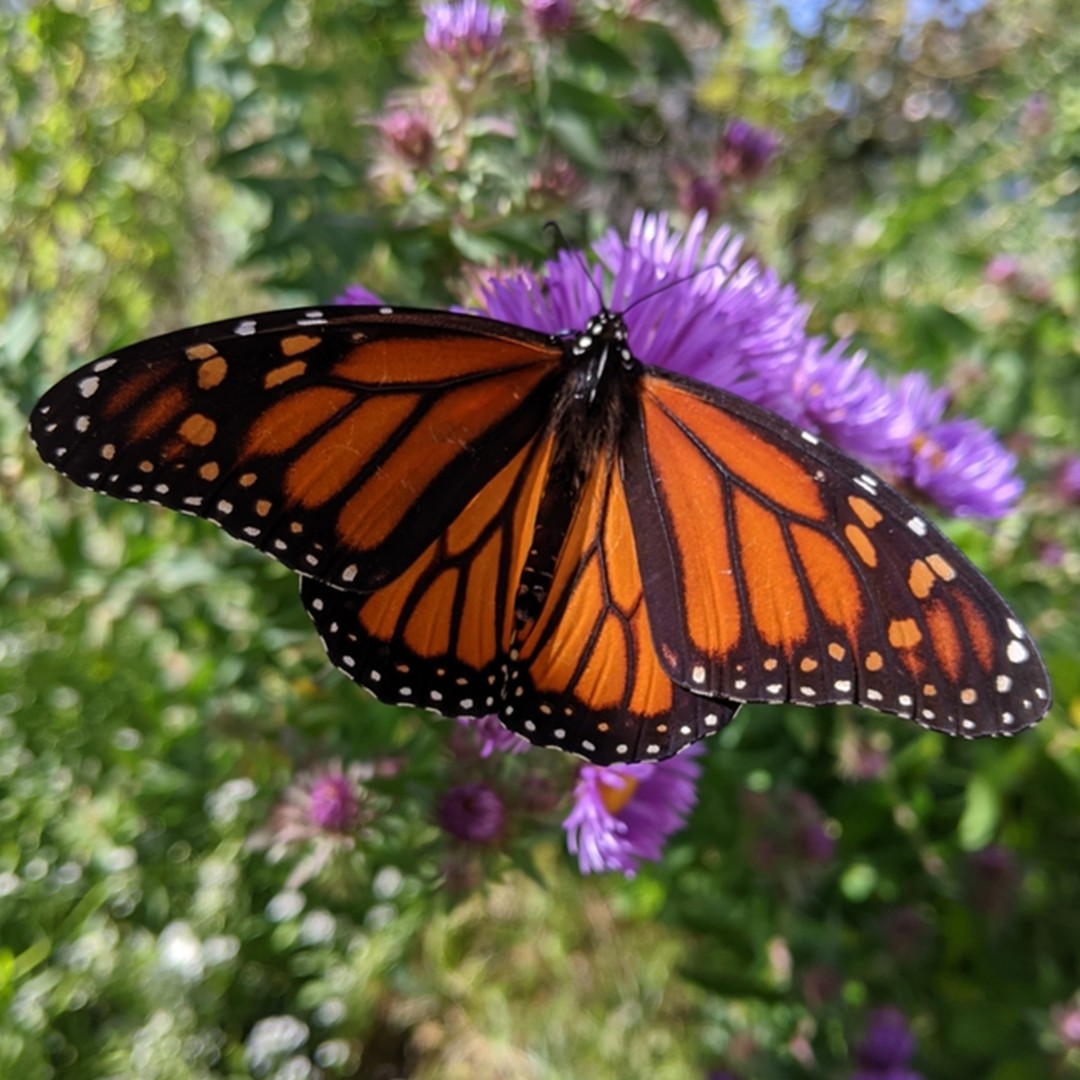
1. Monarch butterfly
The monarch butterfly (Danaus plexippus) is the most recognizable butterfly in North America. It is best known for its appearance, but should be better known for the fact that it has a 3000-mile migration that takes the butterfly 4 generations to complete. Their diet is also a natural deterrent for predators, as they eat milkweed, a poison that induces vomiting.
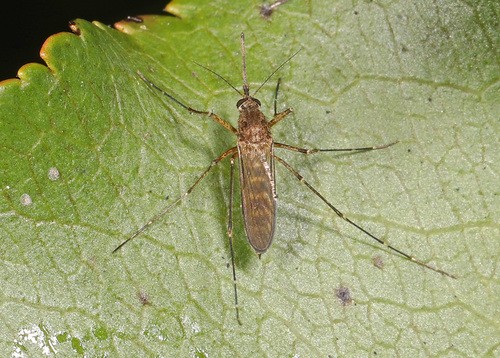
2. Inland floodwater mosquito
A common species of mosquito, inland floodwater mosquito (Aedes vexans) is often encountered near areas containing water such as grassy pools, shallow ponds, and even wet ditches. Only the females bite humans for their blood, as males subsist upon nectar and sap. Inland floodwater mosquito is a noted carrier of diseases such as Zika virus and myxomatosis.
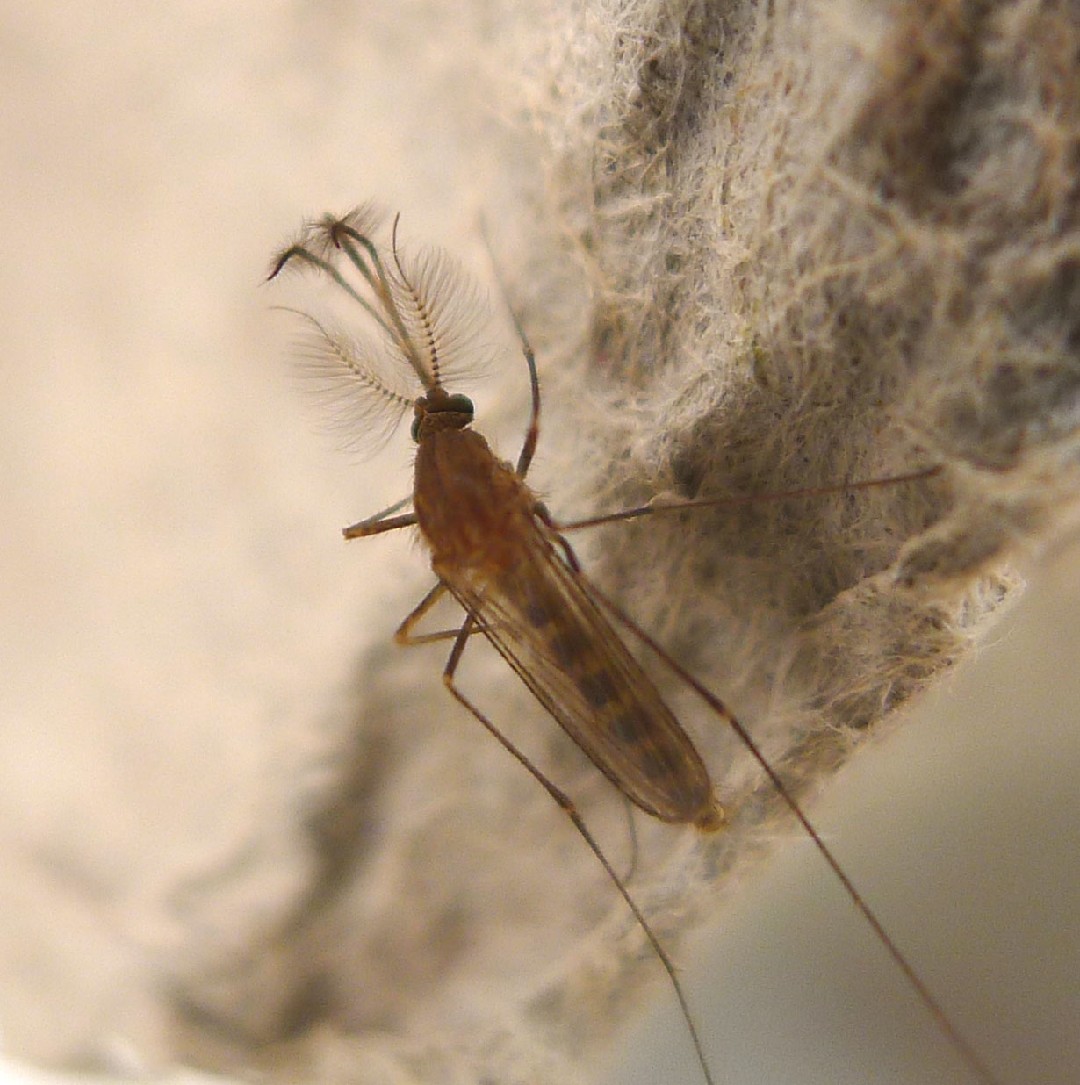
3. Common house mosquito
Among the most common mosquitos in the Unites States, common house mosquito (Culex pipiens) is a ubiquitous biting pest. It has adapted to thrive in human-touched conditions and even to feed on the blood of avian species closely connected to humans, such as pigeons and doves. However, only females consume blood; the males survive on sap and nectar.
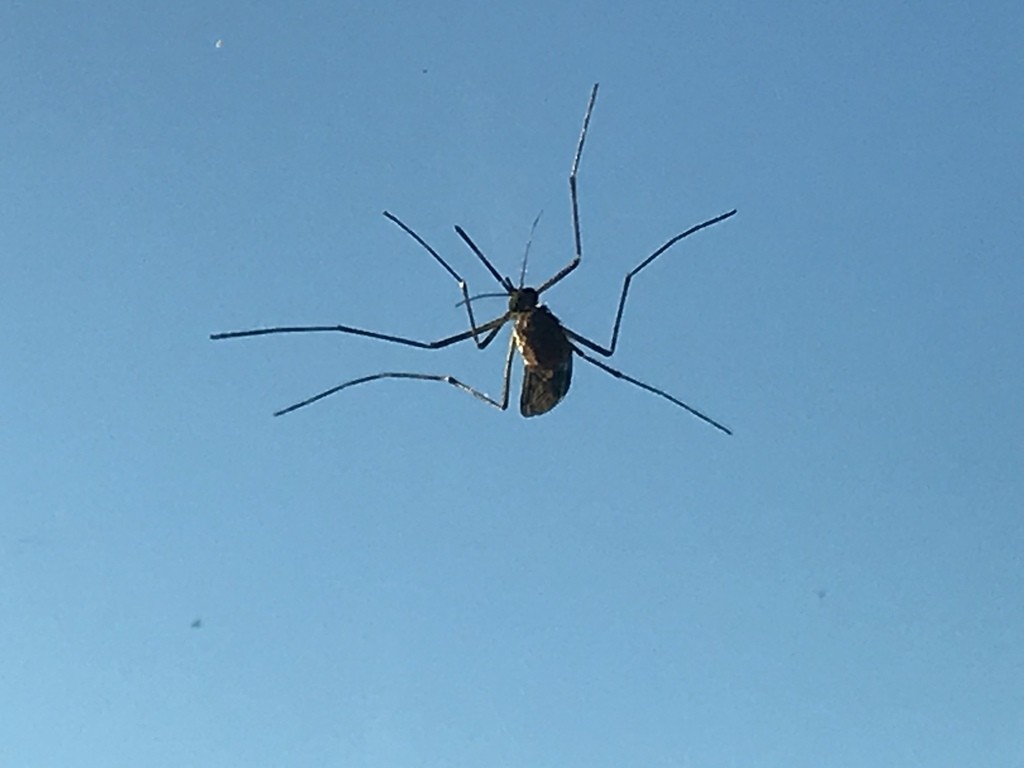
4. Western encephalitis mosquito
Depending on the species, the adult Culex mosquito may measure from 4–10 mm (0.2–0.4 in). The adult morphology is typical of flies in the suborder Nematocera with the head, thorax, and abdomen clearly defined and the two forewings held horizontally over the abdomen when at rest. As in all Diptera capable of flight, the second pair of wings is reduced and modified into tiny, inconspicuous halteres. Formal identification is important in mosquito control, but it is demanding and requires careful measurements of bodily proportions and noting the presence or absence of various bristles or other bodily features. In the field, informal identification is more often important, and the first question as a rule is whether the mosquito is anopheline or culicine. Given a specimen in good condition, one of the first things to notice is the length of the maxillary palps. Especially in the female, palps as long as the proboscis are characteristic of anopheline mosquitoes. Culicine females have short palps. Anopheline mosquitoes tend to have dappled or spotted wings, while culicine wings tend to be clear. Anopheline mosquitoes tend to sit with their heads low and their rear ends raised high, especially when feeding, while culicine females keep their bodies horizontal. Anopheline larvae tend to float horizontal at the surface of the water when not in motion, whereas culicine larvae float with head low and only the siphon at the tail held at the surface. 
5. Widow skimmer
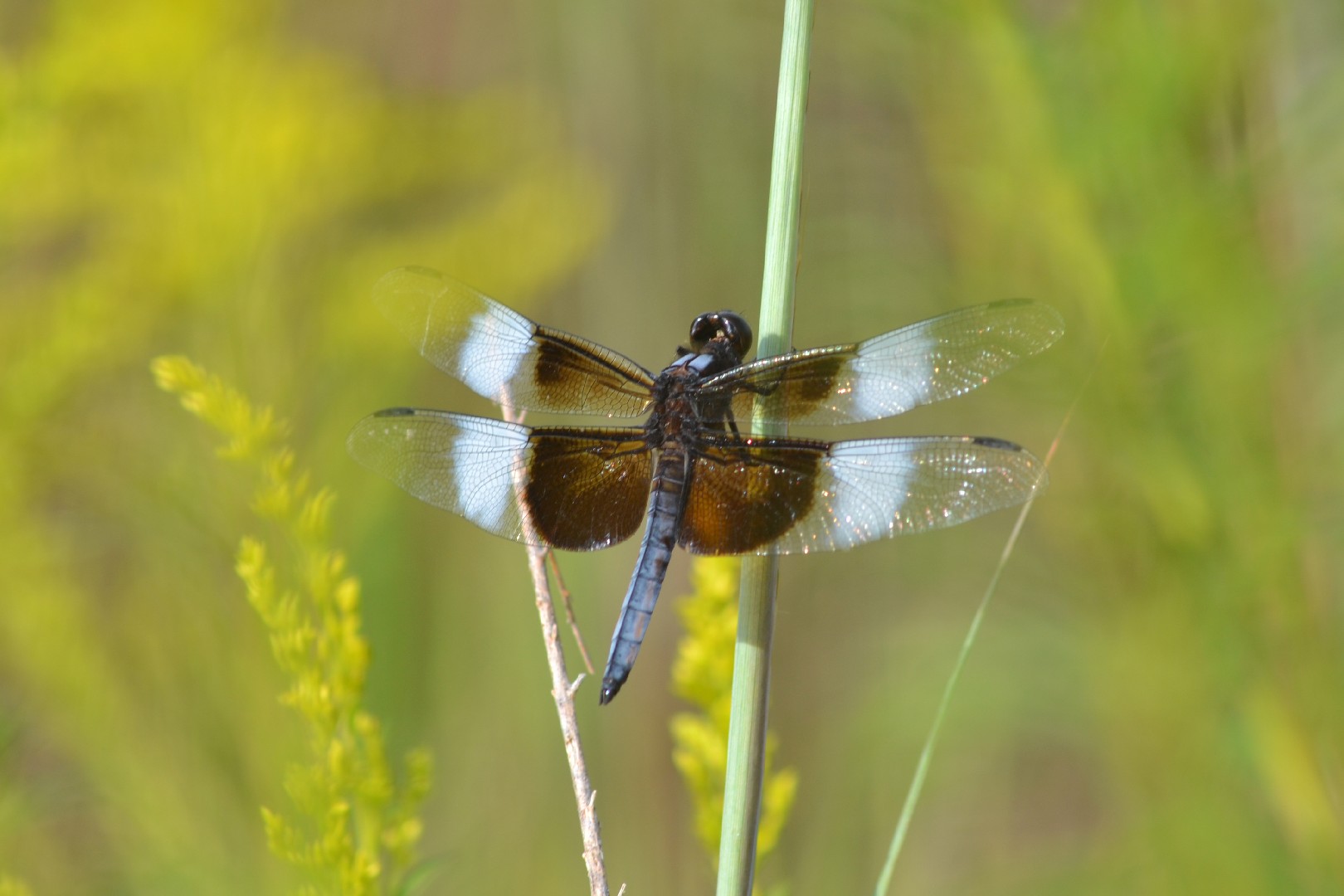
The widow skimmer (Libellula luctuosa) is a large insect that grows to be incredibly large with a bulbous head and body. As they age, they are known to grow whitish, much like our grandparents' hair. They live in the water until their final molt, where they reveal their wings, it is at this point it reveals why it has part of a group called the king skimmers.
6. Twelve-spotted skimmer
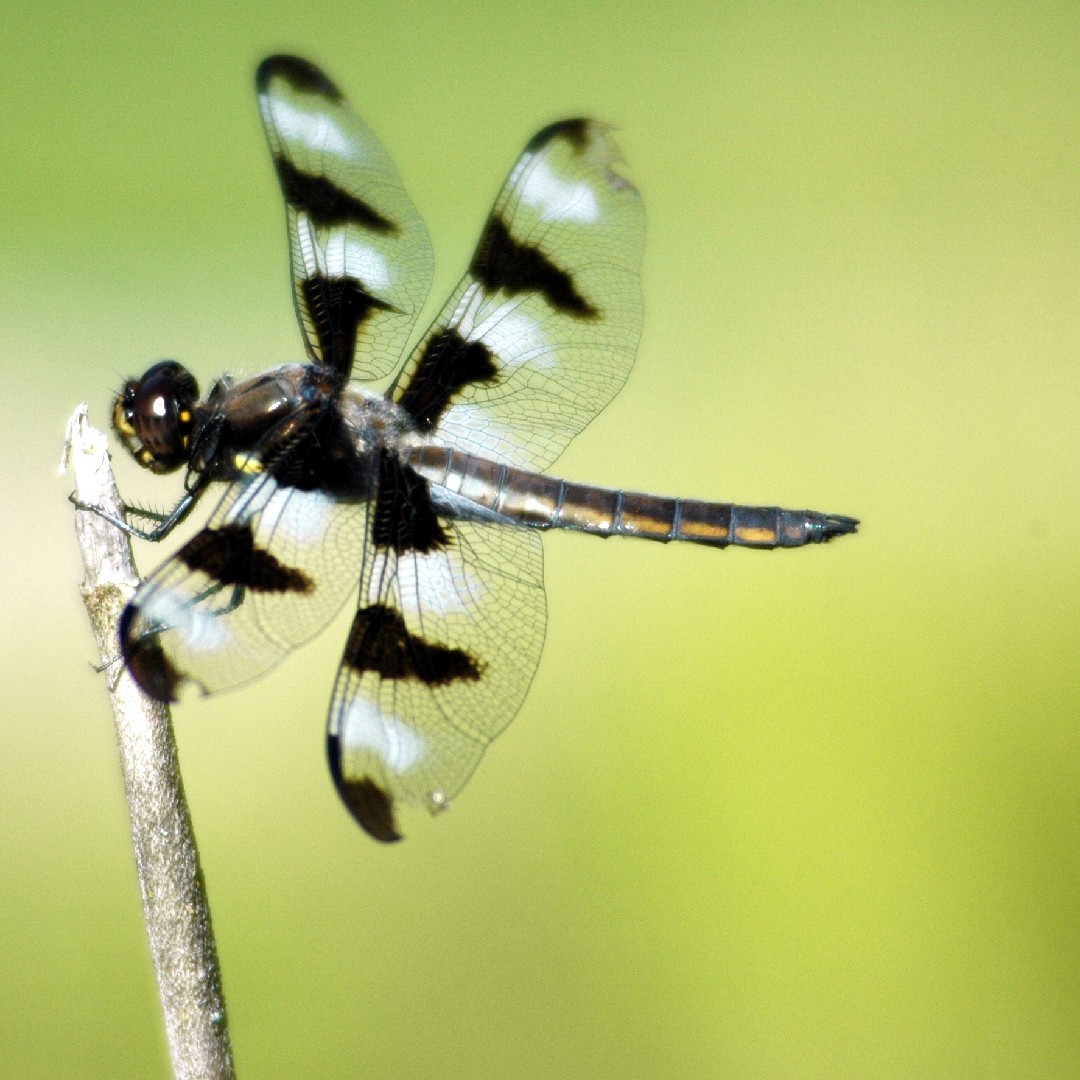
The twelve-spotted skimmer (Libellula pulchella) is otherwise known as the ten-spotted skimmer depending on the amount of dots you would like to count. Mature males have twelve brown wing spots and eight white wings spots. They are also known to be pretty massive; this makes them easy to identify.
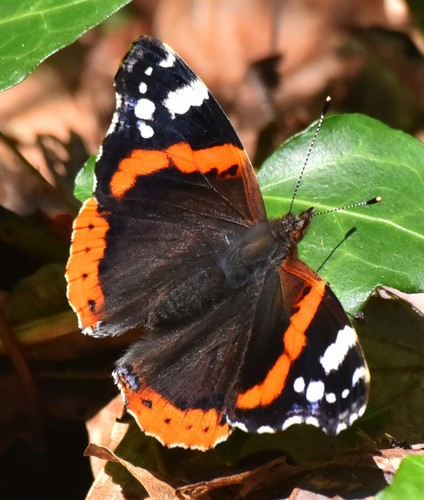
7. Painted lady
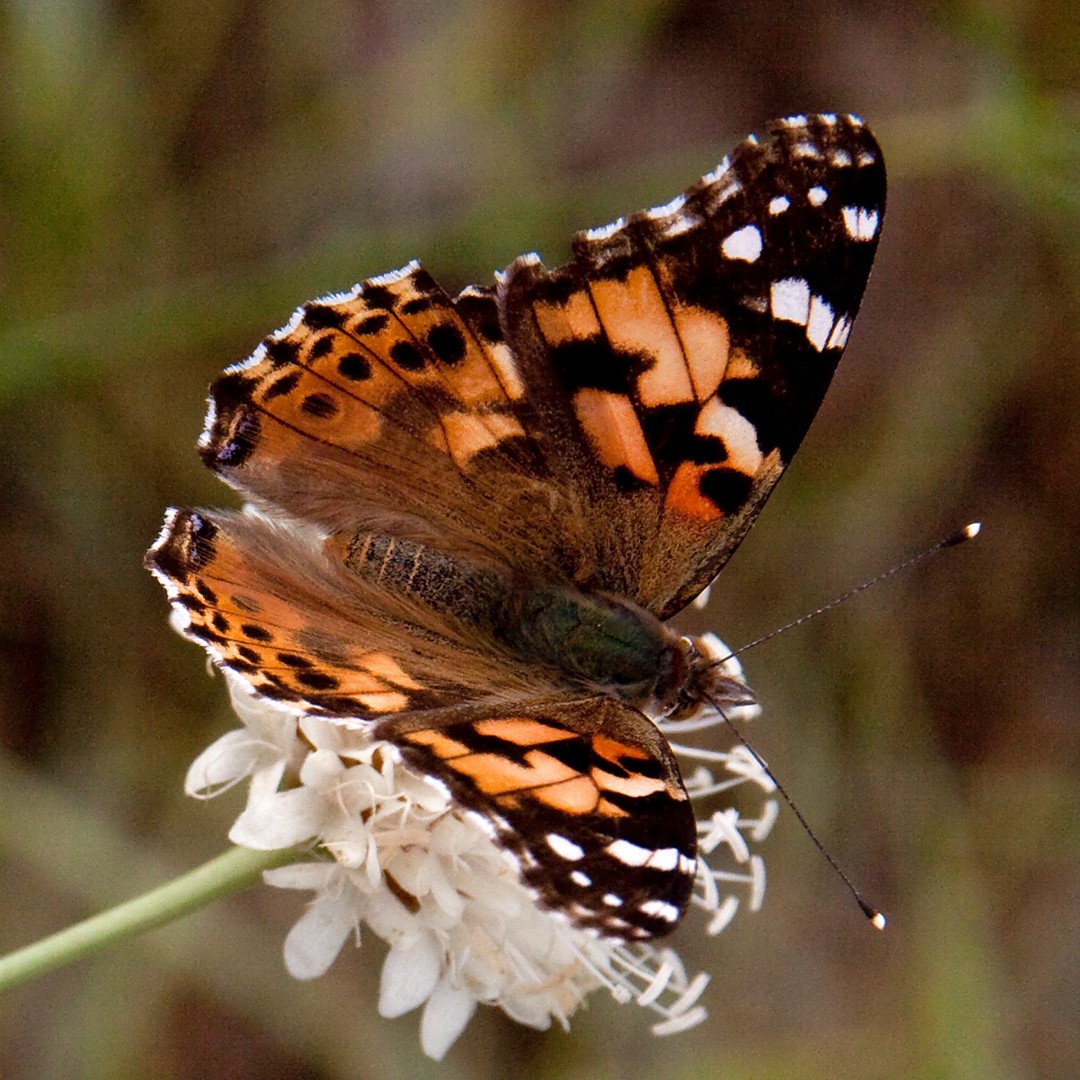
The painted lady is a migratory butterfly that spends part of the year in Northern Africa and then migrates to Europe during the warmer months. Although the adults feed on nectar from flowers, the larvae feed on the leaves of nettles and thistles.
8. Common whitetail skimmer
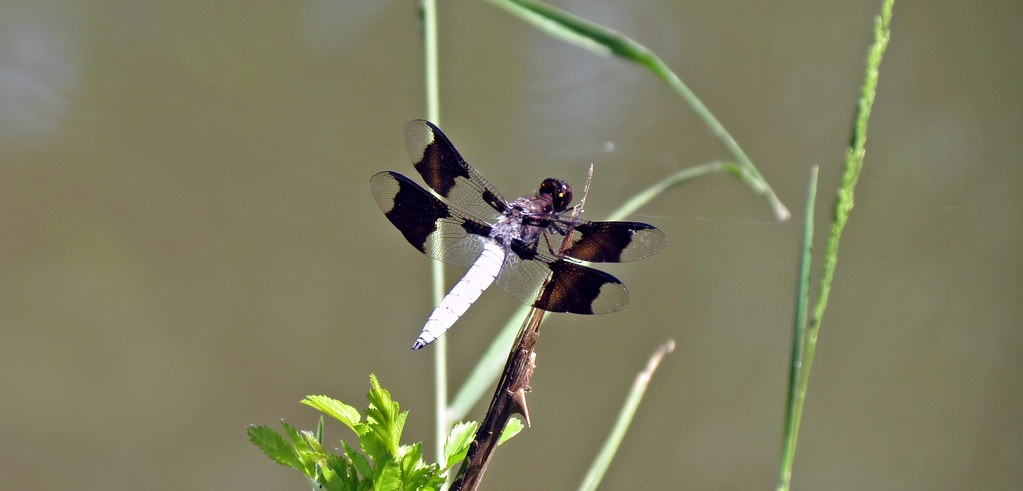
Common whitetail skimmer has black bands on its translucent wings which make it easy to identify. The common whitetail skimmer is found throughout North America and serves a vital ecological purpose. The dragonfly’s compound eyes provide it with a 360-degree field of vision, allowing it to spot prey like spiders and other nuisance insects.

9. Common Green Darner
The common Green Darner (Anax junius) is a large dragonfly that gets its name from its long abdomen, which resembles a darning needle. The females are polymorphic, meaning there are two types of females. Most females are green all over, but some have brown on the end of their abdomen with a gray tint on the sides.
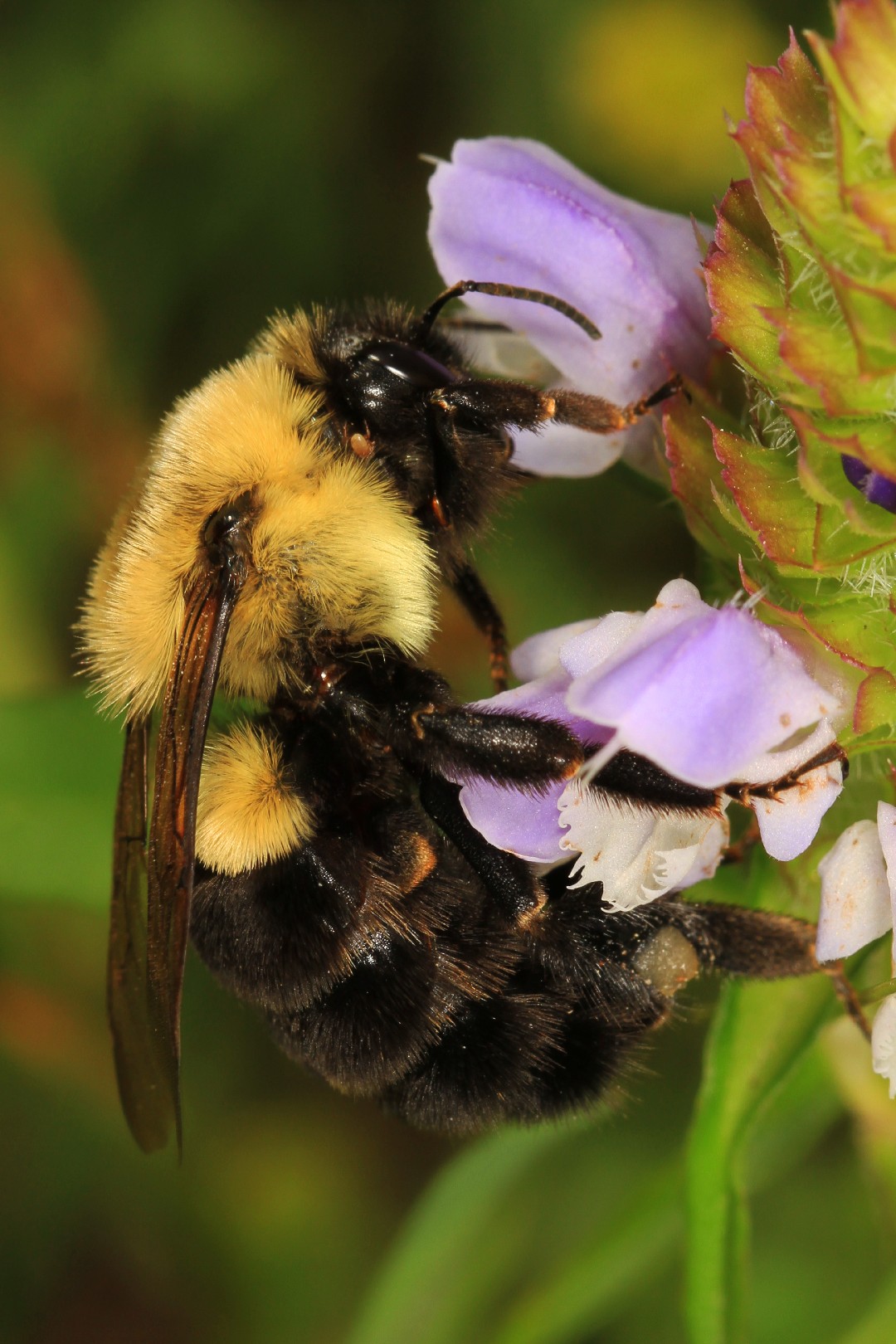
10. Brown-belted bumble bee
The brown-belted bumble bee (Bombus griseocollis) can be distinguished from other bumble bees because of the brown belt on its abdomen. It's often found in urban landscapes, near sunflowers, thistles, and milkweed. The males often fly very high in search of females, and they've even been spotted at the top of the Empire State Building.



More







