




Top 20 Most Common Insects in Amarillo
Insects are the unsung heroes of Amarillo's ecosystem, bustling within every crack and canopy. These creatures, varying in size, color, and habitat, significantly contribute to the city's ecological balance, fulfilling roles as both pests and partners. This will be an enlightening journey in which we explore the most common 20 insects, and their complex coexistence within Amarillo's cityscape.

Most Common Insects
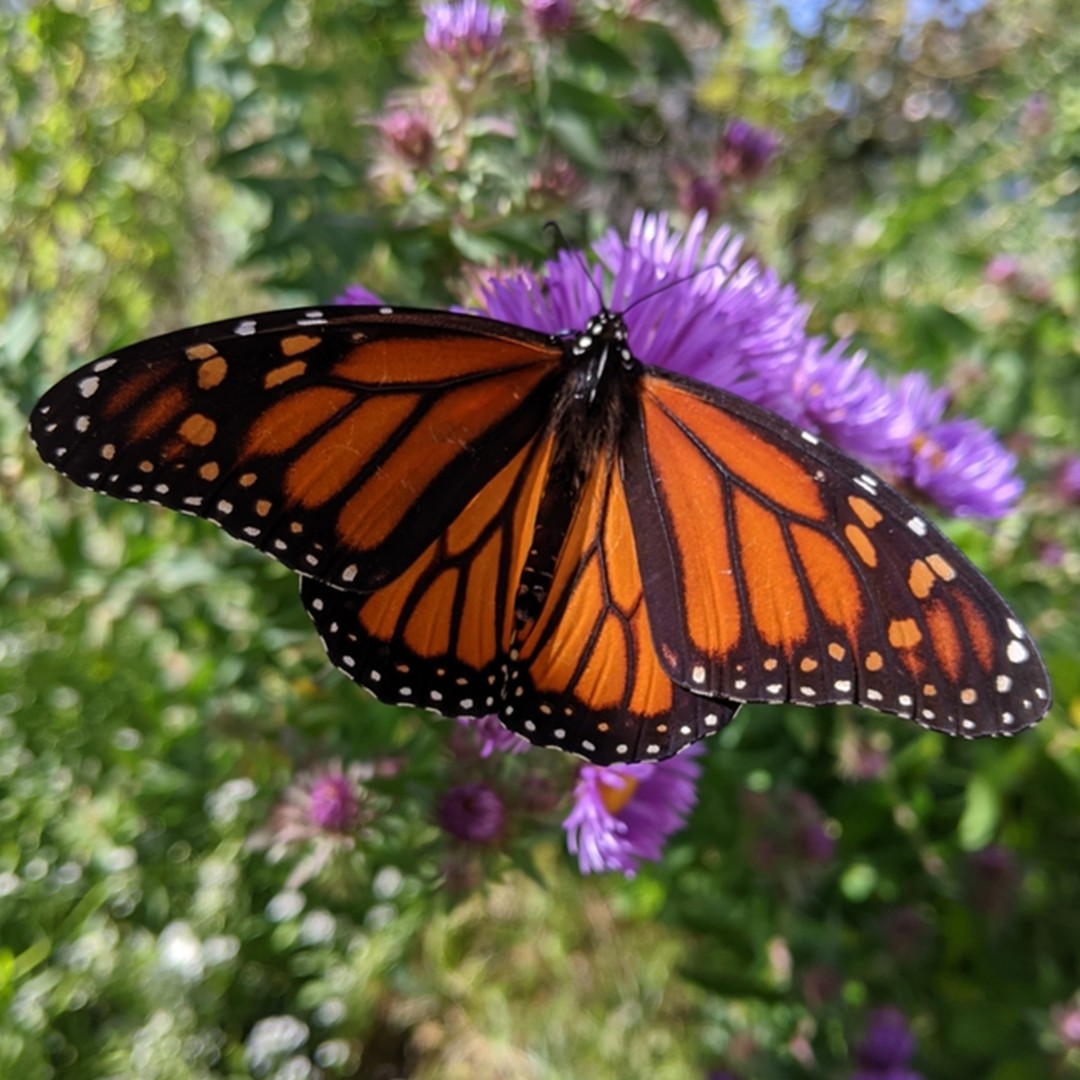
1. Monarch butterfly
The monarch butterfly (Danaus plexippus) is the most recognizable butterfly in North America. It is best known for its appearance, but should be better known for the fact that it has a 3000-mile migration that takes the butterfly 4 generations to complete. Their diet is also a natural deterrent for predators, as they eat milkweed, a poison that induces vomiting.
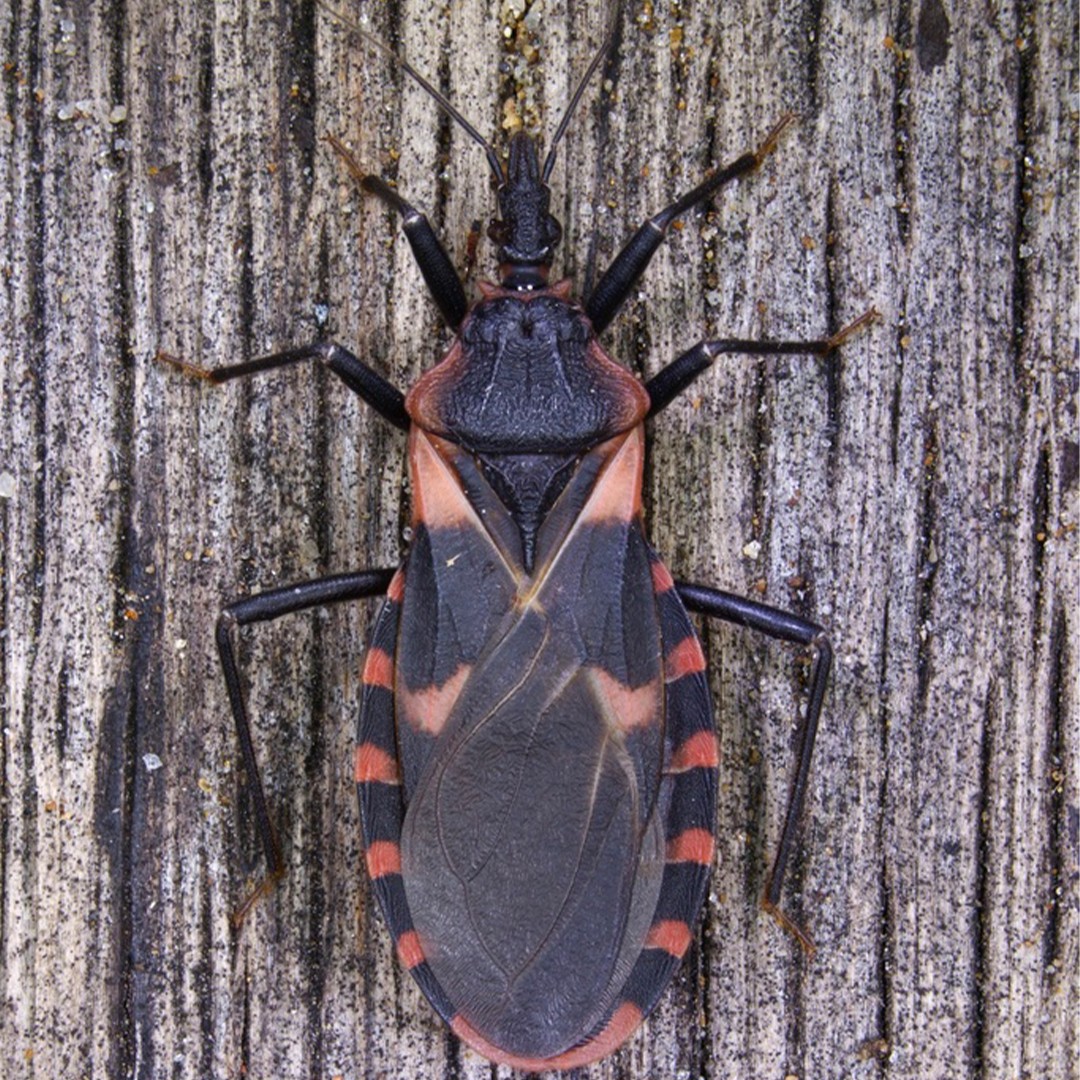
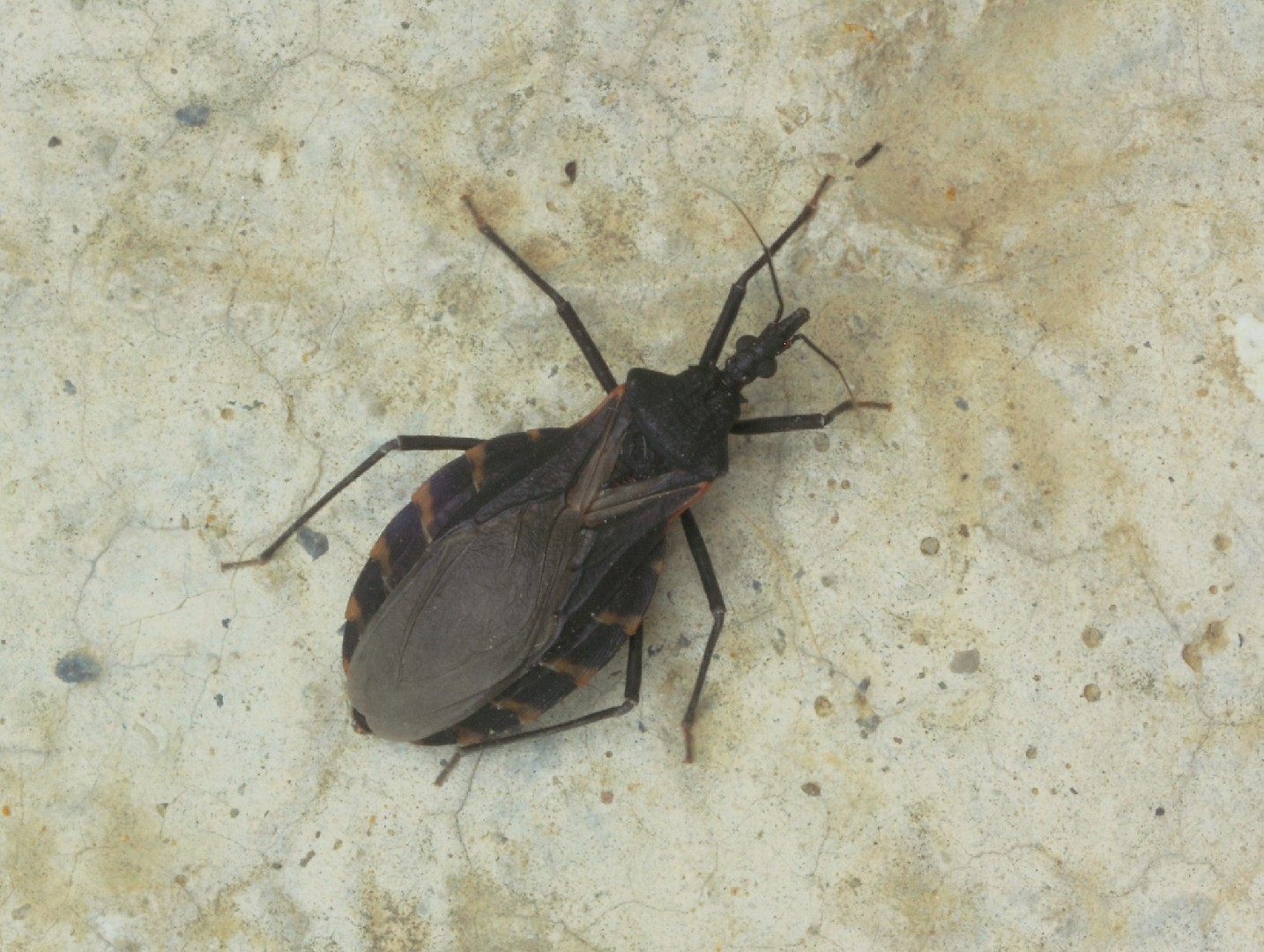
2. Eastern blood-sucking conenose
Triatoma sanguisuga, also known as the Eastern Bloodsucking Conenose or the Mexican Bed Bug, is an insect of the Triatominae subfamily, known as kissing bugs. It is found throughout North America and Latin America, and is common in the Southeastern United States. They are generally 16 to 21 mm long, black or dark brown, with six reddish-orange spots along each side of a wide abdomen. They are winged, have kinked, six-segmented antennae, and have a slender, tapered proboscis used for feeding. The female Triatoma sanguisuga typically lays eggs 4 to 6 days after a blood meal. One female may lay hundreds of eggs in its lifetime. After the egg hatches, the immature bug takes a blood meal and molts 8 times before reaching maturity. Triatoma sanguisuga feeds on blood from mammals such as raccoons, rats, dogs, cats, and humans. In addition, tree frogs can be a significant source of food. Triatoma sanguisuga can be controlled in the home by using screens on all windows and doors, and sealing all cracks in walls and ceilings. In addition, vacuuming and general cleaning will help remove a suitable habitat for the bugs. 
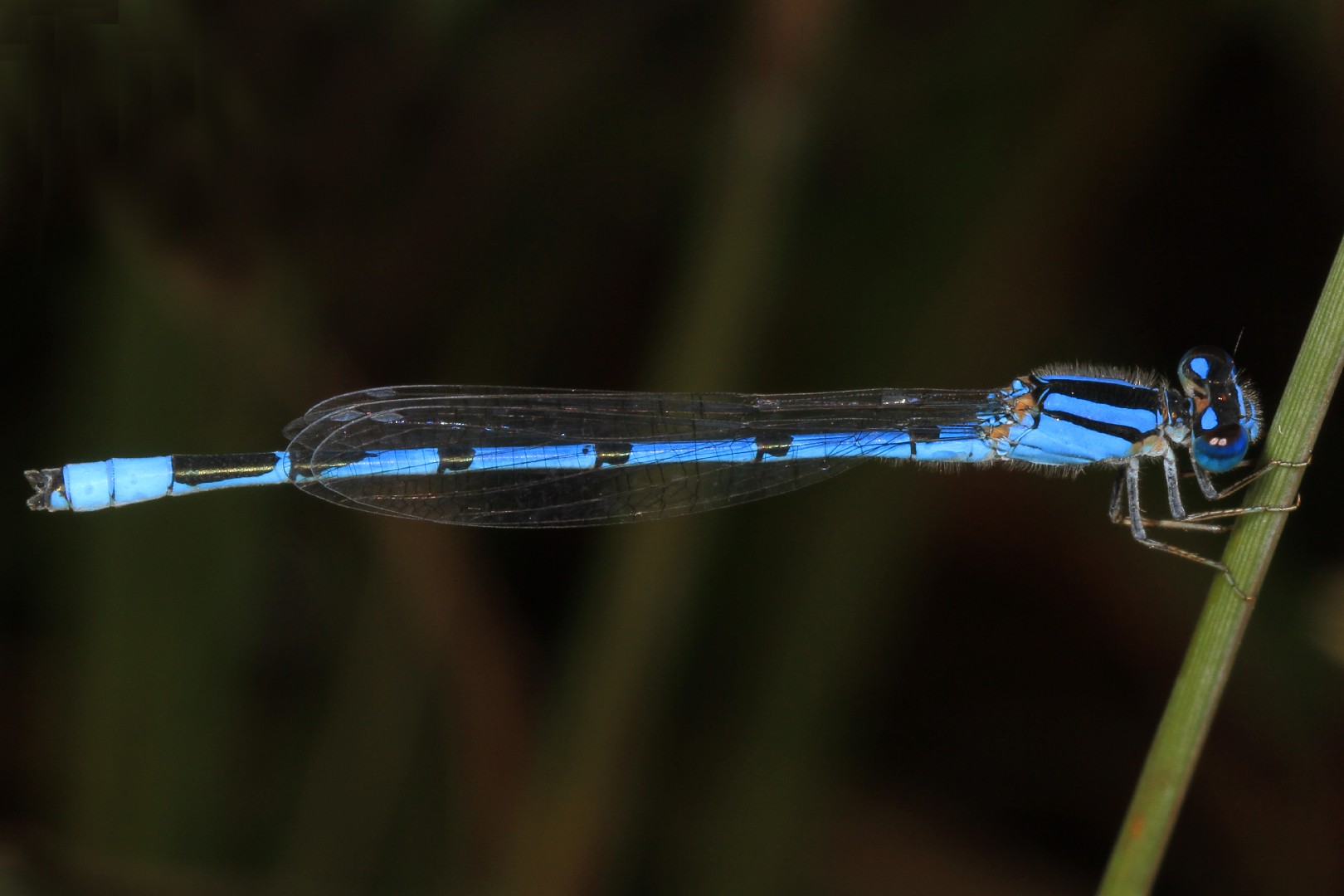
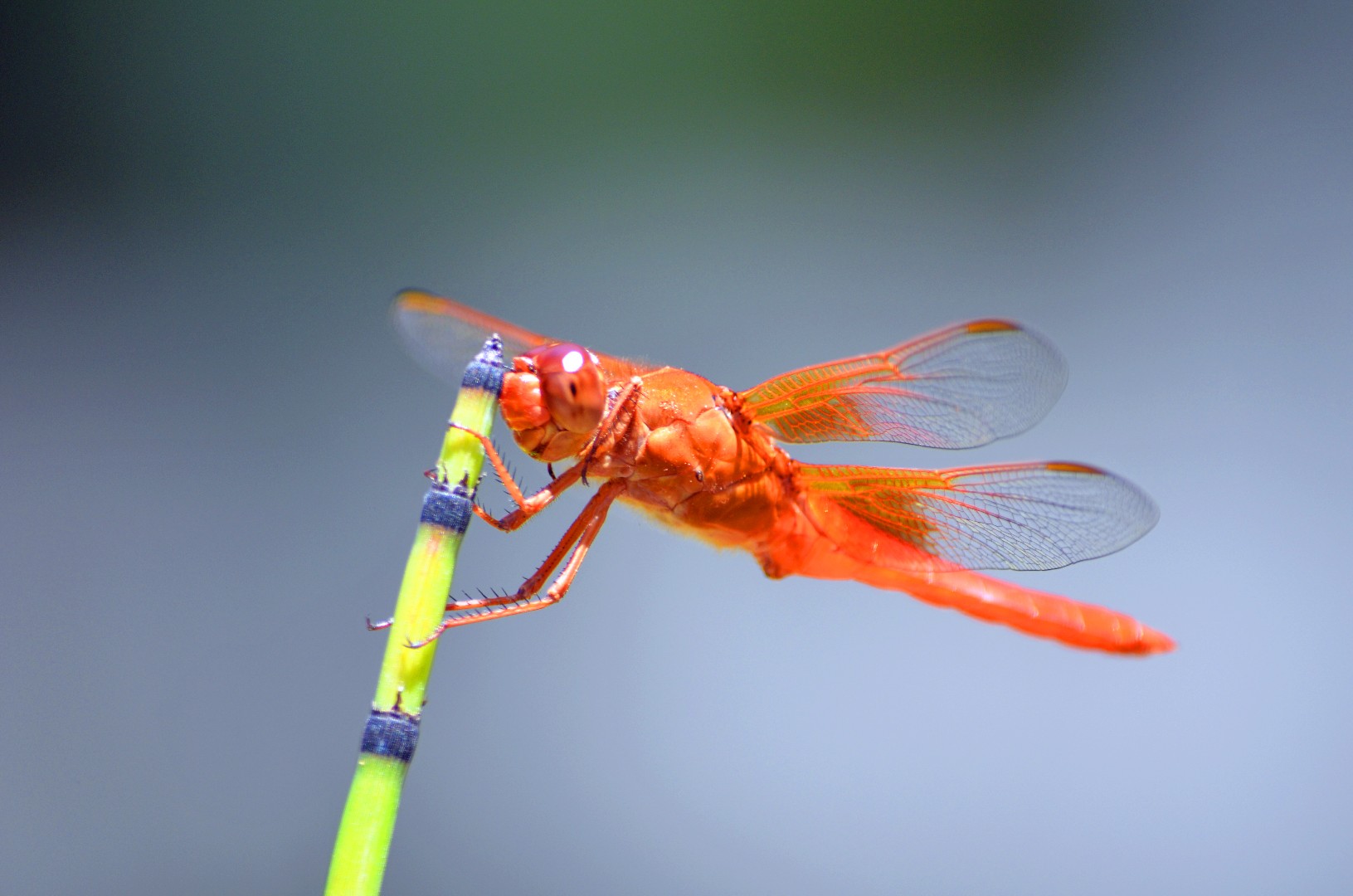
3. Familiar bluet
The scientific name of the species was first validly published in 1861 by Hagen.
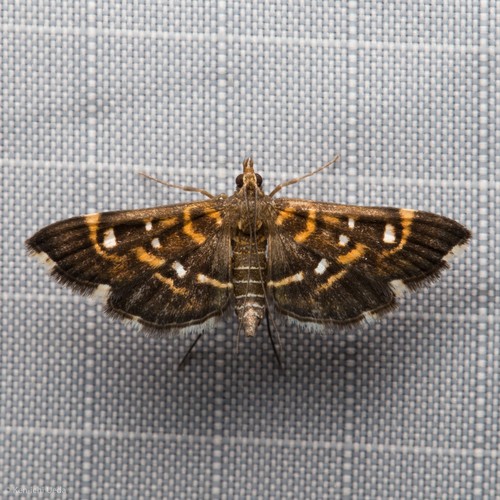
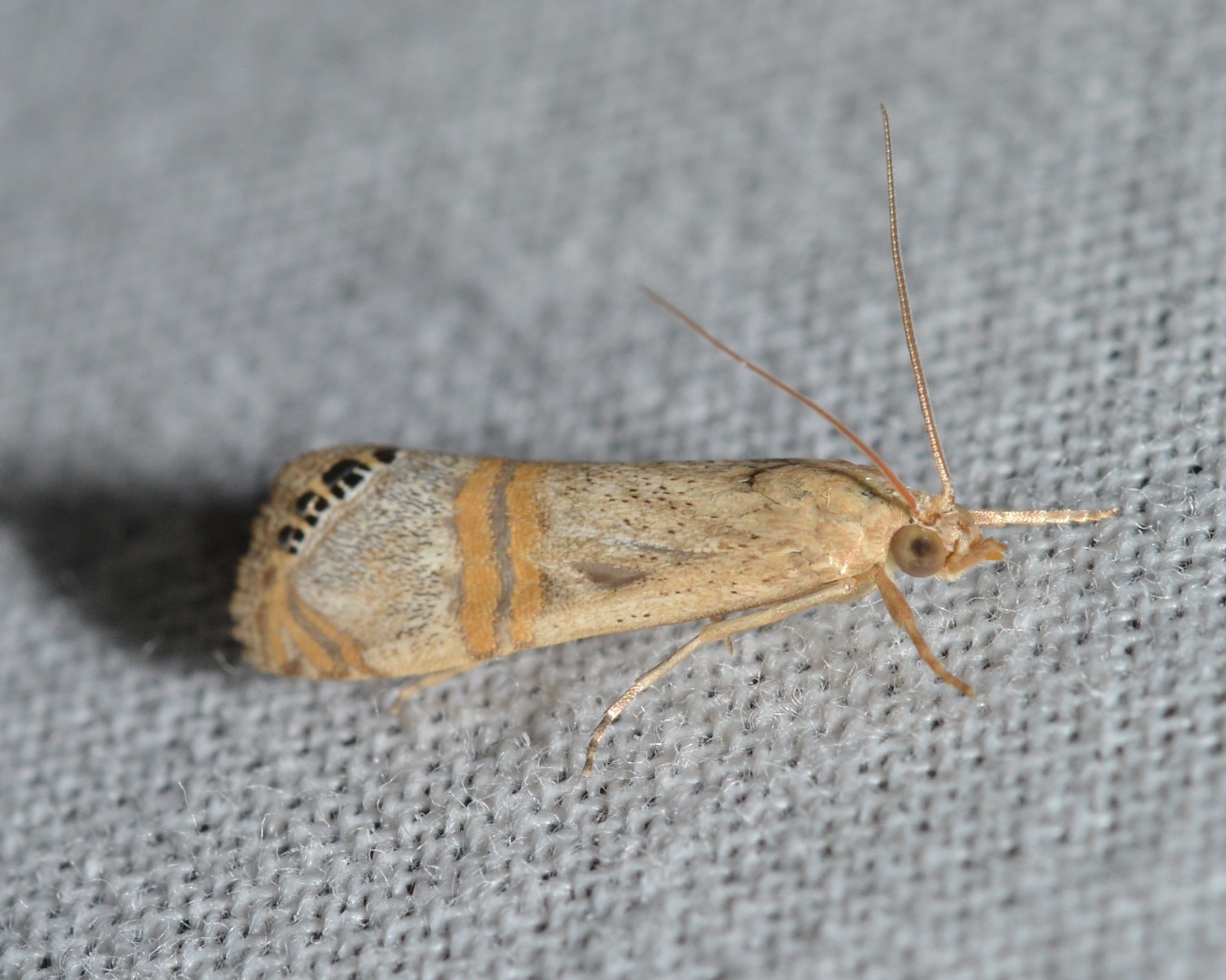
4. Harlequin webworm moth
The wingspan is 1.3 cm.
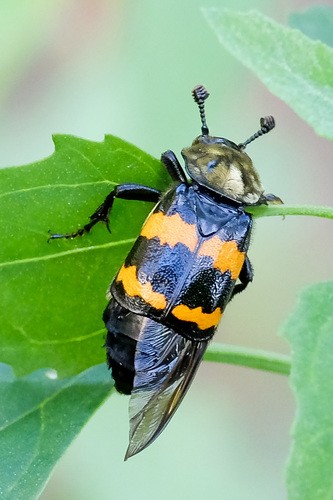
5. Tomentose burying beetle
The tomentose burying beetle (Nicrophorus tomentosus) is also called the gold necked carrion beetle due to the two bright bands on its back. They are also one of the few insects that engage in cooperative parental care. Males and females will place their eggs underneath a carcass, where they may need to remove the soil. Both males and females cooperate in the defense of this carcass as their young grow.
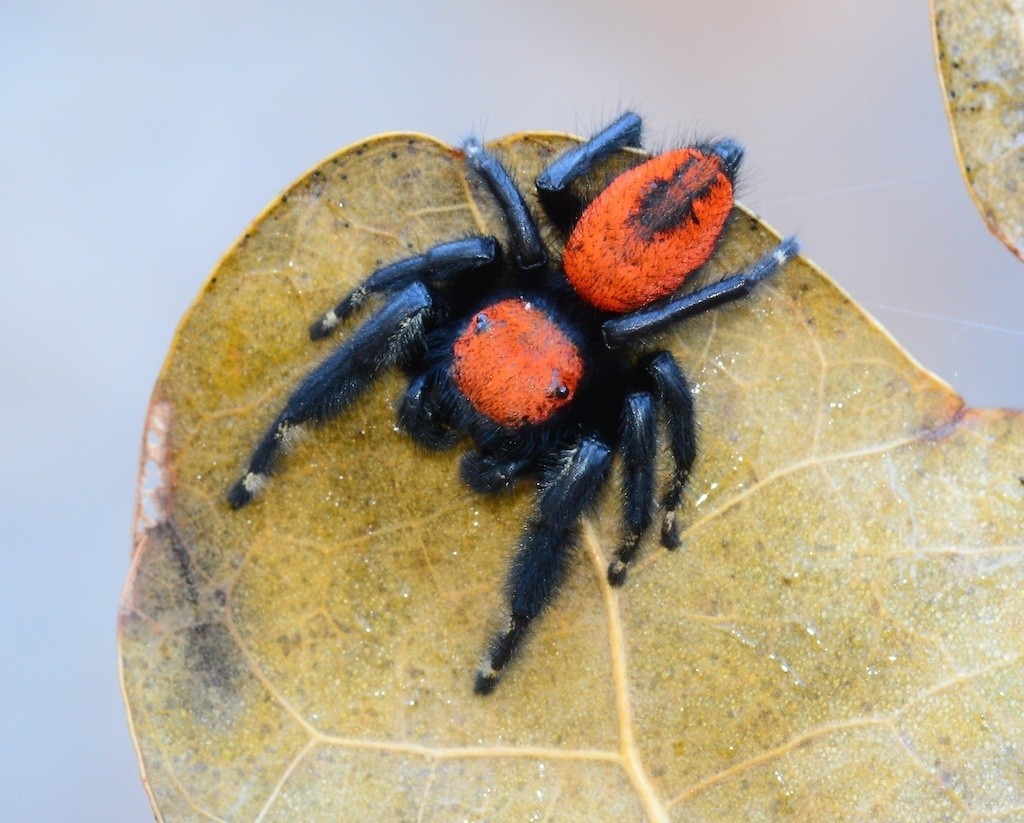
6. Red velvet jumping spider
Phidippus apacheanus is a species of jumping spider in the family Salticidae. It is found in the United States, Mexico, and Cuba.
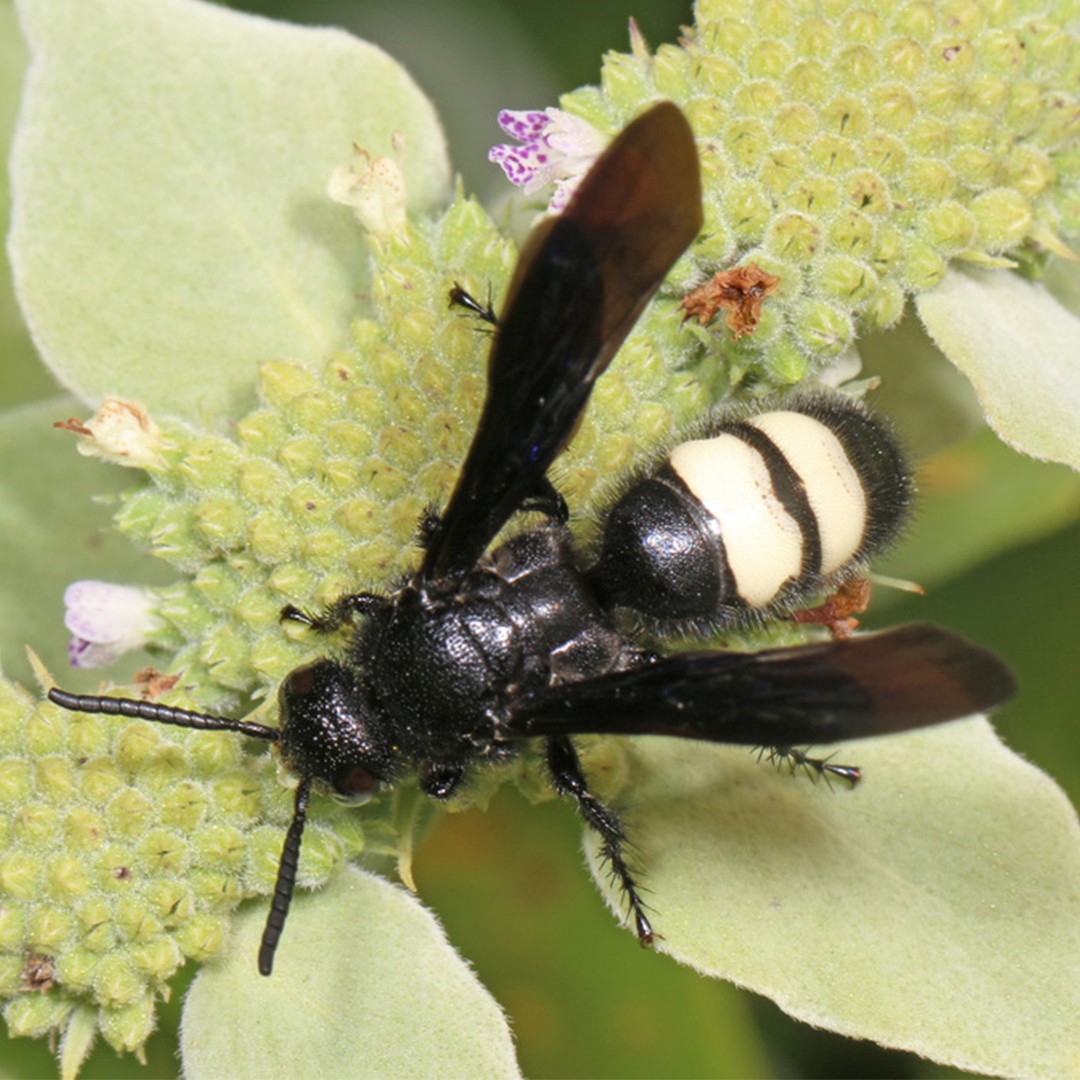
7. Double-banded Scoliid Wasp
Scolia bicincta, the double-banded scoliid, is a species of scoliid wasp in the family Scoliidae.
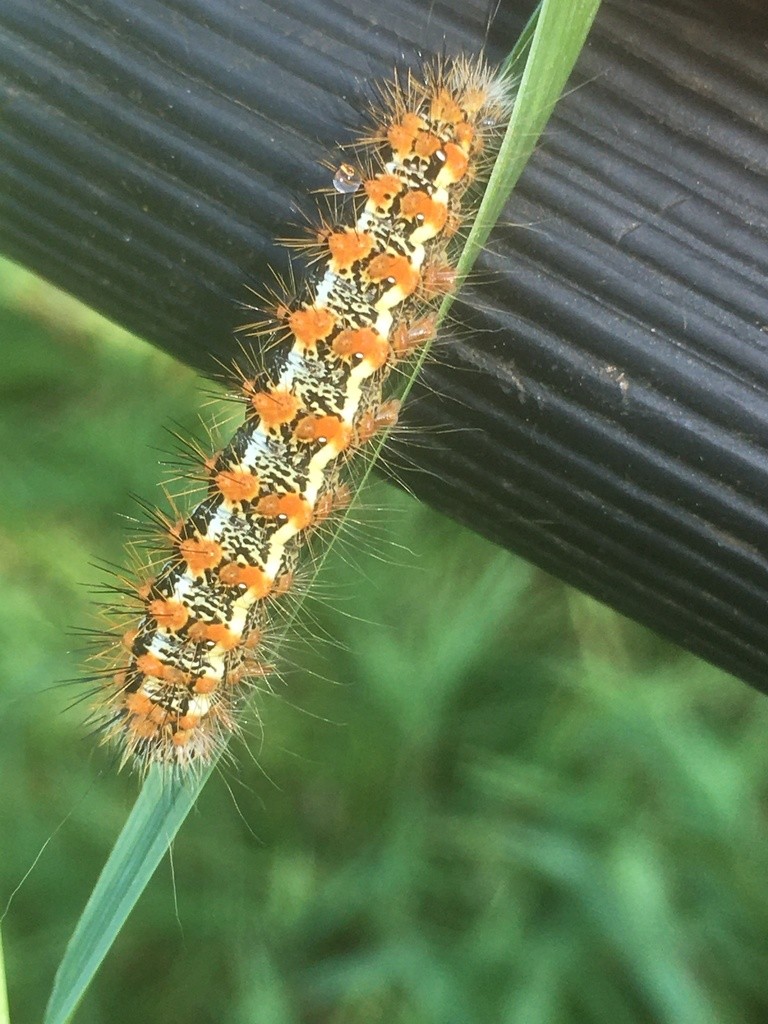
8. Cattail Caterpillar
Acronicta insularis, the cattail caterpillar (when referring to the larva) or Henry's marsh moth (when referring to the adult), is a moth of the family Noctuidae. The species was first described by Gottlieb August Wilhelm Herrich-Schäffer in 1868. It is found from coast to coast throughout the United States and southern Canada (Ontario, Quebec, New Brunswick, Nova Scotia, British Columbia, Alberta, Saskatchewan and Manitoba). The wingspan is 35–40 mm. Adults are on wing from April to September. The larvae feed on Typha and Polygonum species, as well as various grasses and sedges, poplar and willow. Acronicta insularis was formerly called Simyra insularis. In 2015, the genus Simyra, along with Oxicesta and Eogena, were moved to Acronicta based on phylogenetic analysis. The MONA or Hodges number for Acronicta insularis is 9280.
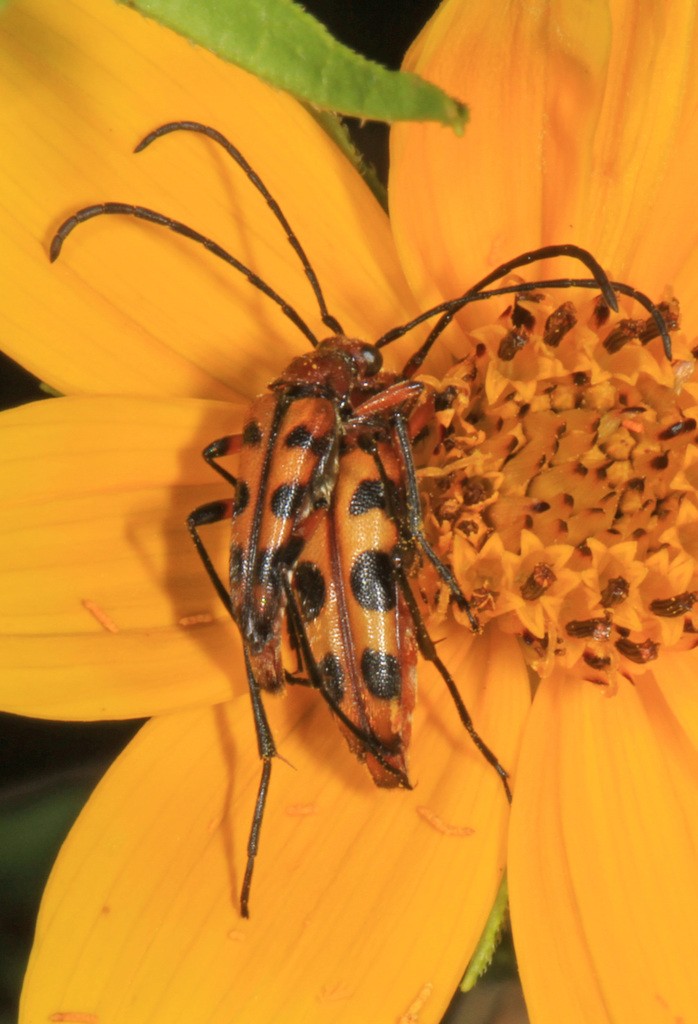
9. Six-spotted flower strangalia
Strangalia sexnotata, the six-spotted flower strangalia, is a species of flower longhorn in the beetle family Cerambycidae. It is found in North America.
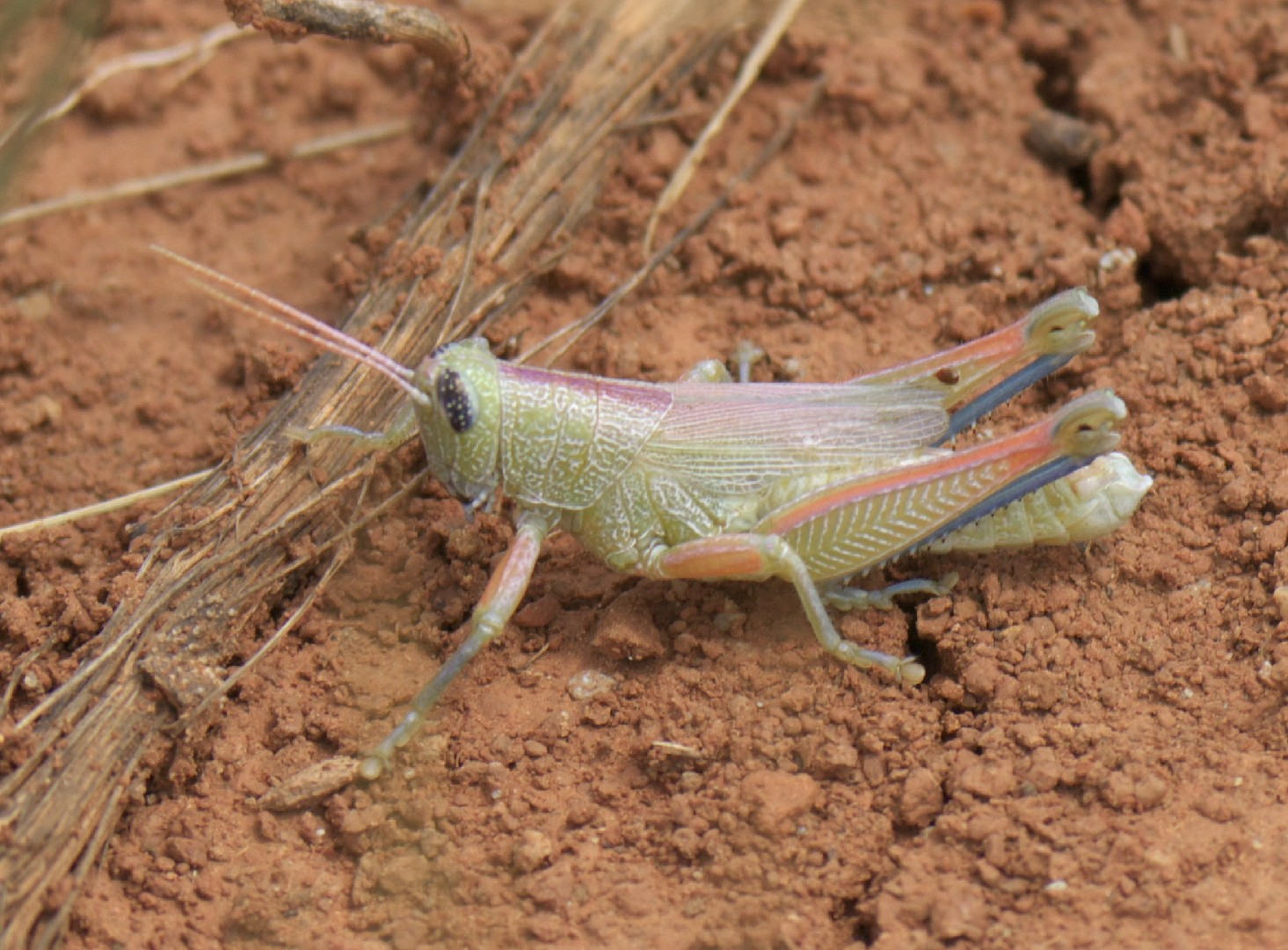
10. Showy grasshopper
Hesperotettix speciosus is a right-winged insect from the field locust family (Acrididae). The scientific name of this species was first validly published in 1872 by Scudder.
More







