




Top 20 Most Common Insects in Kingsville
In the city of Kingsville, a thriving world of insects exists right under our noses. From innocuous beetles to beautiful butterflies, these creatures shape their ecosystem with roles as both invaluable pollinators and pesky intruders. Our Top 20 list brings awareness to Kingsville's most common insects, highlighting the intricate balance between city life and nature.

Most Common Insects
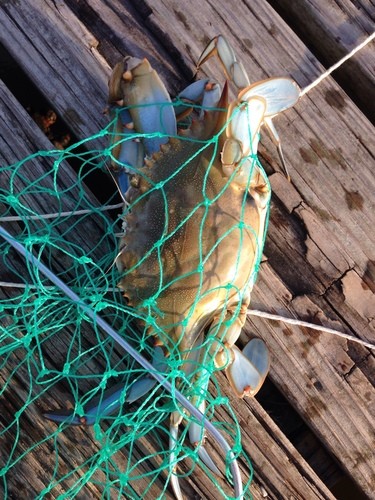
1. Blue crab
Thanks to its sapphire blue claws, blue crab is famous for its attractive appearance. Despite its lovely looks, the crab shows aggressive nature when it feels threatened. Blue crab has important commercial value and it's harvested for culinary use. Many people find its meat to be sweet and delicious.
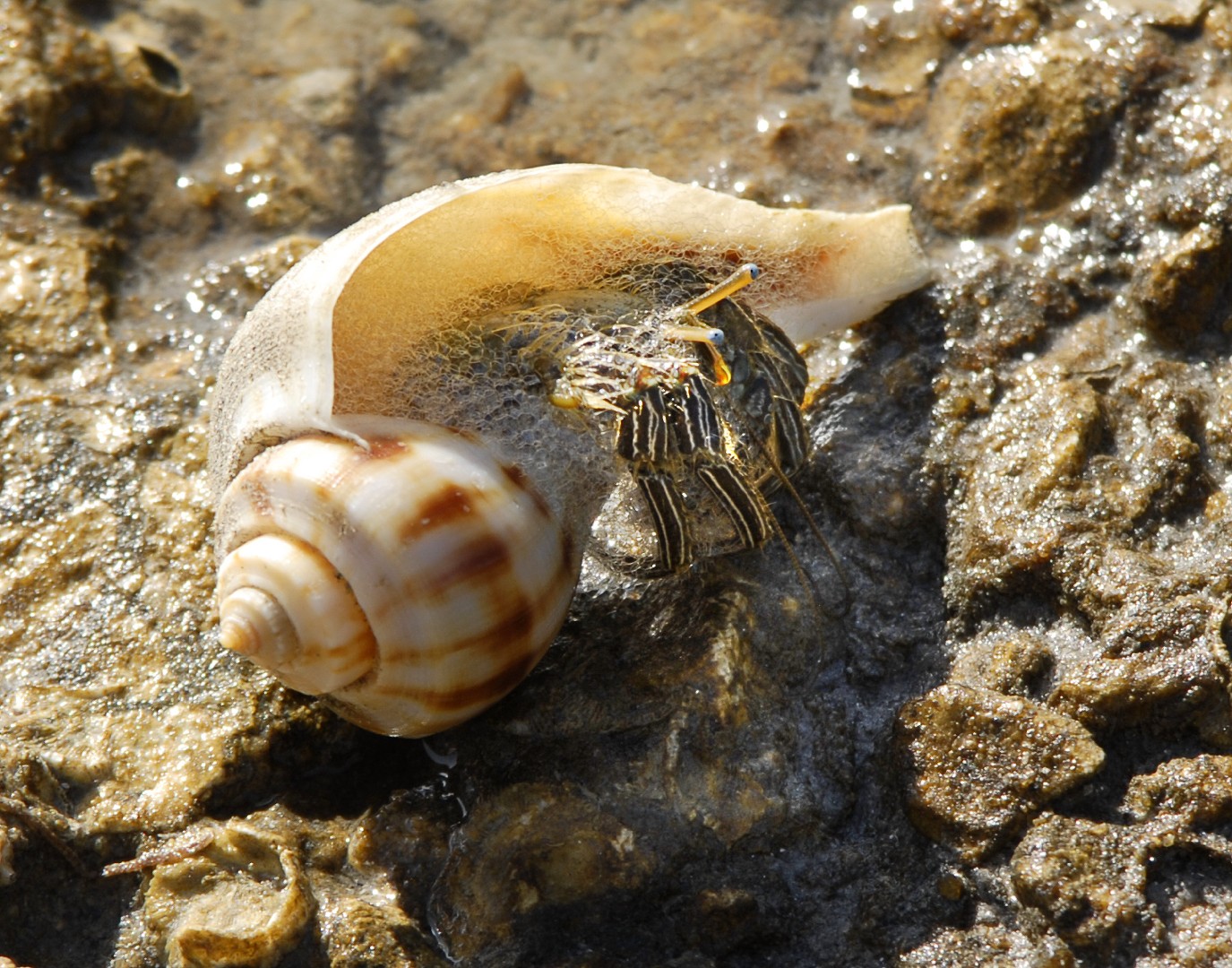
2. Thinstripe hermit crab
Thinstripe hermit crab (Clibanarius vittatus) is a species of hermit crab that lives in the Caribbean Sea, the Gulf of Mexico, and the western parts of the Atlantic. Like other hermit crabs, it chooses and resides in discarded shells of sea gastropods. The thinstripe hermit crab is distinguished from its cousins by the white-grey stripes and streaks seen all over its body, especially the legs.
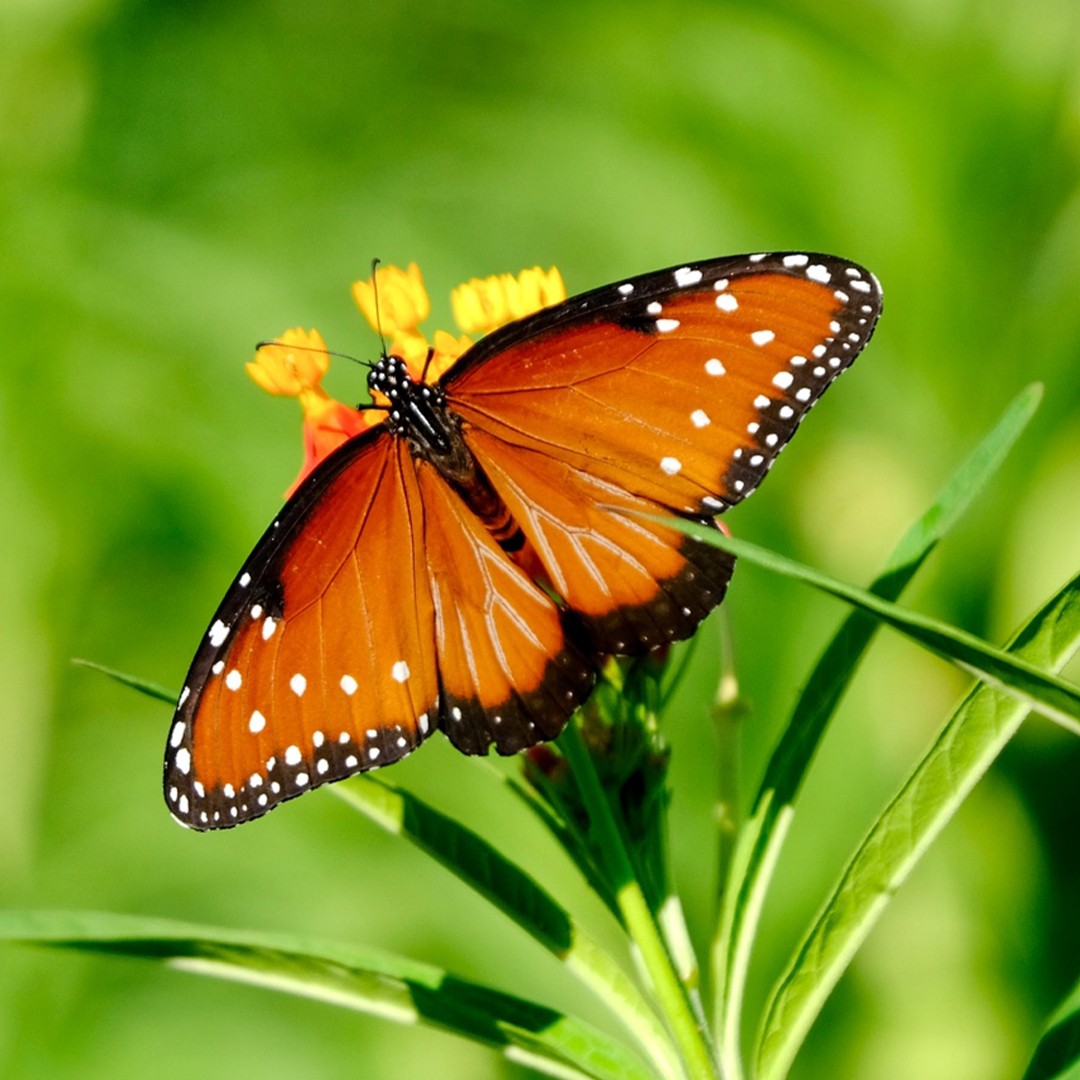
3. Queen
The queen butterfly (Danaus gilippus) is a North and South American butterfly in the family Nymphalidae with a wingspan of 70–88 mm (2.8–3.5 in). It is orange or brown with black wing borders and small white forewing spots on its dorsal wing surface, and reddish ventral wing surface fairly similar to the dorsal surface. The ventral hindwings have black veins and small white spots in a black border. The male has a black androconial scent patch on its dorsal hindwings. It is found throughout the tropics and into the temperate regions of the Americas, Asia and Africa. It can be found in meadows, fields, marshes, deserts, and at the edges of forests. This species is possibly a close relative to the similarly colored soldier butterfly (or tropic queen; Danaus eresimus); in any case, it is not close to the plain tiger (Danaus chrysippus) as was long believed. There are seven subspecies. Females lay one egg at a time on larval host plants. Larvae use these plants as a food source, whereas adult butterflies feed mainly on nectar from flowers. Unpalatability to avian predators is a feature of the butterfly; however, its level is highly variable. Unpalatability is correlated with the level of cardenolides obtained via the larval diet, but other compounds like alkaloids also play a part in promoting distastefulness. Males patrol to search for females, who may mate up to 15 times a day. Male organs called hair-pencils play an important role in courtship, with males with lower hair-pencil levels being selected against. These hair-pencils may be involved in releasing pheromones during courtship that could attract female mates. 
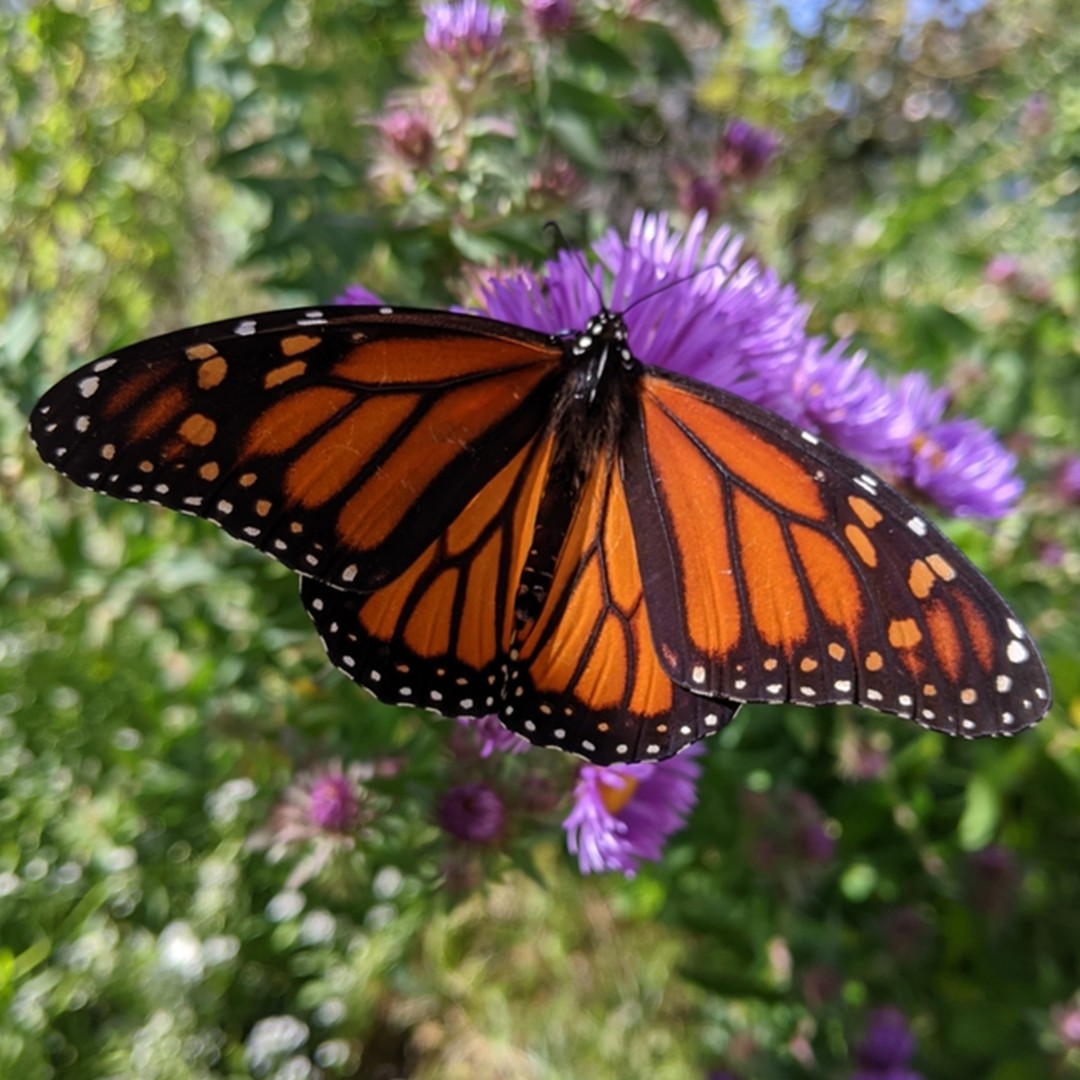
4. Monarch butterfly
The monarch butterfly (Danaus plexippus) is the most recognizable butterfly in North America. It is best known for its appearance, but should be better known for the fact that it has a 3000-mile migration that takes the butterfly 4 generations to complete. Their diet is also a natural deterrent for predators, as they eat milkweed, a poison that induces vomiting.
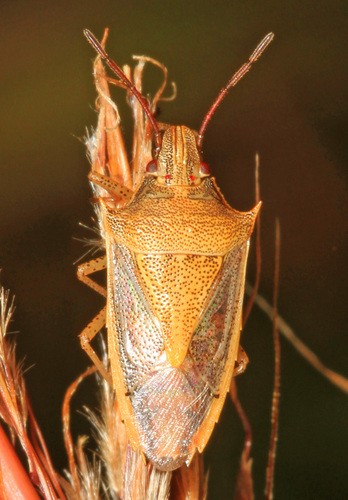
5. Rice stink bug
The rice stink bug (Oebalus pugnax) is considered a major pest of rice, wheat, and sorghum crops in the southern United States. They are known to be incredibly fast, traveling in large groups and destroying large fields of crops in the worst situations. They are distinguished with their light-yellow color and more narrow body.
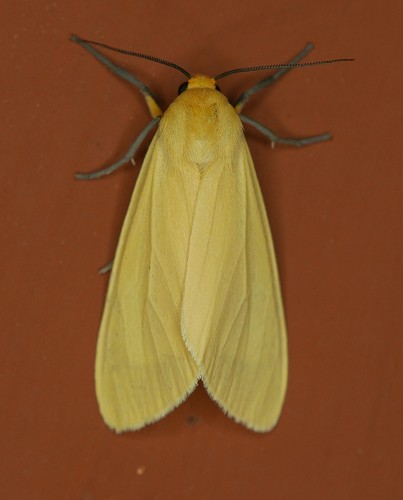
6. Yellow-winged pareuchaetes
The wingspan is 2.5 - 4 cm. The forewings are clay yellow without markings.
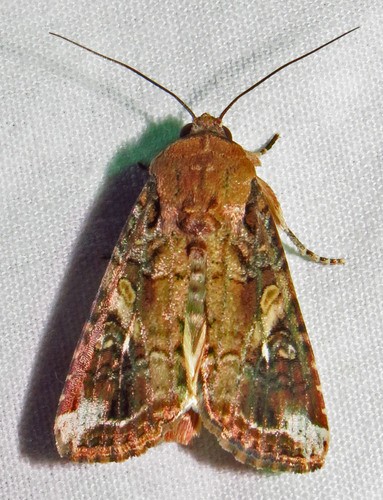
7. Fall Armyworm Moth
The fall Armyworm Moth (Spodoptera frugiperda) is a serious pest since it consumes large numbers of leaf tissue and damages foliage during its larval stage. It can also burrow into the ground, stunting the growth of plants. As a larva, it's a dull brown color while an adult moth has patterned brown forewings and solid white underwings.
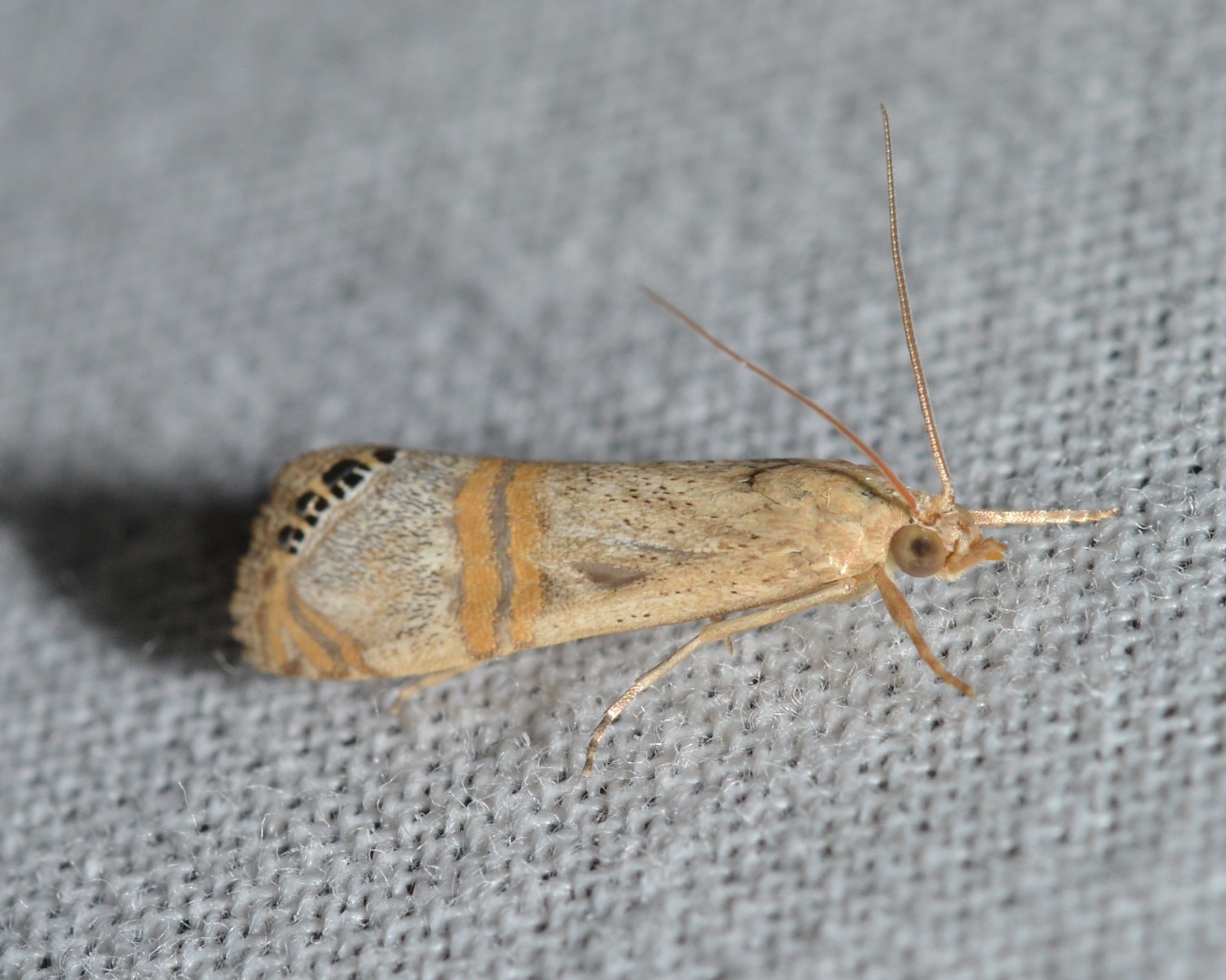
8. Necklace veneer
The wingspan is 1.6 - 2.5 cm. The ground colour of the forewings is creamy white, densely suffused with ochreous to dark brown scales. The posterior area sometimes has a yellowish spot. The hindwings are creamy white to grey brown.
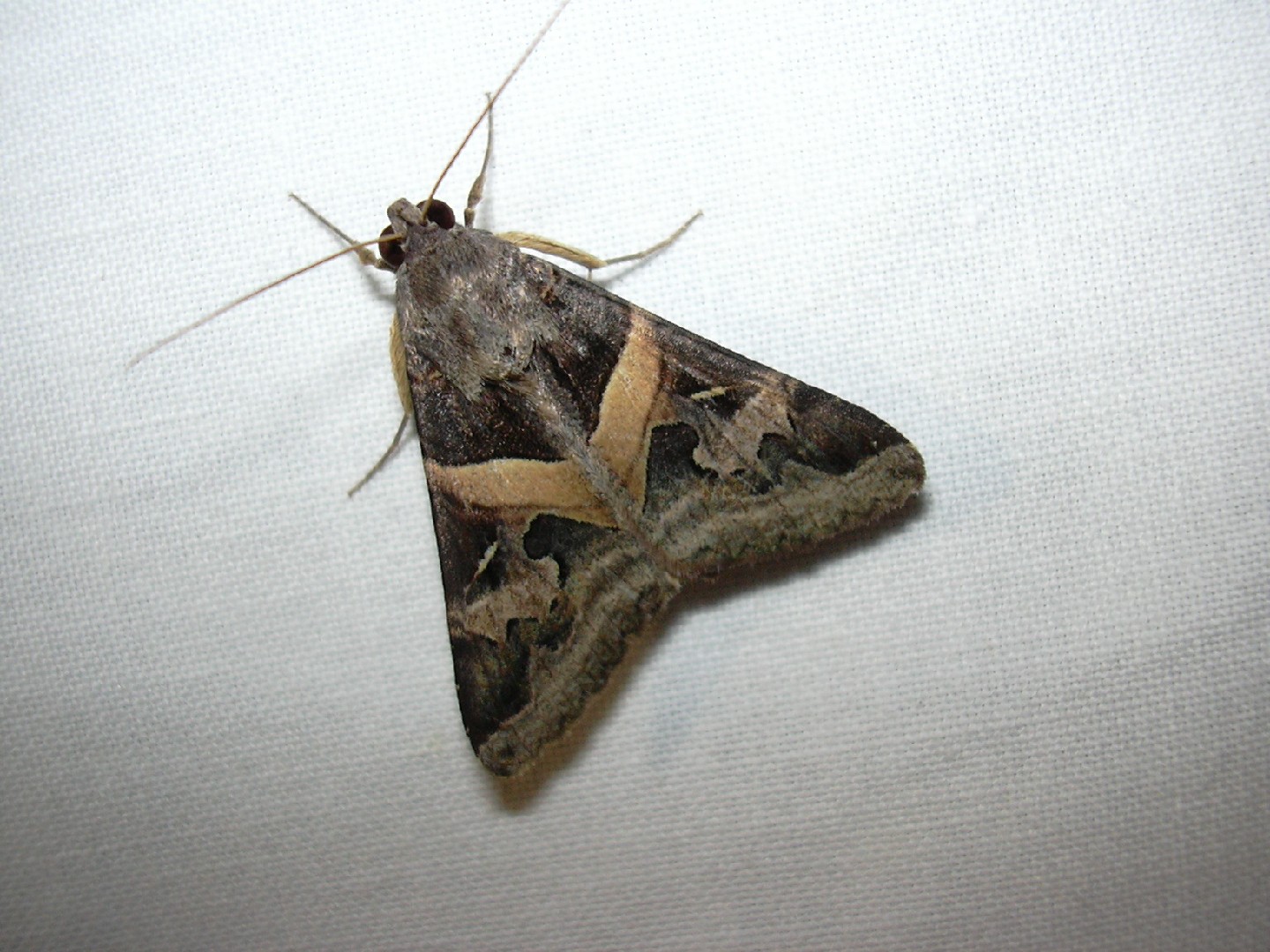
9. Indomitable melipotis
The wingspan is 4 - 6 cm.
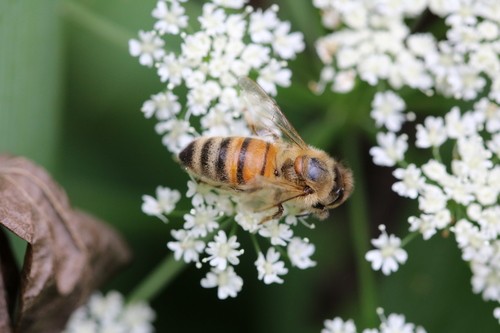
10. Western honey bee
Western honey bee(Apis mellifera) is the most common species of honeybee in the world. Among the first domesticated insects, its cultural and economic impact on humanity has been vast and far-reaching, providing honey, wax and its services as a pollinator. Western honey bee faces challenges worldwide, such as colony collapse disorder, and populations are thought to be decreasing.



More







