




Top 19 Most Common Insects in Cedar City
Insects, diverse creatures with unique features, have carved their niches in Cedar City's rich ecosystems. Their function, whether as pesky invaders or beneficial pollinators, is pivotal to our local environment's balance. Join us in exploring these tiny powerhouses in the 'Top 19 most common insects in Cedar City', a journey that unveils nature's intricate dynamic in urban landscapes.

Most Common Insects
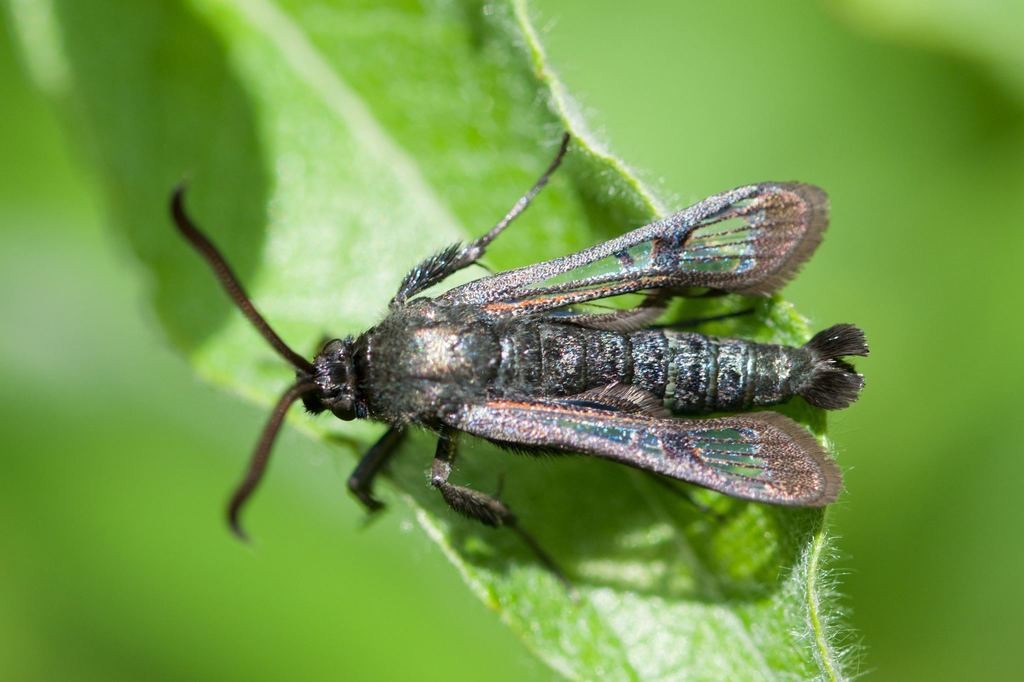
1. Fireweed clearwing moth
Albuna pyramidalis, the fireweed clearwing moth, is a species of clearwing moth in the family Sesiidae. The MONA or Hodges number for Albuna pyramidalis is 2533. 
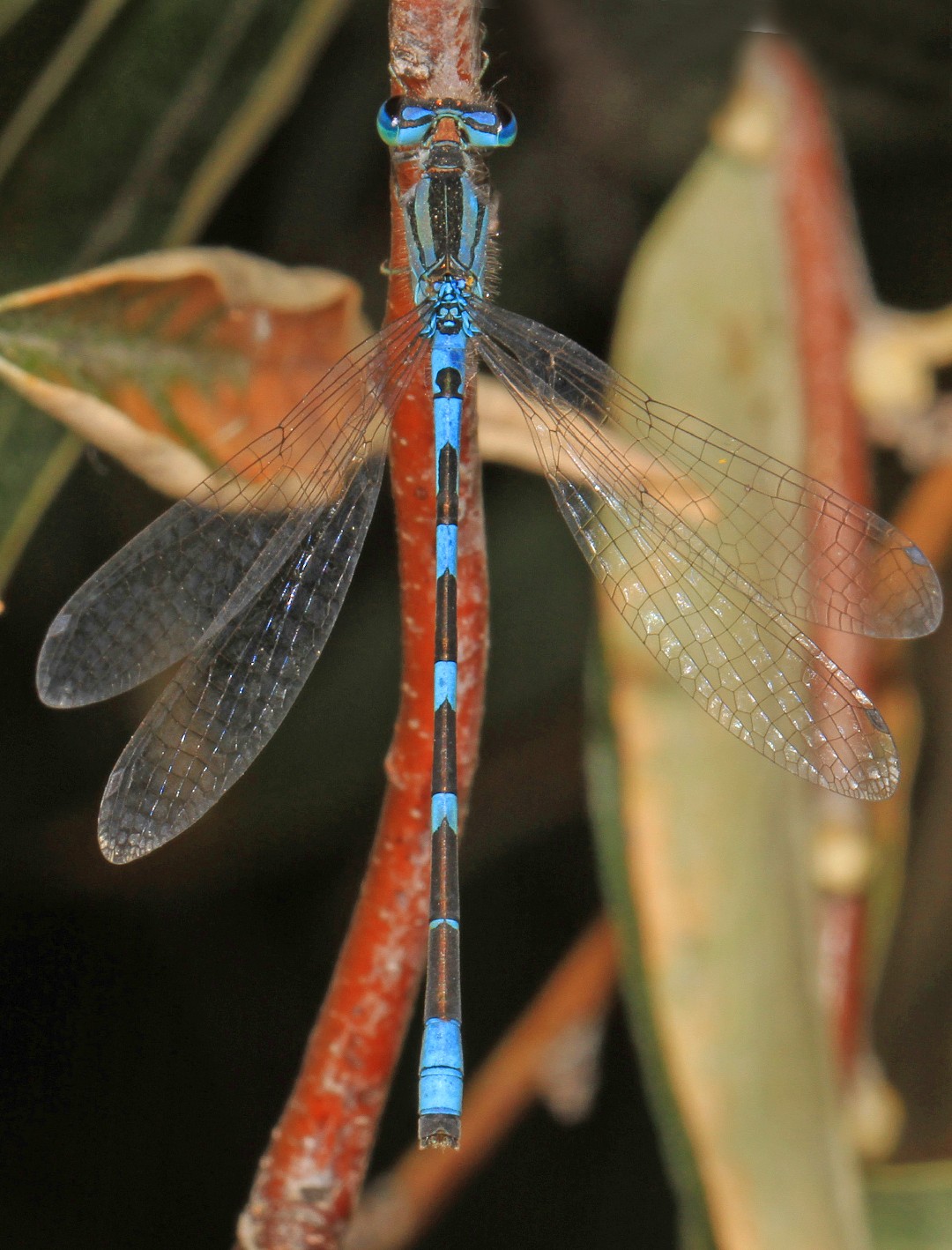
2. Tule bluet
Enallagma carunculatum is a dragonfly in the family of the brown dragonflies (Coenagrionidae). It is native to North America.
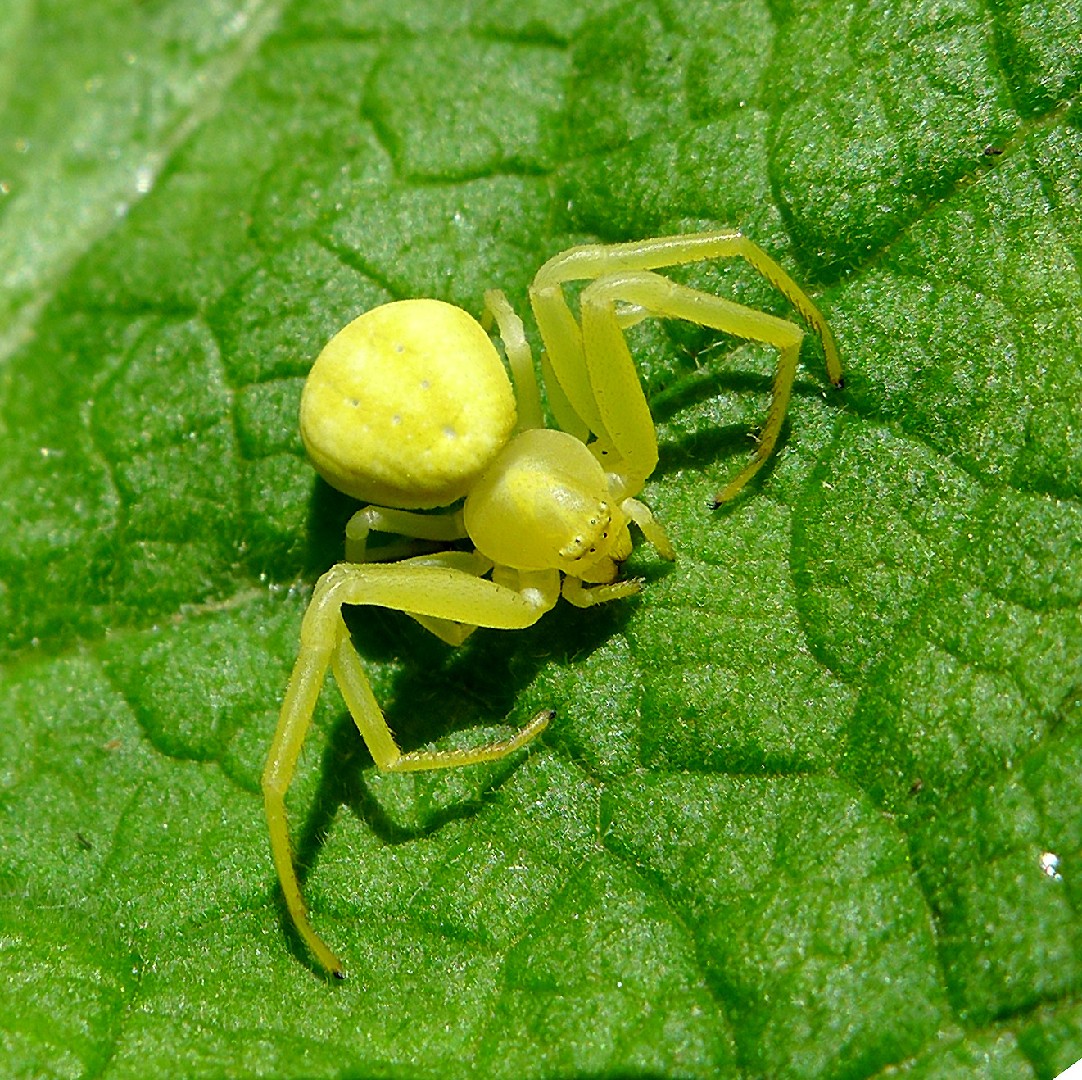
3. Goldenrod crab spider
Rather than for its coloring, goldenrod crab spider (Misumena vatia) is named for its tendency to hunt within sprays of goldenrod. This species is capable of catching and consuming prey several times larger than itself, such as dragonflies or grasshoppers. Loyal parents, the females will guard their eggs until they hatch and the tiny spiders disperse, after which the female will die.
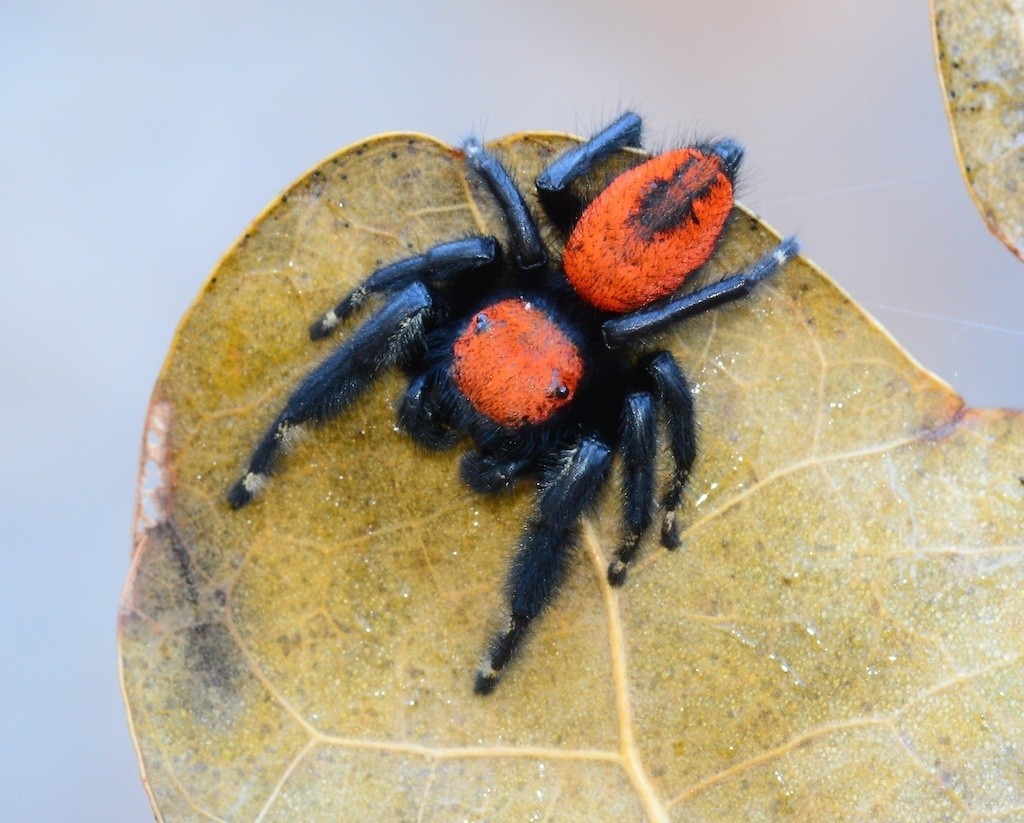
4. Red velvet jumping spider
Phidippus apacheanus is a species of jumping spider in the family Salticidae. It is found in the United States, Mexico, and Cuba.
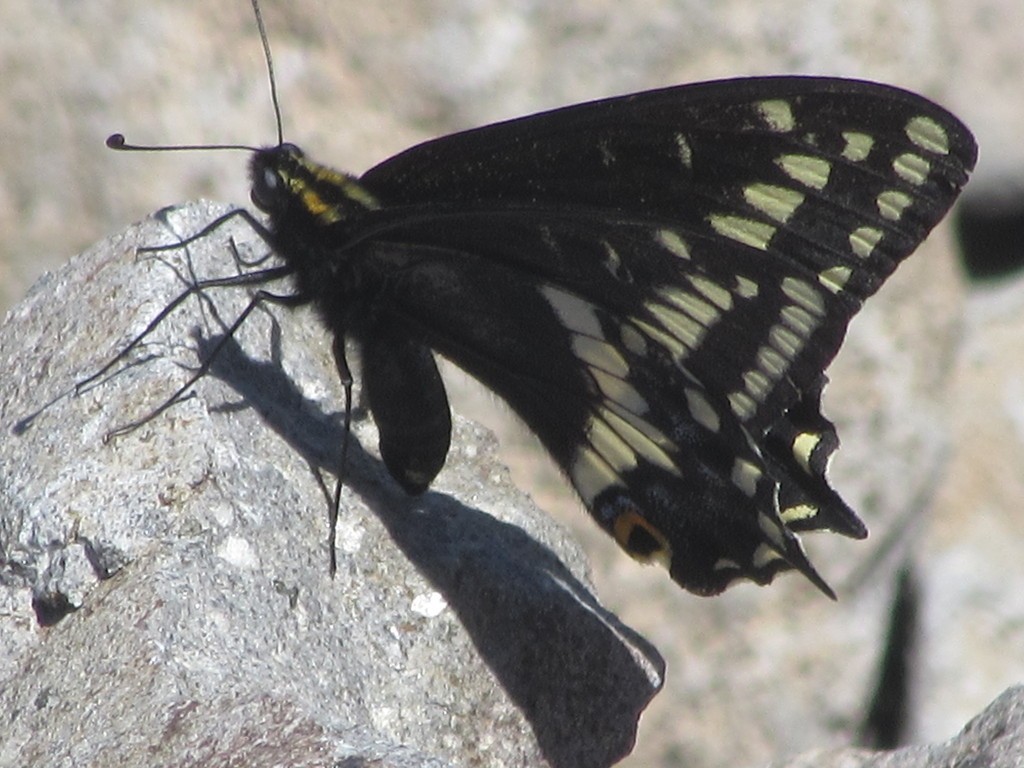
5. Indra swallowtail
The Indra swallowtail is a black swallowtail similar in coloration to the black swallowtail and the short-tailed swallowtail. It has very short tails and has dark blue crescents on the topside of the hindwing.
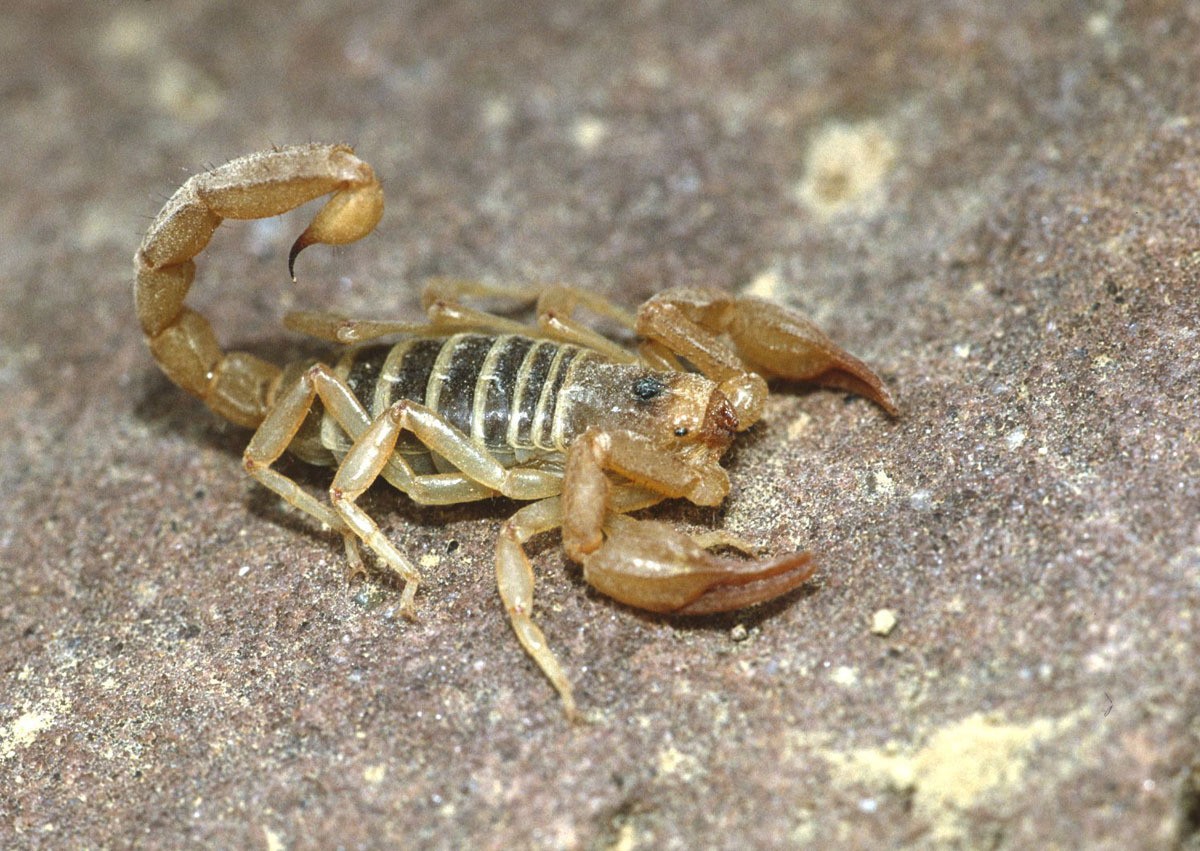
6. Northern scorpion
Paruroctonus boreus is a species of scorpions of the family Vaejovidae.
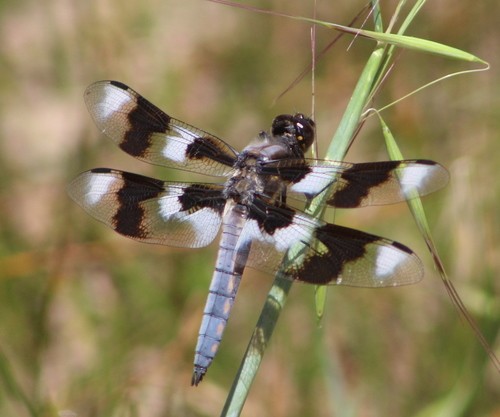
7. Eight-spotted skimmer
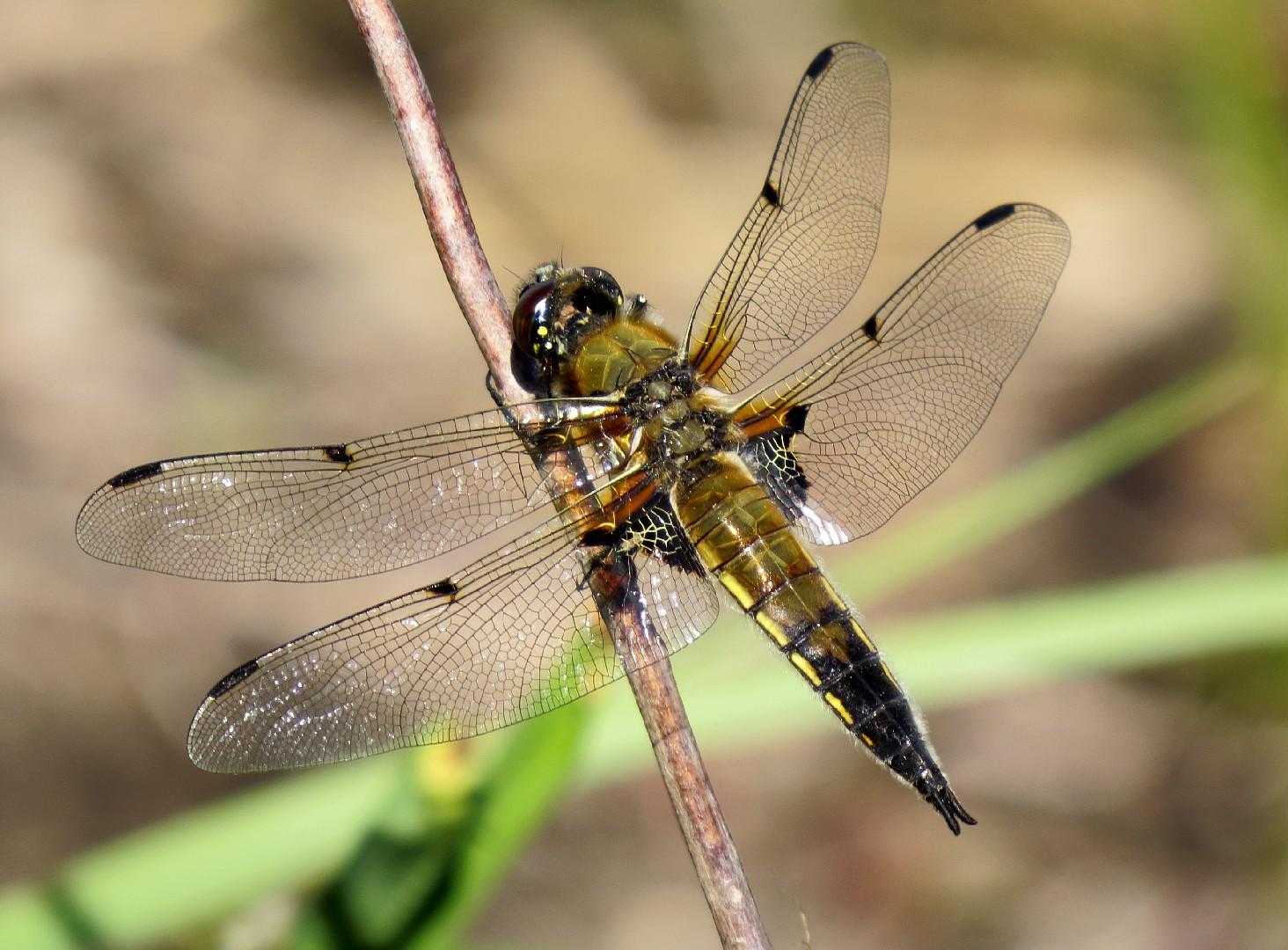
The eight-spotted skimmer (Libellula forensis) is identified by the eight black markings on its wings. It is occasionally confused with the Twelve-spotted skimmer that is sometimes called the Ten-spotted skimmer. You may attempt to desperately count the number of spots on these fast-moving skimmers, but the major differentiation in this one is the lack of black tips on their wings.
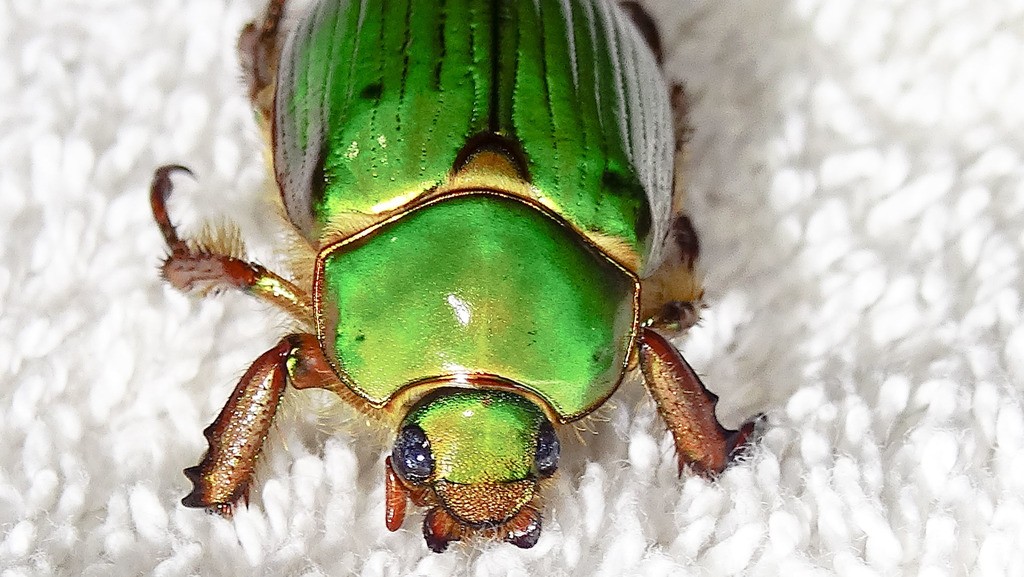
8. Leconte's chrysina
Chrysina lecontei, or Leconte's chrysina, is a species of shining leaf chafer in the family of beetles known as Scarabaeidae.
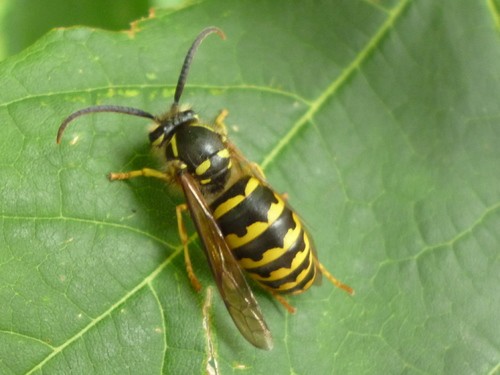
9. Aerial yellowjacket
Known for its aerial building mastery, 'Dolichovespula arenaria' or 'aerial yellowjacket', constructs nests high up in trees or manmade structures. Its architecture prevents predation and creates an opportunity for symbiosis, with smaller insects benefiting from its scraps. Intriguingly, the aerial yellowjacket's sting is especially potent to its peers, often resulting in the takeover of rival hives, thereby increasing their lateral gene flow and ecosystem diversity.
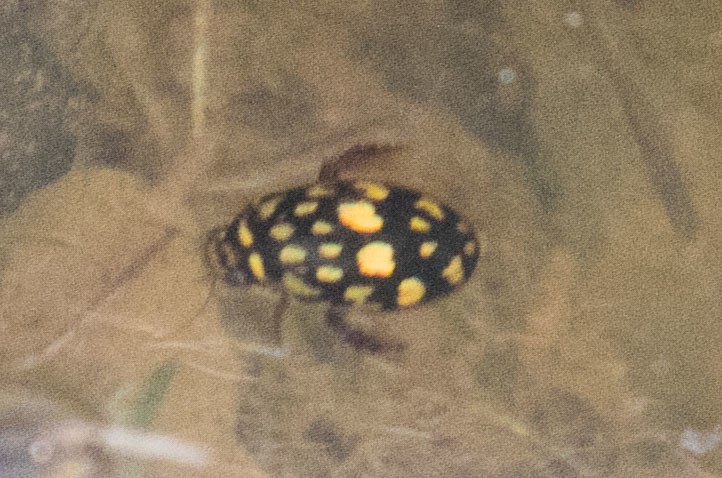
10. Yellow-spotted diving beetle
The adult beetle has a length of 0.8–1.5 cm (0.31–0.59 in), with females slightly larger than males. The sunburst diving beetle has a black and streamlined carapace covered with bright yellow or golden spots. The male has a suction disk on each foreleg.

More







