




Top 17 Most Common Insects in St. George
Insects, remarkable creatures known for their distinctive features, often thrive in diverse environments like St. George. This wide array of insects, though sometimes irritating as pests, play an indispensable role in St. George's ecosystem. The harmonious and intriguing ecology of St. George is a testament to the importance of these critters. Discover the 17 most common insects, as their existence is integral to both our natural world and bustling city life.

Most Common Insects
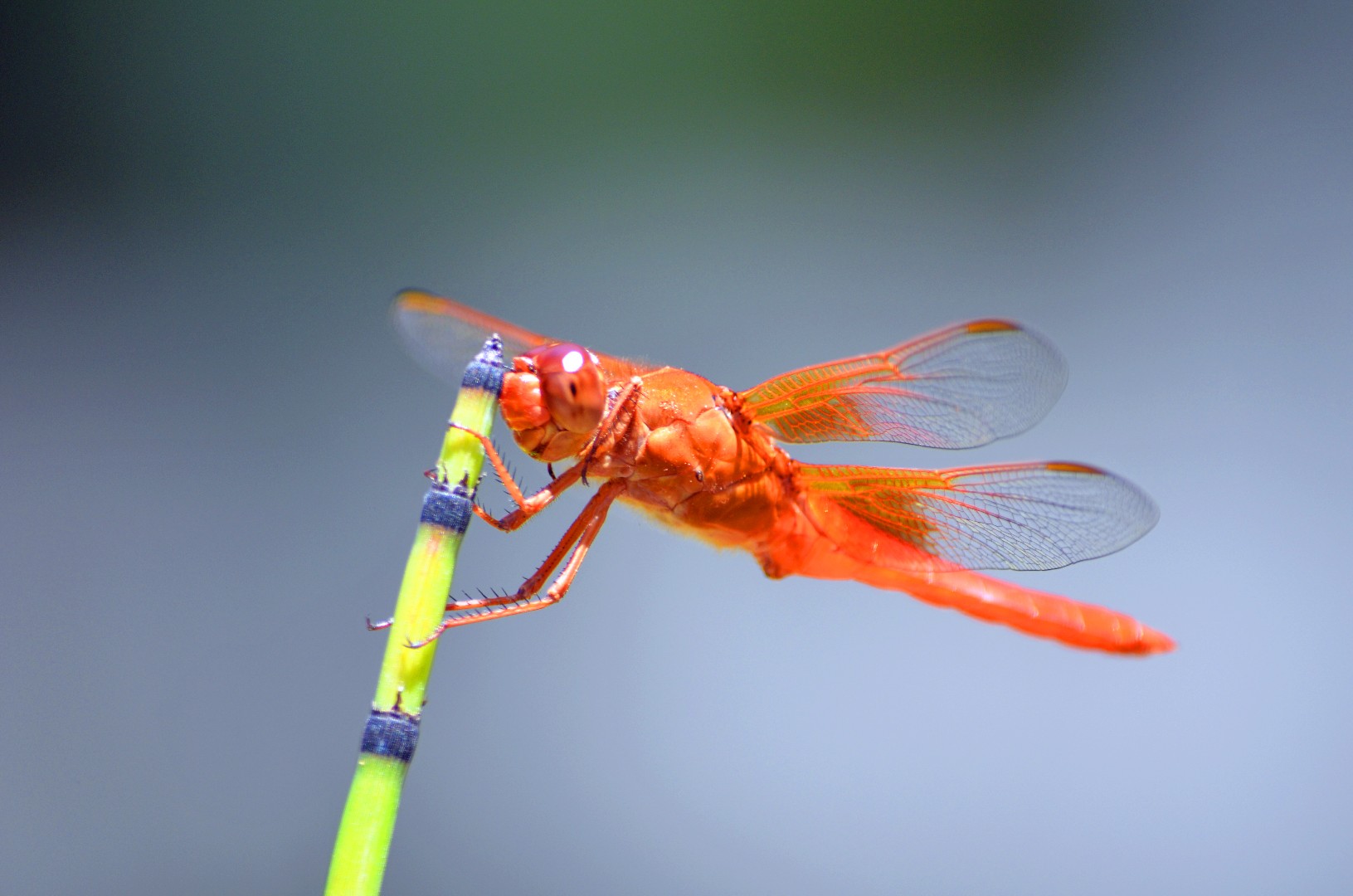
1. Flame skimmer
Male flame skimmers are known for their entirely red or dark orange body, this includes eyes, legs, and even wing veins. Females are usually a medium or darker brown with some thin, yellow markings. This particular type of skimmer varies in size but is generally measured somewhere between 5 cm and 8 cm long. These naiads are known for being rather large and chubby-looking due to their rounded abdomen. They are covered with hair but, unlike most young dragonflies, they lack hooks or spines. 

2. White-Lined Sphinx
The white-Lined Sphinx ( Hyles lineata) is a colorful furry moth with striped wings. It has a similar size of a hummingbird, and behaves like a hummingbird as well. It can fly extremely fast, and instantly swing from side to side while hovering just like a hummingbird. It feeds on nectar from a variety of flowers including petunia, honeysuckle, lilac, clovers, thistles, and jimson weed.
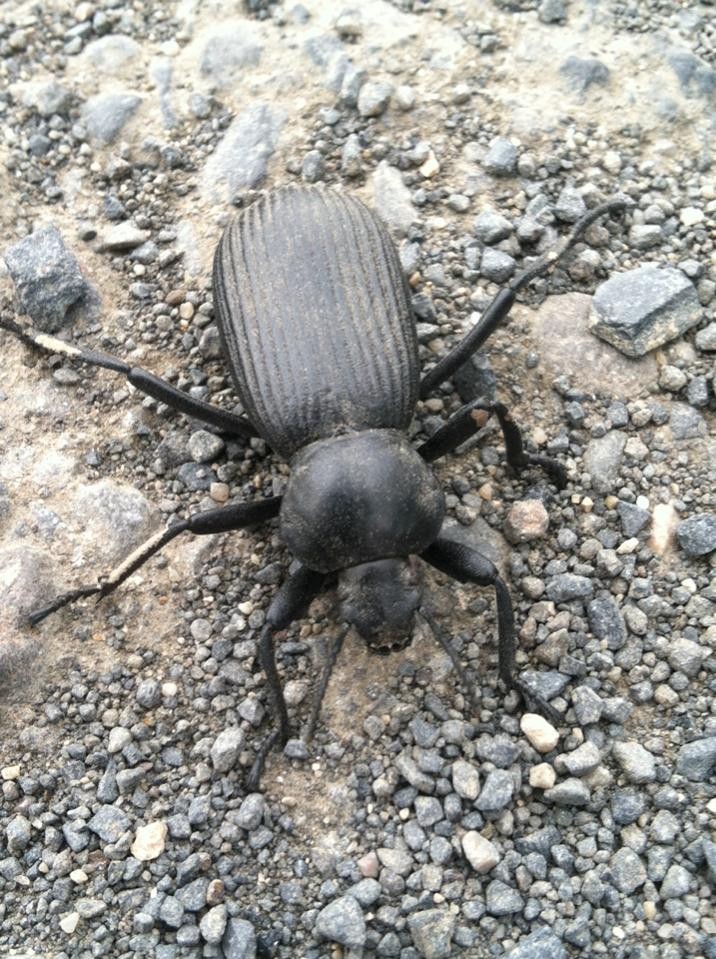
3. Obscure darkling beetle
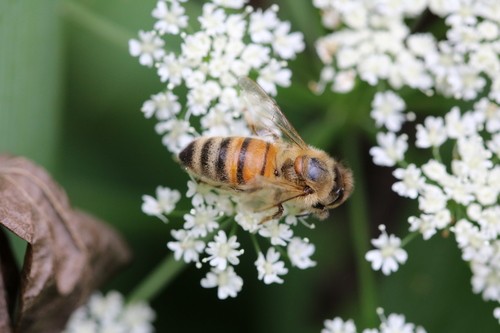
4. Western honey bee
Western honey bee(Apis mellifera) is the most common species of honeybee in the world. Among the first domesticated insects, its cultural and economic impact on humanity has been vast and far-reaching, providing honey, wax and its services as a pollinator. Western honey bee faces challenges worldwide, such as colony collapse disorder, and populations are thought to be decreasing.
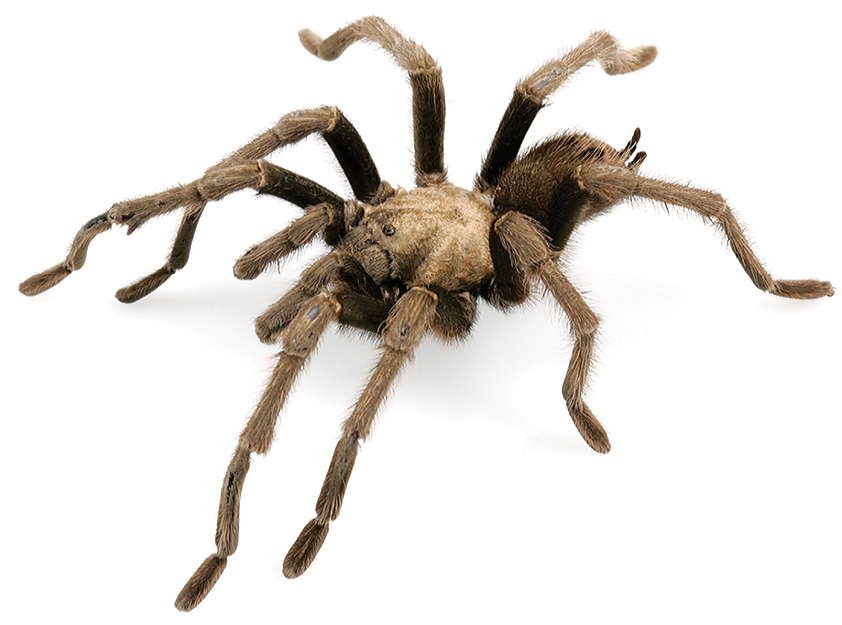
5. Desert tarantula
The desert tarantula( Aphonopelma iodius) is common in California, Nevada, and Utah. They are always active at night and make burrows under the surfaces of desert areas. The entrance of their burrow is always decorated with silk and dirt plug to protect themselves against heat and predators.
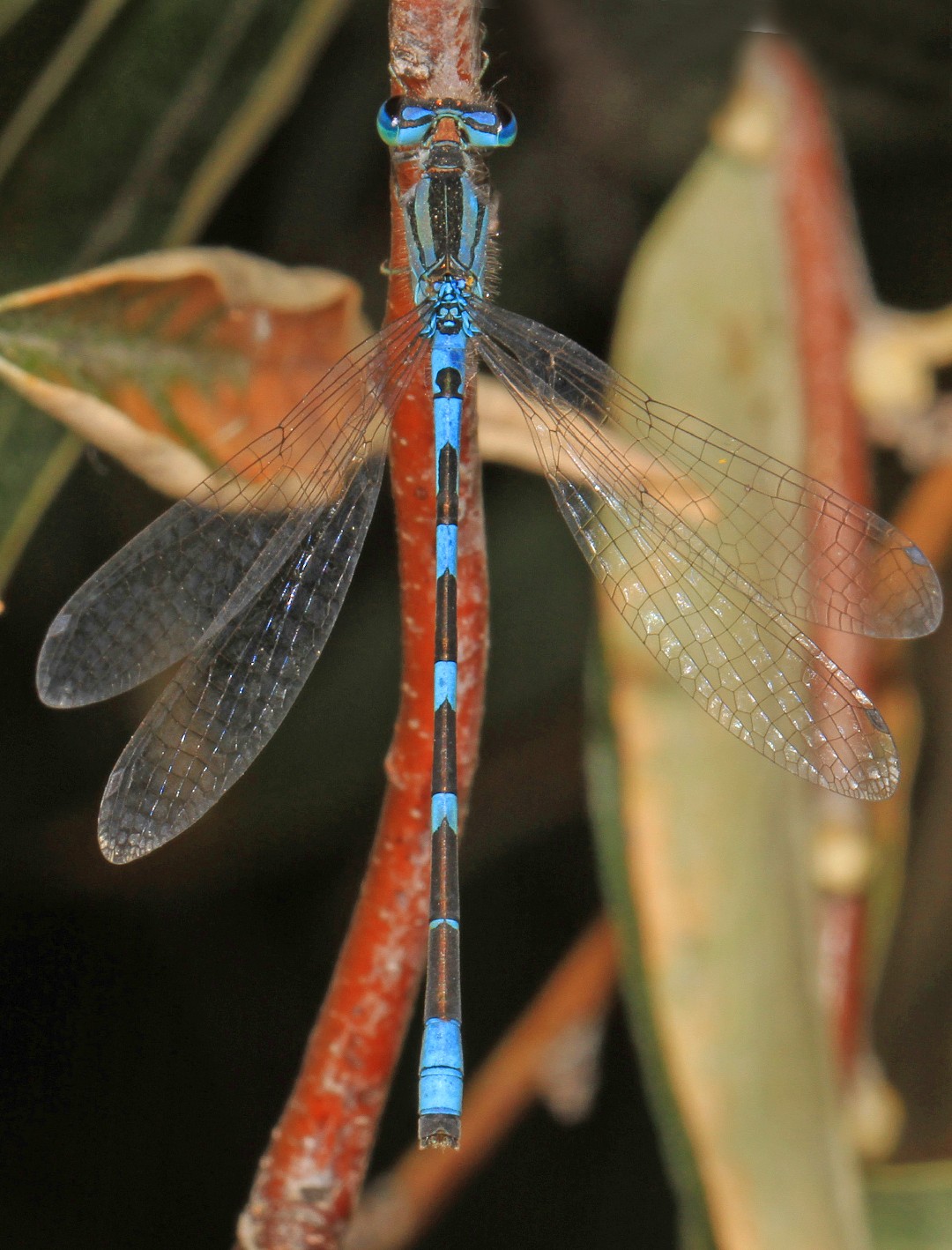
6. Tule bluet
Enallagma carunculatum is a dragonfly in the family of the brown dragonflies (Coenagrionidae). It is native to North America.
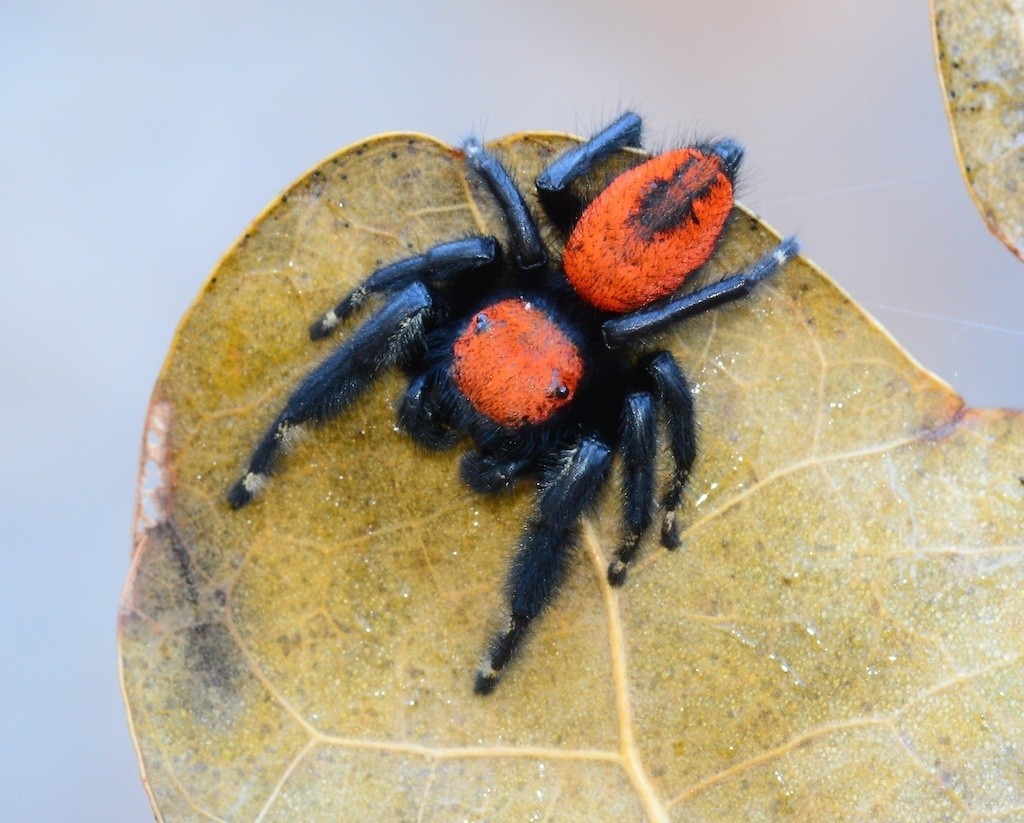
7. Red velvet jumping spider
Phidippus apacheanus is a species of jumping spider in the family Salticidae. It is found in the United States, Mexico, and Cuba.
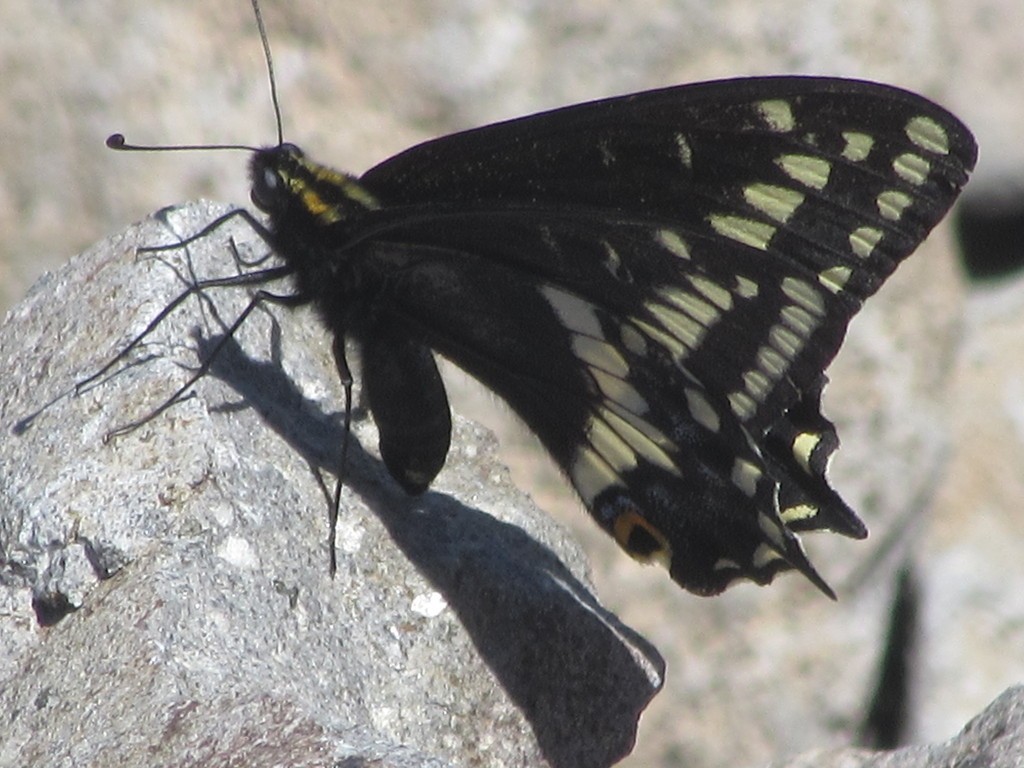
8. Indra swallowtail
The Indra swallowtail is a black swallowtail similar in coloration to the black swallowtail and the short-tailed swallowtail. It has very short tails and has dark blue crescents on the topside of the hindwing.
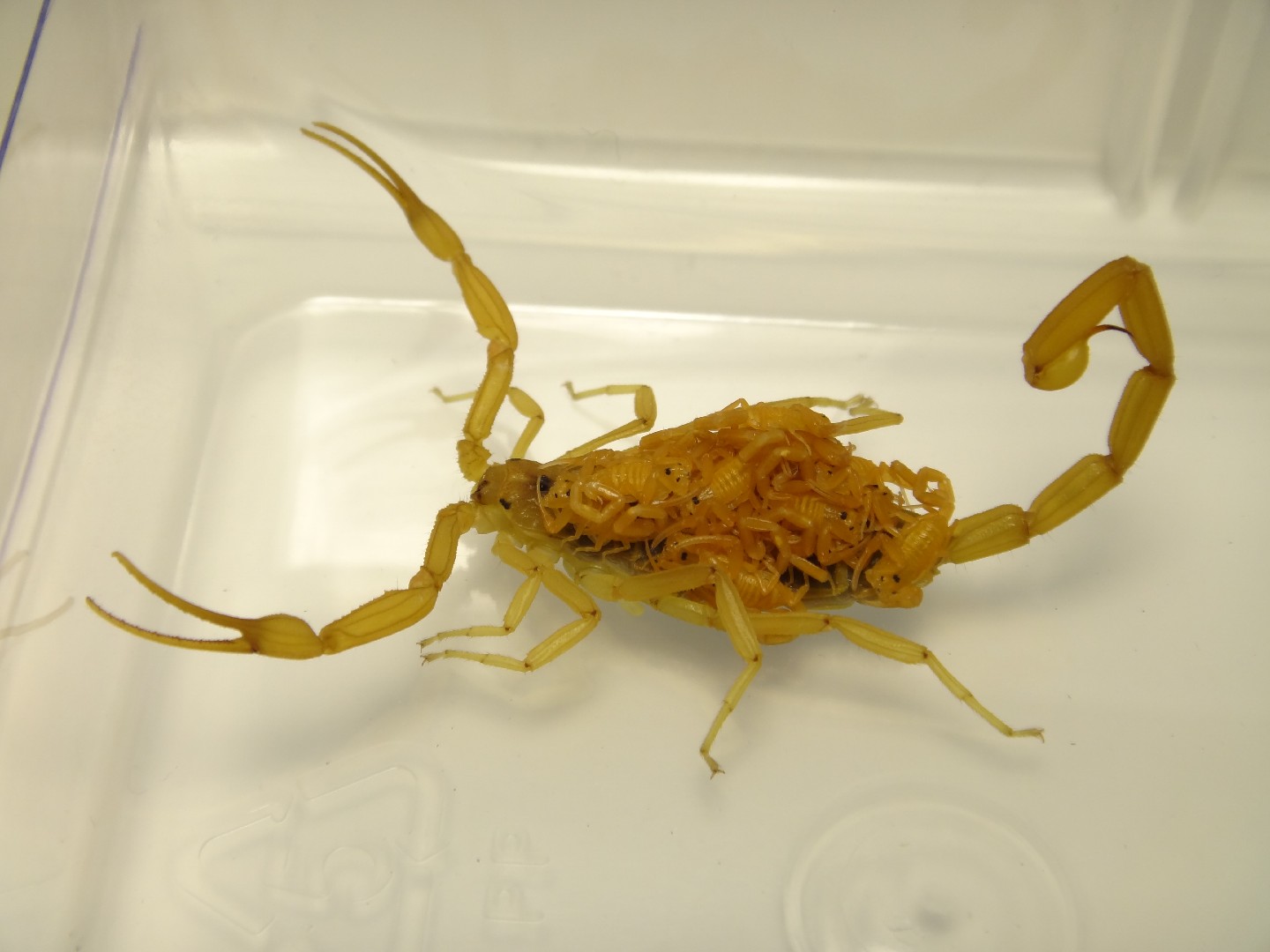
9. Arizona bark scorpion
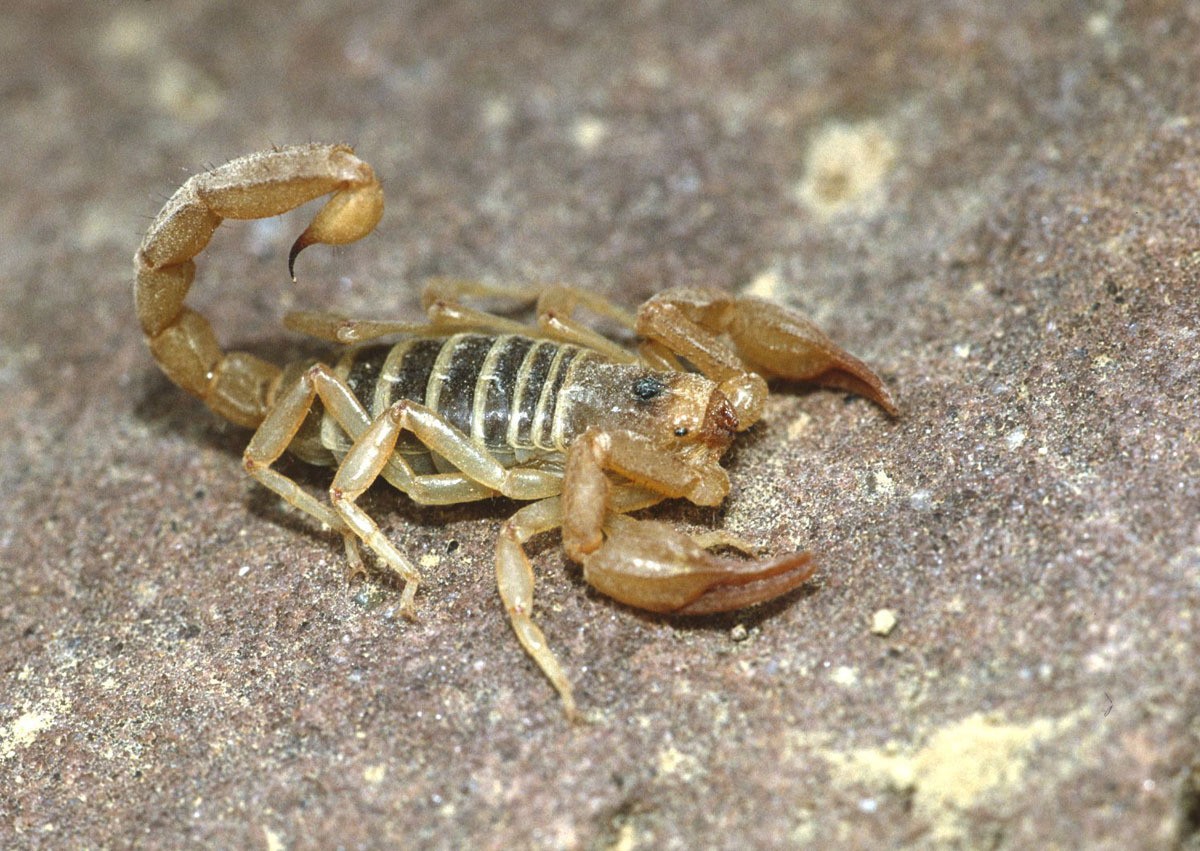
The arizona bark scorpion (Centruroides sculpturatus) is a fast, nocturnal creature that ambushes its prey. It feeds on a wide range of bugs, including beetles, spiders, and cockroaches. It uses the tiny hairs on its body to recognize terrains and find prey. Its yellow coloring might seem less intimidating than other scorpions, but it has a real powerful venom.
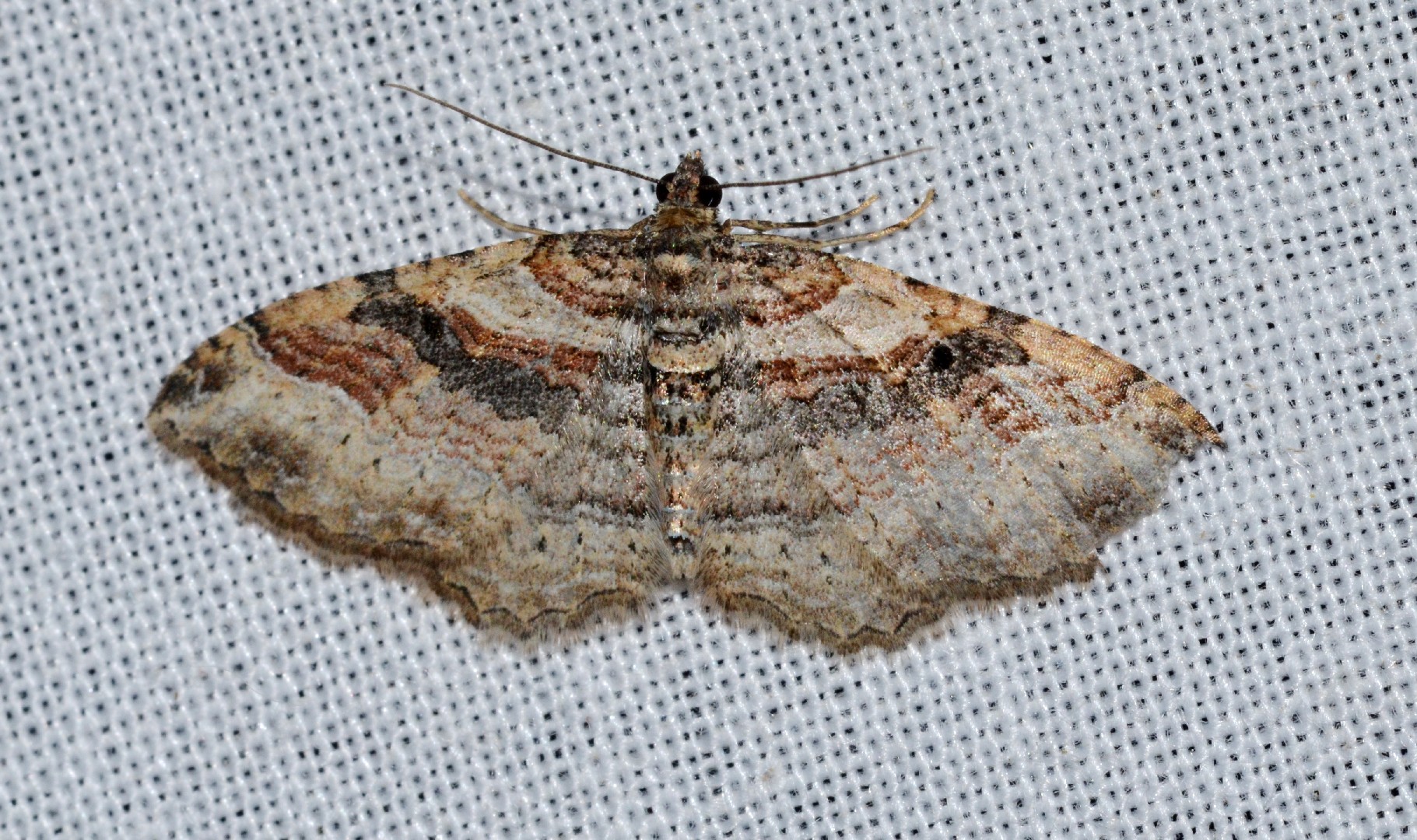
10. Bent-line carpet moth
Costaconvexa centrostrigaria, the traveller or bent-line carpet, is a moth in the family Geometridae. It is native to most of North America, except the Arctic. It is an introduced species in Great Britain, the Canary Islands, the Azores and Madeira. The wingspan is 17–23 mm. The wings are pale gray to reddish brown. The antemedial and postmedial lines form dark brown bands. There is a small black discal spot on all wings. The species is sexually dimorphic. Males have mostly grey wings while females have a dark median area. Adults are on wing from May to October in Ontario, March to November in north-eastern North America and year-round in Texas and the west. There are two or more generations per year. The larvae feed on Polygonum species.
More