




Top 20 Most Common Insects in Maple Valley
Welcome to our exploration of the 20 most common insects in Maple Valley. Insects, with their distinctive structures and habitats, play a vital role in our city's ecosystem, from pests influencing human activities to beneficial bugs contributing to biodiversity. The relationship between Maple Valley's environment and its creep-crawl inhabitants represents a dynamic testament to ecosystem balance and intrigue.

Most Common Insects
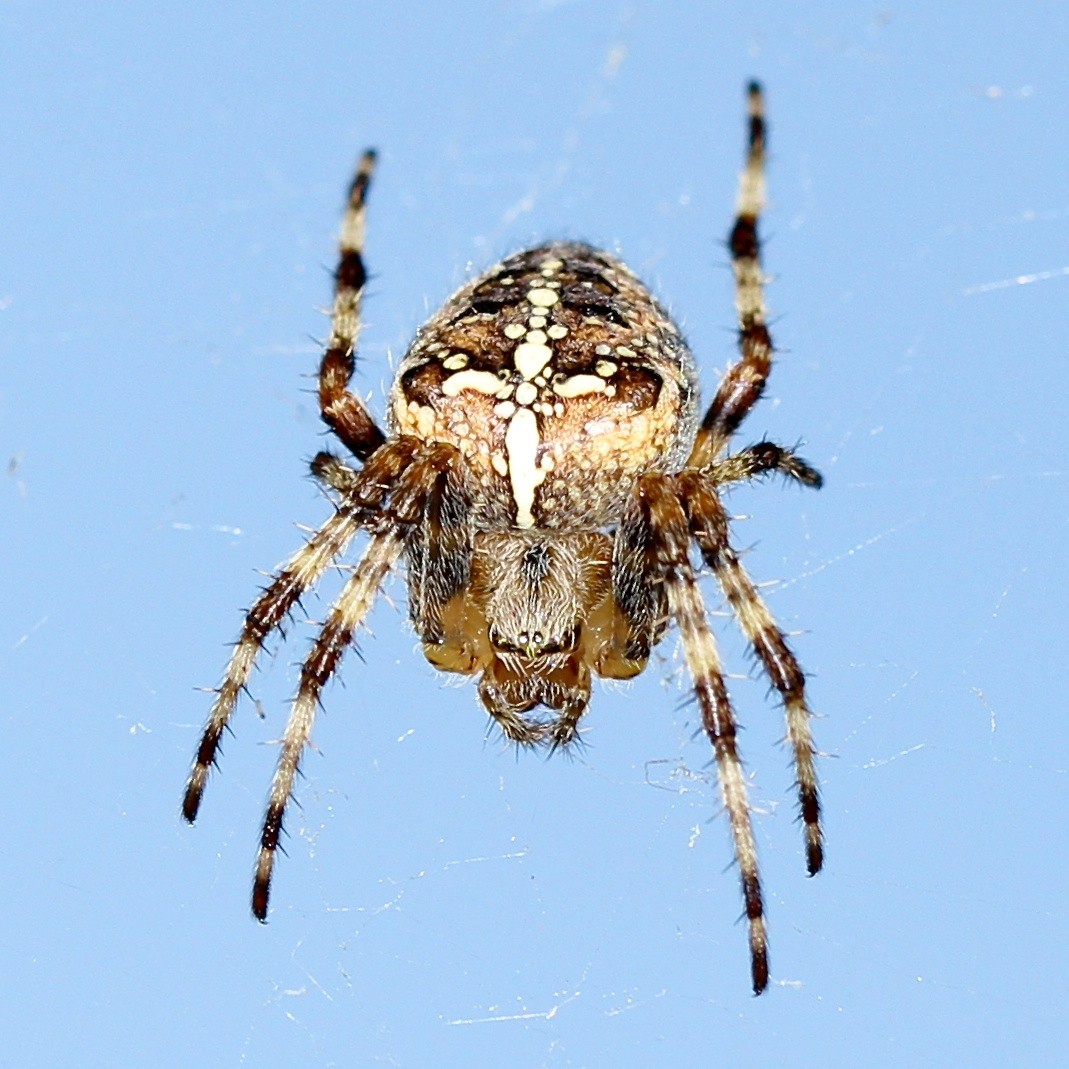
1. Crowned orbweaver
A common species of orb-weaver, crowned orbweaver (Araneus diadematus) builds large and noticeable webs. Only the females build webs, and they may prey upon their mates before, during or after engaging in sexual intercourse. Crowned orbweaver is reluctant to bite humans and will not do so unless scared or provoked. It avoids danger by vibrating in its web until it becomes a blur, confusing predators.
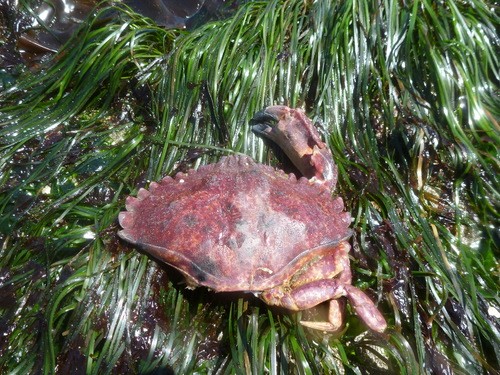
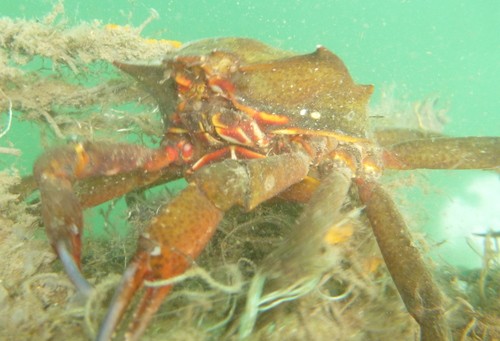
2. Red rock crabs
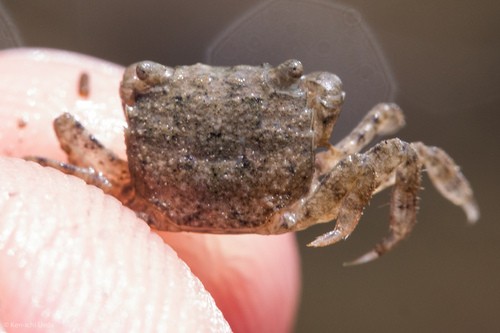
3. Yellow shore crab
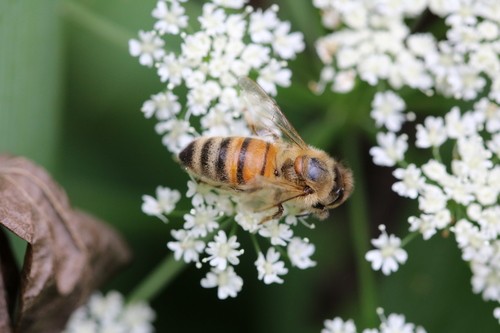
4. Western honey bee
Western honey bee(Apis mellifera) is the most common species of honeybee in the world. Among the first domesticated insects, its cultural and economic impact on humanity has been vast and far-reaching, providing honey, wax and its services as a pollinator. Western honey bee faces challenges worldwide, such as colony collapse disorder, and populations are thought to be decreasing.
5. Yellow-spotted millipede
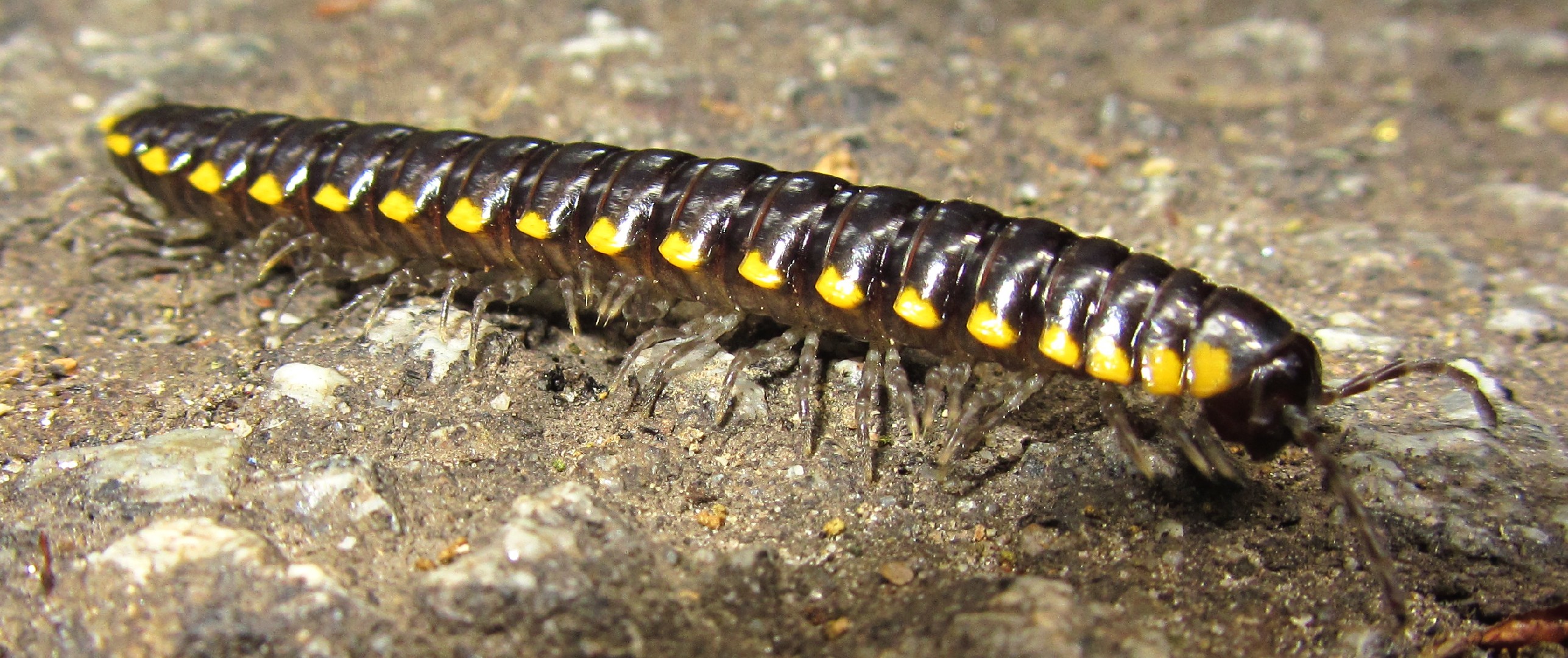
Harpaphe haydeniana reach a length of 4 - 5 cm when mature. The upper surface of the body is black to olive green, and is distinctively marked along the sides with patches of a yellowish colour. Harpaphe haydeniana has approximately twenty body segments, bearing a total of 30 (males) or 31 (females) pairs of legs. The difference between males and females is due to one pair of legs on the seventh segment in males being modified to form gonopods used for sperm transfer. 
6. Yellow-faced bumble bee
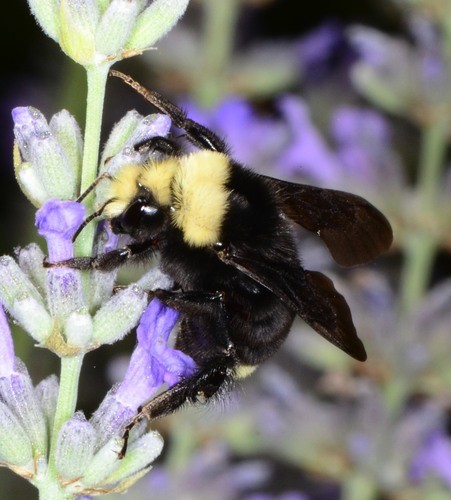
The yellow-faced bumble bee (Bombus vosnesenskii) is known for its mostly black body with a yellow face. Their population is not dropping, but continued expansion of urban human populations is causing some difficulty for this bee to make nests. But what it does find it tends to monopolize due to its early arrival in the season.

7. Multicolored asian ladybeetle
Often confused for the ladybug, multicolored asian ladybeetle (Harmonia axyridis) is a separate species that, unlike the ladybug, is a household pest. It is considered particularly annoying for its habit of returning to places from which it is removed. One of the most variable species in the world, there are many different colors and patterns multicolored asian ladybeetle may display, making identification potentially difficult.
8. Isabella Tiger Moth
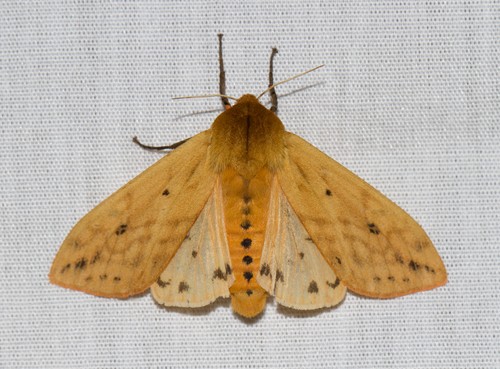
The isabella Tiger Moth (Pyrrharctia isabella) grows into the Isabella Tiger Moth. In folklore, the amount of brown on their band is said to determine the length of the upcoming winter. Over the winter it freezes completely. It prevents the damage of tissue by producing a liquid that preserves the tissue.
9. Black-tailed bumble bee
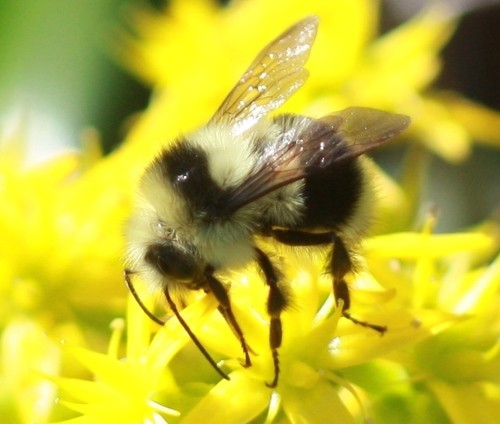
Bombus melanopygus is a non-woven insect from the family of bees and bumblebees (Apidae). The scientific name of the species was first validly published in 1848 by Nylander.
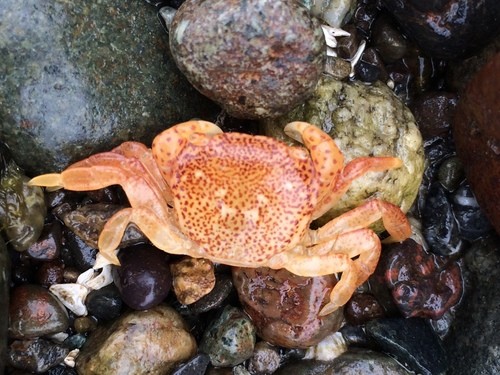
10. Purple shore crab
More







