




Top 20 Most Common Insects in West Bend
Insects, renowned for their remarkable versatility and adaptation, thrive bountifully in diverse West Bend habitats. From parks to gardens, these often tiny creatures play significant roles in our local ecosystem, including pollination and pest control. This report will spotlight 20 of the commonly found insects in West Bend, exploring how they coexist in the urban environmenta testament to the fascinating bond between city life and nature's miniature gems.

Most Common Insects
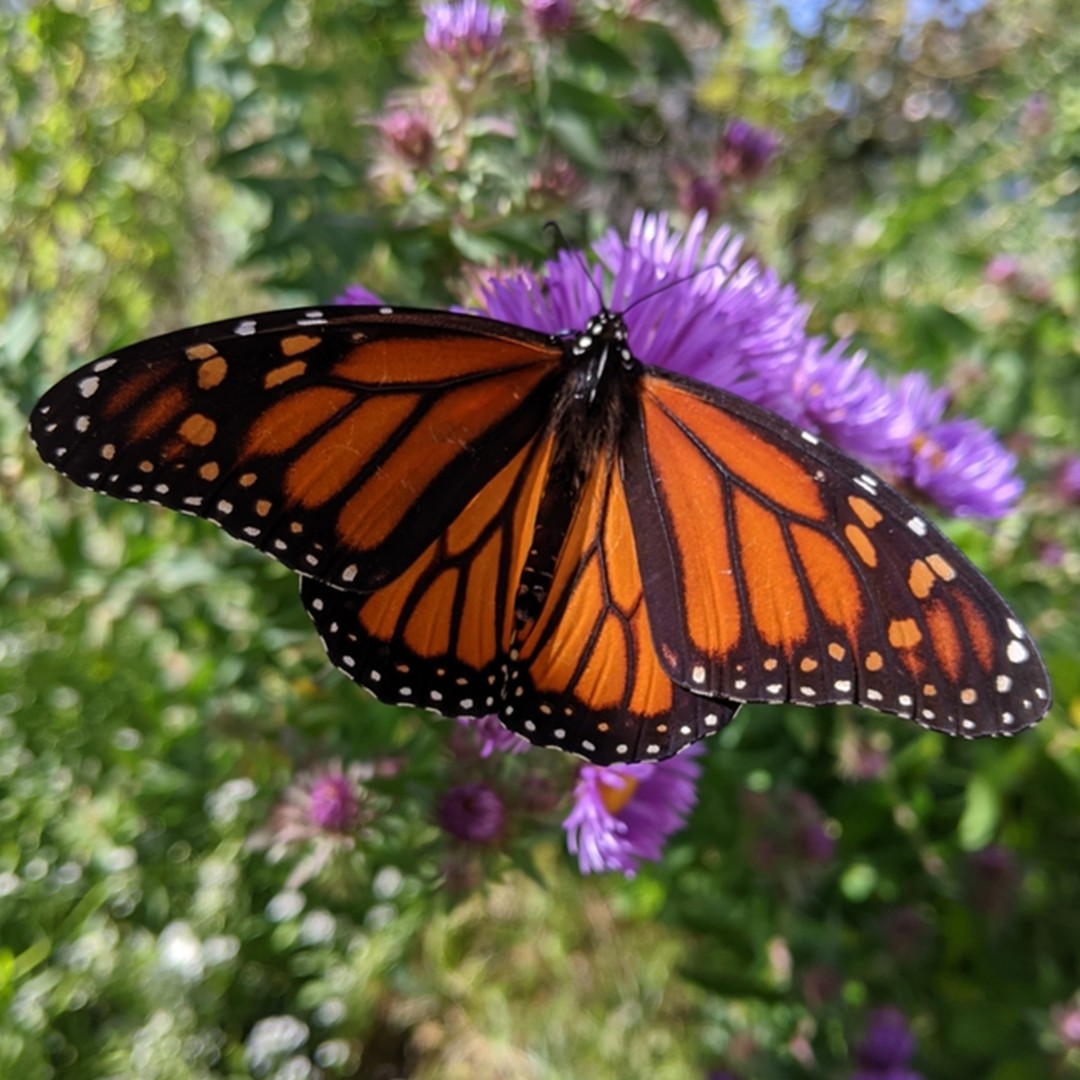
1. Monarch butterfly
The monarch butterfly (Danaus plexippus) is the most recognizable butterfly in North America. It is best known for its appearance, but should be better known for the fact that it has a 3000-mile migration that takes the butterfly 4 generations to complete. Their diet is also a natural deterrent for predators, as they eat milkweed, a poison that induces vomiting.
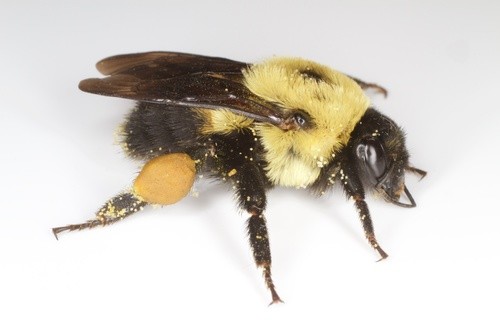
2. Common Eastern Bumble Bee
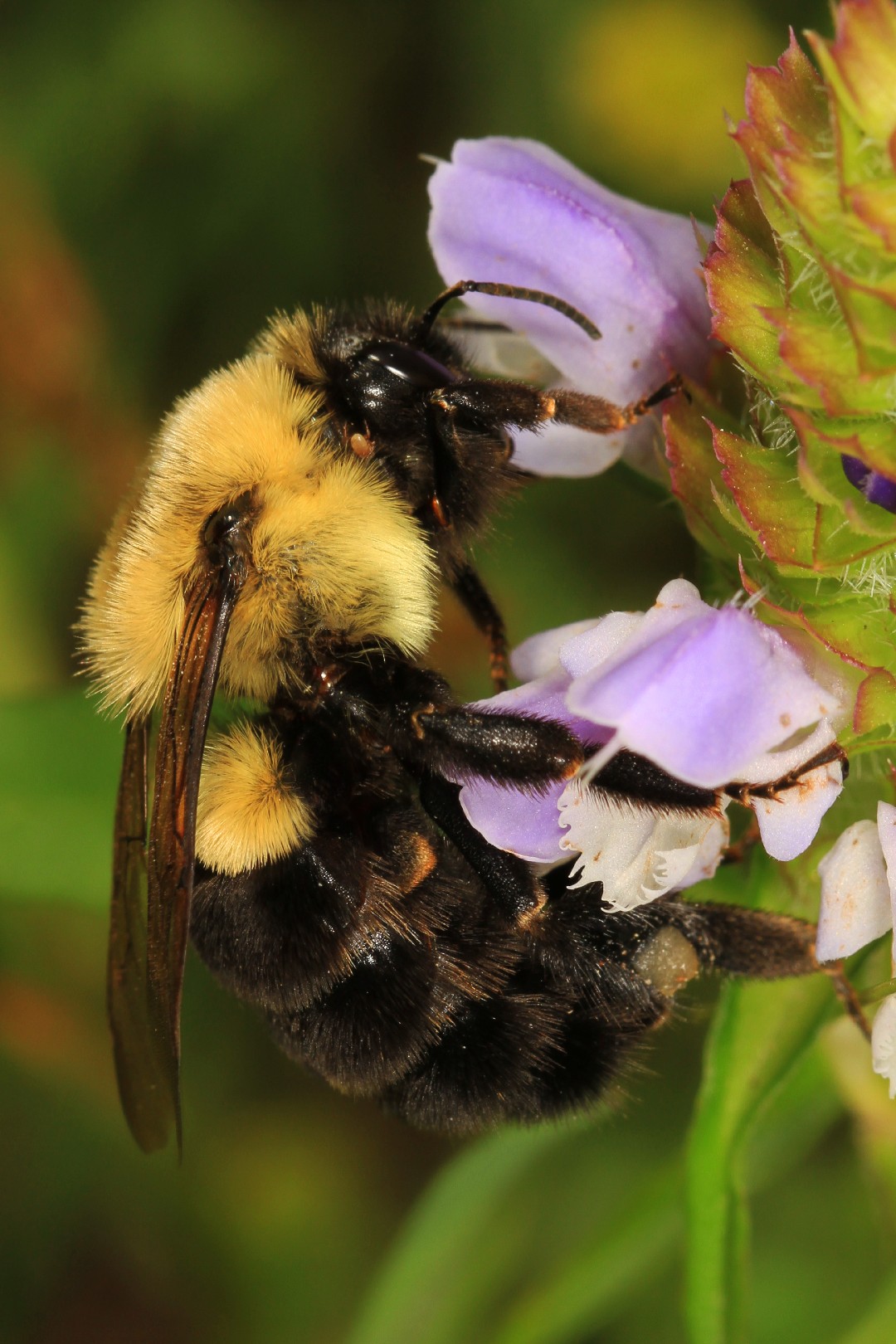
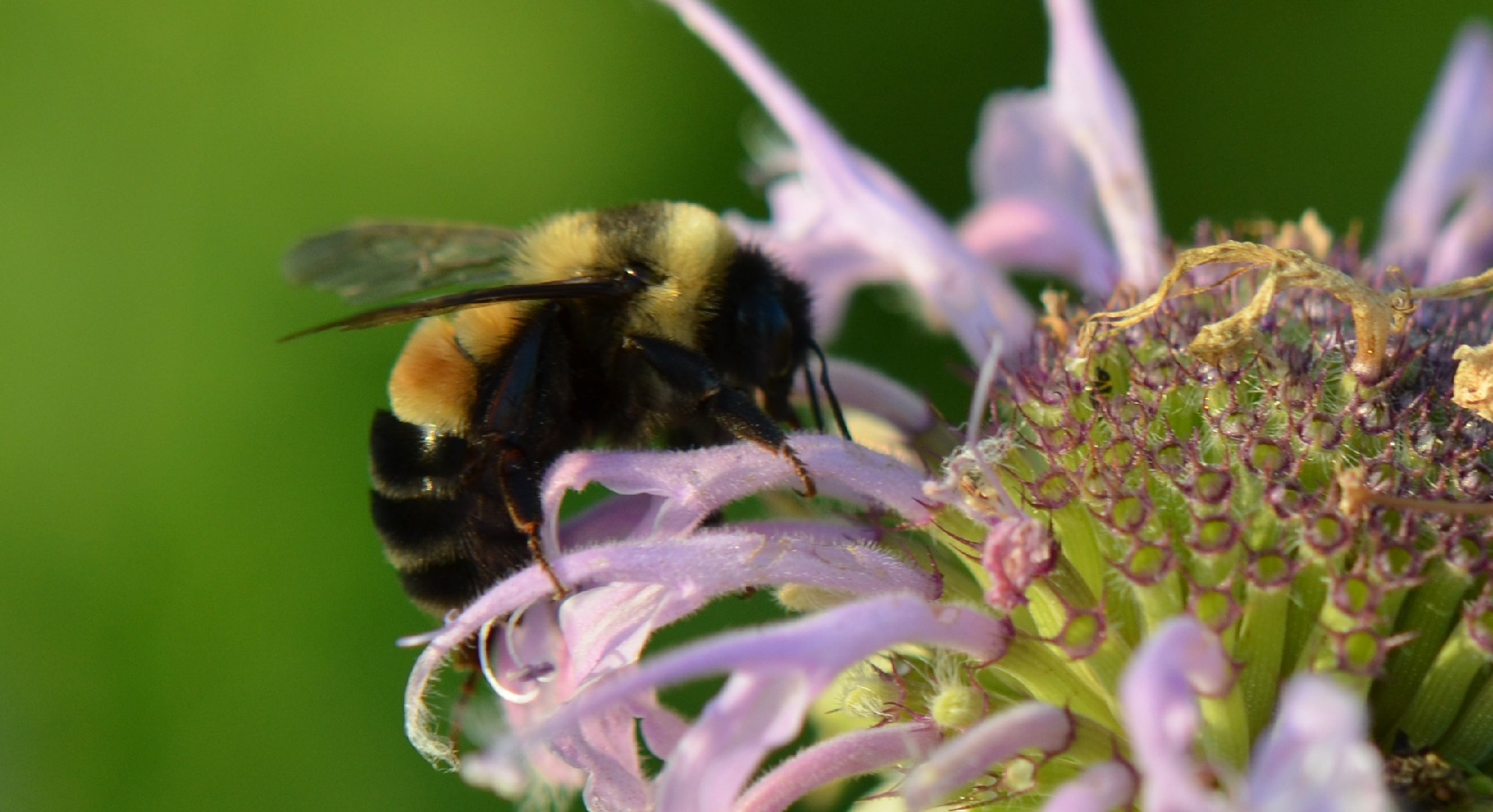
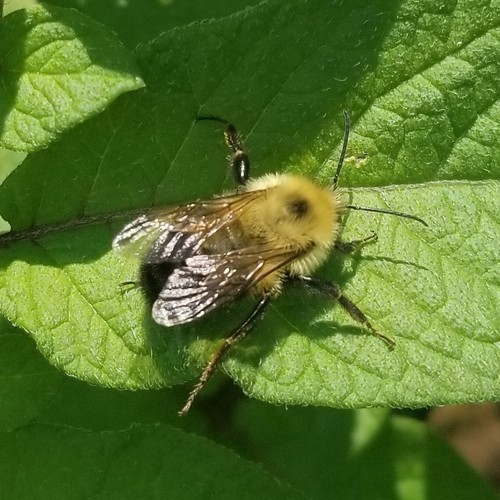
The common Eastern Bumble Bee (Bombus impatiens) is one of the most important pollinator bees in North America. A decline in the bee population will lead to financial hardships for farmers and reduced food yield. Their efficiency in pollination and foraging comes from their ability to drop "traplines." These lines guide other bees to the correct path for food while informing them of depleted locations.
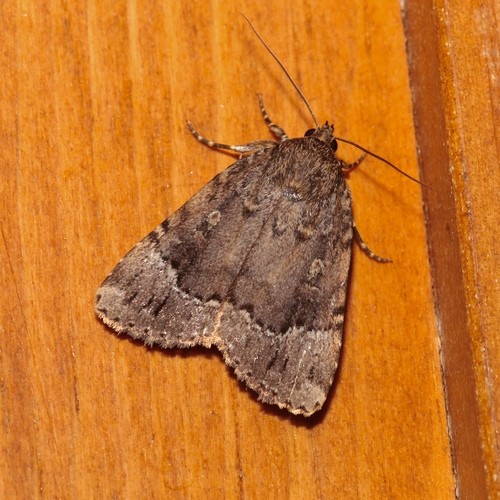
3. Copper Underwing
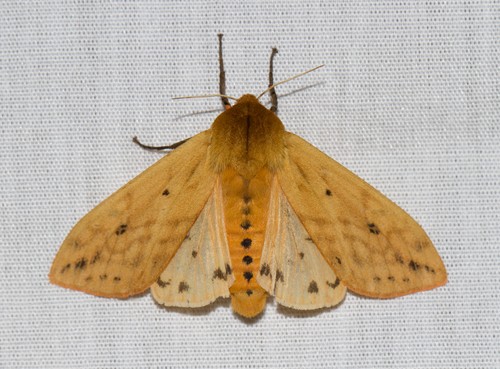
The copper Underwing (Amphipyra pyramidoides) has a name that doesn't mess around, as it is called this due to the distinct copper color on the underside of their wings. As they grow, they are known for feeding on a wide variety of plants with broad leaves. Once they are ready, they roll around in a leaf in order to grow into their pupa stage.
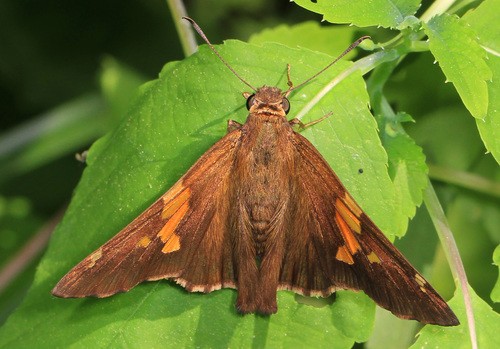
4. Silver-spotted skipper
The silver-spotted skipper (Epargyreus clarus) constructs a series of nests throughout its development that depends on its growth stage. Its caterpillar form is considered a major homebody, as they rarely leave the spot they call home. When they are adults, males perch on high branches in order to claim and defend favorable territory. Unusually, silver-spotted skipper adults never visit yellow flowers.
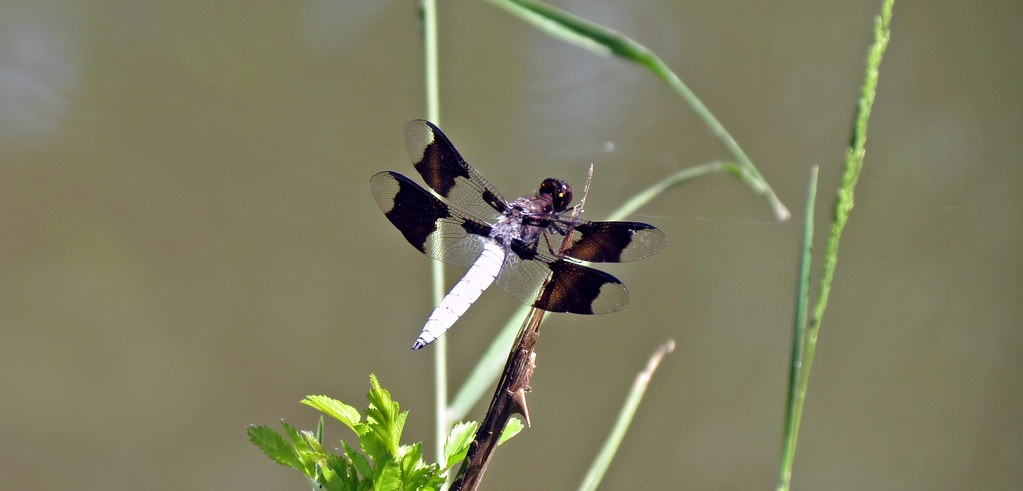
5. Common whitetail skimmer
Common whitetail skimmer has black bands on its translucent wings which make it easy to identify. The common whitetail skimmer is found throughout North America and serves a vital ecological purpose. The dragonfly’s compound eyes provide it with a 360-degree field of vision, allowing it to spot prey like spiders and other nuisance insects.
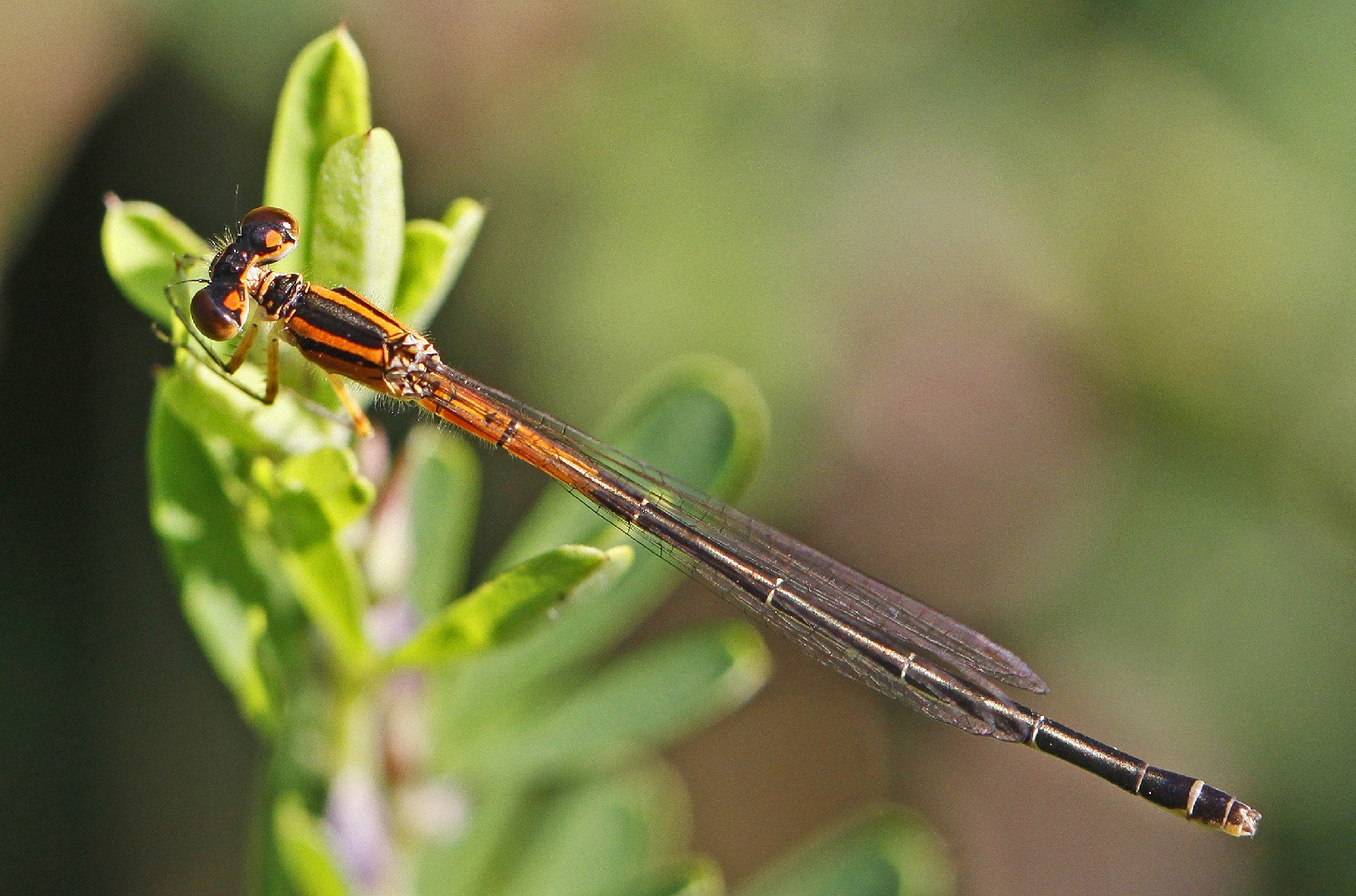
6. Eastern forktail
Ischnura verticalis can reach a body length of 2 - 3 cm. These small green, black and blue damselflies have a slender body with four wings folding over the back. The thorax of the males is black above, with pale green sides and green shoulder stripes. Eyes are dark above, greenish below. Abdomen is mainly black, with thin pale rings. The top of the abdomen (eighth and ninth abdominal segments) is blue, with black markings on sides. The males' abdomens shows tiny projections off the tip (hence the common name verticalis of this species). Females are usually grayish-blue, with greyish markings on the abdomen. In the immature female thorax is bright orange with black dorsal and shoulder stripes. The abdomen is black above and orange below. Eyes are dark above, orange below. The pterostigma is white to light brown. The females may be less commonly yellow-green like the male. 
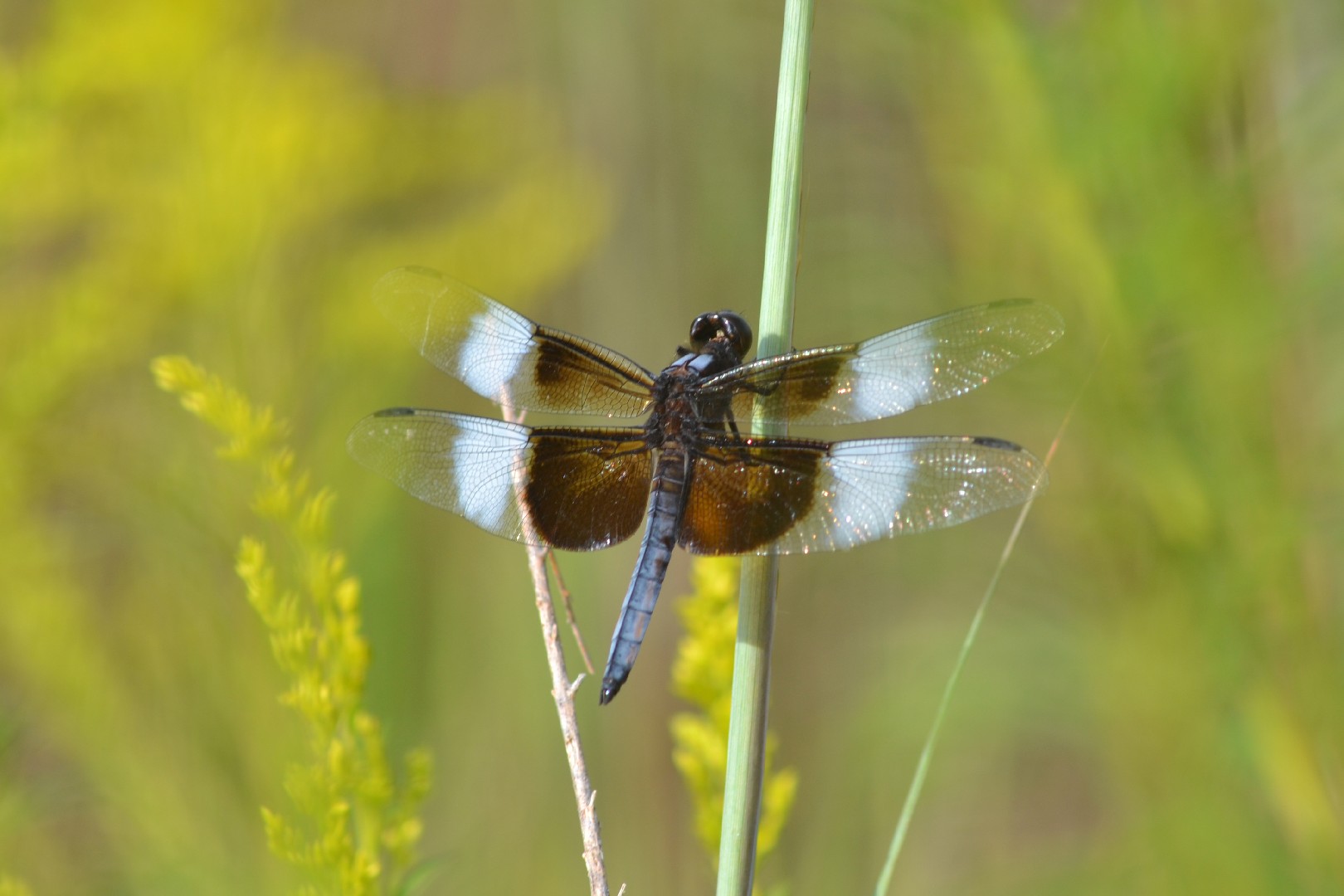
7. Widow skimmer
The widow skimmer (Libellula luctuosa) is a large insect that grows to be incredibly large with a bulbous head and body. As they age, they are known to grow whitish, much like our grandparents' hair. They live in the water until their final molt, where they reveal their wings, it is at this point it reveals why it has part of a group called the king skimmers.

8. Multicolored asian ladybeetle
Often confused for the ladybug, multicolored asian ladybeetle (Harmonia axyridis) is a separate species that, unlike the ladybug, is a household pest. It is considered particularly annoying for its habit of returning to places from which it is removed. One of the most variable species in the world, there are many different colors and patterns multicolored asian ladybeetle may display, making identification potentially difficult.

9. Japanese Beetle
The japanese Beetle (Popillia japonica) was introduced to the Americas from a tourist's car in Nova Scotia. This beetle has been limited in its ability to fully infest the environment, but cannot be fully eradicated. A swarm of them have been known to strip an entire peach tree in a matter of minutes.
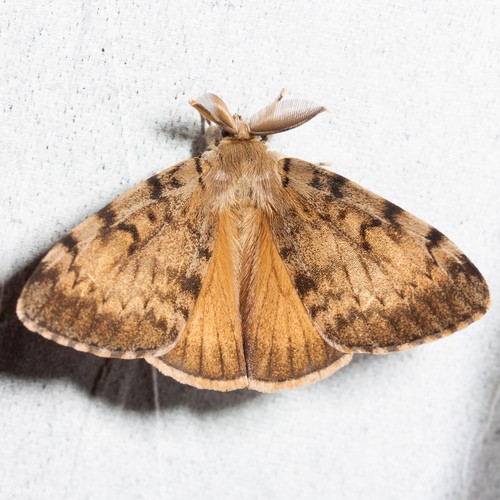
10. Gypsy moth
The gypsy moth (Lymantria dispar) spends nearly its entire life on the same host tree, stripping leaves off of it. However, they will occasionally fly as a colony from one host tree to another. They are commonly recognized by their fuzzy larvae, which have dark bodies with red and blue spots. The adults are usually a pale brown color though.

More







