




Top 6 Most Common Insects in Trinidad
Insects, characterized by their six legs and segmented bodies, represent an intriguing diversity within Trinidad's vibrant ecosystem. Geographical variations across Trinidad foster a remarkable variety of these critters, influencing the overall insect diversity. Playing a pivotal role in the ecosystem, insects contribute enormously, as both pests and beneficiaries. Our comprehensive list of the '6 most common insects' illuminates the integral relationship between Trinidad's environments and the insects that inhabit it.

Most Common Insects
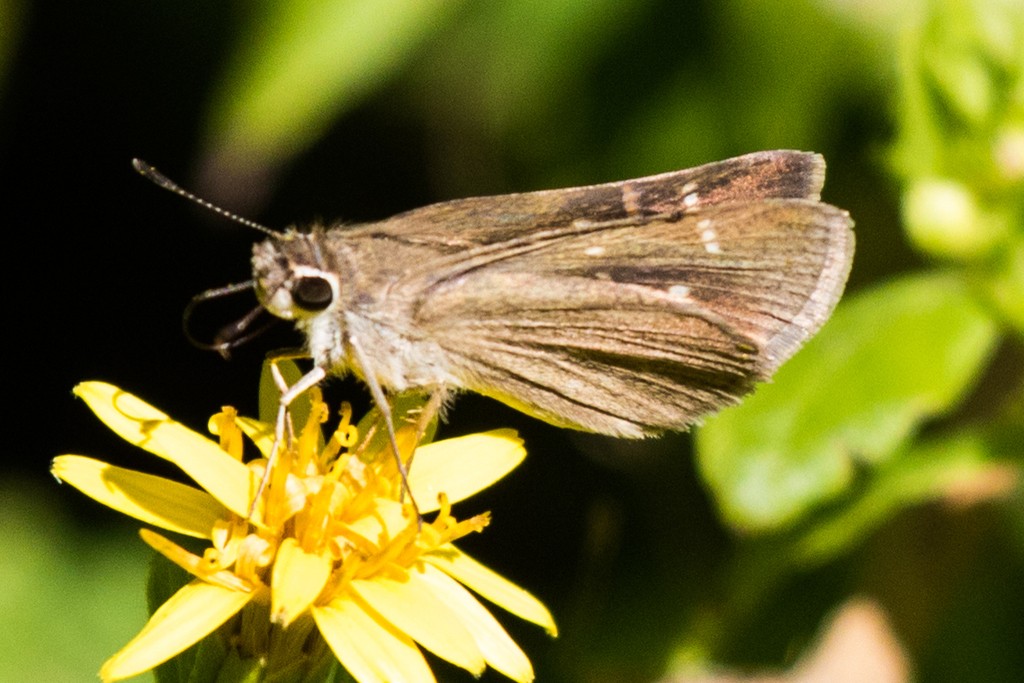
1. Eufala skipper
Lerodea eufala, the Eufala skipper or rice leaffolder, is a butterfly of the family Hesperiidae. It is found from the coast of Georgia, south through Florida and west across the southern United States to southern California, south through Mexico and Central America to Patagonia. In the summer, it expands its range north to central California, North Dakota, southern Wisconsin, northern Michigan and Washington, D.C. The wingspan is 25–32 mm. There are two generations, with adults on wing from February to October in the deep south. There are multiple generations throughout the year in Florida, southern Texas and Arizona. The larvae feed on various grasses including Sorghum halepense, Cynodon dactylon and Saccharum officinarum. Adults feed on the nectar from various flowers including croton, alfalfa, composites and lippia. 
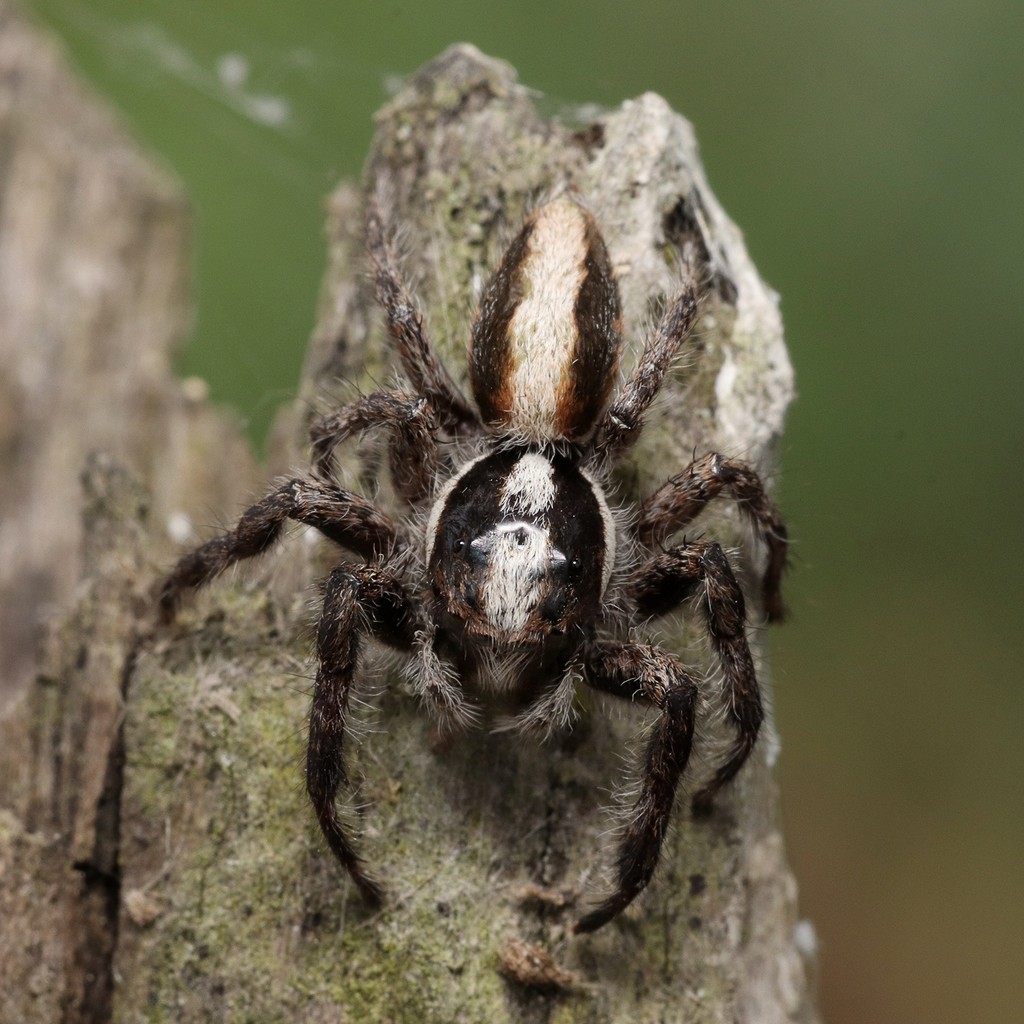
2. Megafreya sutrix
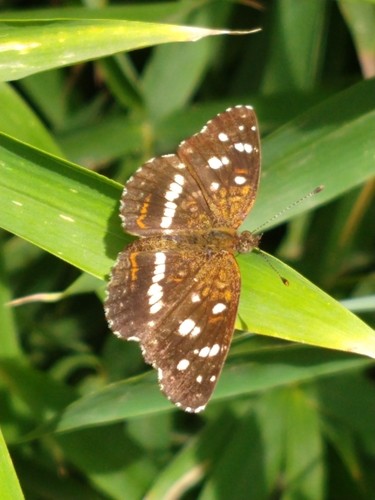
3. Ortilia ithra
Ortilia ithra is a butterfly from the Nymphalidae family. The scientific name of the species was first validly published in 1871 by William Forsell Kirby.
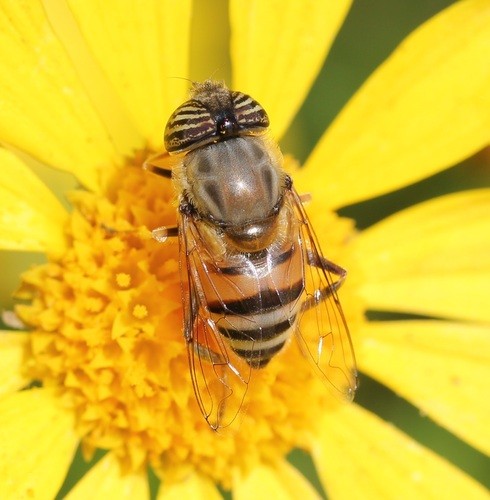
4. Band-eyed drone fly
Eristalinus taeniops can reach a length of 1.09 - 1.4 cm. These hoverflies exhibit a bee-like yellow-black drawing. The thorax has a metallic yellow-brown color and it is densely yellow hairy. Also the scutellum are yellow-brown colored. The abdomen is reddish-yellow, with transversal black bands. The compound eyes have five distinct, vertical, dark stripes. The wings are transparent, usually yellowish-brown at the base, while the halteres are brightly pale yellow colored.
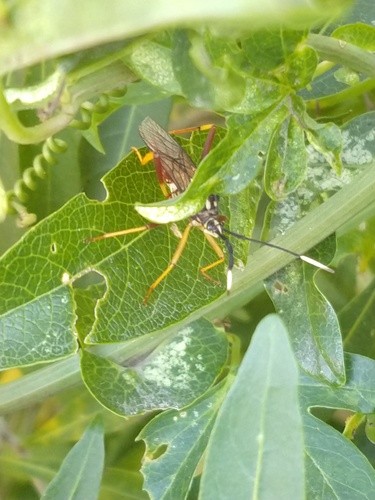
5. Holhymenia histrio
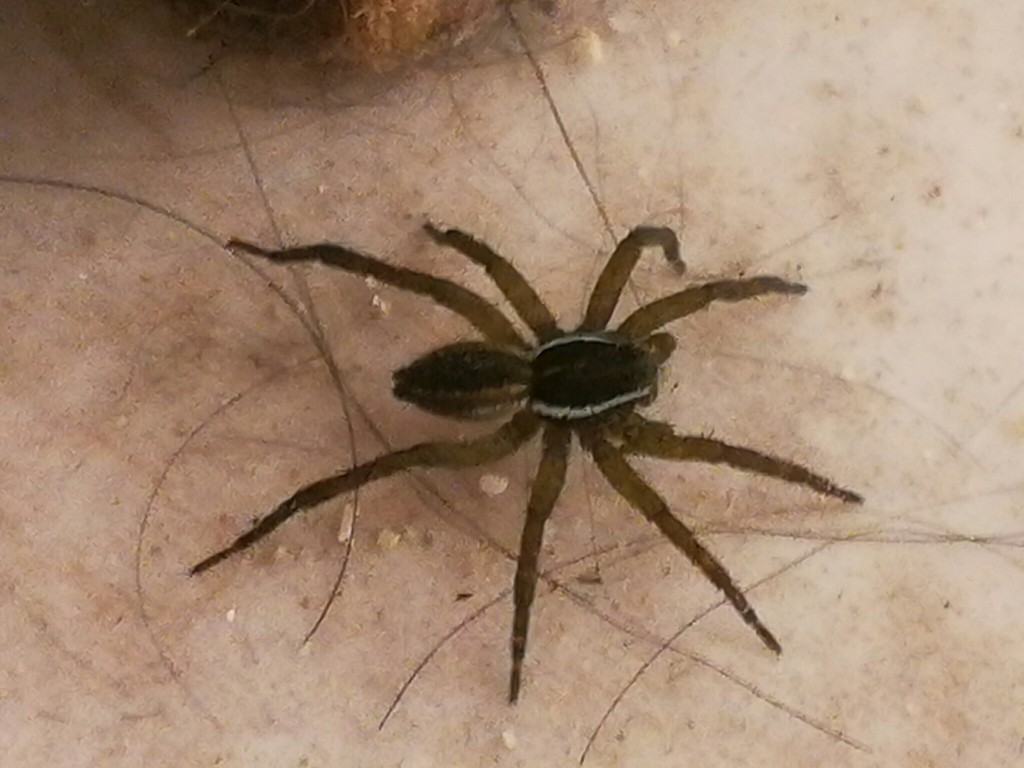
6. Diapontia uruguayensis







