




Top 20 Most Common Insects in Uzbekistan
Insects - a diverse group characterized by antennae, a three-part body and compound eyes. Uzbekistan's diverse landscapes, ranging from deserts to mountainous regions, significantly influence its insect diversity. Both pests and beneficial insects coexist in Uzbekistan, their existence a testament to the country's eclectic climatic conditions, ecosystems, and human intervention. Dive into our list of the 'Top 20 most common insects in Uzbekistan' to learn more about these intriguing tiny creatures.

Most Common Insects
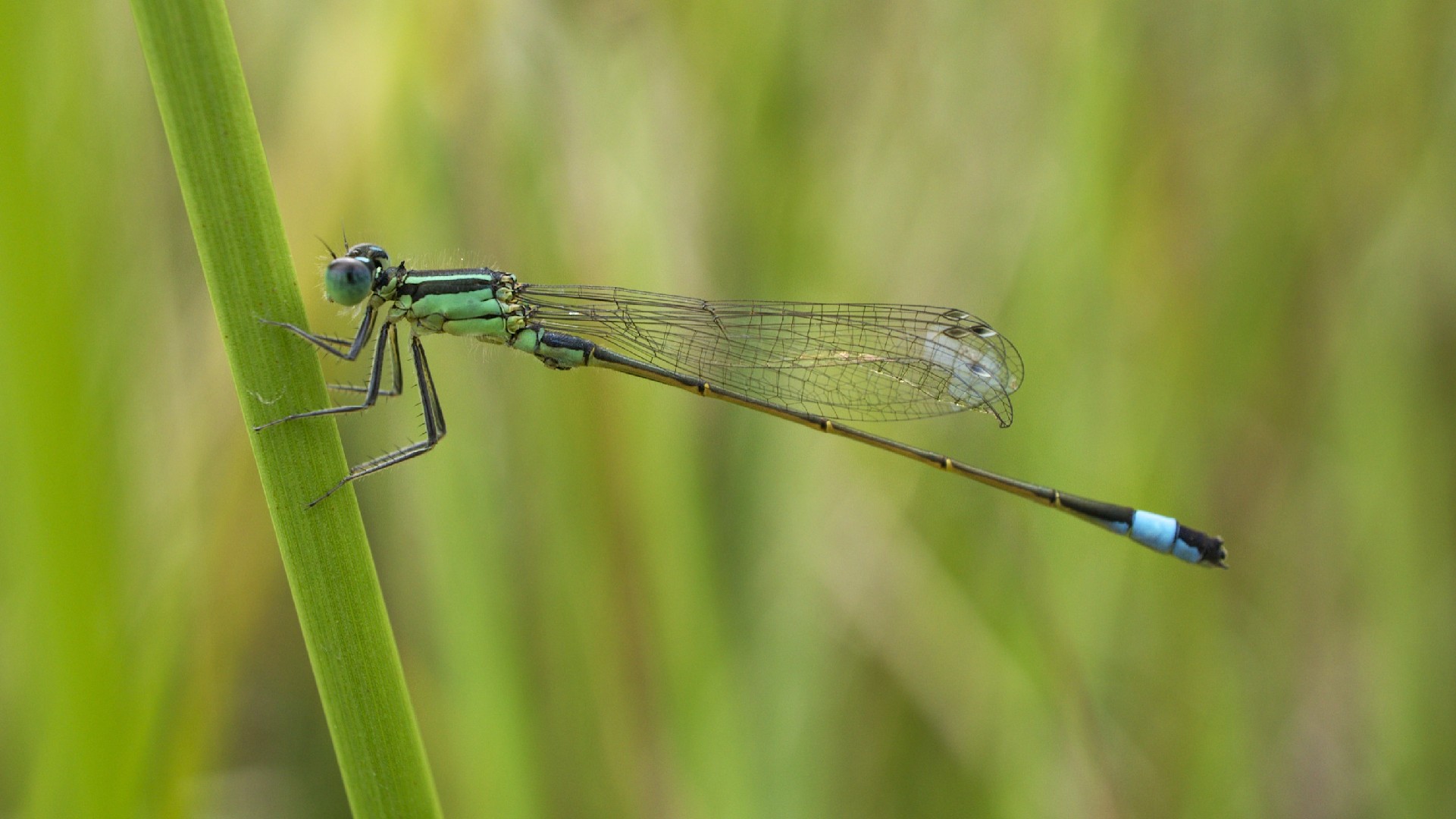
1. Blue-tailed damselfly
Ischnura elegans can reach a body length of 2.5 - 3.5 cm and a wingspan of about 3.5 cm. Hindwings reach alength of 1.4 - 2 cm. Adult male blue-tailed damselflies have a head and thorax patterned with blue and black. There is a bi-coloured pterostigma on the front wings. Eyes are blue. They have a largely black abdomen with very narrow pale markings where each segment joins the next. Segment eight, however, is entirely pale blue. At rest, the wings of most damselfly species are held back together, unlike dragonflies, which rest with their wings out flat. The thorax of juvenile males has a green tinge. Female blue-tailed Damselflies come in a variety of colour forms.Juveniles may be salmon pink, form rufescens; violet, form violacea and a pale green form. The colour darkens as the damselfly ages. Mature females may be blue like the male, form typica; olive green thorax and brown spot, form infuscans or pale brown thorax and brown spot, form infusca-obseleta. 

2. Scarlet skimmer
The species is on the IUCN Red List as not endangered, year of assessment 2009.
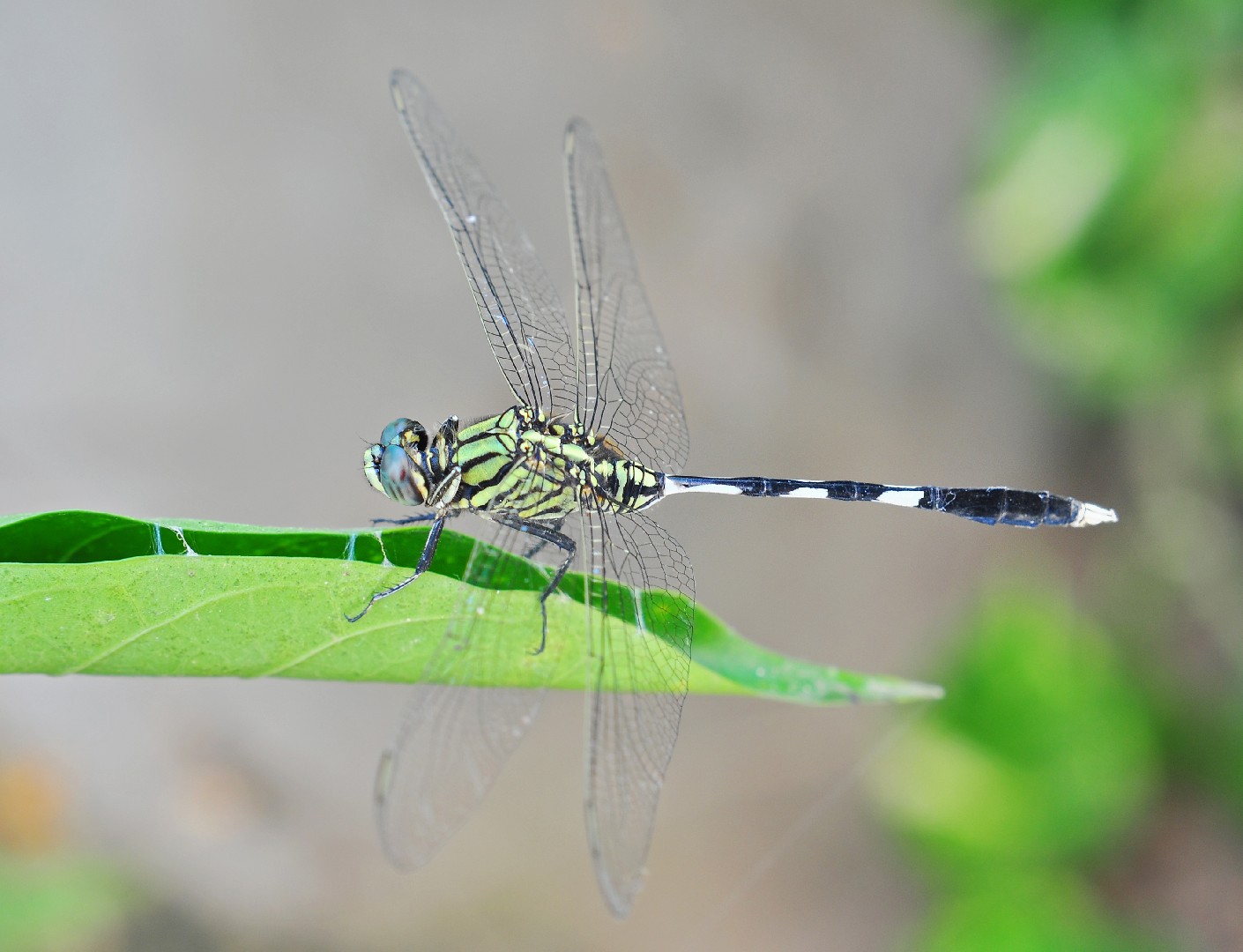
3. Slender skimmer
The species is on the IUCN Red List as not endangered, year of assessment 2009. The slender bank dragonfly occurs from Southeastern Europe and North Africa to Japan and Australia
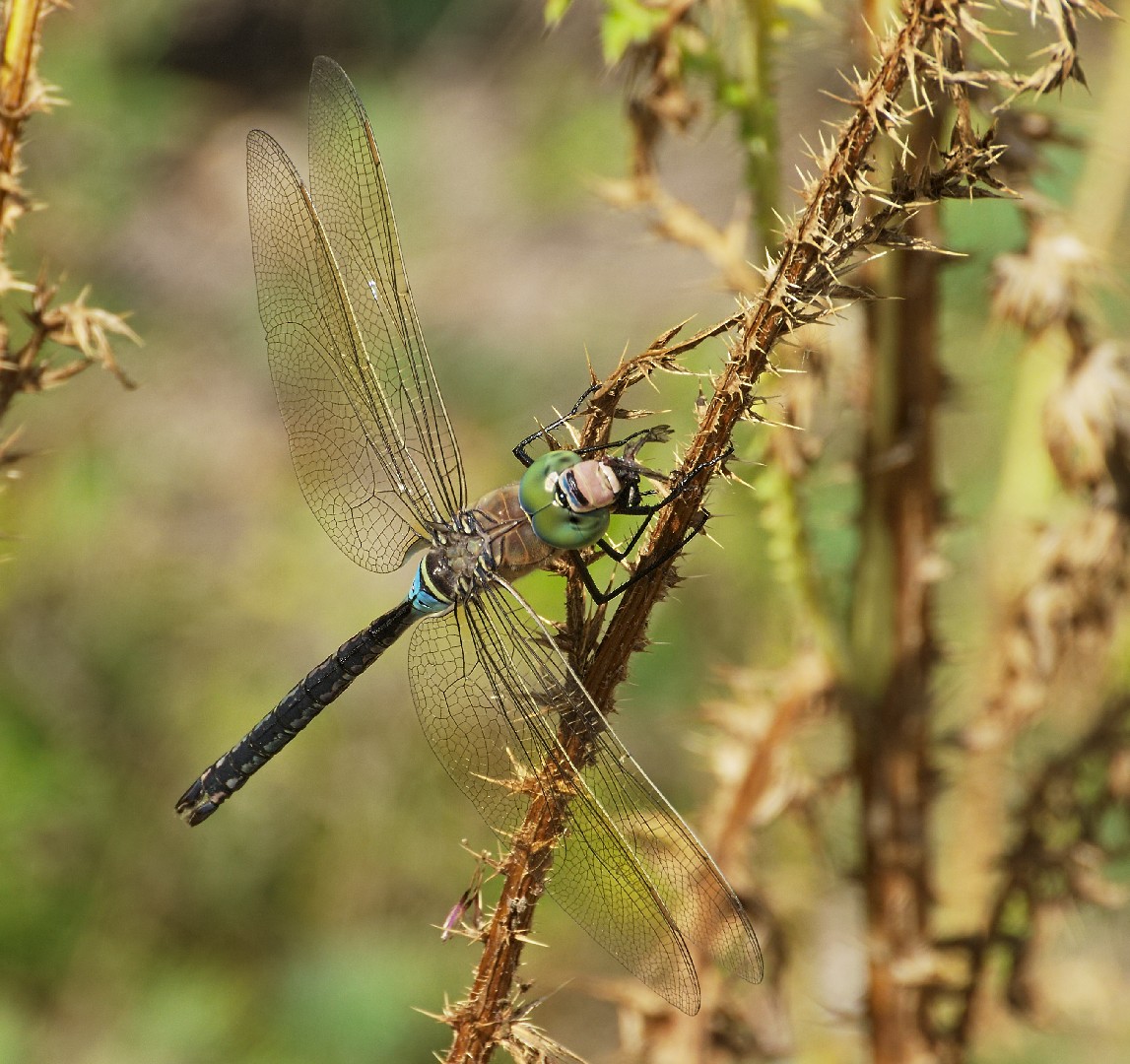
4. Lesser emperor
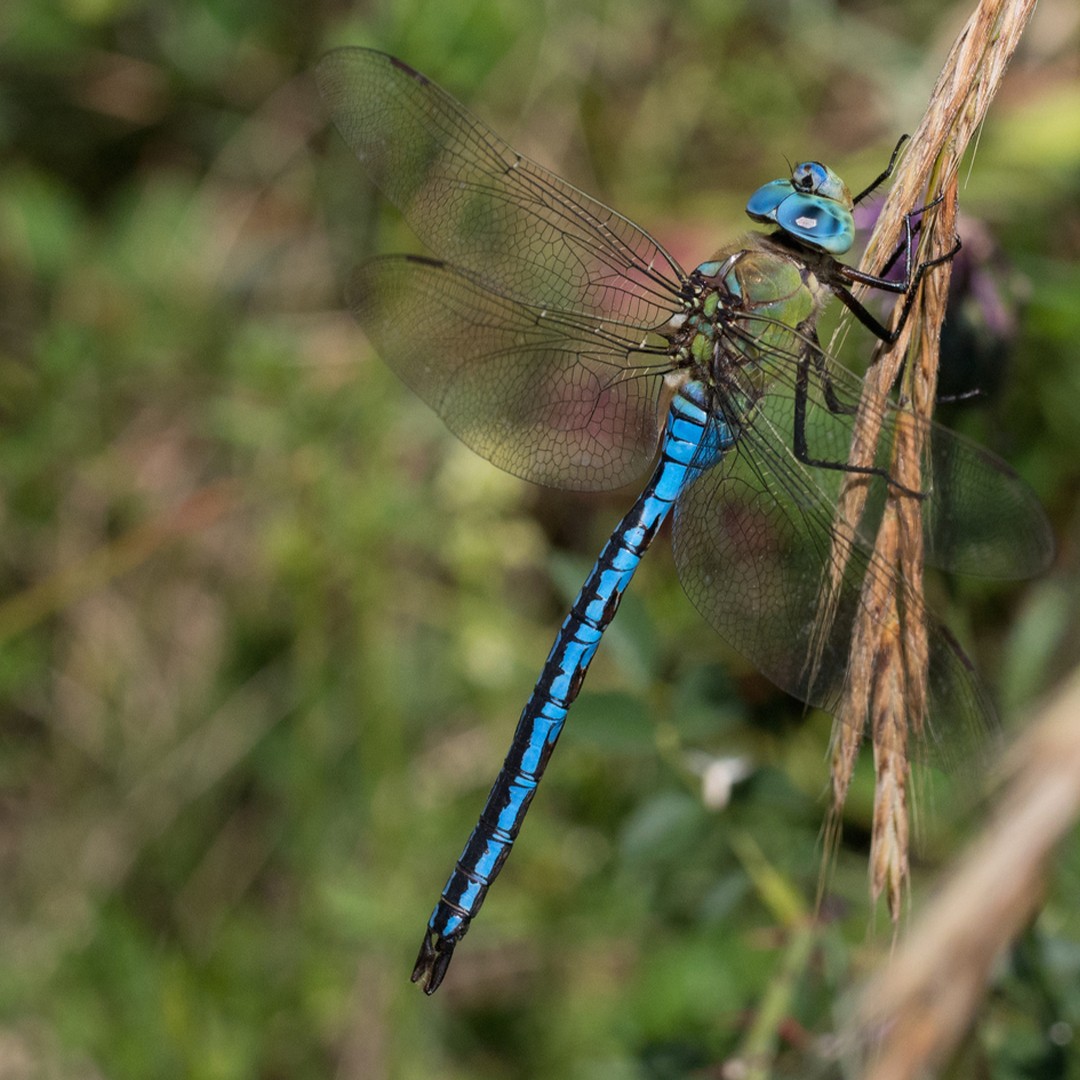
Its labium and labrum are golden-yellow and face and frons are greenish yellow and eyes are green, bluish when aged. Its thorax is pale olivaceous brown with dark brown sutures. Its segment two of the abdomen is turquoise blue. Segment three has a large blue patch at each side. Segments 4 to 9 have an irregular black middorsal stripe. Segment 10 is black.
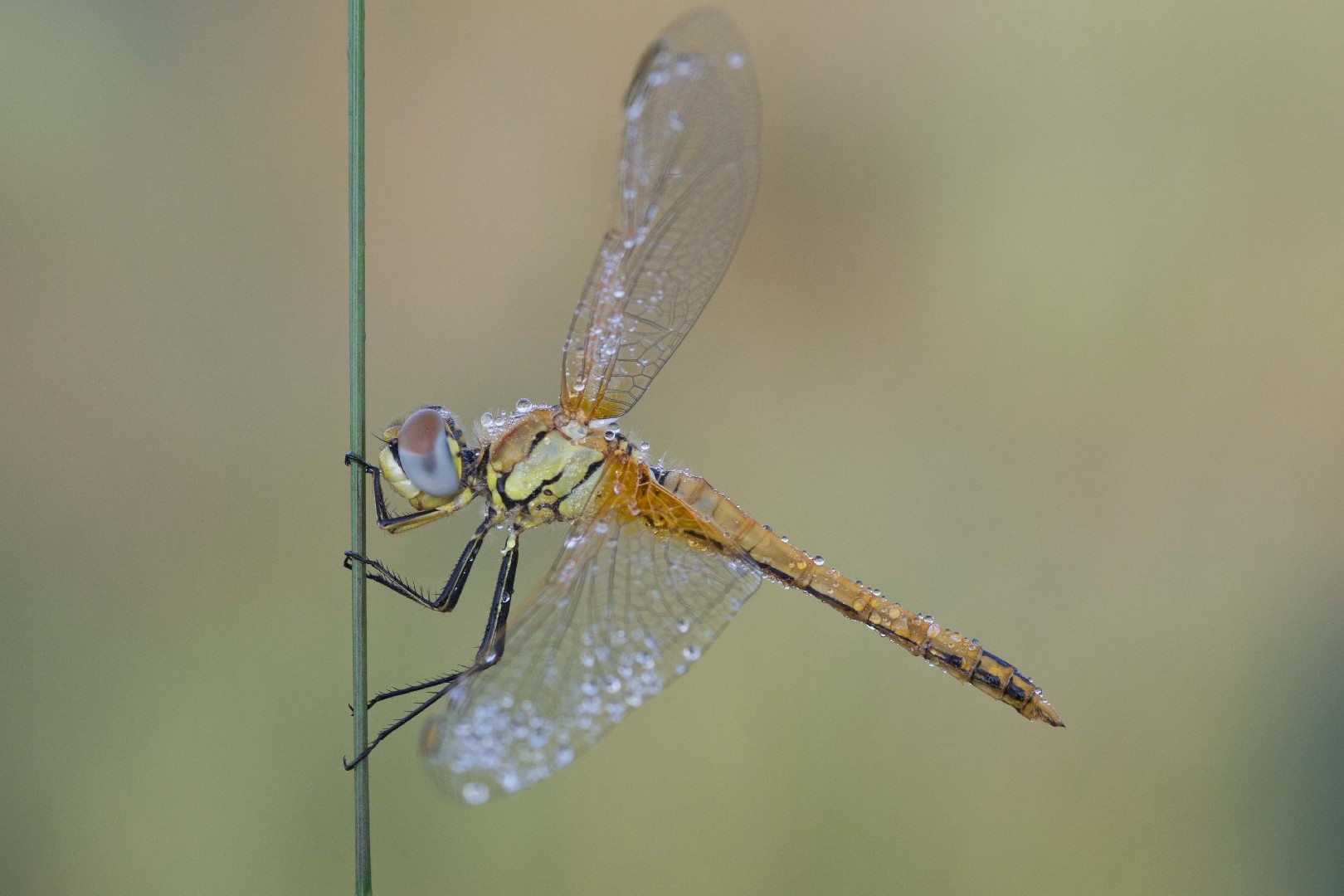
5. Red-veined darter
The Early Darter (Sympetrum fonscolombii) is a species of dragonfly in the family of the leaflets (Libellulidae), which belongs to the great dragonfly (Anisoptera).
6. Black pennant
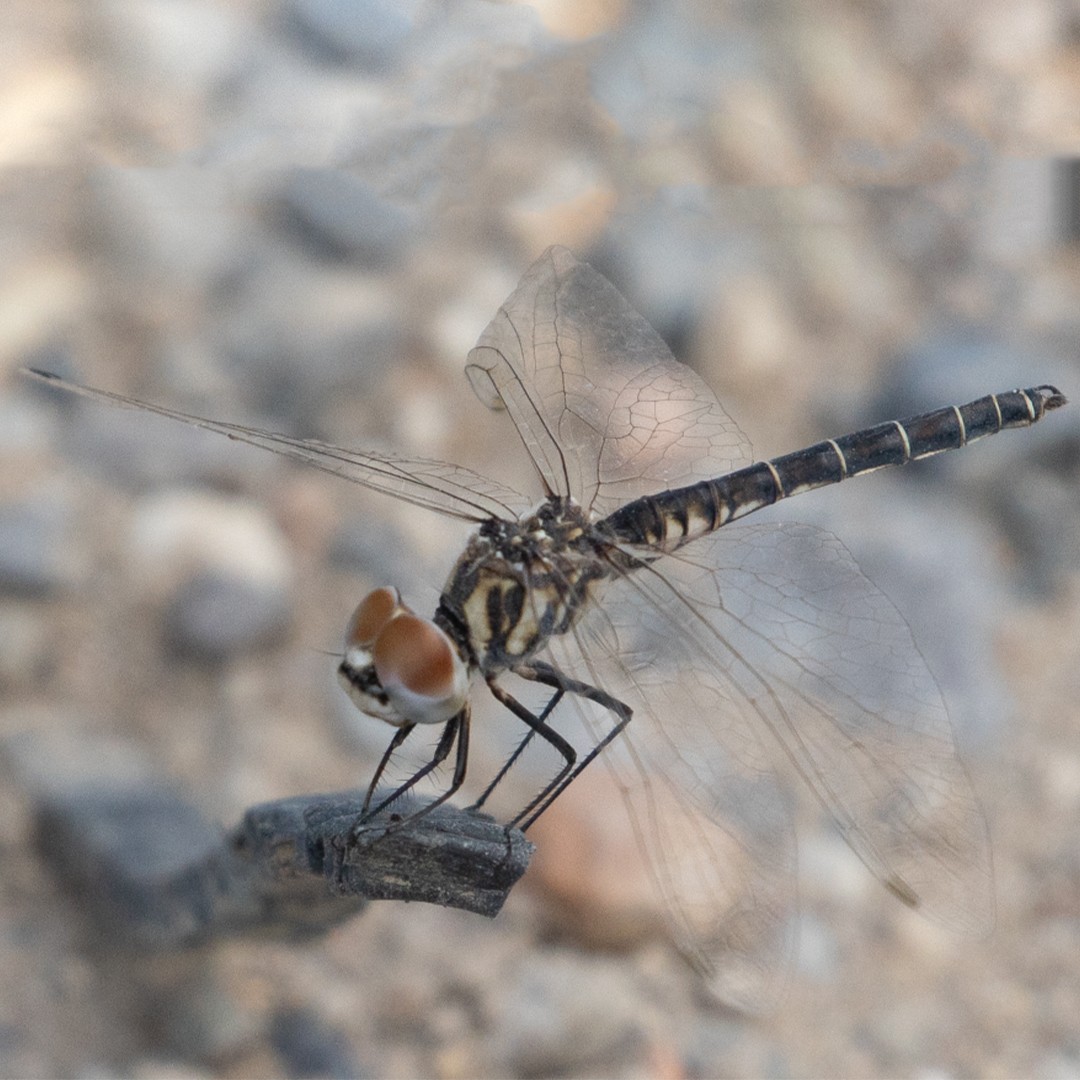
Selysiothemis nigra, the black pennant, is a monotypic species of dragonfly in the family Libellulidae. It occurs in Central Asia and the Middle East. In Europe it is mostly confined to the coastal areas of the Mediterranean and the Black Sea.
7. White-tailed skimmer
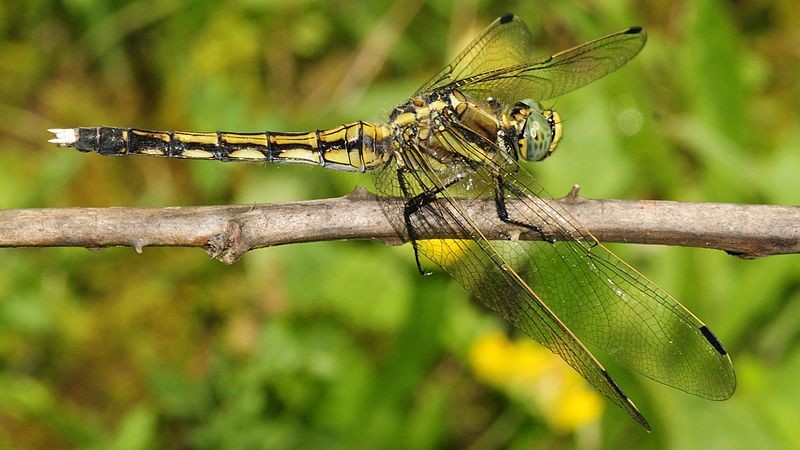
Orthetrum albistylum is a dragonfly species, which occurs from central and south Europe to China and Japan. Its distribution is often patchy but in many areas it is common. The species has recently spread its range northwards to the Baltic Sea coast in Poland. The common name for this species is white-tailed skimmer. One of the ongoing threats affecting the habitat of Orthetrum albistylum is the production of crops. The water pollution associated with crop production is also having a direct effect on the quality of the habitat of this species.
8. Scarlet dragonfly
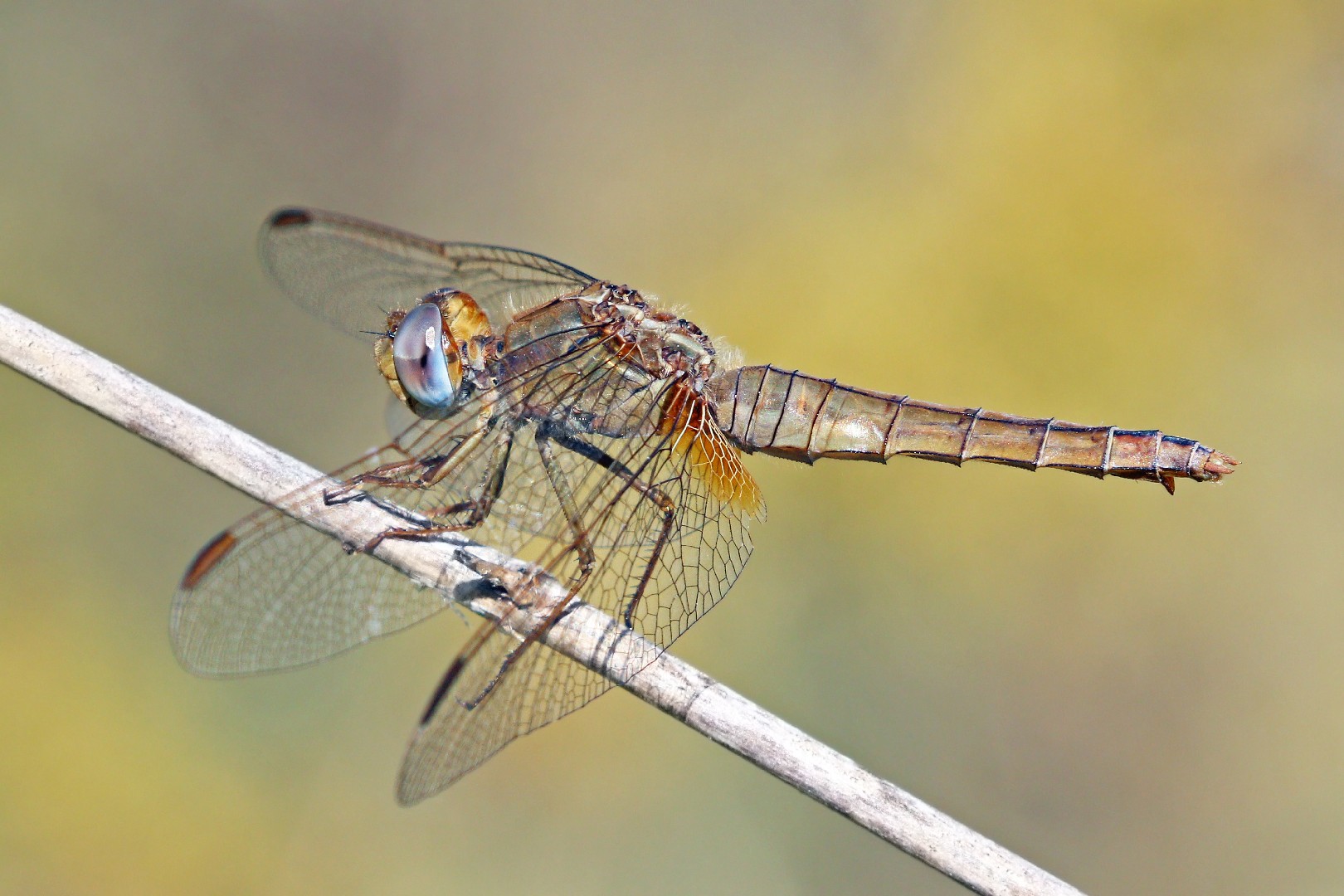
Crocothemis erythraea can reach a length of 3.5 - 4.5 cm. These dragonflies haves a flattened and rather broad abdomen. The adult male scarlet dragonfly has a bright scarlet red, widened abdomen, with small amber patches at the bases of the hindwings. Also the veins on the leading edges of the wings are red. Females and immatures are yellow-brown and have a conspicuous pale stripe along the top of the thorax.
9. Siberian winter damsel
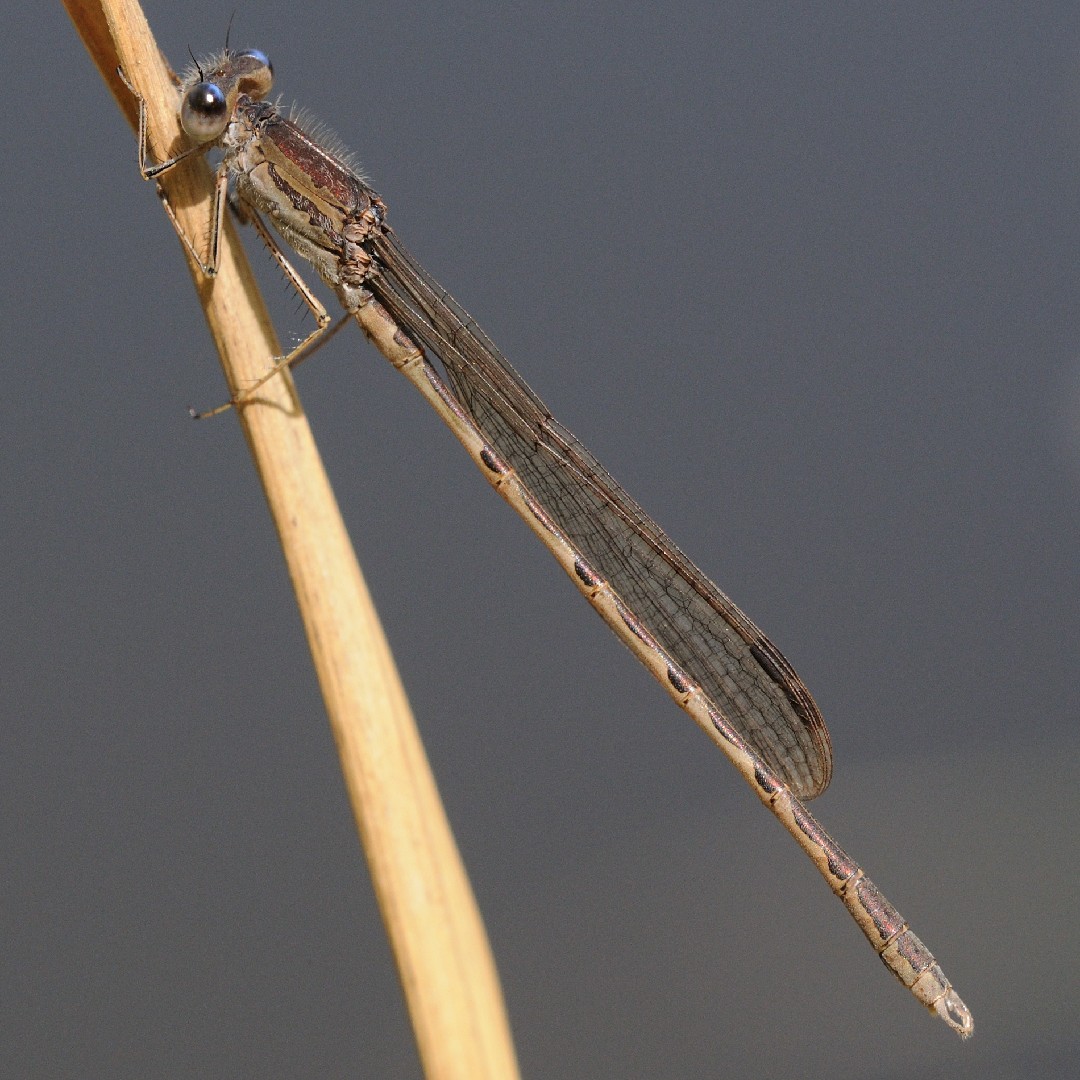
Sympecma paedisca, known generally as siberian winterdamsel, is a species of spreadwing in the damselfly family Lestidae. Other common names include the Leste enfant, Siberian Winter Damsel, feal winterhynderke, and noordse winterjuffer. It is found in Europe. The IUCN conservation status of Sympecma paedisca is "LC", least concern, with no immediate threat to the species' survival. The IUCN status was reviewed in 2014.
10. Spotted darter
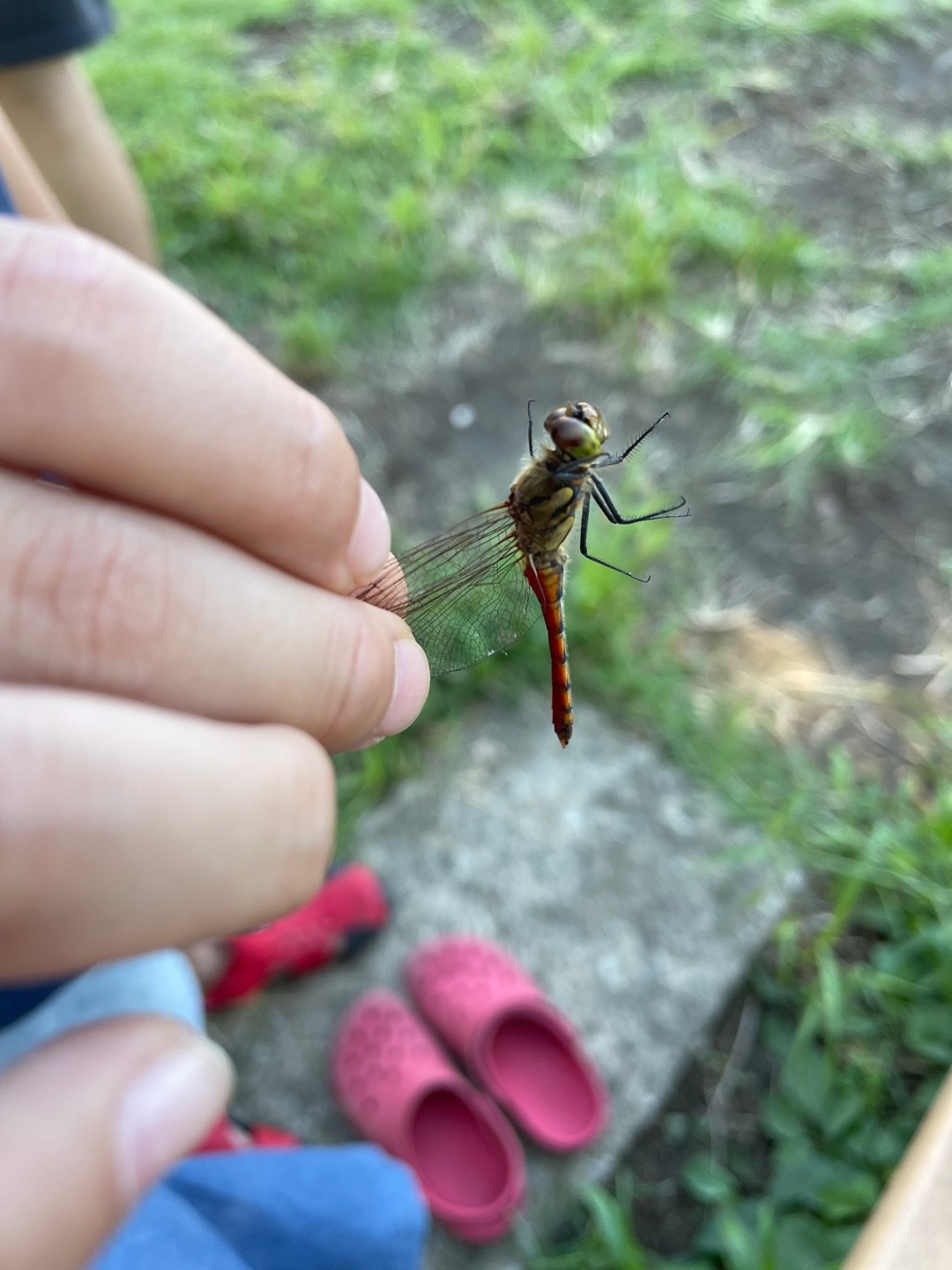
Adults reach 29 to 34 mm in body length, of which 20–24 mm is abdomen. Males are distinguished by a flattened orange abdomen with a line of drop-shaped spots along each side and clubbed overall appearance - i.e. widest at the tip. They closely resemble males of the ruddy darter, which have more evenly flattened abdomen and noticeably darker pterostigmata. Adults fly in the late summer. They are weak fliers.

More







