




Top 20 Most Common Insects in Vanuatu
Insects, diverse in form and function, constitute a significant part of Vanuatu's rich biodiversity. The wide array of geographical features within Vanuatu has fostered unique insect populations, showcasing a fascinating interplay of geography, climate and human intervention. This dynamic environment teems with our 'Top 20 most common insects', ranging from pesky nuisances to those providing critical ecological contributions. Dive in as we unearth the connections between these insects and Vanuatu's unique environments.

Most Common Insects

1. Banded coral shrimp
Banded coral shrimp (Stenopus hispidus) is a crustacean that occupies tropical waters in the Atlantic Ocean, the Gulf of Mexico, and reefs surrounding Australia and New Zealand. It acts as a cleaner fish, and removing parasites and fungi from other passing fish. This species is monogamous and mates for life.
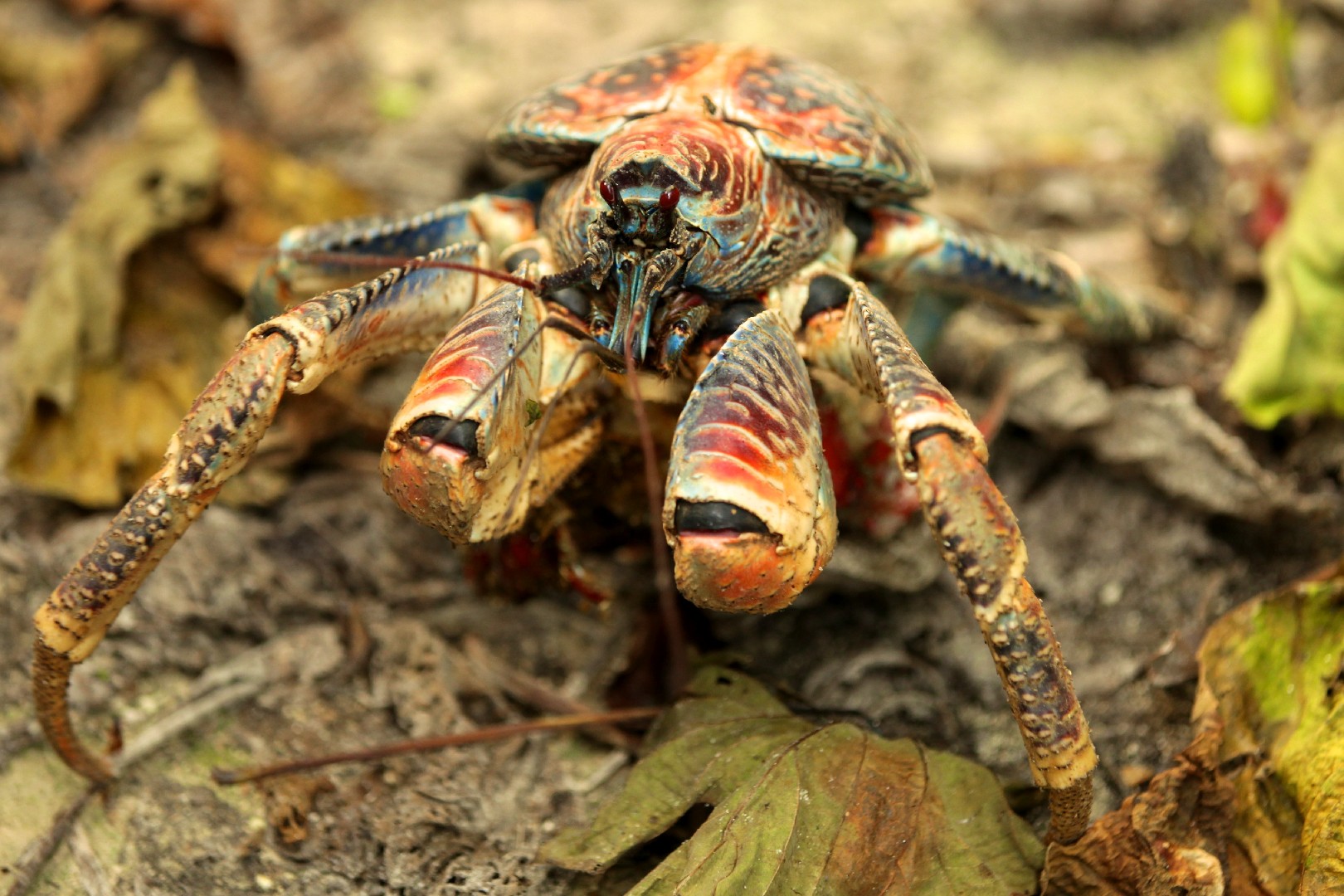
2. Coconut crab
Coconut crab (Birgus latro) is a terrestrial hermit crab found on islands of the Indian ocean, Impressively, it is the largest land arthropod in the world. Coconut crab is an opportunistic feeder, consuming nuts, fruits, tree pith, carrion, or any food source left on the ground. Despite being popularly associated with coconuts palms, coconuts do not make a significant part of its diet.

3. Blue moon butterfly
Hypolimnas bolina, the great eggfly, common eggfly or in New Zealand the blue moon butterfly is a species of nymphalid butterfly found from Madagascar to Asia and Australia. 
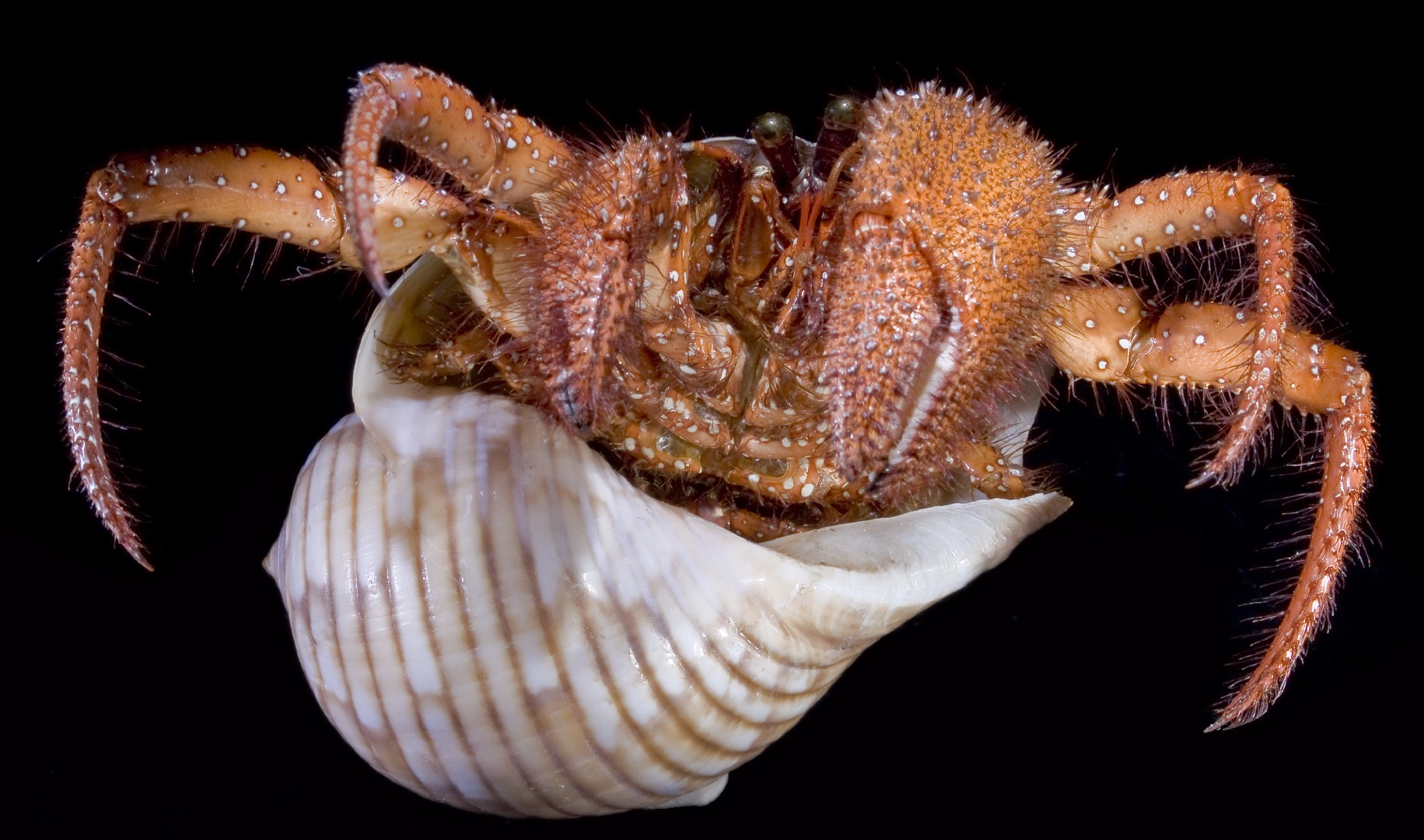
4. White-spotted hermit crab
Dardanus megistos is a ten- Dardanus megistos species from the Diogenidae family. The scientific name of the species was first validly published in 1804 by Herbst.
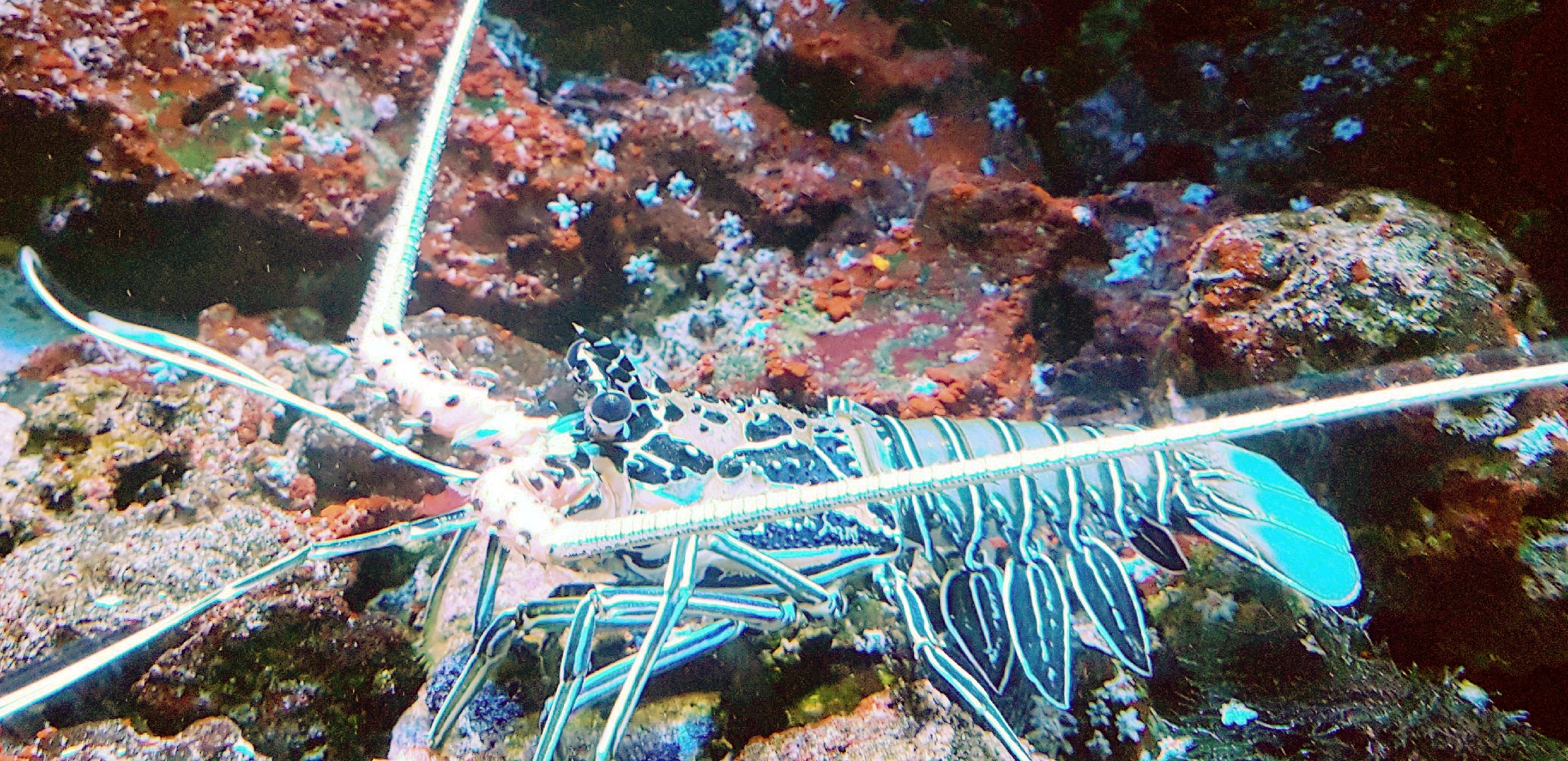
5. Painted rock lobster
The multicolored lobster (Panulirus versicolor) is a ten foot crayfish of the crawfish family.
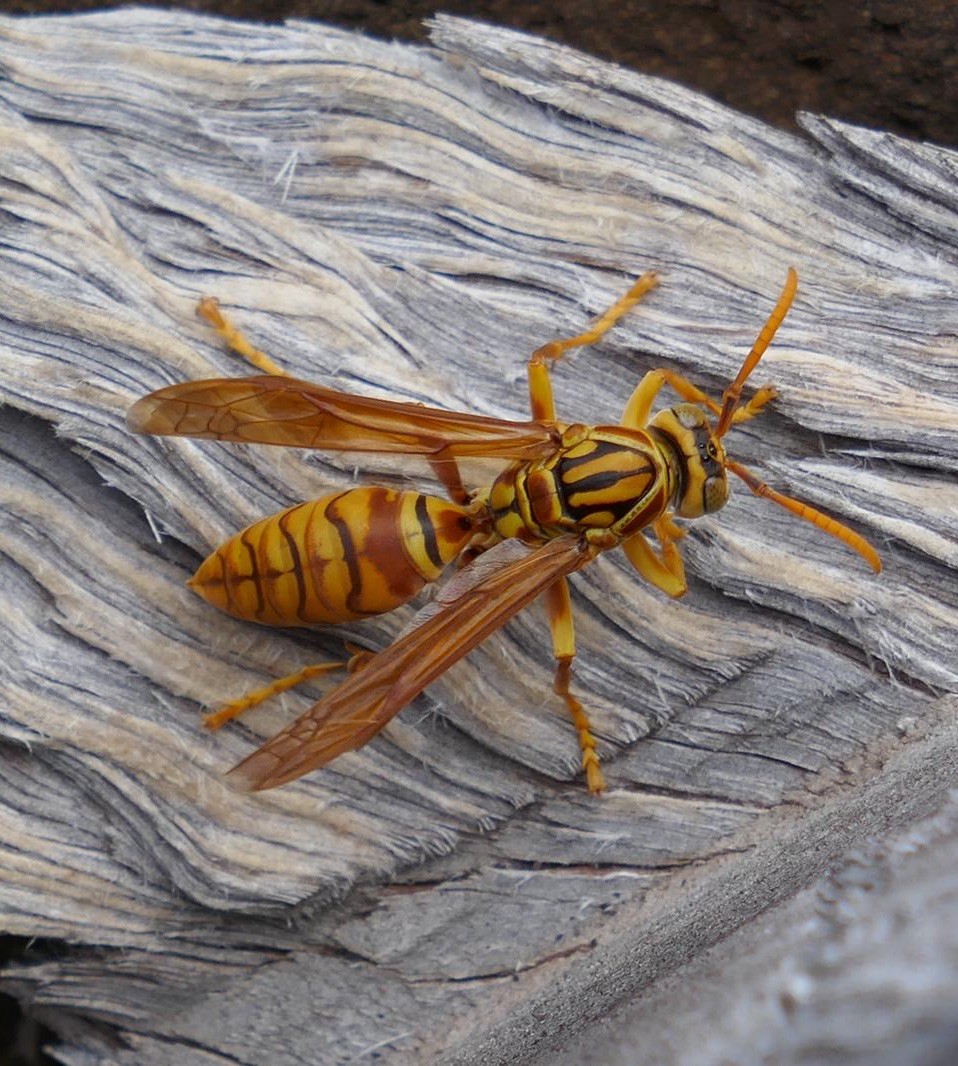
6. Yellow paper-wasp
Yellow paper-wasp are known for their intriguingly vivid yellow coloration, an uncommon characteristic among wasp species. Their unique thermal regulatory system allows them to thrive in varying climates. Yellow paper-wasp's contribute significantly to the ecosystem through their role as pollinators and as preying on certain insect pests. Moreover, their complex social structures showcase some of the animal kingdom’s most fascinating manifestations of cooperative behavior.
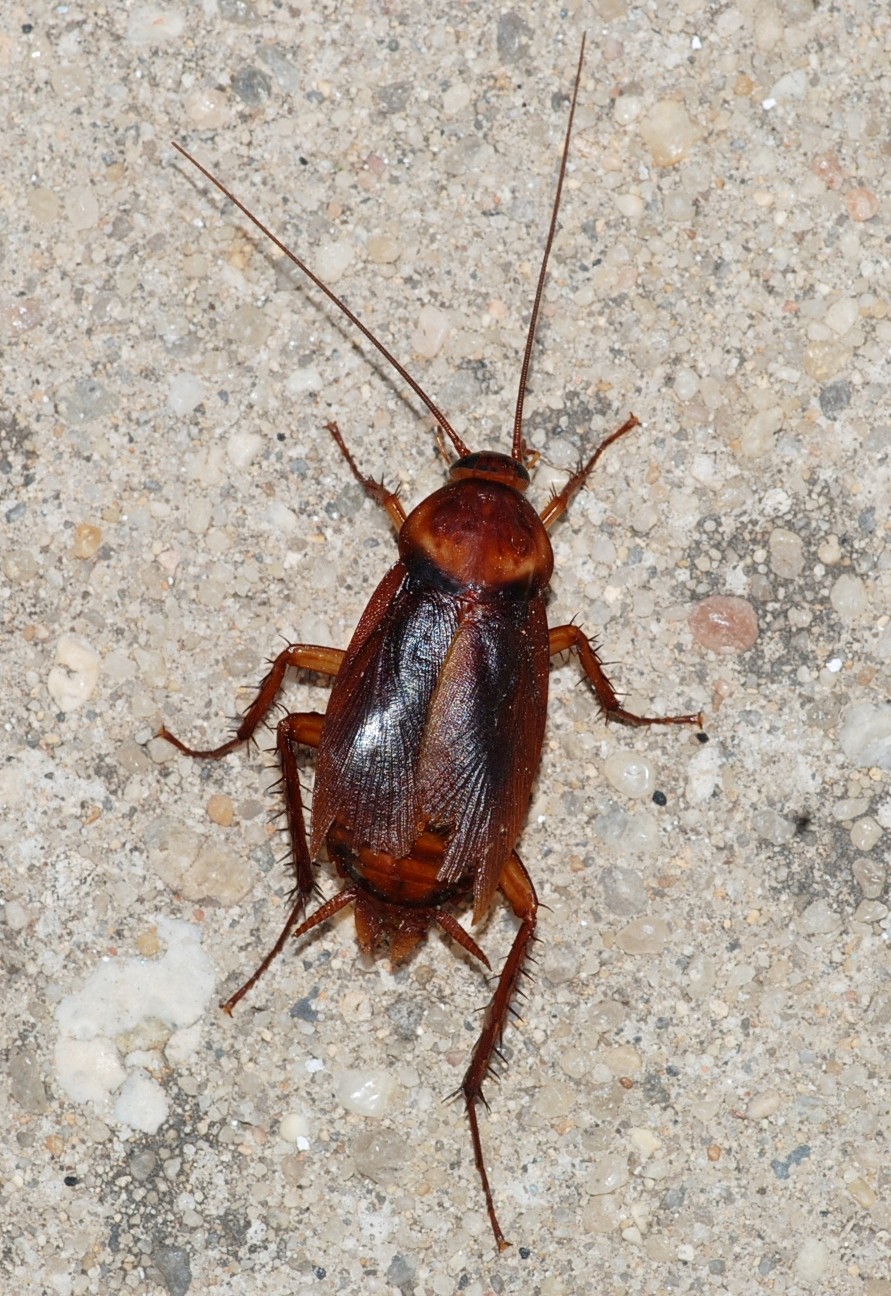
7. American cockroach
Despite its name, american cockroach (Periplaneta americana) is not native to the Americas but rather to Africa and the Middle East, from which it arrived as a result of human commercial patterns. Notably quick and rather resilient, this species is capable of limb regeneration. It requires a certain level of moisture to thrive, and it will avoid drier areas unless it has access to the required level of water.
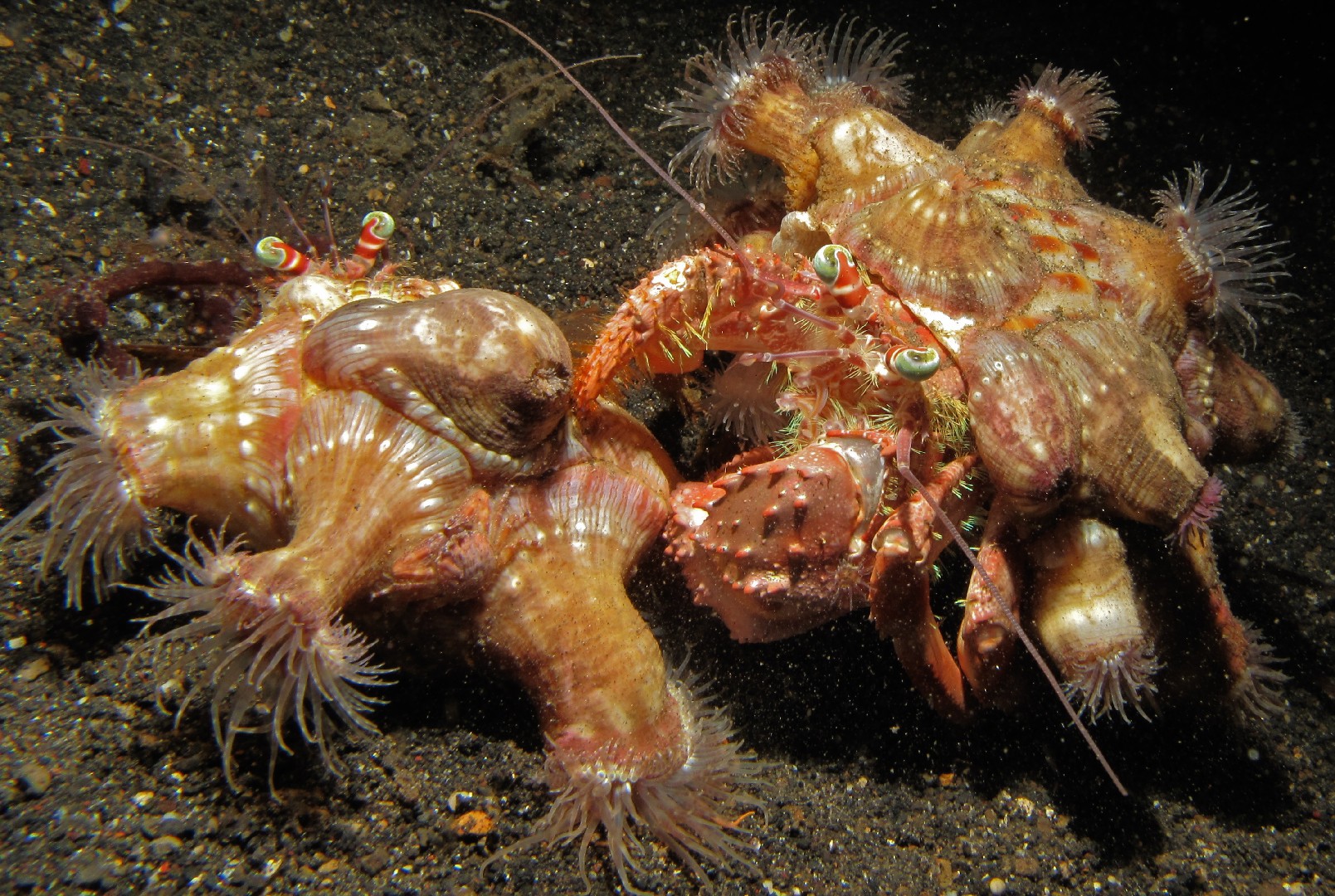
8. Anemone hermit crab
Dardanus pedunculatus usually attain a maximum size of 10 centimetres (4 in). The carapace is mottled in tan and cream, while the eyestalks are white with red bands. The sexes are similar. The left claw is much larger than the right claw.
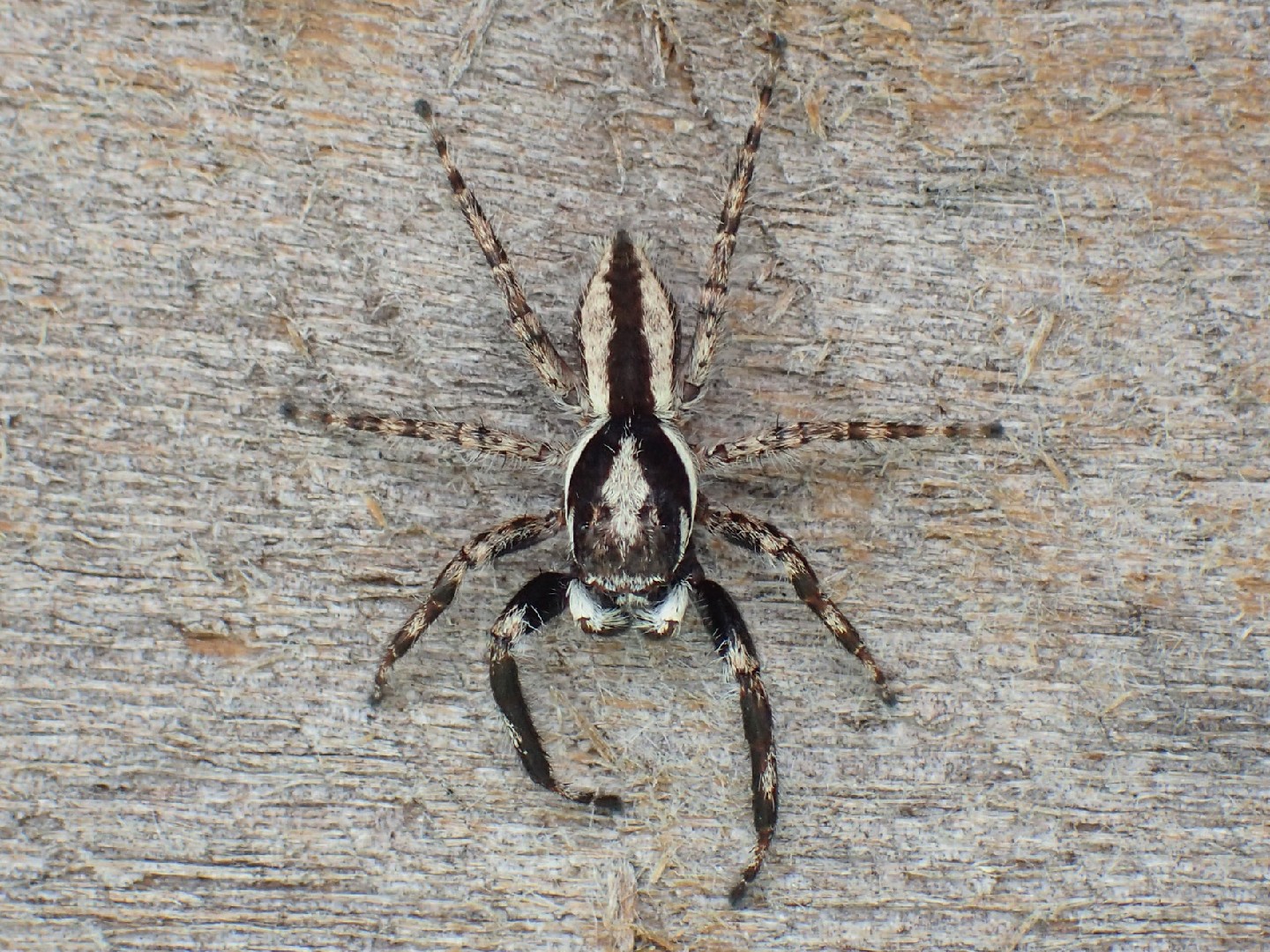
9. Gray wall jumper
The female gray wall jumper lays her eggs in cracks or other hidden areas. The young and mature spiders feed on flies, making them useful residents in a household. They do not make webs, but carefully hunt and jump on their prey.

10. Ramie moth
Its wingspan is about 8 cm. The mid and hind tibia are spiny. Hindwings of male with long hairy inner margin. Head black and thorax vinous reddish brown. Pectus white. Abdomen bluish fuscous with a white tuft in male below claspers. Forewings with brown suffused with black, except costal area as far as postmedial line and the apical area, and irrorated with a few bluish-white scales. A short almost basal line, two black sub-basal patches, an oblique waved antemedial line present. A black spot in cell and two lunules at end of cell. Traces of a pale waved sub-marginal line can be seen. Hindwings are black with a bright blue patch on disk and a maculate post-medial band and patch near anal angle. Larva black. Somites with transverse dorsal white bars each enclosing a black line. Stigmata ochreous, black ridges and with some red color around the, situated on white patches from near the top of each of which springs a white hair. There is an inter-spiracular disconnected white line and a broader spiracular line with a black spot from which springs a white hair below each spiracle. A broad ventral white band present. The 11th somite humped and black above. Extremity orange above spotted with black. Head and somites are covered with long white hairs.

More







