




Top 11 Most Common Insects in Barcelona
Insects, small yet significant, reside ubiquitously across the diverse ecosystems of Barcelona. These organisms' abundance and diversity are intimately tied to the varying geography of Barcelona, with differing climates fostering unique insect communities. Serving crucial roles in the ecosystem from pollinators to pests, they have a considerable impact on our surroundings. Our list of 11 most common insects in Barcelona explores the particularities of these buzzing inhabitants and their intertwined existence with our environment.

Most Common Insects
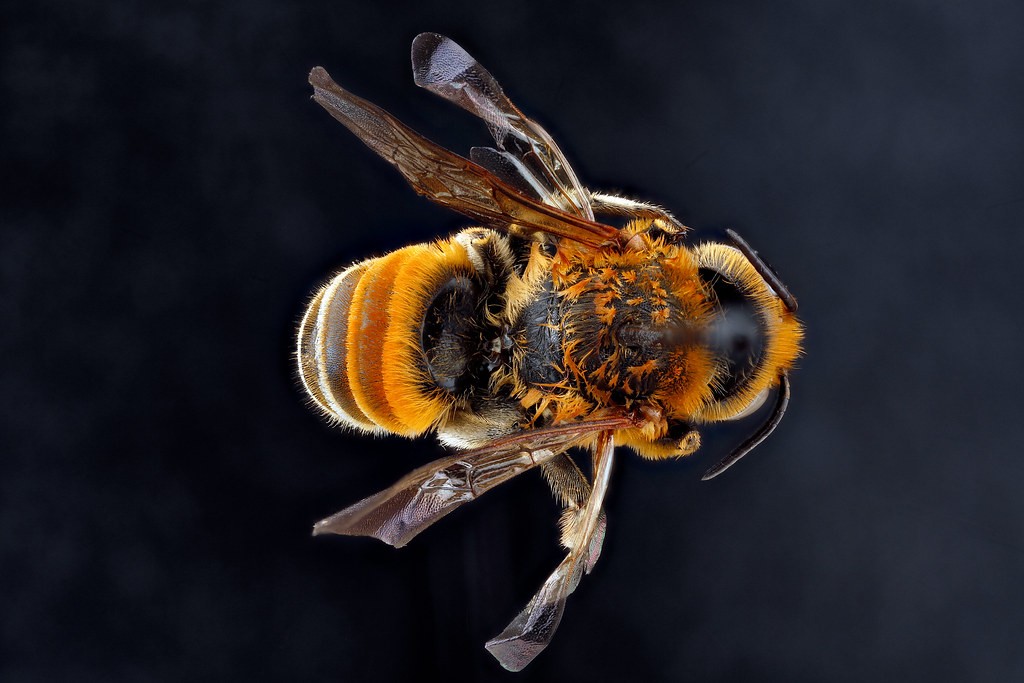
1. Woolly Wall Bee
Megachile lanata is a species of bee in the family Megachilidae. It was described by Johan Christian Fabricius in 1775. 
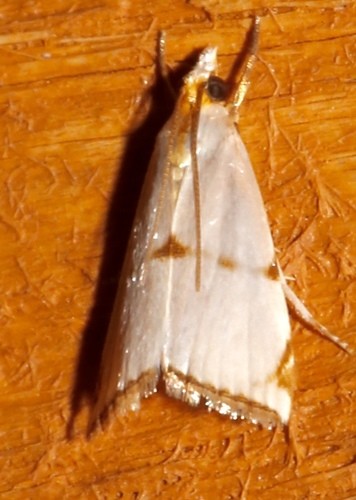
2. Milky urola moth
Argyria lacteella, the milky urola moth, is a moth in the family Crambidae. It was described by Johan Christian Fabricius in 1794. It is found in North America, from Maryland south to Florida and west to Texas. In the south, the range extends through Costa Rica to Brazil. It is also found on Cuba, Puerto Rico and Bermuda. The wingspan is about 16 mm. The forewings are white with a small dark spot at the costa and at the inner margin, as well as a dark spot halfway between these two. The hindwings are uniform white. Adults are on wing from spring to fall.
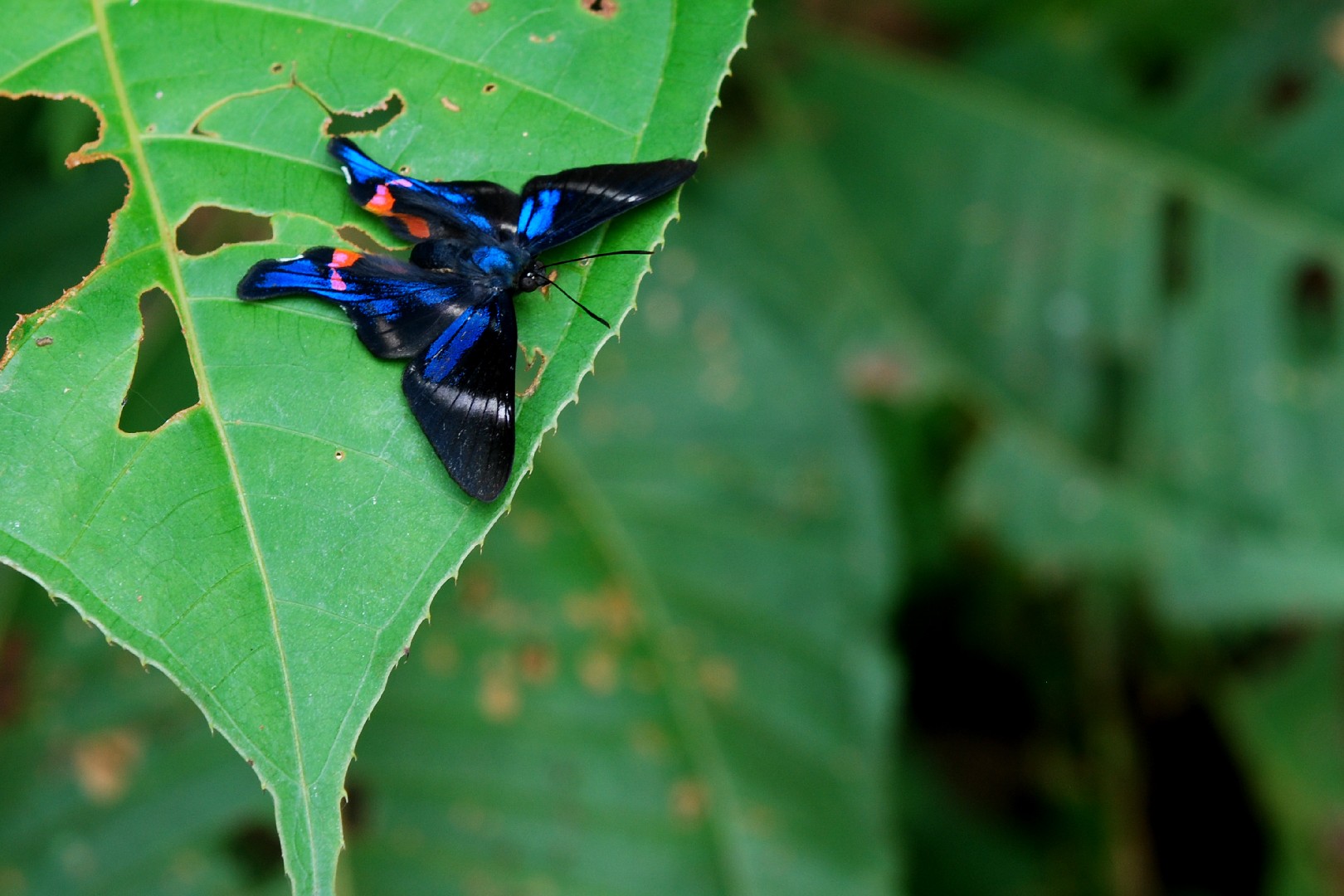
3. Periander metalmark
Rhetus periander, the Periander metalmark or variable beautymark, is a butterfly of the family Riodinidae. It is found in most of Central America and South America, ranging from Mexico to Brazil and Argentina.
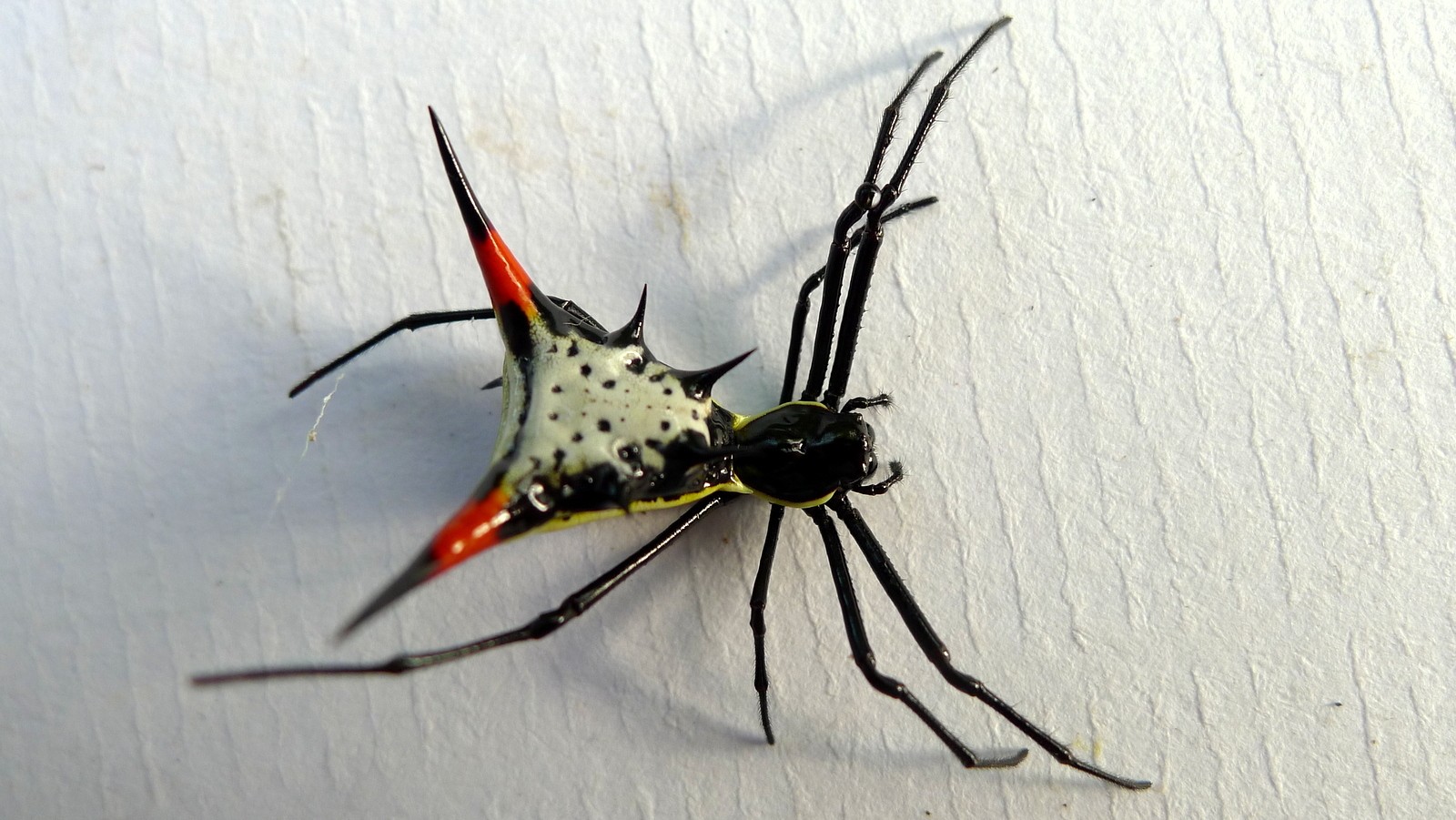
4. Amazon thorn spider
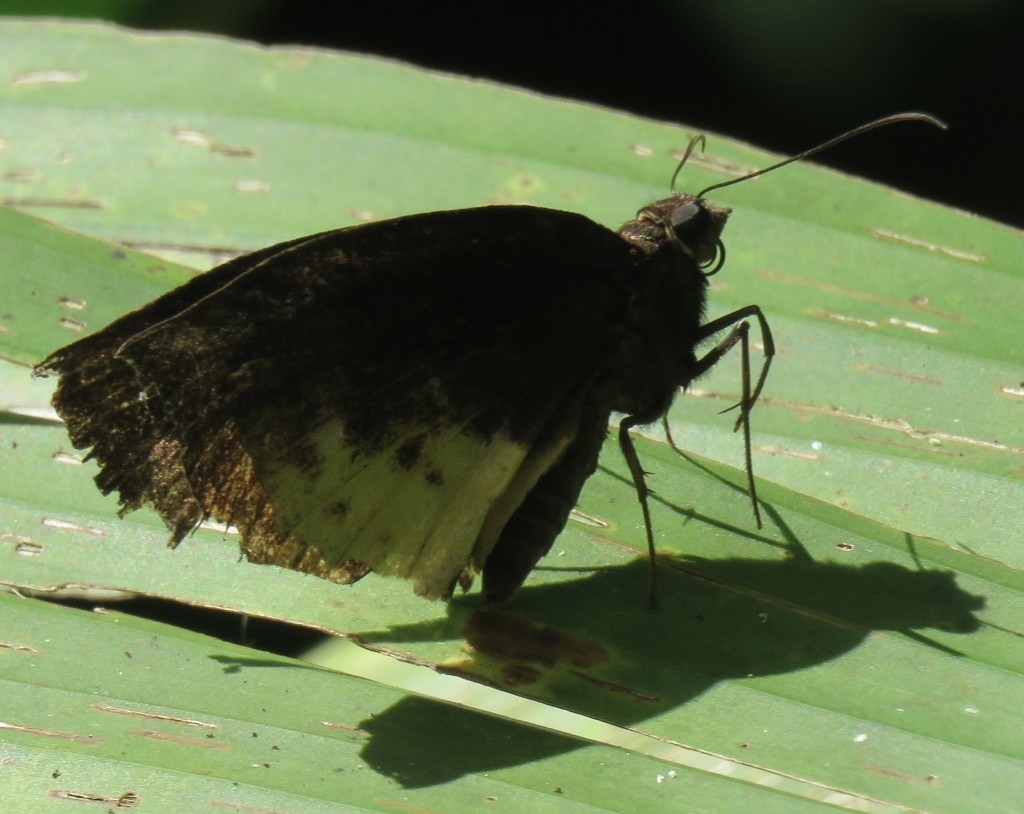
5. Giant sicklewing
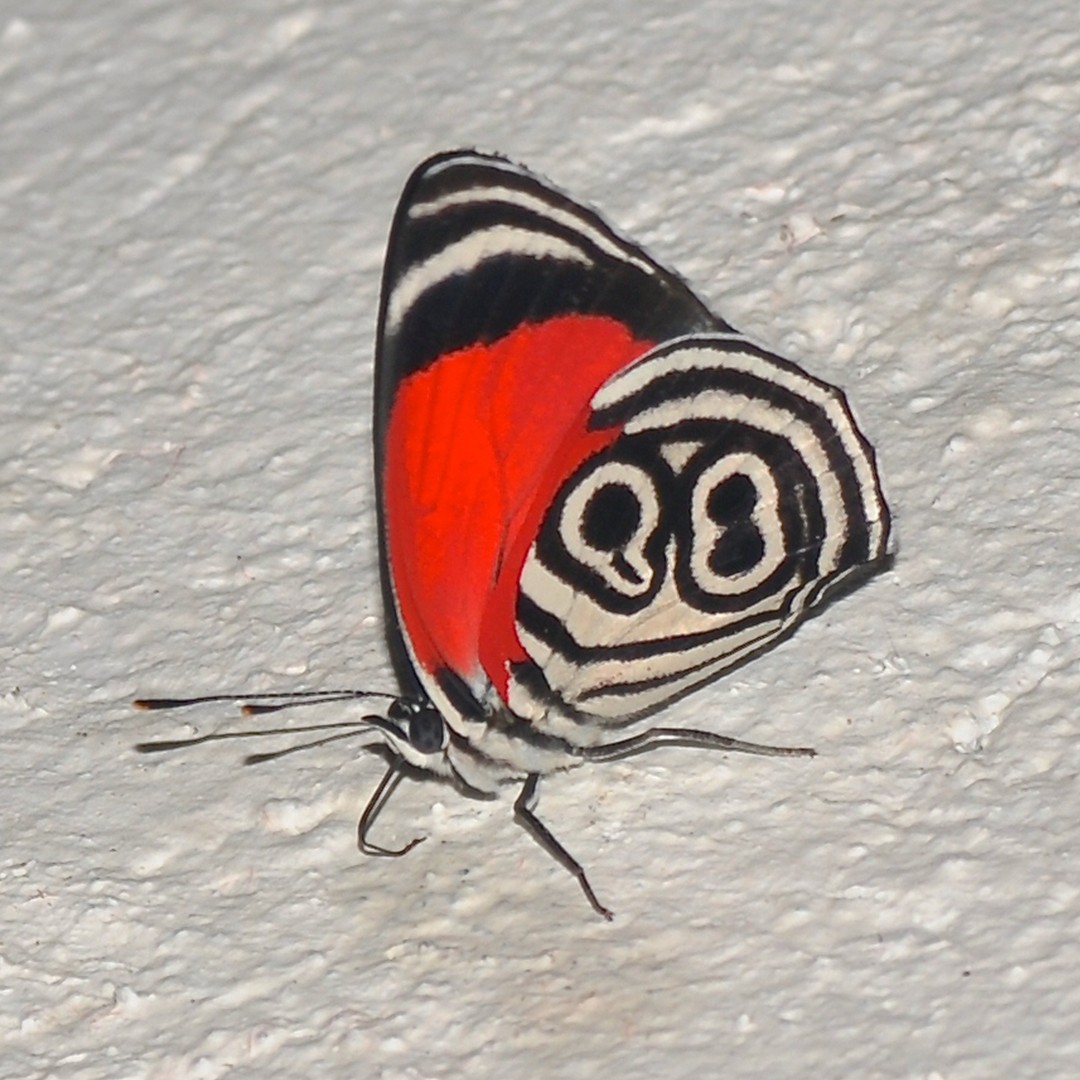
6. Cramer's eighty-eight
The wingspan is about 3 - 4 cm. Adults are black with a blue band on each wing. The underside is red and white with black stripes that look like an outlined number "89" or "98".
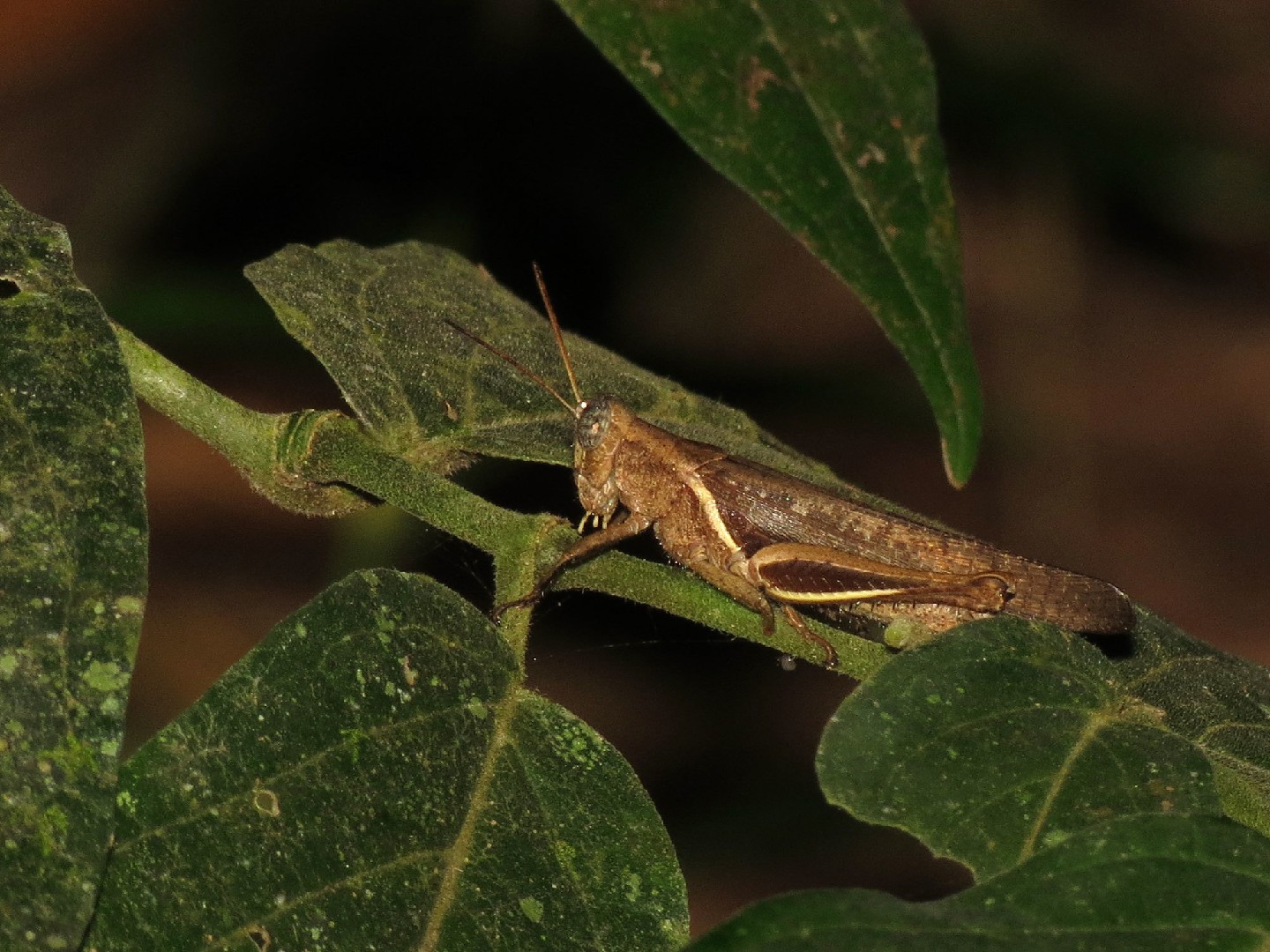
7. Abracris flavolineata
Abracris flavolineata is a right-winged insect from the family locusts (Acrididae). The scientific name of this species was first validly published in 1773 by De Geer.
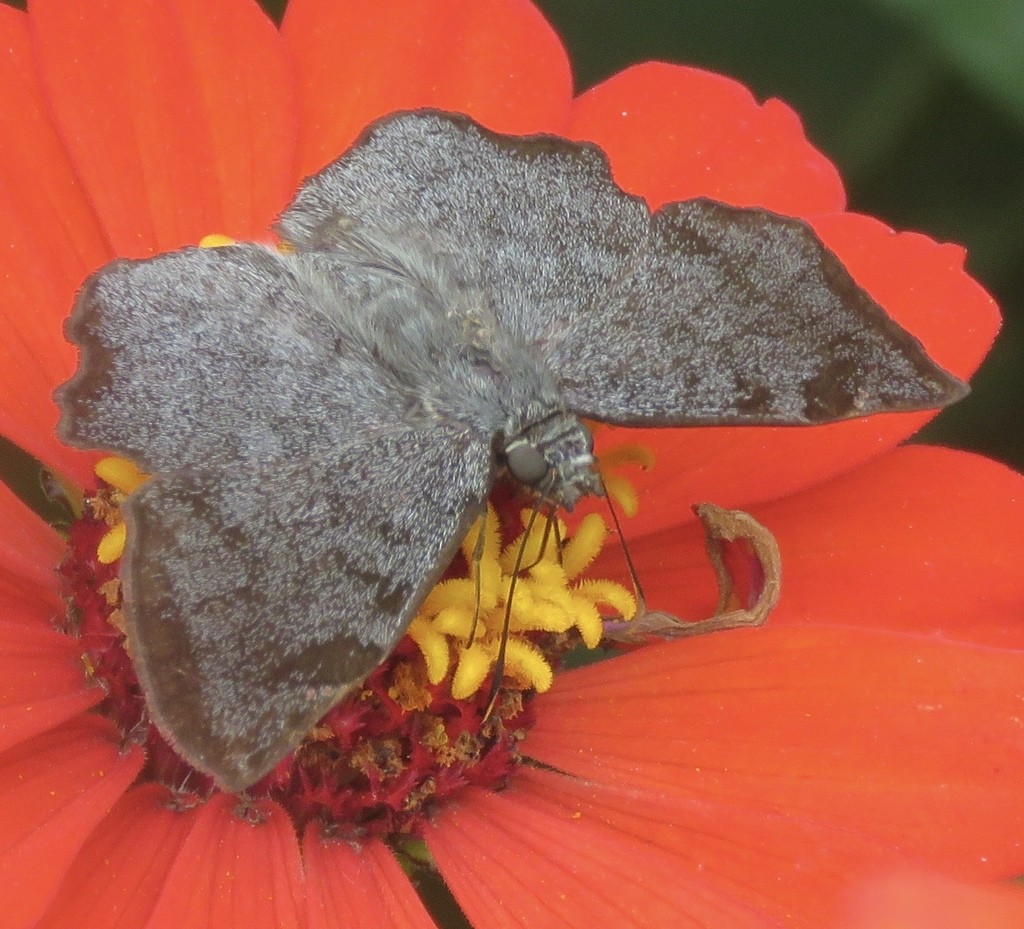
8. Common dusted spurwing
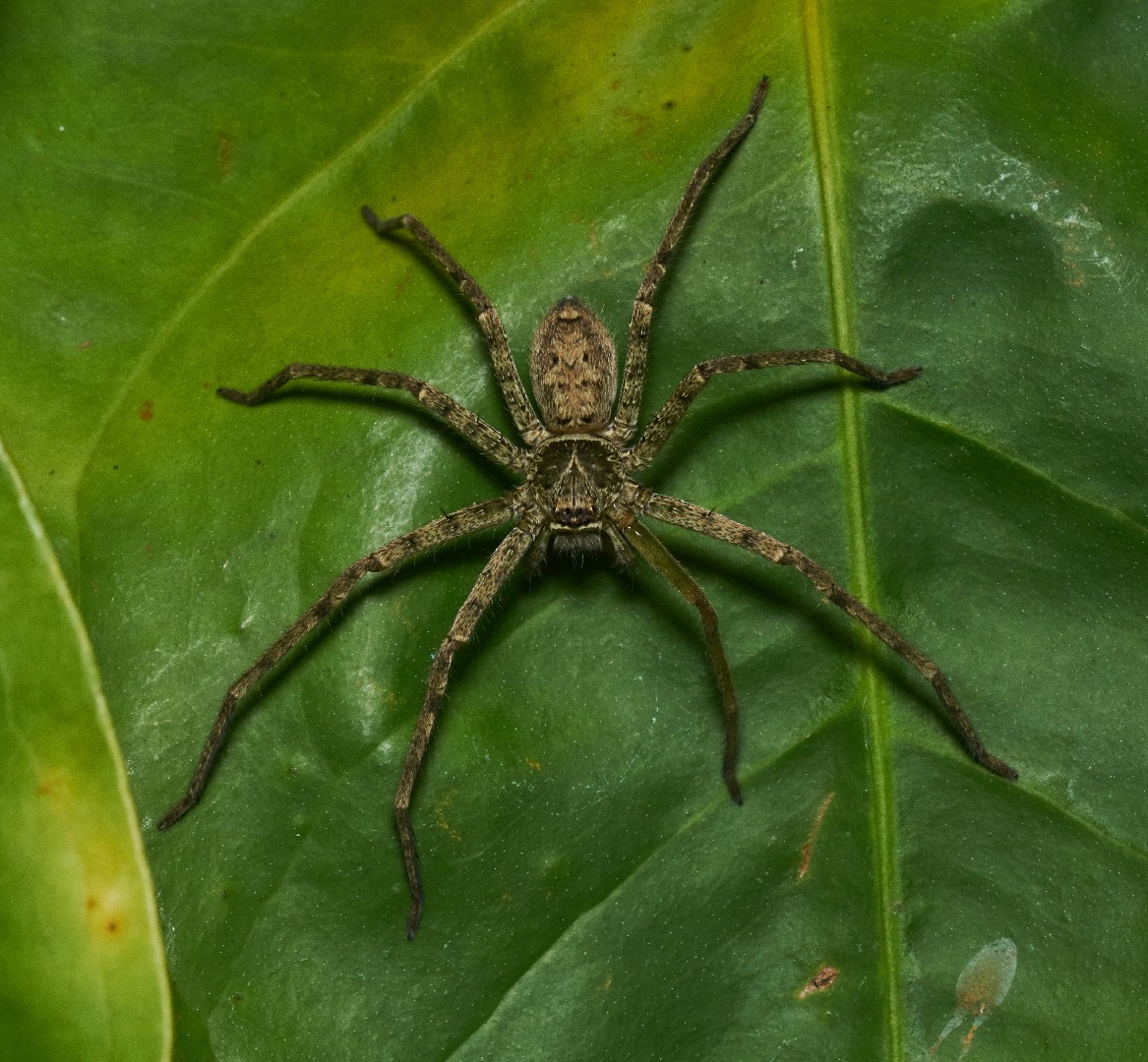
9. Giant Crab Spider
The giant Crab Spider is a large spider native to the tropics; the largest reported individual had a leg span of 30 cm. This cosmopolitan spider is highly valued in some areas, as it's able to catch cockroaches and other indoor pests. Reportedly, it hunts even scorpions and bats. This spider is venomous and sometimes bites humans, but it's considered harmless.
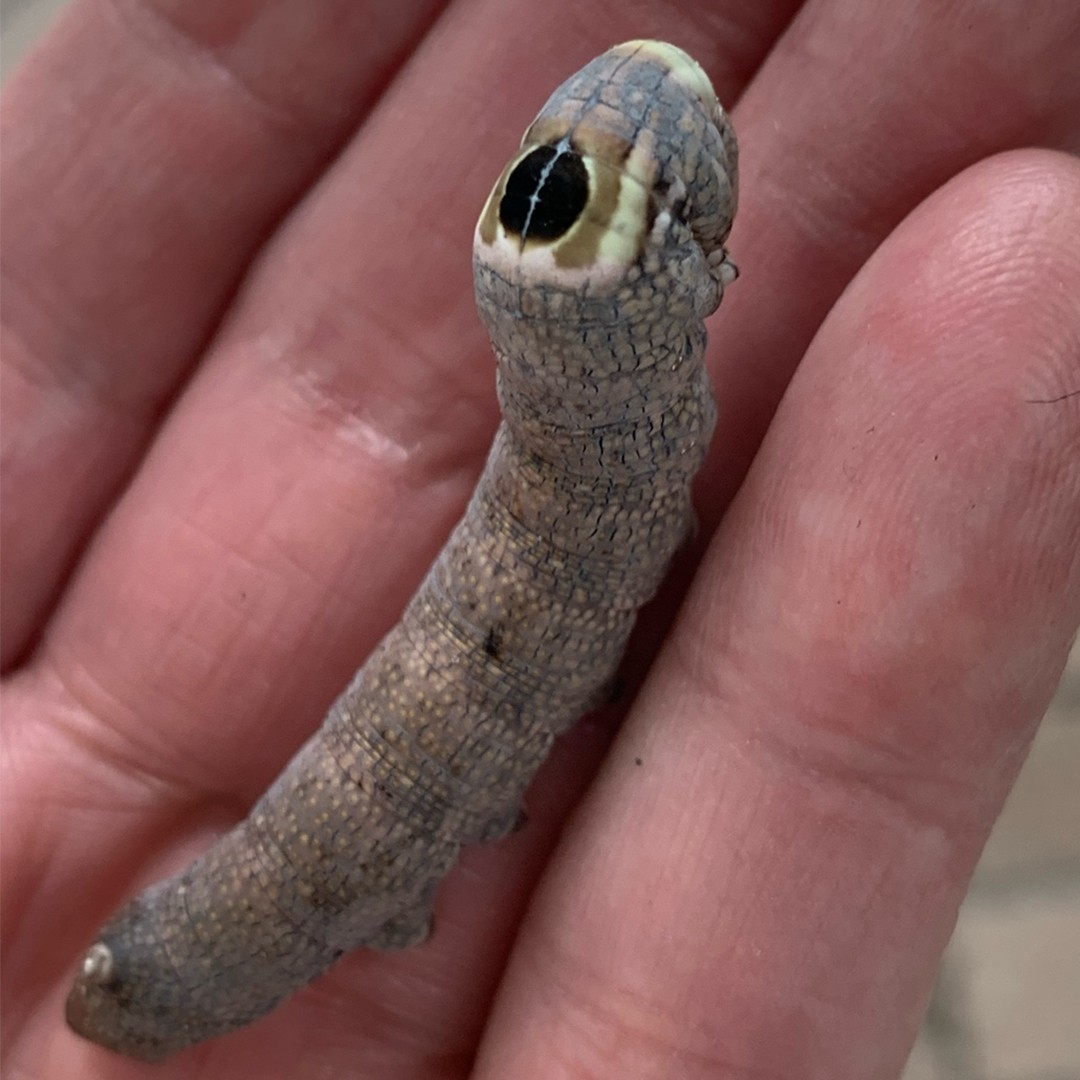
10. Ello sphinx
Erinnyis ello, the ello sphinx, is a moth of the family Sphingidae. The species was first described by Carl Linnaeus in his 1758 10th edition of Systema Naturae. It is distributed from Argentina through Central America to the United States as far north as Nevada. The wingspan is 75–85 mm. The abdomen has gray and black bands. The forewing upperside of the female is pale gray with a few dark dots near the outer margin, while the forewing upperside of the male is dark gray and brown with a black band running from the base to the tip. In both sexes, the hindwing upperside is orange with a wide black border. Adults are on wing year-round in the tropics and southern Florida. Adults feed on the nectar of flowers, including common soapwort (Saponaria officinalis) and Chinese violet (Asystasia gangetica). The larva feeds on a variety of host plants, including papaya (Carica papaya) in the family Caricaceae; poinsettia (Euphorbia pulcherrima), Mexican jumping bean (Sebastiania pavoniana), Cnidoscolus urens, and cassava (Manihot esculenta) in the Euphorbiaceae; guavas (Psidium spp.) in the Myrtaceae; and saffron plum (Sideroxylon celastrinum) in the Sapotaceae. The ello sphinx can be parasitized by the braconid wasp Microplitis figueresi.
More







