




Top 15 Most Common Insects in Goulburn
Insects, distinctive for their six legs and segmented bodies, are a vital contribution to the diverse ecosystem of Goulburn. Varying geographical locales within Goulburn noticeably influence insect diversity, introducing a captivating array of species. From pests to beneficial pollinators, these tiny creatures play a critical role in shaping our environment. In this captivating list, we delve into the 15 most commonly encountered insects in Goulburn, unveiling their intriguing roles and relationships within our ecosystem.

Most Common Insects
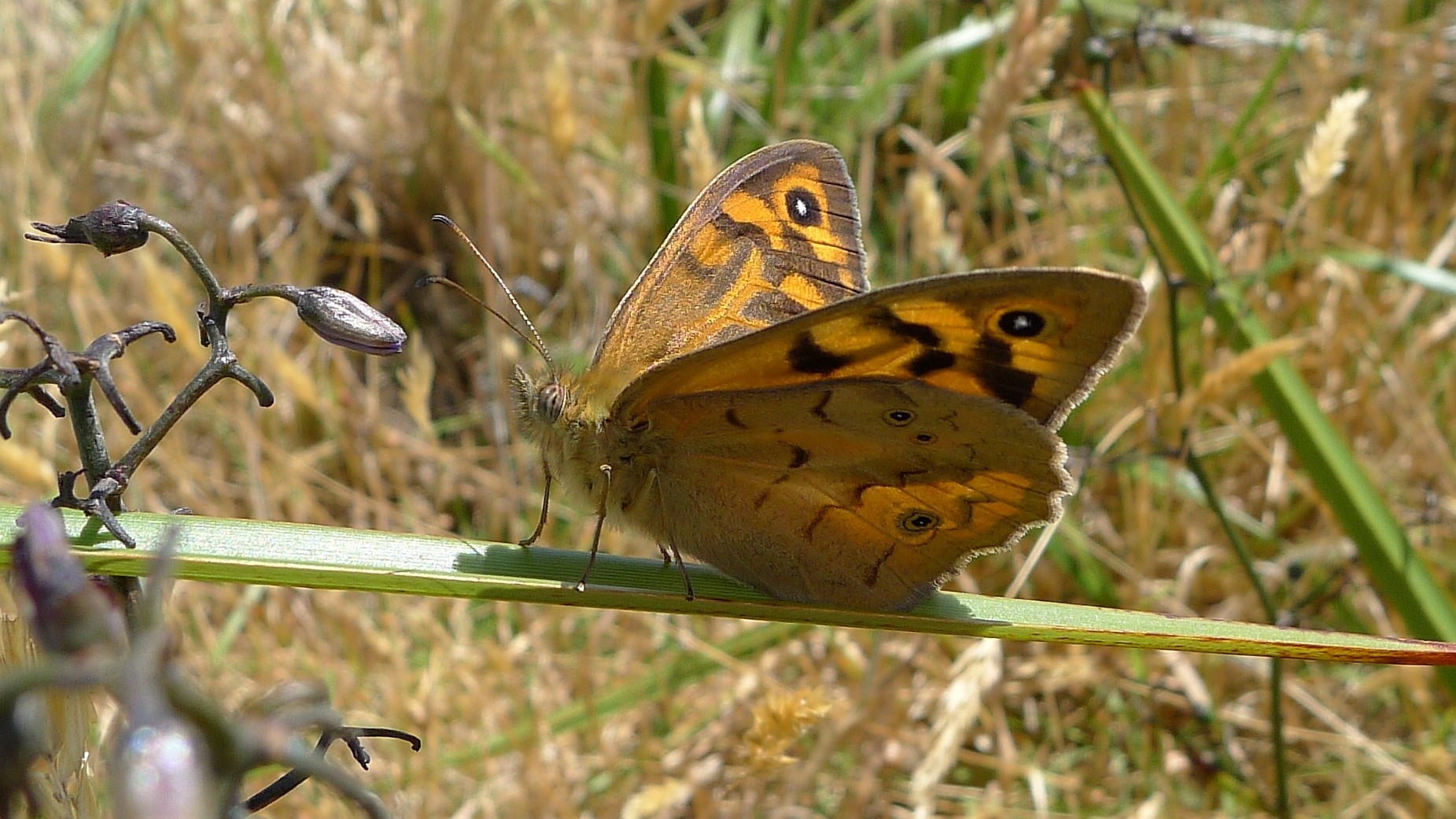
1. Common brown
The wingspan is about 6 cm for males and 7 cm for females. 
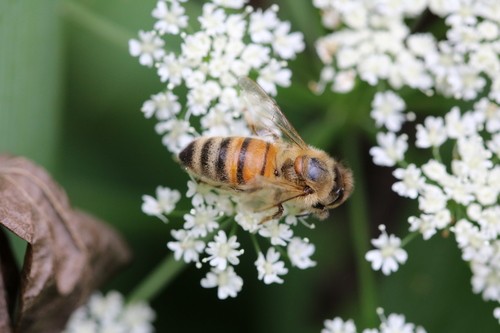
2. Western honey bee
Western honey bee(Apis mellifera) is the most common species of honeybee in the world. Among the first domesticated insects, its cultural and economic impact on humanity has been vast and far-reaching, providing honey, wax and its services as a pollinator. Western honey bee faces challenges worldwide, such as colony collapse disorder, and populations are thought to be decreasing.
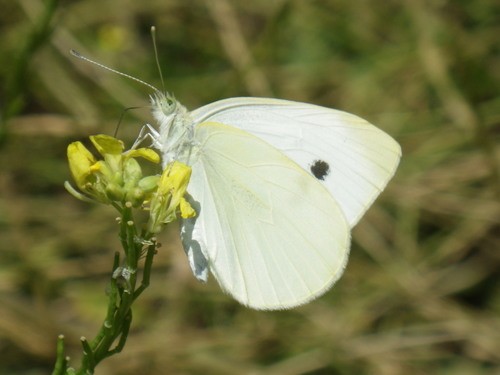
3. Cabbage white
Cabbage white (Pieris rapae) derives its common name from its habits as a caterpillar, which is a ferocious pest for cabbage, kale and broccoli farmers. In North America, it is one of the first butterflies to emerge in spring, heralding the beginning of the season.
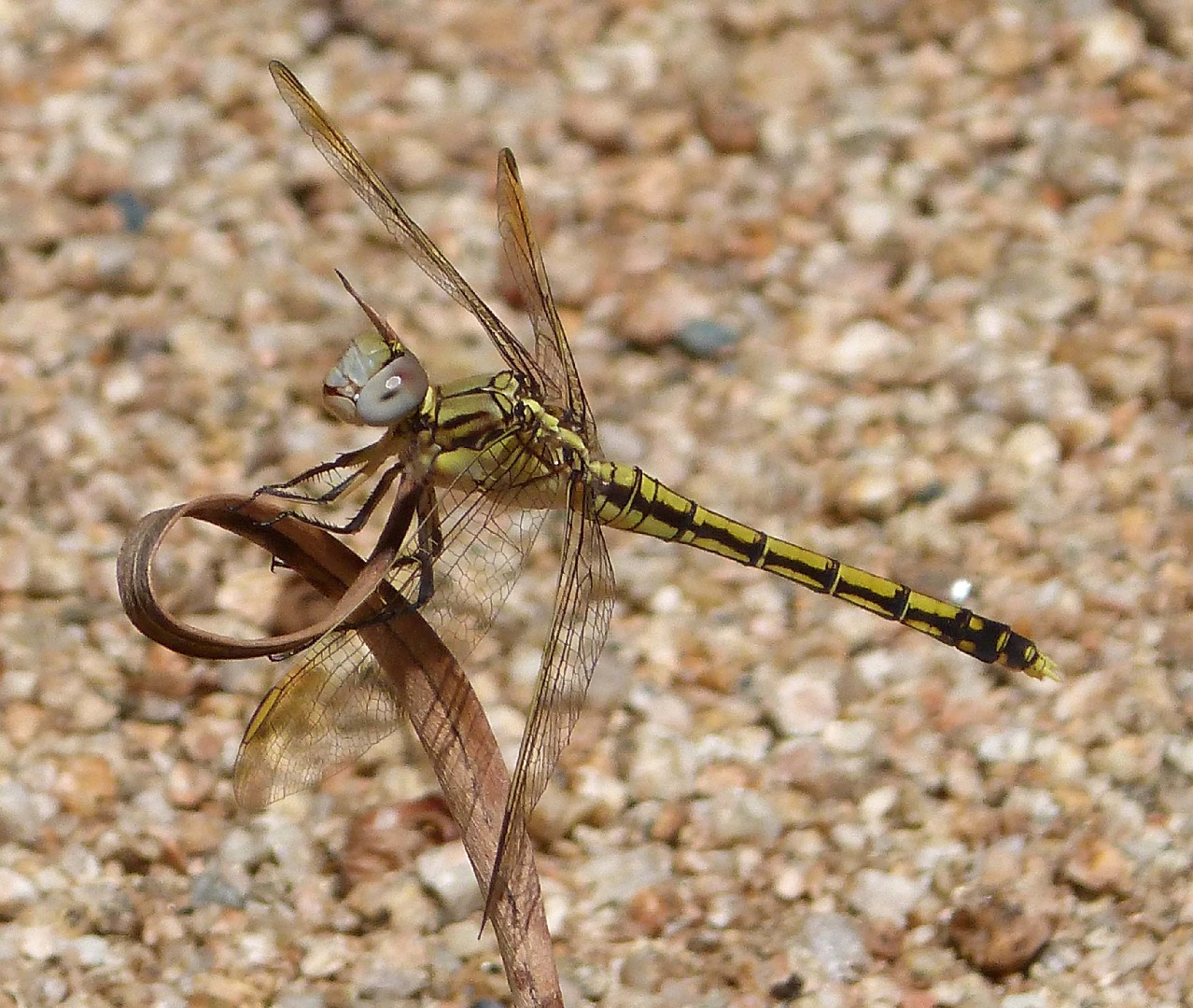
4. Blue skimmer
Males have a powder blue thorax and abdomen pruinescent blue when mature. The females are brownish grey in colour while the teneral are yellow with black markings. They are medium in size, with a body length of 5 cm and a wingspan of 8 cm.
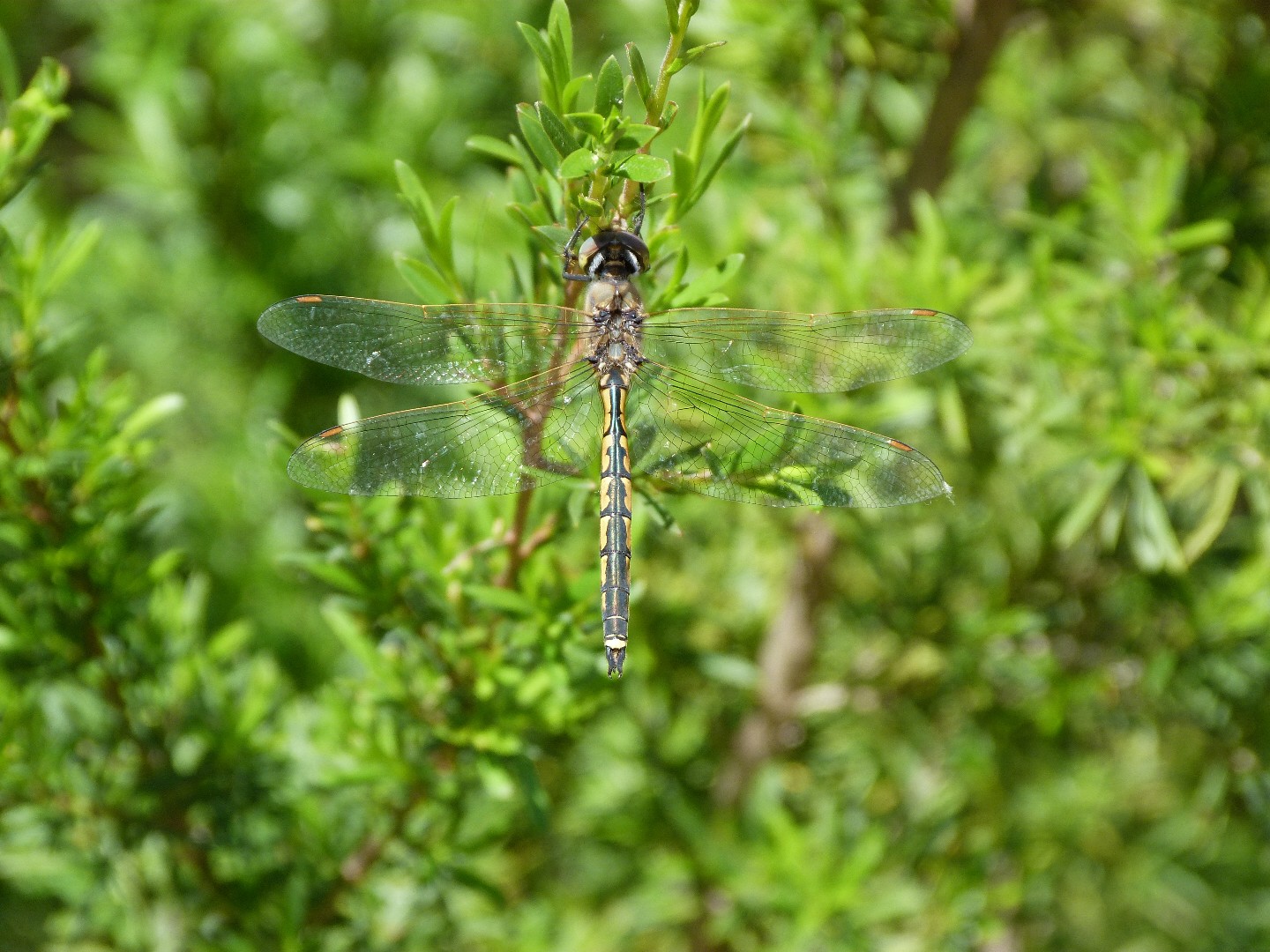
5. Tau emerald
The tau emerald is a medium-sized, black and yellow dragonfly with long legs, reaching a body length of about 5 cm. In both males and females the inboard edge of the hindwing is rounded.
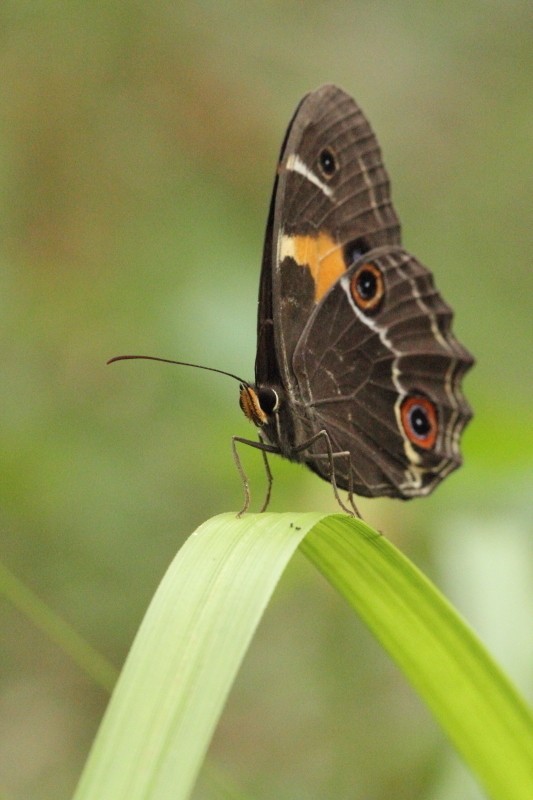
6. Swordgrass brown
The wings of the adult are brown and have a wingspan of about 6 cm.
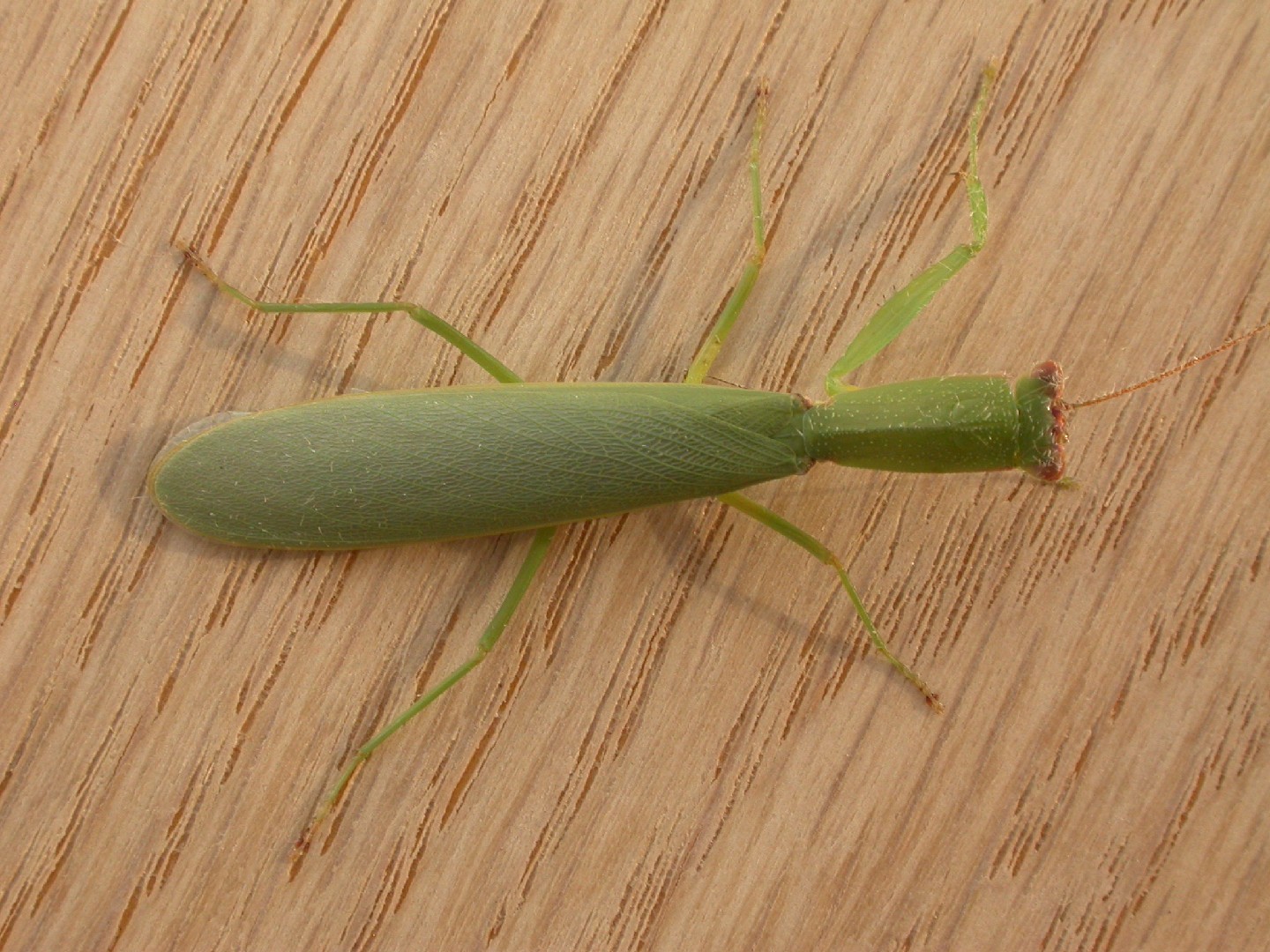
7. Garden mantis
Orthodera ministralis is a species of mantis of the Mantidae family.
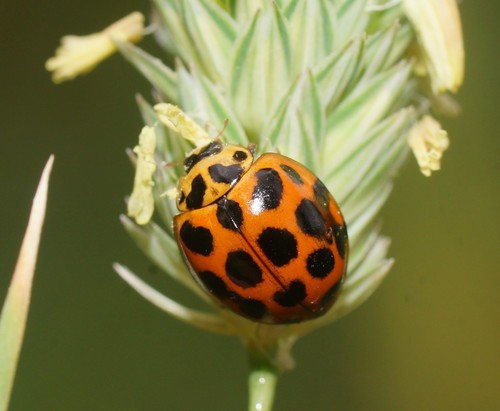
8. Large spotted ladybird
The large spotted ladybird (Harmonia conformis) is an insect that is named for exactly what it is known for. First of all, they have large spots that cover their wing coverings with a couple on the underside. It is also a large ladybug when compared to others. Much like other ladybugs, it is a controlling factor for aphids, making them a good bug to keep around.
9. Razor grinder
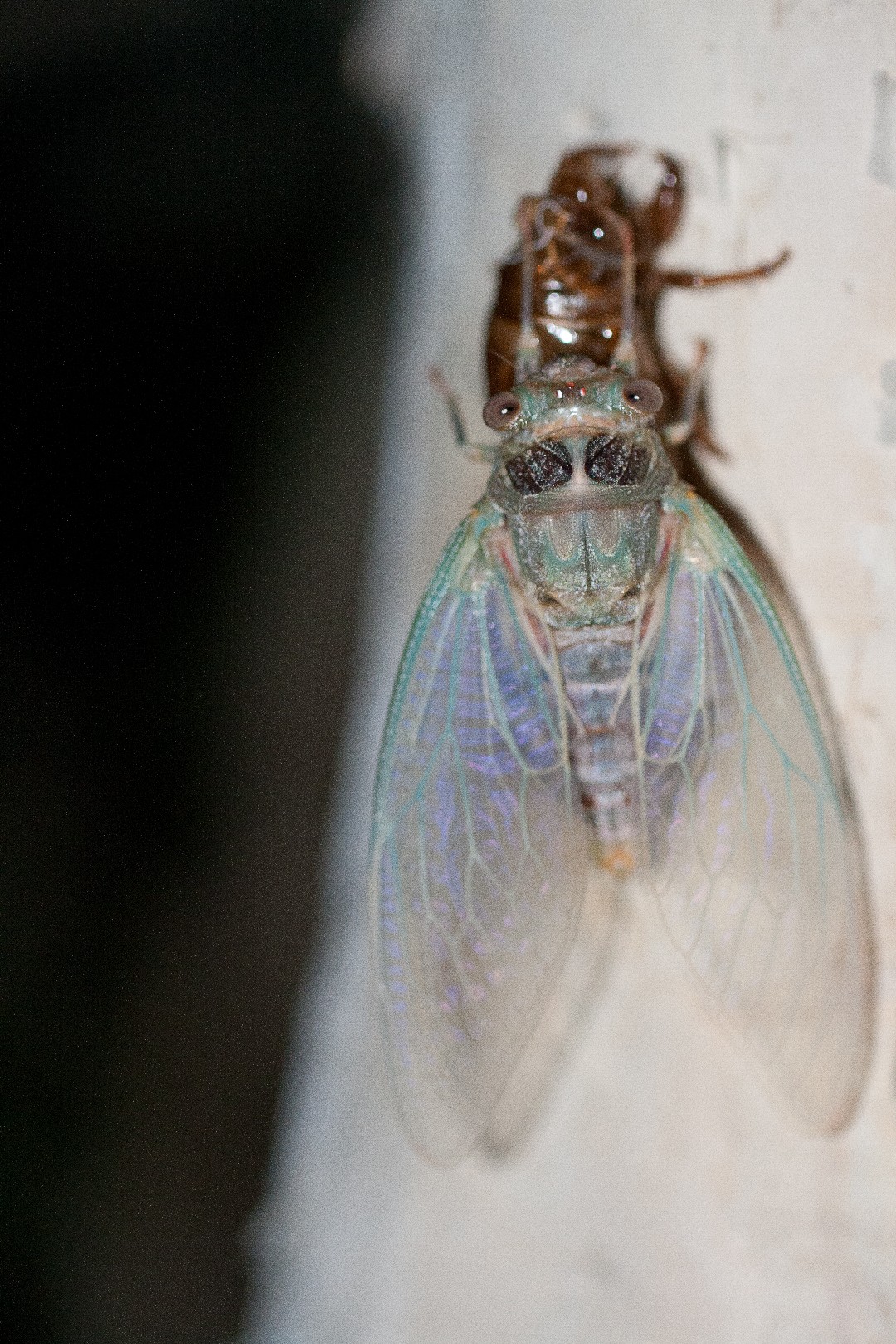
The razor grinder is a large cicada with a forewing measuring 5 - 6 cm. Males and females are similar in color and markings. The head and thorax is red-brown with black markings. The wings are transparent with some brown discoloration.
10. Wandering percher
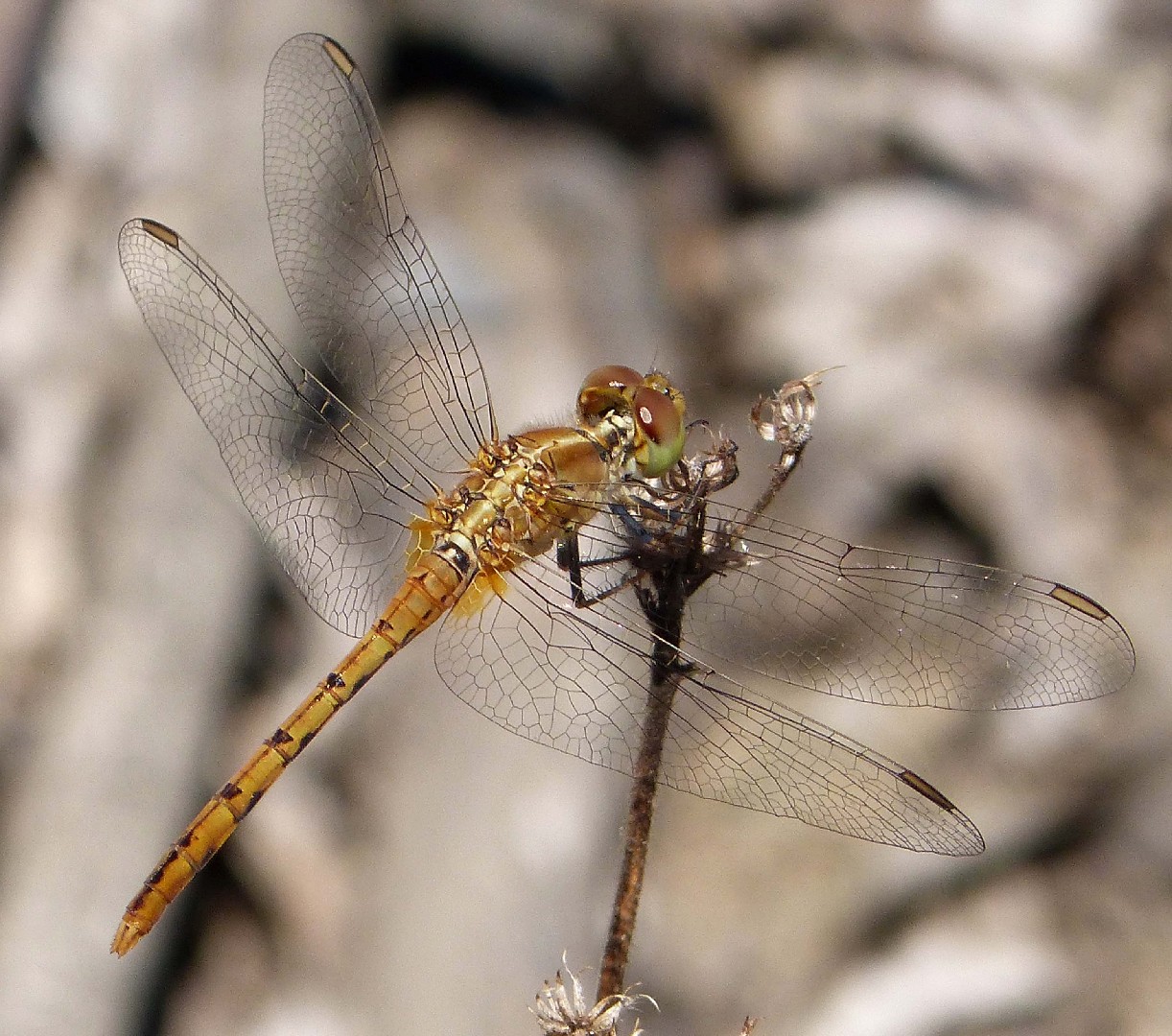
Diplacodes bipunctata is a small to medium-sized dragonfly with a wingspan of about 6 cm. The wings are colorless except for a yellowish spot at the base of the hindwing. The male has a bright orange or red abdomen with dark markings along the dorsal line and sides, and the female is yellowish with similar markings. There are two dark spots at the side of the synthorax, one of which is the metastigma.



More