




Top 20 Most Common Insects in Wollongong
Insects, distinctive for their six legs and segmented bodies, are a vital contribution to the diverse ecosystem of Wollongong. Varying geographical locales within Wollongong noticeably influence insect diversity, introducing a captivating array of species. From pests to beneficial pollinators, these tiny creatures play a critical role in shaping our environment. In this captivating list, we delve into the 20 most commonly encountered insects in Wollongong, unveiling their intriguing roles and relationships within our ecosystem.

Most Common Insects
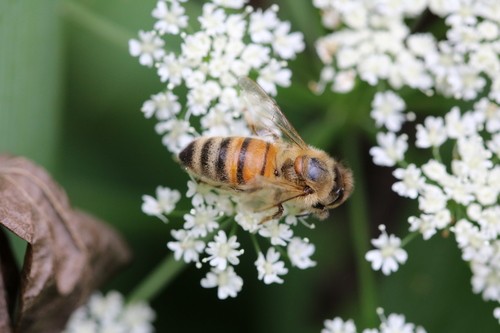
1. Western honey bee
Western honey bee(Apis mellifera) is the most common species of honeybee in the world. Among the first domesticated insects, its cultural and economic impact on humanity has been vast and far-reaching, providing honey, wax and its services as a pollinator. Western honey bee faces challenges worldwide, such as colony collapse disorder, and populations are thought to be decreasing.
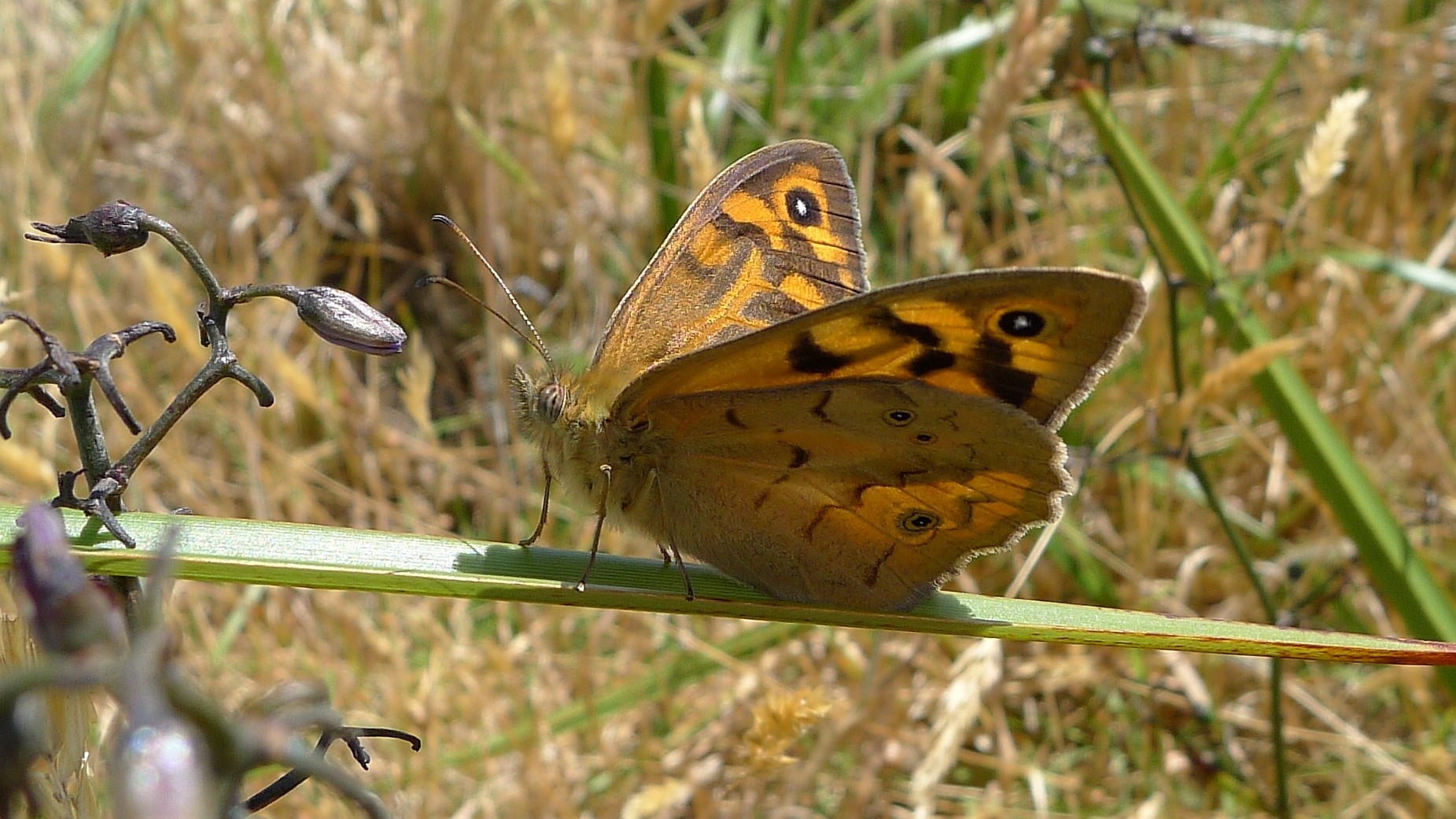
2. Common brown
The wingspan is about 6 cm for males and 7 cm for females. 
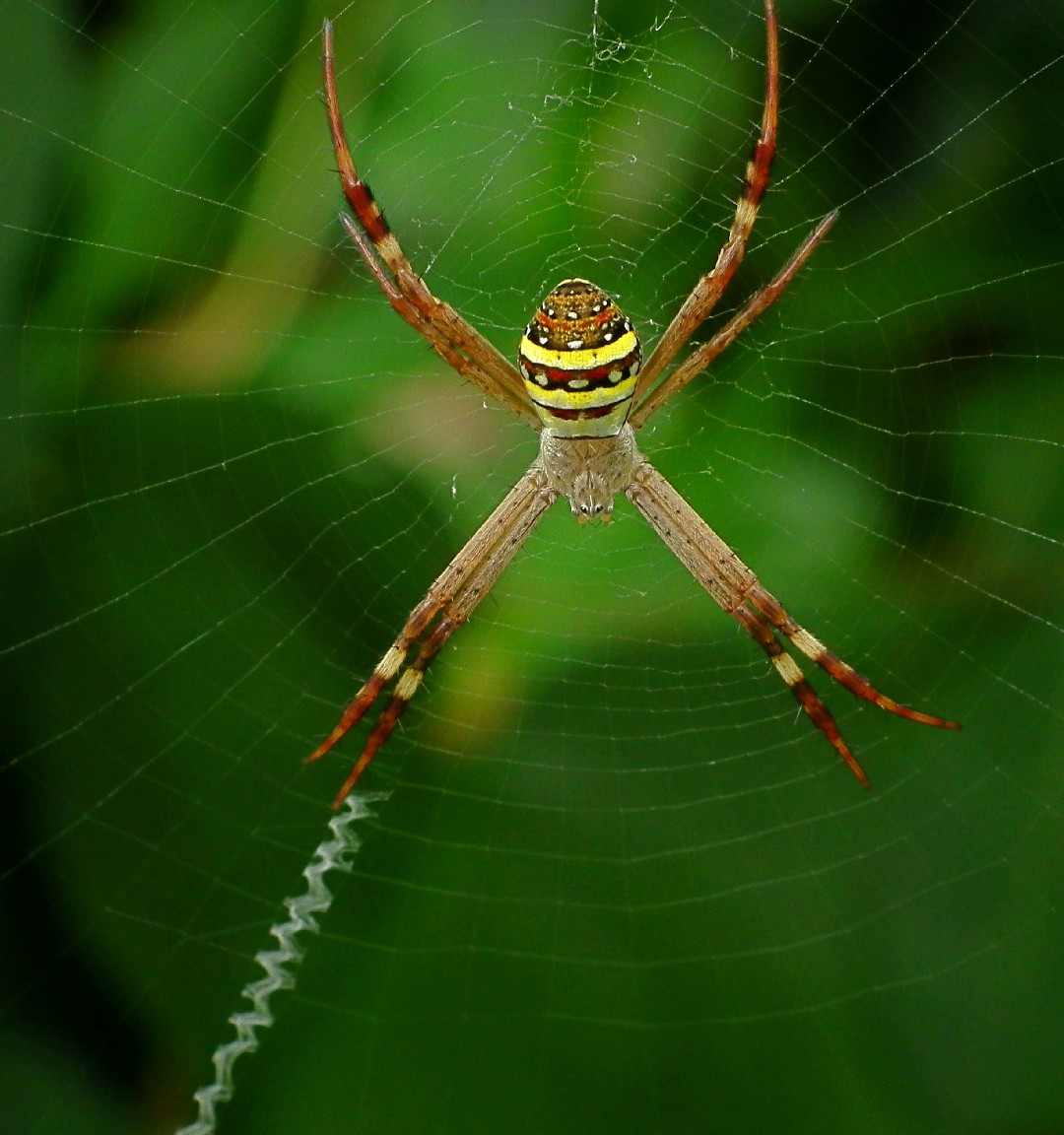
3. St. Andrew's cross spider
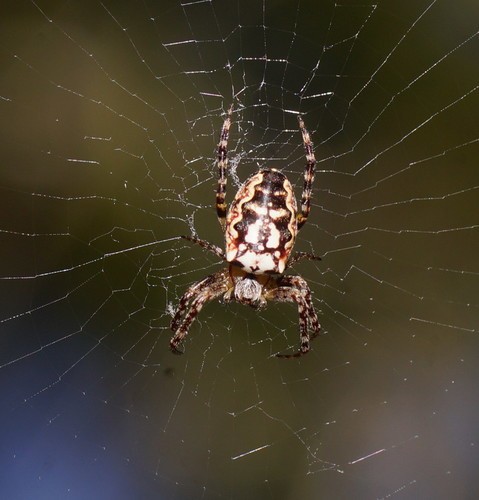
The st. Andrew's cross spider (Argiope keyserlingi) earns this name by constructing webs that resemble an x-shaped cross, similar to the one St. Andrew was crucified on. They are also known to produce spiral-shaped web, which works to capture more prey and act as protection against other predators. Females are many times larger than the males in this species.
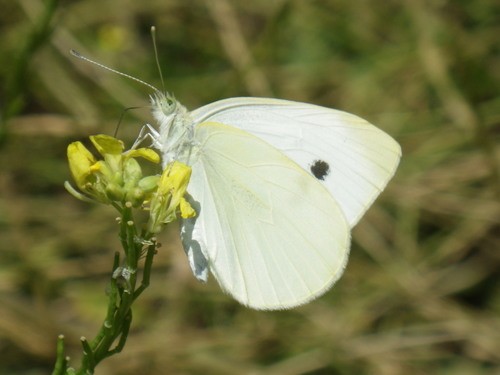
4. Cabbage white
Cabbage white (Pieris rapae) derives its common name from its habits as a caterpillar, which is a ferocious pest for cabbage, kale and broccoli farmers. In North America, it is one of the first butterflies to emerge in spring, heralding the beginning of the season.
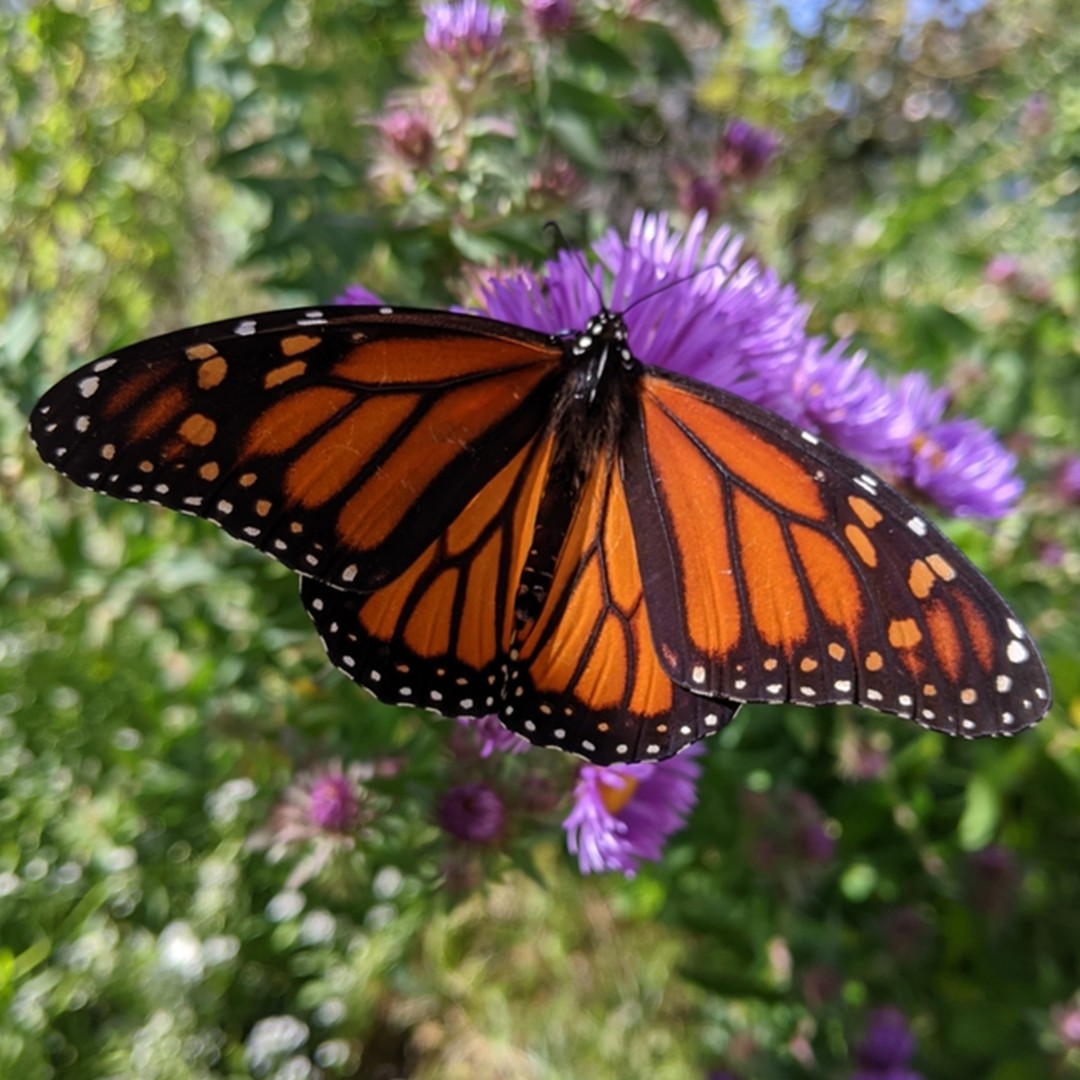
5. Monarch butterfly
The monarch butterfly (Danaus plexippus) is the most recognizable butterfly in North America. It is best known for its appearance, but should be better known for the fact that it has a 3000-mile migration that takes the butterfly 4 generations to complete. Their diet is also a natural deterrent for predators, as they eat milkweed, a poison that induces vomiting.
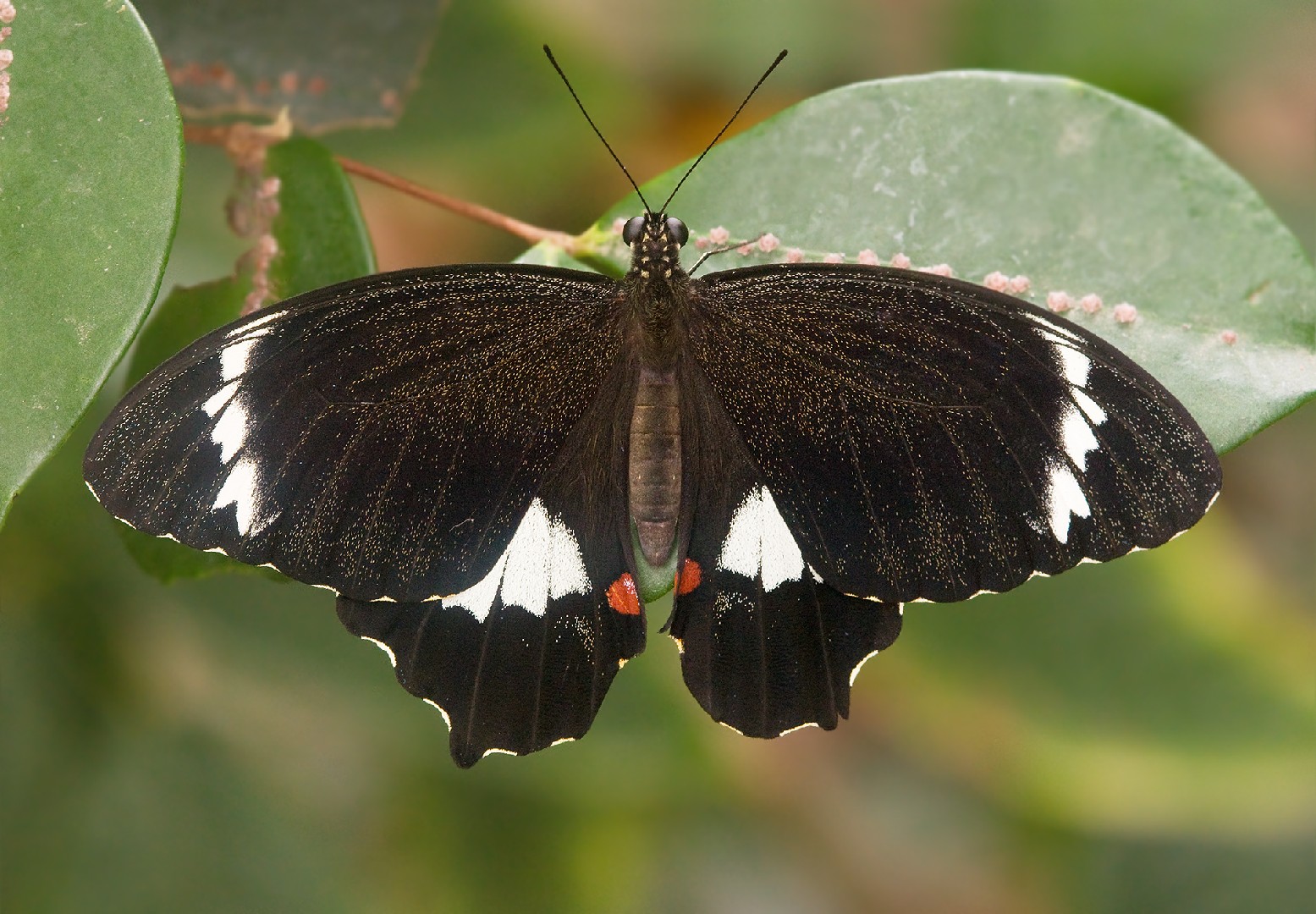
6. Orchard swallowtail
The orchard swallowtail (Papilio aegeus) is a swallowtail butterfly without the long tail. Despite the confusion, it is still a beautiful butterfly that is a combination of black, white, and orange. While they are typically in Australia, they are known to expand their territory to Victoria when citrus trees are abundant. This gives it the secondary name of the Large citrus butterfly.
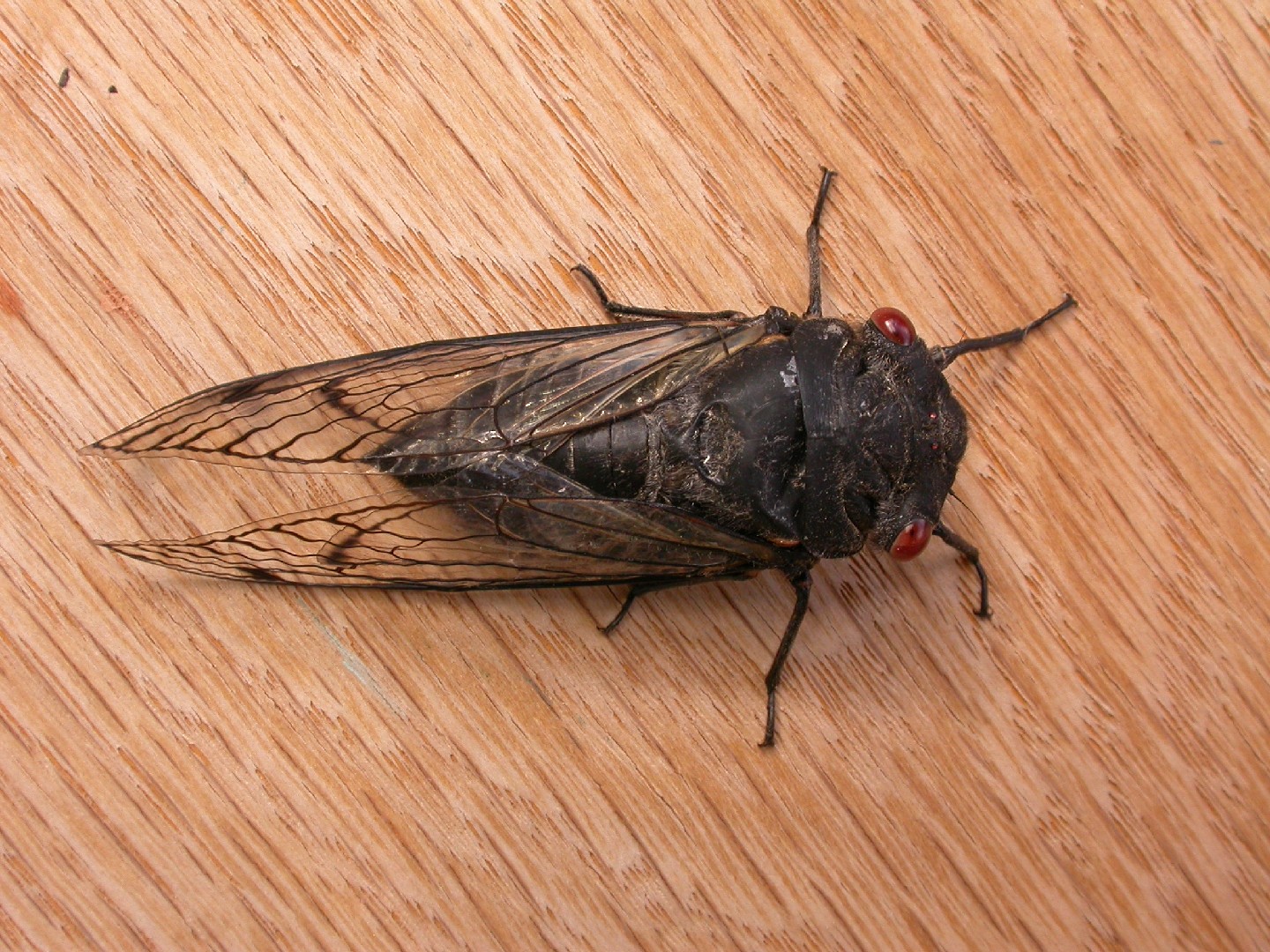
7. Redeye
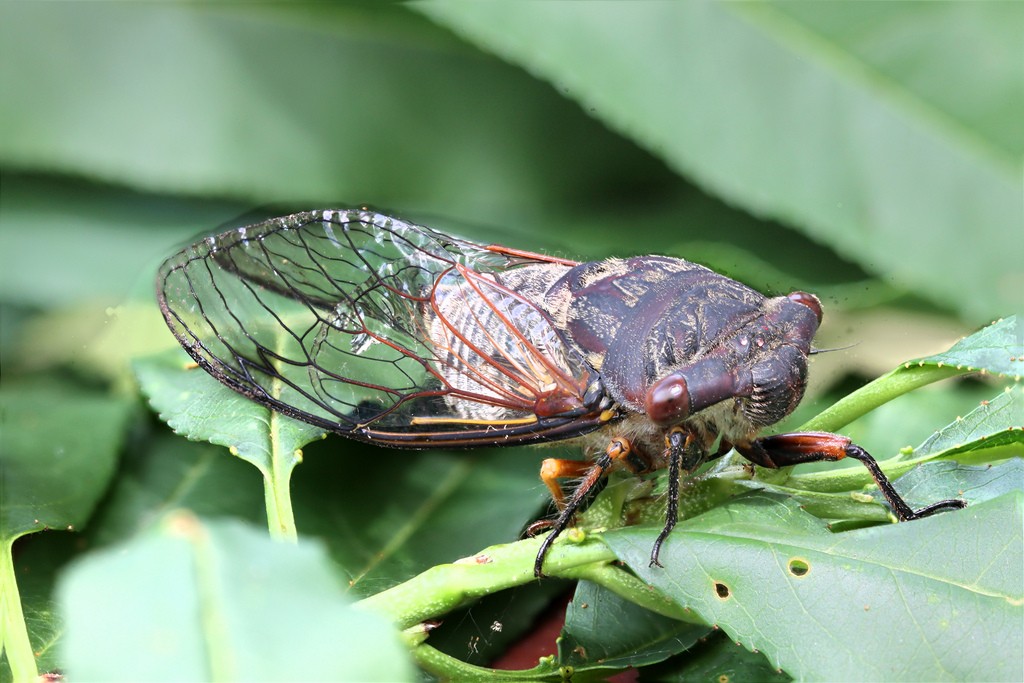
The typical wingspan is around 110–120 mm. The adult is a shiny black above and brown and finely hairy underneath. As the name implies, the eyes are a deep red colour, although pinkish- and brownish-eyed specimens are seen. The redeye makes the yodelling sound by flexing its abdomen upwards.
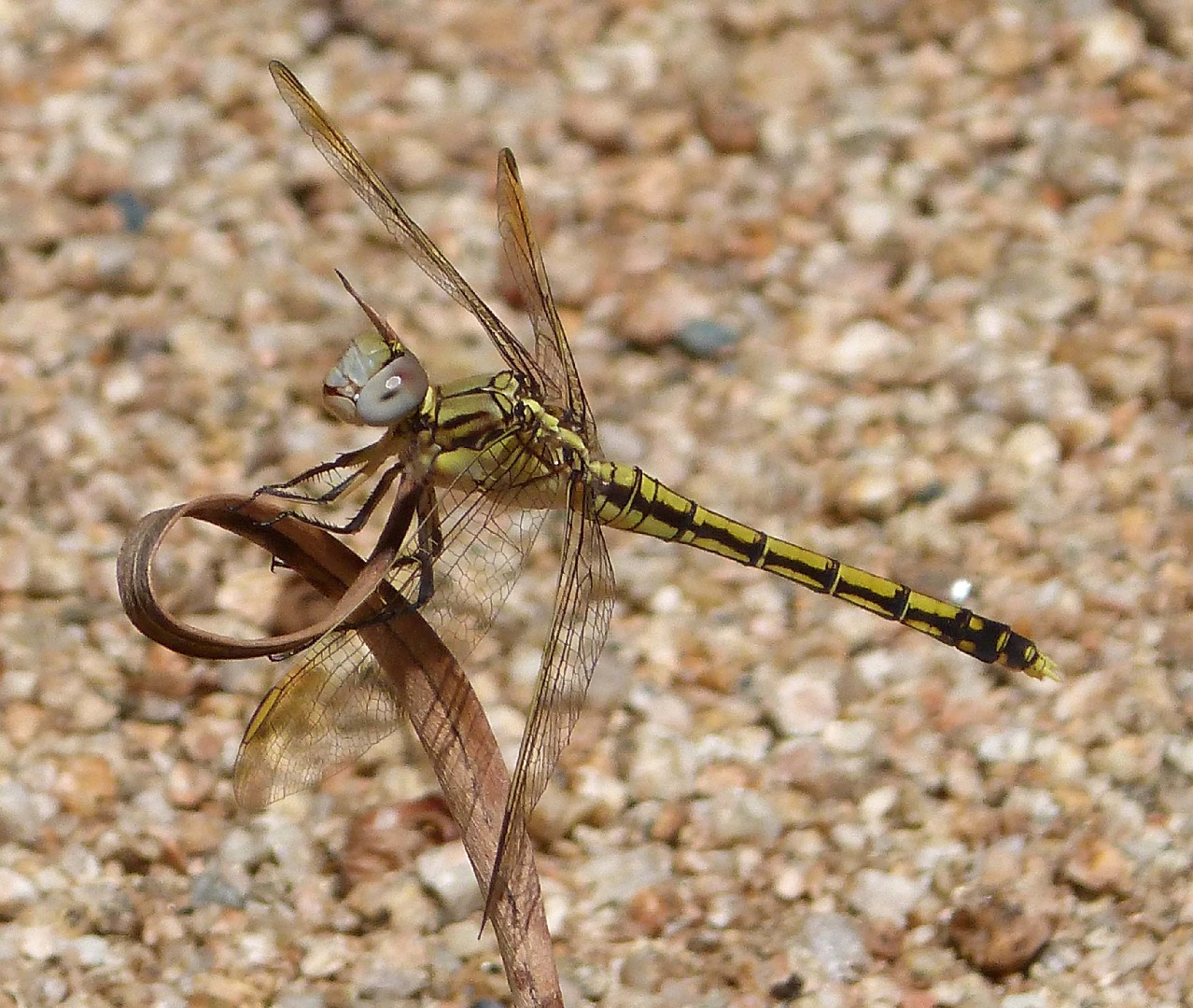
8. Blue skimmer
Males have a powder blue thorax and abdomen pruinescent blue when mature. The females are brownish grey in colour while the teneral are yellow with black markings. They are medium in size, with a body length of 5 cm and a wingspan of 8 cm.
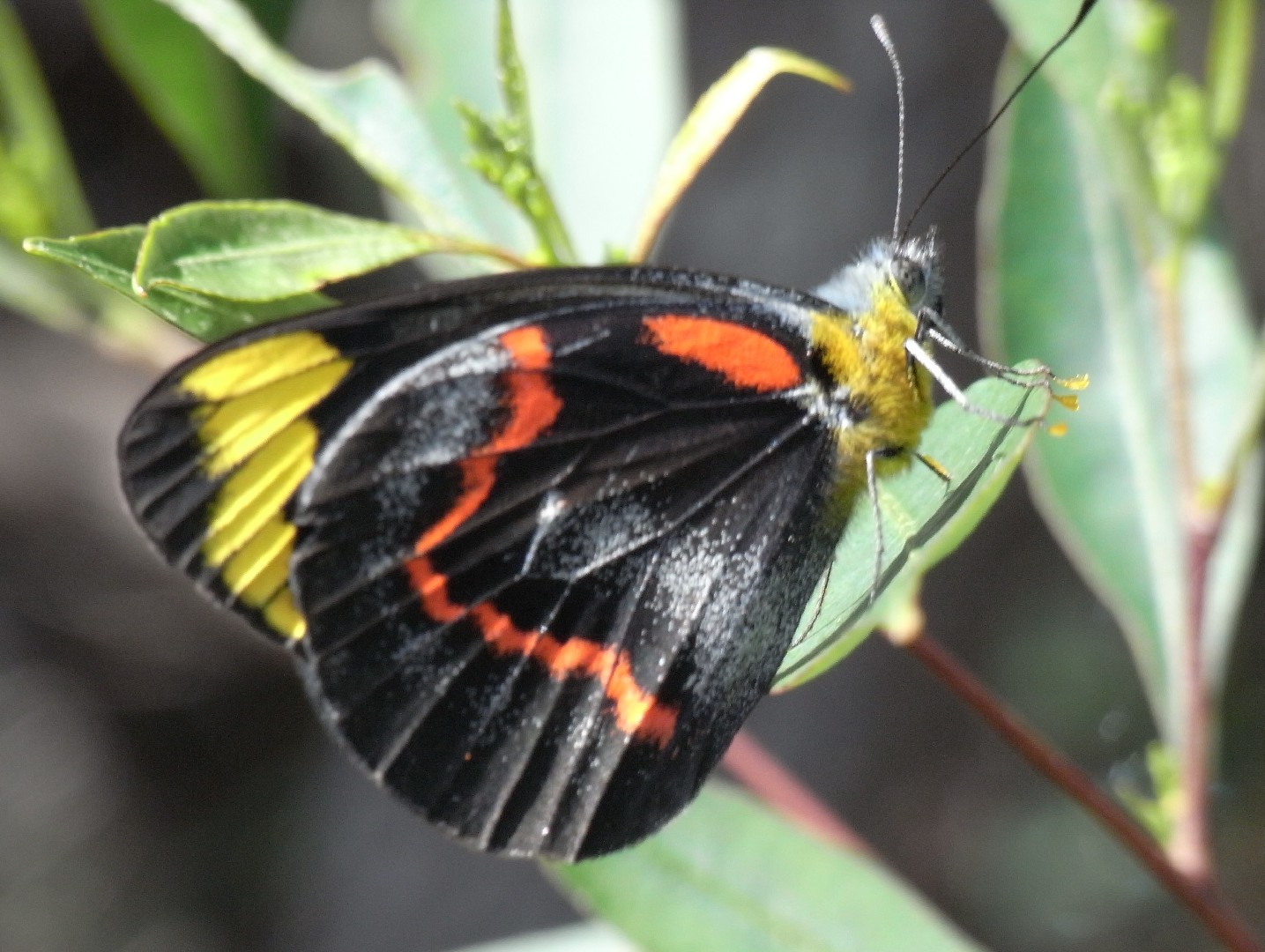
9. Black jezebel
The wingspan of both the male and the female is 56 mm.
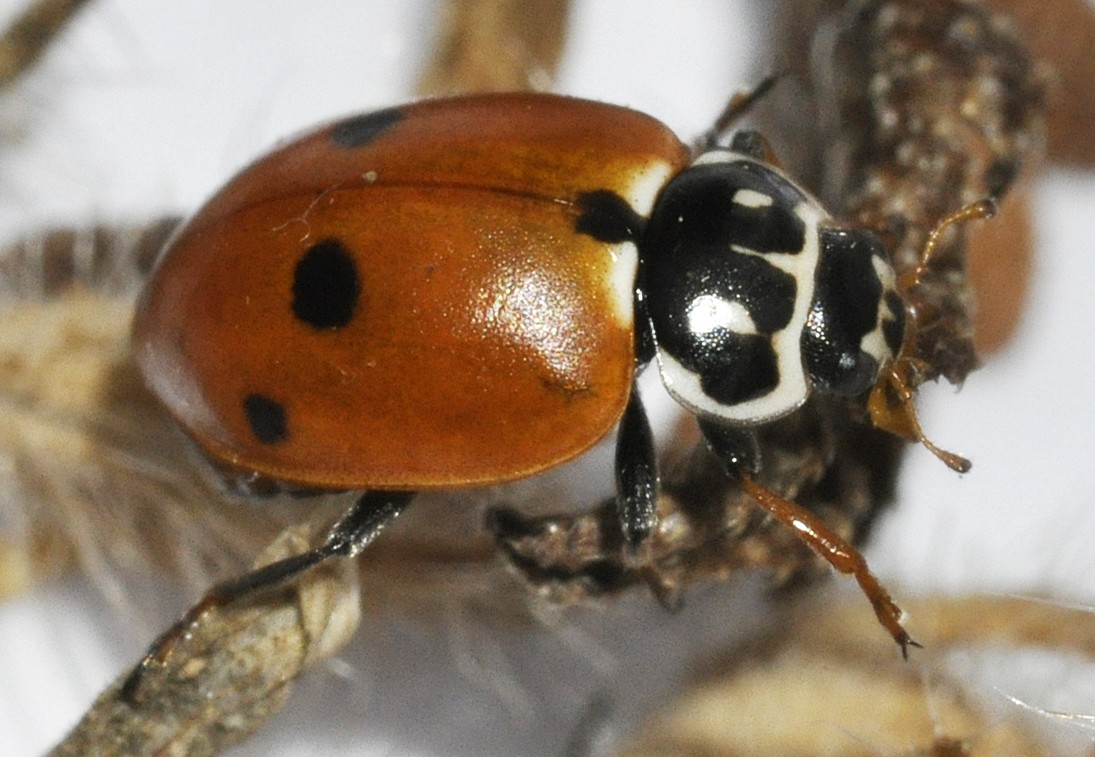
10. Adonis' ladybird
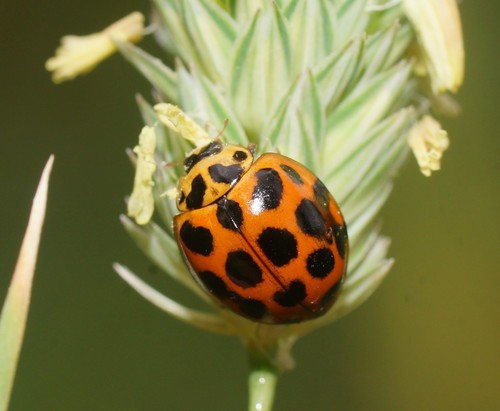
The adonis' ladybird (Hippodamia variegata) is a lady beetle that has a strong love for dry, rough vegetation. Like most ladybugs, it also acts as a pest control measure against aphids. This makes them cute and useful, which is a good combination of things to be.
More







