




Top 8 Most Common Insects in Geraldton
Insects, a vivid representation of Geraldton's biodiversity, are recognizable from their segmented bodies to their varied habitats. The region's diverse geographical landscapes play a vital role in shaping this insect diversity. From pest to pollinator, each insect in Geraldton holds a crucial role in maintaining ecological balance. Our list highlights the top 8 most common insects, illustrating the intricate relationship between Geraldton's environmental conditions and its insect inhabitants.

Most Common Insects
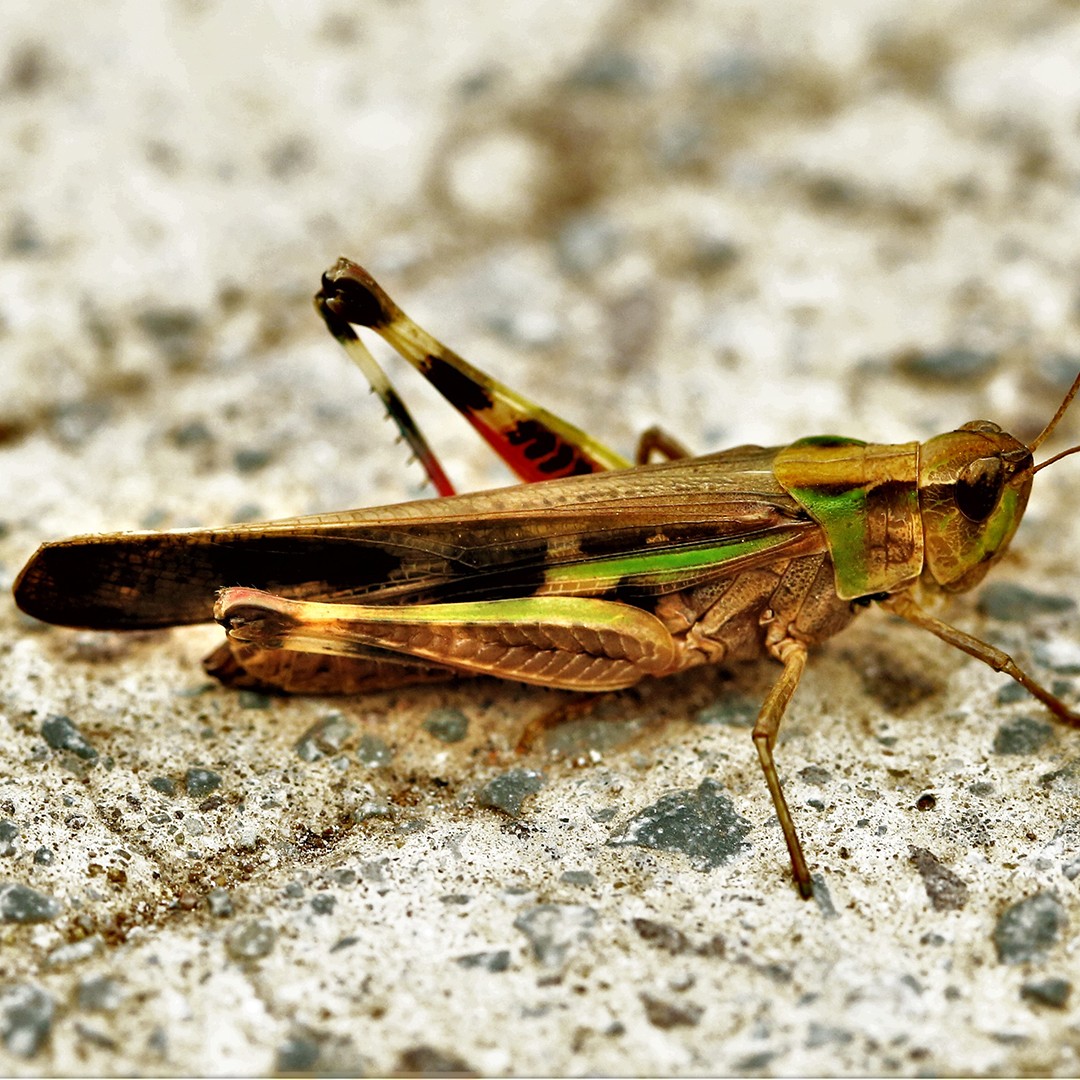
1. Long-winged grasshopper
Aiolopus thalassinus is a species of grasshopper belonging to the family Acrididae, subfamily Oedipodinae. It is present in many countries of Europe (but not the British Isles or Scandinavia), and in the Afrotropical realm to Asia and the Pacific islands. The colouration of this species is generally from clear brown to dark brown. Females have a size of 21–29 mm and males of 15–19 mm. 
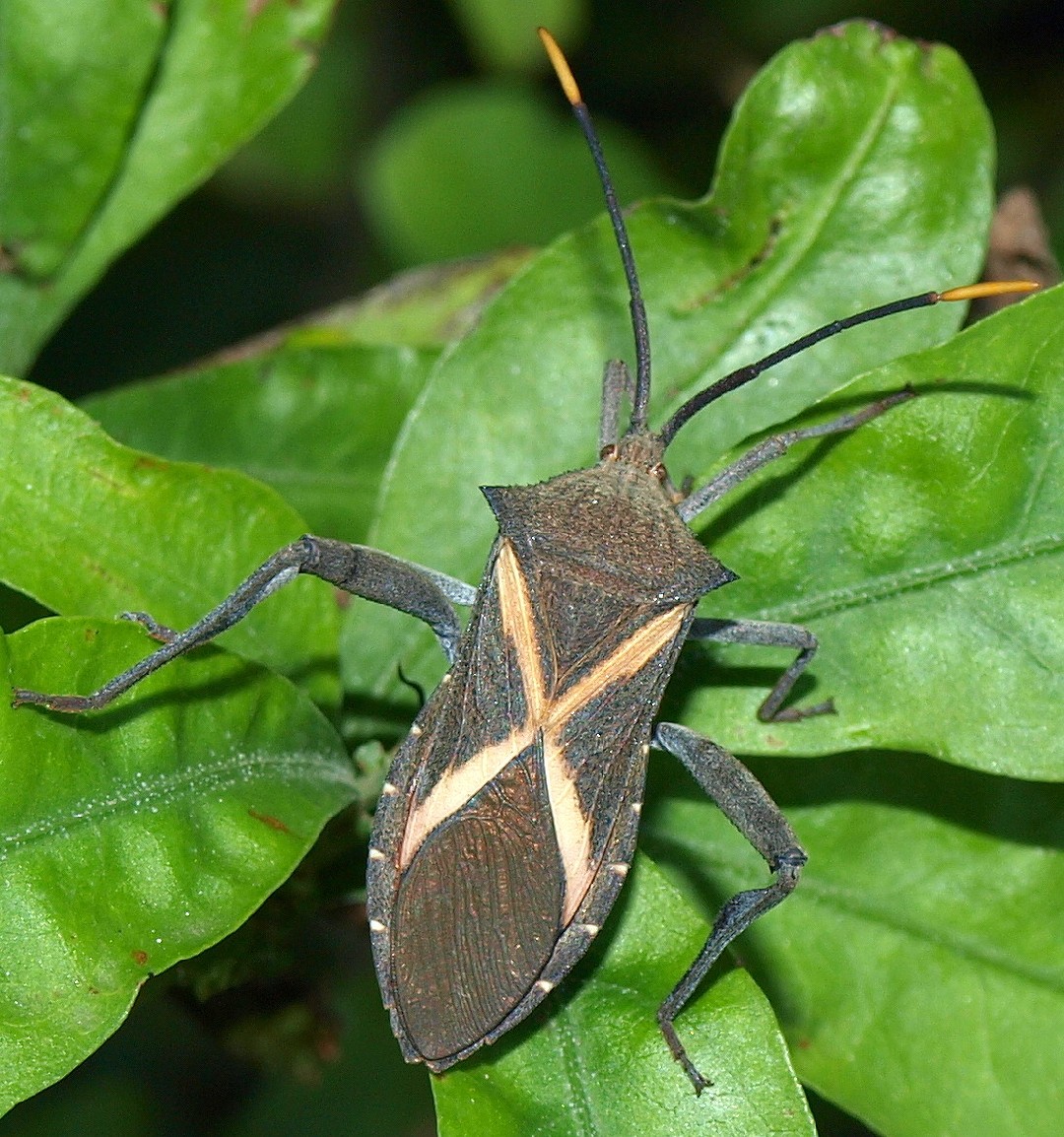
2. Crusader bug
The adult is 2 - 2.5 cm long and 7 - 10 mm wide, stout, and grey to brown with a clear saltire in cream or yellow on its back. The legs are long and the shoulders of the pronotum project into short spines in adults and older nymphs. The hindmost legs are much thicker than the other legs, and the hind femur has inner rows of fine teeth and one preapical spine. The hindmost legs are shorter and much swollen in the male. The hind tibia are inwardly lamellate in about middle third; less so in the male, which also has a distinct spine on the lamellate area. Later instar nymphs have a pair of orange spots in the middle of the upper surface of abdomen, and wing pads in later instars are marked with orange.

3. Meadow argus
Meadow argus has two brownish wings, each covered with two distinctive black and blue eyespots as well as white and orange marks that appear on the edge of the wings. The underside of the wings are mainly unmarked, except the lower part of the forewing has similar markings as the upperside.The wingspan measures 4 cm in males and 4.5 cm in females.
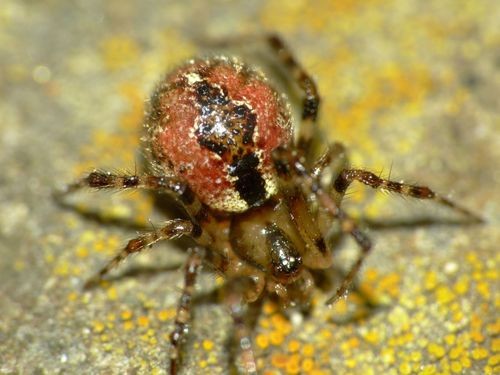
4. Diamond comb-footed spider
Females reach a body size of about 4 mm, males only about 1.5 mm.
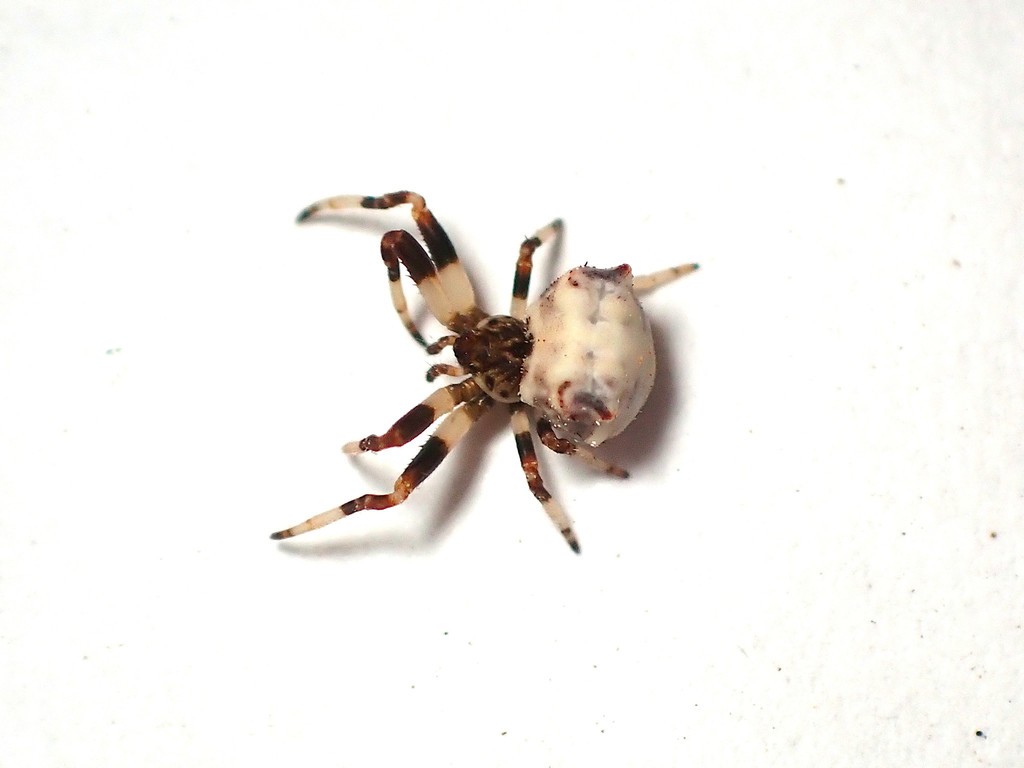
5. Bird dropping spider
Celaenia excavata, the bird dropping spider, derives its name from mimicking bird droppings to avoid predators, mainly birds. However, there are other species of spider that resemble bird droppings, for example species of Mastophora (a bolas spider).
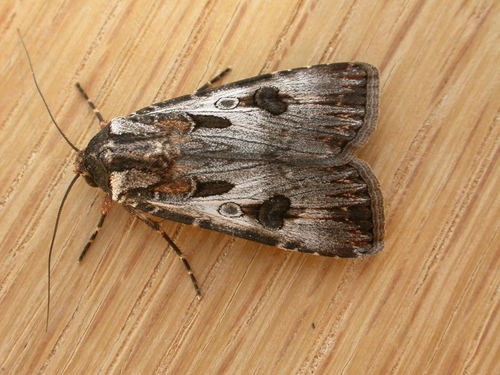
6. Brown cutworm
Agrotis munda is a butterfly from the family of owls (Noctuidae). The scientific name of the species was first validly published in 1856 by Walker.

7. Jewel spider
The cephalothorax is black in colour with a bluish metallic sheen. It is covered with small white hairs (setae). The carapace (upper part of the cephalothorax) is rectangular in shape. The sternum (chest) is brownish black, with a yellow central area. The chelicerae (fangs) are black with four to six small teeth. The maxillae and other mouthparts are black at the base, lightening to brown and bright yellow at the tips. The pedipalps are dark brown. Jewel spiders have eight eyes arranged in two rows. The front row is recurved, with the two middle eyes (anterior median eyes) further in front than the two at the sides (anterior lateral eyes). The back row is procurved, with the two middle eyes (posterior median eyes) further in the back than the two at the sides (posterior lateral eyes). The legs in females are predominantly dirty yellow to orange in color. Black tips are present on the last three segments of the legs (the tibiae, metatarsi, and tarsi). The first pair of legs are longer than the others. In males, the legs are mostly black, with brownish tips. The opisthosoma (abdomen) is large, slightly wider than it is long, and strongly rounded at the front and back. It is shiny black with bright colourful patterns. These colours can vary, but they are usually white, yellow, or yellow-orange. Its most distinctive feature are the three pairs of large "spines" projecting outwards. The first two pairs on the front are close to each other, forming a V-shape as they point to the sides. They are short and roughly conical. The spines on the rear are longer and point backwards. There are wide spaces between them and the two front pairs. The spines are black or brownish black from above, but has a yellow-orange to rusty red lower surfaces. Jewel spiders are sexually dimorphic. Females are about twice as large as males, reaching 0.28 to 0.47 in in total length. Their carapace (upper part of cephalothorax) is squarish, usually around 0.11 to 0.12 in long and 0.10 to 0.12 in wide. Males are usually only around 0.12 to 0.20 in. The carapace is slightly rectangular, usually around 0.08 in long and 0.07 in wide. They are also less colourful than females; with predominantly dark reddish brown bodies. The spines are blunt and are much shorter than the spines of the females. Like all mature male spiders, they are relatively easy to identify because of their greatly enlarged pedipalps used in sperm transfer during mating. Jewel spiders exhibit colour polymorphism. They can be found in white, yellow, or red colour morphs. Jewel spiders found later in autumn (from March to April) are also sometimes melanistic, being entirely dark brown to black in coloration.
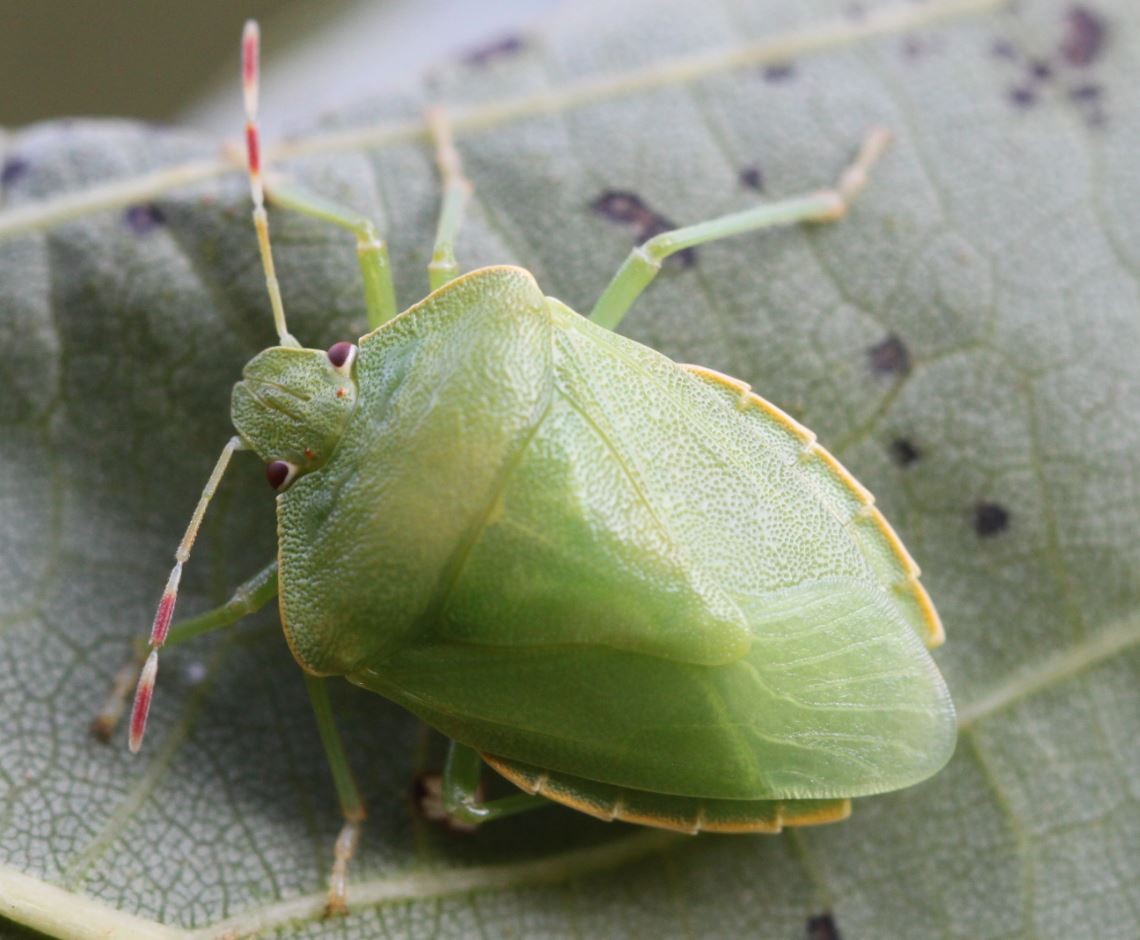
8. Southern green shield bug
The southern green shield bug larvae molt five times before they reach their mature size. They are named for their unpleasant scent and are considered pests due to their preference for feeding on leguminous plants such as soybeans. Wasps and flies that parasitize the southern green shield bug are sometimes used as biological controls for its population.







