




Top 20 Most Common Insects in Vienna
Welcome to our Top 20 most common insects feature, where we venture into the incredible world of insects in Vienna. These critters span a fascinating range – from crucial pollinators to notorious pests. Vienna's diverse geography plays a pivotal role in shaping its populous insect community, creating a unique interplay between these tiny dwellers and their habitat. Beyond their varied roles in the ecosystem, they're also a testament to the dynamic relationship between Vienna's environmental health and its insect fauna.

Most Common Insects
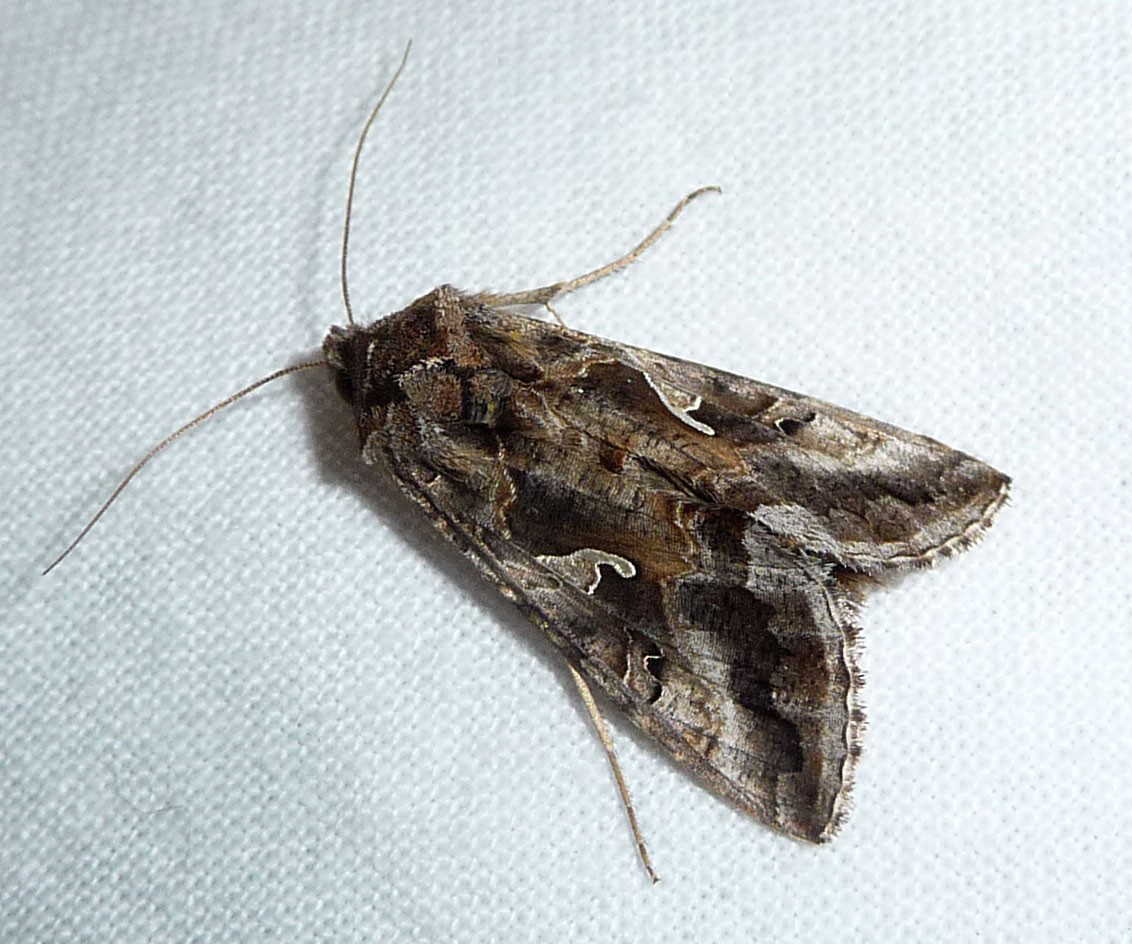
1. Silver y
The silver y (Autographa gamma) has an interesting name that comes from the silver, y-shaped patterns on each of its wings. Patterns on those wings also provide for decent camouflage. Its colors can be different depending on the local climate. You may catch them in your garden given their love of taking nectar from flowers.
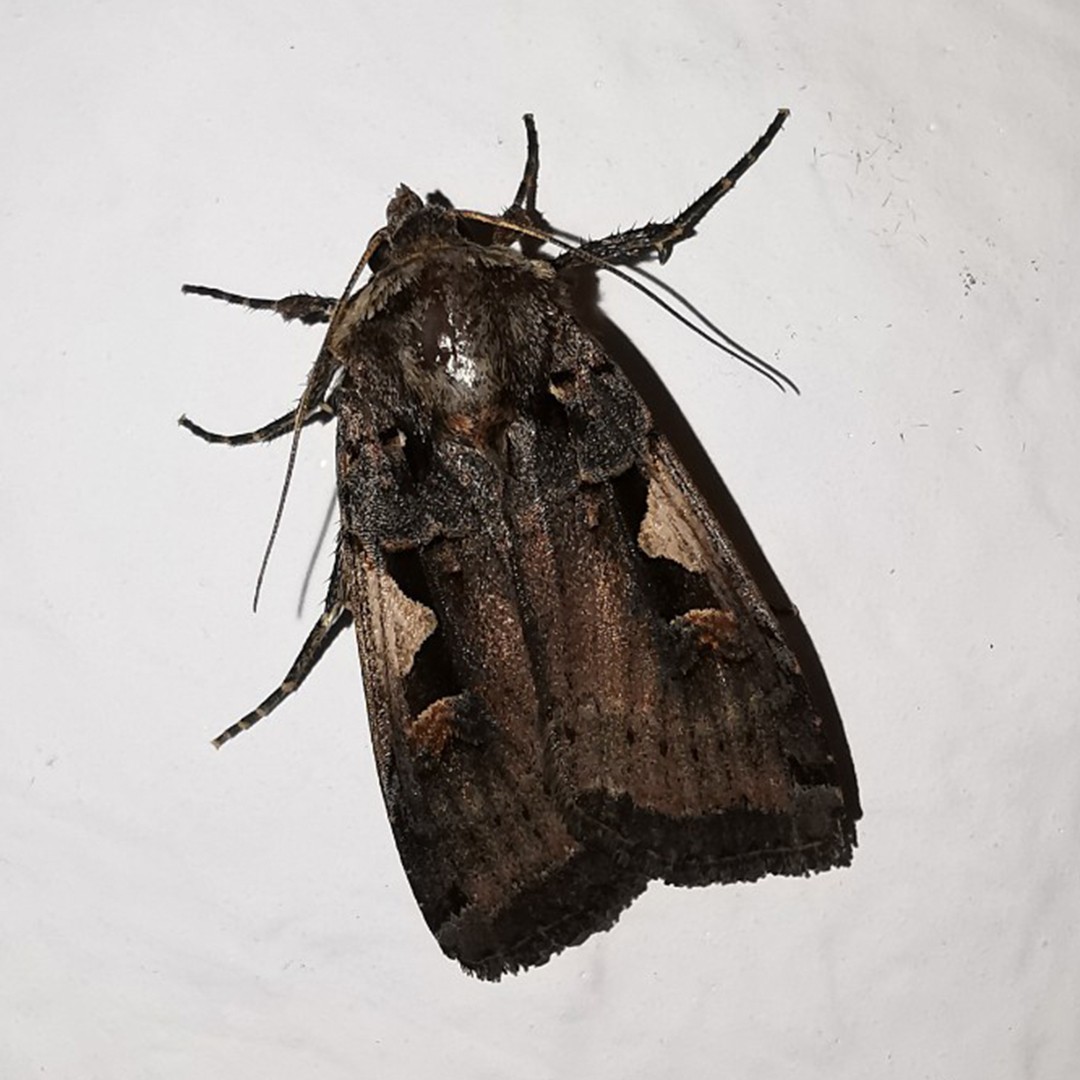
2. Setaceous Hebrew character
The wingspan is 35–45 mm. Forewing purplish grey or purplish fuscous with a leaden gloss; costal area at middle ochreous, merged with the bluntly triangular orbicular stigma: cell, a submedian basal blotch, and costal spot before apex purplish black; claviform stigma minute; reniform large, the lower lobe purplish; hindwing ochreous whitish, in female with the termen broadly fuscous. Lava pink with a broad dark brown subdorsal band. A lateral yellow band with a brown spot on it. Head reddish brown in color. 
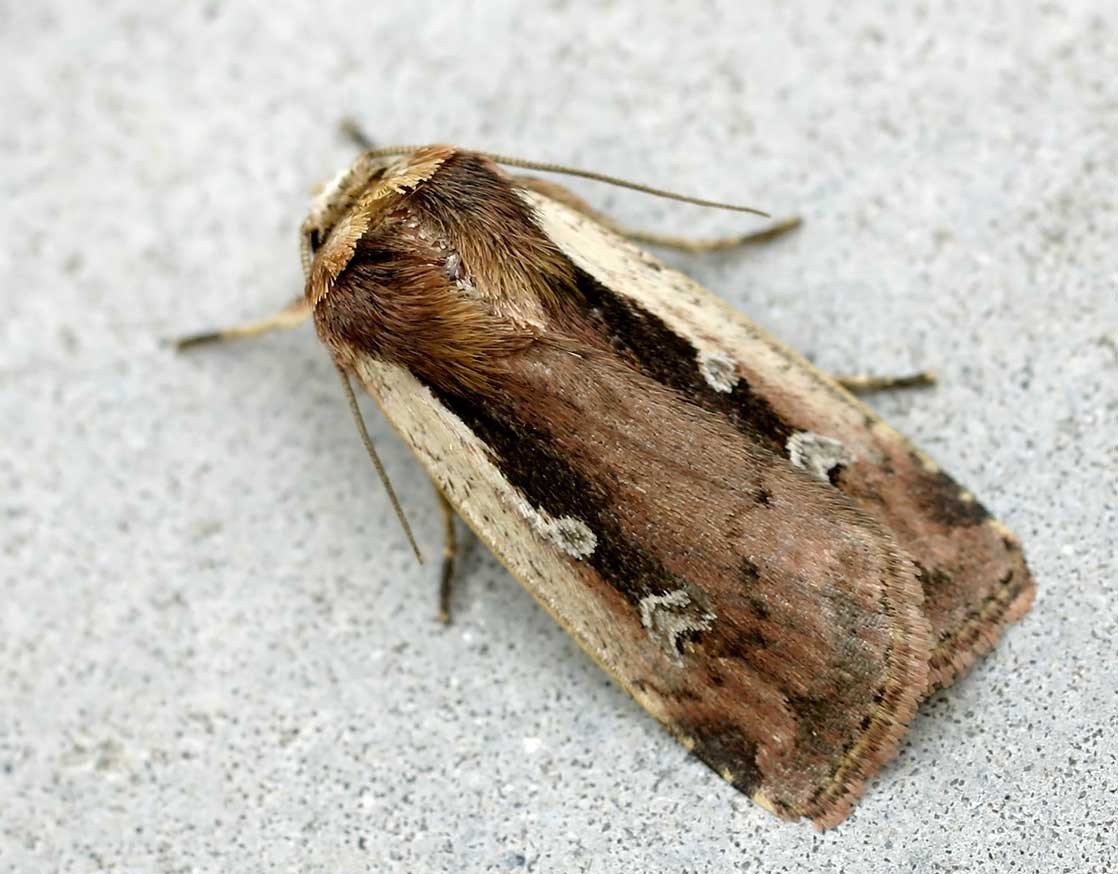
3. Flame shoulder
The forewings of this species are reddish brown with a black streak interrupted by white stigmata and a creamy-yellow streak along the costa which gives the species its common name. The hindwings are pure white.
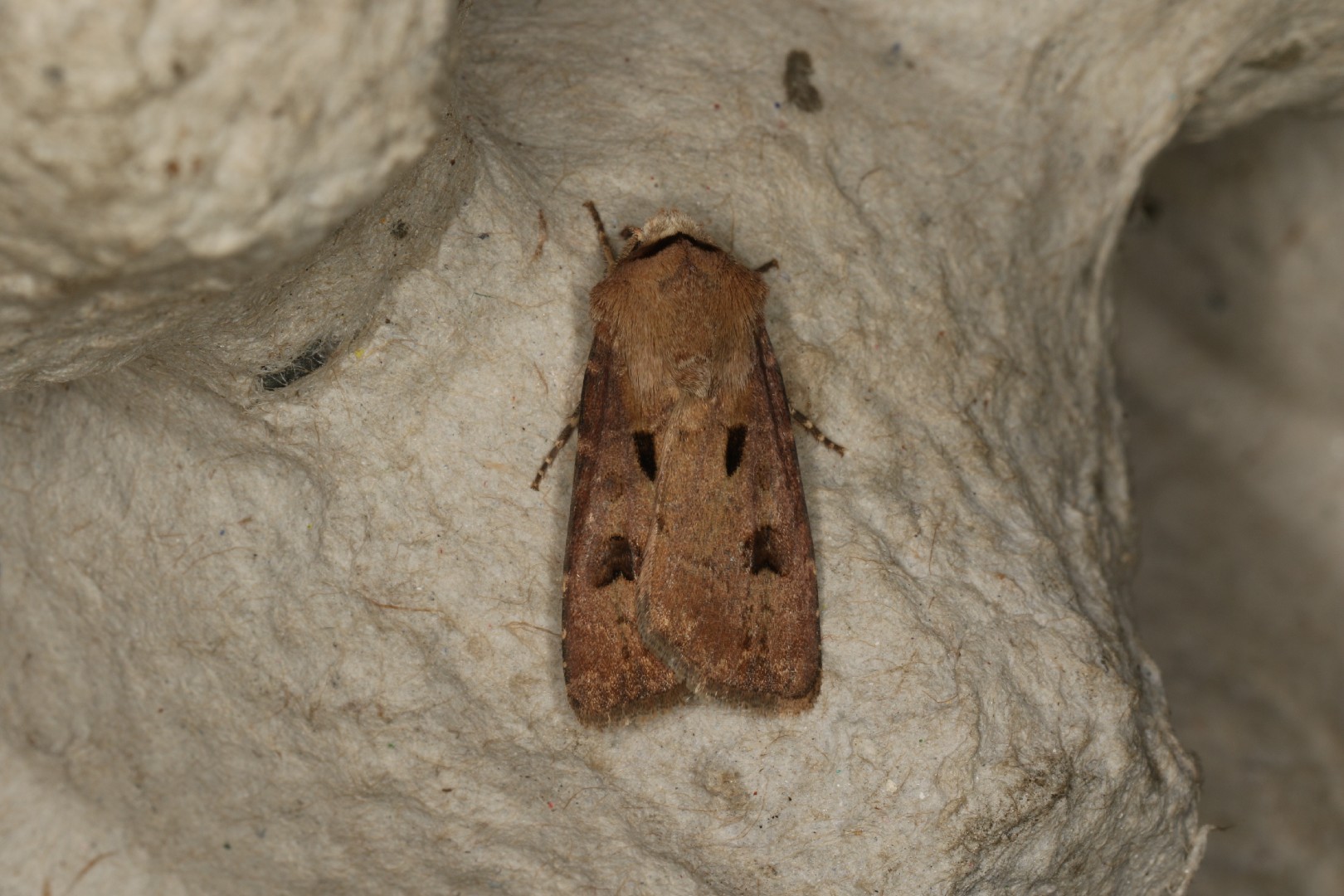
4. Heart and dart
The heart and dart (Agrotis exclamationis) is a moth of the family Noctuidae. The species was first described by Carl Linnaeus in his 1758 10th edition of Systema Naturae. A familiar moth to many, it is considered one of the most common of the European region. It occurs throughout the Palearctic realm from Ireland to Japan. This is a quite variable species with forewings ranging from pale to dark brown but always recognizable by the distinctively shaped dark stigmata which give it its common name. The wingspan is 35–44 mm. The hindwings are whitish (compared with other common Agrotis species, the hindwings of this species are usually paler than in heart and club but darker than in turnip moth). This species usually has a dark area at the front of the thorax, visible as a horizontal bar when viewing the moth head on. The differences are not consistent however; they are highly variable in both colour and markings, and identification of atypical or worn examples may prove impossible without examination of genitalia. See Townsend et al. This moth flies at night from May to July and is attracted to light, sometimes in large numbers. It also frequently visits nectar-rich flowers such as Buddleia, ragwort and red valerian. The larva is brown above and grey below and feeds on a variety of plants, both wild and cultivated (see list below). This is one of the notorious cutworms and often severs or fatally damages plants at the base. The species overwinters as a full-grown larva in a chamber in the soil before pupating in the spring. ^ The flight season refers to the British Isles. This may vary in other parts of the range.
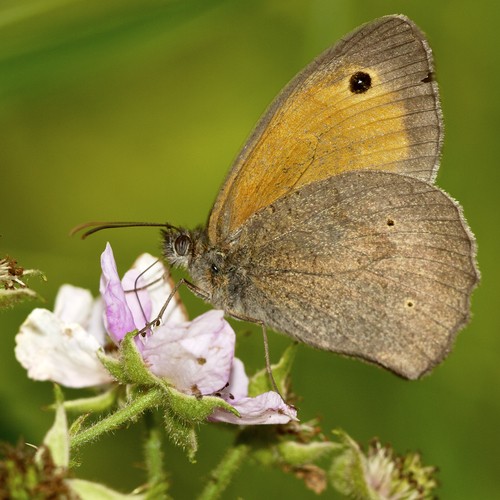
5. Meadow brown
The meadow brown (Maniola jurtina) is similar to the Gatekeeper in the way that it rests with its wings open due to the "eye spots" on either end of its wings that ward off predators. While the color is a deep brown, the caterpillar form is a beautiful bright green with little, white hairs and a dark line leading down its back.
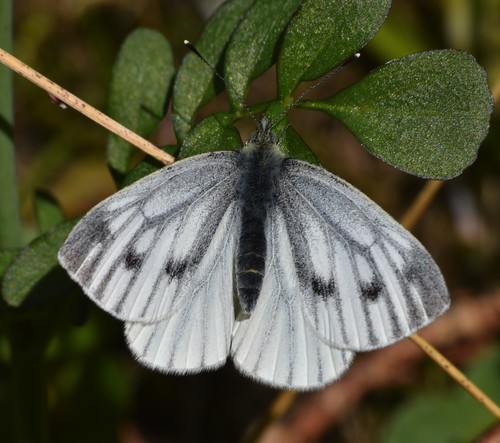
6. Green-veined white
Green-veined white (Pieris napi) is a distinctively white-winged butterfly that lays its eggs in a variety of food plants. This species displays observable differences dependent on sex: males possess only one dark spot on each forewing, whereas females display two. Unlike several of its cousin species, green-veined white prefers not to lay eggs in garden cabbages, rendering it less of a pest to farmers.
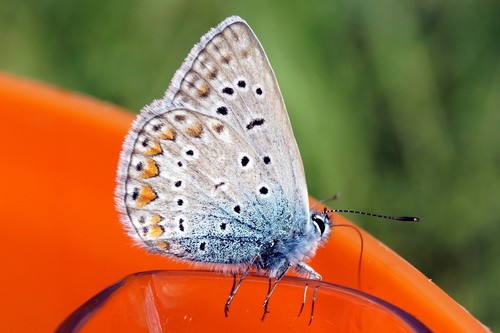
7. Common blue butterfly
Despite its common name, only male specimens of common blue butterfly (Polyommatus icarus) can accurately be described as blue; the females are predominately gray-brown, with only a dusting of blue and a scattering of orange spots. The adults live for only three weeks before dying.
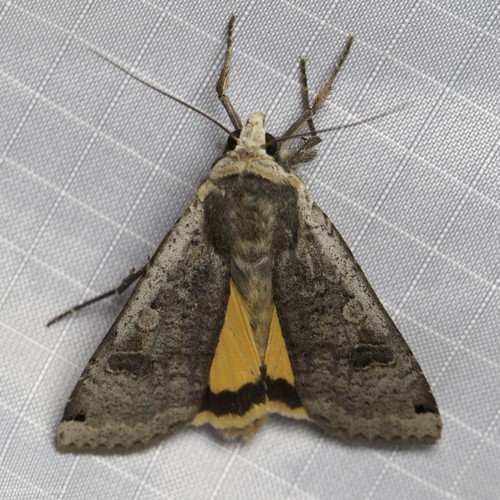
8. Large yellow underwing
An unusually large and heavy species of moth, large yellow underwing (Noctua pronuba) is dreaded by gardeners for the larvae's habit of causing fatal damage to the base of virtually any herbaceous plant. Large migrations occur some years, but how those years are determined is not yet known. Its contrasting colors (yellow-orange and brown) are thought to confuse would-be predators.
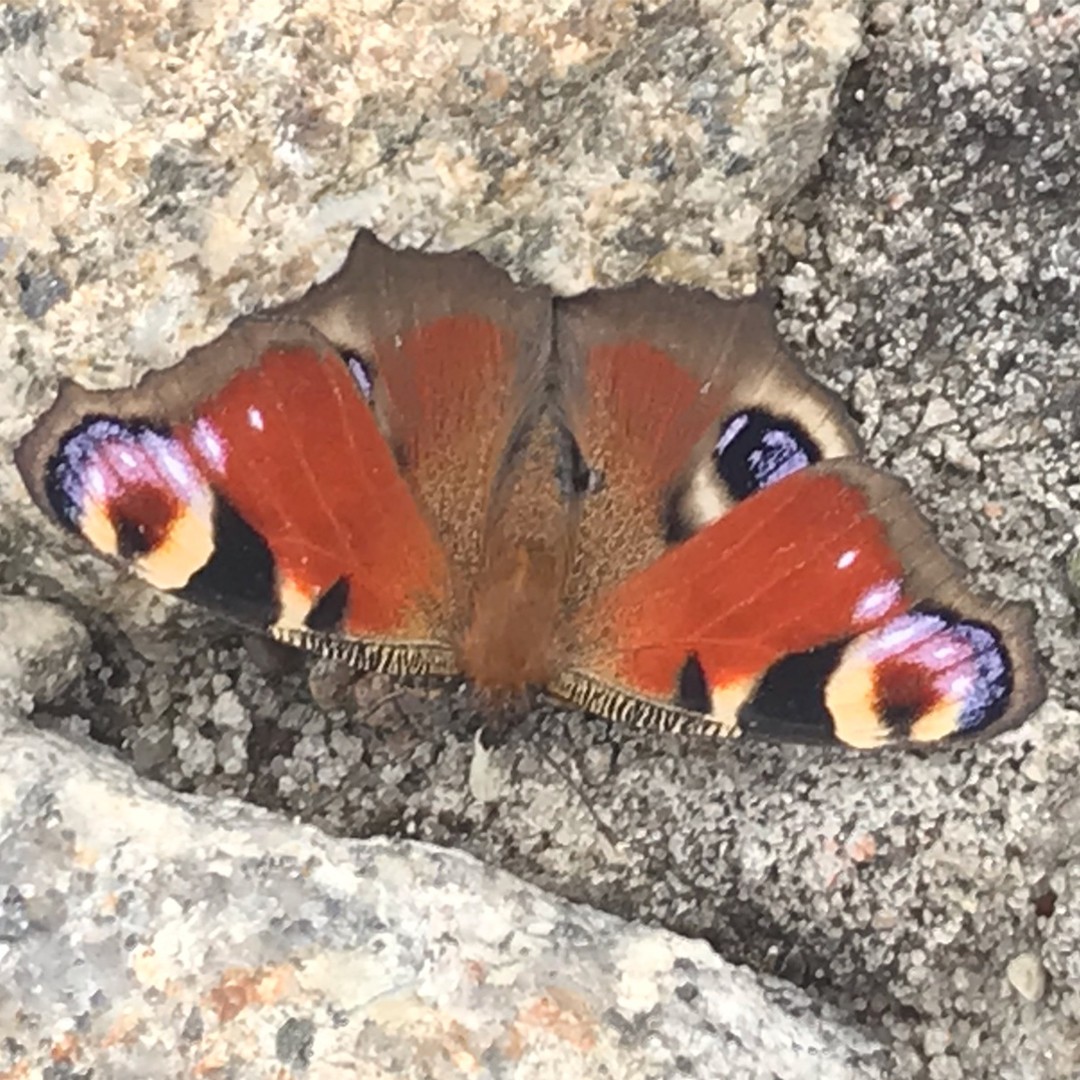
9. European peacock
European peacock (Aglais io) is a colorful butterfly that resides in temperate Asia and Europe – hence its common name. Its prominent eyespots deter would-be predators, who mistake them for the eyes of a bigger, more dangerous species. In recent years, this species appears to be expanding its range into previously uncolonized territory.
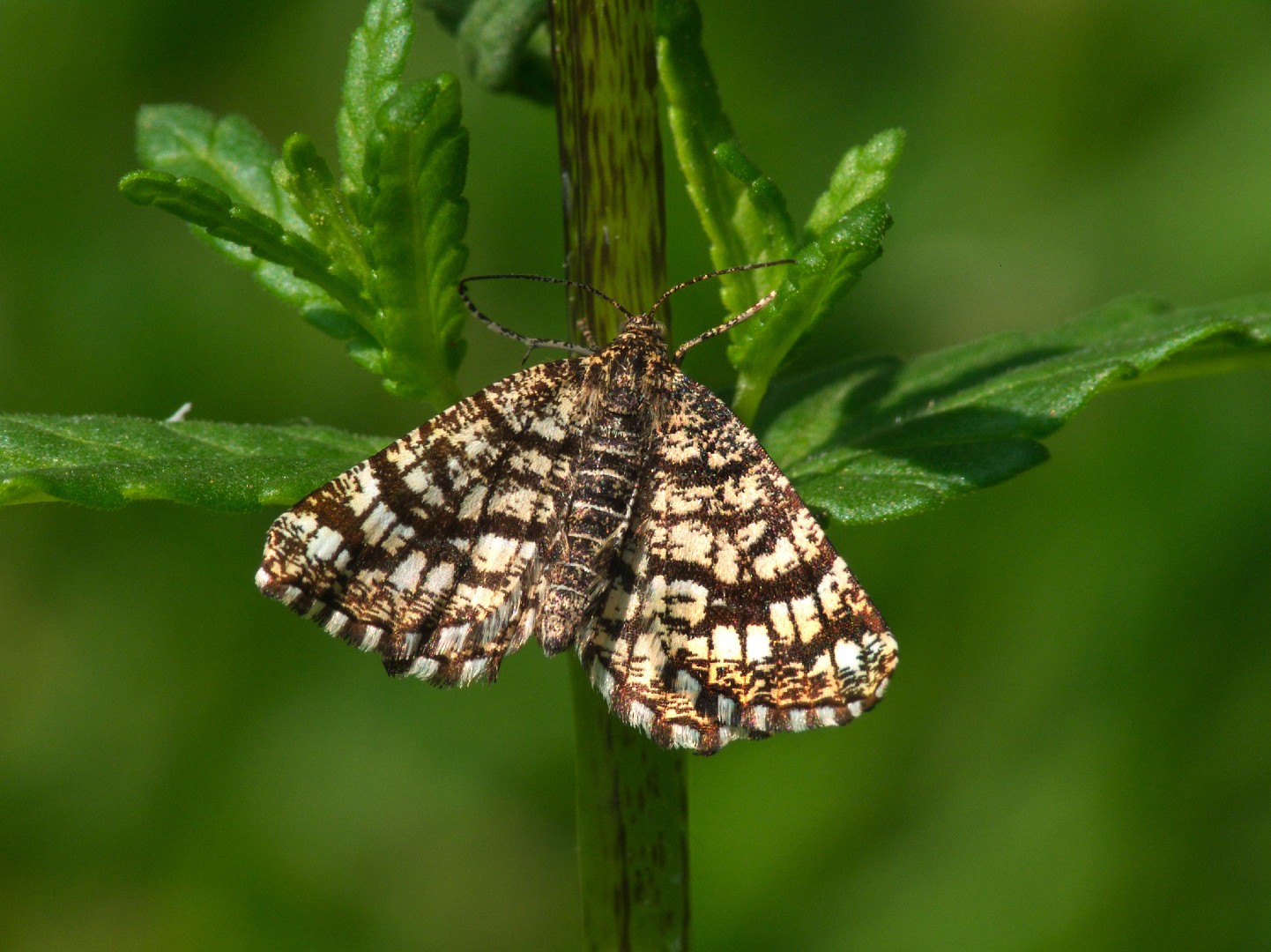
10. Latticed heath
The latticed heath (Chiasmia clathrata) is a moth of the family Geometridae, belonging to the subfamily Ennominae, placed in the tribe Macariini. The genus was erected by Carl Linnaeus in his 1758 10th edition of Systema Naturae.
More







