




Top 20 Most Common Insects in Brasilia
Welcome to the fascinating world of insects in Brasilia! These tiny creatures, known for their six legs and three-body sections, display immense diversity across Brasilia's diverse landscapes. Insects, both beneficial and pests, play a pivotal role in Brasilia's ecosystem, shaping it in myriad ways. Join us in exploring the 20 most common insects in Brasilia, a journey rich in nature's intricacies and surprises.

Most Common Insects
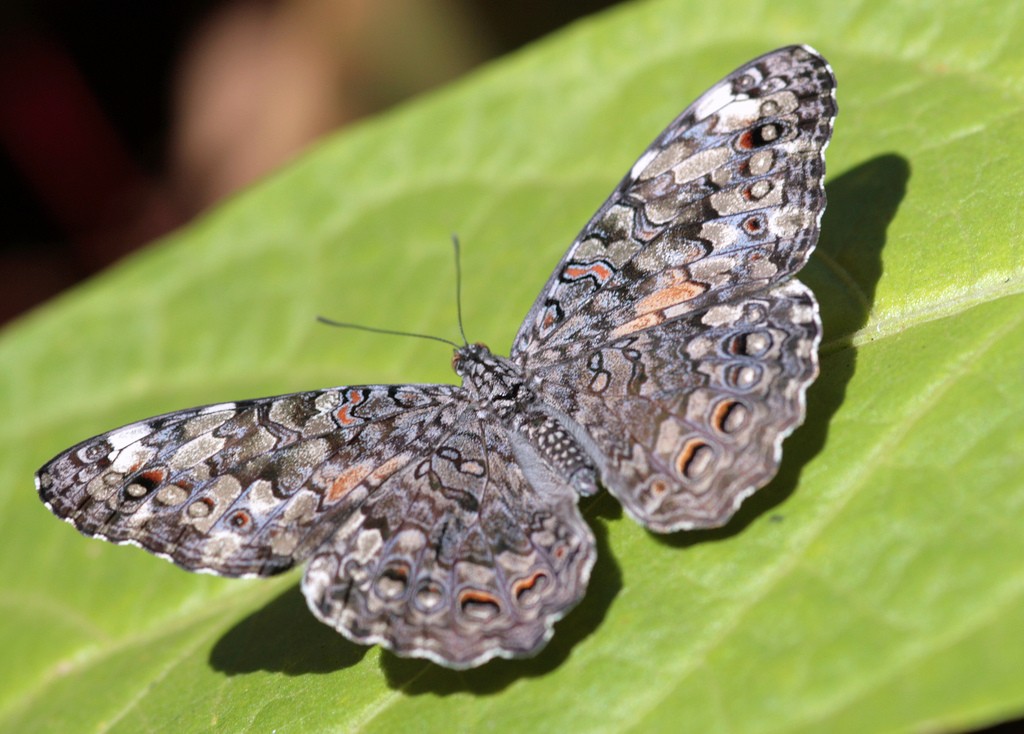
1. Gray cracker
The wingspan is 7 - 9 cm. The upperside is mottled brown and white although there is some red in the forewing cell bar. The hindwing eyespots have orange scales preceding black crescents. The underside of the hindwings is white and the submarginal eyespots are composed of a brown ring around a black crescent in a white center. 
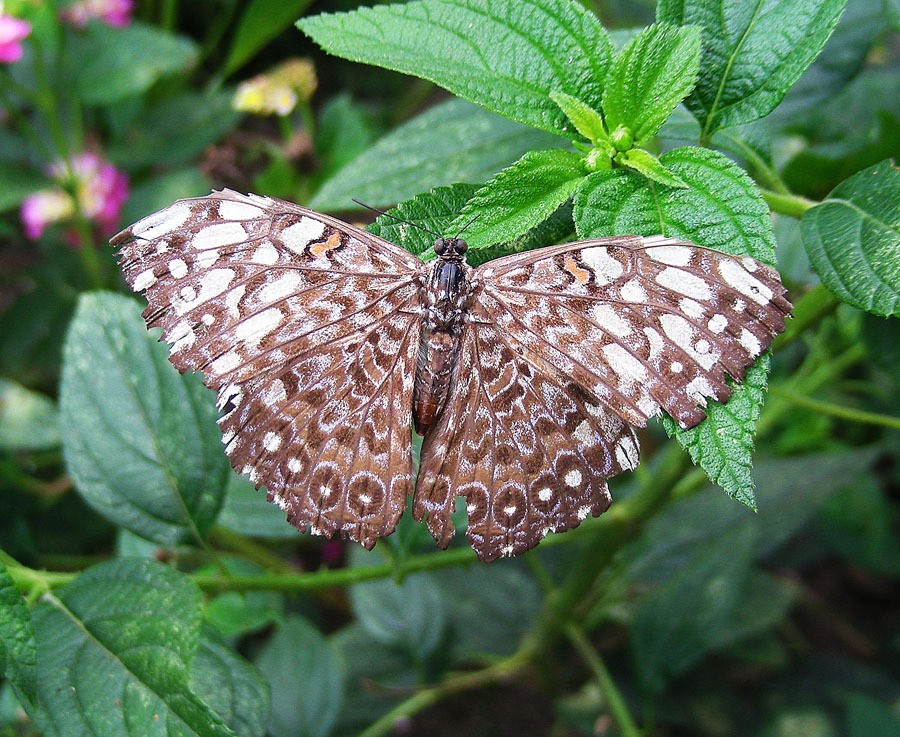
2. Variable cracker
The upperside of the fore wing is a mosaic pattern of white, brown and bluish-grey, with a row of small eyespots parallel with the outer margin; a small red bar occupies the discal cell. The upperside of the hind wing is similar but has few white patches and larger more distinct eyespots. The underside of the fore wing is white or whitish-tan with dark markings, a small red bar and a black submarginal eyespot, and the under hind wing is white or whitish-tan, with dark markings and blue rings containing larger eyespots near the rear margin. The larva has two colour morphs; it is either bluish-black above with brownish-white speckles and reddish spots on the side, or it is greyish-green with a pale-coloured longitudinal line on the side. It has dorsal spines on the second and third thoracic segments and on the seventh and eighth abdominal segments. The pupa has two long processes on its anterior end.
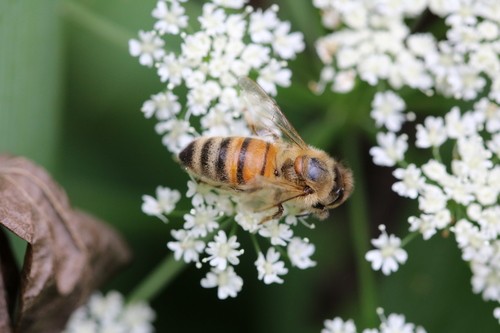
3. Western honey bee
Western honey bee(Apis mellifera) is the most common species of honeybee in the world. Among the first domesticated insects, its cultural and economic impact on humanity has been vast and far-reaching, providing honey, wax and its services as a pollinator. Western honey bee faces challenges worldwide, such as colony collapse disorder, and populations are thought to be decreasing.
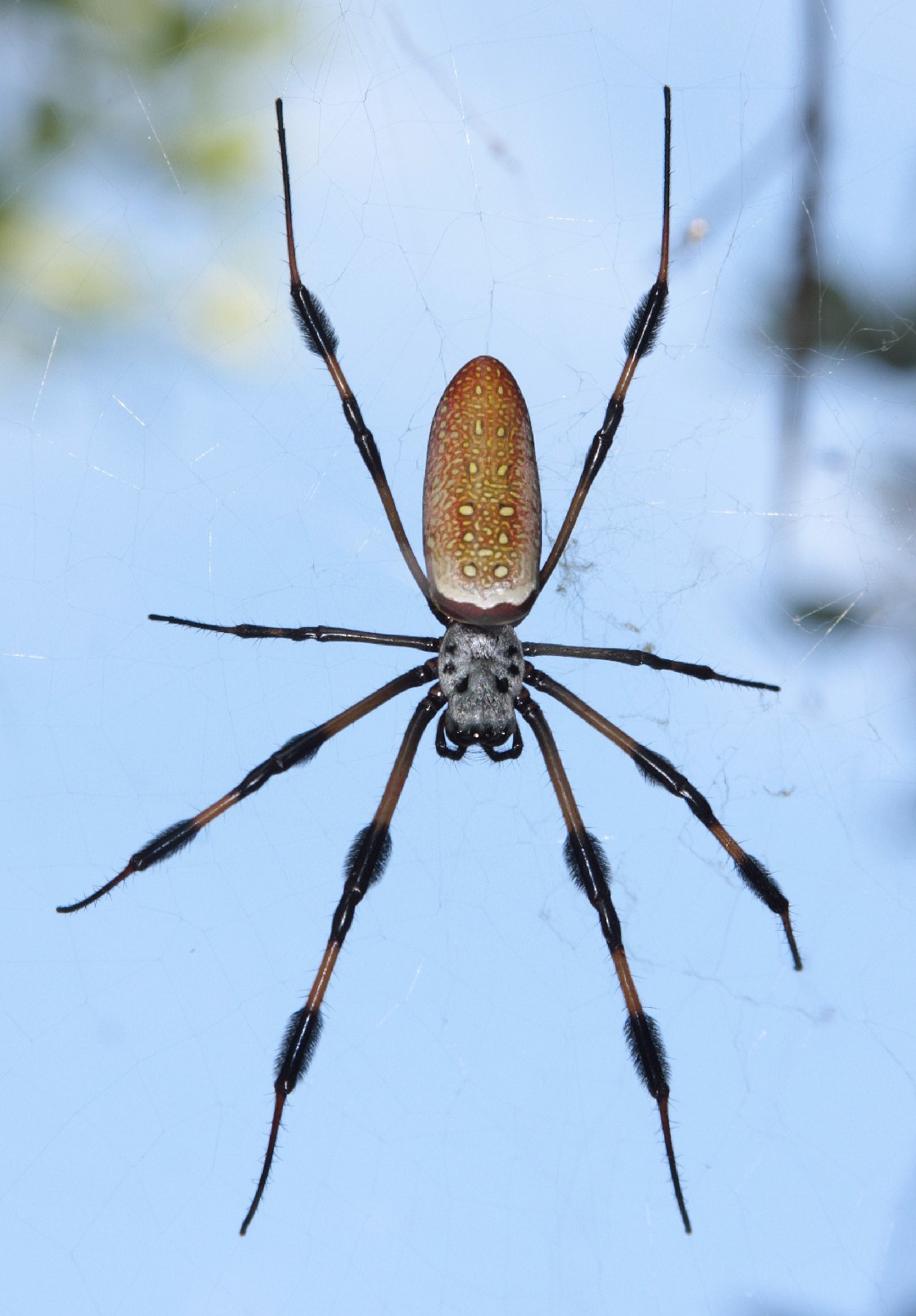
4. Banana spider
The banana spider (Nephila clavipes) is called that because it is commonly found in banana shipments leading from South America. There are many spiders that fit this category (often found in banana shipments), so this one is also called the Golden silk orb-weaver to distinguish them. This name is more related to the strength of its silk, which is stronger than steel based on tensile strength.
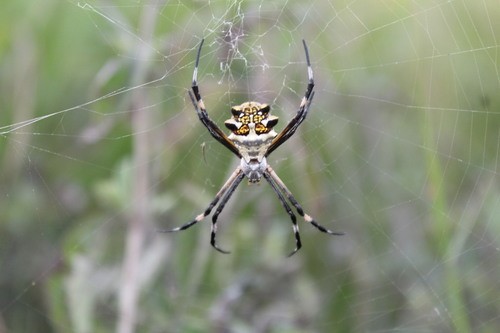
5. Silver argiope
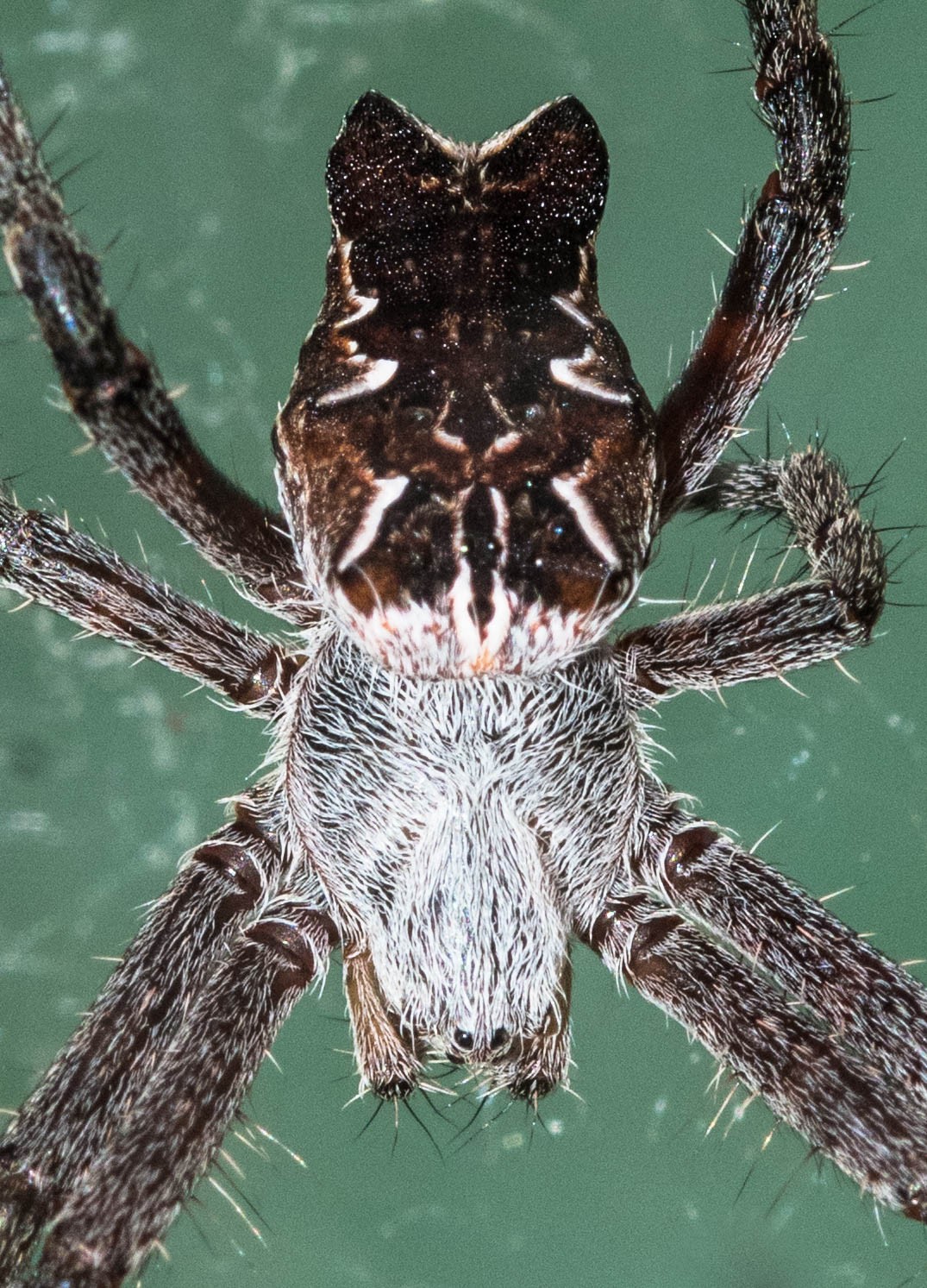
The silver argiope (Argiope argentata) often creates unique zigzag patterns on its webs. It's usually found in warm, dry areas, especially on cacti and aloe vera plants. The females are much larger than males. They can bite and cause irritation to the skin, but the damage won't be life-threatening.
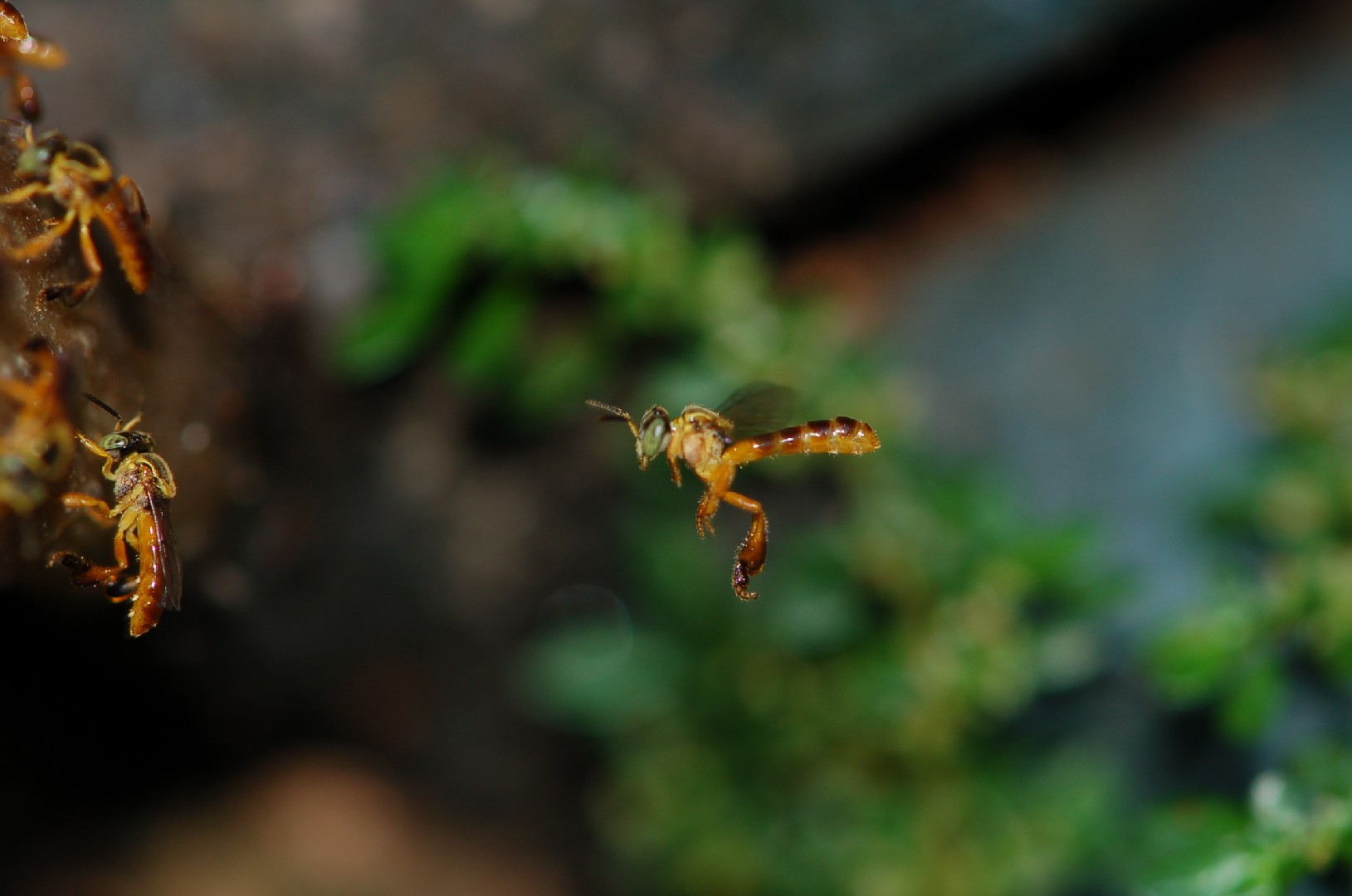
6. Tetragonisca angustula
The Tetragonisca angustula is a bee that makes up as the best of all worlds. First, this is a bee that does not have a stinger, which means that they are not harmful to humans. They also produce honey, which is an awesome addition that makes them perfect for beekeeping. However, they do produce "bouncers" in the form of larger soldiers that are good at protecting the nest.
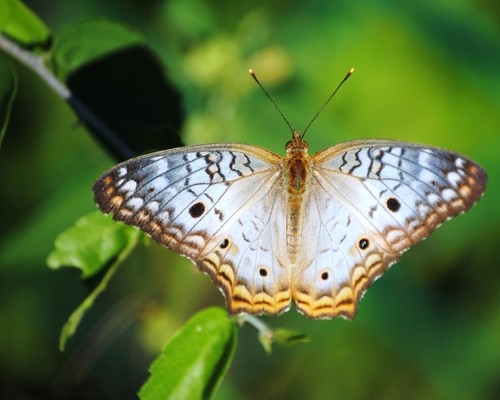
7. White peacock
The wingspan of the moths is 51 to 70 millimeters. The basic color is whitish. On the forewings there is a black, circular spot near the inner angle. At the front edge, two to three oblong, yellow-brown spots stand out. The Submarginalregion is also yellow-brown colored and crossed by dark lines. On the hind wings are two more small, black, circular spots near the tawny and dark-colored submarginal region. A short tail is more or less strong. The wing underside shows similar drawing elements as the top, but these are paler and weaker pronounced.

8. Multicolored asian ladybeetle
Often confused for the ladybug, multicolored asian ladybeetle (Harmonia axyridis) is a separate species that, unlike the ladybug, is a household pest. It is considered particularly annoying for its habit of returning to places from which it is removed. One of the most variable species in the world, there are many different colors and patterns multicolored asian ladybeetle may display, making identification potentially difficult.

9. Red house spider
The red house spider make webs in cool and dark areas of houses or gardens, usually in the corners of walls or under gardening pots. A small, round egg sack is usually found nearby where they build their webs. These spiders may accidentally bite if they are disturbed causing some local pain to potentially follow.
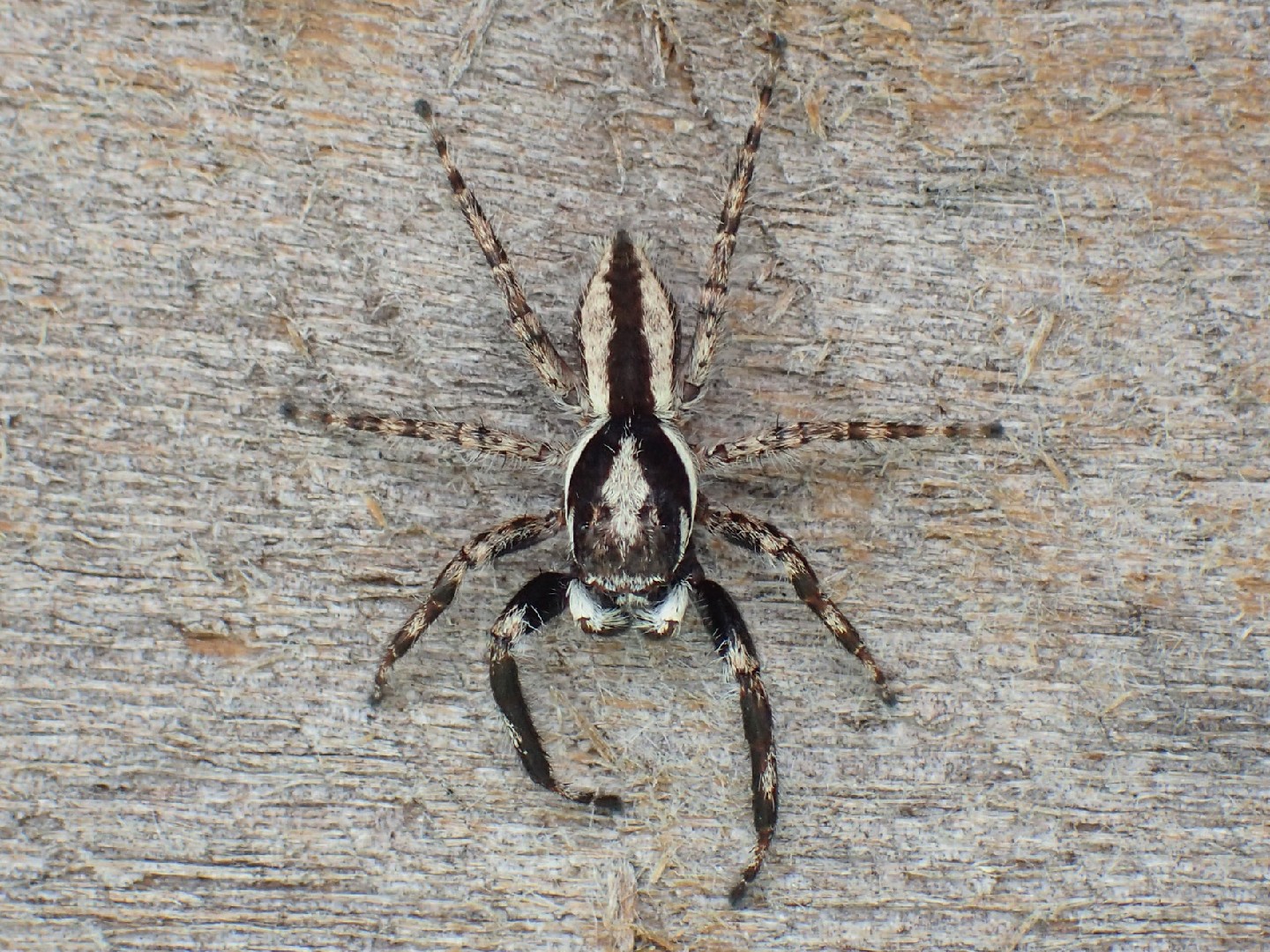
10. Gray wall jumper
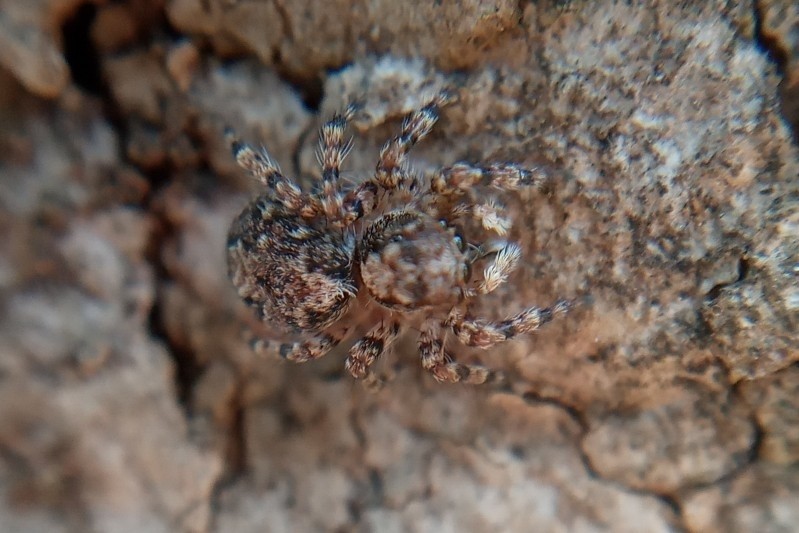
The female gray wall jumper lays her eggs in cracks or other hidden areas. The young and mature spiders feed on flies, making them useful residents in a household. They do not make webs, but carefully hunt and jump on their prey.

More







