




Top 20 Most Common Insects in Caracol
Insects, renowned for their remarkable adaptability and distinct features, find a thriving habitat within Caracol. This region's unique geographical attributes significantly contribute to the insects' diversity. These tiny dynamos play crucial roles in our ecosystem, both as pests disrupting human activities and beneficial insects assisting in pollination and pest control. Our 'Top 20 Most Common Insects' list showcases the enthralling bond between Caracol's environments and their resident insects.

Most Common Insects
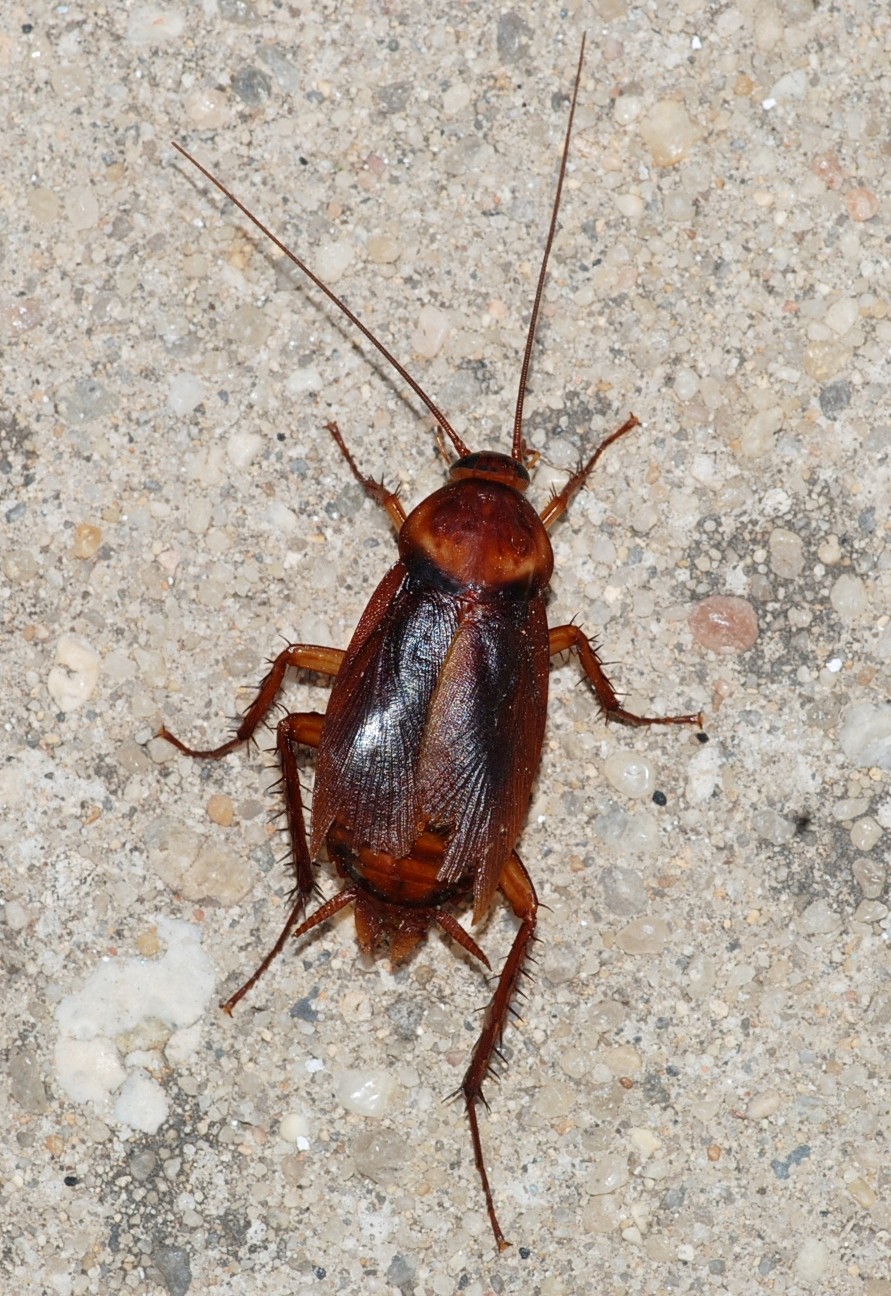
1. American cockroach
Despite its name, american cockroach (Periplaneta americana) is not native to the Americas but rather to Africa and the Middle East, from which it arrived as a result of human commercial patterns. Notably quick and rather resilient, this species is capable of limb regeneration. It requires a certain level of moisture to thrive, and it will avoid drier areas unless it has access to the required level of water.
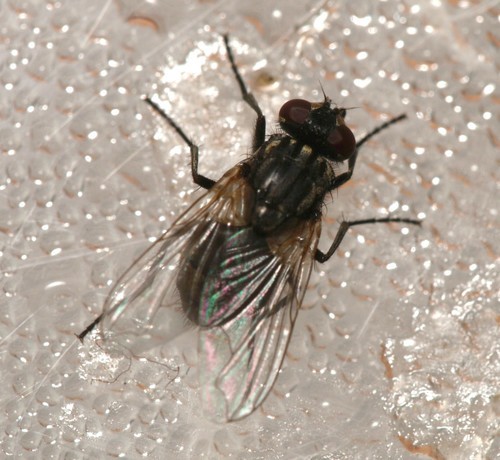
2. Common house fly
The female common house fly mates once and can store the sperm for multiple batches of eggs throughout her life. She will lay anywhere between 75 to 150 eggs at a time, usually in rotting organic matter, where the larvae will feed. The adults feed on feces and animal matter, making them important ecological composters. However, they can also transmit pathogens to human food and are considered pests and health hazards in human-occupied areas.
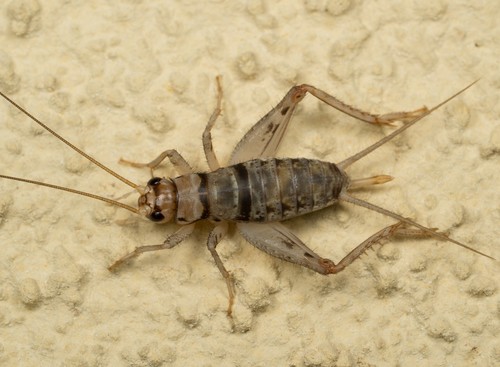
3. Tropical house cricket
The tropical house cricket is likely to be found in urban areas and sometimes indoors. As the name suggests, it prefers a warm, tropical environment. They come out from their hiding places at night to forage, sing, and mate, but only the male crickets are able to sing to attract a mate. They are generally harmless.
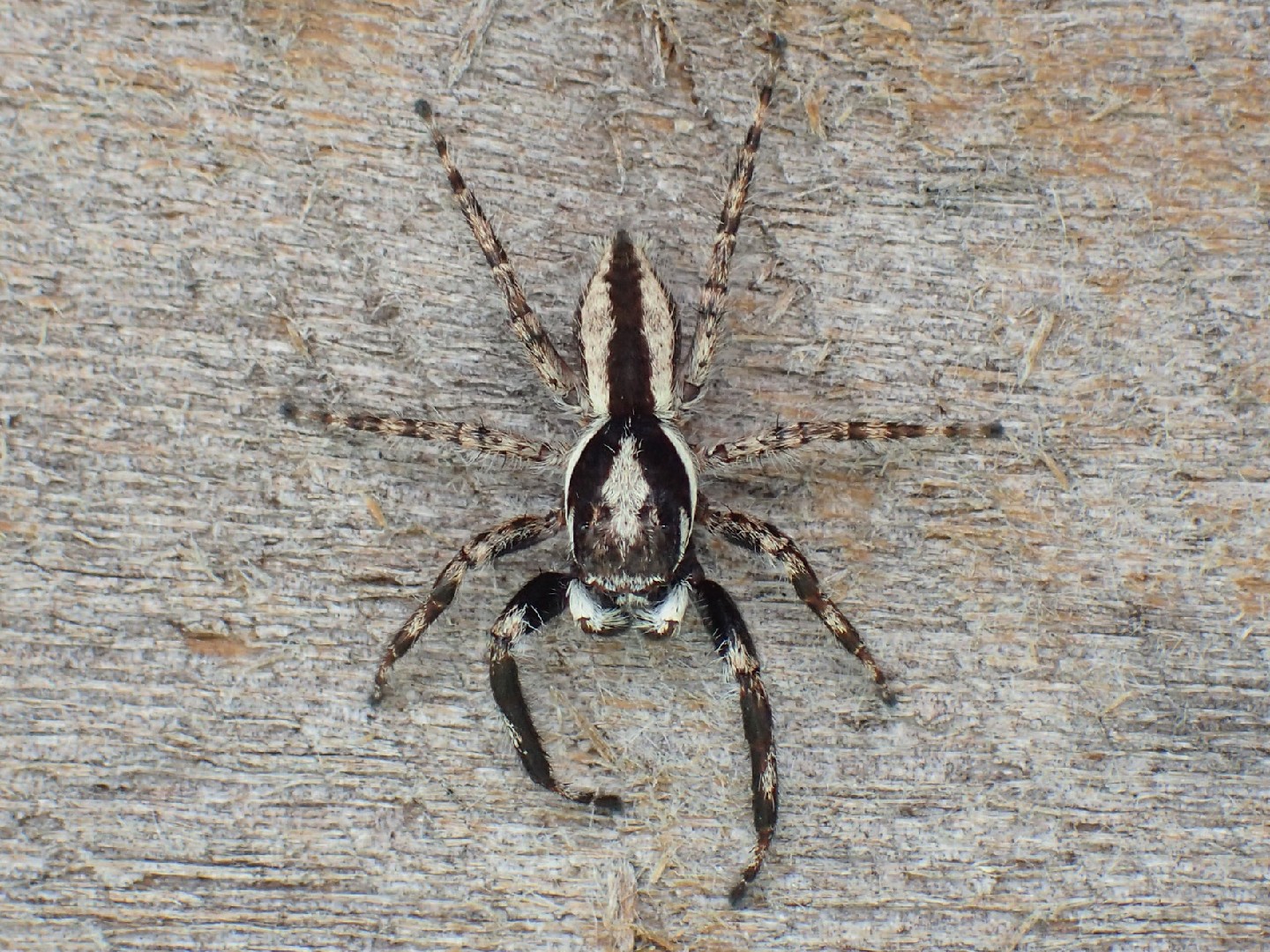
4. Gray wall jumper
The female gray wall jumper lays her eggs in cracks or other hidden areas. The young and mature spiders feed on flies, making them useful residents in a household. They do not make webs, but carefully hunt and jump on their prey.
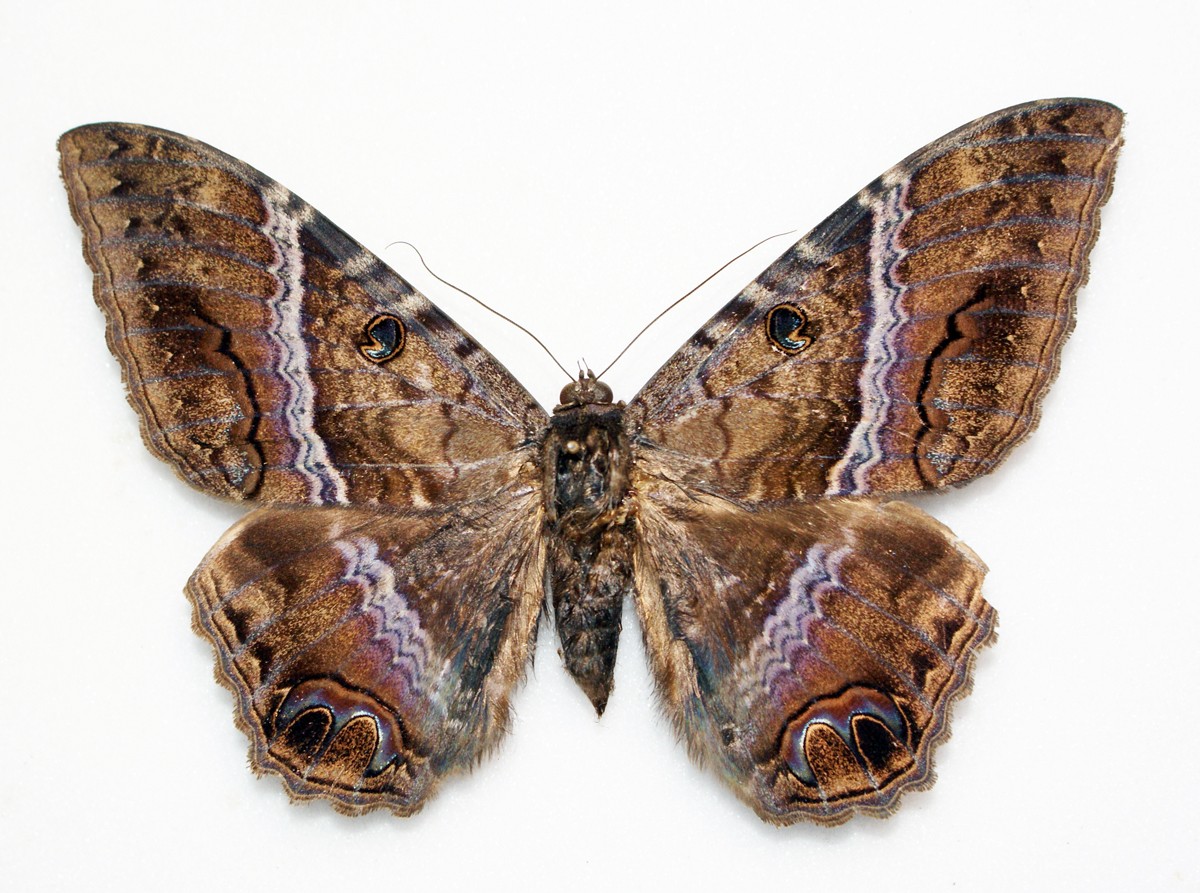
5. Black Witch
The black Witch (Ascalapha odorata) is given this spooky name because its part in folklore being associated with misfortune or death. In the novel, The Silence of the Lambs, they were placed in the mouths of the victims of Buffalo Bill. They can be identified with darker colorings and undertones of purple and pink.
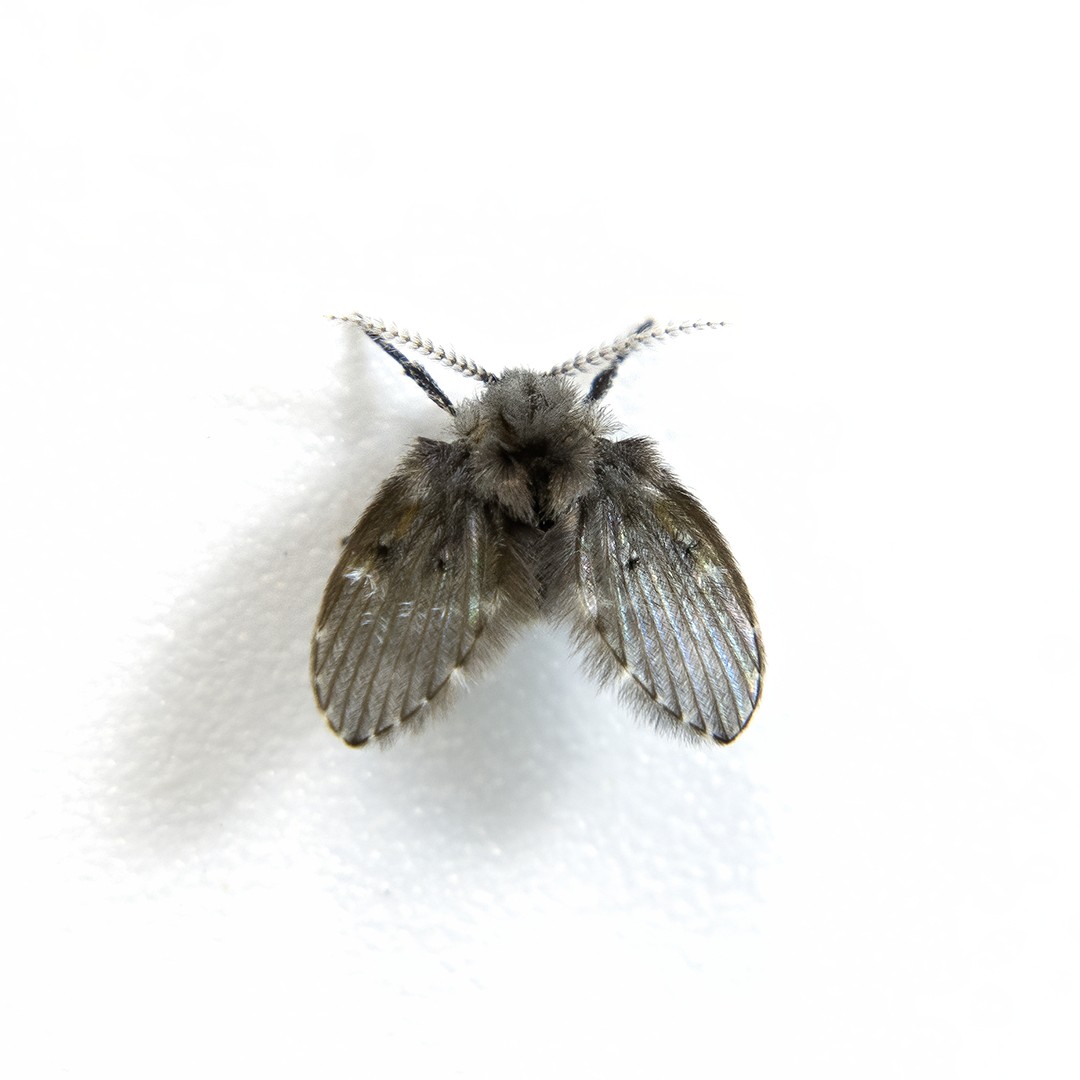
6. Telmatoscopus albipunctata
Telmatoscopus albipunctata is also known as the "mothfly" or "filter fly" due to the small hairs on their wings similar to a moth. The larvae live in mud, decomposing plant matter, and water, and the adults also like to live in dark, moist areas. They are commonly found in human residential areas in drains or sewers.
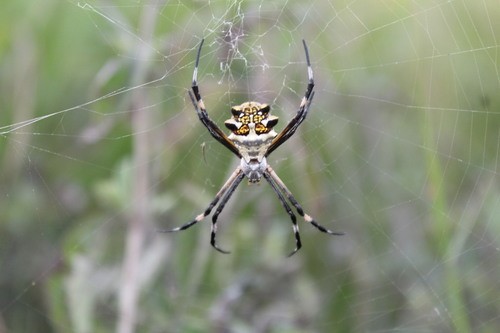
7. Silver argiope
The silver argiope (Argiope argentata) often creates unique zigzag patterns on its webs. It's usually found in warm, dry areas, especially on cacti and aloe vera plants. The females are much larger than males. They can bite and cause irritation to the skin, but the damage won't be life-threatening.
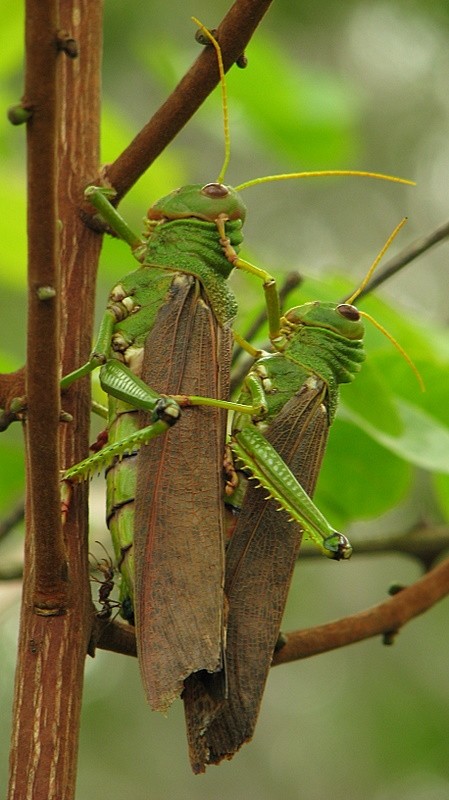
8. Blue-winged grasshopper
Tropidacris collaris is a right-winged insect from the Romaleidae family. The scientific name of this species was first validly published in 1813 by Stoll.
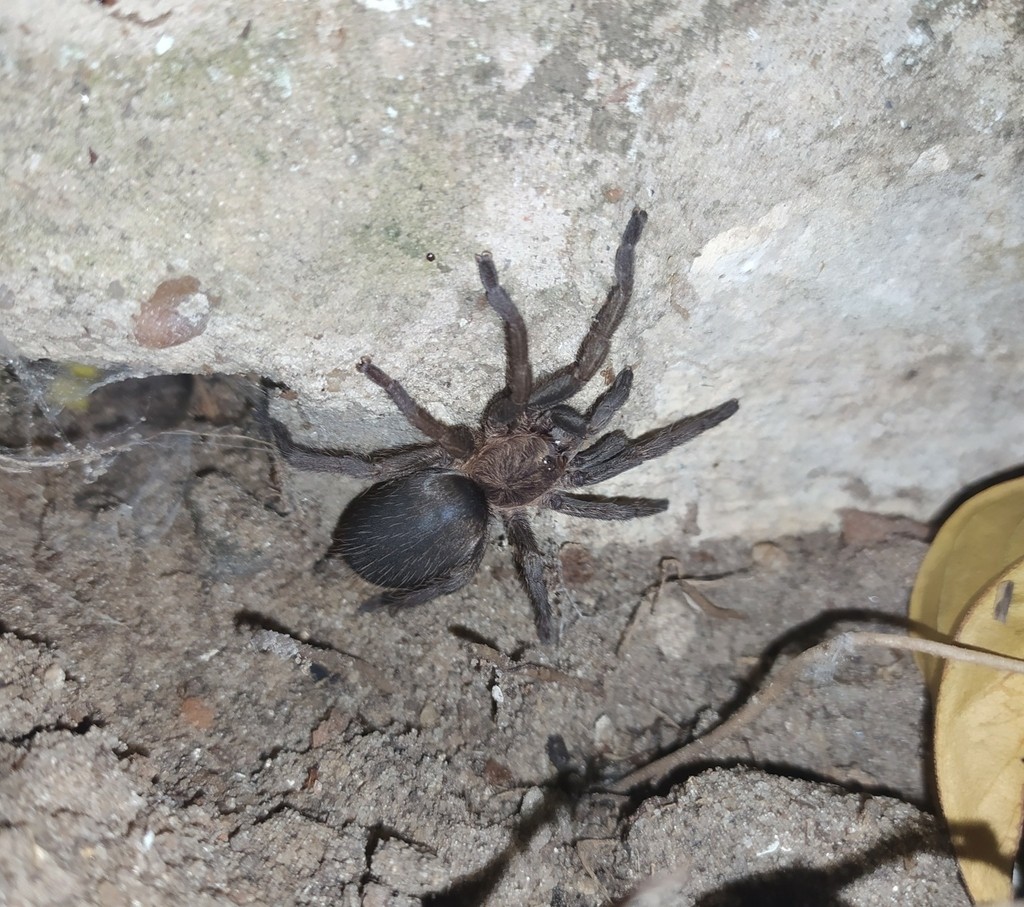
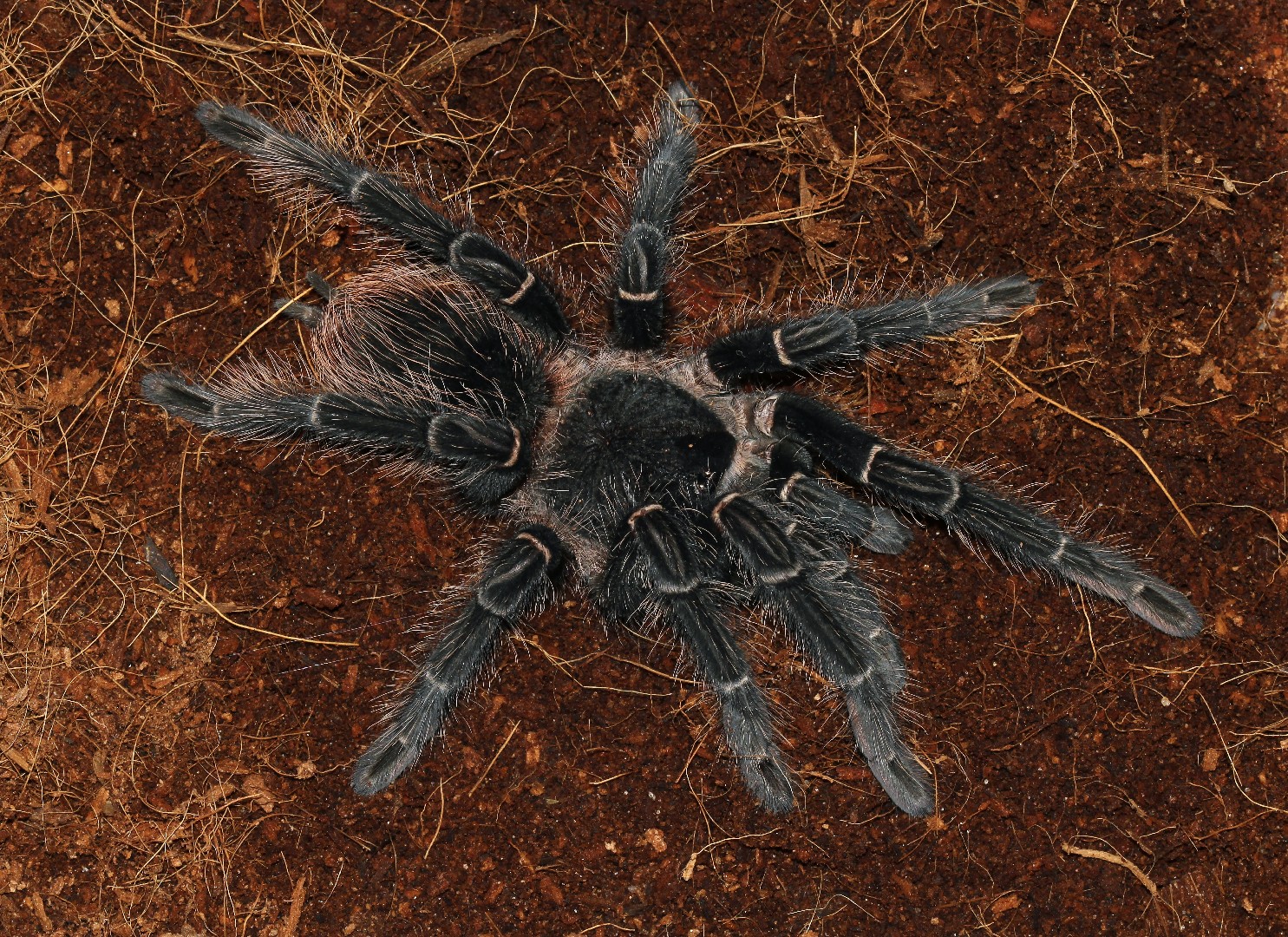
9. Exilis bronze tarantula
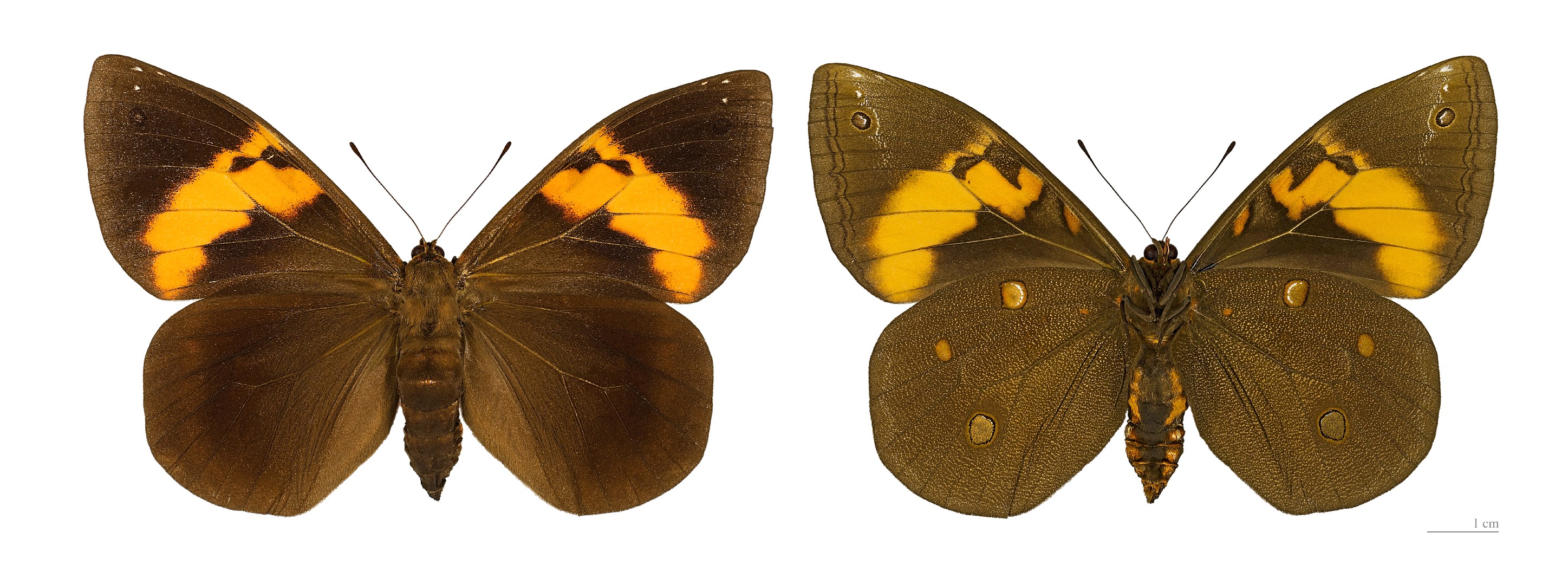
10. Brassolis sophorae
The larvae feed on a wide range of plants, including Acrocomia aculeata, Archontophoenix alexandrae, Arecastrum romazoffianum, Astrocaryum, Attalea, Bactris (including Bactris major), Butia eriospatha, Caryota mitis, Caryota urens, Chrysalidocarpus lutescens, Cocos nucifera, Copernicia cerifera, Desmoncus, Euterpe, Hyophorbe lagenicaulis, Livinstona chinensis, Mauritia flexuosa, Neodypsis decaryi, Orbignya, Phoenix canariensis, Phoenix dactylifera, Phoenix reclinata, Pritchardia pacifica, Ptychosperma macarthurii, Roystonea oleracea, Roystonea regia, Roystonea venezuelana, Sabal mauritiiformis, Sabal umbraculiferus, Scheelea macrocarpa, Washingtonia filifera, Saccharum officinarum, Musa sapientum, Ravenala madagascariensis and Strelitzia nicolai. 
More







