




Top 17 Most Common Insects in Boa Vista
Insects – a diverse group of tiny, yet crucial creatures teeming in Boa Vista. These fascinating beings adopt distinct traits and habits based on their geographical setting, often mirroring the rich biodiversity within Boa Vista. These inhabitants play vital roles - from pesky intruders to nature's diligent recyclers. So, let us delve into the '17' most common insects breeding in diverse landscapes of Boa Vista, reflecting our ecosystems’ intrinsic balance and complexity.

Most Common Insects
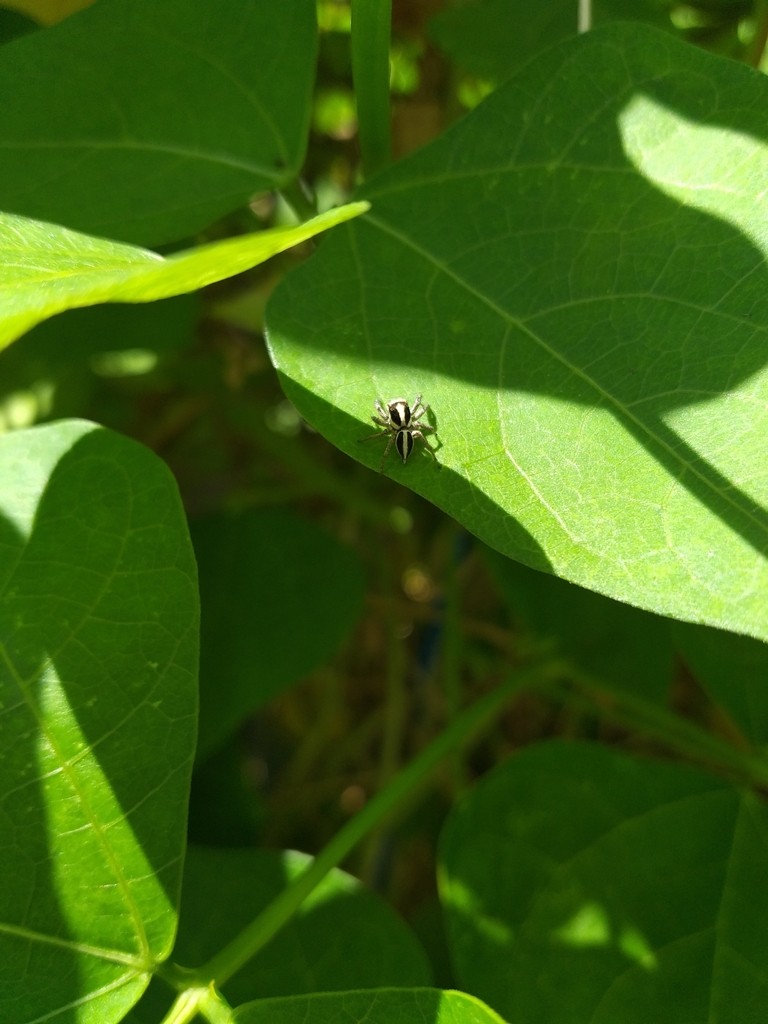
1. Leptofreya ambigua
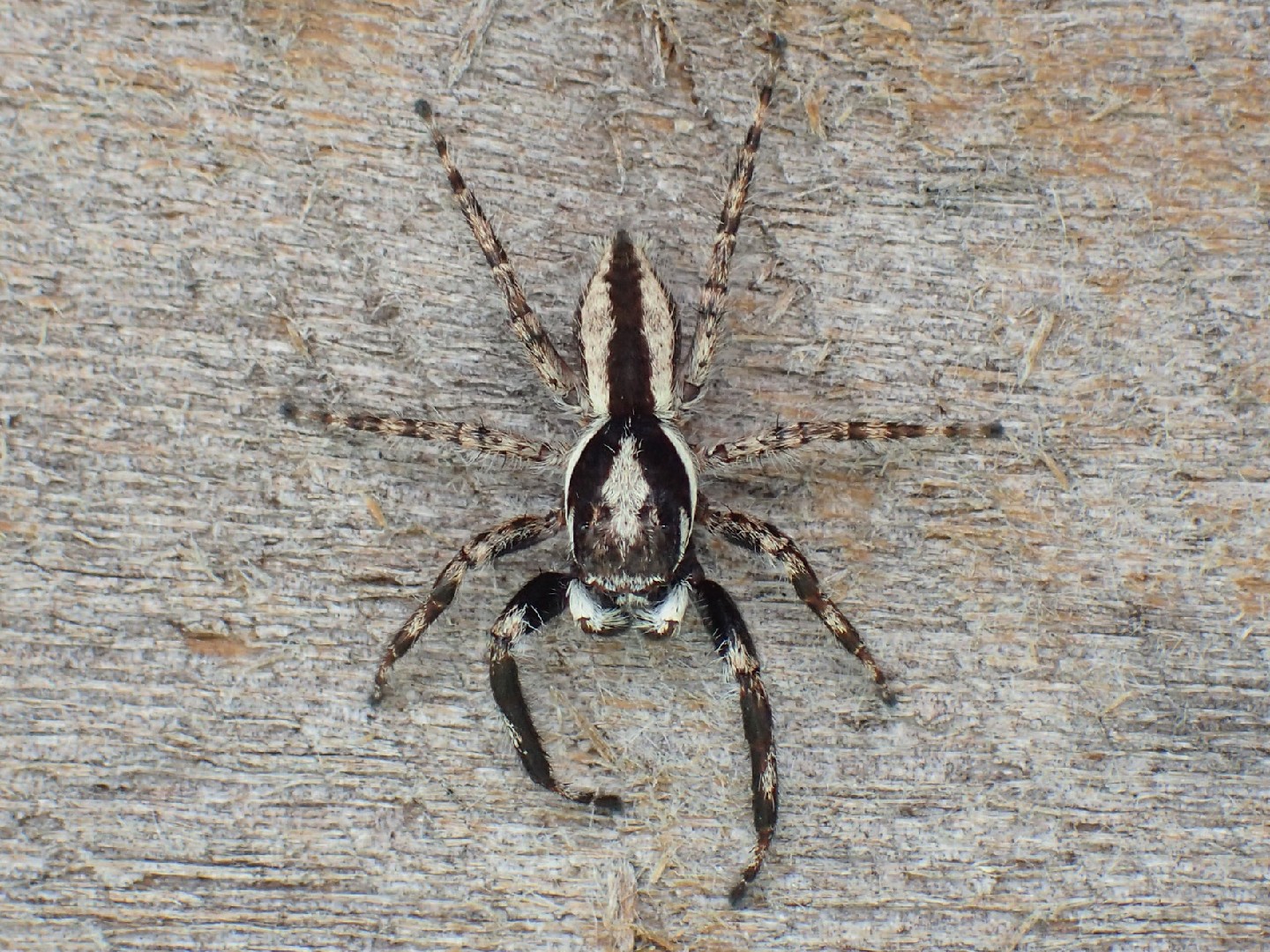
2. Gray wall jumper
The female gray wall jumper lays her eggs in cracks or other hidden areas. The young and mature spiders feed on flies, making them useful residents in a household. They do not make webs, but carefully hunt and jump on their prey.
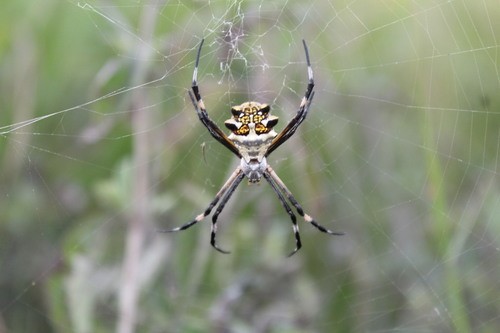
3. Silver argiope
The silver argiope (Argiope argentata) often creates unique zigzag patterns on its webs. It's usually found in warm, dry areas, especially on cacti and aloe vera plants. The females are much larger than males. They can bite and cause irritation to the skin, but the damage won't be life-threatening.
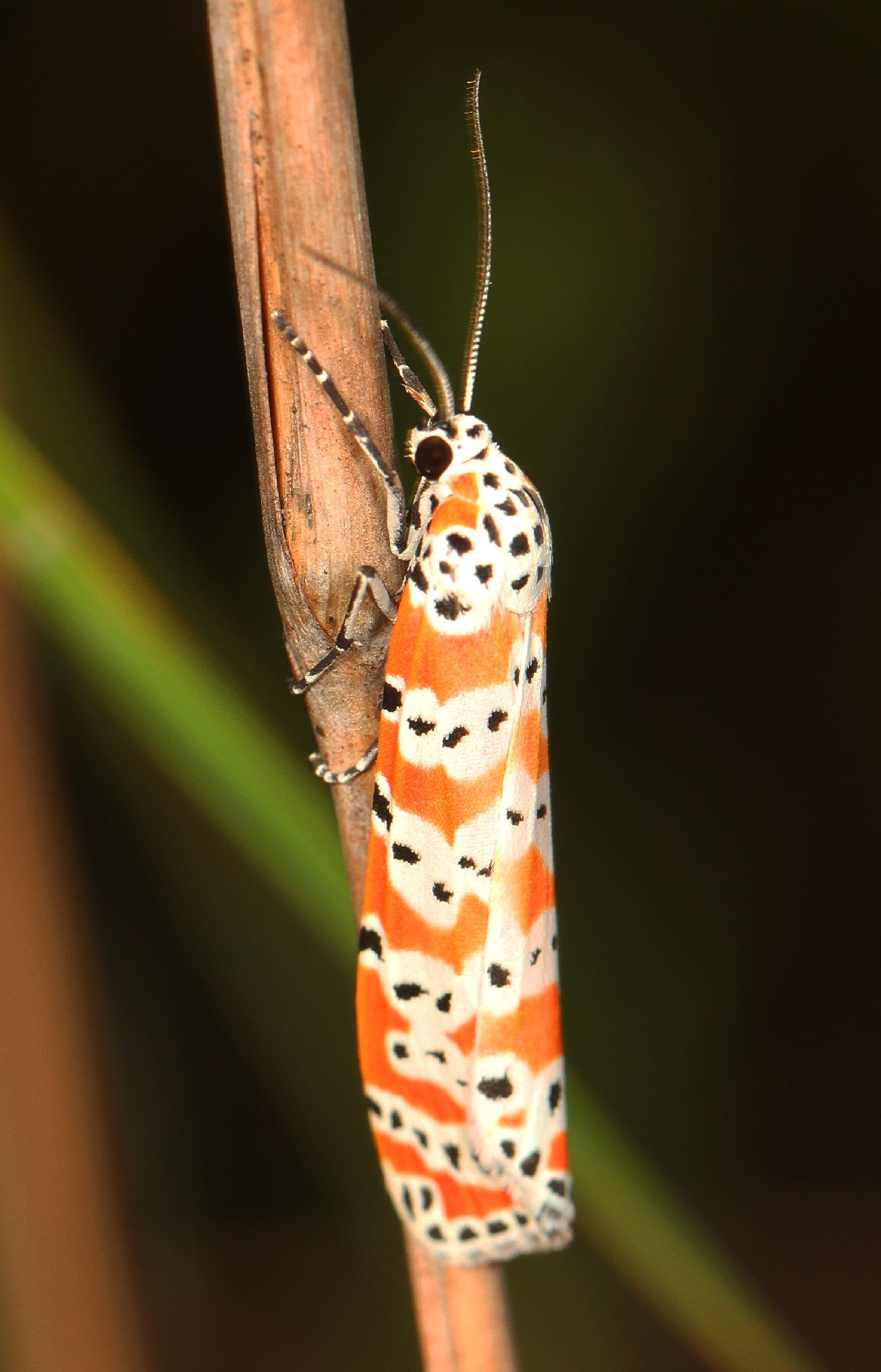
4. Ornate Bella Moth
The ornate Bella Moth( Utetheisa ornatrix) is not a butterfly, but a beautiful moth that was commonly seen in the southeastern regions of the United States. These moths are aposematic and can use their bright coloration to warn predators. The ornate Bella Moth is playing an important role in controlling the toxic plant populations, such as the rattlepod (Crotalaria).
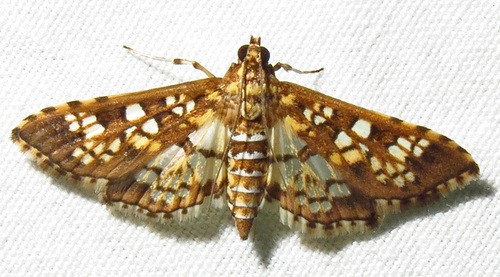
5. Assembly moth
The wingspan is about 2 cm. The forewings are greyish-brown with three groups of white spots in antemedial, median and postmedial areas. The hindwings of the males have large white patches in the basal two-thirds, with a thin dark median line and a row of three white spots near the outer margin. The hindwings of the females are similar, but there is a thick dark median line and there are two rows of white spots near the outer margin. 
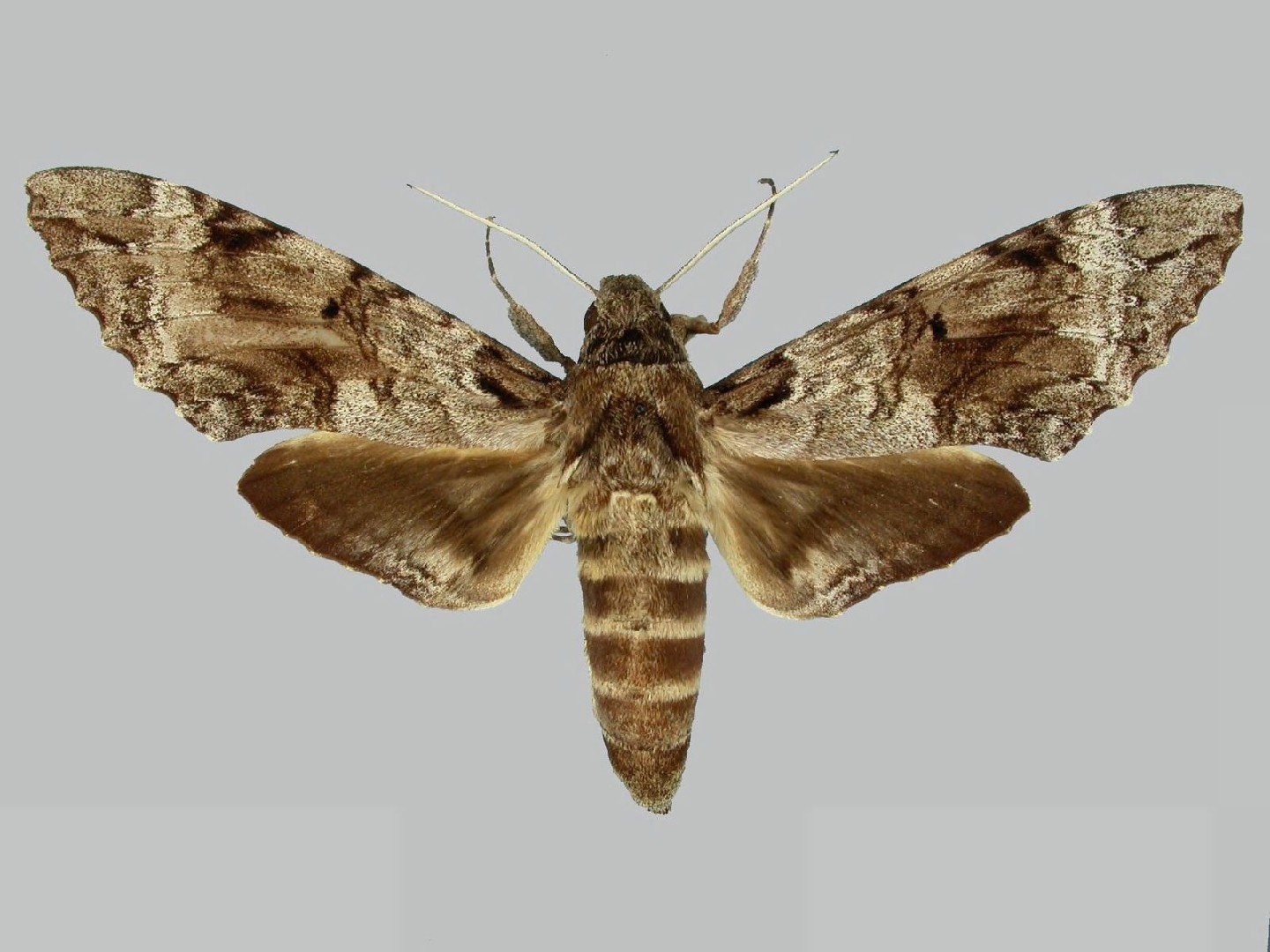
6. Tetrio sphinx
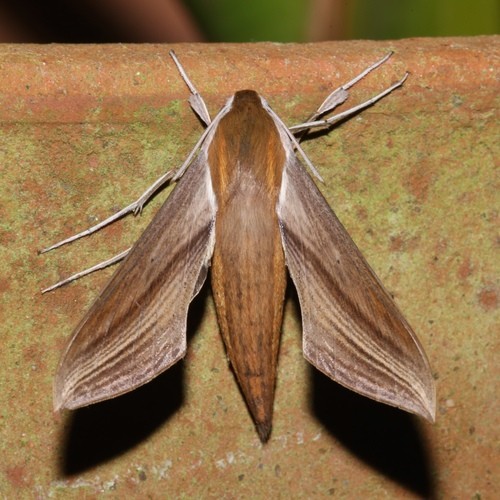
The adult moth is brown with gray and white markings, and the hindwing is a darker brown. The female may be lighter in tone. The body has gray, white, and black bands. The wingspan is 13 - 14 cm, and the female is generally slightly larger than the male. The larva is a caterpillar which may exceed 15 cm in length. It is black with aposematic yellow bands and a red-orange head. Toward the posterior end is an orange bump with a black horn roughly 2 cm long. The legs are orange with black spots. The pupa is about 7 cm long. It is yellow when new, turning brown and darkening to a reddish brown as it hardens.
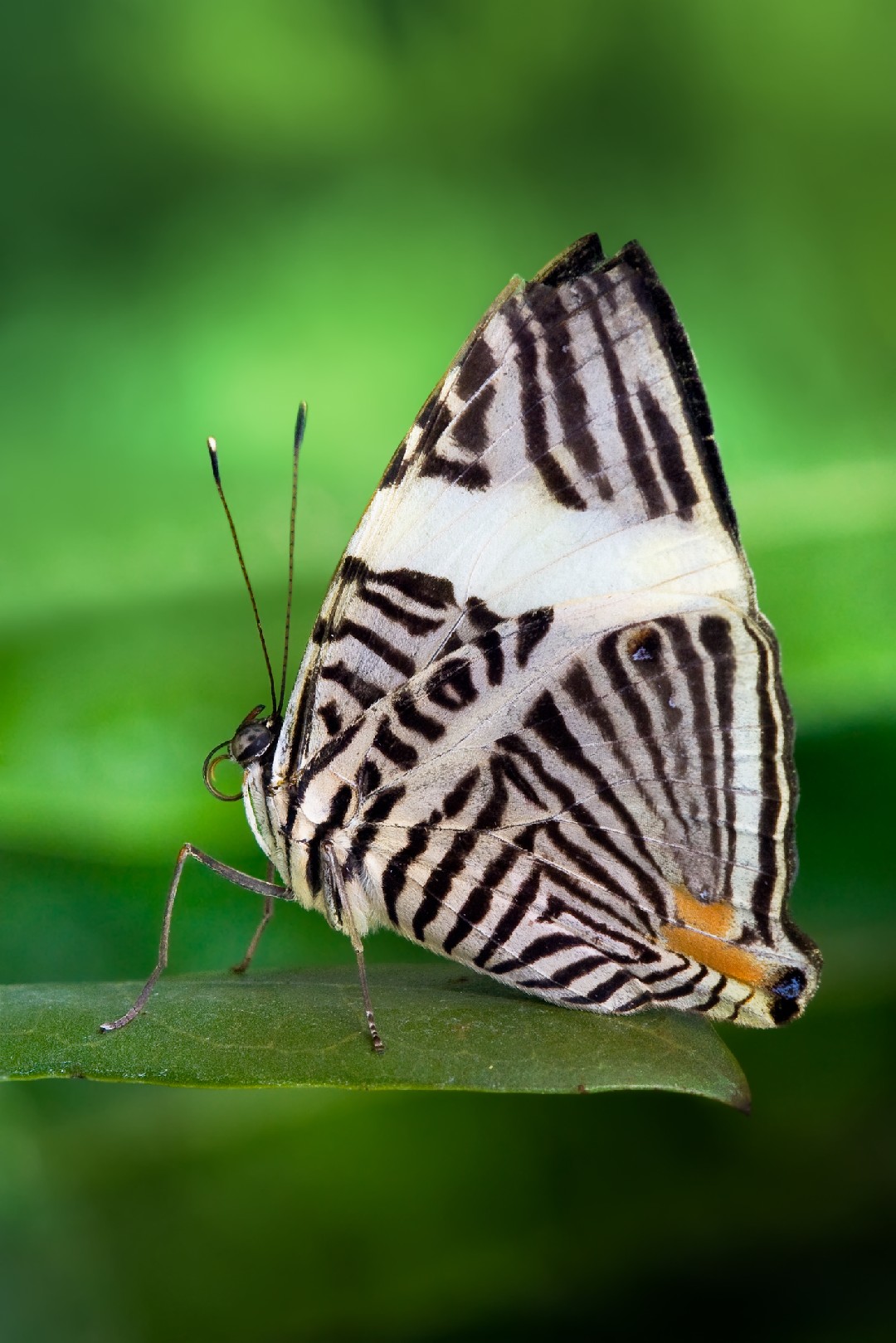
7. Dirce beauty
The length of the forewings is about 3.5 cm.

8. Legume pod borer
The species is found in Europe.
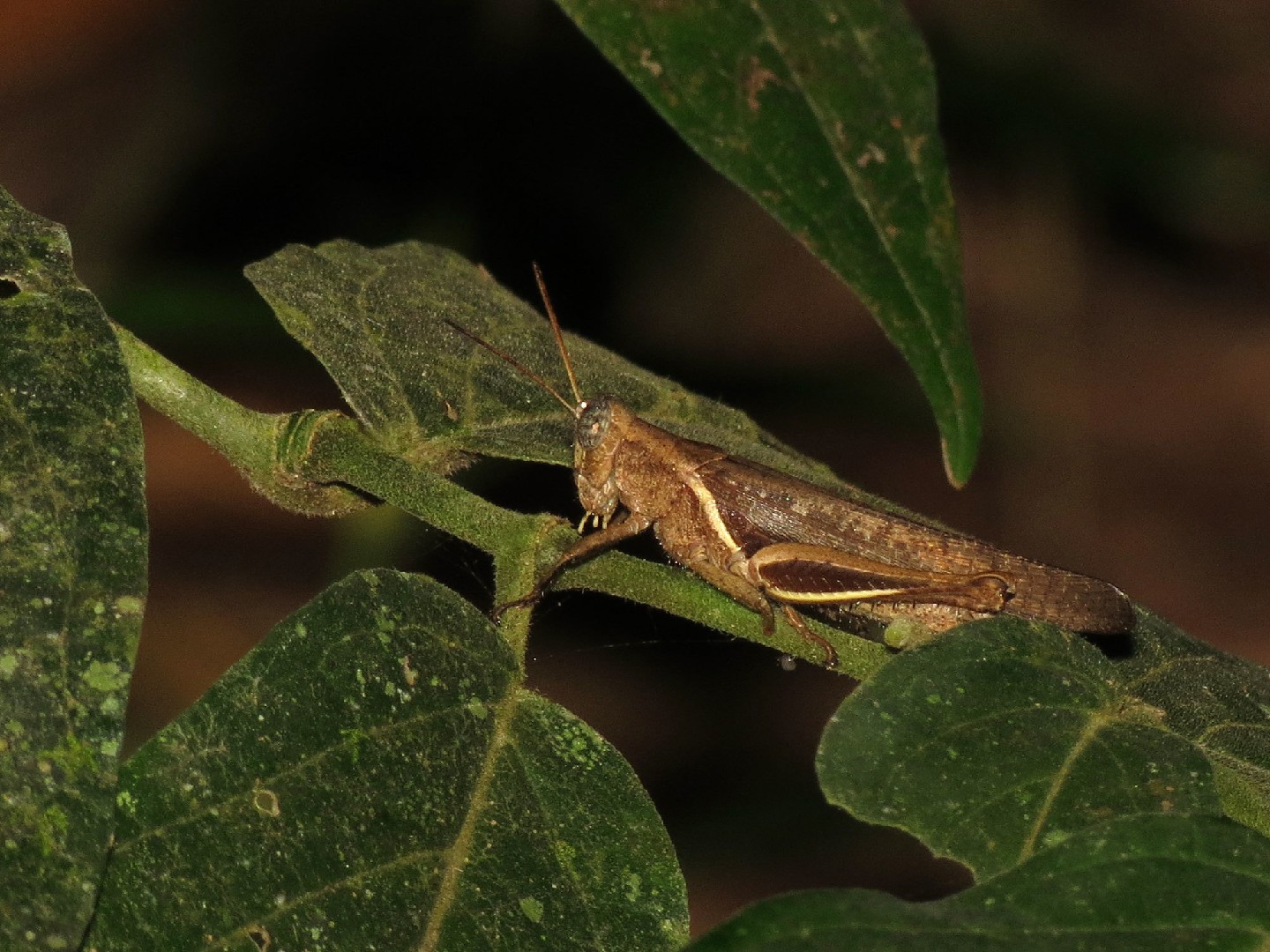
9. Abracris flavolineata
Abracris flavolineata is a right-winged insect from the family locusts (Acrididae). The scientific name of this species was first validly published in 1773 by De Geer.

10. St. Vincent longtail
More







