




Top 20 Most Common Insects in Bulgaria
Welcome to the world of insects, remarkable creatures known for their distinctive anatomy and unique habitats. In Bulgaria, varying landscapes nurture a diverse range of insects, influenced by geographical differences, climate variability, human interaction, and ecosystem diversity. Understanding this intriguing relationship between Bulgaria's environment and its insects, which include both helpful allies and unwanted pests, is vital. Stay tuned as we unveil the top 20 most common insects in Bulgaria, truly an exploration of ecological interconnection!

Most Common Insects
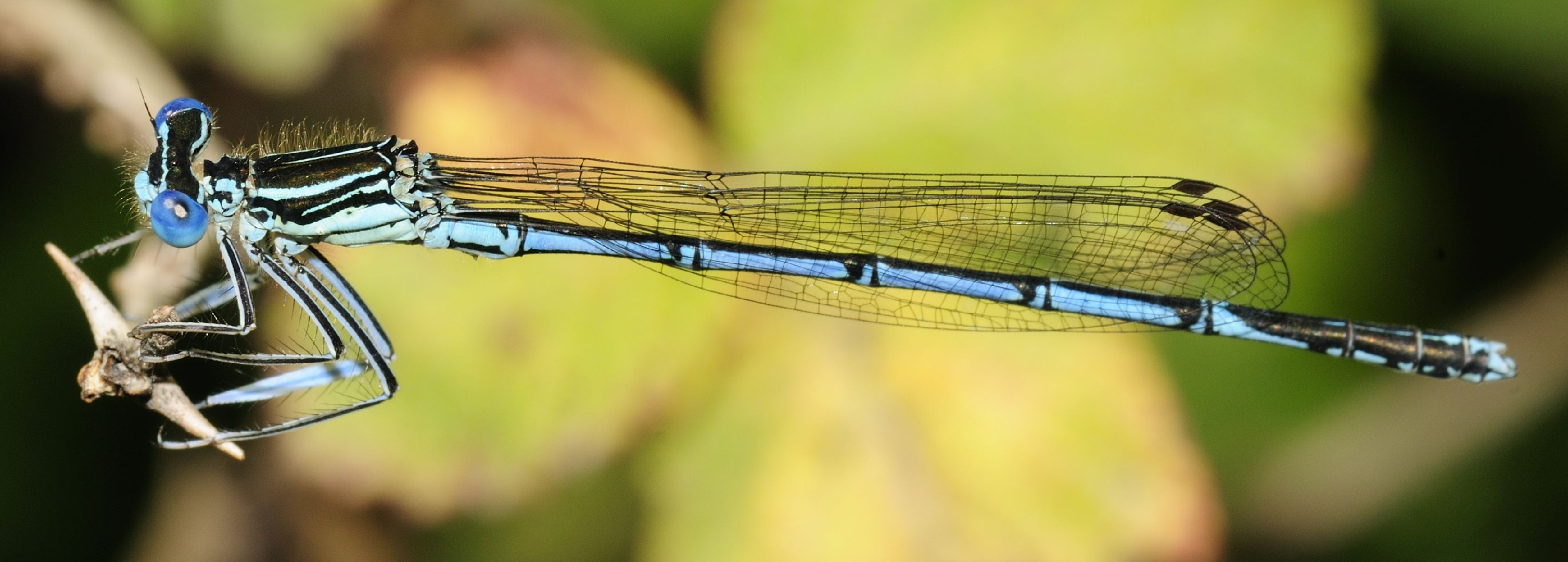
1. White-legged damselfly
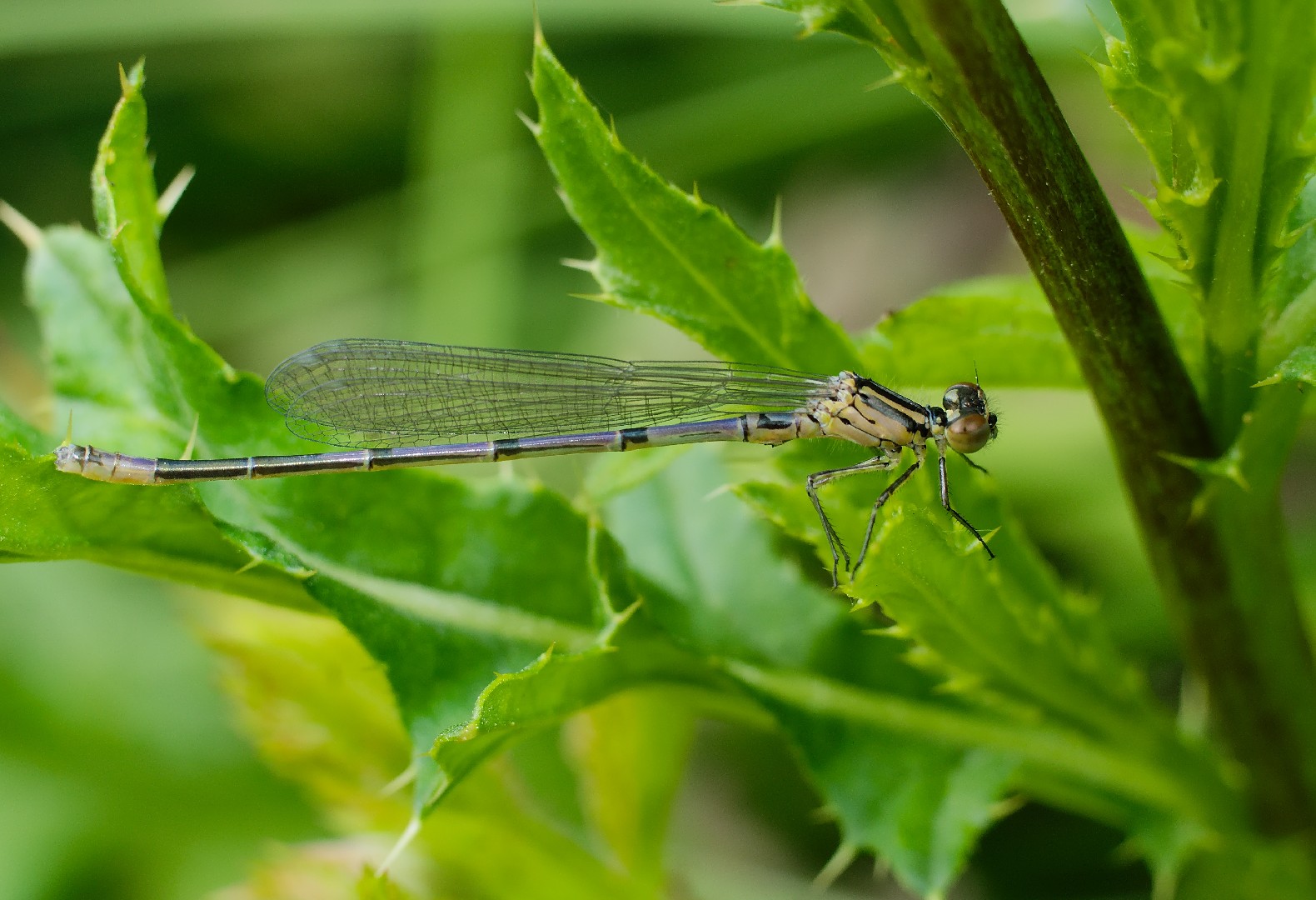
The white-legged damselfly or blue featherleg (Platycnemis pennipes) is a damselfly of slow-flowing, muddy waters. It occurs from the Atlantic to Siberia and is often abundant throughout its range. 

2. Banded demoiselle
This is a large damselfly with a total length of up to 1.9 in and a hindwing length of up to 1.4 in. Male and female are variable in color and pattern. The male has translucent wings which each have a broad, dark iridescent blue-black spot (or band) across the outer part. On immature dragonflies the spot is dark brown. The body can be a metallic blue or bluish green or a combination of both colours, depending on the time of year and location. The dark wing patch of the male starts at the nodus (the slight dip midway down the upper edge of the wing) but can reach up to the wing-tip in southern races.
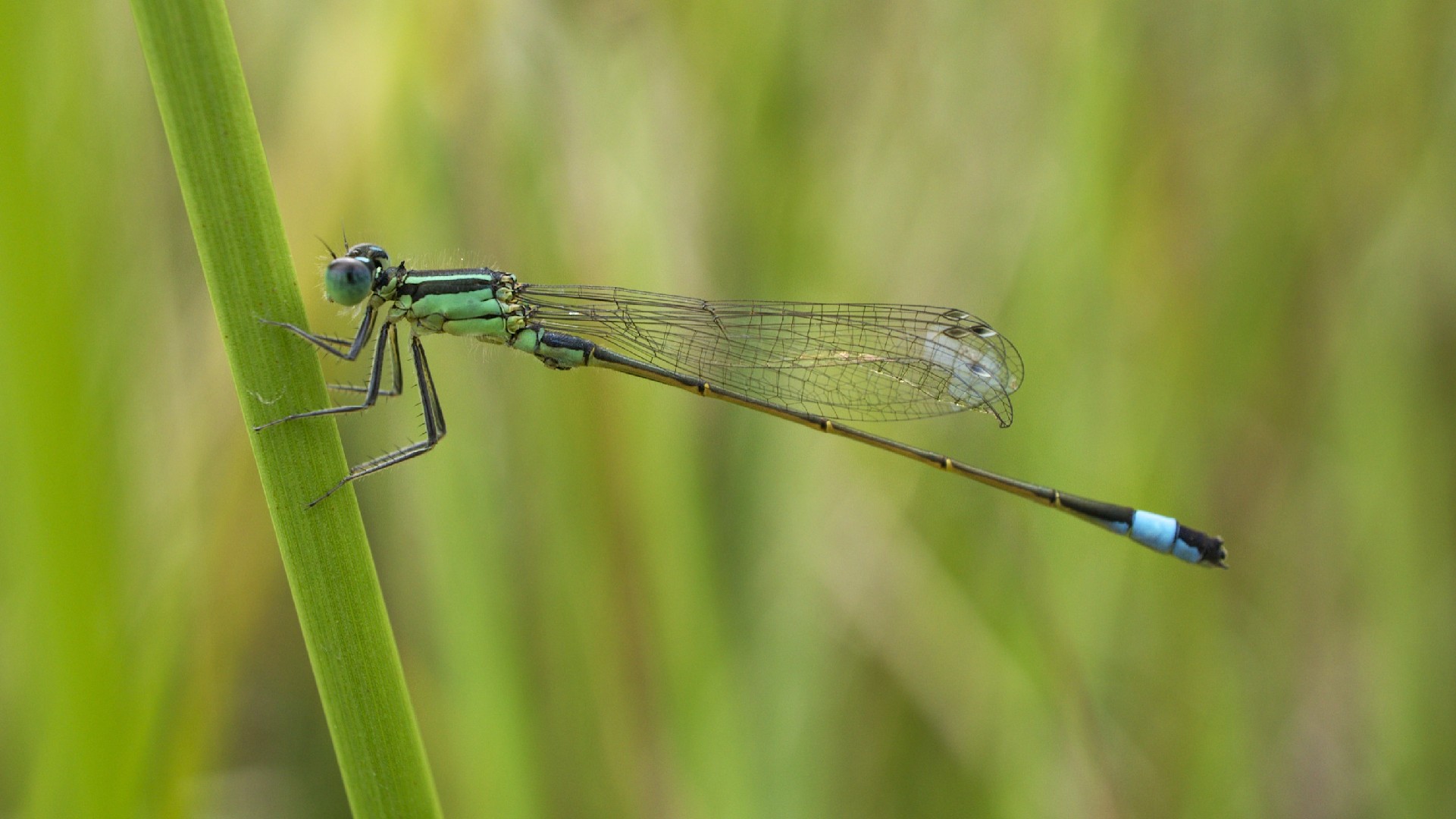
3. Blue-tailed damselfly
Ischnura elegans can reach a body length of 2.5 - 3.5 cm and a wingspan of about 3.5 cm. Hindwings reach alength of 1.4 - 2 cm. Adult male blue-tailed damselflies have a head and thorax patterned with blue and black. There is a bi-coloured pterostigma on the front wings. Eyes are blue. They have a largely black abdomen with very narrow pale markings where each segment joins the next. Segment eight, however, is entirely pale blue. At rest, the wings of most damselfly species are held back together, unlike dragonflies, which rest with their wings out flat. The thorax of juvenile males has a green tinge. Female blue-tailed Damselflies come in a variety of colour forms.Juveniles may be salmon pink, form rufescens; violet, form violacea and a pale green form. The colour darkens as the damselfly ages. Mature females may be blue like the male, form typica; olive green thorax and brown spot, form infuscans or pale brown thorax and brown spot, form infusca-obseleta.
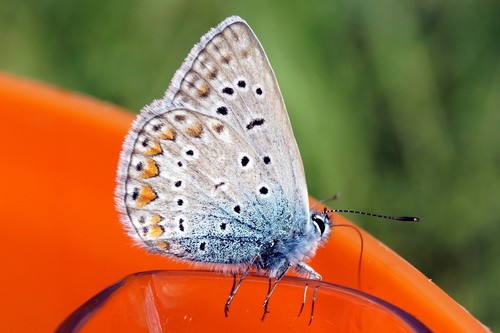
4. Common blue butterfly
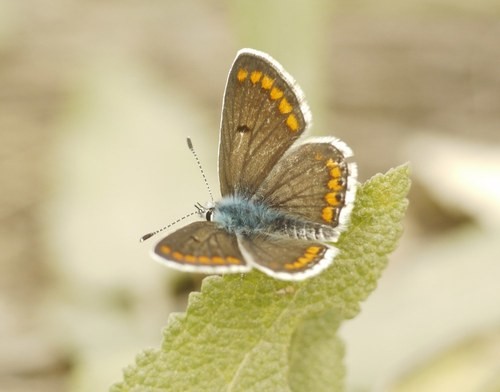
Despite its common name, only male specimens of common blue butterfly (Polyommatus icarus) can accurately be described as blue; the females are predominately gray-brown, with only a dusting of blue and a scattering of orange spots. The adults live for only three weeks before dying.
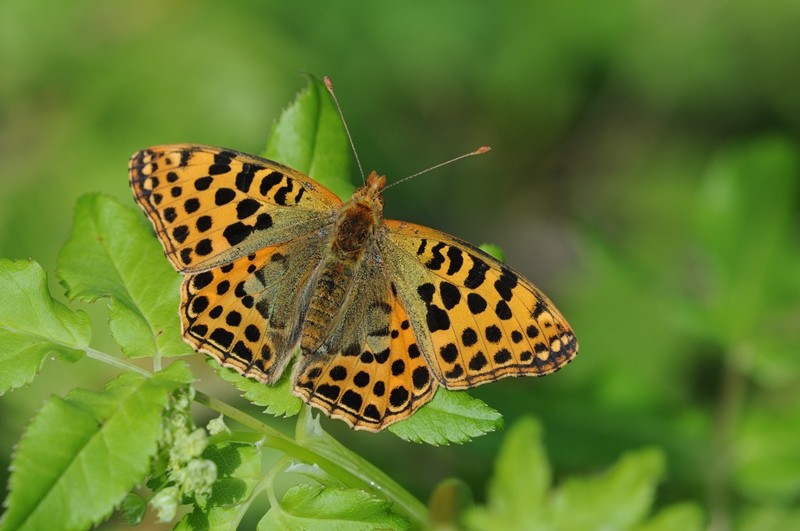
5. Queen of spain fritillary
Issoria lathonia is a medium-sized butterfly with a wingspan of 4 - 4.5 cm. The wings show a deep orange-violet background, with rounded black spots arranged in regular rows and suffused with greenish gray in the females. The underside of the hindwings is decorated with large pearly nacreous spots and it is crossed by a postdiscal row of black eyespots with pearly pupils. Some pearly spots also appear at the apex of the forewings. The caterpillar can reach a length of 3.5 cm. It is grayish brown, with black spots, and relatively short brown spines with white tip, and a double row of dorsal white streaks. The suspended chrysalis is dark brown, with a large white saddle-shaped stain and some smaller ones of the same color, resembling a bird's dropping. The imago is rather similar to Argynnis aglaja, Argynnis adippe and Brenthis daphne, which have the same orange color on the upperside of the wings, but show different markings and spots. Moreover, the underside of the hindwings does not have the large pearly spots characteristic of the queen of spain fritillary.

6. Beautiful demoiselle
The body length of larvae is variable and highly dependent on environmental conditions. The final stage (F-0-stage) larvae are 3.5 - 4.5 mm and weigh about 4 mg, slightly below the banded demoiselle. Calopteryx virgo can reach a body length of 5 - 5 cm, with a length of hindwings of 3 - 4 cm. These large, dark damselflies have small hemispherical eyes located laterally on the head, two pair of wings similar in shape and a slender abdomen. The basal area of the wings is transparent, otherwise wings are uniformly colored. The wings are also traversed by a dense network of veins. This species presents an evident sexual dimorphism in colour pattern. The male usually has much more extensive pigmentation on the wings than other Calopteryx species in its range: in the south east of its range (the Balkans and Turkey) the wings are entirely metallic blue while in other areas, there are clear areas at the base and tip of the wing. Immature males show brown wings, as the metallic blue wing color develops only with age. They have metallic blue-green bodies and blue-green eyes. The female has dark brown iridescent wings, a white patch near the tip of the wings (called a pseudopterostigma) and a metallic green body with a bronze tip of the abdomen.
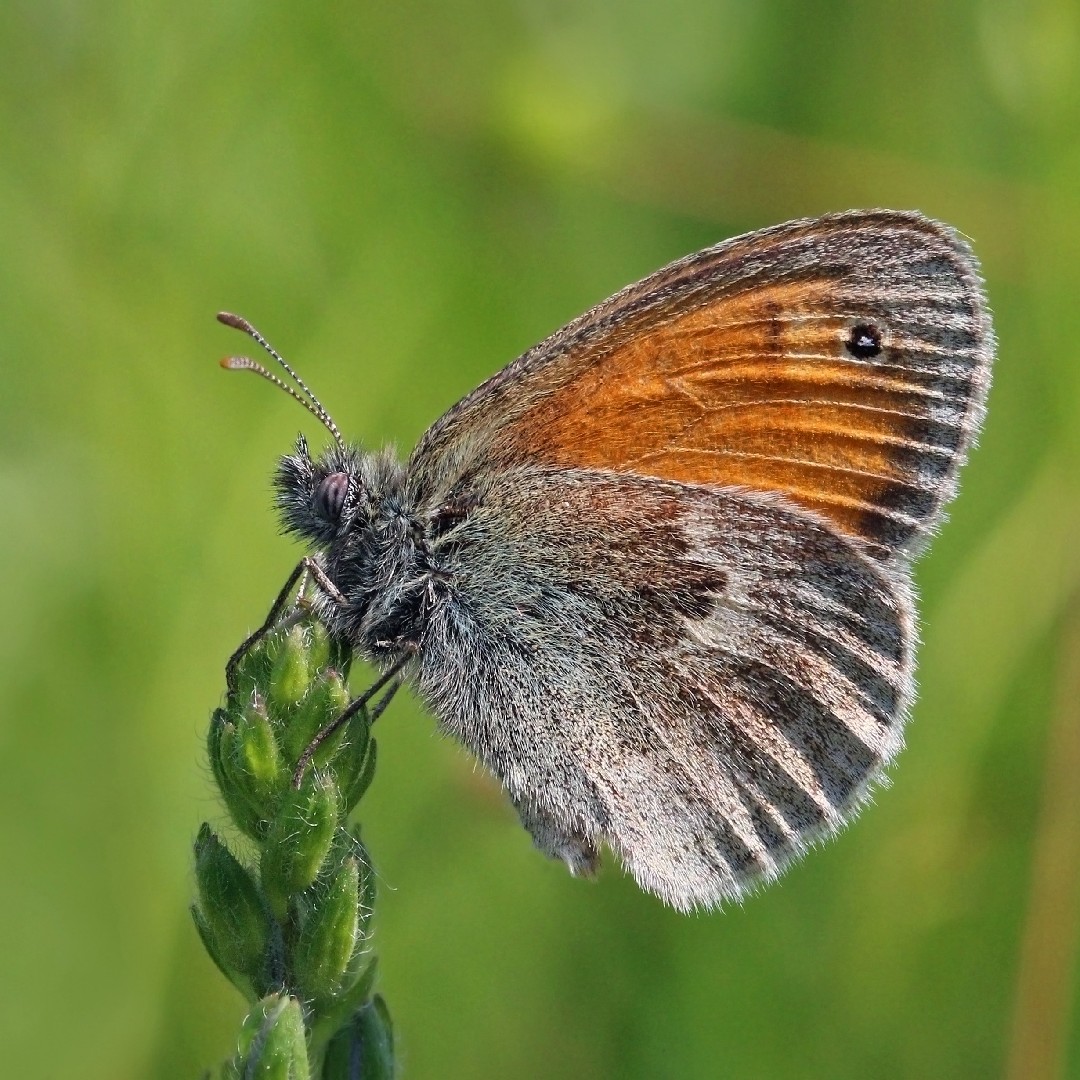
7. Small heath
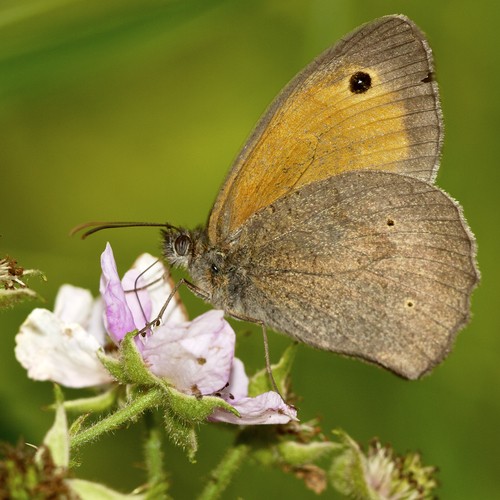
It rests with closed wings when not in flight.
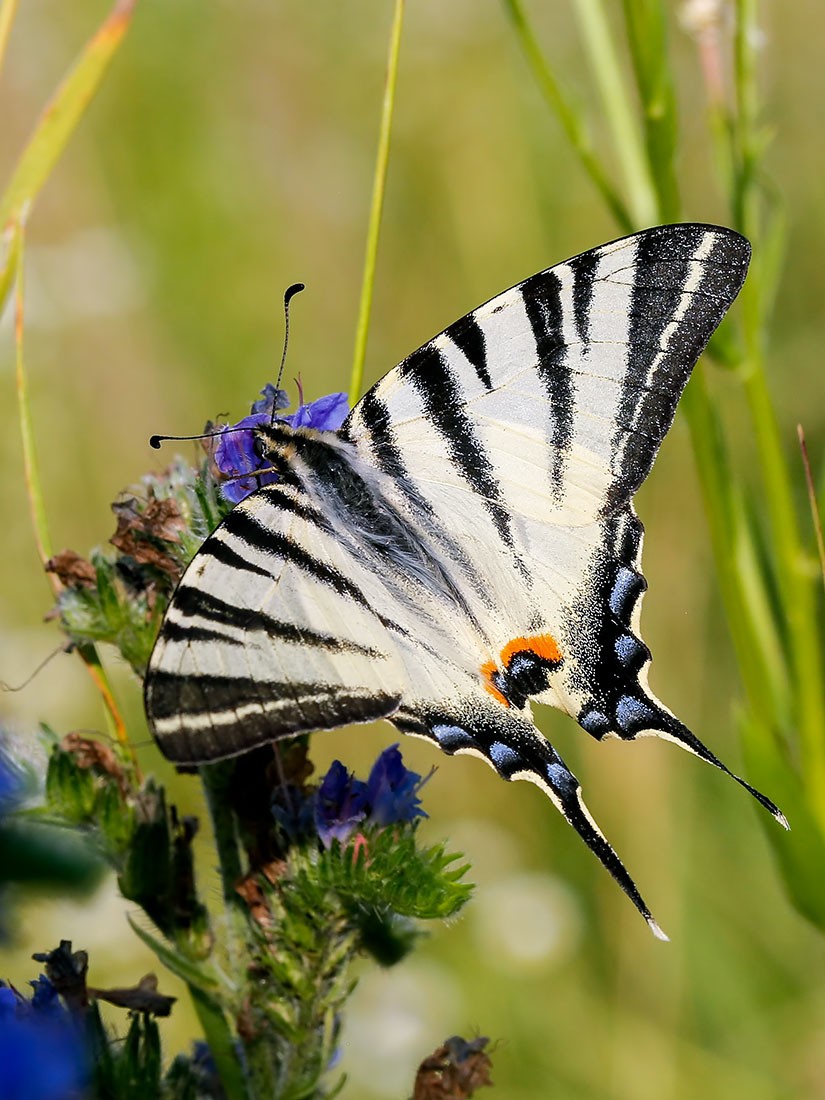
8. Scarce swallowtail
Its slow and floating flight pattern makes it easy to identify the scarce swallowtail as it soars over gardens, orchards, and scrublands. The butterfly has a large presence across Europe, the Middle East, and Asia. The adult lifespan is brief, only two or three weeks. Planting flowers like blackthorn can encourage the butterfly to visit a garden.
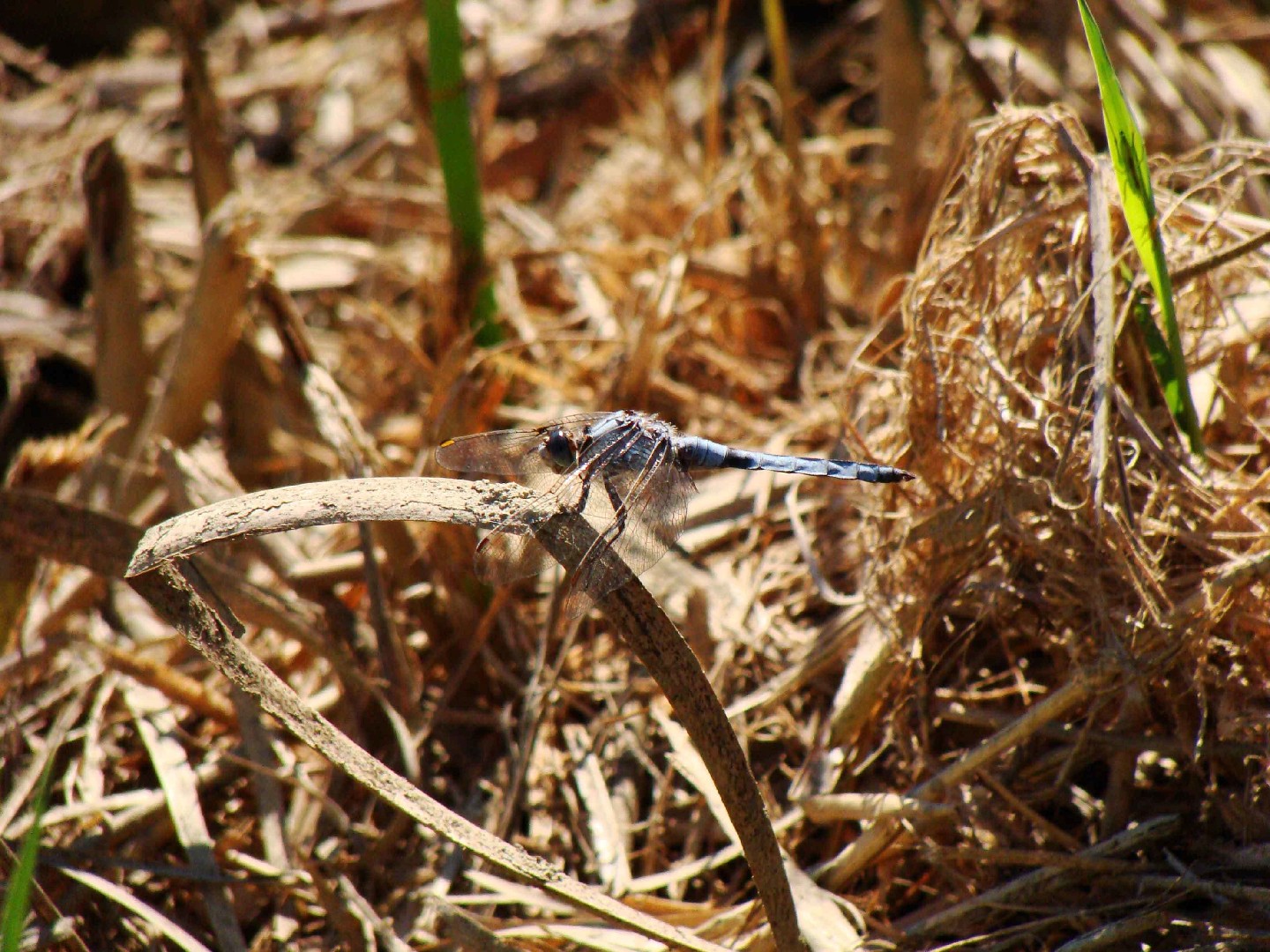
9. Southern skimmer
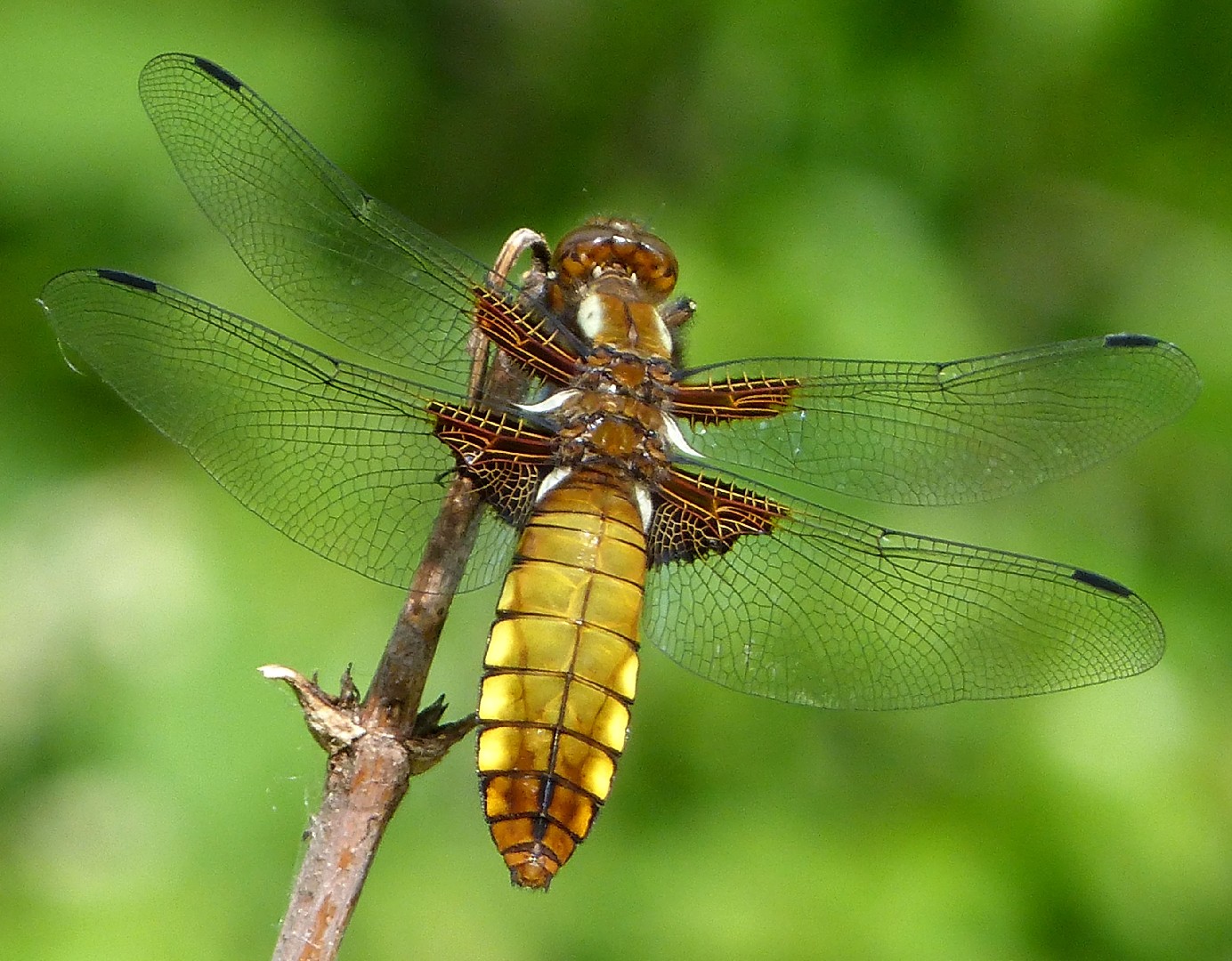
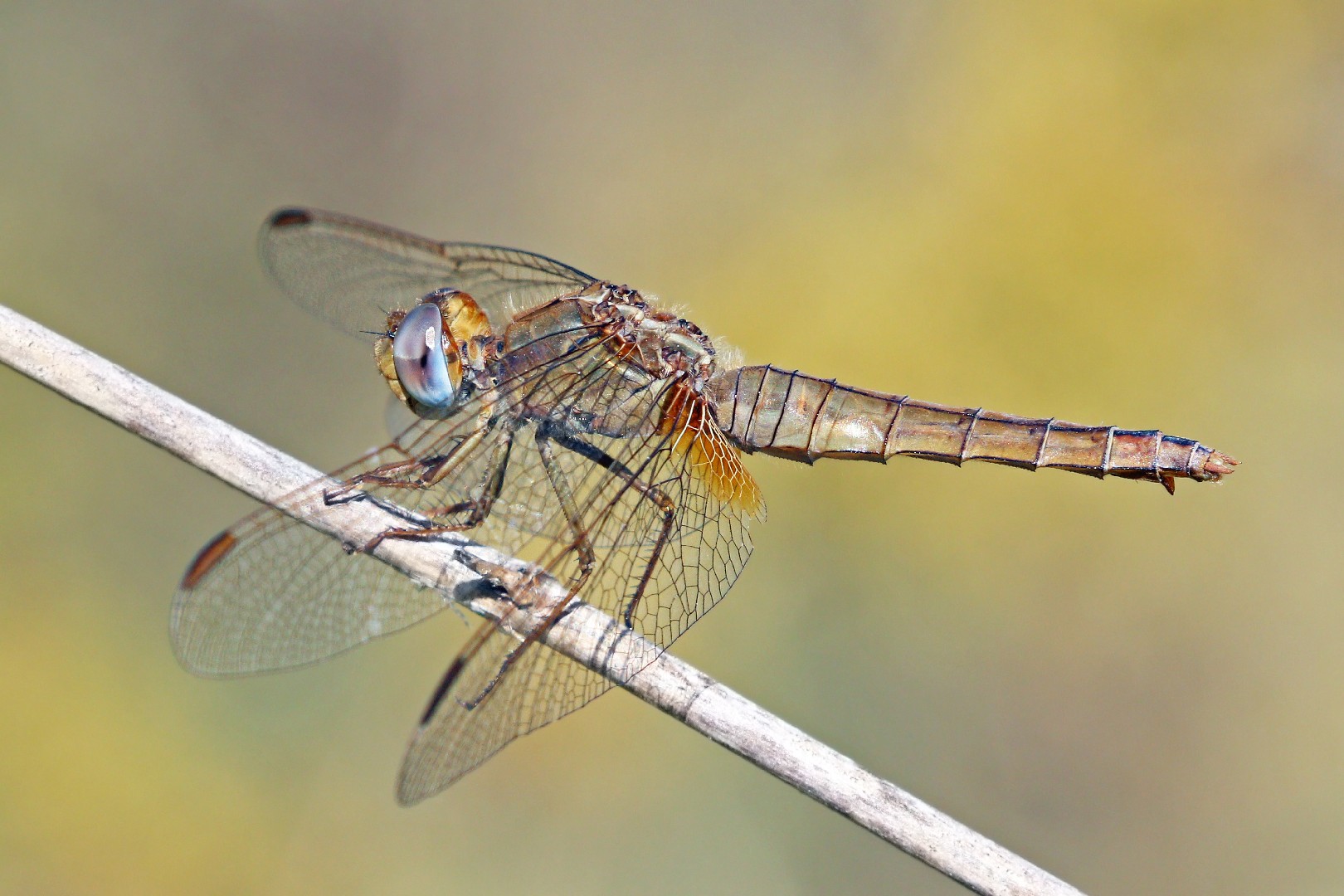
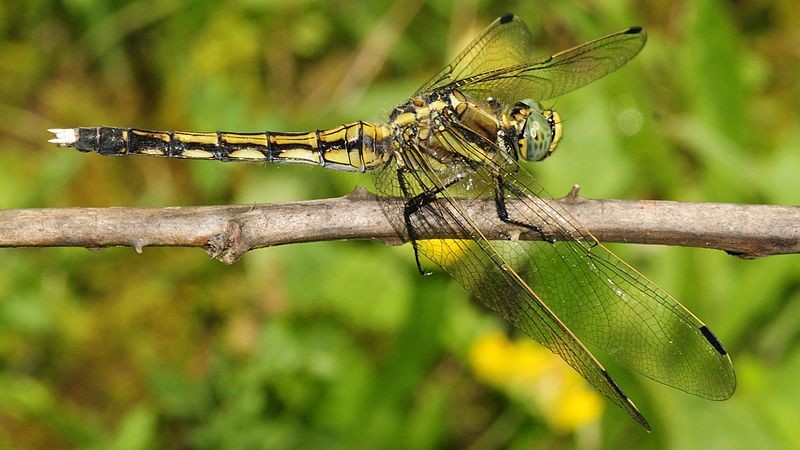
The adults grow up to 4 - 4.5 cm long. The thorax and the abdomen are pale blue in males, yellowish-brown or greyish-brown in females. Young males are brownish. The abdomen is relatively flattened and shows a thin middorsal black line and distinct points on each segment. The wings are hyaline, with yellow or pale brown pterostigma. The wingspan reaches 7 - 7 cm.
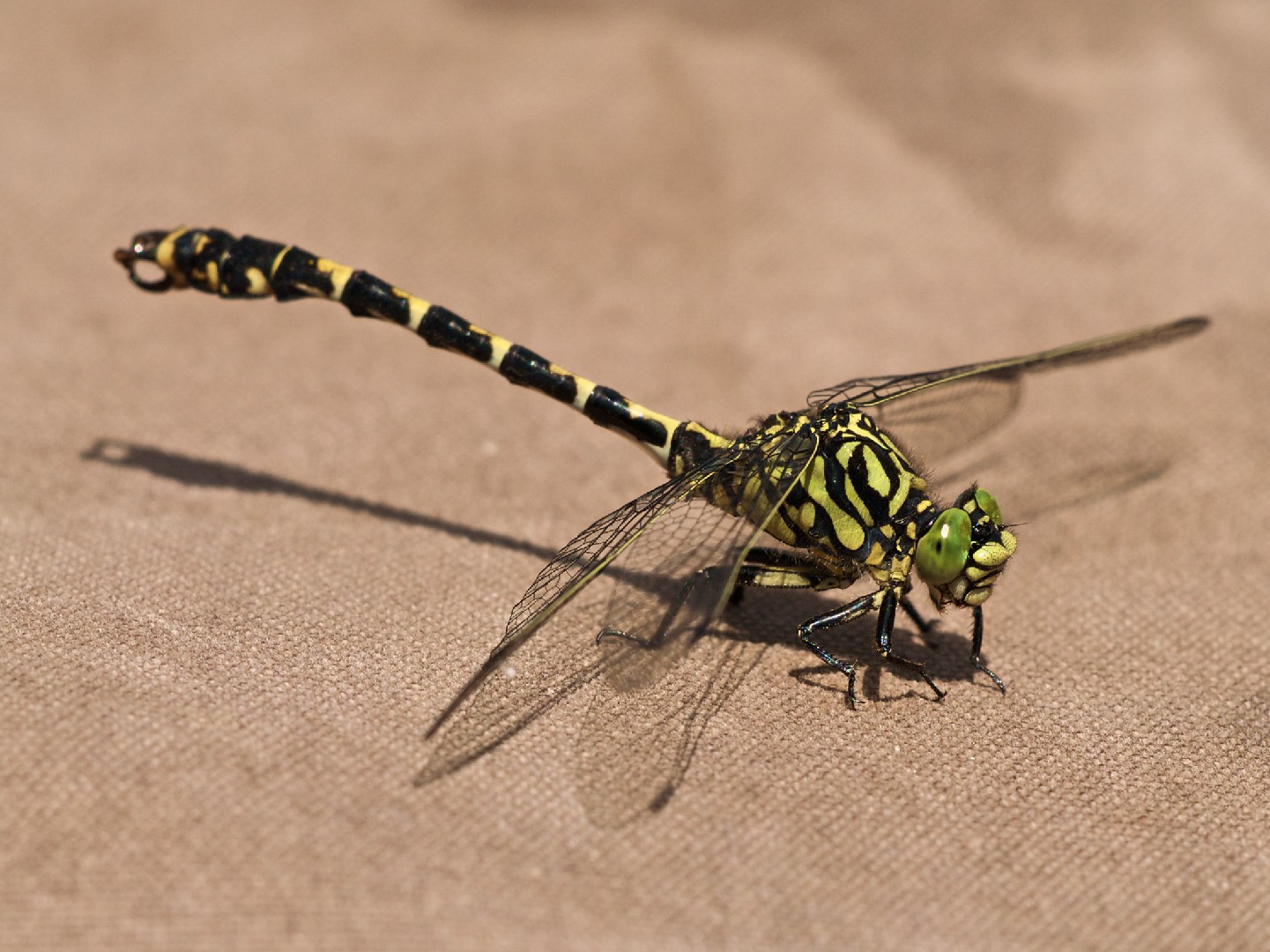
10. Small pincertail
The adults of Onychogomphus forcipatus grow up to 6 cm long, with a wingspan of 6 - 8 cm. The eyes of these medium sized dragonflies are widely separated and grey-to-green. The two black lines on the side of the thorax are relatively narrow and touch the midline. It has a yellow line on the vertex and two cells above the anal triangle. The abdomen in males is fitted with three hooks of large size (anal appendages). Cercoids may be dark and have a subterminal tooth. The base of the hindwing is angled in males and rounded in females.

More







