




Top 20 Most Common Insects in Phnom Penh
Insects- often overlooked, yet crucially significant creatures. Known for their diversity, these invertebrates with exoskeletons, segmented bodies, and antennae are found across all corners of Phnom Penh. Geographical factors in Phnom Penh greatly influence their diversity. Their vital role as both, pests and allies, illustrates the connection between a location's environments and its insects. In our list of the 'Top 20 most common insects in Phnom Penh', we'll explore the incredible world of these minuscule marvels.

Most Common Insects

1. Common mormon
The common mormon (Papilio polytes) is a beautiful, black butterfly with unique hindwings that have orange and white colorings and two spots jutting out. They are named after the Mormon religion, as the butterflies participate in polygamy, which is a common practice for Mormons. They are also known to mimic red-bodied swallowtail, who are inedible.
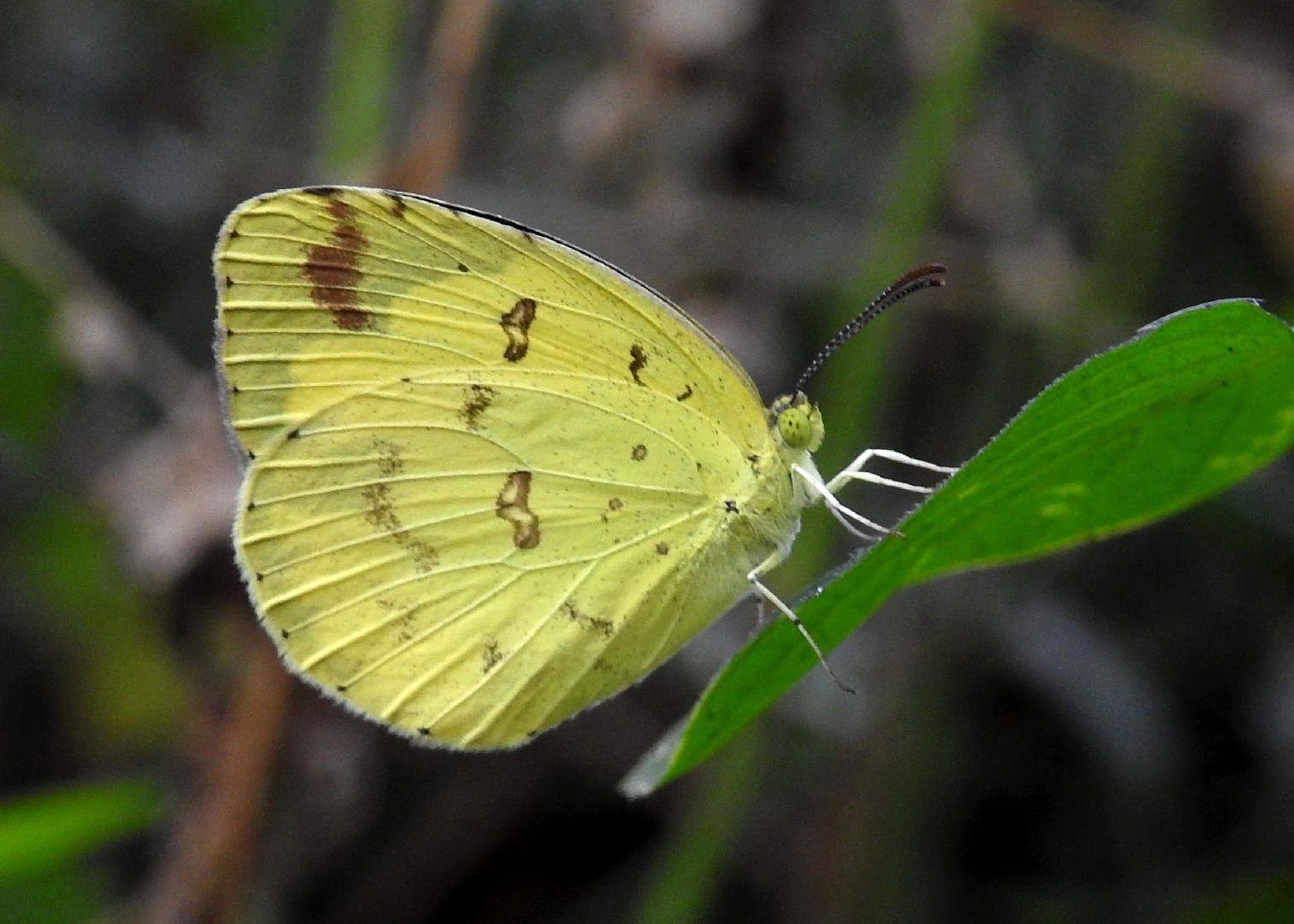
2. Common grass yellow
The common grass yellow (Eurema hecabe) can be found in groups around damp soil. Despite their name, they do not feed on grass, instead, they are known to frequently visit grasslands. It can change its form depending upon the season, as it is far more rough-looking if it comes during the dry season.

3. Common parasol
The common parasol (Neurothemis fluctuans) is called that due to the red color and the shape of its body being vaguely resemblant of a red parasol. Despite red being associated with passion, these skimmers are shy creatures. If you approach it, you can expect it to run away.

4. Spotted zebra butterfly
Male upperside black with the following white streaks and spots. Forewing cell with a small spot at base followed by three obliquely transverse streaks in middle, none extended to either the subcostal or median veins, and two spots near apex; single slender narrow streaks in interspaces la and 2, and two streaks in interspace 1; above these a spot at base followed by a streak in each of the interspaces 3, 4, 6 and 8, an outer spot only in interspace 5, and a basal spot in interspace 7; finally, a complete series of small subterminal spots. Hindwing: a streak in cell with a spot above its outer apex; a streak followed by a spot in each of the interspaces 1, 6 and 7; three elongate spots in interspaces 2 and 3 and two in interspaces 4 and 5; finally, a series of four slender subterminal lunules in interspaces 2 to 5. Underside similar, with similar but slightly broader markings. Female similar, ground colour duller, more fuliginous black; markings similar, on the forewing slightly broader, on the hindwing slightly narrower, than in the male. 
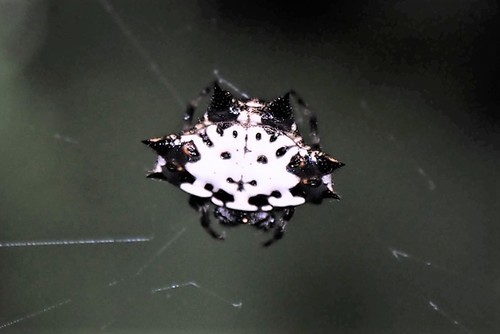
5. Black-and-white spiny spider
Female black-and-white spiny spider are 6 - 9 mm wide and possess a hard, shiny abdomen armed with six black conical spines. The upper surface of the abdomen is white to yellowish with variable black or dark brown markings and sigilla. Males are much smaller at 3 - 4 mm and in place of spines have small bumps on their abdomens.
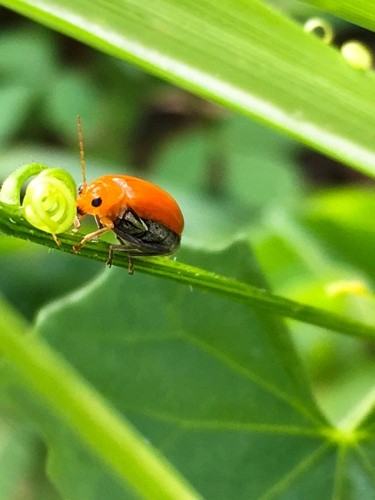
6. Cucurbit beetle
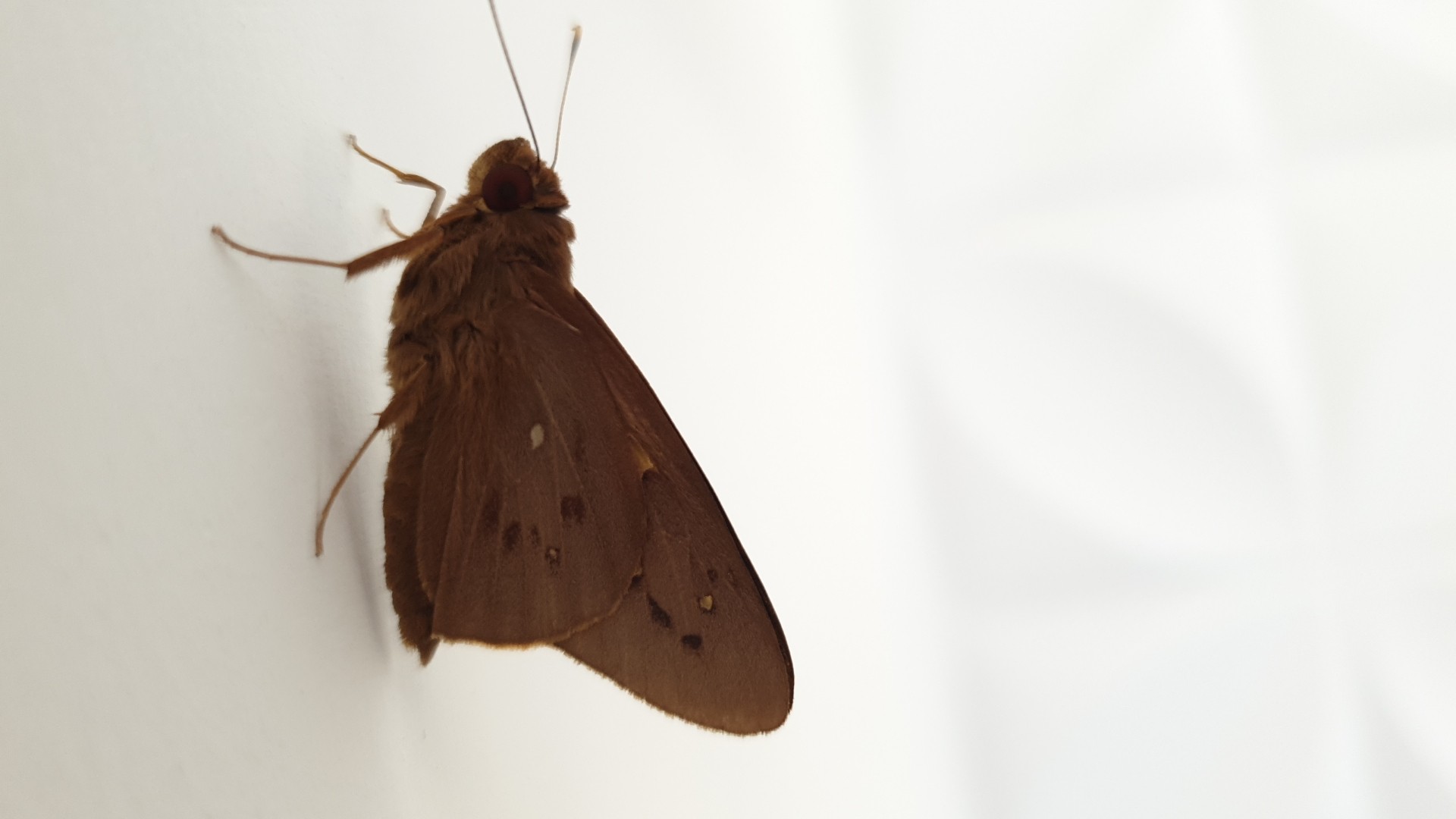
7. Coconut skipper
Hidari irava, the coconut skipper, is a butterfly of the family Hesperiidae. It is found in southern Myanmar, Thailand, western Malaysia, as well as on Sumatra, Java, Borneo and the Sula Islands. The wingspan is 45–55 mm. The larvae feed on Bambusa species and Cocos nucifera.
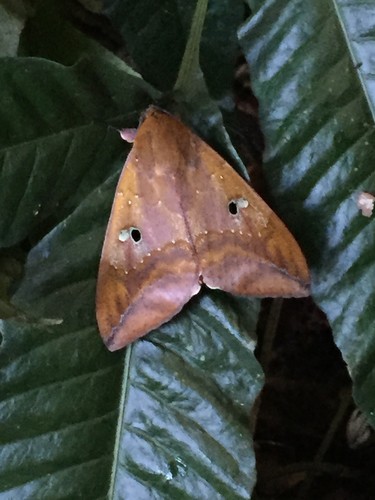
8. Thyas honesta
Its wingspan is about 84–104 mm. Head and thorax reddish chestnut in colour, where the third joint of palpi black. Abdomen crimson. Forewings reddish chestnut, slightly irrorated with dark scales. There are traces of a sinuous antemedial line with three specks on it. Reniform greyish, where the lower part more or less completely filled in with black. A curved postmedial series of white specks with an indistinct band beyond it angled at vein 6 and met by a dark streak from the apex. A marginal series of specks present. Hindwings crimson with black sub-marginal medial patch. Larva ophiusine-shaped with an apple-greenish body and finely lined longitudinally with purple-centered double white lines. The dorsolateral pair of conical tubercles are yellowish patched with red. The larvae feed on Careya, Barringtonia and Planchonia species.
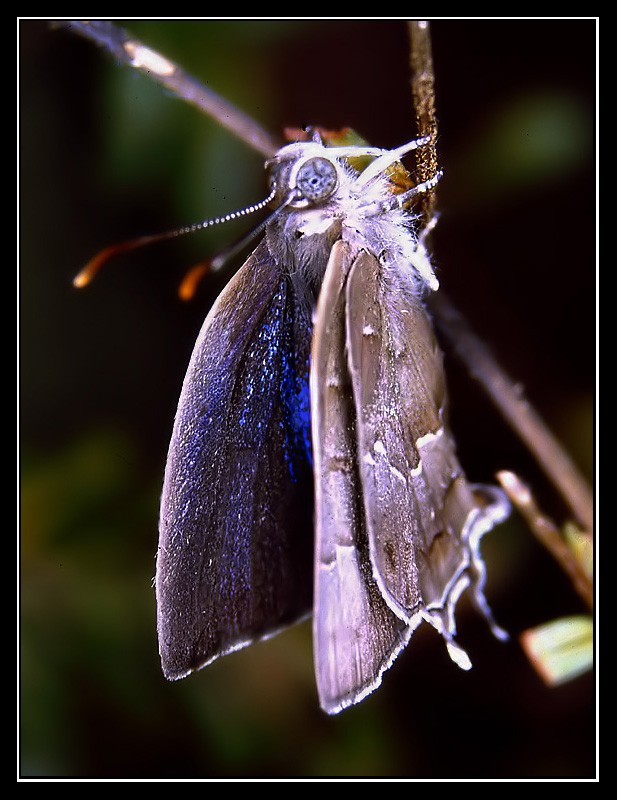
9. Acacia blue
Upperside: both wings rather intense deep blue: primaries with the costa broadly, posterior margin more broadly, apex still more broadly black ; secondaries with the blue limited to just over the median area, the rest of the wings black. Tails two, black, the longer one white-tipped. Underside : both wings very dark greyish brown: primaries with an obscure dark dot near the centre of the cell and a small dash closing it, costa with three dark dots; transverse blackish line curved irregularly and scalloped from the costa to the submedian nervure, a submarginal row of blackish dots, margin obscurely dark, internal area quite pale: secondaries with a small white spot about one-third along the costal nervure, below which is an obscure dark short dash in the cell; from two-thirds along the costa to the middle of the abdominal margin is a narrow, indefinite, obscure band of dark shading edged externally and sharply with white, a submarginal row of dark spots forming an almost lunular line; on each side of the long tail is a slight grey scaling. Upperside: both wings entirely dark brown. Underside as in the male, but decidedly paler.
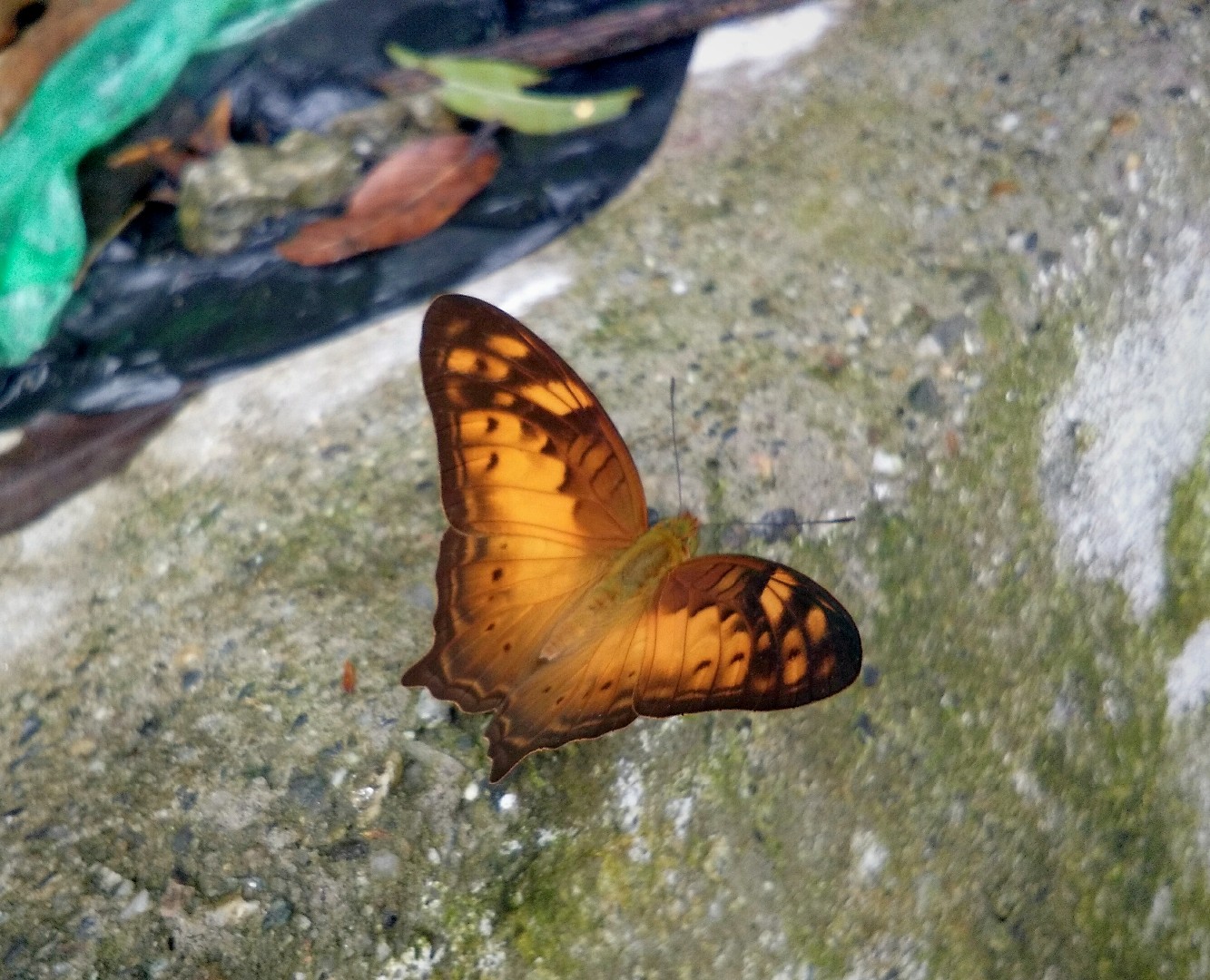
10. Tailed rustic
Vagrans is monotypic genus with the species vagrant (Vagrans egista) a species of nymphalid butterfly found in forested areas of tropical South Asia and Southeast Asia.

More







