




Top 7 Most Common Insects in Tibati
Insects, diverse creatures famed for features like exoskeletons and jointed appendages, flourish within Tibati. Geographic diversity within this region dictates the variety we see in insects, from tiny ants to radiant butterflies. Insects play a pivotal role in our ecosystem, pollinating flowers, recycling detritus and serving as food for other wildlife. A balanced interaction between our environment and these organisms, be they pests or beneficial species, is critical. Dive into our 'Top 7 most common insects' list to learn more!

Most Common Insects

1. Citrus swallowtail
Papilio demodocus , also known under the English name Citrus Swallowtail ("Citrus Swallowtail"), is a butterfly from the family of the knight butterflies (Papilionidae).
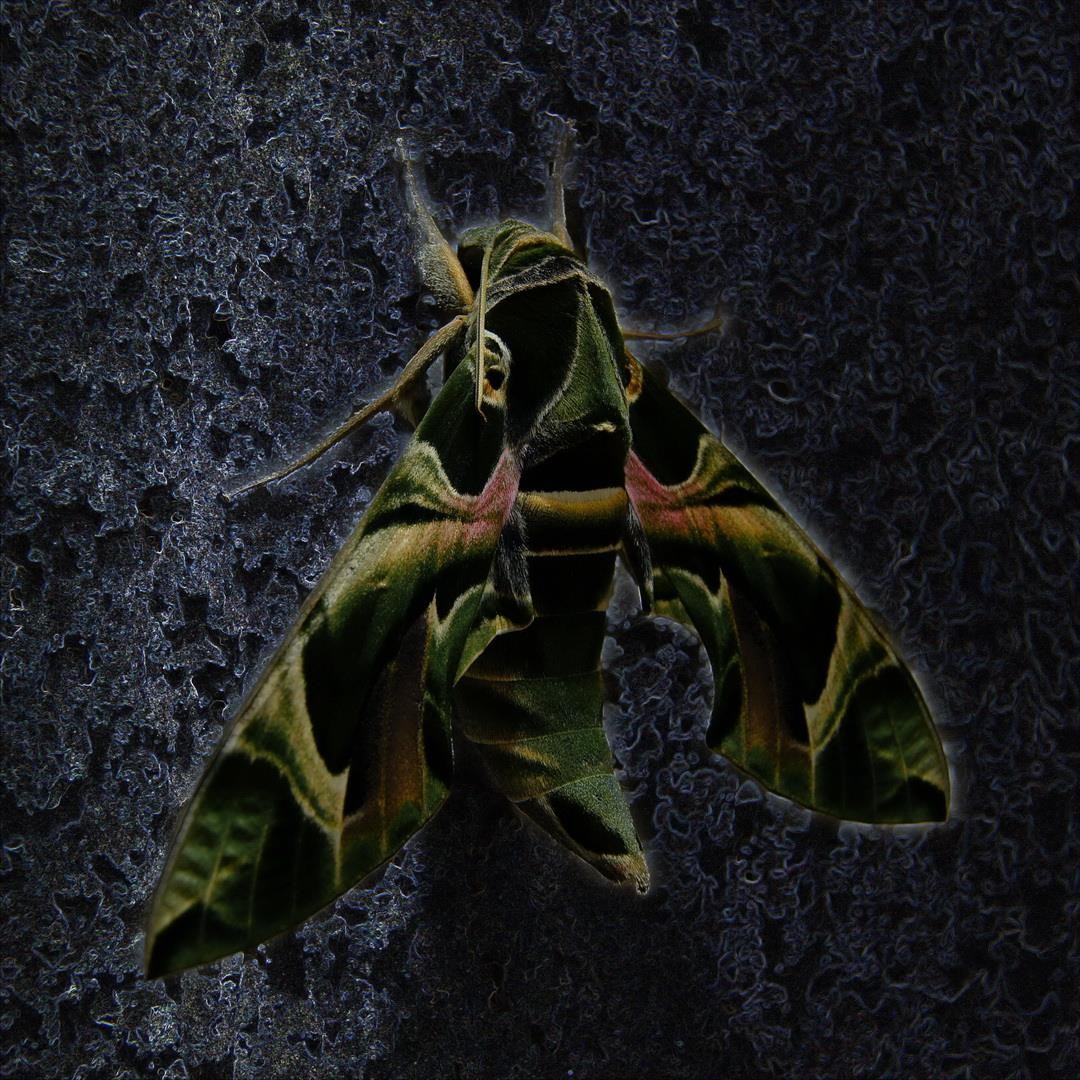
2. Oleander hawk-moth
Daphnis nerii, the oleander hawk-moth or army green moth, is a moth of the family Sphingidae. It was described by Carl Linnaeus in his 1758 10th edition of Systema Naturae. 

3. Legume pod borer
The species is found in Europe.
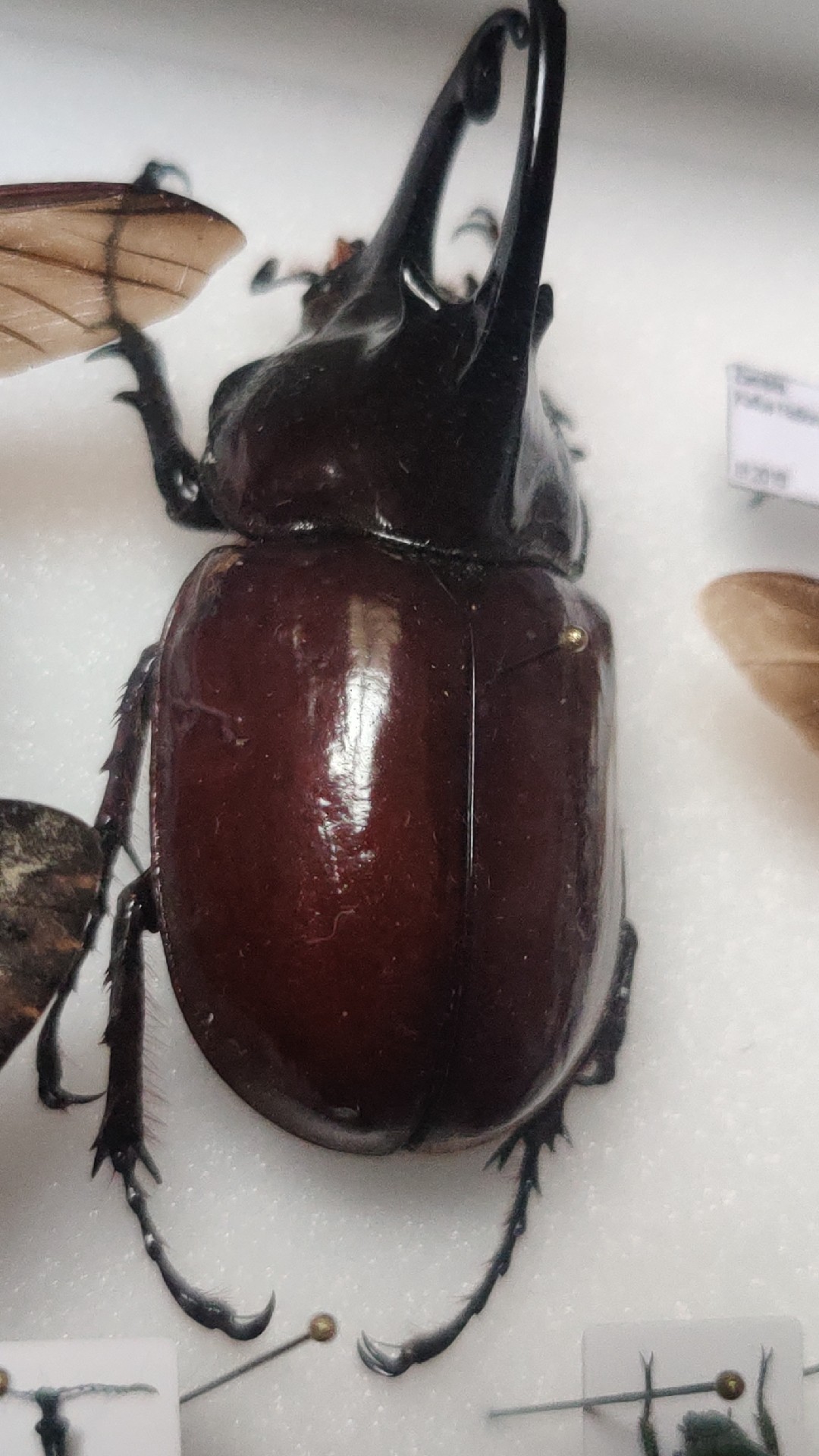
4. Centaurus beetle
Augosoma centaurus, the centaurus beetle, is a species of rhinoceros beetle found in tropical Africa, which measures about 40–90 mm. As common in many insect species, the male is larger than the female and usually two males will fight for a female for mating.
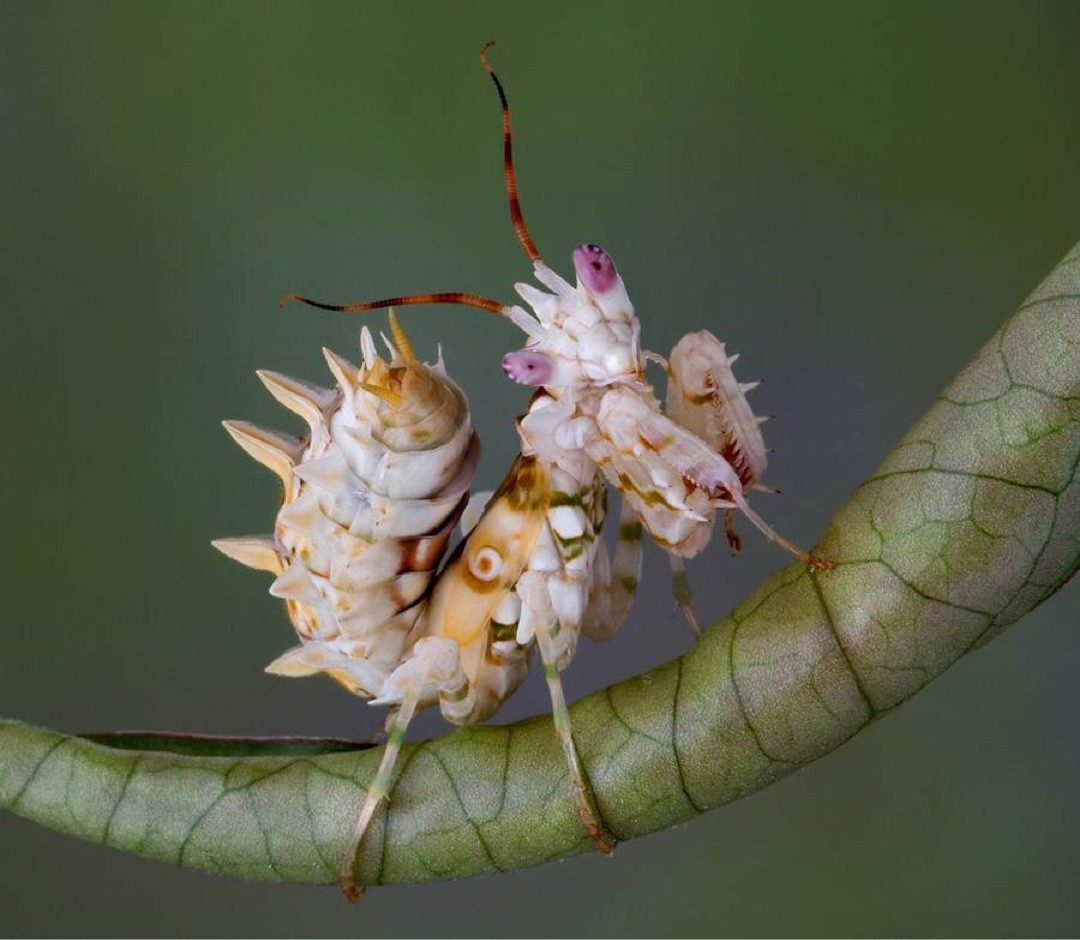
5. Spiny flower mantis
Pseudocreobotra wahlbergi, or spiny flower mantis, is a small Flower Mantis (4 cm) native to southern and eastern Africa.
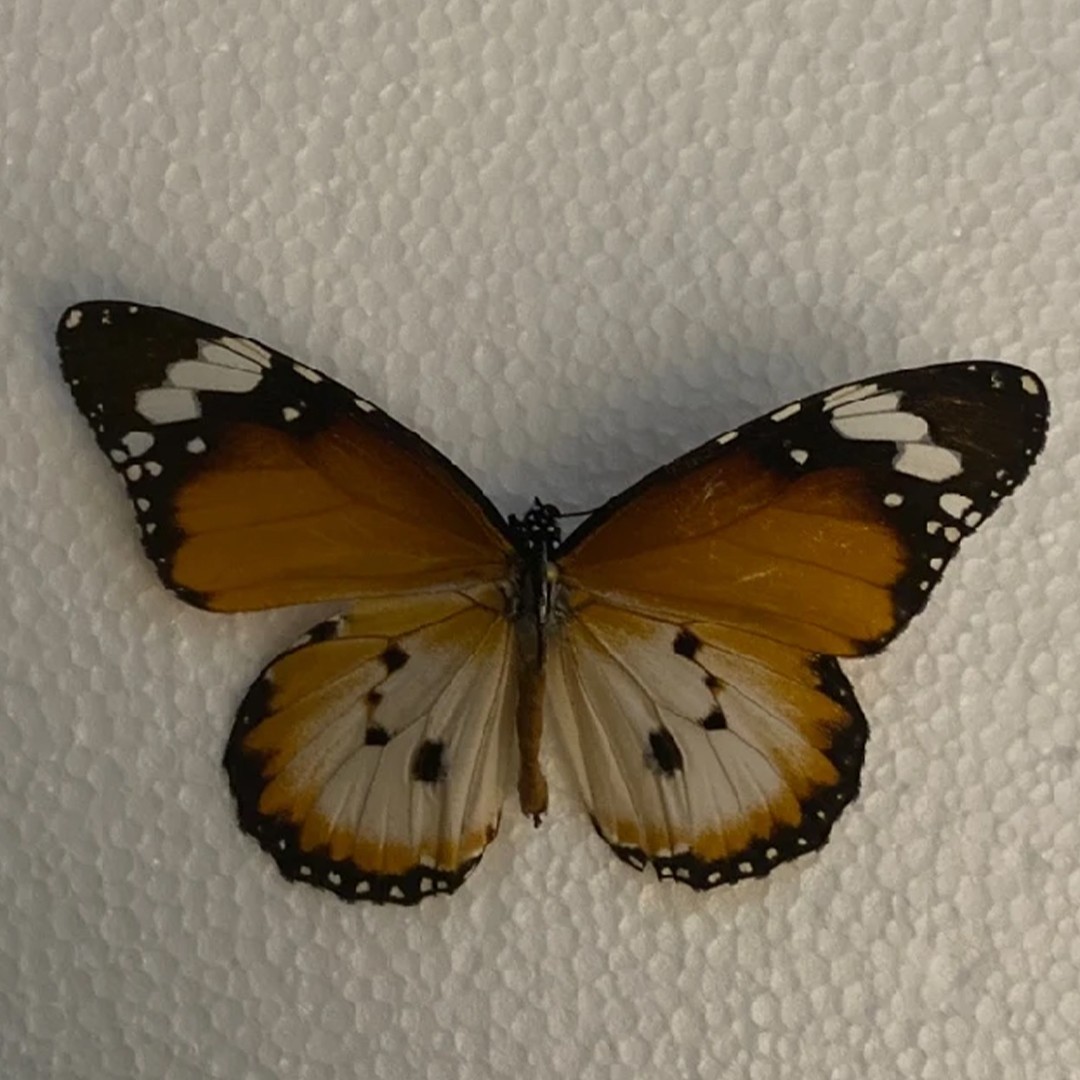
6. Plain tiger butterfly
D. chrysippus is a medium-sized butterfly with a wingspan of about 7–8 cm (2.8–3.1 in). The body is black with many white spots. The wings are orange, the upperside brighter and richer than the underside. The apical half of the forewing is black with a white band. The hindwing has three black spots in the center. The wings are bordered in black and outlined with semicircular white spots. This species exhibits slight sexual dimorphism, as the Male has large scent glands on his hindwings, which the female lacks. They appear as a large black spot with a white centre if viewed from the underside D. chrysippus is a polymorphic species, so the exact coloring and patterning vary within and between populations. It is similar in appearance to the Indian fritillary (Argynnis hyperbius), which may coexist with it.
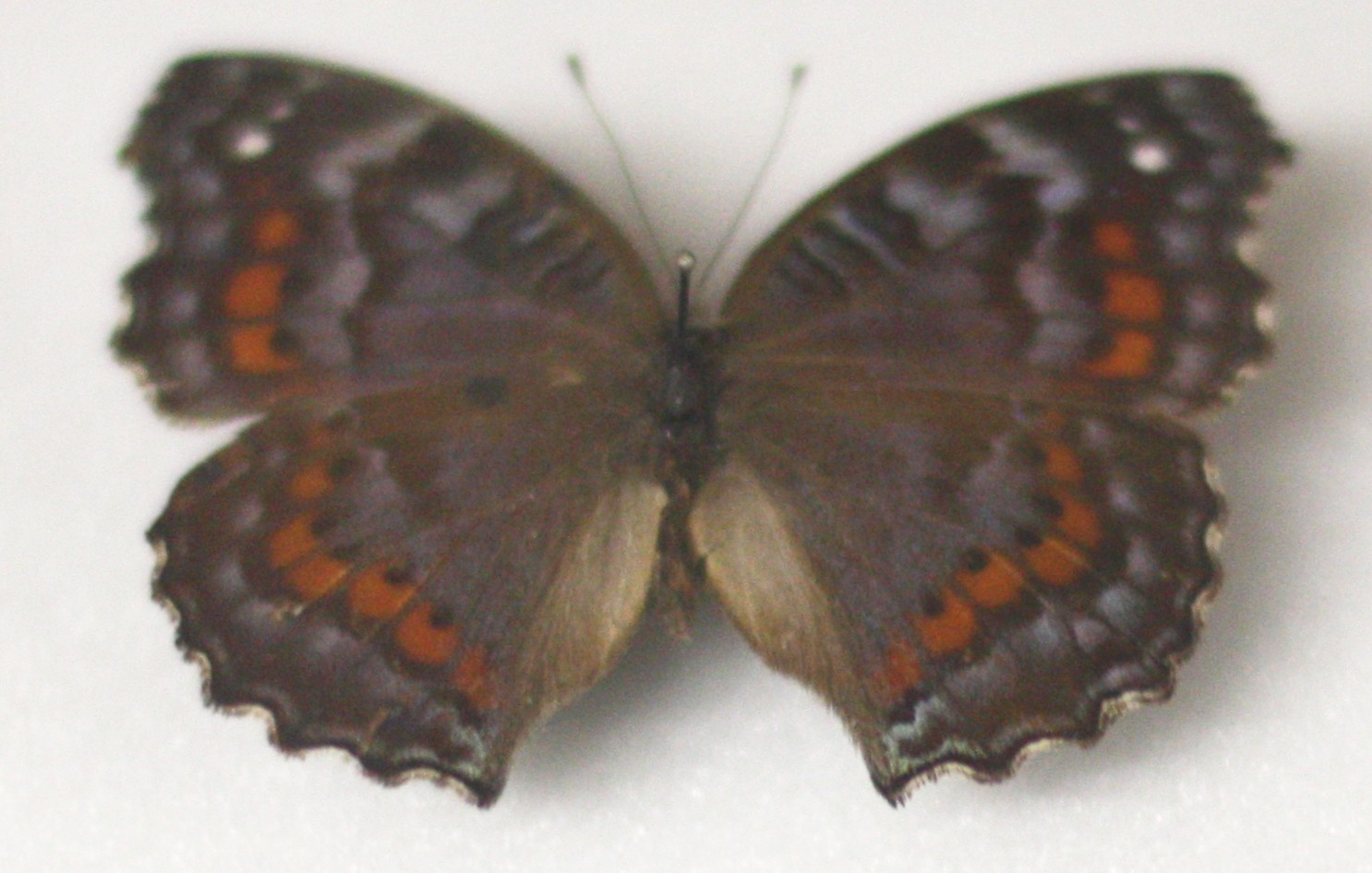
7. Gaudy commodore
It has a wet season form, which is orange with a pinkish flush and black markings on the upperside, and a dry season form which is shining blue with a vivid red band on the hindwing.







