




Top 20 Most Common Insects in Halifax
Insects, with their incredible diversity and adaptability, are a vibrant part of Halifax's various environments. From coastal terrain to forested areas, insect diversity within Halifax reflects unique geographical factors. These diminutive creatures play pivotal roles in our ecosystem, be it as pesky intruders or beneficial polliantors. Our list, the 'Top 20 Most Common Insects of Halifax', offers fascinating insight into these everyday wonders.

Most Common Insects
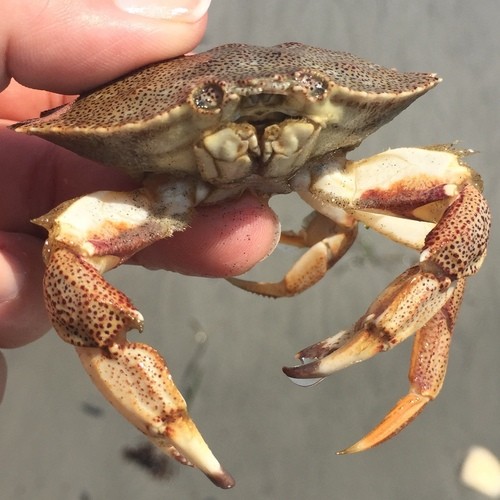
1. Atlantic rock crab
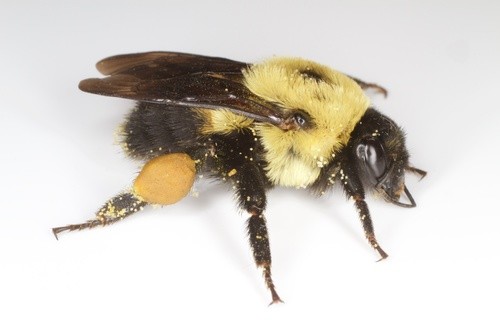
2. Common Eastern Bumble Bee
The common Eastern Bumble Bee (Bombus impatiens) is one of the most important pollinator bees in North America. A decline in the bee population will lead to financial hardships for farmers and reduced food yield. Their efficiency in pollination and foraging comes from their ability to drop "traplines." These lines guide other bees to the correct path for food while informing them of depleted locations.
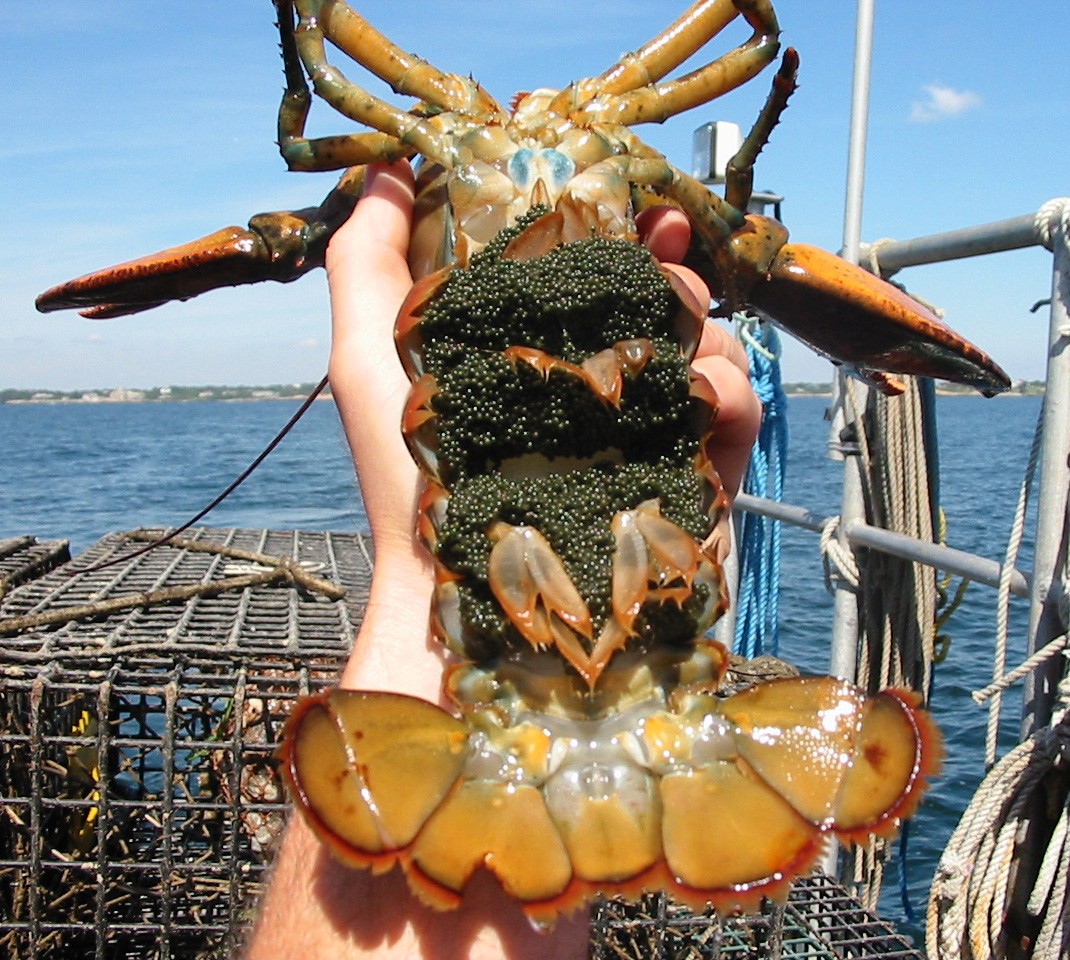
3. American lobster
American lobsters (Homarus americanus) are the heaviest crustaceans in the world, reaching a weight of up to 20 kg. They are major commercial products in the northeastern US and Canada. Female american lobsters will only mate shortly after molting, and can store a male's sperm for up to 15 months. Once fertilized, the eggs will adhere to the underside of the mother's body until they hatch.

4. Multicolored asian ladybeetle
Often confused for the ladybug, multicolored asian ladybeetle (Harmonia axyridis) is a separate species that, unlike the ladybug, is a household pest. It is considered particularly annoying for its habit of returning to places from which it is removed. One of the most variable species in the world, there are many different colors and patterns multicolored asian ladybeetle may display, making identification potentially difficult.
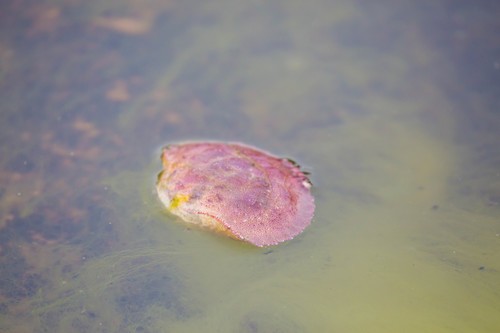
5. Jonah crab
6. Orange-belted bumble bee
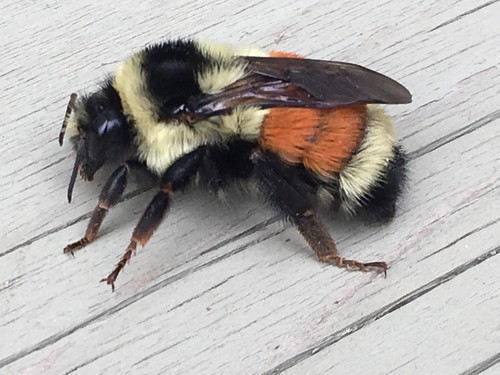
Bombus ternarius is a small, fairly slender bumblebee. The queen is 0.67–0.75 in long and the breadth of the abdomen is 0.33–0.35 in. The workers are 0.31–0.51 in, and the drones are 0.37–0.51 in in length. Both the worker and the drone have abdomens about 0.18–0.22 in in breadth. The queen and workers have black heads, with a few pale yellow hairs. The anterior and posterior thorax and the first and fourth abdominal segments are yellow, abdominal segments 2 to 3 are orange, and the terminal segments are black. The queen and the workers are close in resemblance, and the most striking difference between them is in the size of their fat deposits. Workers have very little fat, particularly in their abdomen, leaving plenty of room for the honey stomach, an enlargement of the oesophagus in which nectar can be stored on foraging trips. In contrast, in young queens, the abdomen is largely full of fat.The drone has a yellow head with a few black hairs. The coloration of the thorax and abdomen is similar to that of the females, with the exception that the last abdominal segments are yellow on the sides. The fur of the drone is longer than that of the females. 
7. Monarch butterfly
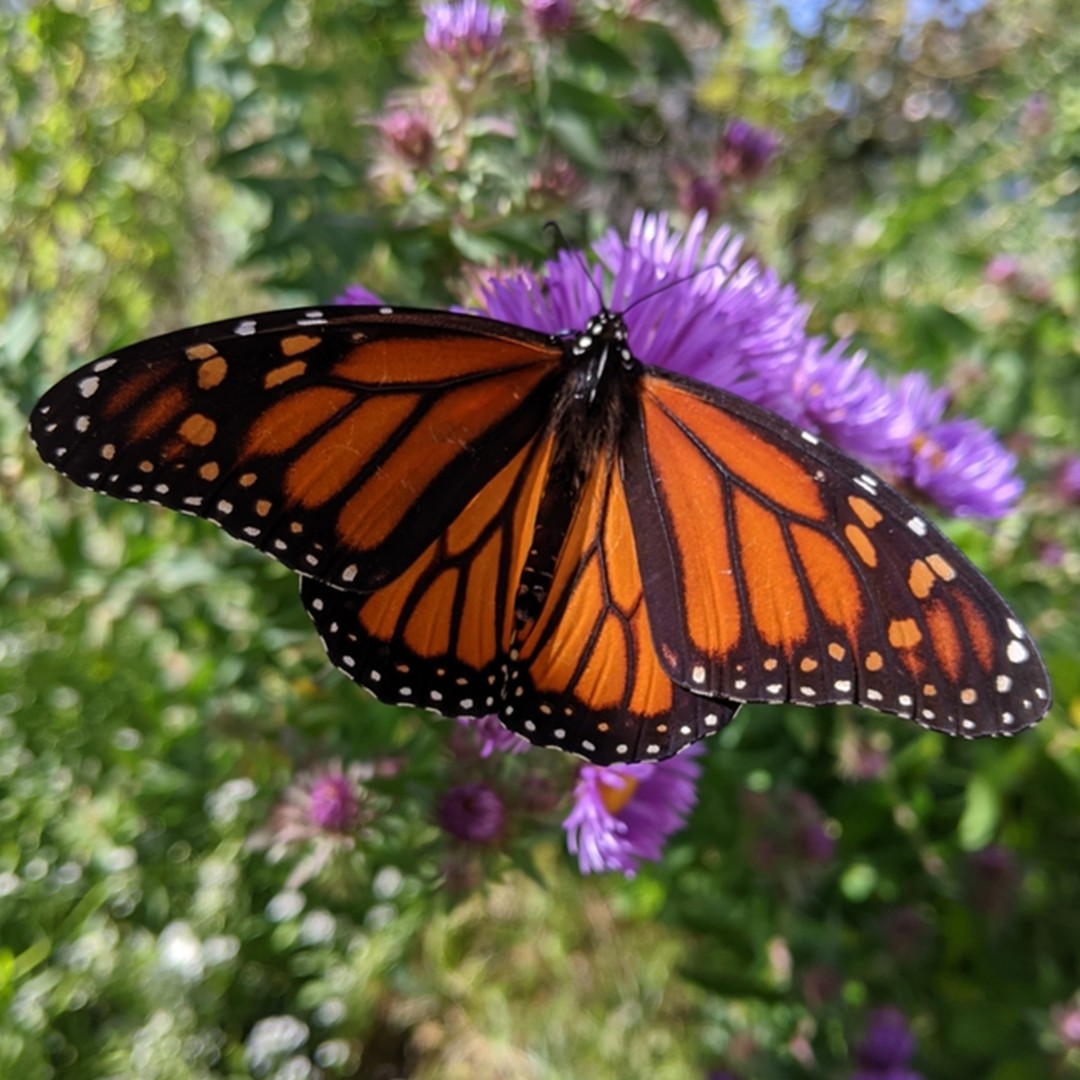
The monarch butterfly (Danaus plexippus) is the most recognizable butterfly in North America. It is best known for its appearance, but should be better known for the fact that it has a 3000-mile migration that takes the butterfly 4 generations to complete. Their diet is also a natural deterrent for predators, as they eat milkweed, a poison that induces vomiting.
8. Western honey bee
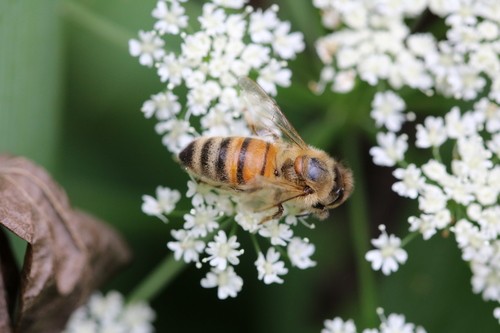
Western honey bee(Apis mellifera) is the most common species of honeybee in the world. Among the first domesticated insects, its cultural and economic impact on humanity has been vast and far-reaching, providing honey, wax and its services as a pollinator. Western honey bee faces challenges worldwide, such as colony collapse disorder, and populations are thought to be decreasing.
9. Crowned orbweaver
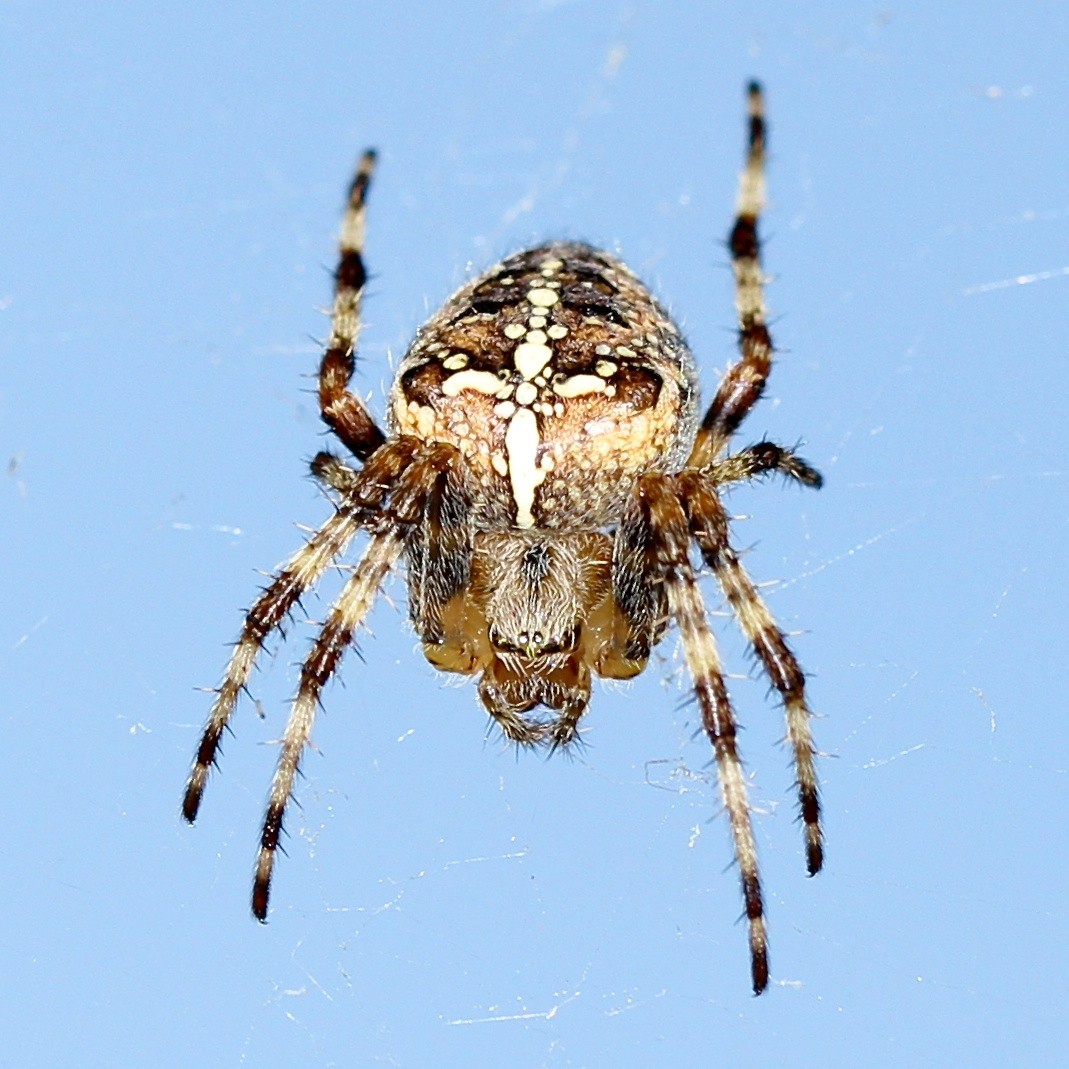
A common species of orb-weaver, crowned orbweaver (Araneus diadematus) builds large and noticeable webs. Only the females build webs, and they may prey upon their mates before, during or after engaging in sexual intercourse. Crowned orbweaver is reluctant to bite humans and will not do so unless scared or provoked. It avoids danger by vibrating in its web until it becomes a blur, confusing predators.
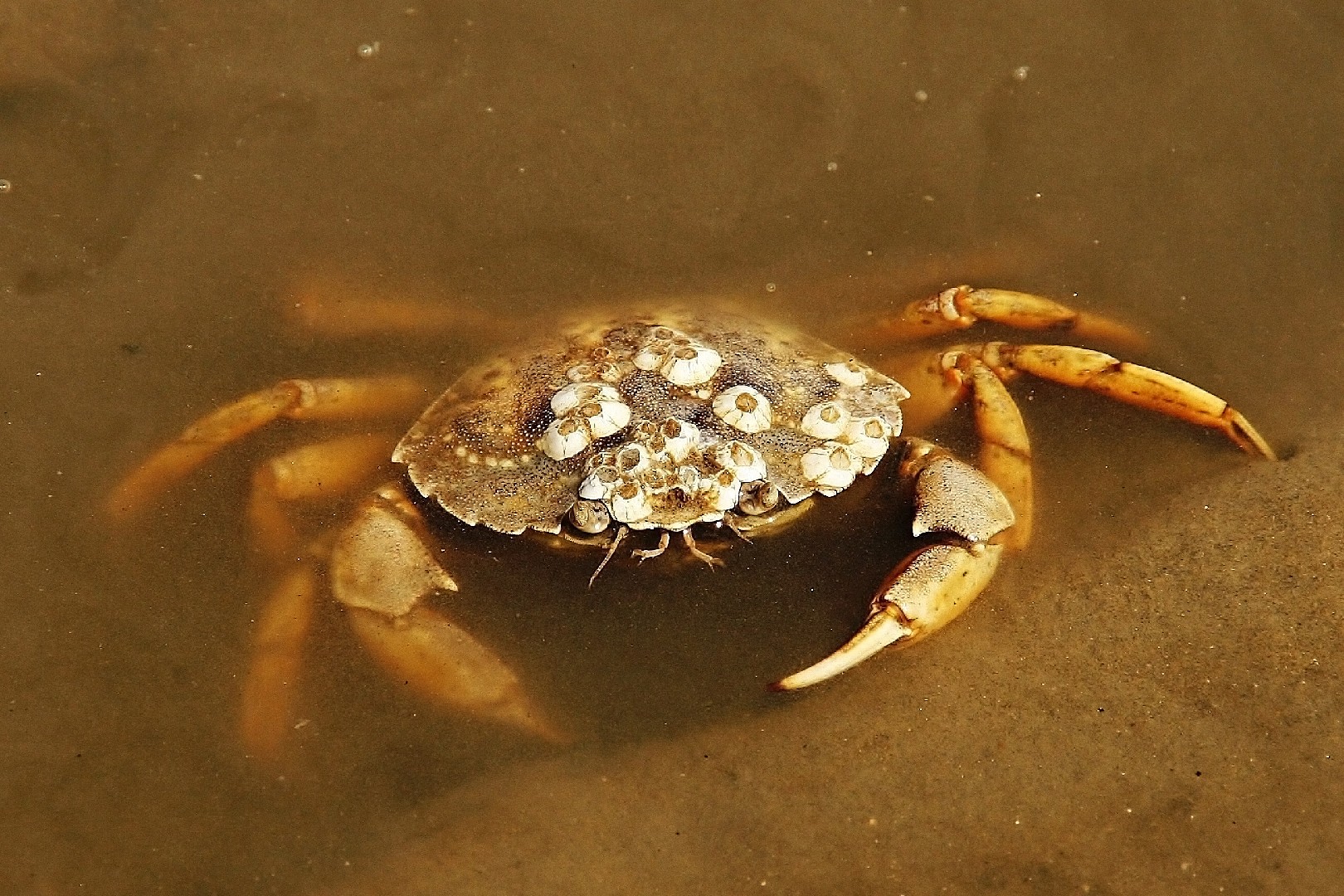
10. Shore crab
C. maenas has a carapace up to 90 mm (9.0 cm) long and 210 mm (8.3 in) wide, but can be larger outside its native range, reaching 713 mm (28.1 in) wide in British Columbia. The carapace has five short teeth along the rim behind each eye, and three undulations between the eyes. The undulations, which protrude beyond the eyes, are the simplest means of distinguishing C. maenas from the closely related C. aestuarii, which can also be an invasive species. In C. aestuarii, the carapace lacks any bumps and extends forward beyond the eyes. Another characteristic for distinguishing the two species is the form of the first and second pleopods (collectively the gonopods), which are straight and parallel in C. aestuarii, but curve outwards in C. maenas. The colour of C. maenas varies greatly, from green to brown, grey, or red. This variation has a genetic component, but is largely due to local environmental factors. In particular, individuals which delay moulting become red-coloured rather than green. Red individuals are stronger and more aggressive, but are less tolerant of environmental stresses, such as low salinity or hypoxia. Juvenile crabs on average display greater patterning than adults.

More







