




Top 20 Most Common Insects in Ottawa
Welcome to the fascinating world of insects in Ottawa! This region, teeming with diverse biomes, hosts a myriad of these tiny creatures, each unique in form and function. Their diversity is influenced not only by climate but geography too. Insects, both nuisance and beneficial kinds, play vital roles in our ecosystem - from pollinating plants to controlling pests. So let's delve into '20' of the most common insects that make Ottawa their home.

Most Common Insects
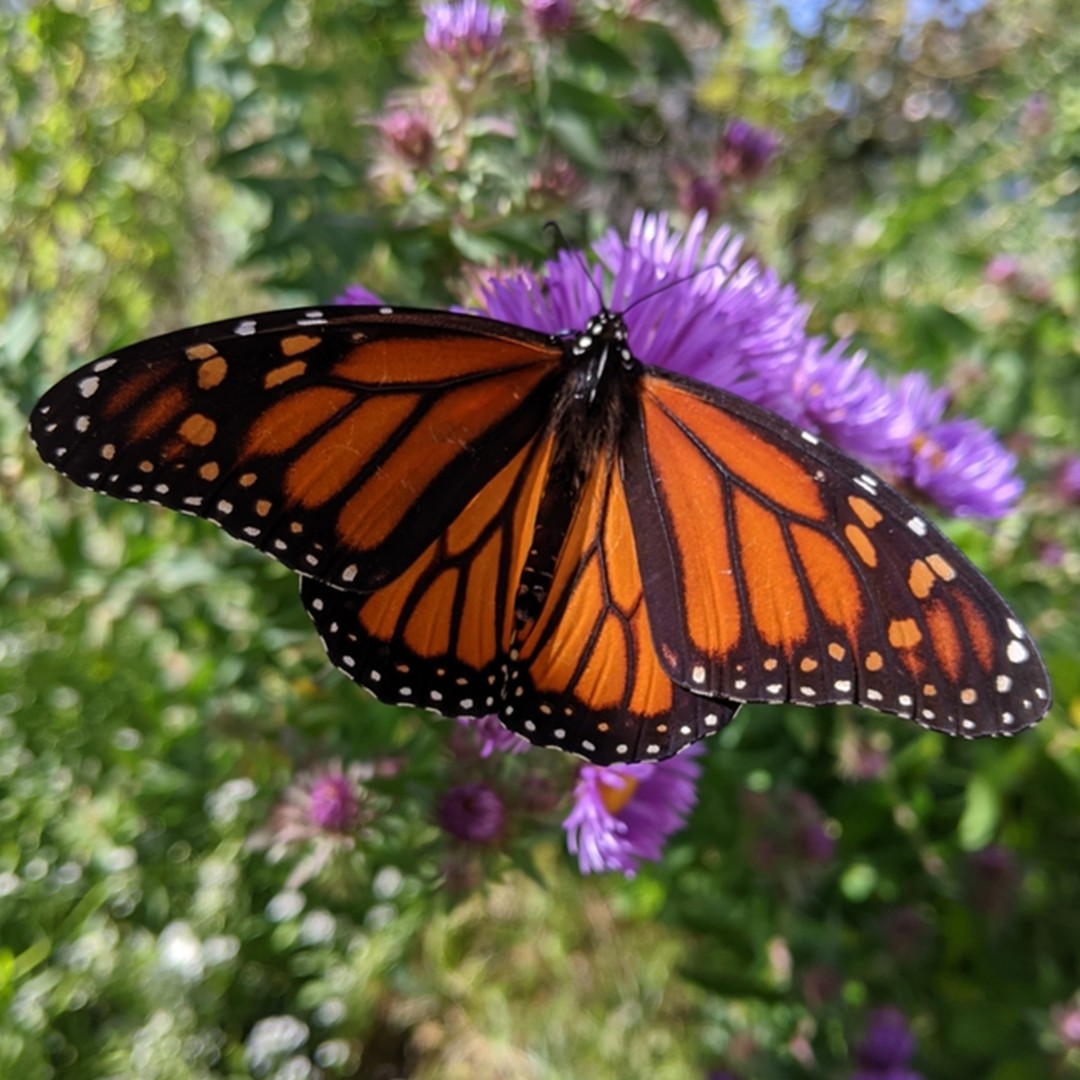
1. Monarch butterfly
The monarch butterfly (Danaus plexippus) is the most recognizable butterfly in North America. It is best known for its appearance, but should be better known for the fact that it has a 3000-mile migration that takes the butterfly 4 generations to complete. Their diet is also a natural deterrent for predators, as they eat milkweed, a poison that induces vomiting.
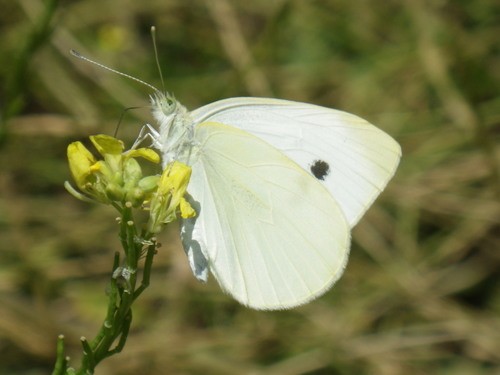
2. Cabbage white
Cabbage white (Pieris rapae) derives its common name from its habits as a caterpillar, which is a ferocious pest for cabbage, kale and broccoli farmers. In North America, it is one of the first butterflies to emerge in spring, heralding the beginning of the season.
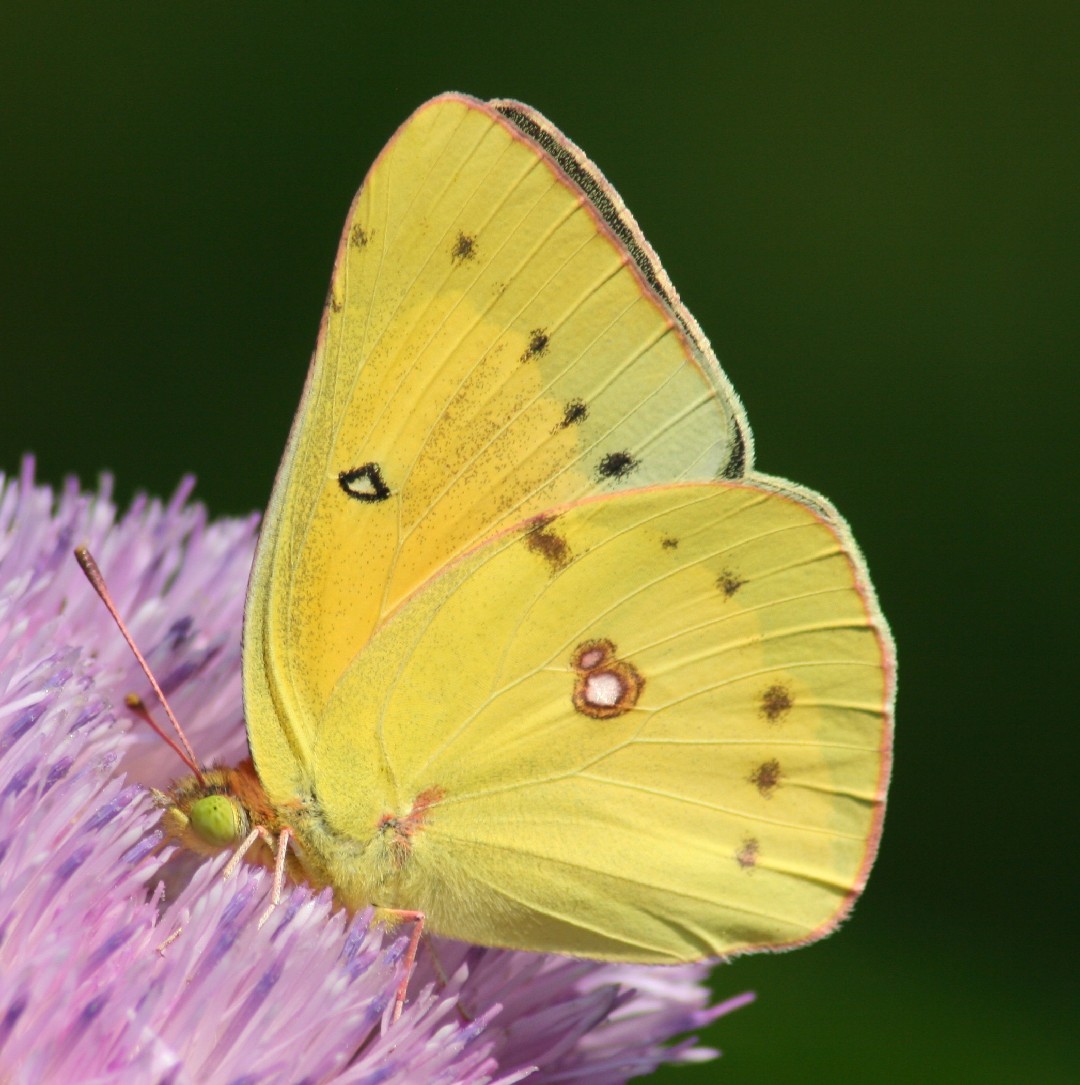
3. Clouded Sulphur
The scientific name is Colias philodice, also known as the clouded Sulphur. It is very commonly seen in North America with pale yellow wings, which have solid black borders on the upper surface and a doubled hindwing spot trimmed in brownish red. Interestingly, the wing color of the clouded Sulphur varies in a seasonal manner from white to yellow and the spots on the wings also change as well, being more pronounced during the cool months in spring and fall.
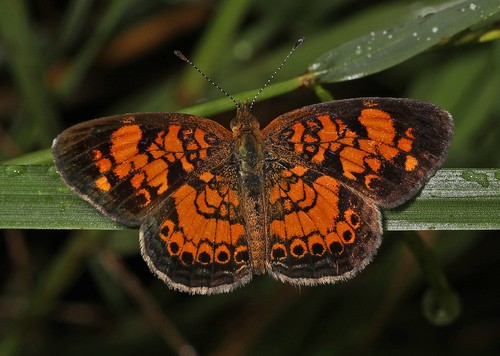
4. Pearl crescent
The pearl crescent (Phyciodes tharos) is an orange butterfly that lives in open areas that are generally moist and sunny. These butterflies are attracted to puddles, and the males will often fight with other male butterflies that land near the same puddle. However, females are not as aggressive and prefer to stay in groups.
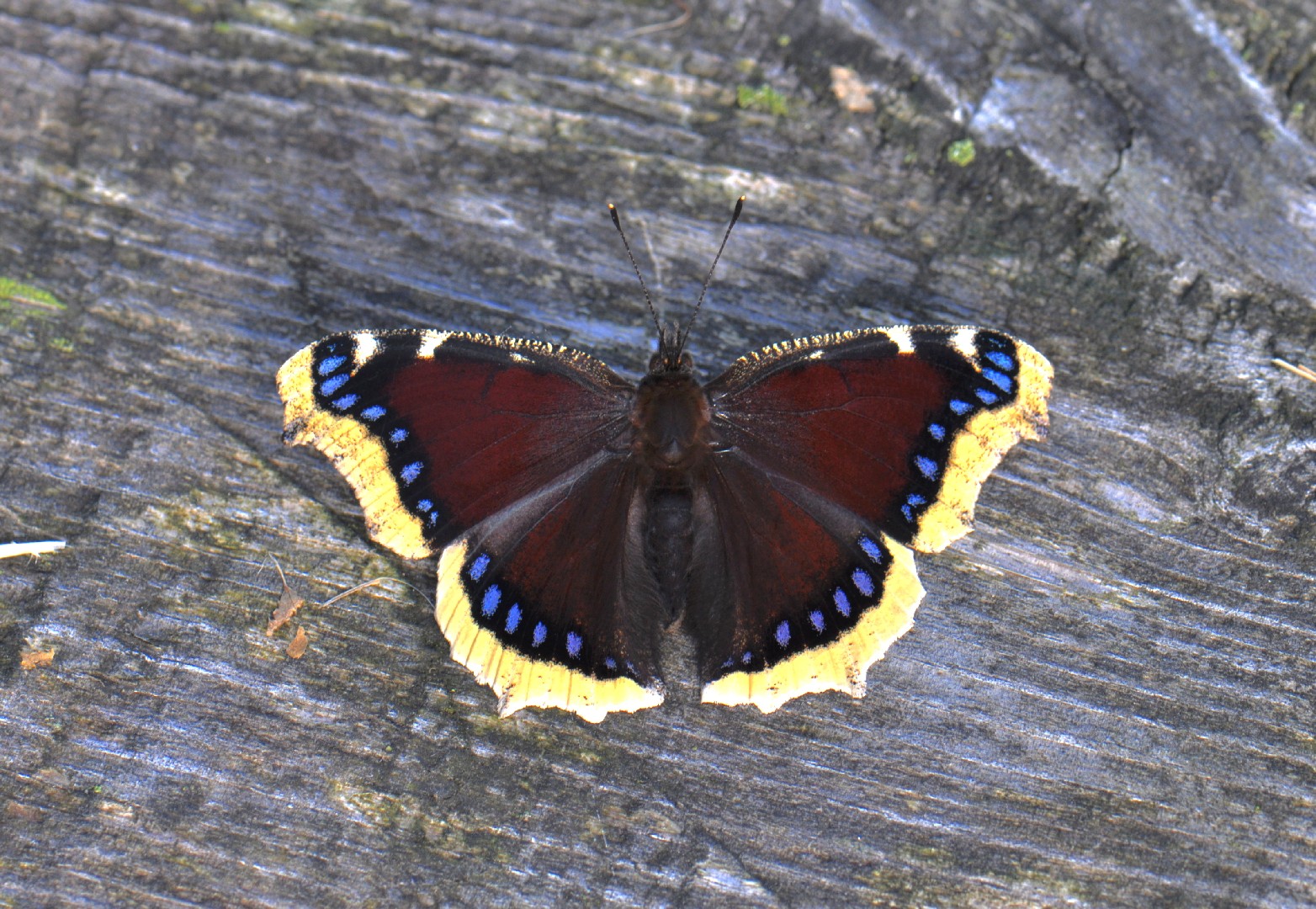
5. Mourning cloak
The state insect of Montana, mourning cloak (Nymphalis antiopa) owes its name to a visual comparison with a girl who, disliking mourning, allows a few inches of color to show from under her mourning garb. Among the longest-lived butterflies, individuals may persist for as long as eleven to twelve months. It is a powerful flier, with vagrants often found many miles from the usual migration paths.
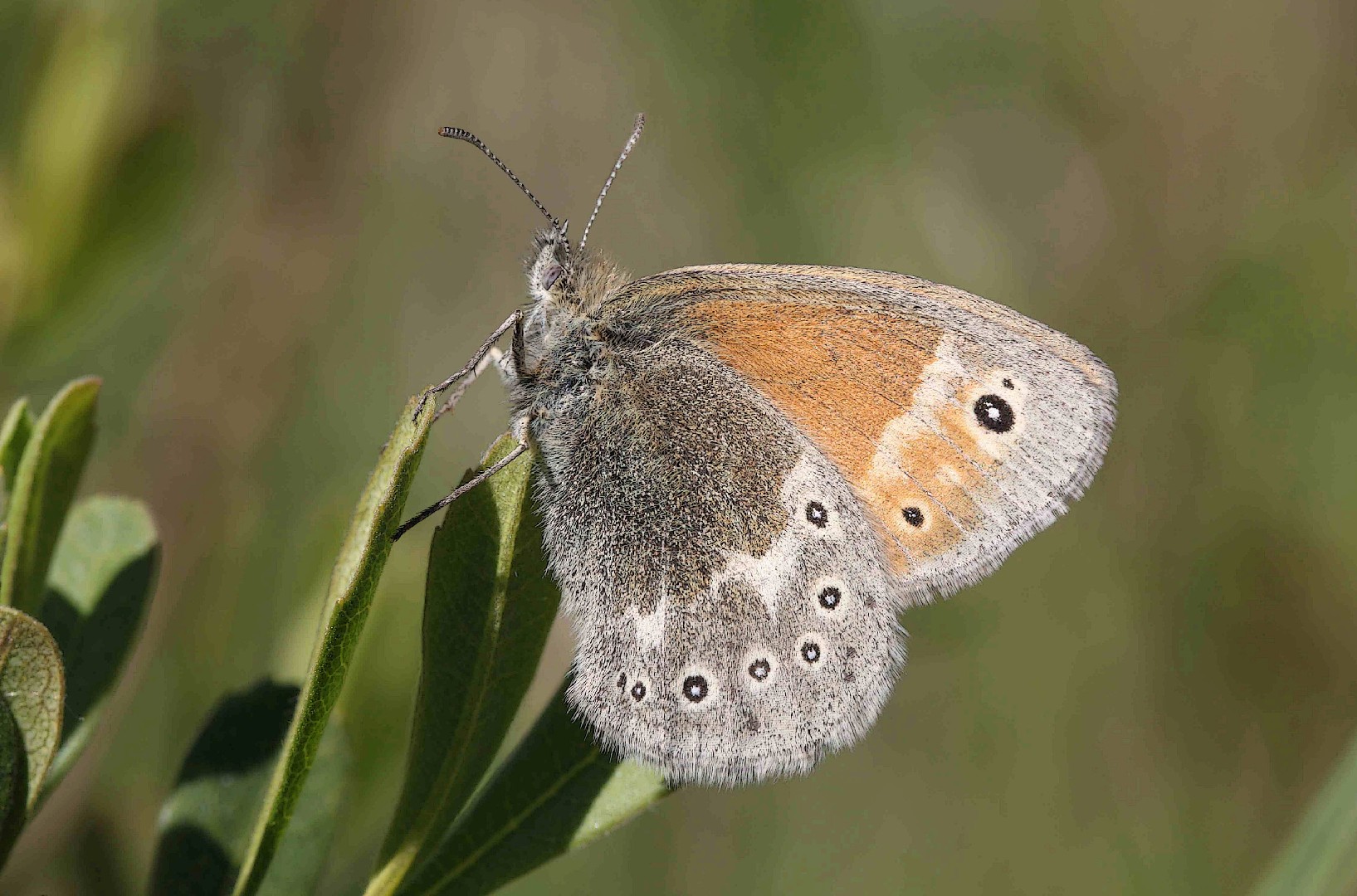
6. Large heath
The moths are very different in size and reach a wing span of 27 to 40 mm. They have very variable wing tops, from pale yellowish and ocher yellow to brownish. Mostly on the forewing underside near the tip of a small, brightly knurled eye spot is formed, which often shines on the top. At the leading edge there are sometimes further smaller eye spots. On the darker colored light, dark brown or gray rear wing underside as well usually several white or brightly gerandete black Augenflecken are to be seen with silver point, which can also be missing. Unmistakable feature of the species is there a white irregular and interrupted bandage, which already begins at the front edge of the hind wings. The egg is large, ovate and very finely meshed. It is initially pale yellowish green and later marbled reddish brown. The hairless caterpillar is about 25 millimeters long and has small, yellowish point warts and is tapered backwards. It is light green in Europe with a narrow, dark midline and a narrow upper white-yellow and dark upper bound and a lower broader, pale yellow and sharply delineated line. In North America, it varies from green to olive green to brown and has alternately bright and dark vertical stripes. At the end of the abdomen they carry two small pink lobes, which mark the caterpillars of the eye-butterflies (Satyrinae). The head is green or tan. The pupa is green in Europe and North America with light longitudinal lines and in California green to brown.
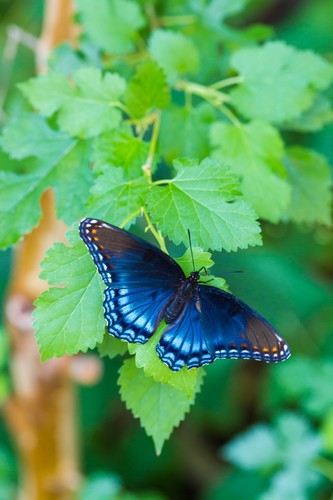
7. Red-Spotted Purple
The red-Spotted Purple (Limenitis arthemis) is a beautiful butterfly that shows off a metallic-blue color. They are also known as White Admirals due to the brilliant, white band that is seen on them. Males are incredibly aggressive in defending areas that have high female traffic. They will regularly patrol these areas to ensure other males do not take over claimed territories.
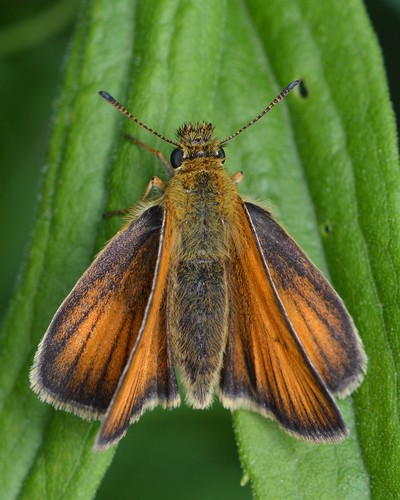
8. Essex skipper
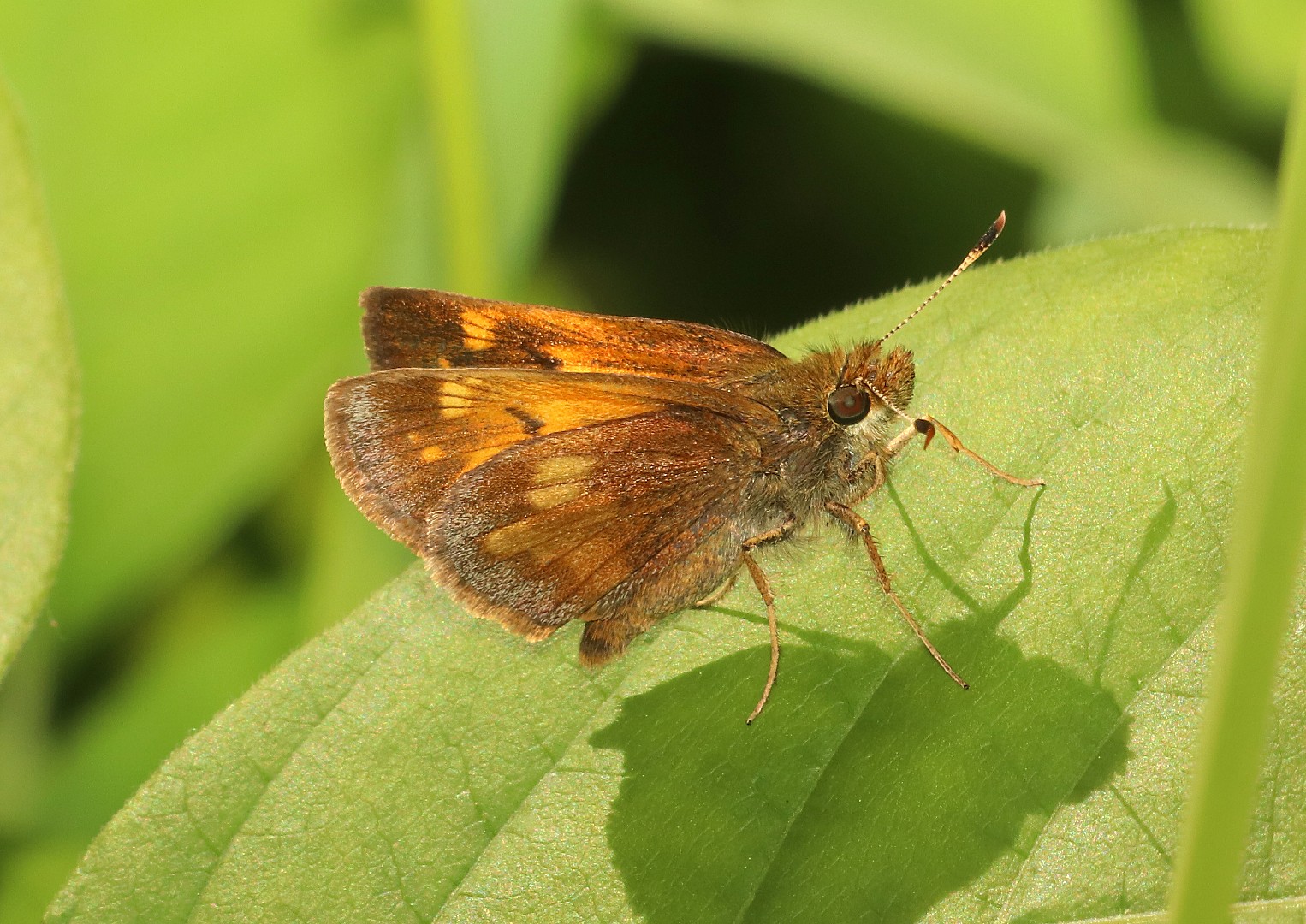
With a wingspan of 2.5 - 3 cm, it is very similar in appearance to the small skipper Thymelicus sylvestris. They can be told apart by the undersides of the tips of their antennae: the essex skipper's antennae are black, whereas those of the small skipper are orange. 
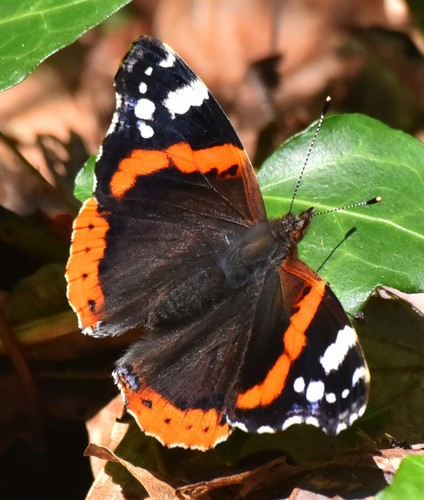
9. Red admiral
Red admiral (Vanessa atalanta) is a visually striking species of butterfly. Unusually territorial, males will compete for choice areas, and females will only mate with males that maintain their own territories. This butterfly is known for being particularly patient with human interactions, even to the point of perching on clothing or flesh.
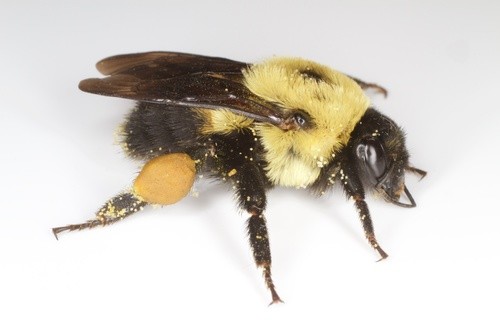
10. Common Eastern Bumble Bee
The common Eastern Bumble Bee (Bombus impatiens) is one of the most important pollinator bees in North America. A decline in the bee population will lead to financial hardships for farmers and reduced food yield. Their efficiency in pollination and foraging comes from their ability to drop "traplines." These lines guide other bees to the correct path for food while informing them of depleted locations.


More







