




Top 20 Most Common Insects in Montreal
Insects, with their unique traits and diverse habitats, are unsung heroes in Montreal's ecosystem. As each geographical area within Montreal presents its own unique environment, it contributes to a vibrant insect diversity. These organisms, often misunderstood as mere pests, are significant in pollination, waste decomposition, and forming the base of many food chains. Delve into our “Top 20 Most Common Insects of Montreal” list to explore these invaluable creatures further.

Most Common Insects
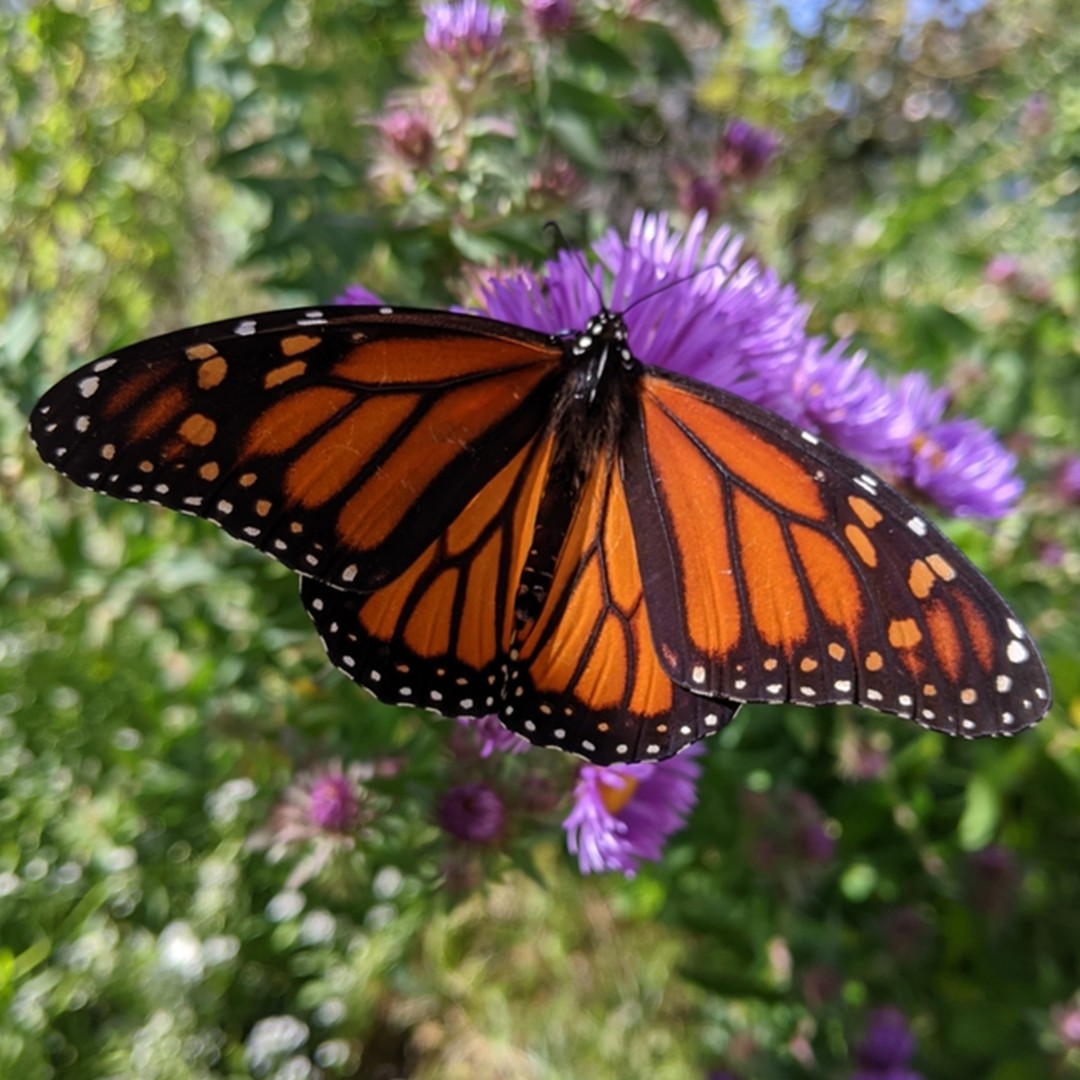
1. Monarch butterfly
The monarch butterfly (Danaus plexippus) is the most recognizable butterfly in North America. It is best known for its appearance, but should be better known for the fact that it has a 3000-mile migration that takes the butterfly 4 generations to complete. Their diet is also a natural deterrent for predators, as they eat milkweed, a poison that induces vomiting.
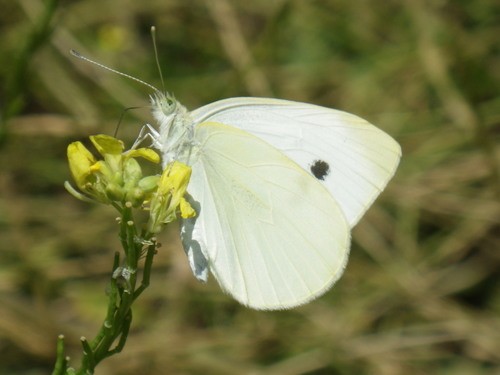
2. Cabbage white
Cabbage white (Pieris rapae) derives its common name from its habits as a caterpillar, which is a ferocious pest for cabbage, kale and broccoli farmers. In North America, it is one of the first butterflies to emerge in spring, heralding the beginning of the season.
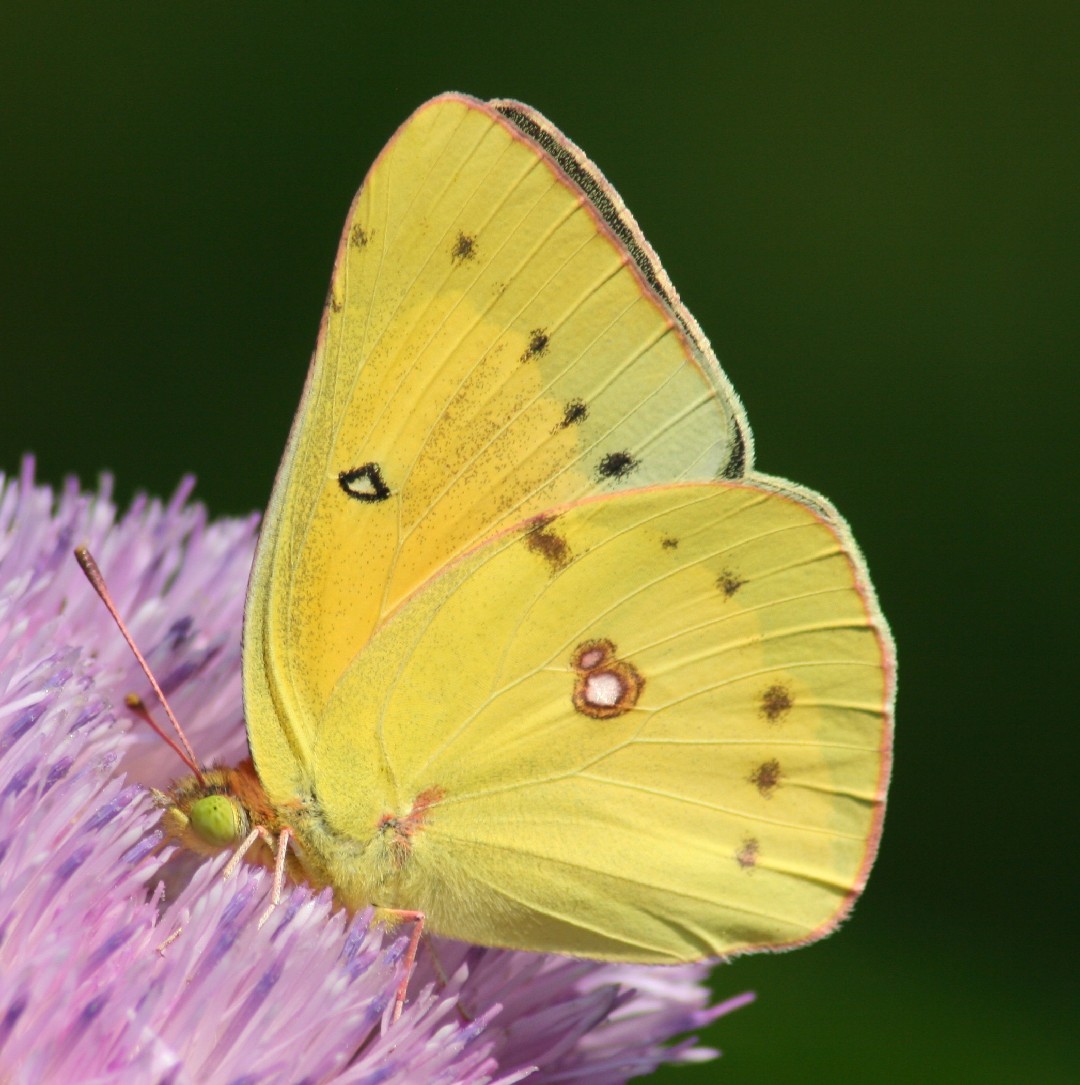
3. Clouded Sulphur
The scientific name is Colias philodice, also known as the clouded Sulphur. It is very commonly seen in North America with pale yellow wings, which have solid black borders on the upper surface and a doubled hindwing spot trimmed in brownish red. Interestingly, the wing color of the clouded Sulphur varies in a seasonal manner from white to yellow and the spots on the wings also change as well, being more pronounced during the cool months in spring and fall.
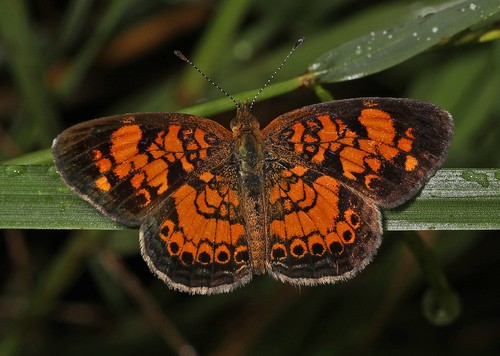
4. Pearl crescent
The pearl crescent (Phyciodes tharos) is an orange butterfly that lives in open areas that are generally moist and sunny. These butterflies are attracted to puddles, and the males will often fight with other male butterflies that land near the same puddle. However, females are not as aggressive and prefer to stay in groups.
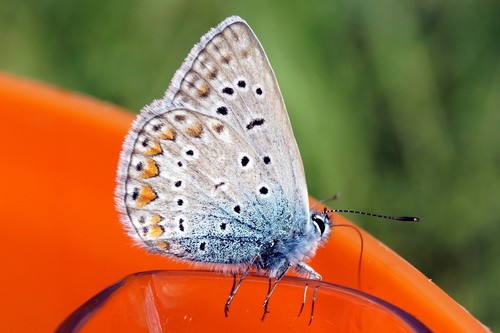
5. Common blue butterfly
Despite its common name, only male specimens of common blue butterfly (Polyommatus icarus) can accurately be described as blue; the females are predominately gray-brown, with only a dusting of blue and a scattering of orange spots. The adults live for only three weeks before dying.
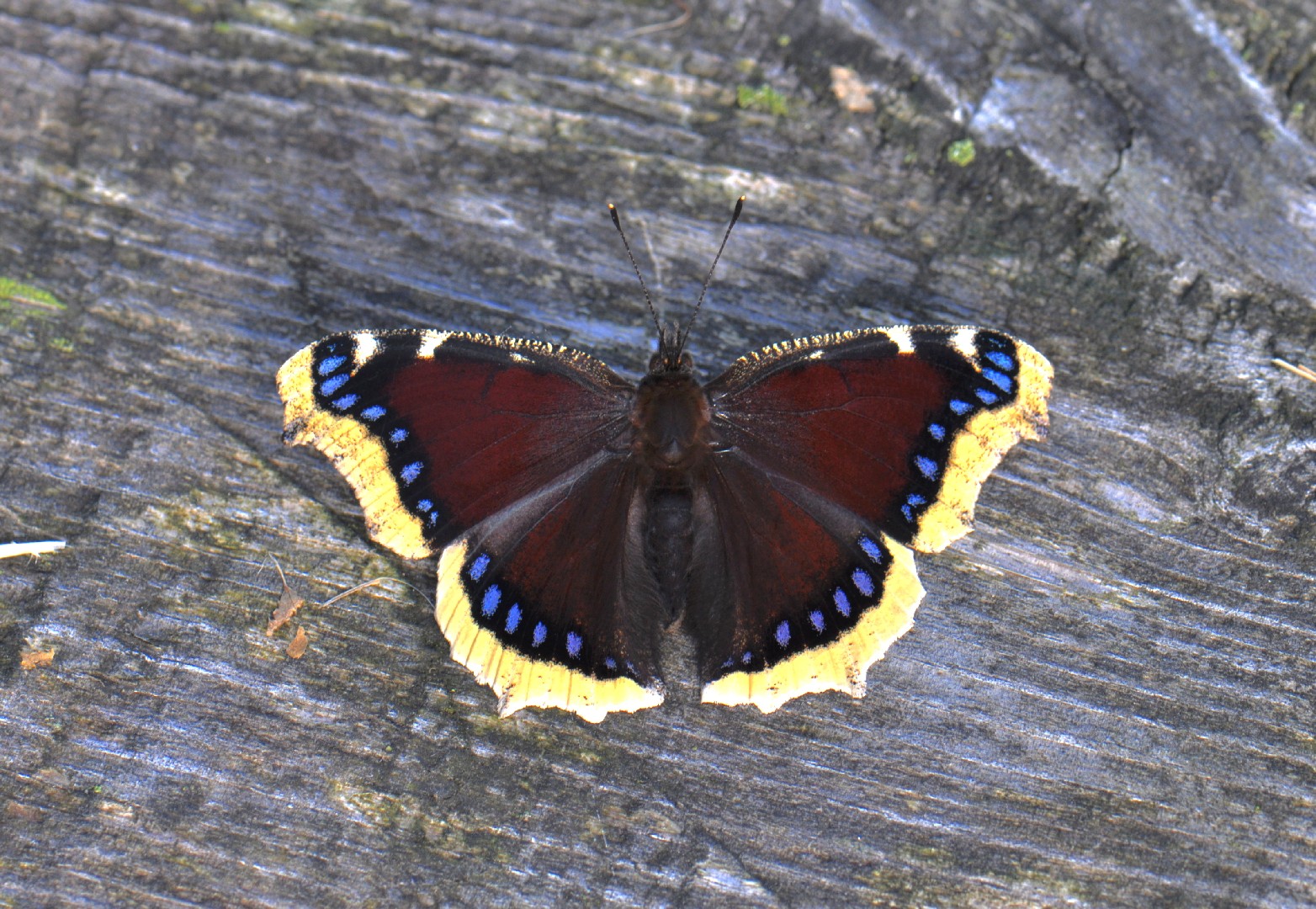
6. Mourning cloak
The state insect of Montana, mourning cloak (Nymphalis antiopa) owes its name to a visual comparison with a girl who, disliking mourning, allows a few inches of color to show from under her mourning garb. Among the longest-lived butterflies, individuals may persist for as long as eleven to twelve months. It is a powerful flier, with vagrants often found many miles from the usual migration paths.

7. Multicolored asian ladybeetle
Often confused for the ladybug, multicolored asian ladybeetle (Harmonia axyridis) is a separate species that, unlike the ladybug, is a household pest. It is considered particularly annoying for its habit of returning to places from which it is removed. One of the most variable species in the world, there are many different colors and patterns multicolored asian ladybeetle may display, making identification potentially difficult.
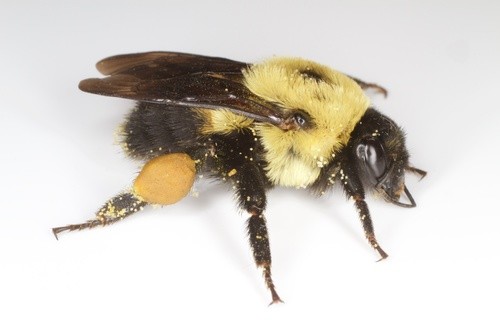
8. Common Eastern Bumble Bee
The common Eastern Bumble Bee (Bombus impatiens) is one of the most important pollinator bees in North America. A decline in the bee population will lead to financial hardships for farmers and reduced food yield. Their efficiency in pollination and foraging comes from their ability to drop "traplines." These lines guide other bees to the correct path for food while informing them of depleted locations.

9. Japanese Beetle
The japanese Beetle (Popillia japonica) was introduced to the Americas from a tourist's car in Nova Scotia. This beetle has been limited in its ability to fully infest the environment, but cannot be fully eradicated. A swarm of them have been known to strip an entire peach tree in a matter of minutes.
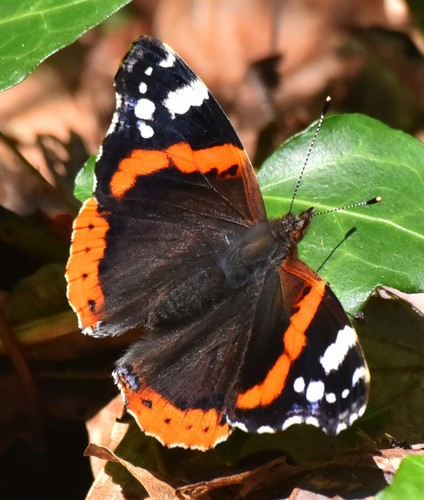
10. Red admiral
Red admiral (Vanessa atalanta) is a visually striking species of butterfly. Unusually territorial, males will compete for choice areas, and females will only mate with males that maintain their own territories. This butterfly is known for being particularly patient with human interactions, even to the point of perching on clothing or flesh.

More







