




Top 20 Most Common Insects in Quebec City
Insects, with their unique traits and diverse habitats, are unsung heroes in Quebec City's ecosystem. As each geographical area within Quebec City presents its own unique environment, it contributes to a vibrant insect diversity. These organisms, often misunderstood as mere pests, are significant in pollination, waste decomposition, and forming the base of many food chains. Delve into our “Top 20 Most Common Insects of Quebec City” list to explore these invaluable creatures further.

Most Common Insects
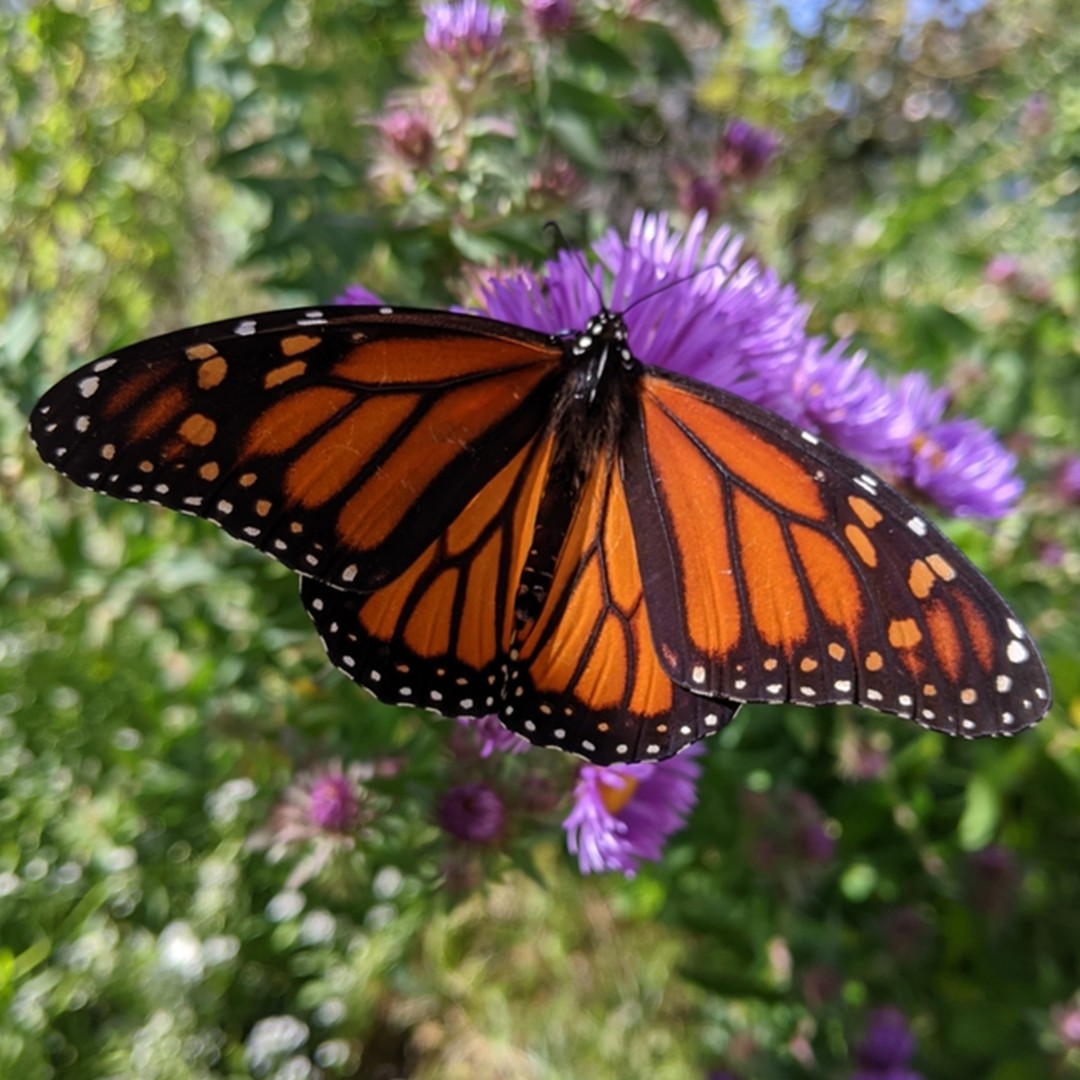
1. Monarch butterfly
The monarch butterfly (Danaus plexippus) is the most recognizable butterfly in North America. It is best known for its appearance, but should be better known for the fact that it has a 3000-mile migration that takes the butterfly 4 generations to complete. Their diet is also a natural deterrent for predators, as they eat milkweed, a poison that induces vomiting.

2. Multicolored asian ladybeetle
Often confused for the ladybug, multicolored asian ladybeetle (Harmonia axyridis) is a separate species that, unlike the ladybug, is a household pest. It is considered particularly annoying for its habit of returning to places from which it is removed. One of the most variable species in the world, there are many different colors and patterns multicolored asian ladybeetle may display, making identification potentially difficult.
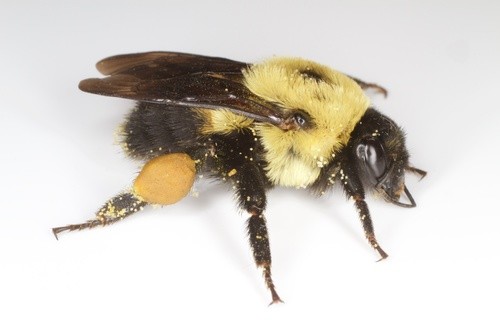
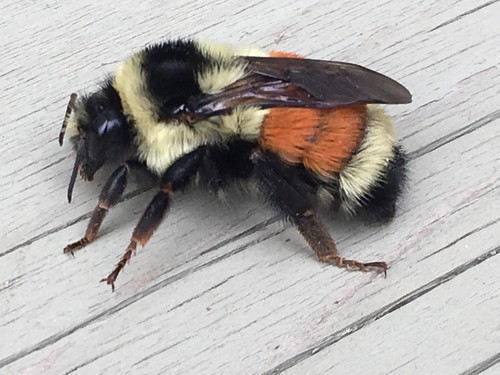
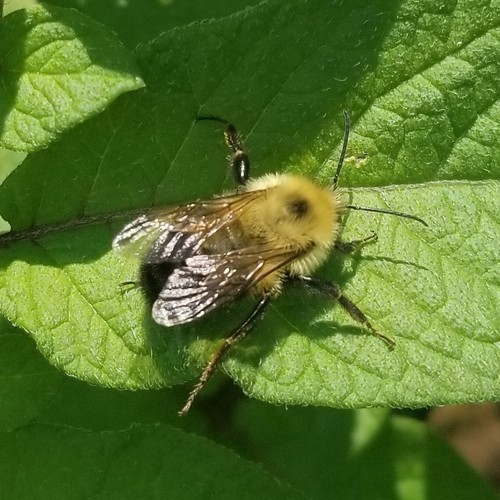
3. Common Eastern Bumble Bee
The common Eastern Bumble Bee (Bombus impatiens) is one of the most important pollinator bees in North America. A decline in the bee population will lead to financial hardships for farmers and reduced food yield. Their efficiency in pollination and foraging comes from their ability to drop "traplines." These lines guide other bees to the correct path for food while informing them of depleted locations.
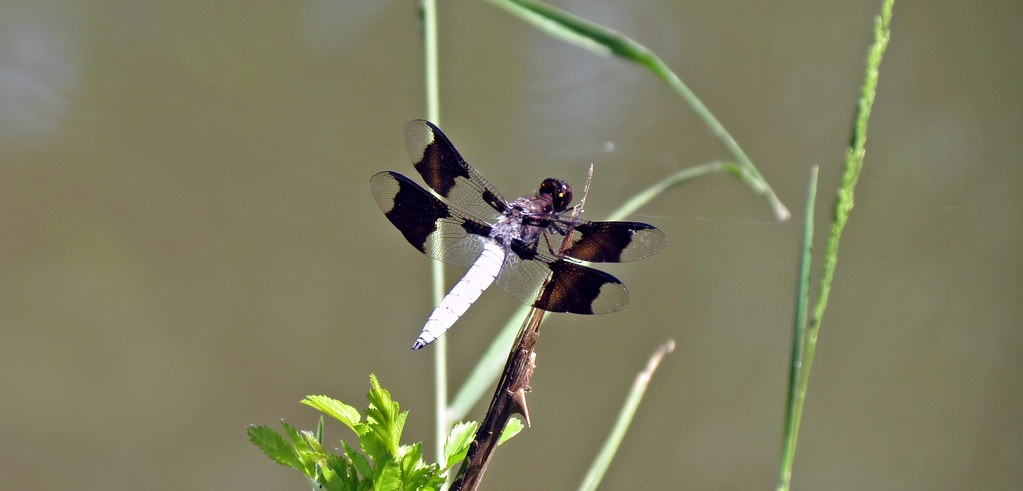
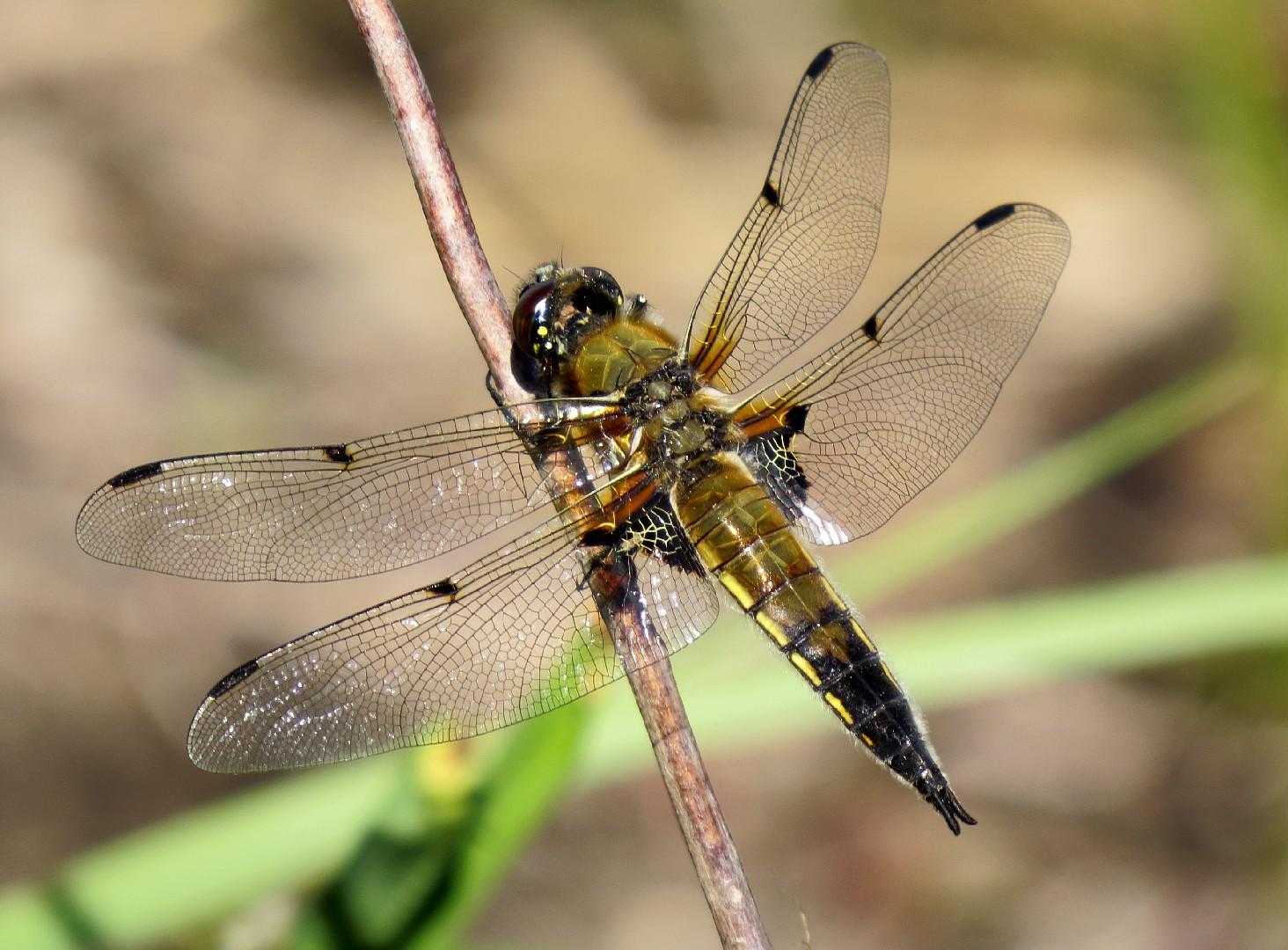
4. Common whitetail skimmer
Common whitetail skimmer has black bands on its translucent wings which make it easy to identify. The common whitetail skimmer is found throughout North America and serves a vital ecological purpose. The dragonfly’s compound eyes provide it with a 360-degree field of vision, allowing it to spot prey like spiders and other nuisance insects.
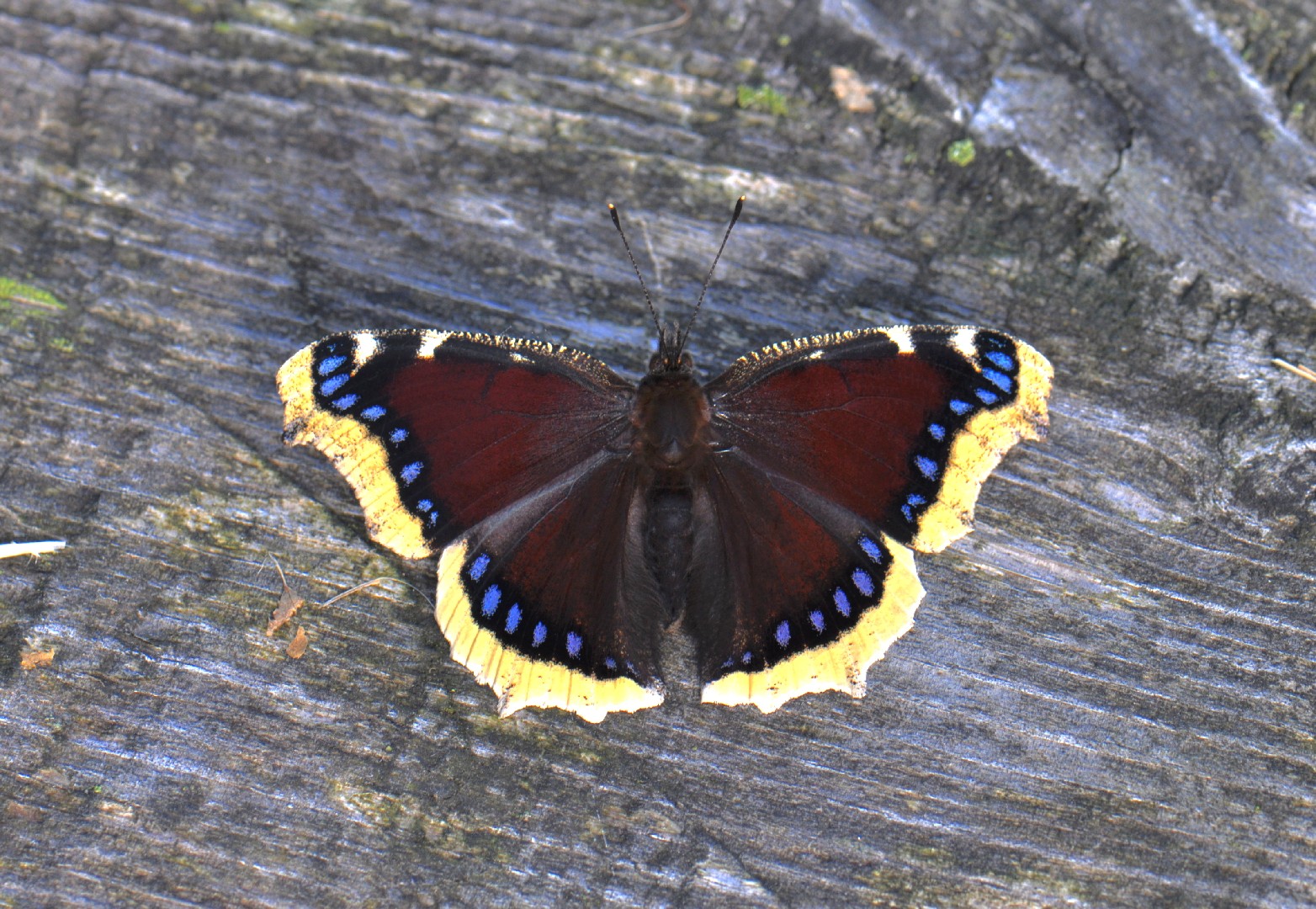
5. Mourning cloak
The state insect of Montana, mourning cloak (Nymphalis antiopa) owes its name to a visual comparison with a girl who, disliking mourning, allows a few inches of color to show from under her mourning garb. Among the longest-lived butterflies, individuals may persist for as long as eleven to twelve months. It is a powerful flier, with vagrants often found many miles from the usual migration paths.
6. Eastern forktail
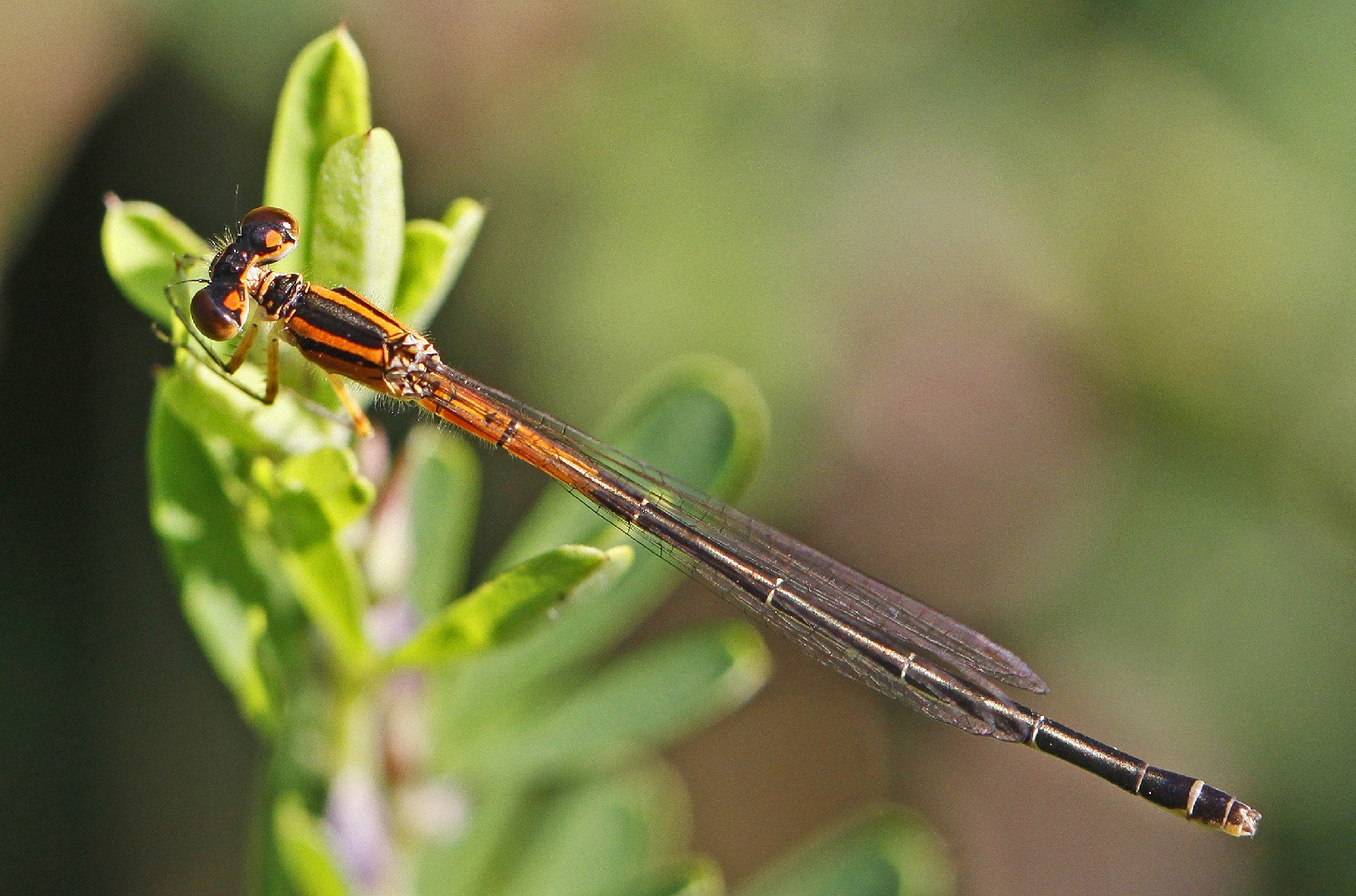
Ischnura verticalis can reach a body length of 2 - 3 cm. These small green, black and blue damselflies have a slender body with four wings folding over the back. The thorax of the males is black above, with pale green sides and green shoulder stripes. Eyes are dark above, greenish below. Abdomen is mainly black, with thin pale rings. The top of the abdomen (eighth and ninth abdominal segments) is blue, with black markings on sides. The males' abdomens shows tiny projections off the tip (hence the common name verticalis of this species). Females are usually grayish-blue, with greyish markings on the abdomen. In the immature female thorax is bright orange with black dorsal and shoulder stripes. The abdomen is black above and orange below. Eyes are dark above, orange below. The pterostigma is white to light brown. The females may be less commonly yellow-green like the male. 
7. Gypsy moth
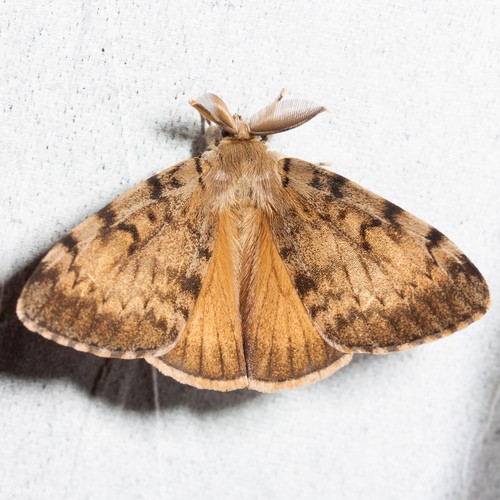
The gypsy moth (Lymantria dispar) spends nearly its entire life on the same host tree, stripping leaves off of it. However, they will occasionally fly as a colony from one host tree to another. They are commonly recognized by their fuzzy larvae, which have dark bodies with red and blue spots. The adults are usually a pale brown color though.
8. Red-Spotted Purple
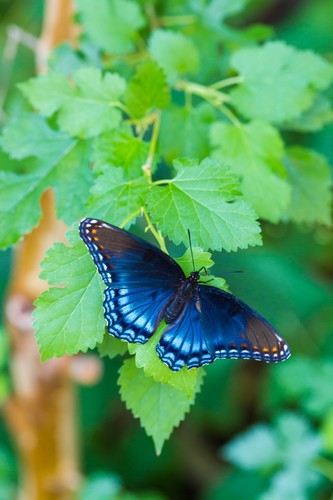
The red-Spotted Purple (Limenitis arthemis) is a beautiful butterfly that shows off a metallic-blue color. They are also known as White Admirals due to the brilliant, white band that is seen on them. Males are incredibly aggressive in defending areas that have high female traffic. They will regularly patrol these areas to ensure other males do not take over claimed territories.
9. Canadian tiger swallowtail
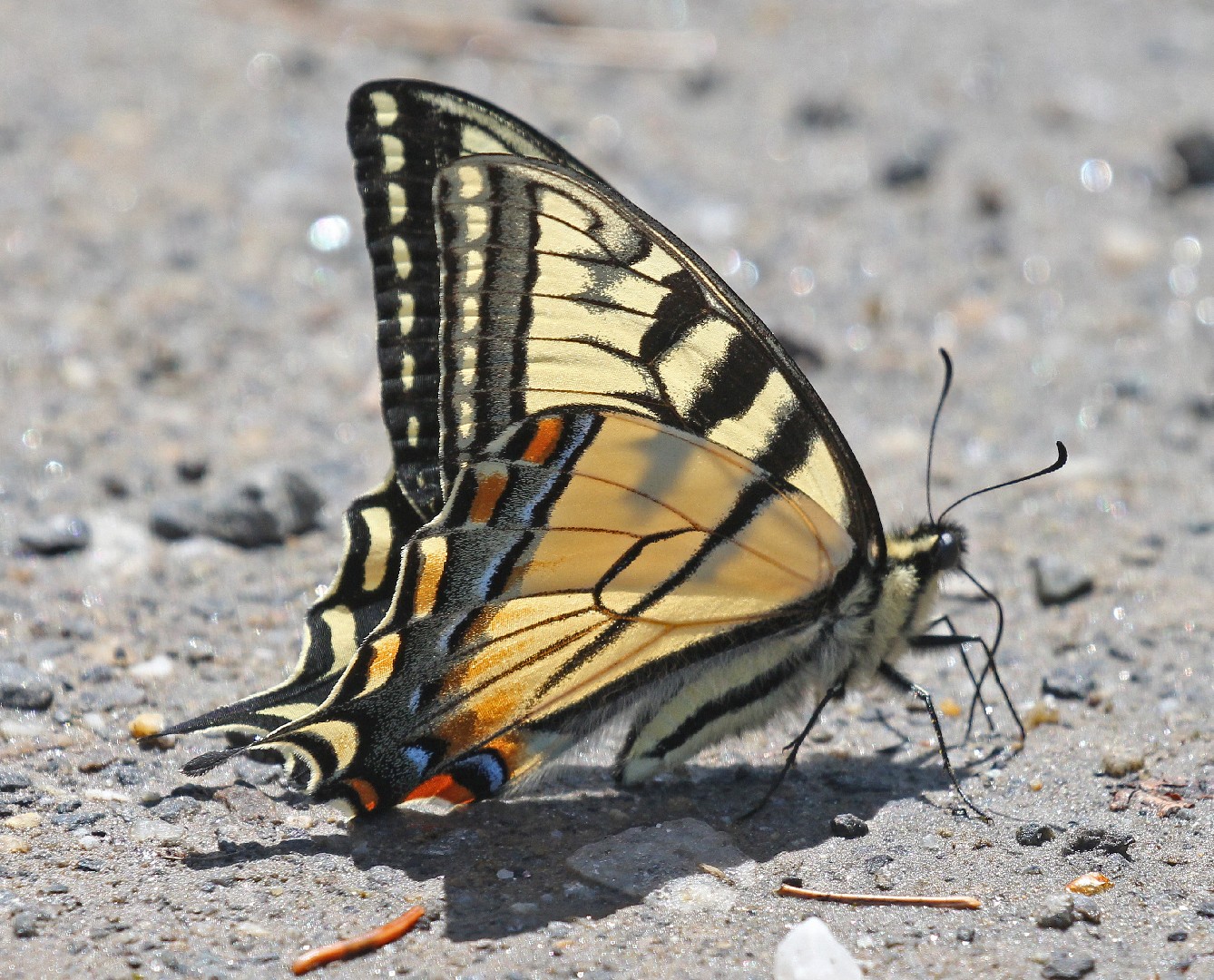
The canadian tiger swallowtail (Papilio canadensis) is a beautiful insect that has earned its name by resembling tiger stripes. They are one of the most popular species when it comes to puddling, which involves butterflies splashing around in mud puddles in an attempt to get nutrients. When mothers lay their eggs, they will fold leave around them as a protective and edible shell, making them great parents.
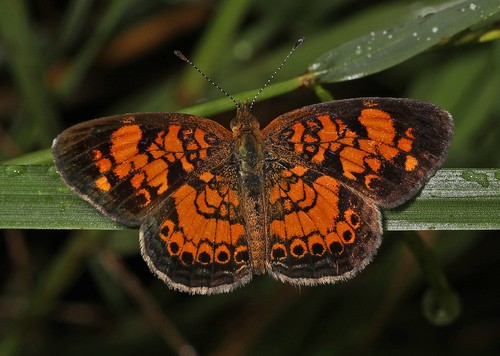
10. Pearl crescent
The pearl crescent (Phyciodes tharos) is an orange butterfly that lives in open areas that are generally moist and sunny. These butterflies are attracted to puddles, and the males will often fight with other male butterflies that land near the same puddle. However, females are not as aggressive and prefer to stay in groups.
More







