




Top 16 Most Common Insects in Chile
Insects, distinctive with their three-part bodies and two antennae, are at home in diverse environments within Chile. These environments, impacted by geography, climate, and human activity, significantly influence insect diversity. Both pest and beneficial insects play crucial roles, demonstrating the deep-seated connection between a country's habitats and its insect populations. Stay tuned as we delve into the top 16 most common insects found within this rich and varied ecosystem.

Most Common Insects
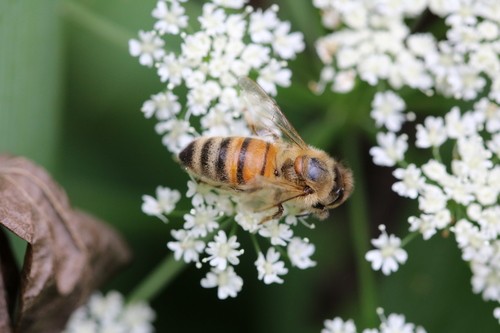
1. Western honey bee
Western honey bee(Apis mellifera) is the most common species of honeybee in the world. Among the first domesticated insects, its cultural and economic impact on humanity has been vast and far-reaching, providing honey, wax and its services as a pollinator. Western honey bee faces challenges worldwide, such as colony collapse disorder, and populations are thought to be decreasing.

2. Multicolored asian ladybeetle
Often confused for the ladybug, multicolored asian ladybeetle (Harmonia axyridis) is a separate species that, unlike the ladybug, is a household pest. It is considered particularly annoying for its habit of returning to places from which it is removed. One of the most variable species in the world, there are many different colors and patterns multicolored asian ladybeetle may display, making identification potentially difficult.
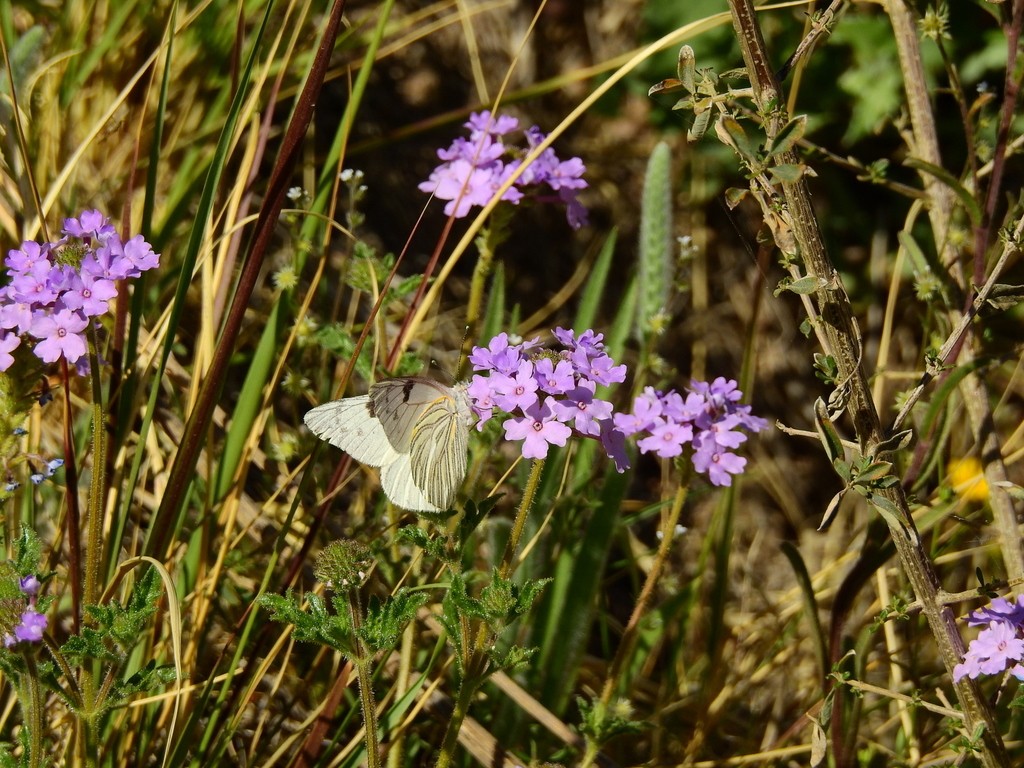
3. Tatochila mercedis
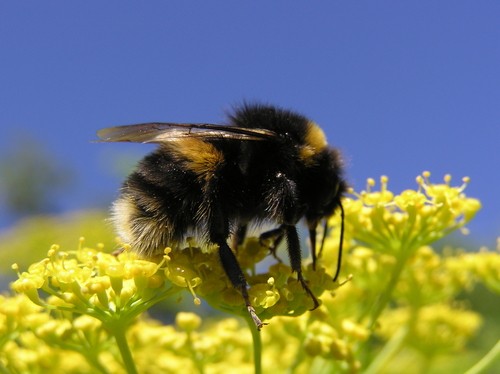
4. Buff-tailed bumble bee
A popular pollinating species in European greenhouses, buff-tailed bumble bee (Bombus terrestris) is one of the more common species of bumblebee worldwide. This species displays comparatively high levels of intelligence, recognizing flowers by color and navigating several miles (if necessary) to return to the hive. Unlike many other bee species, the queen of a buff-tailed bumble bee hive will only mate with one male.
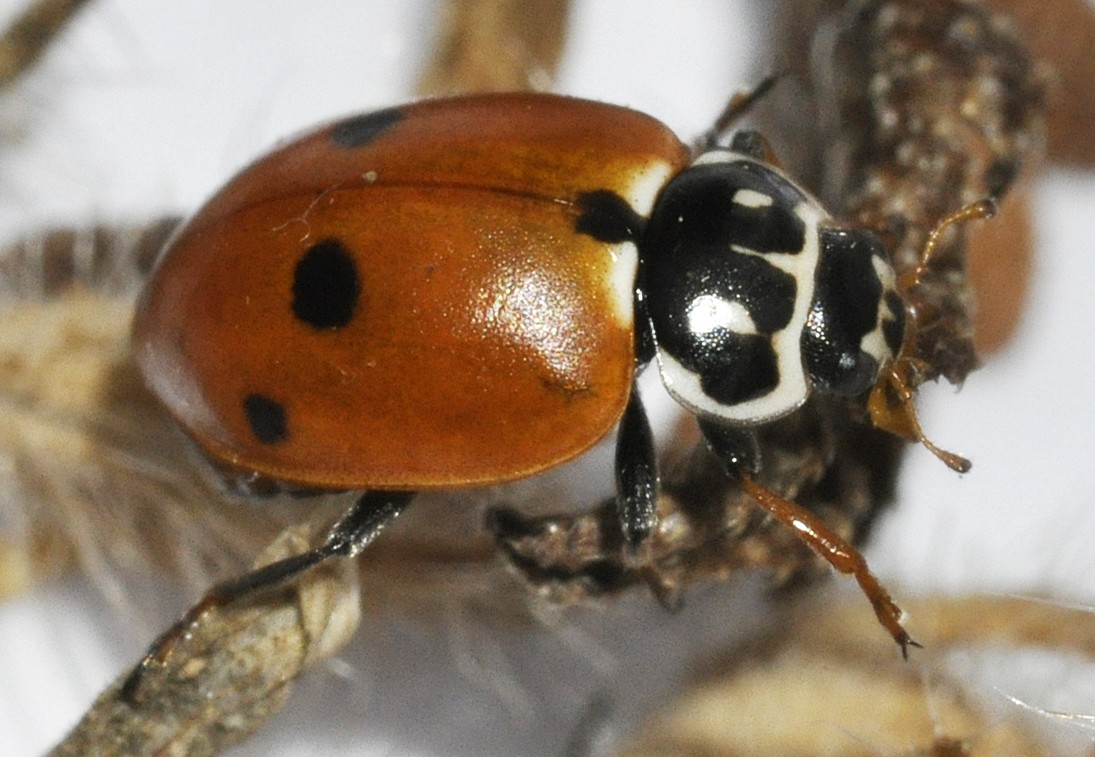
5. Adonis' ladybird
The adonis' ladybird (Hippodamia variegata) is a lady beetle that has a strong love for dry, rough vegetation. Like most ladybugs, it also acts as a pest control measure against aphids. This makes them cute and useful, which is a good combination of things to be.
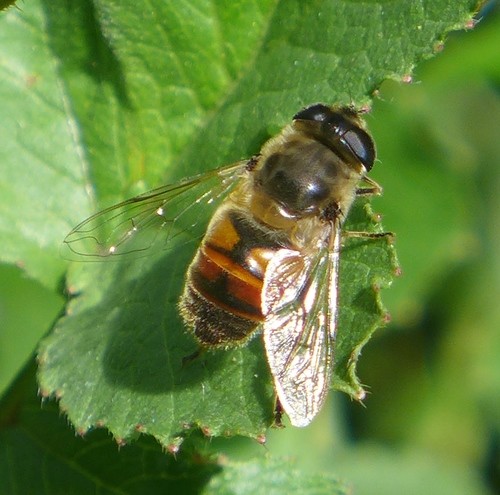
6. Common drone fly
Common drone fly (Eristalis tenax) is the most common hoverfly worldwide. Noted for its remarkable adaptability, it has spread to every continent other than Antarctica and even survives in the frigid Himalayas. It is territorial and will attack any other species that ventures into its chosen territory, and it is apt to dwell within this area for the rest of its life.
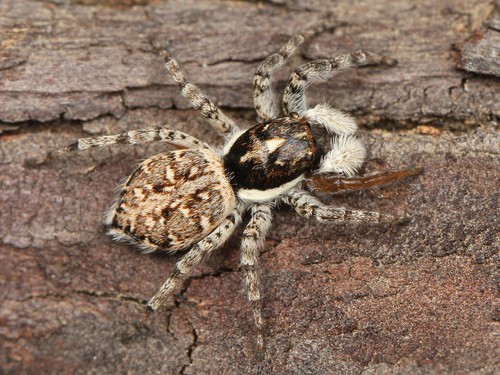
7. Half-edged wall jumping spider
The half-edged wall jumping spider (Menemerus semilimbatus) is one of the thousands of jumping spider species. The females have a dark body with light brown legs while the males are a similar light brown color all over, only with larger front legs. These spiders are found in most areas of the world, commonly near houses and gardens.
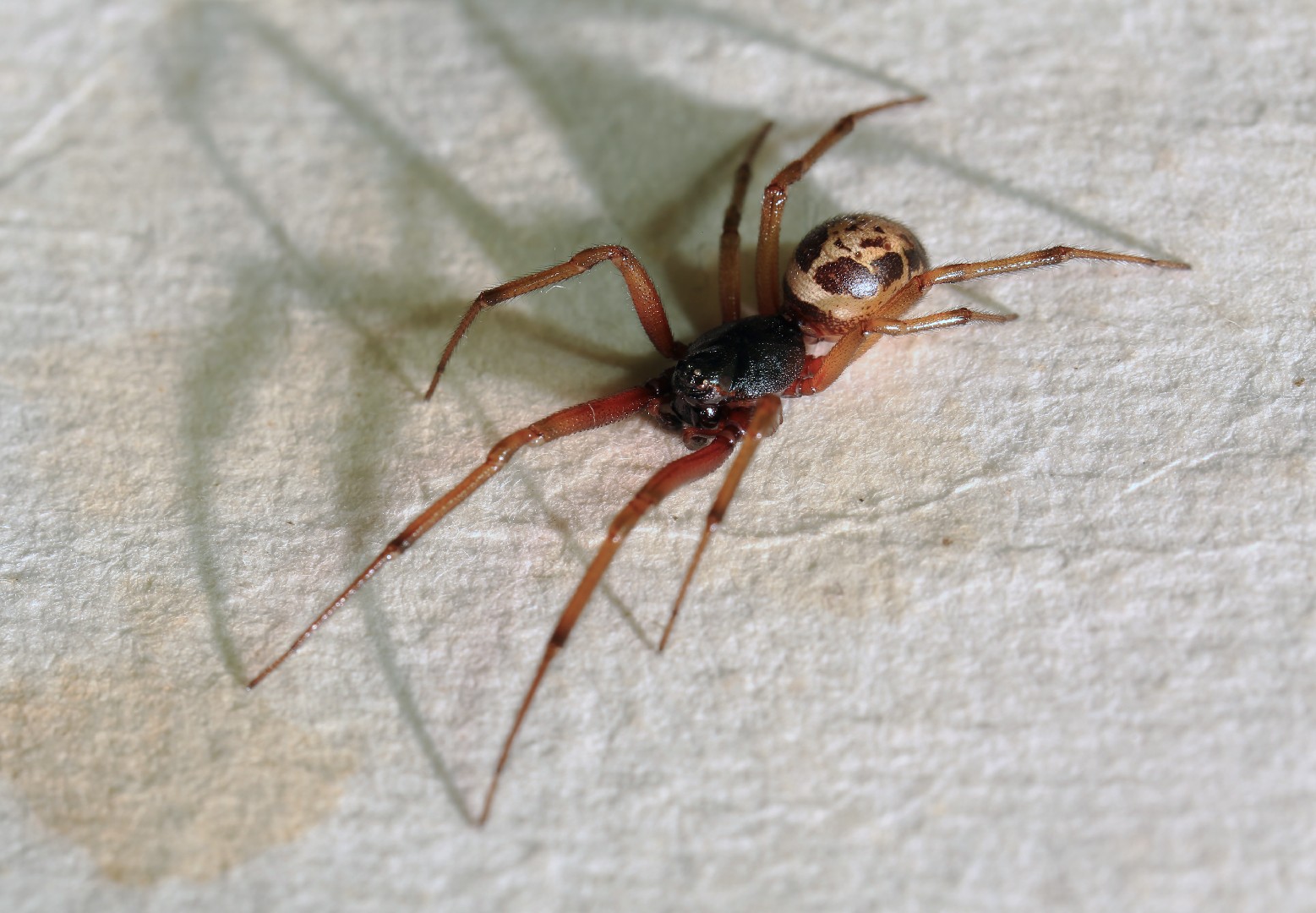
8. Noble false widow
The noble false widow (Steatoda nobilis) is named because it tends to be confused with the black widow spider (Latrodectus mactans). Despite its natural acting abilities, the venom it has can still cause a painful, but not harmful, bite. Despite the venom's non-lethal nature, people in the UK have still taken the time to post about it in the news.
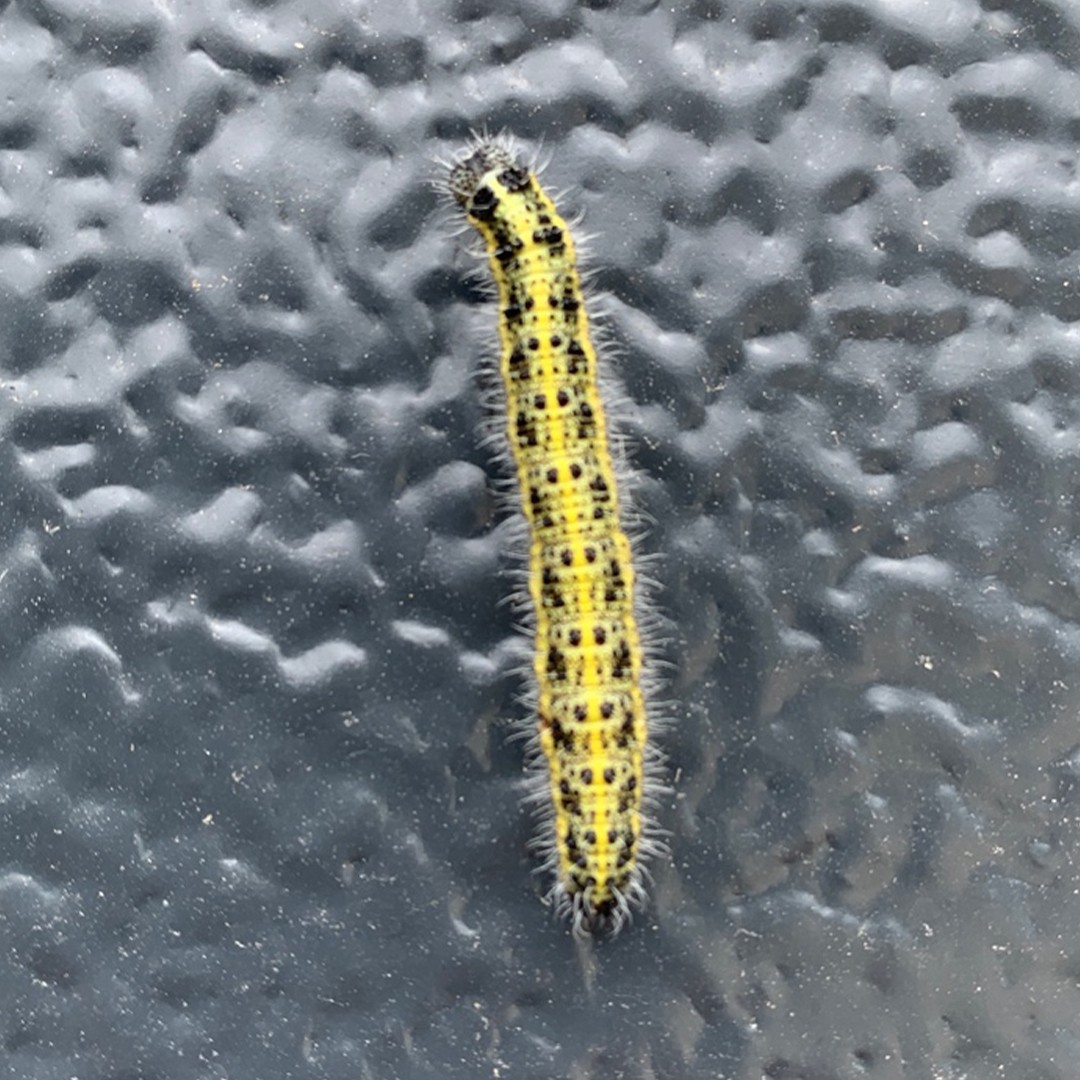
9. Large white
Large white (Pieris brassicae) is visually similar but quite larger than its close relative P. rapae. It lays its eggs on food plants such as cabbages – the origin of its common name – leading to many farmers' classifying this species as a pest.
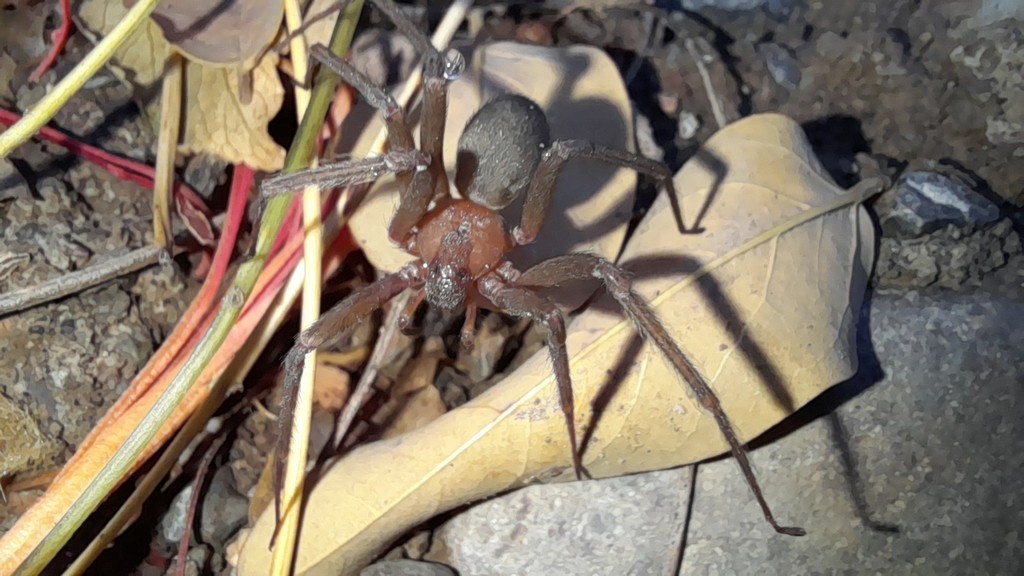
10. Chilean recluse spider
The Chilean recluse is one of the larger species of recluse spiders, generally ranging from 8–40 mm in size (including legs). Like most recluses, it is brown and usually has markings on the dorsal side of its thorax, with a black line coming from it that looks like a violin with the neck of the violin pointing to the rear of the spider resulting in the nickname "fiddleback spider" or "violin spider" in English-speaking areas. Coloring varies from light tan to brown and the violin marking may not be visible. Since the "violin pattern" is not diagnostic, it is far more important, for purposes of identification, to examine the eyes. Most spiders have eight eyes, but recluse spiders have six eyes arranged in pairs (dyads) with one median pair and two lateral pairs. Like other recluse spiders, the Chilean recluse builds irregular webs that frequently include a shelter consisting of disorderly threads. Unlike most web weavers, they leave these webs at night to hunt. People get bitten when they unintentionally squeeze them in clothing and bedding. These spiders frequently build their webs in woodpiles and sheds, closets, garages, and other places that are dry and generally undisturbed. The spider is frequently found in human dwellings. The spiders can last a long time without food or water, a fact that encourages their worldwide spread. 
More







