




Top 10 Most Common Insects in Los Lagos
From the microscopic to the monstrous, insects in Los Lagos are as diverse as our geography. Microclimates, from frigid mountaintops to temperate coastlines, play a vital role in shaping this diversity. Insects, both as pests and beneficial critters, influence our ecosystems significantly. So, get ready to explore our list of the top 10 most common insects, and immerse yourself in the intriguing world of Los Lagos's smallest inhabitants.

Most Common Insects
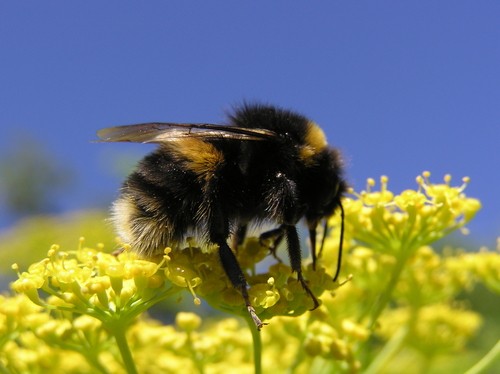
1. Buff-tailed bumble bee
A popular pollinating species in European greenhouses, buff-tailed bumble bee (Bombus terrestris) is one of the more common species of bumblebee worldwide. This species displays comparatively high levels of intelligence, recognizing flowers by color and navigating several miles (if necessary) to return to the hive. Unlike many other bee species, the queen of a buff-tailed bumble bee hive will only mate with one male.
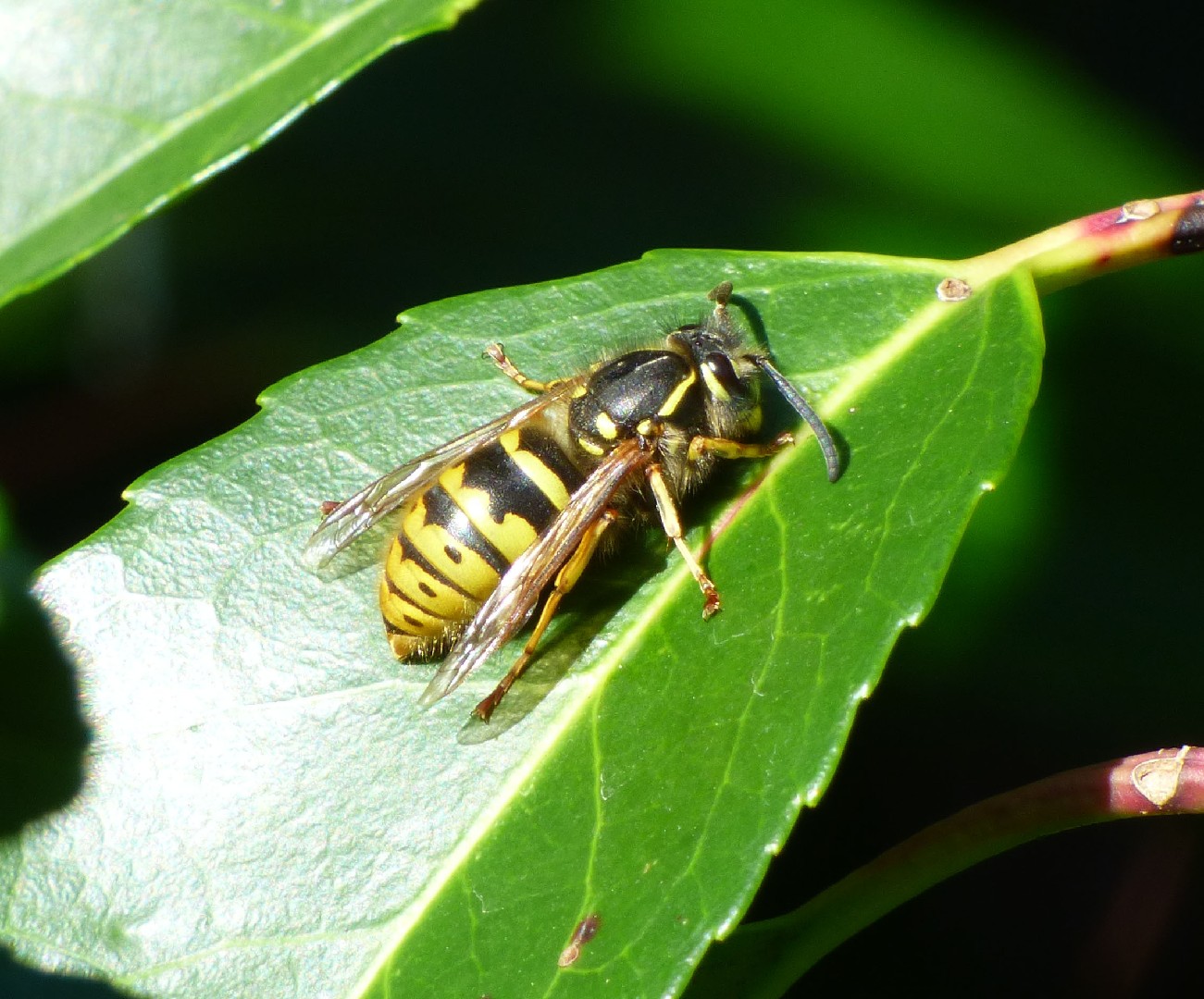
2. Common wasp
The common wasp (Vespula vulgaris) is otherwise known as the common yellow-jacket. Despite what the name may make you believe, these industrious insects will look for a free space in a rock crevice, mammal hole, or tree to build its paper nests. This makes them pretty extraordinary, as these nests can host several thousand larvae. Queens can go through a long process in finding the perfect nest.
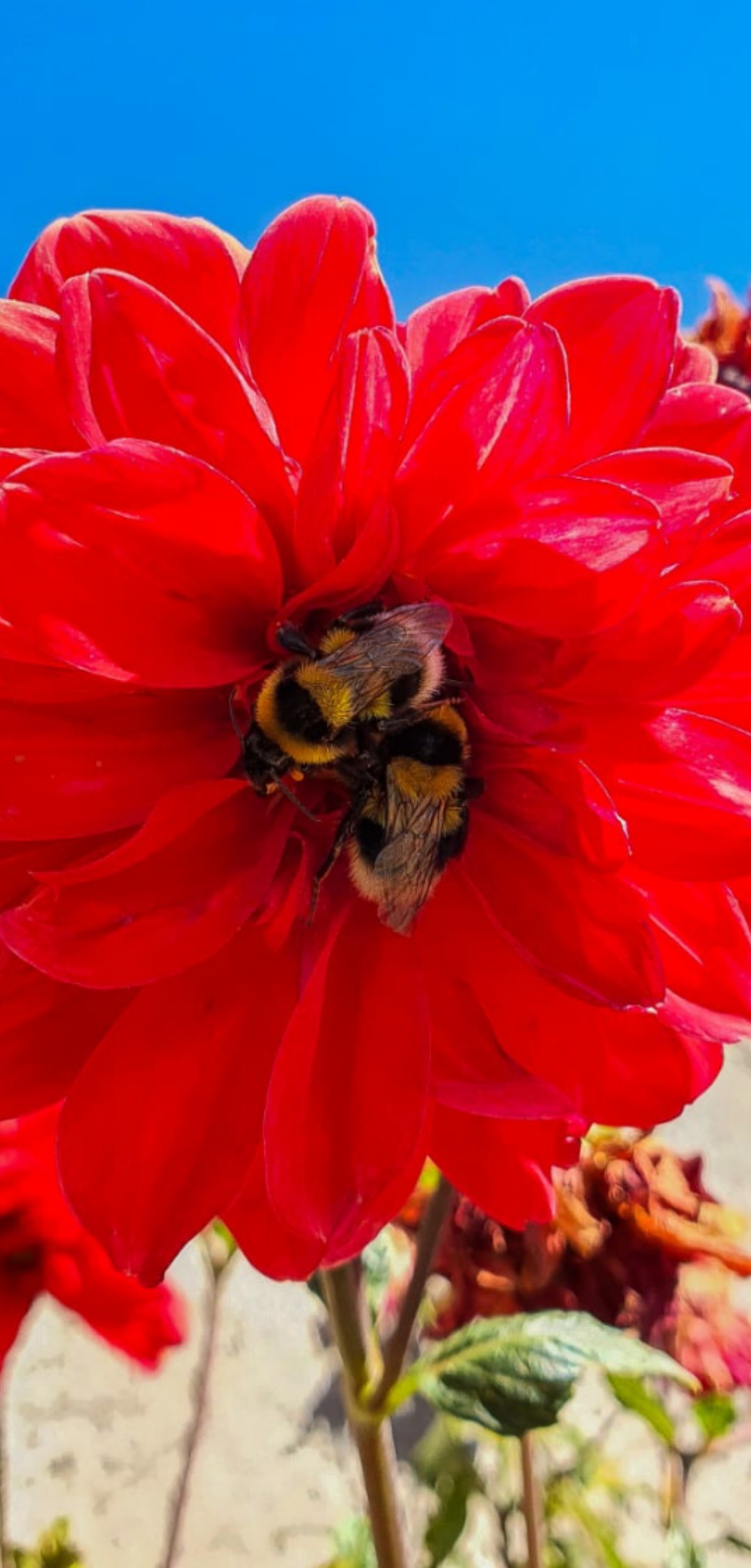
3. Large garden bumblebee
The body lengths of B. ruderatus reach about 22 mm (0.87 in) in queens, 16 mm (0.63 in) in workers and 15 mm (0.59 in) in males. It has a long face and tongue, which is well adapted for feeding on long-tubed flowers. The basic color of the body is black with two yellow bands on its mesonoma—one on its scutellum and one on its pronotum—and a single thin yellow band on the abdomen. A black band is located on the interwing and separates the two yellow bands on the thorax. Similarly, queens are the most difficult to find as the bee is scarce in many areas and queens are less abundant within a colony itself. 
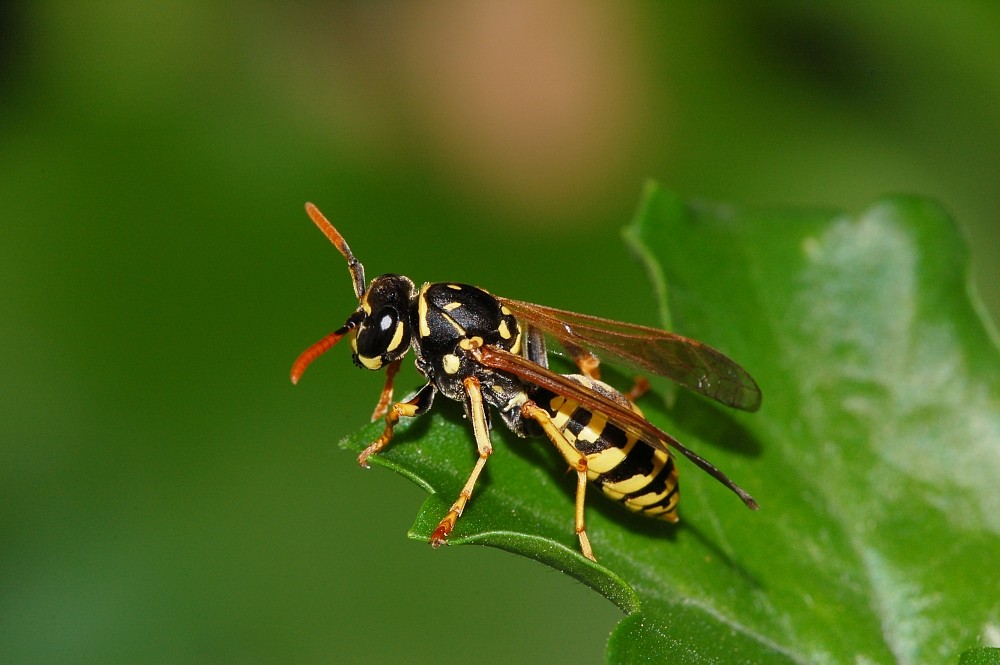
4. European paper wasp
A particularly hated invasive species in North America, european paper wasp (Polistes dominula) is well-known for its tendency to nest on human porches and sting if approached. Nests are controlled by a dominant female queen, who lays most of the eggs. Dominance among individuals can be predicted by the shape, size and number of spots they display, with more spots signaling greater dominance within the nest.
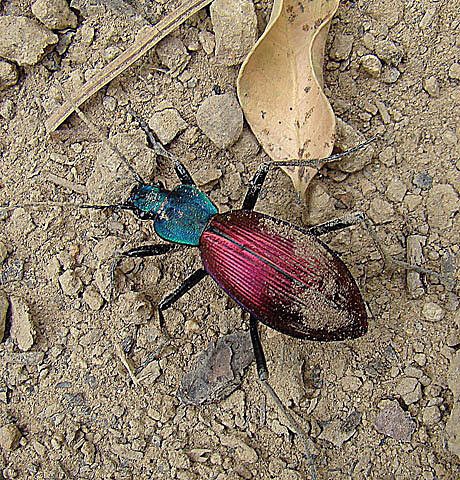
5. Chilean magnificent beetle
Ceroglossus chilensis can reach a body length of about 25–32 millimetres (0.98–1.26 in). This species presents a marked sexual dimorphism as males have a wider proepisternum than females, while females have wider abdominal sternites. These beetles show also chromatic polymorphism, great genetic variations and morphological variability in shape and in size depending on subspecies and populations. Body color may be metallic green, brown, reddish or bluish.
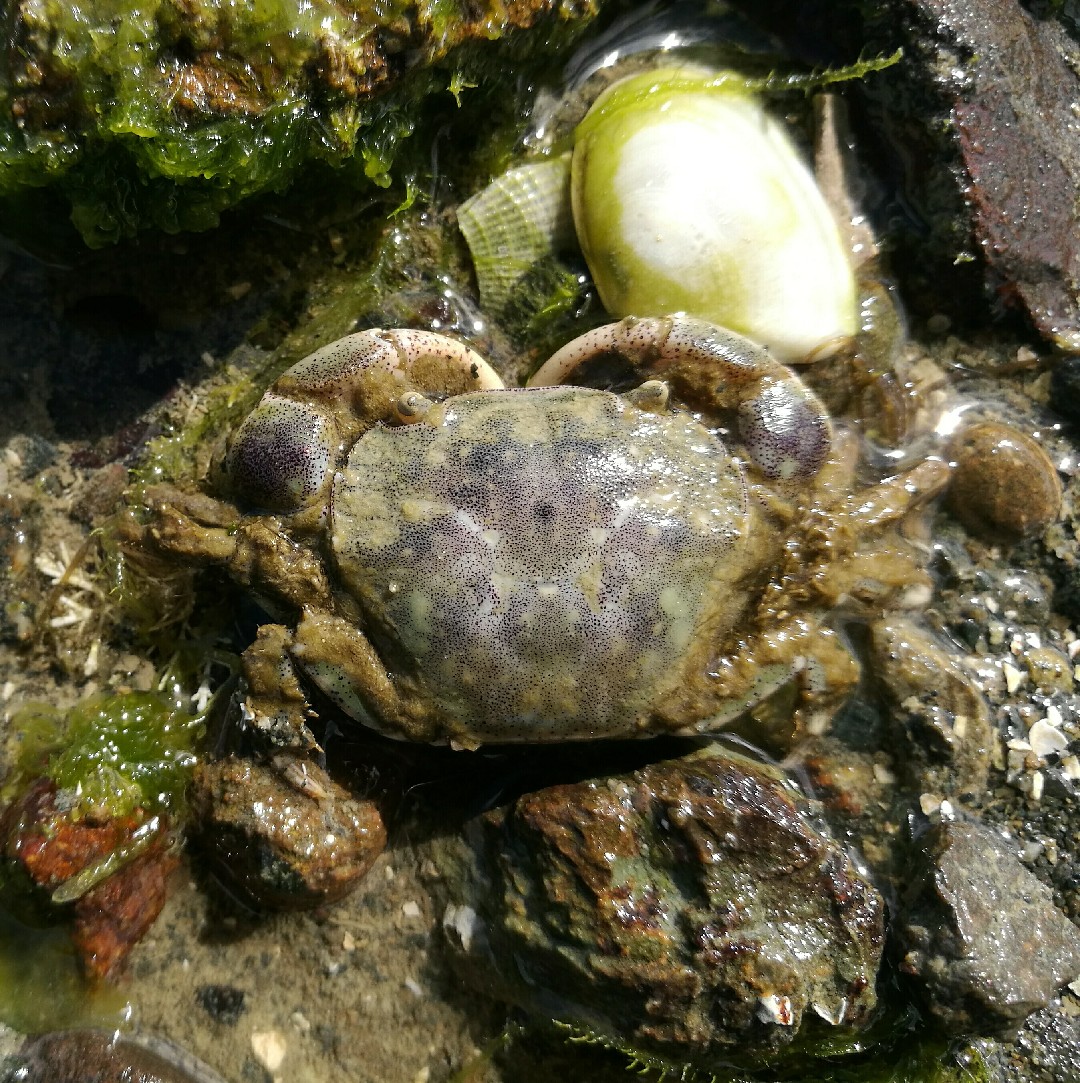
6. Hairy-handed crab
Hemigrapsus crenulatus is a crab species from the Varunidae family. The scientific name of the species was first validly published in 1837 by H. Milne Edwards.
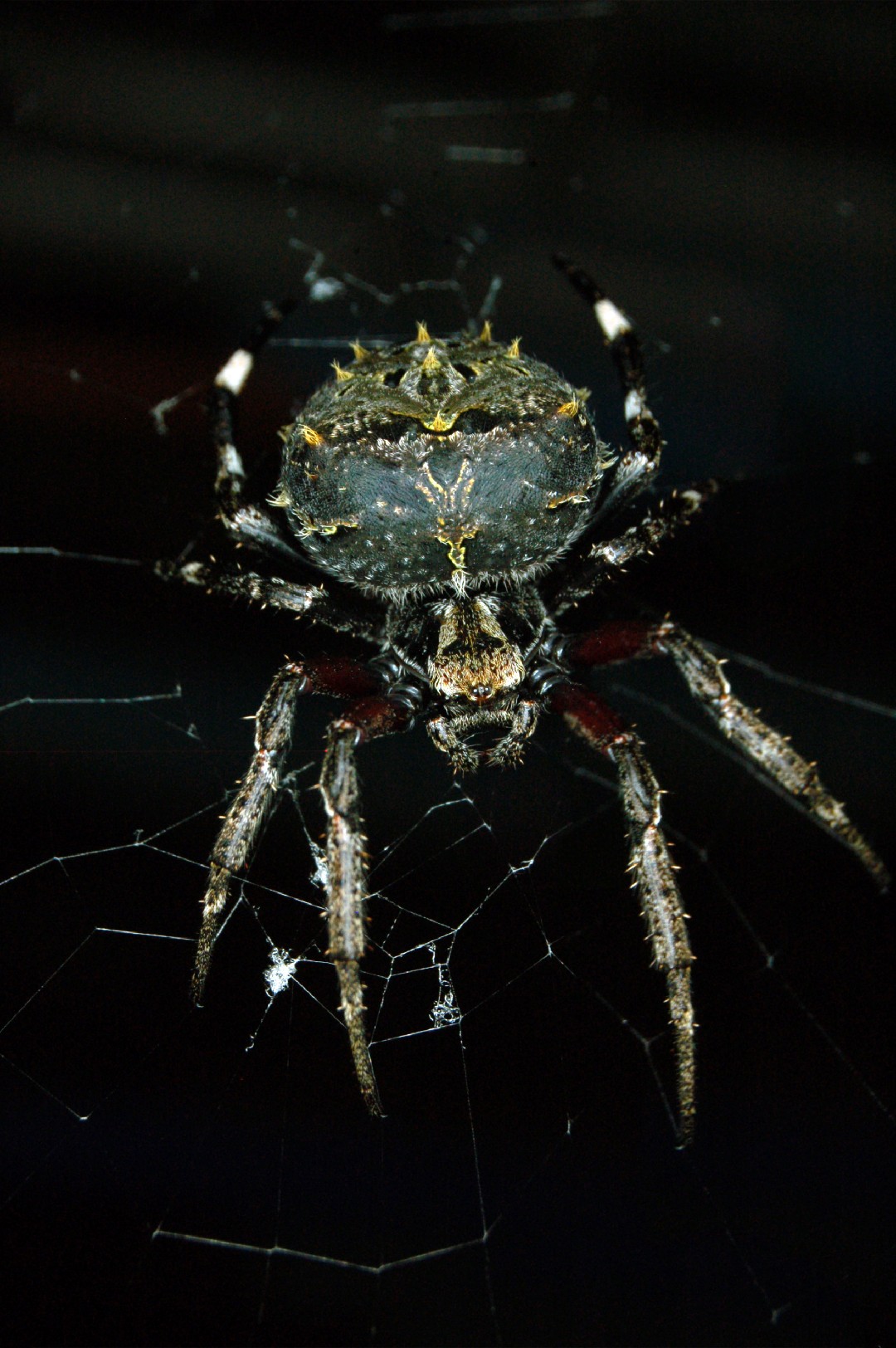
7. Molinaranea clymene

8. Multicolored asian ladybeetle
Often confused for the ladybug, multicolored asian ladybeetle (Harmonia axyridis) is a separate species that, unlike the ladybug, is a household pest. It is considered particularly annoying for its habit of returning to places from which it is removed. One of the most variable species in the world, there are many different colors and patterns multicolored asian ladybeetle may display, making identification potentially difficult.
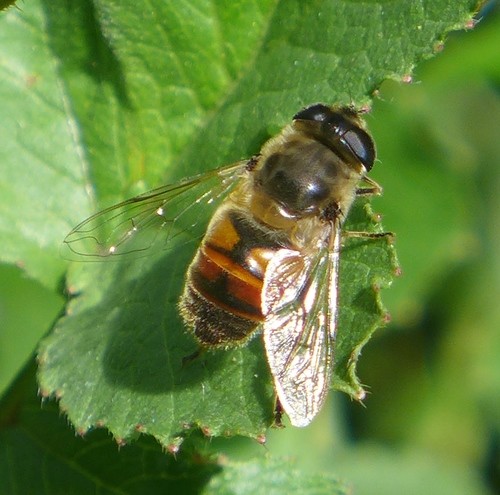
9. Common drone fly
Common drone fly (Eristalis tenax) is the most common hoverfly worldwide. Noted for its remarkable adaptability, it has spread to every continent other than Antarctica and even survives in the frigid Himalayas. It is territorial and will attack any other species that ventures into its chosen territory, and it is apt to dwell within this area for the rest of its life.
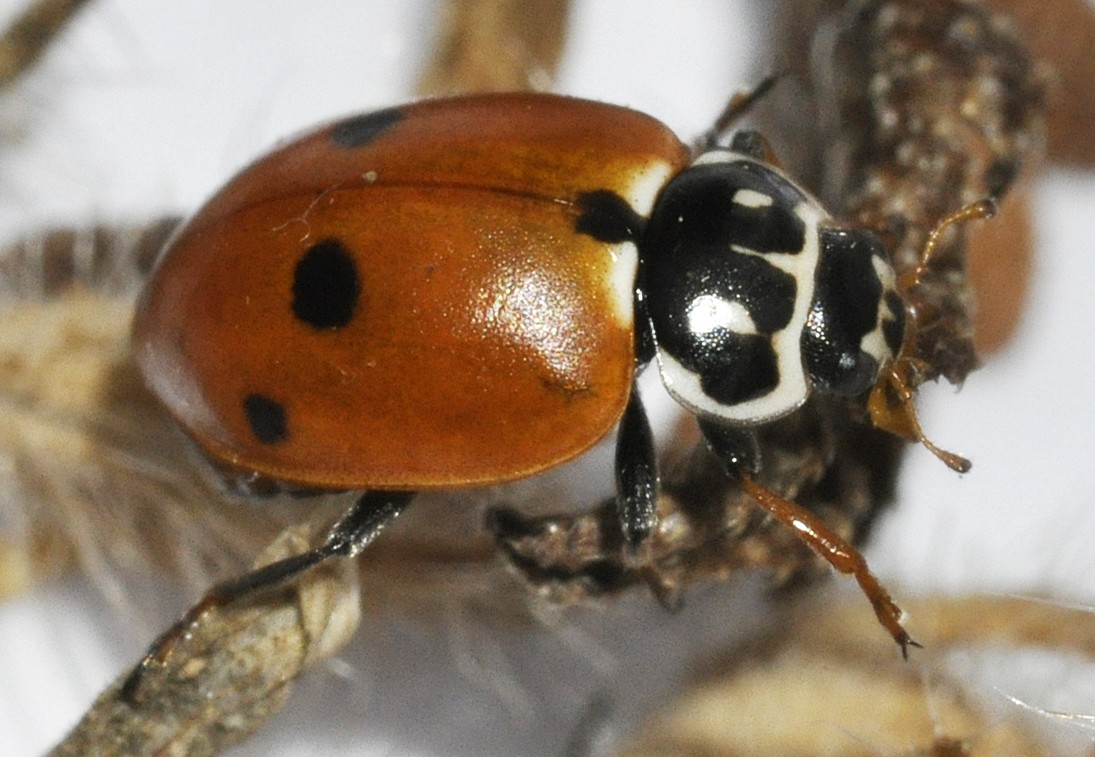
10. Adonis' ladybird
The adonis' ladybird (Hippodamia variegata) is a lady beetle that has a strong love for dry, rough vegetation. Like most ladybugs, it also acts as a pest control measure against aphids. This makes them cute and useful, which is a good combination of things to be.







