




Top 12 Most Common Insects in Bucaramanga
Welcome, nature enthusiasts! In the diverse landscapes of Bucaramanga, insects flourish in unique ecosystems. These creatures, characterized by their exoskeletons, segmented bodies, and diverse climates, foster varied insect populations. Integral to Bucaramanga's environment, insects perform crucial roles, from pesky invaders to indispensable pollinators. As we delve into the 'Top 12 most common insects in Bucaramanga', we celebrate these miniature denizens, crucial custodians of our ecosystem.

Most Common Insects
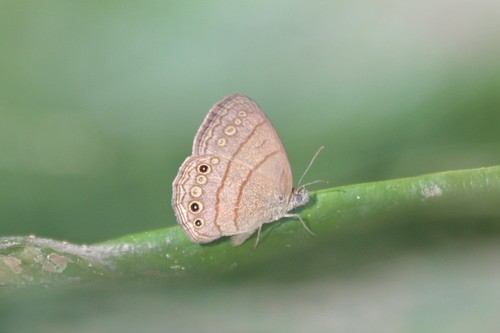
1. Hermes satyr
The wingspan is about 3 cm. 
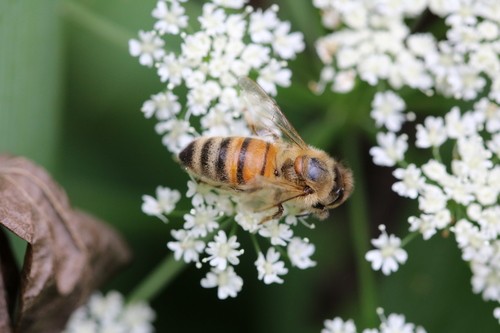
2. Western honey bee
Western honey bee(Apis mellifera) is the most common species of honeybee in the world. Among the first domesticated insects, its cultural and economic impact on humanity has been vast and far-reaching, providing honey, wax and its services as a pollinator. Western honey bee faces challenges worldwide, such as colony collapse disorder, and populations are thought to be decreasing.
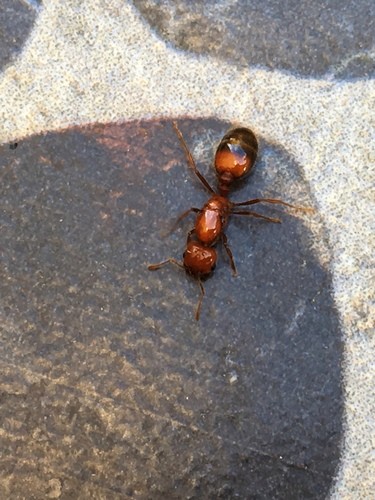
3. Fire ant
Solenopsis geminata is an ant species from the Myrmicinae subfamily. The scientific name of the species was first validly published in 1804 by Fabricius.
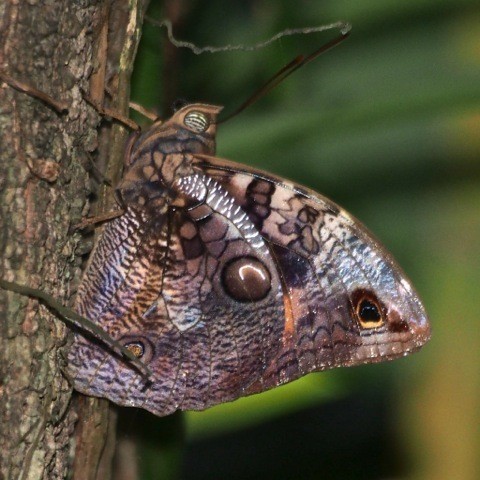
4. Split-banded owlet
Opsiphanes cassina has a wingspan of about 7 cm, with a smaller size in males. The uppersides of the wings are dark brown, with yellow-orange bands crossing the forewings and the edges of the hindwings. The undersides of the wings are also brown, with some large eyes.
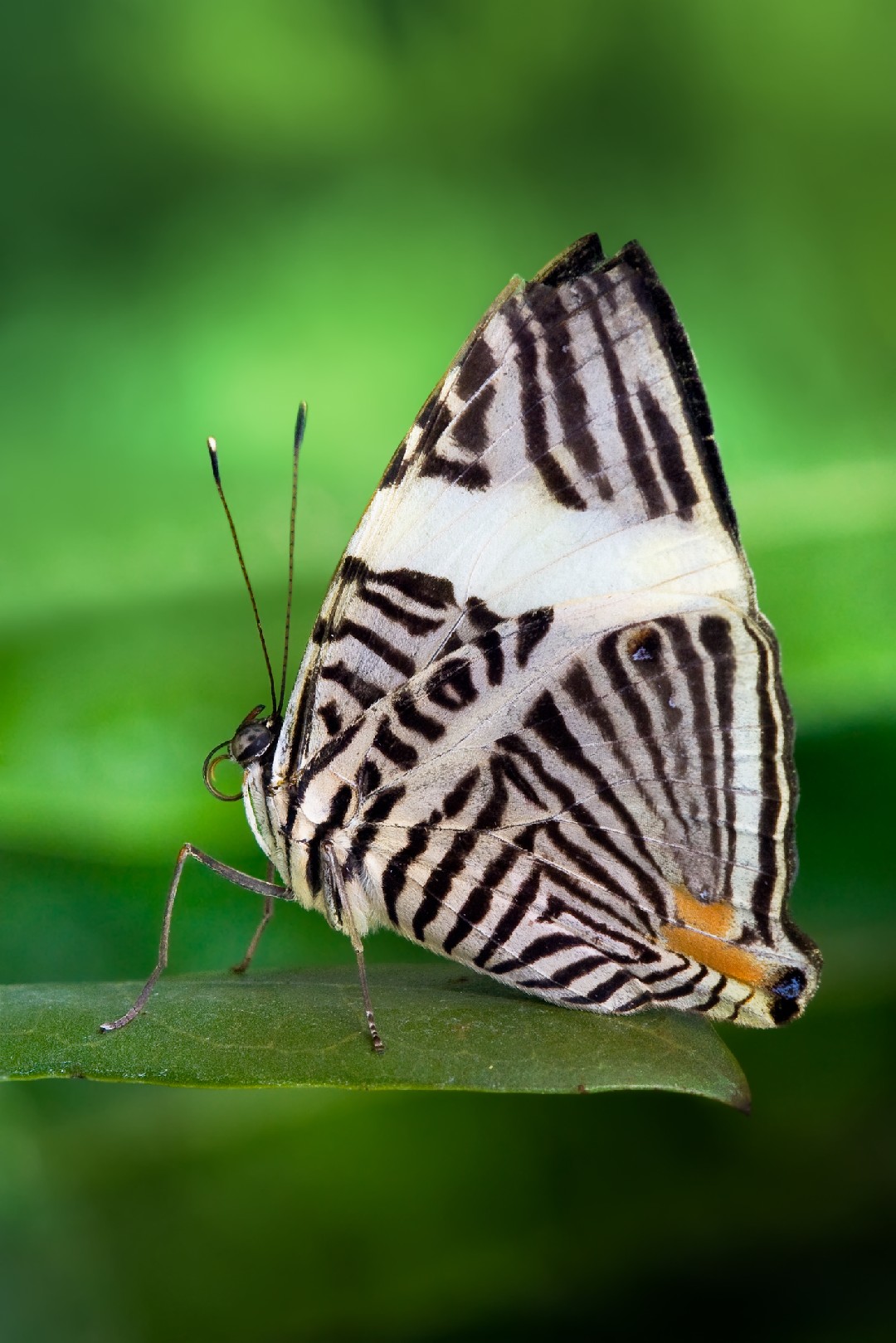
5. Dirce beauty
The length of the forewings is about 3.5 cm.
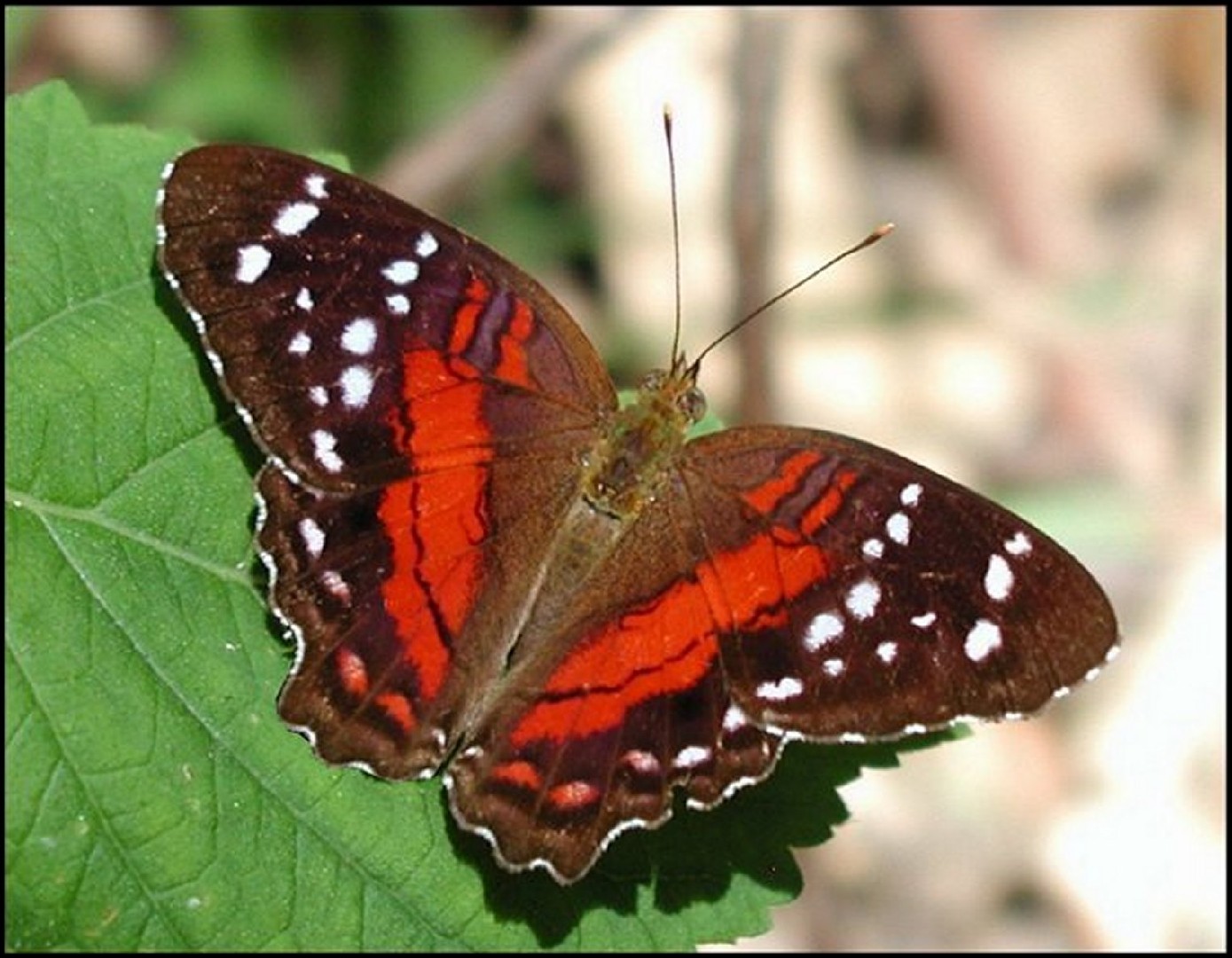
6. Scarlet peacock
Anartia amathea is a butterfly of the family Nymphalidae. In addition to A. amathea amathea there are the subspecies A. amathea thyamis and A. amathea sticheli. The species is represented in the tropical areas of Latin America and the offshore islands, such as Trinidad.
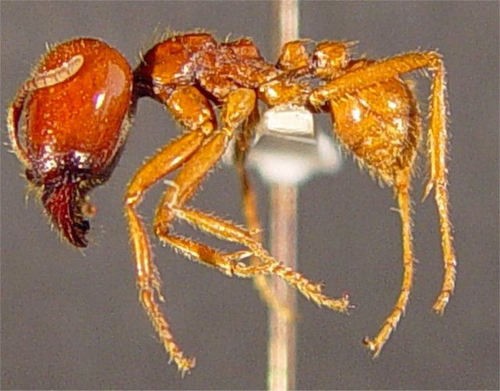
7. Labidus coecus
This species of army ant lives mainly underground, only emerging to forage for food. Its raids on other species are thought to help to protect ant species diversity. They also prey upon pest species such as screwworm larvae, which protects the livestock that this worm infects.
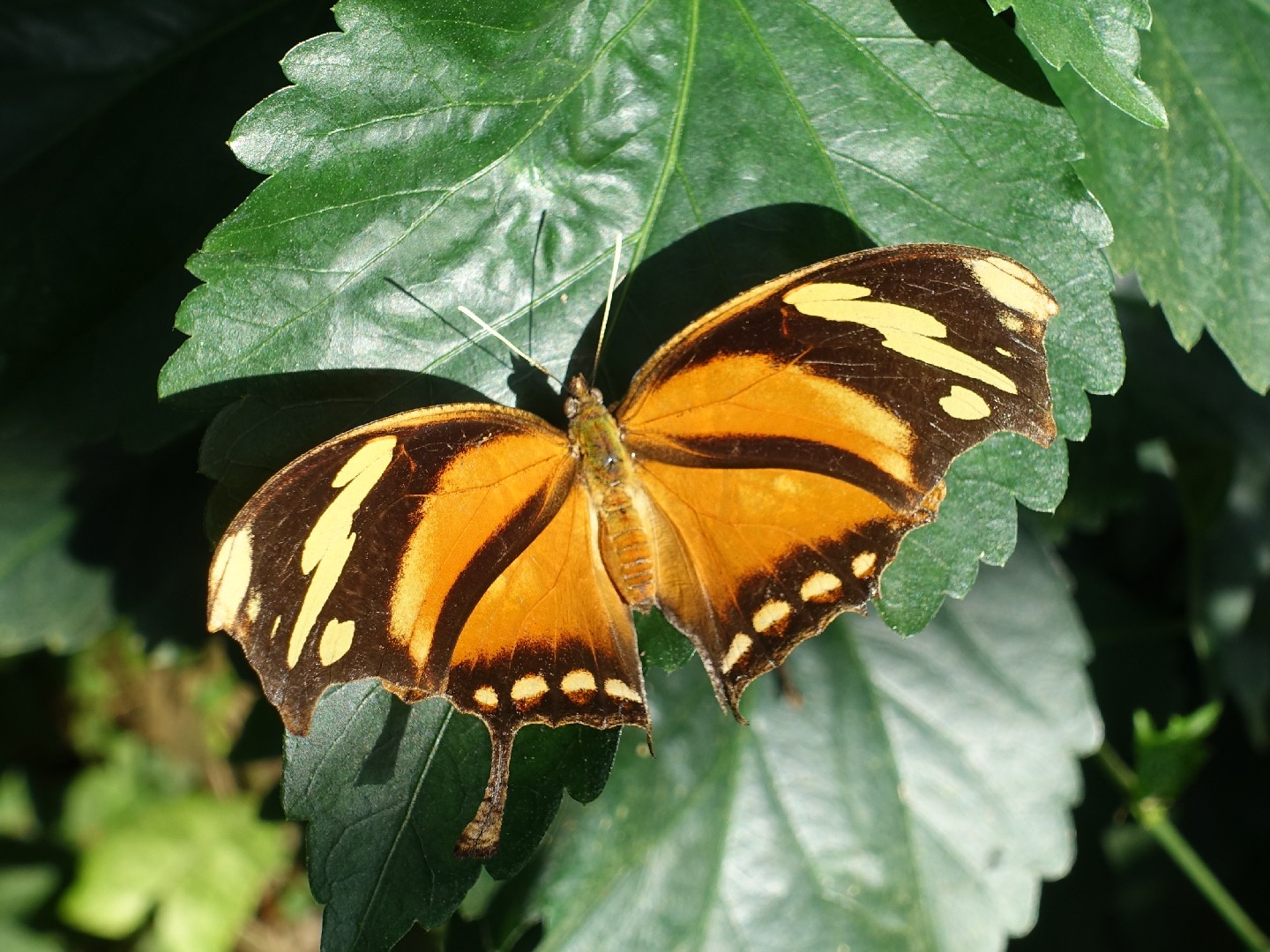
8. Tiger leafwing
The length of the forewings reaches about 3 - 4 cm. The uppersides of the wings have a bright orange and black pattern, with two yellow bands across the angular forewings. The hindwings are tailed. This butterfly is part of a mimicry ring, as a matter of fact the cryptic undersides of the wings mimic a dead leaf. The caterpillars are dark green with reddish spots along the back, while the chrysalis are pale green.
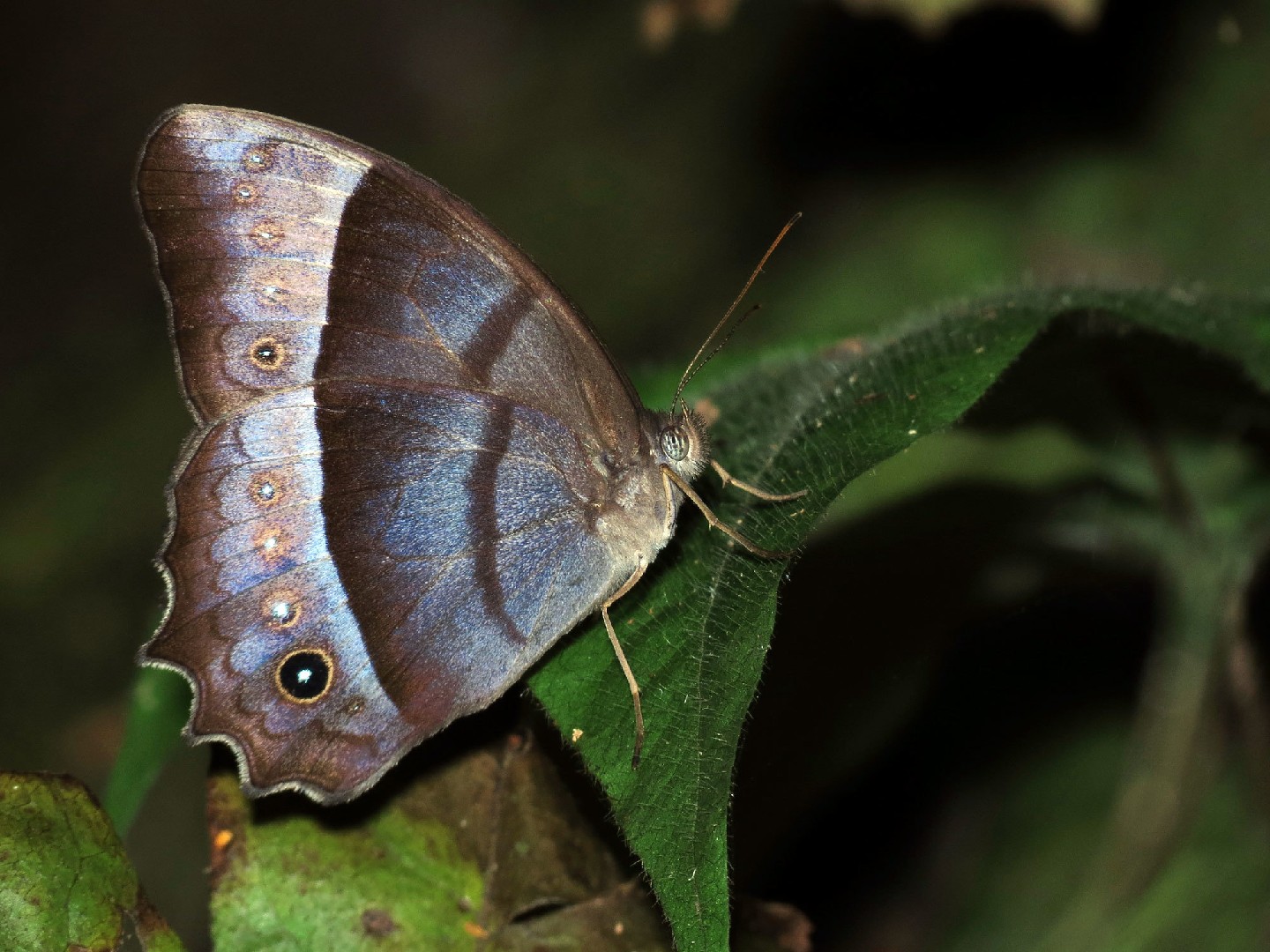
9. Thamyra satyr
Taygetis thamyra is a butterfly from the subfamily Satyrinae of the Nymphalidae family. The scientific name of the species was first validly published in 1782 by Pieter Cramer.
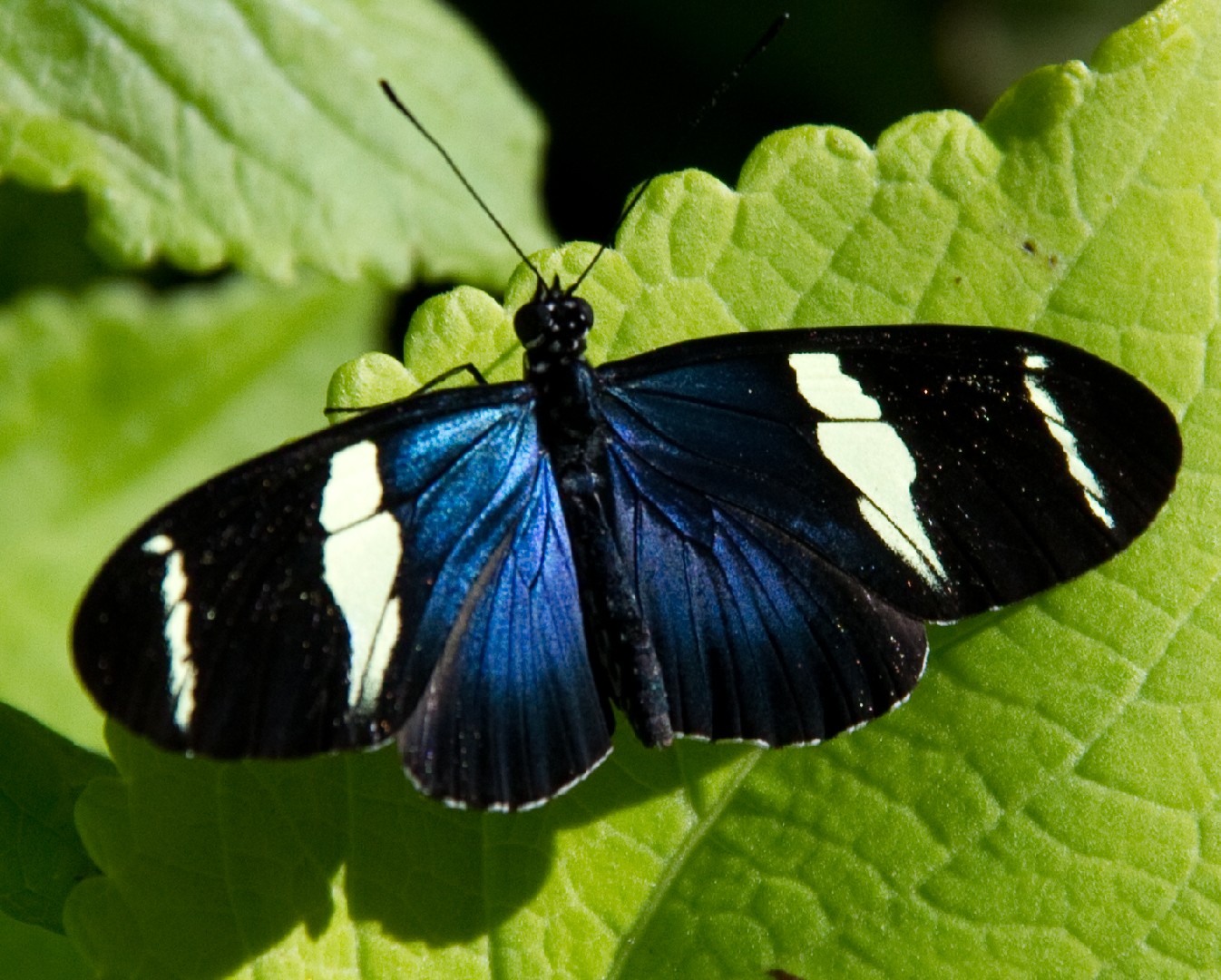
10. Sara longwing
It is a colourful species: the dorsal wing surface is black with a large medial patch of metallic blue that is framed by two bands of white on the forewings. (This coloration is similar to that of Wallace's longwing, H. wallacei, whose range overlaps Sara's, but does not extend as far north.) The ventral wing surface is a dull brown to black with muted bands and small red spots on the proximal margin; total wingspan is 6 - 6 cm.
More







