




Top 9 Most Common Insects in Lisala
Insects, those tiny creatures characterized by six legs, segmented bodies, and usually wings, exist in rich diversity throughout Lisala. The ecological variety influentially shapes this insect diversity, from rolling plains to dense forests. These little beings play a pivotal role in our ecosystem - some as pests harming crops, others as beneficial creatures aiding in pollination and soil enrichment. In this list, we'll explore the fascinating 9 most common insects found in Lisala, showcasing the intertwined relationship between nature's smallest inhabitants and their environment.

Most Common Insects
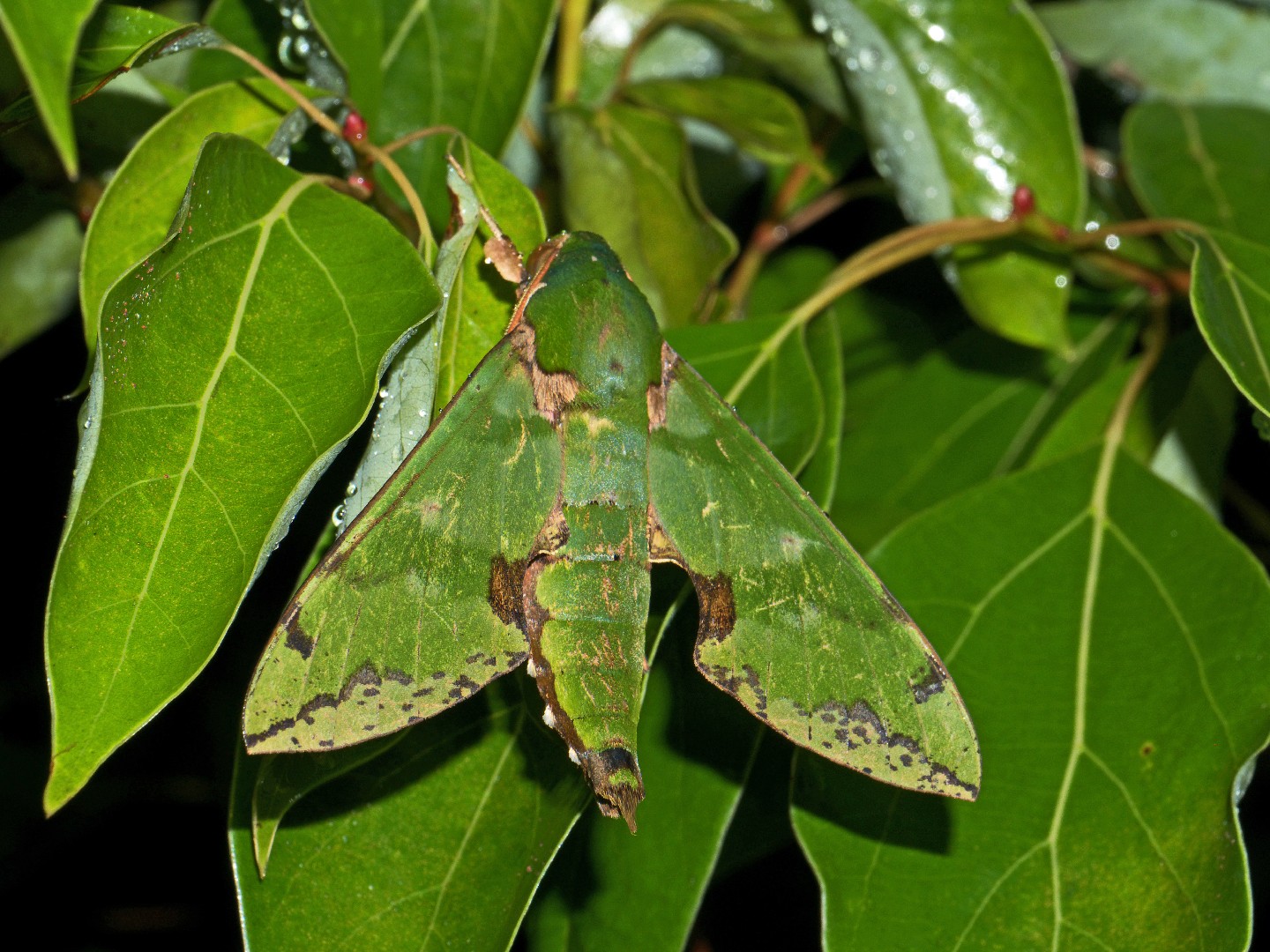
1. Verdant hawk
The length of the forewings is 4 - 5 cm and the wingspan is 10 - 12 cm. The body and forewings are bright deep green. The forewings have a black and white spot at the base, a dark brown spot near the tornus and one or two at the costa. The hindwings are orange yellow with an irregular brown margin turning greenish near the tornus. There is a black spot at the base and a large, elongated black spot from inner margin to vein five. 
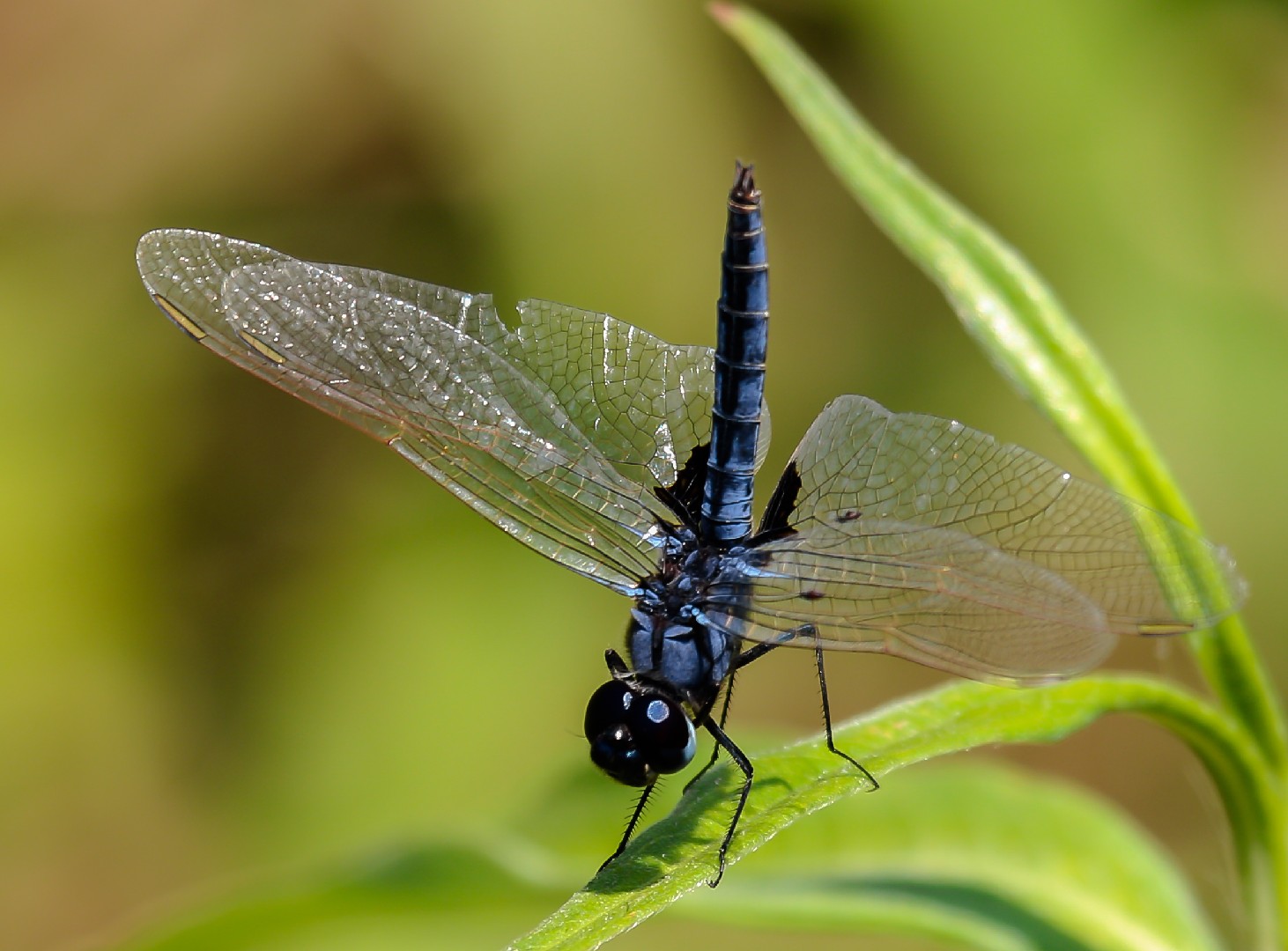
2. Blue basker
The species is on the IUCN Red List as not endangered, assessment year 2008.

3. Legume pod borer
The species is found in Europe.
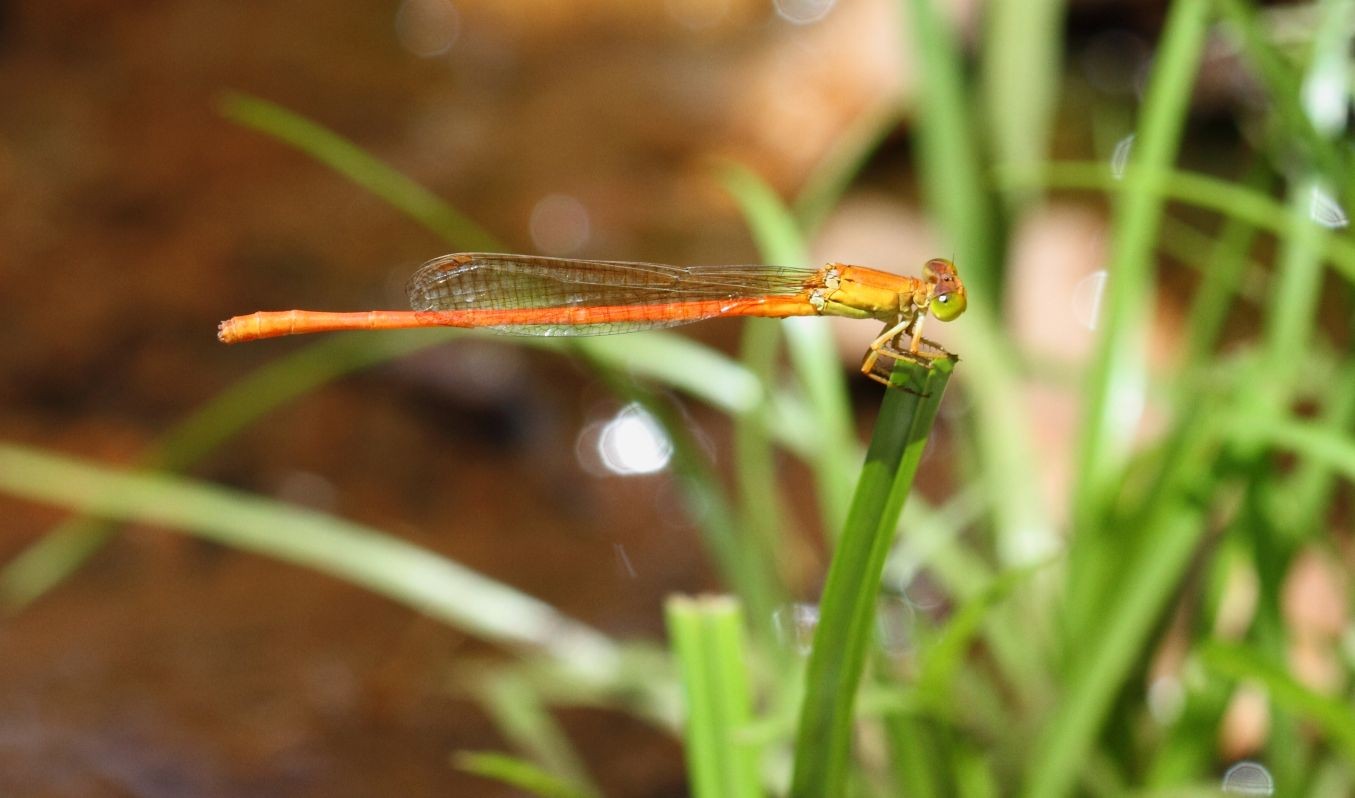
4. Common citril
Its natural habitats are rivers, intermittent rivers, marsh lands, shrub-dominated wetlands, swamps, freshwater lakes, intermittent freshwater lakes, freshwater marshes, intermittent freshwater marshes, and freshwater springs.
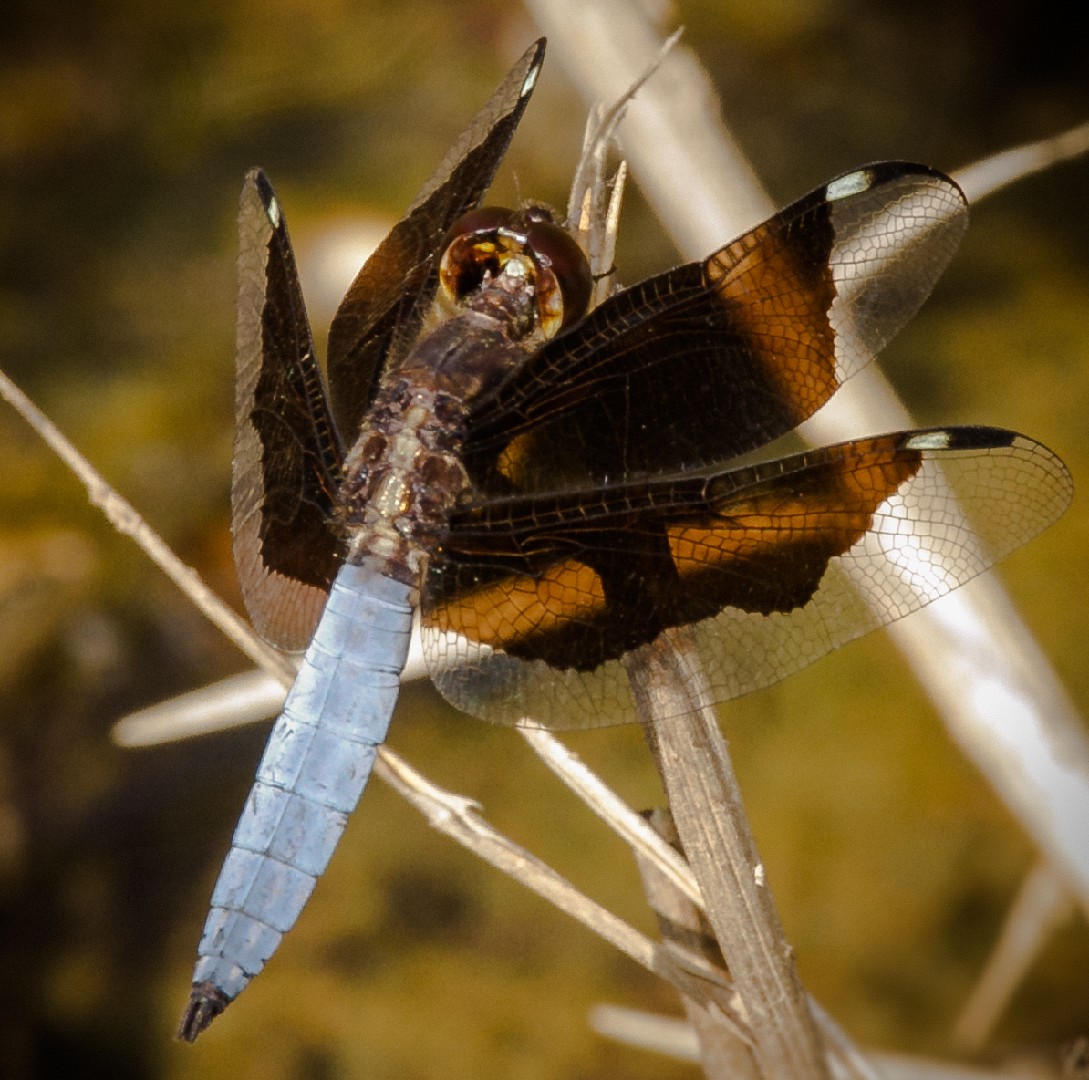
5. Lucia widow
The species is on the IUCN Red List as not endangered, year of assessment 2009.
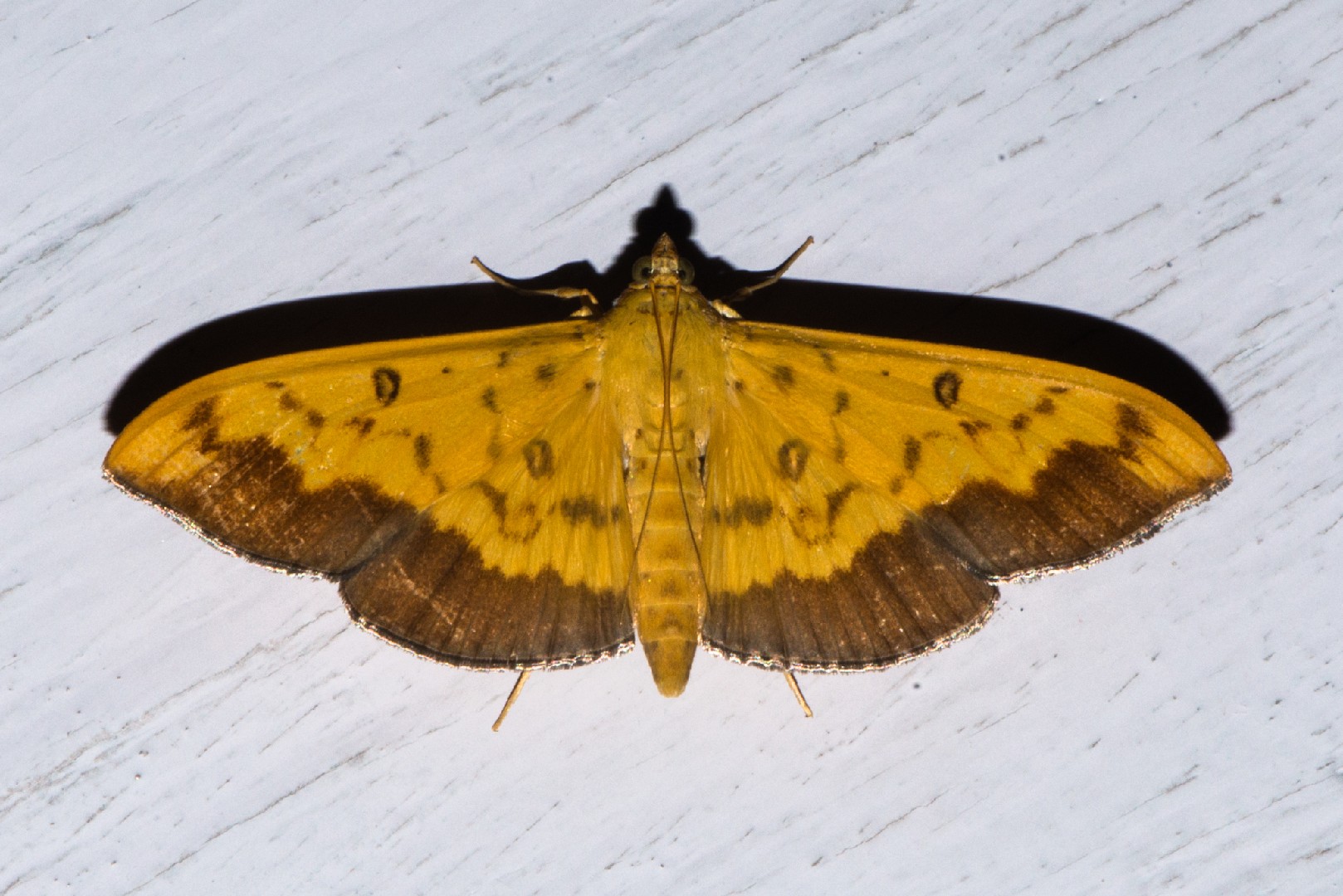
6. Botyodes asialis
The species is found in tropical Africa.
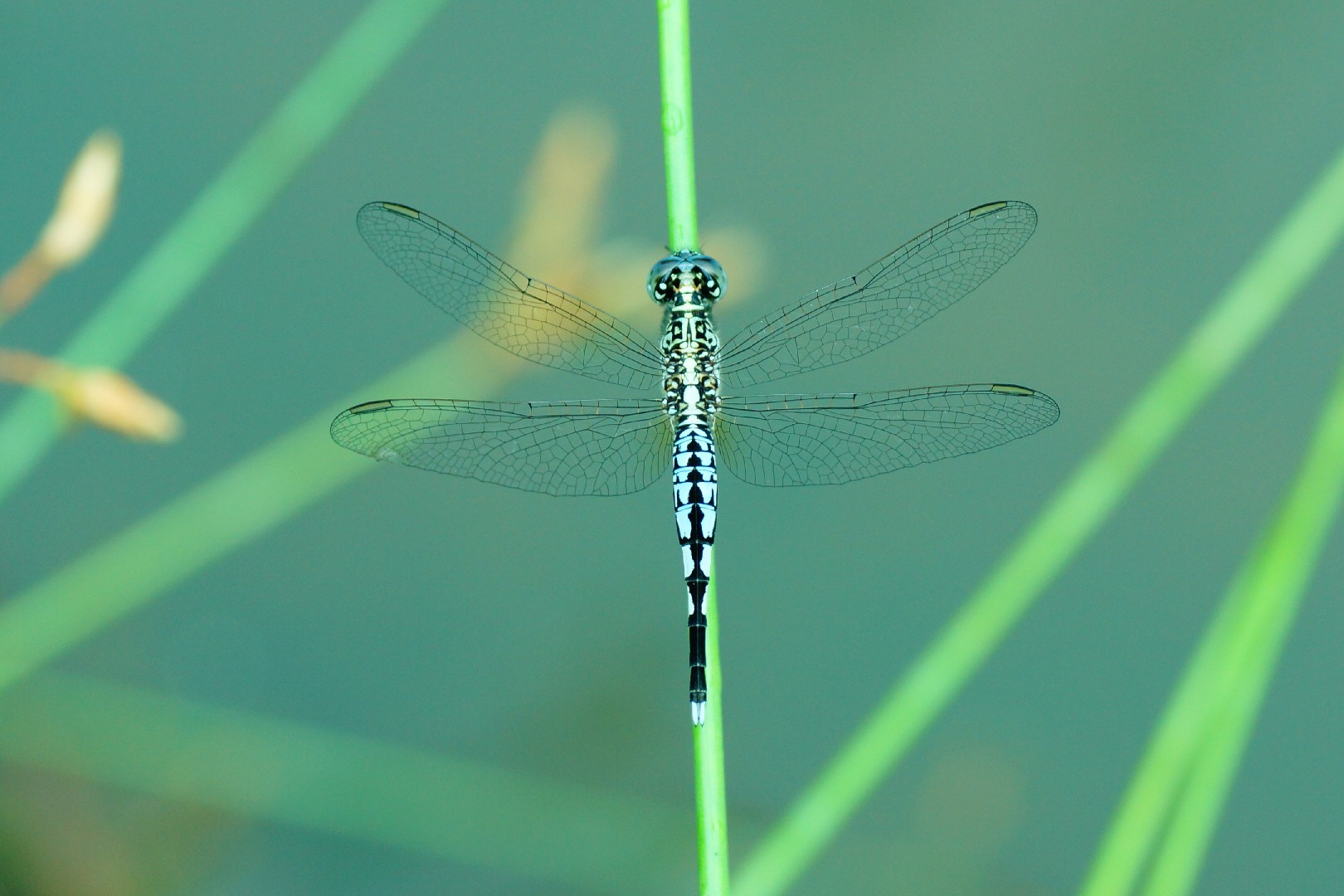
7. Trumpet tail
It is a small dragonfly with blue eyes. Its thorax is azure-blue marbled with black to form a beautiful pattern on the dorsum and the sides. Abdomen is azure-blue, marked with black. Segments 1 to 5 have sutures finely and ventral borders more broadly black. There is a dorsal stripe which broadens at the jugal sutures and apical borders of segments. There is a speckled stripe on sub-dorsum of segments 1 to 4. There is a large ventro-lateral spot on each of segments 3 to 5. Segments 6 and 7 are black with a large spot of blue on each side. Segments 8 to 10 are entirely black. Anal appendages are bluish-white. Female is similar to the male; but with greenish-yellow eyes, thorax and abdominal segments up to 5.
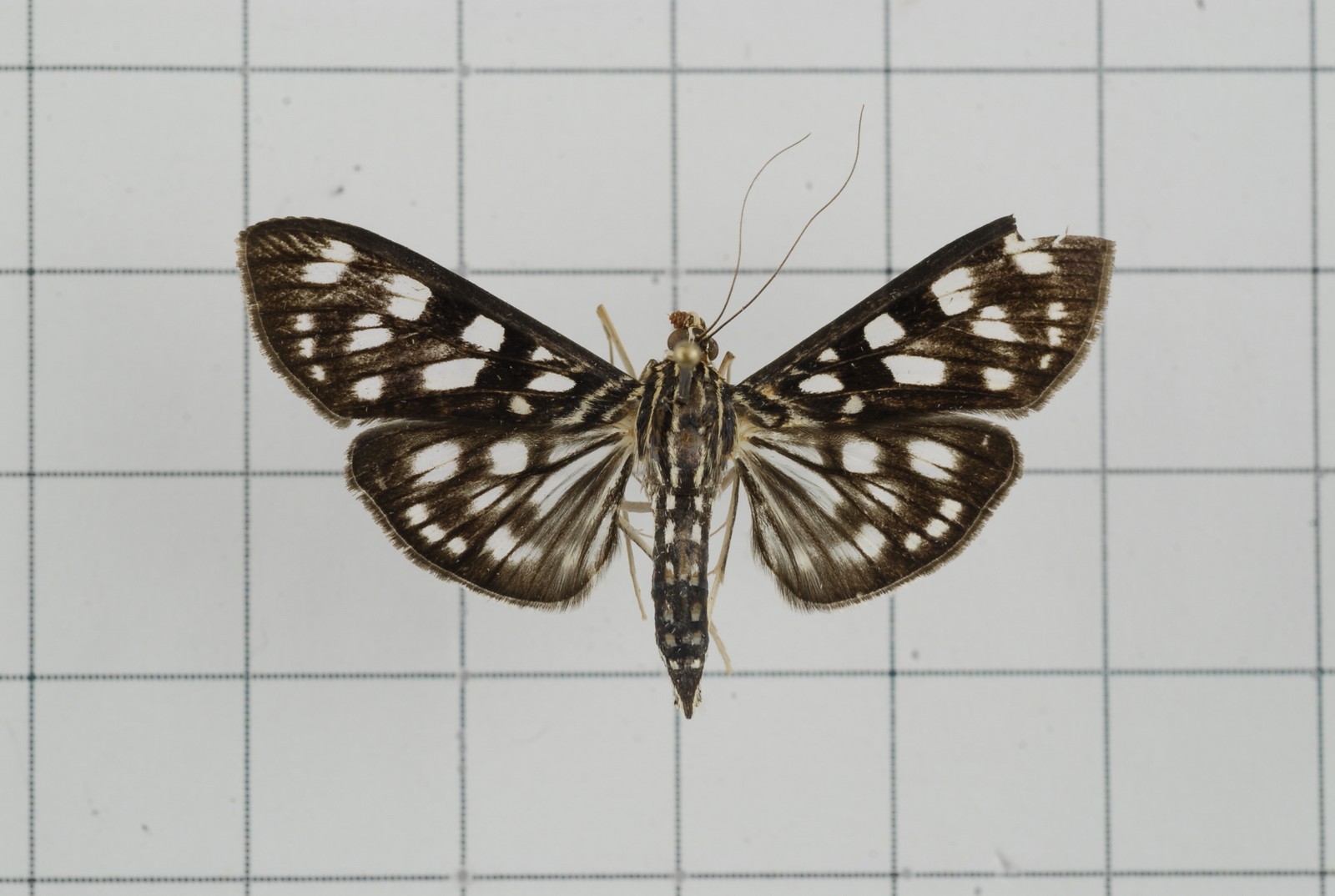
8. Chequered snout
Palpi upturned, the 2nd joint broadly scaled in front, the 3rd porrect (extending forward) and lying on the hair of 2nd joint; maxillary palpi filiform and as long as the labial; frons rounded; antennae of male minutely ciliated; patagia extending beyond the metathorax; tibiae with the outer spurs half the length of the inner; abdomen long, male with the anal tuft large. Forewing with the costa arched towards apex; the outer margin oblique; the inner margin lobed before middle and somewhat excised towards outer angle; vein 3 from angle of cell; 4, 5 approximated for about one-third length; 7 curved and approximated to 8 and 9; 10 closely approximated to 8 and 9. Hindwing with the costa arched at middle; vein 2 from near angle of cell; 3 from the angle; 4 and 5 not approximated towards origin; 6 and 7 shortly stalked and curved, 7 anastomosing (fusing) slightly with 8. The wingspan is about 4 cm.
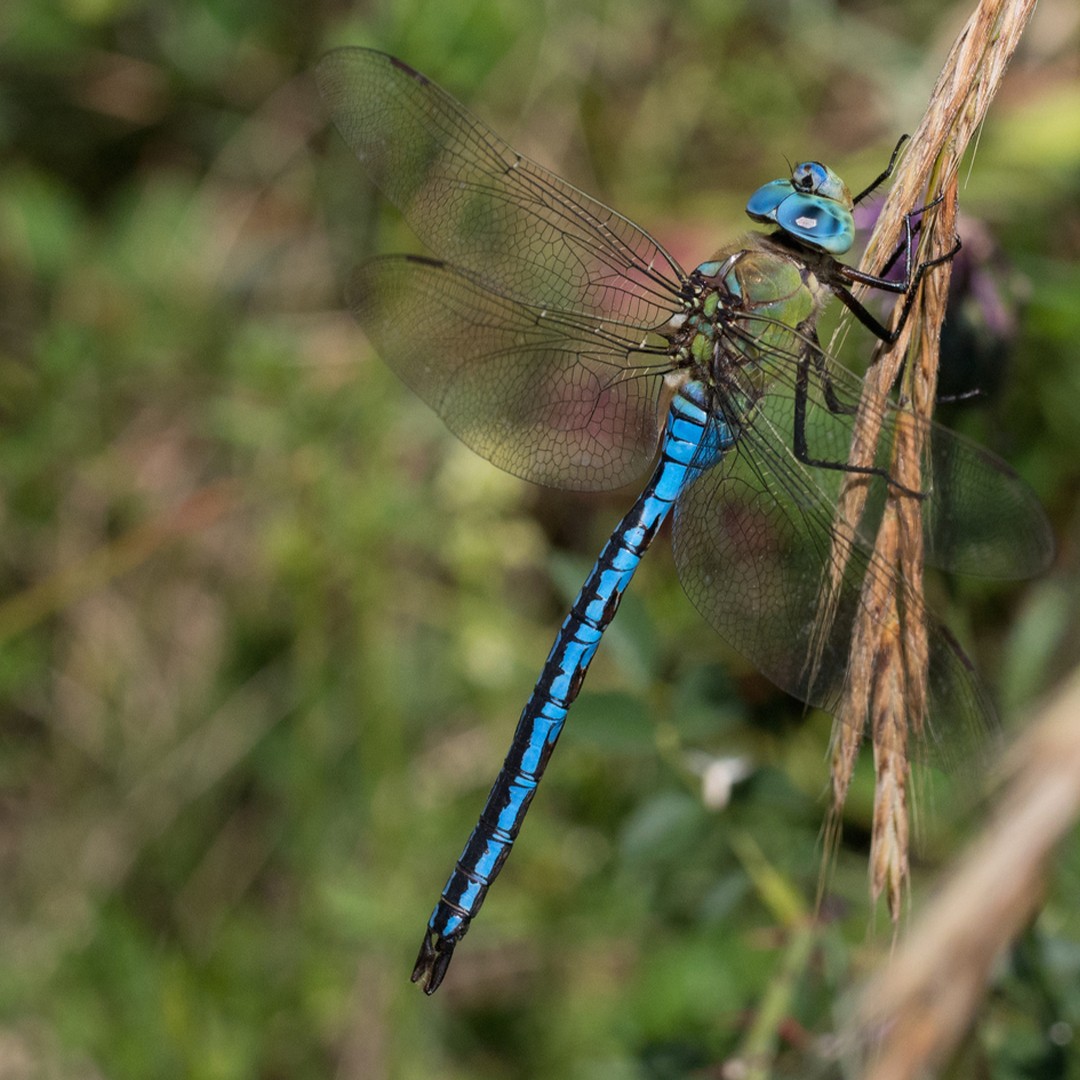
9. Emperor dragonfly
The emperor dragonfly or blue emperor (Anax imperator) is a large species of hawker dragonfly of the family Aeshnidae, averaging 78 millimetres (3.1 in) in length.







