




Top 17 Most Common Insects in Varadero
Insects, as diverse and unique creatures, are characterized by their exoskeletons, segmented bodies, and jointed legs, together forming nature's remarkable survivalists. The geographical variations within Varadero not only shape the occurrence and distribution of these species, but also their role as both critical pollinators and pesky intruders. Fascinatingly, a state's environment and its explicit insect population are inexplicably intertwined. So let us unveil the top 17 most common insects thriving within Varadero, reflecting the region's vibrant yet complex ecology.

Most Common Insects
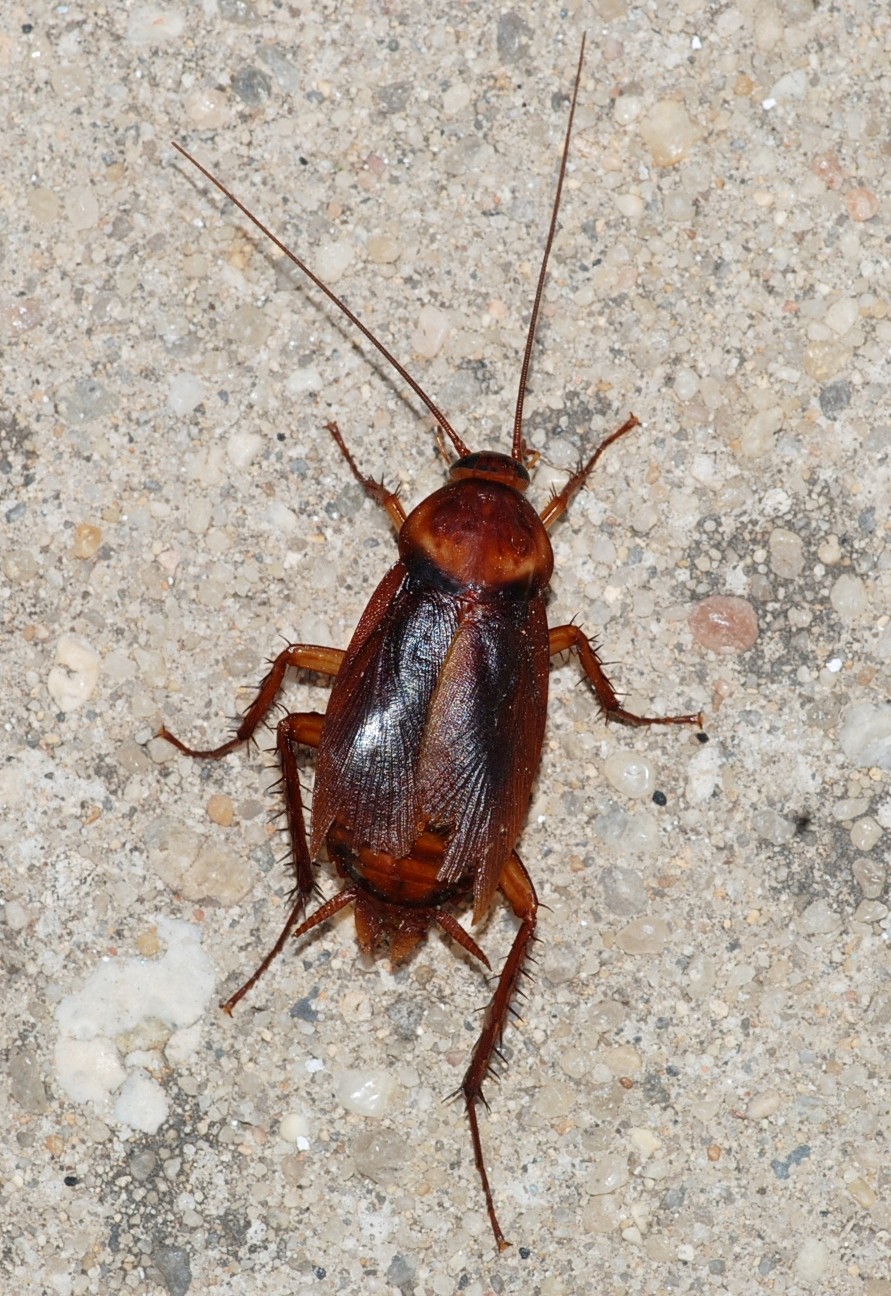
1. American cockroach
Despite its name, american cockroach (Periplaneta americana) is not native to the Americas but rather to Africa and the Middle East, from which it arrived as a result of human commercial patterns. Notably quick and rather resilient, this species is capable of limb regeneration. It requires a certain level of moisture to thrive, and it will avoid drier areas unless it has access to the required level of water.
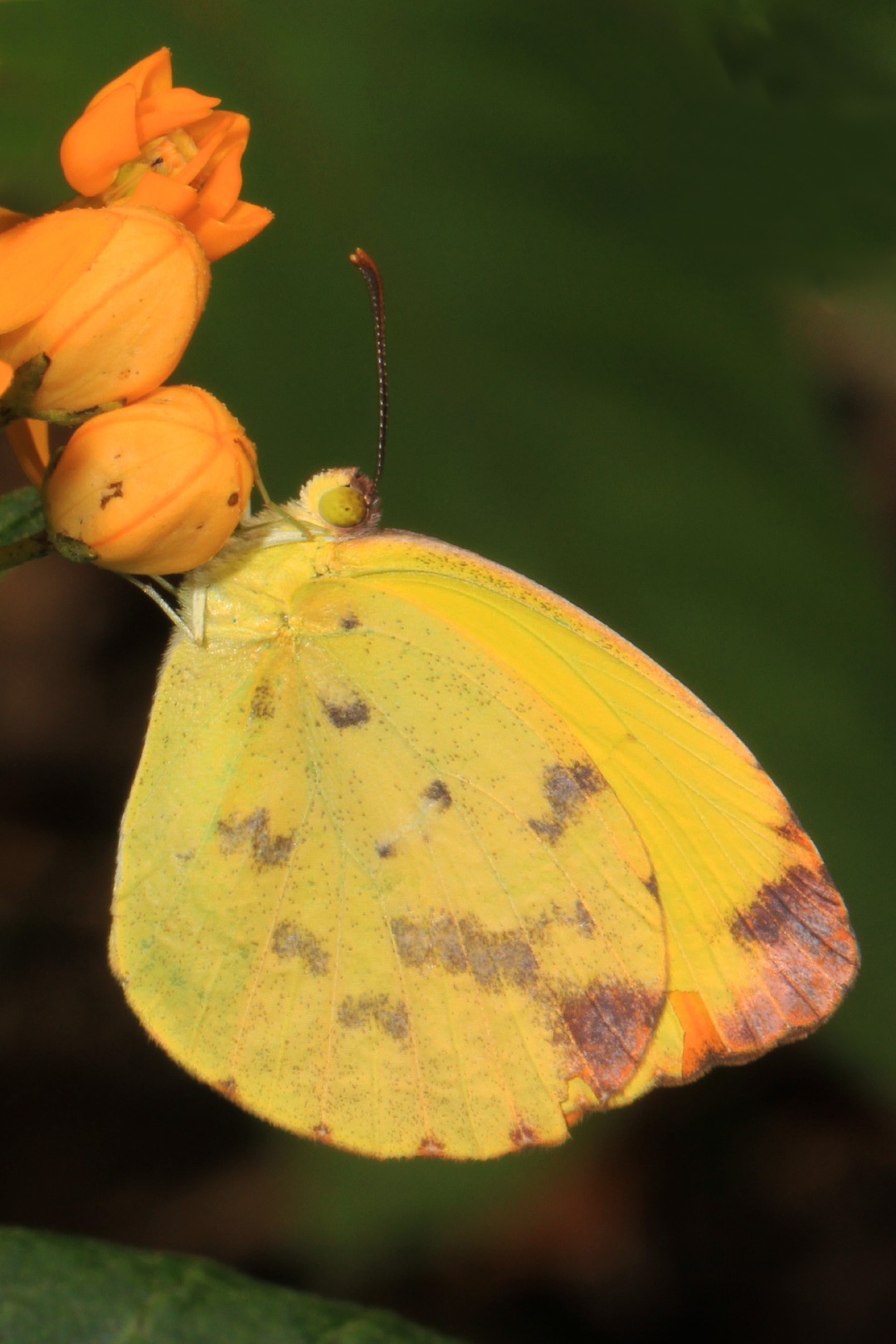
2. Dina yellow
The wingspan is 3.5 - 6 cm. Males are orange yellow with a very narrow black border on the outer and costal margins of the forewing. Females are yellow with black at the forewing tip. On the underside of both sexes, three black spots are found on the hindwing. The wet-season (summer) form is paler. 
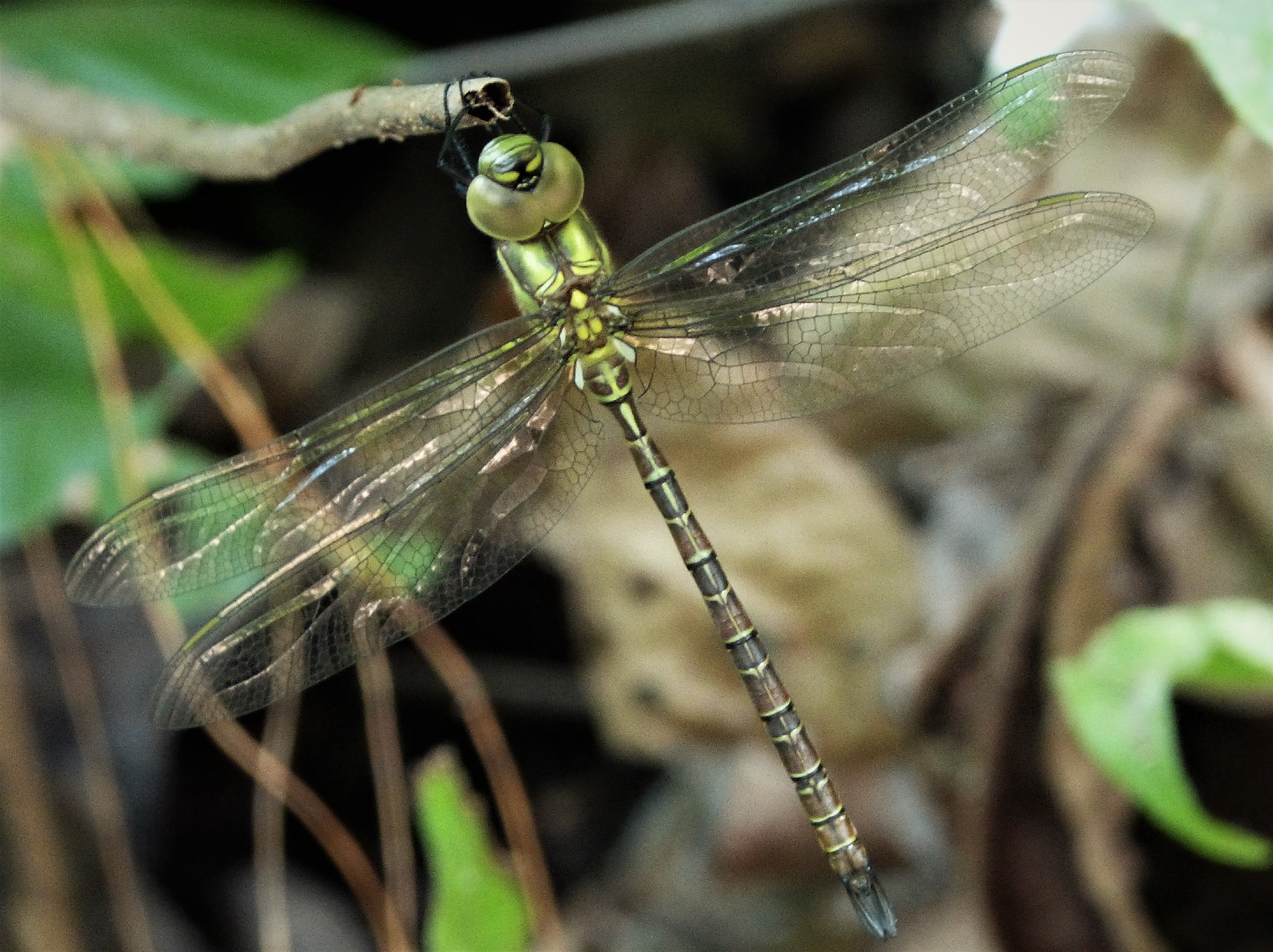
3. Blue-faced darner
The species is on the Red List of the IUCN as not endangered, year of assessment 2007, the trend of the population is stable according to the IUCN.
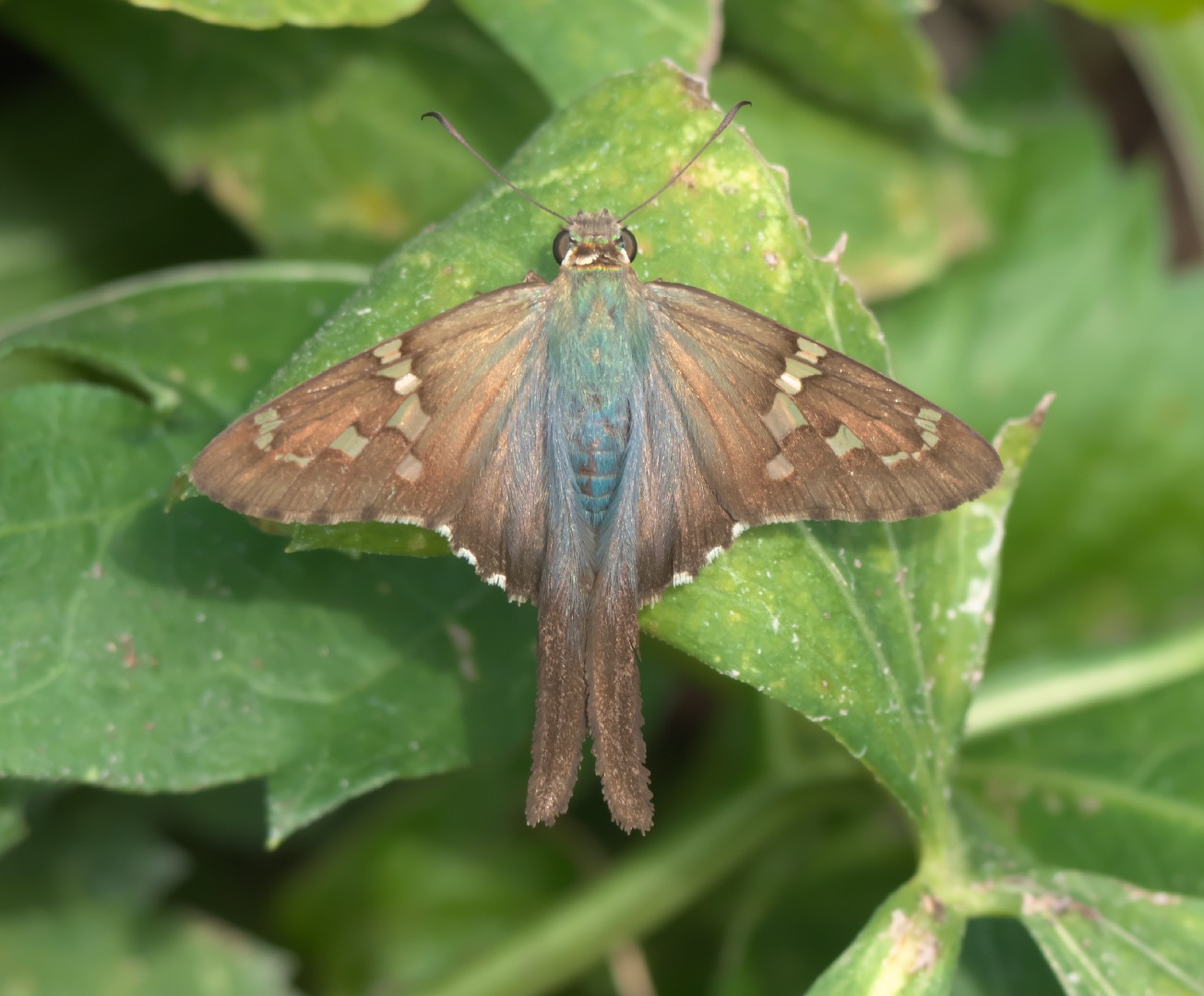
4. Long-tailed skipper
It is a showy butterfly, with wings of light brown tinted with iridescent blue, and two long tails extending from the hindwings. The robust body is light blue dorsally. It has a large head, prominent eyes, and a wingspan between 4.5 cm and 6 cm.
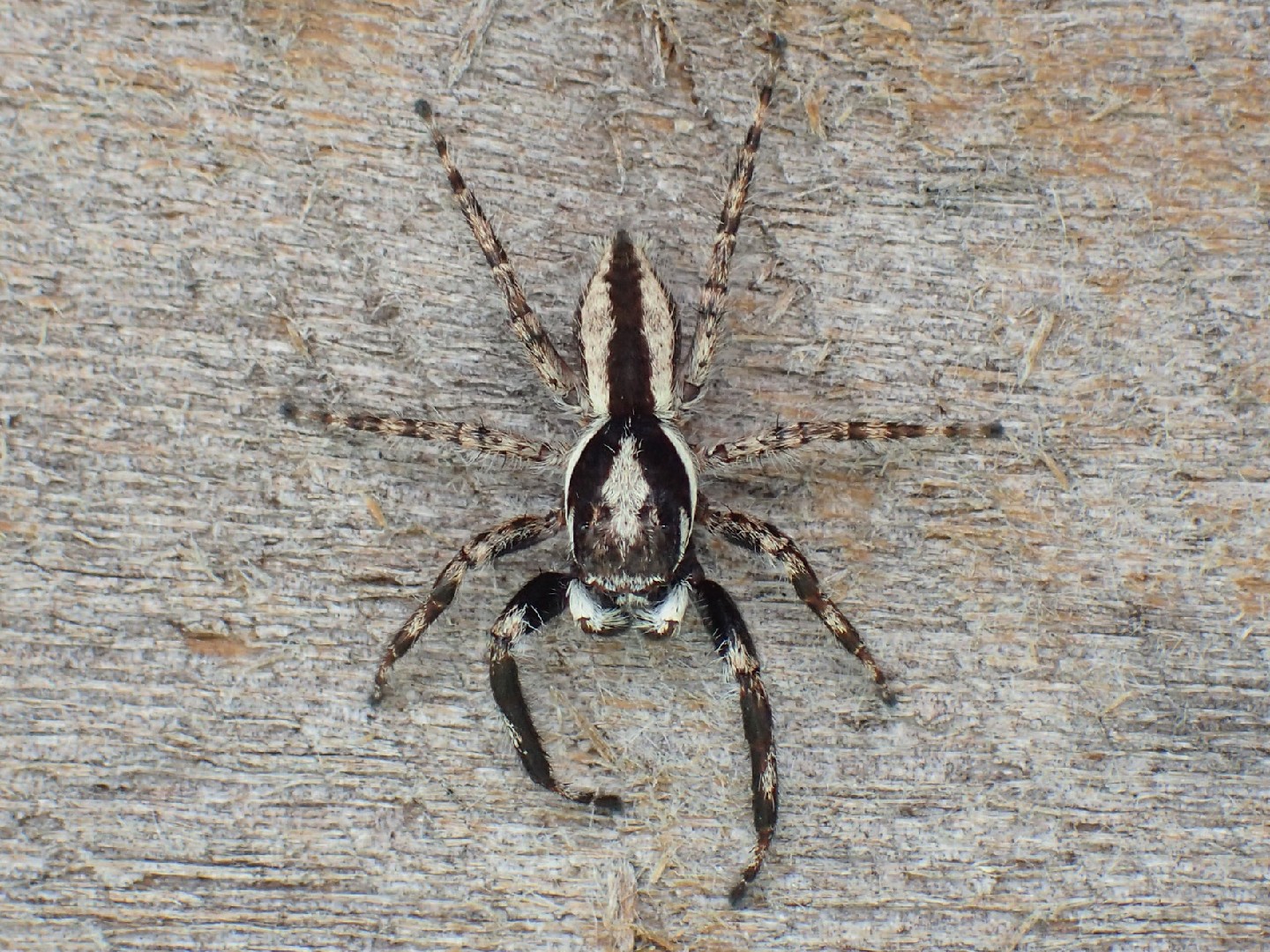
5. Gray wall jumper
The female gray wall jumper lays her eggs in cracks or other hidden areas. The young and mature spiders feed on flies, making them useful residents in a household. They do not make webs, but carefully hunt and jump on their prey.
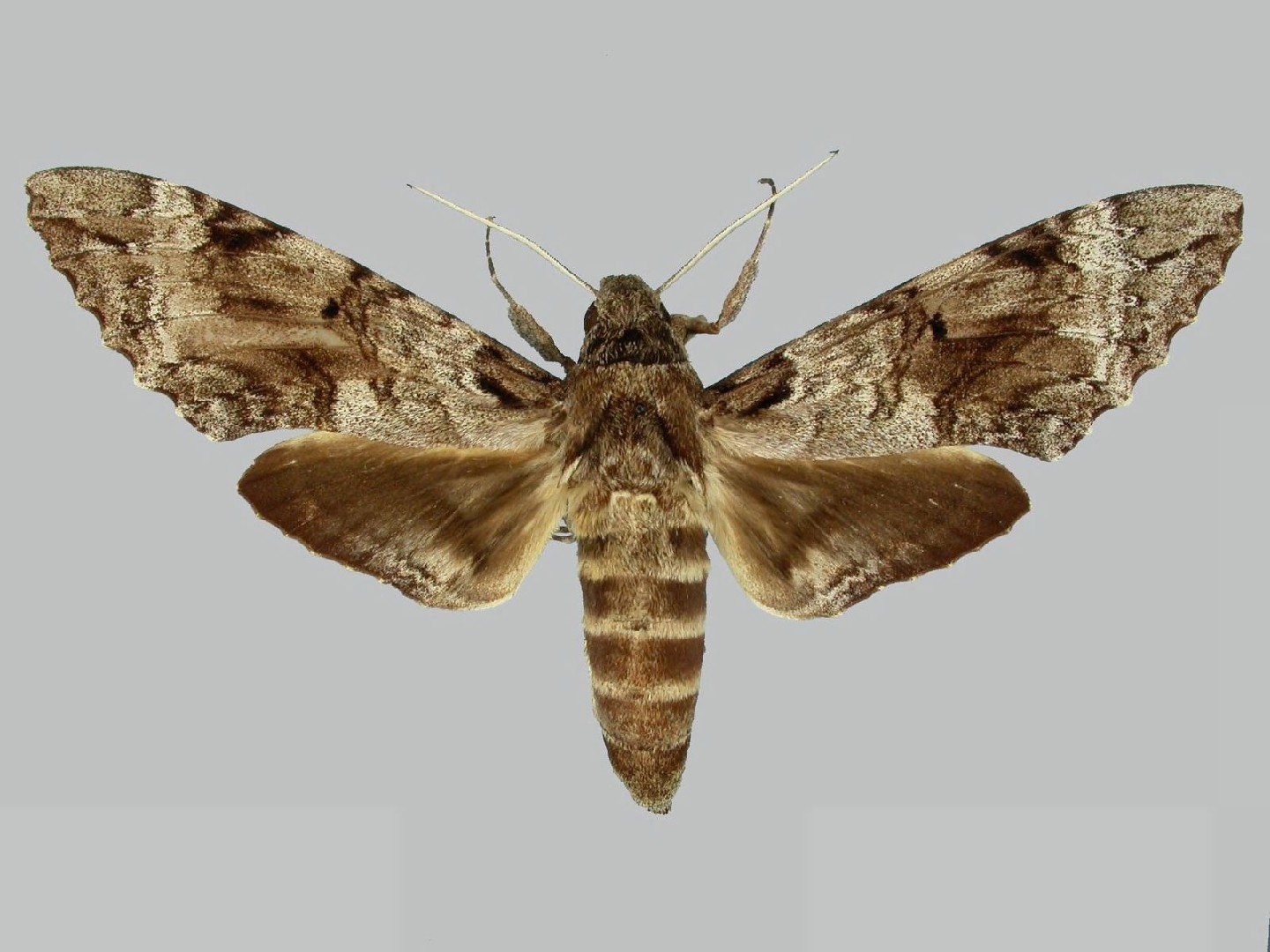
6. Tetrio sphinx
The adult moth is brown with gray and white markings, and the hindwing is a darker brown. The female may be lighter in tone. The body has gray, white, and black bands. The wingspan is 13 - 14 cm, and the female is generally slightly larger than the male. The larva is a caterpillar which may exceed 15 cm in length. It is black with aposematic yellow bands and a red-orange head. Toward the posterior end is an orange bump with a black horn roughly 2 cm long. The legs are orange with black spots. The pupa is about 7 cm long. It is yellow when new, turning brown and darkening to a reddish brown as it hardens.
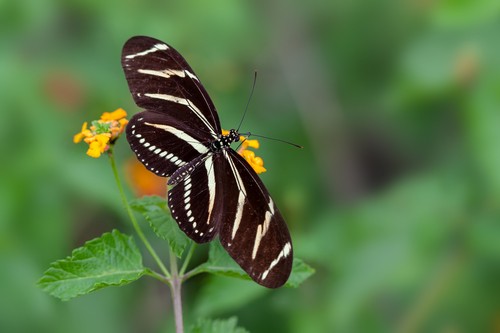
7. Zebra longwing
The zebra longwing (Heliconius charithonia) is a beautiful butterfly that has a texture resembling a zebra. They feast and pollen and nectar, using the pollen to produce chemicals that poison predators if they are eaten, deterring most predators from attack. Unfortunately, their populations have been decimated after being caught in the crossfire of sprays meant to control mosquitos.
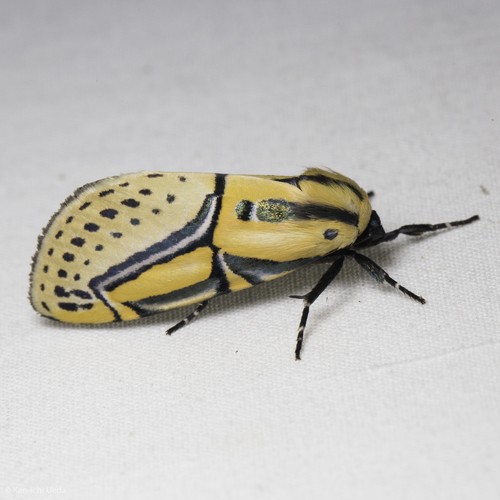
8. Hieroglyphic moth
Diphthera festiva is a butterfly from the spider owls family (Erebidae). The scientific name of the species was first validly published in 1775 by Fabricius.

9. Scarlet skimmer
The species is on the IUCN Red List as not endangered, year of assessment 2009.
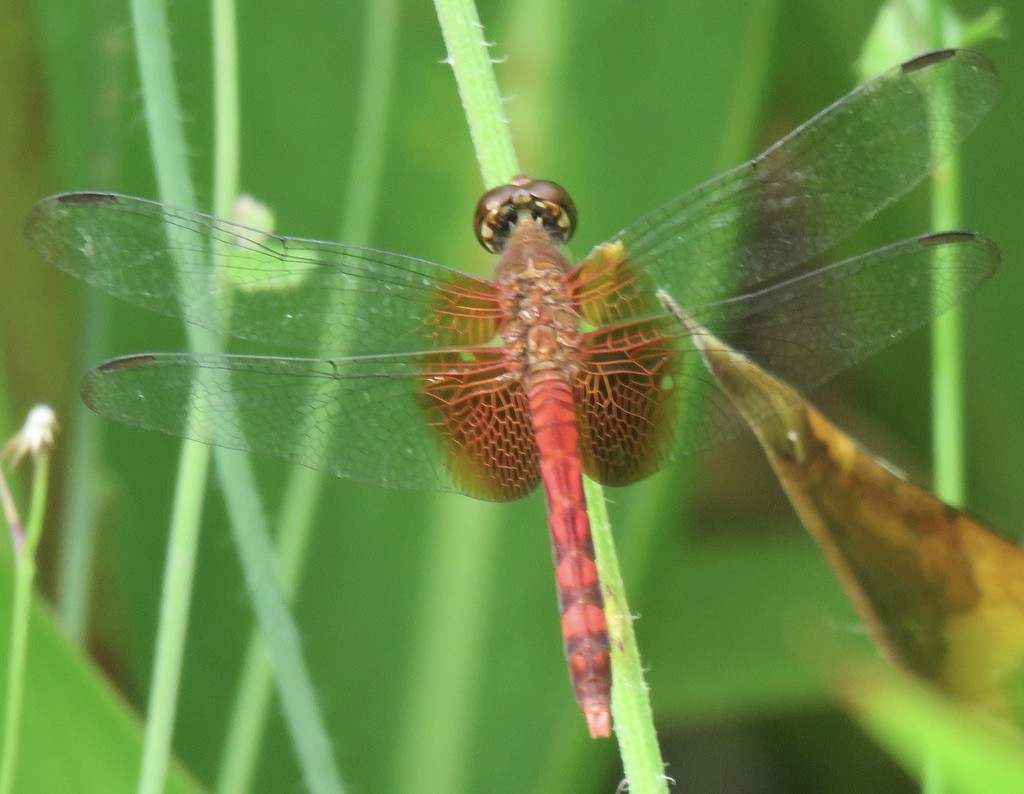
10. Red-mantled dragonlet
Erythrodiplax fervida is a species of skimmer in the dragonfly family Libellulidae. It is found in the Caribbean Sea and South America. The IUCN conservation status of Erythrodiplax fervida is "LC", least concern, with no immediate threat to the species' survival. The population is stable. The IUCN status was reviewed in 2017.
More







