




Top 17 Most Common Insects in Luxor
Welcome to the remarkable world of insects, the tiny life forms that buzz, crawl, and flutter throughout Luxor. Their diversity is shaped by the state's geographical features – from arid deserts to thriving forests. While some insects may be pests, others play crucial roles in our ecosystem, pollinating plants, decomposing wastes, or even controlling other pests. As we countdown our top 17 most common insects in Luxor, let's appreciate the symbiotic relationship they share with their environment.

Most Common Insects
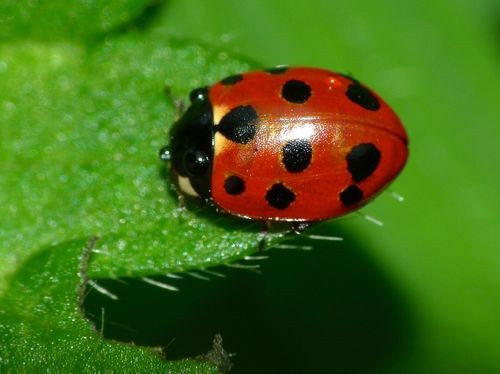
1. Eleven-spot ladybird
The Elfpunkt ladybird (Coccinella undecimpunctata) is a beetle from the family of ladybirds (Coccinellidae).
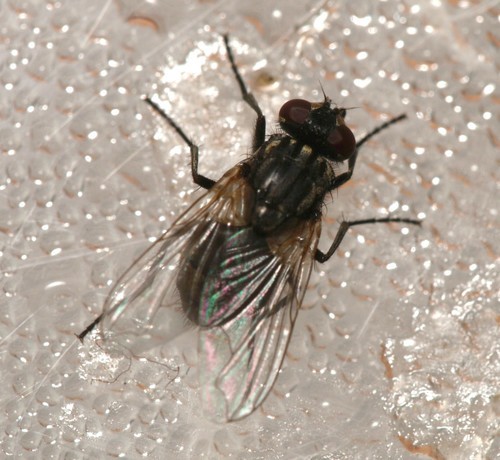
2. Common house fly
The female common house fly mates once and can store the sperm for multiple batches of eggs throughout her life. She will lay anywhere between 75 to 150 eggs at a time, usually in rotting organic matter, where the larvae will feed. The adults feed on feces and animal matter, making them important ecological composters. However, they can also transmit pathogens to human food and are considered pests and health hazards in human-occupied areas.
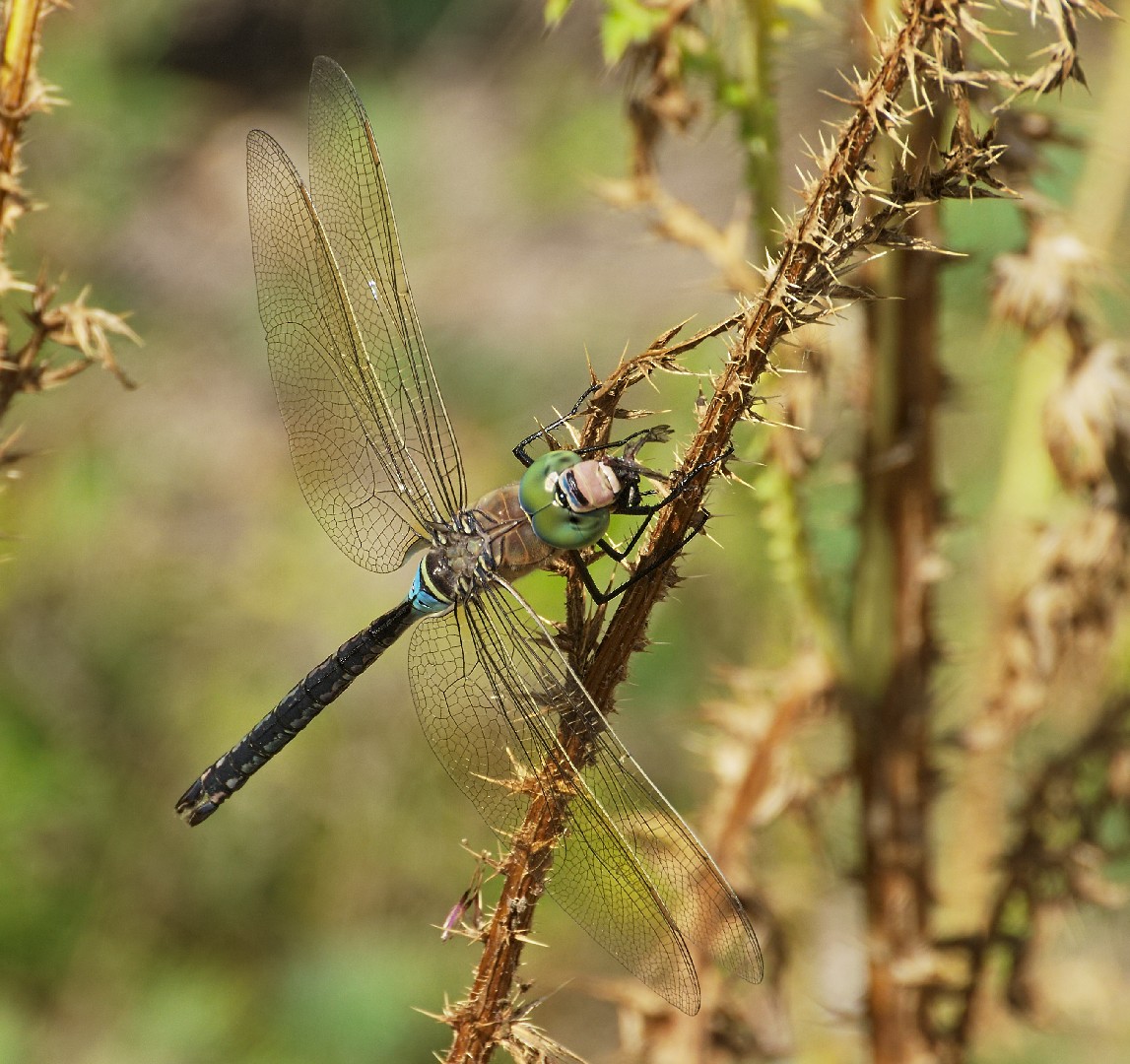
3. Lesser emperor
Its labium and labrum are golden-yellow and face and frons are greenish yellow and eyes are green, bluish when aged. Its thorax is pale olivaceous brown with dark brown sutures. Its segment two of the abdomen is turquoise blue. Segment three has a large blue patch at each side. Segments 4 to 9 have an irregular black middorsal stripe. Segment 10 is black. 
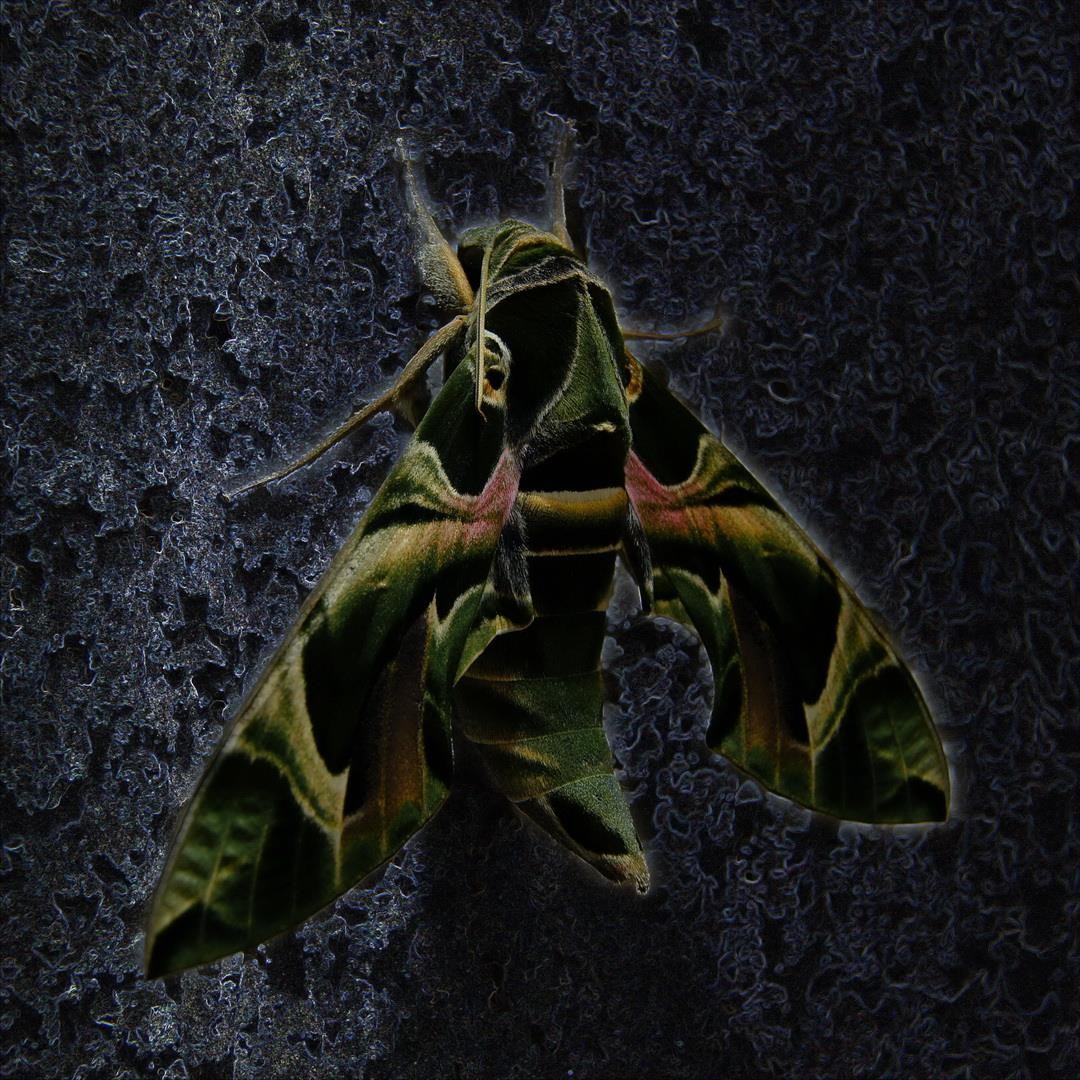
4. Oleander hawk-moth
Daphnis nerii, the oleander hawk-moth or army green moth, is a moth of the family Sphingidae. It was described by Carl Linnaeus in his 1758 10th edition of Systema Naturae.

5. Banded coral shrimp
Banded coral shrimp (Stenopus hispidus) is a crustacean that occupies tropical waters in the Atlantic Ocean, the Gulf of Mexico, and reefs surrounding Australia and New Zealand. It acts as a cleaner fish, and removing parasites and fungi from other passing fish. This species is monogamous and mates for life.
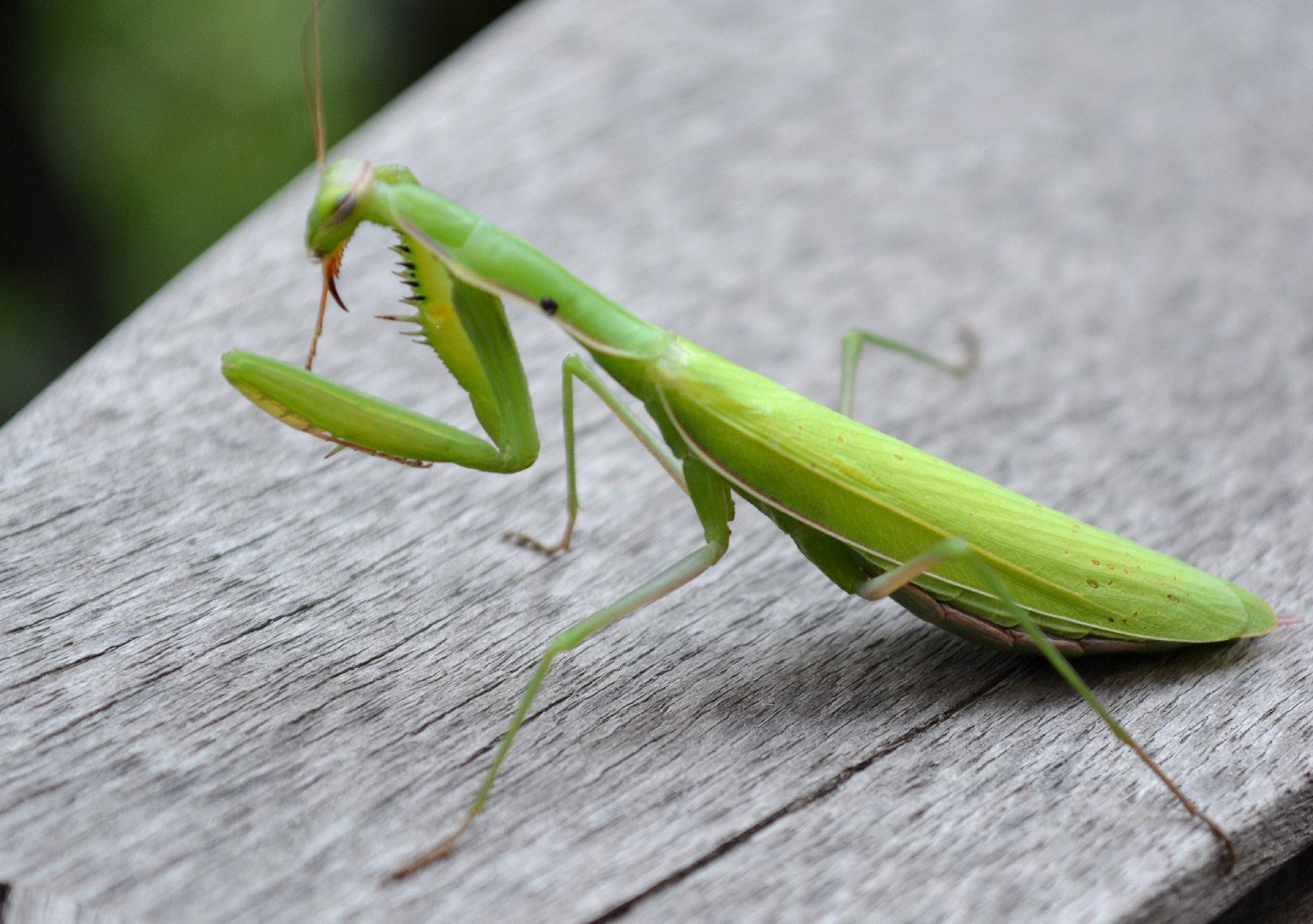
6. European mantis
The european mantis (Mantis religiosa) is a bright green mantis that can be distinguished by the two black spots with single white spots inside on its front legs. These spots resemble the eyes of a predator. If it's threatened, it will raise its wings and show off these intimidating "eyes". Also, it's a fierce species that will chase down its prey to catch it.
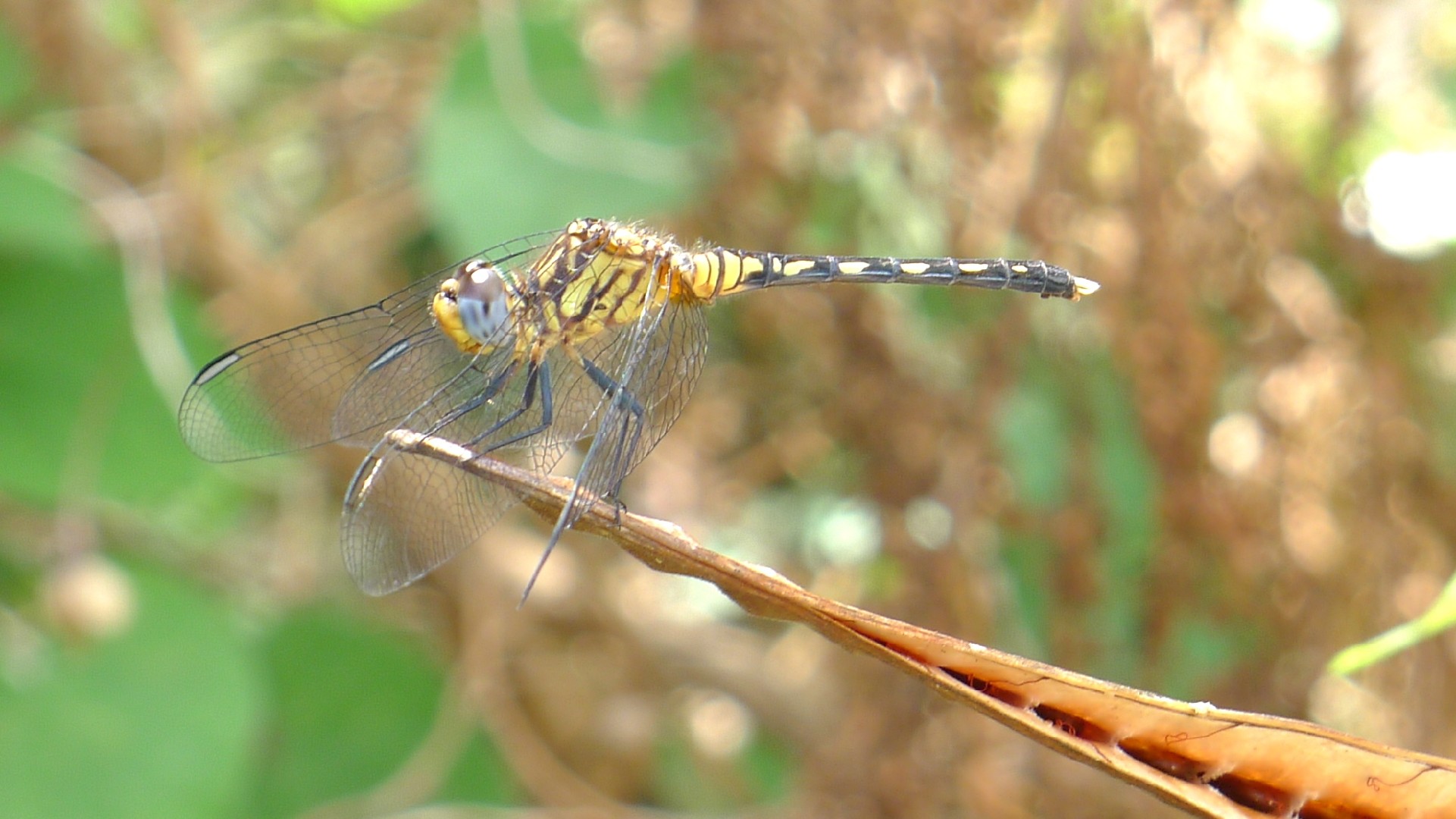
7. Black percher
The species is on the IUCN Red List as not endangered, year of assessment 2010, the trend of the population is stable according to the IUCN. The moriaantje is found in Africa and the Mediterranean.
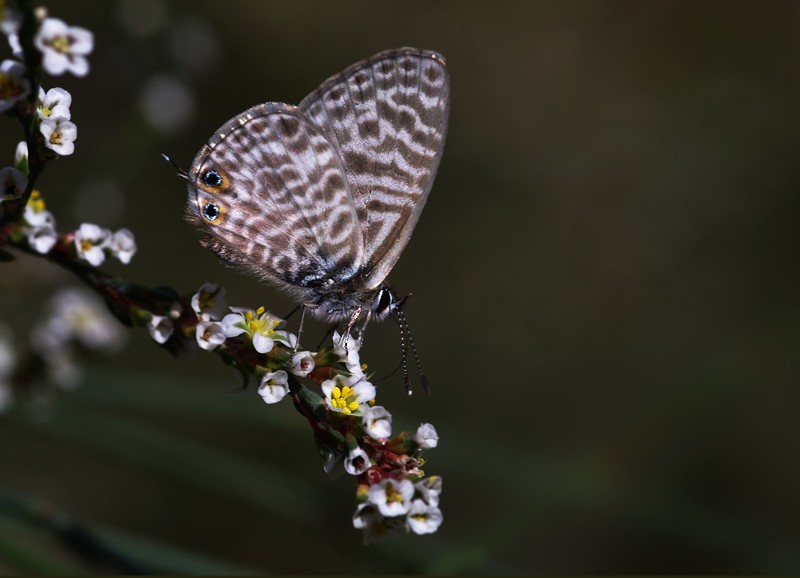
8. Lang's short-tailed blue
Leptotes pirithous is a small butterfly with a wingspan of 21–29 mm in males and 24–30 mm in females. The uppersides of the wings are purple bluish in males, bluish brown in female. The undersides are dark beige striped with white lines. The hindwings show marginal orange and black spots and two small tails.
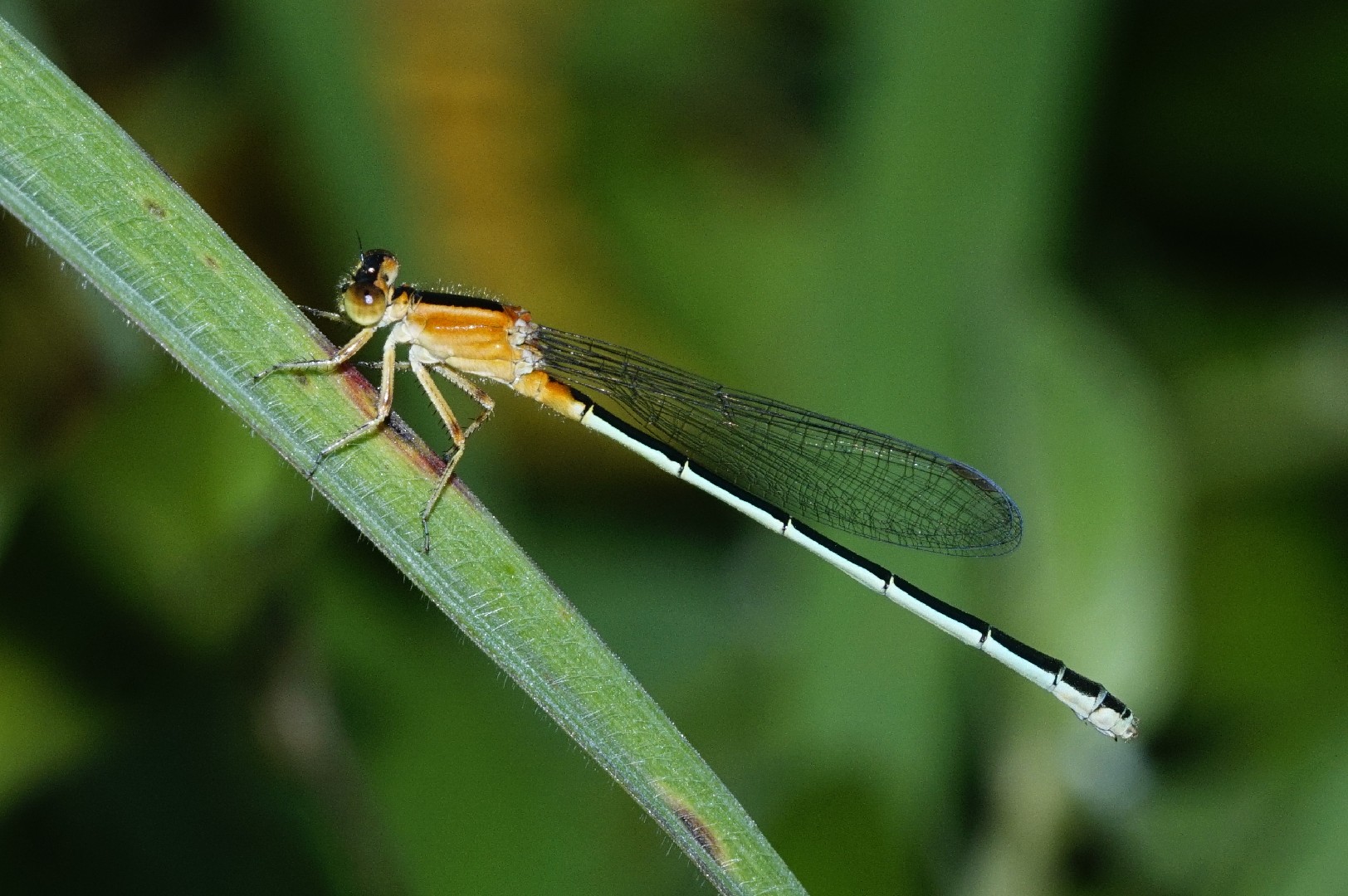
9. Common bluetail
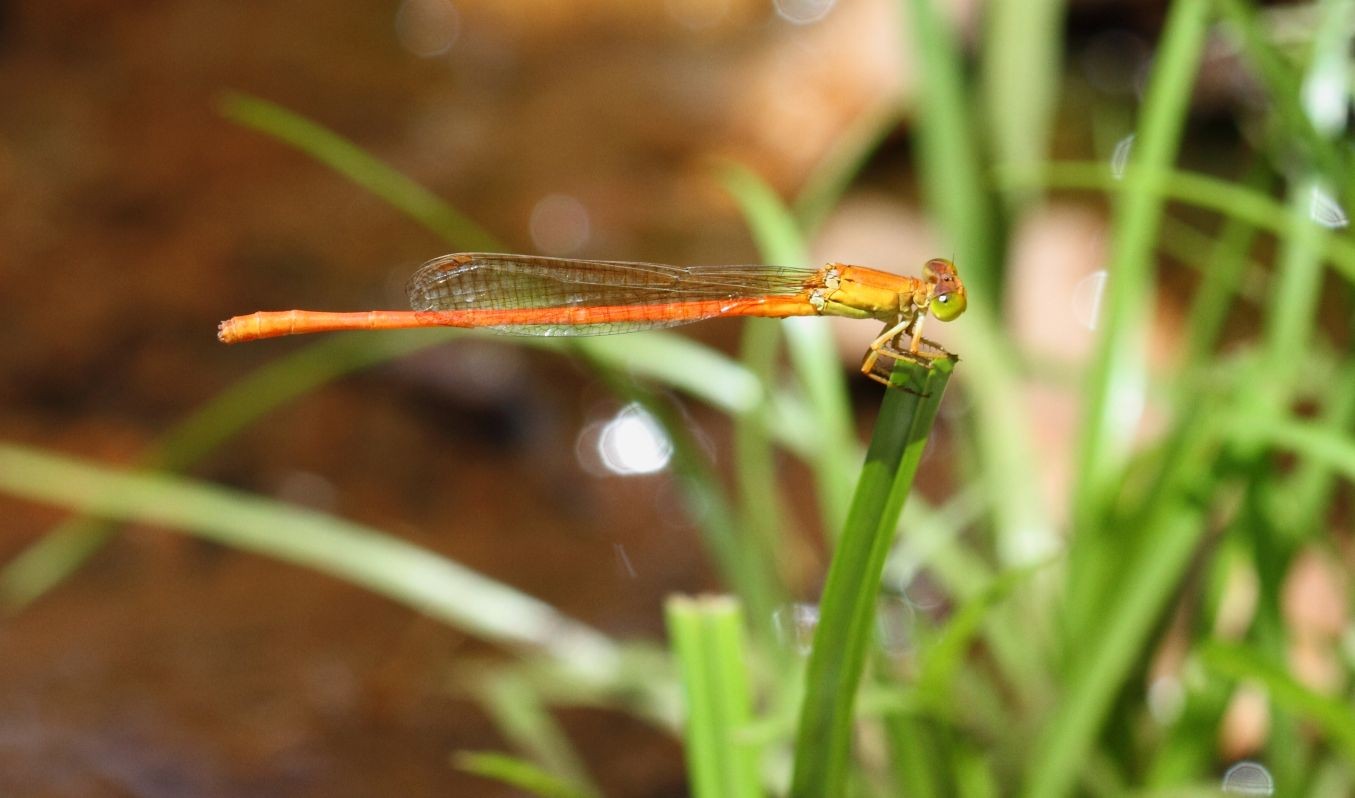
The Senegal Pechlibelle (Ischnura senegalensis) is a dragonfly from the family of the slender dragonflies (Coenagrionidae).
10. Dark mottled willow
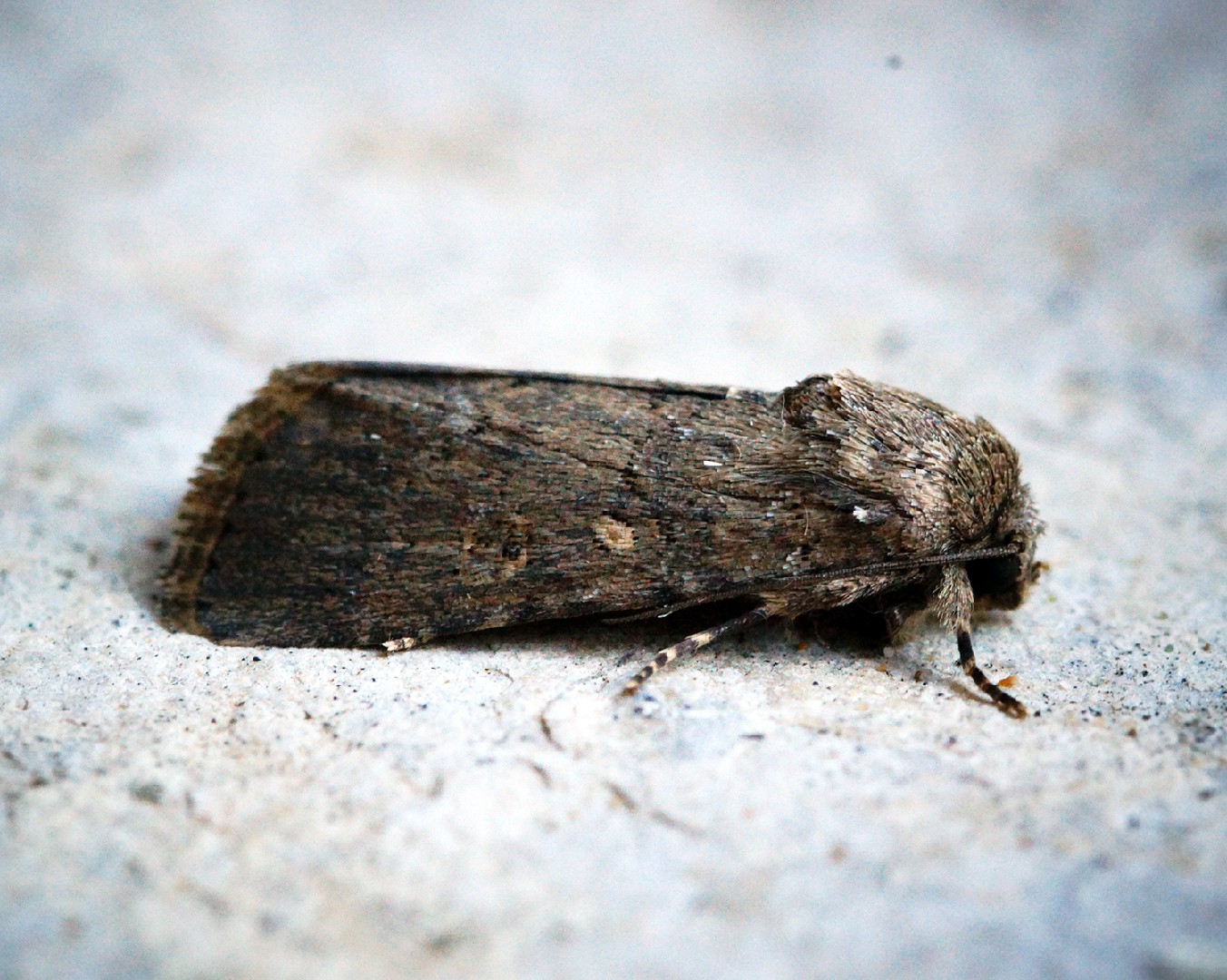
The species is found in Europe.

More