




Top 20 Most Common Insects in Avignon
Insects, renowned for their diversity and versatility, are integral to every ecosystem, particularly in Avignon with its varying terrain. These fascinating creatures, from the beneficial to some considered pests, reflect on the region's environmental health. So, embark on a journey with us as we explore the top 20 most common insects in Avignon, understanding their roles and relationships to their unique habitats.

Most Common Insects
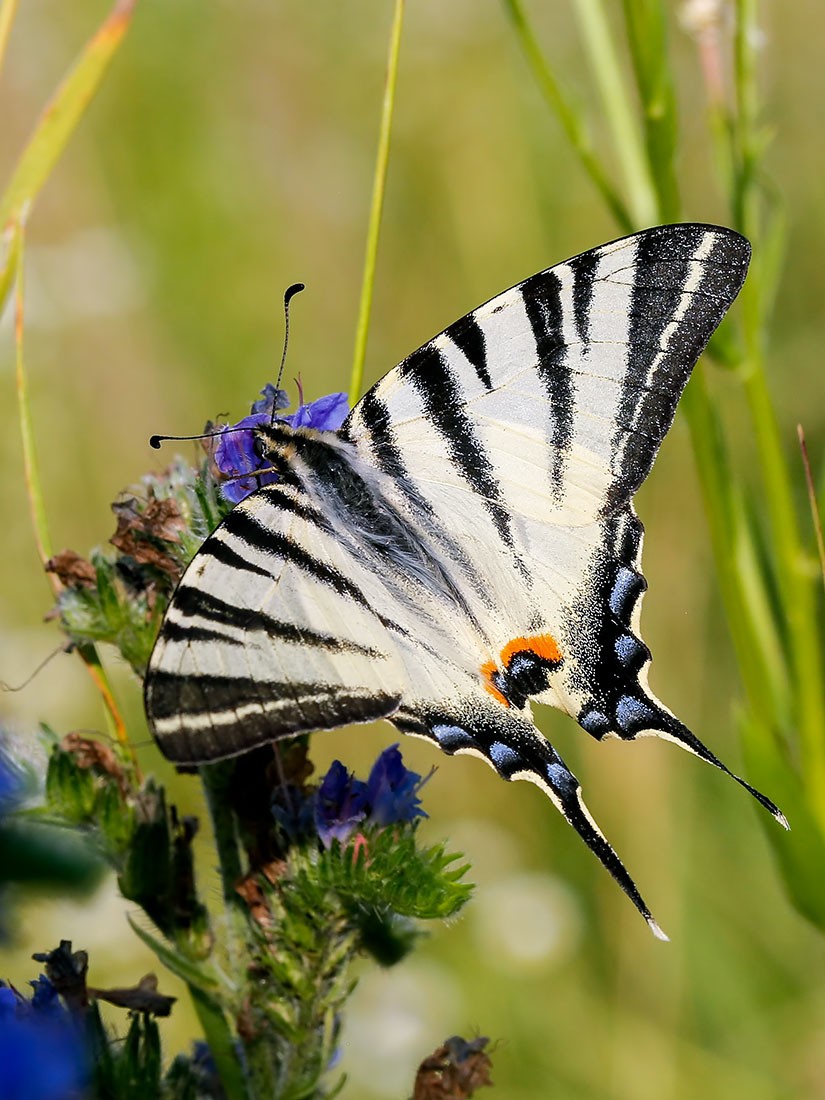
1. Scarce swallowtail
Its slow and floating flight pattern makes it easy to identify the scarce swallowtail as it soars over gardens, orchards, and scrublands. The butterfly has a large presence across Europe, the Middle East, and Asia. The adult lifespan is brief, only two or three weeks. Planting flowers like blackthorn can encourage the butterfly to visit a garden.
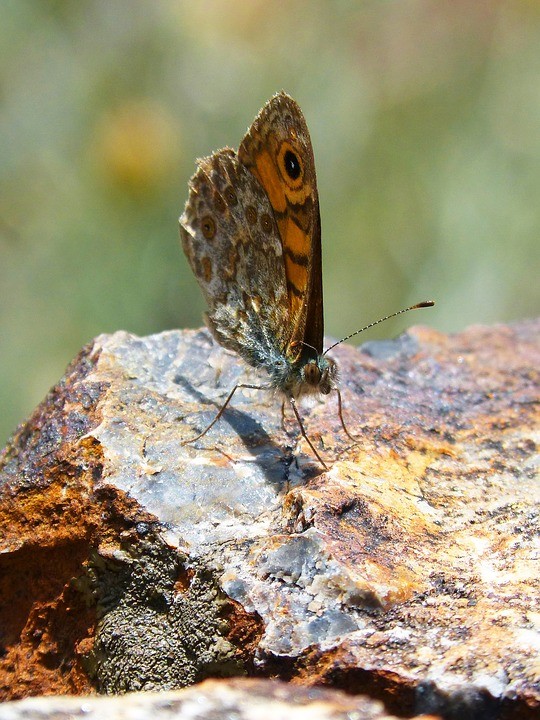
2. Wall brown
P. megera L. [— xiphie Boisd. pt (45d). Above reddish yellow, with a black mark which traverses the distal band from the cell of the forewing to the abdominal margin of the hindwing, short black stripes crossing the disc and the cell of the forewing. 
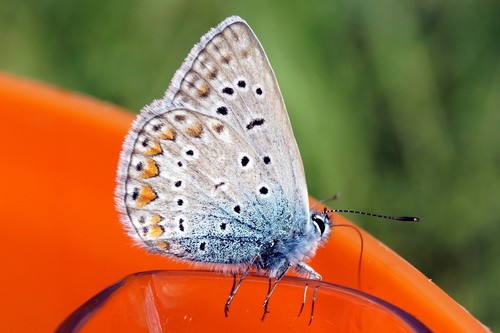
3. Common blue butterfly
Despite its common name, only male specimens of common blue butterfly (Polyommatus icarus) can accurately be described as blue; the females are predominately gray-brown, with only a dusting of blue and a scattering of orange spots. The adults live for only three weeks before dying.
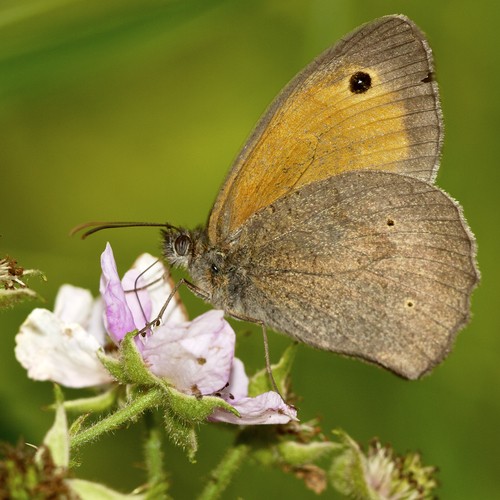
4. Meadow brown
The meadow brown (Maniola jurtina) is similar to the Gatekeeper in the way that it rests with its wings open due to the "eye spots" on either end of its wings that ward off predators. While the color is a deep brown, the caterpillar form is a beautiful bright green with little, white hairs and a dark line leading down its back.
5. Small heath
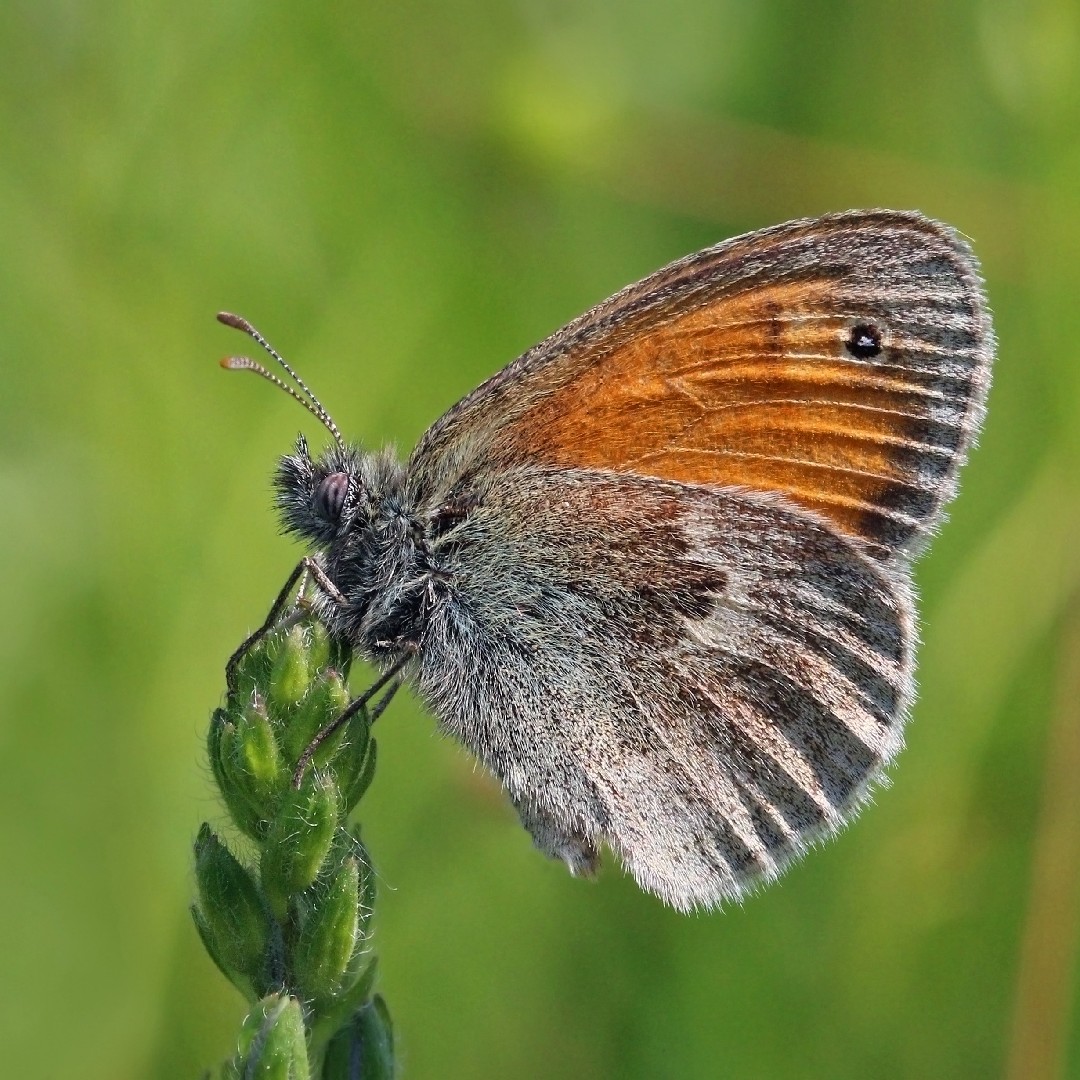
It rests with closed wings when not in flight.
6. Great banded grayling
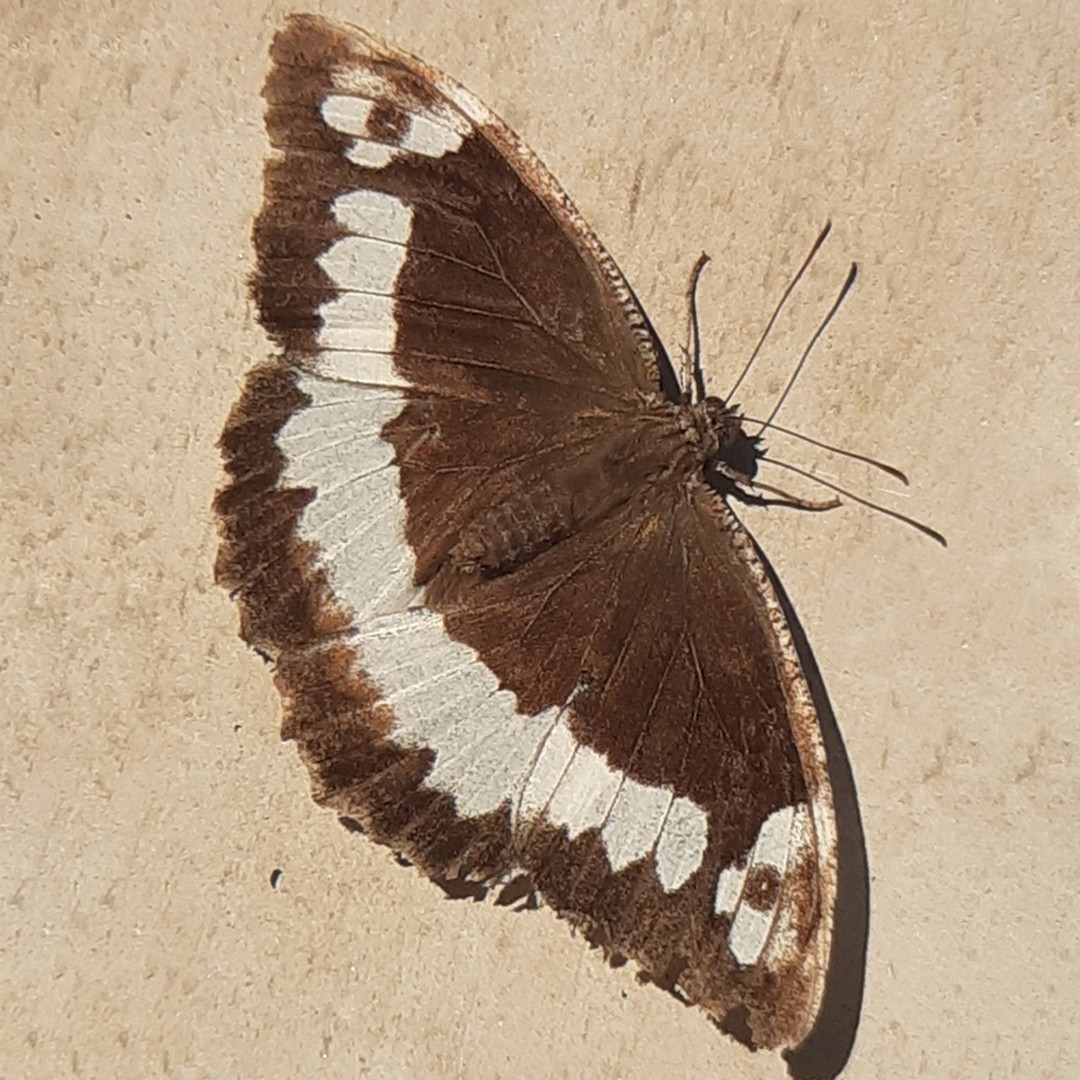
Brintesia circe reaches on average wingspan of 65–80 millimetres (2.6–3.1 in). Its wings are mainly black or dark brown. They have a broad white band at the edge of the basal area of all wings and usually a second white streak on the lower wings. The black eyespots on the underside of the upper wings have a white contour. Brintesia circe is quite similar to Hipparchia fagi, but in the latter the second white streak on the lower wings is always missing and the eyespots have a yellow contour. These butterflies usually rest on the branches of a tree, protected by their cryptic markings, but ready to take off and fly away when disturbed.
7. Marbled white
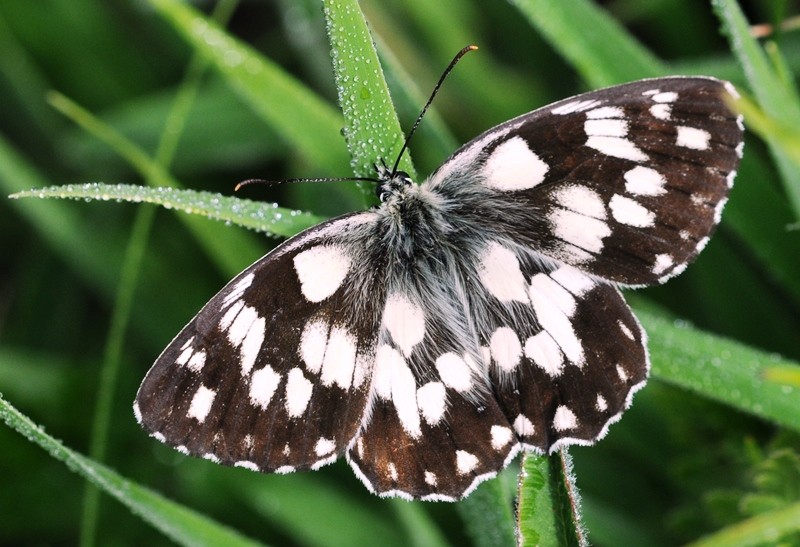
Melanargia galathea has a wingspan of 1.8–2.2 in. In these medium-sized butterflies the upper side of the wings is decorated with white and gray-black or dark brown markings, but it is always gray-black or dark brown checkered in the basal and distal areas. The underside is similar to the upper side but the drawings is light gray or light brown. On the underside of the hindwings is present a row of gray eye spots. The males and the females are quite similar, except that some females may have a yellowish nuance on the underside of the wings. The larvae are a lime-green colour, with a dark green line running down the middle of their back. The caterpillars are about 3 cm long. They are green or yellow with some lighter and darker narrow longitudinal lines. The head is always light brown.
8. Spotted fritillary
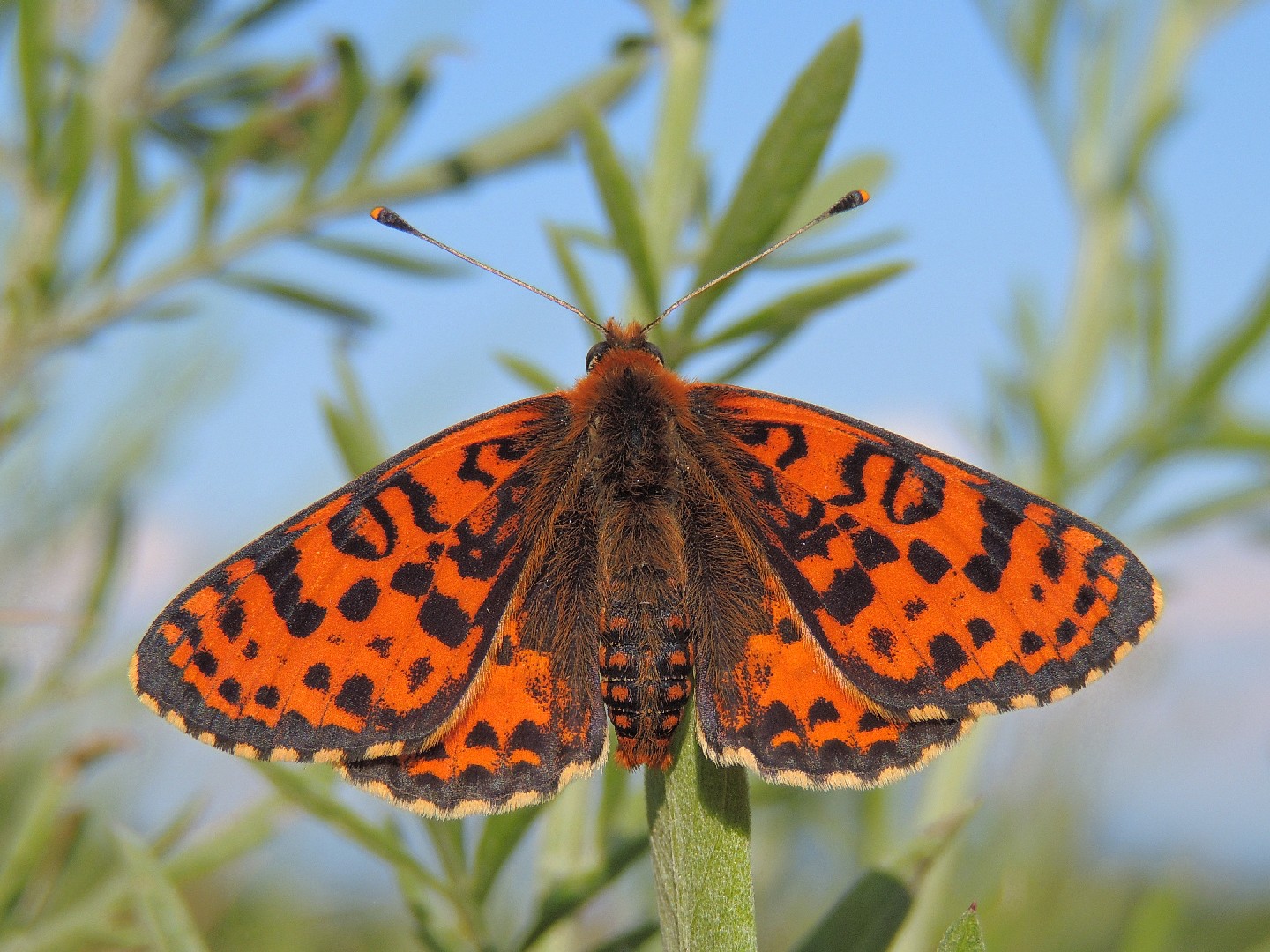
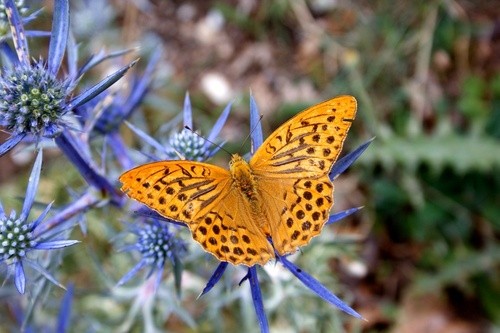
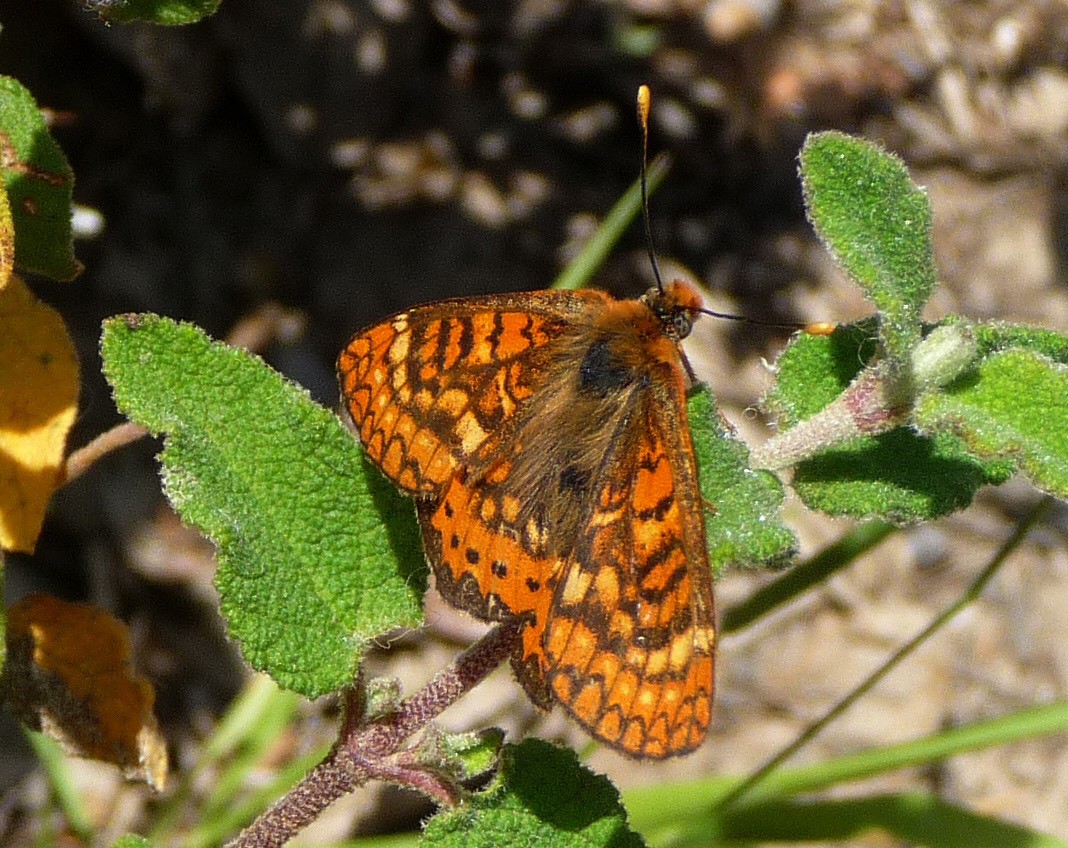
Melitaea didyma is a medium-sized butterfly with a wingspan reaching 3.5 - 5 cm. The overside of the wings is a bright orange-brown with dark brown markings arranged in rows, which are quite variable in quantity and size. Sometimes the colour of the females is a duller orange, shaded with grey-green. The underside of the wings is chequered pale yellow and pale orange. Melitaea didyma has seasonal forms and sexual dimorphism.

9. Cleopatra
The Cleopatra butterfly (Gonepteryx cleopatra), also called Mediterranean brimstone butterfly, is a butterfly (butterfly) of the family White Whites (Pieridae). The specific epithet derives from Cleopatra, the beauty of the famous Egyptian queen.
10. Old World swallowtail
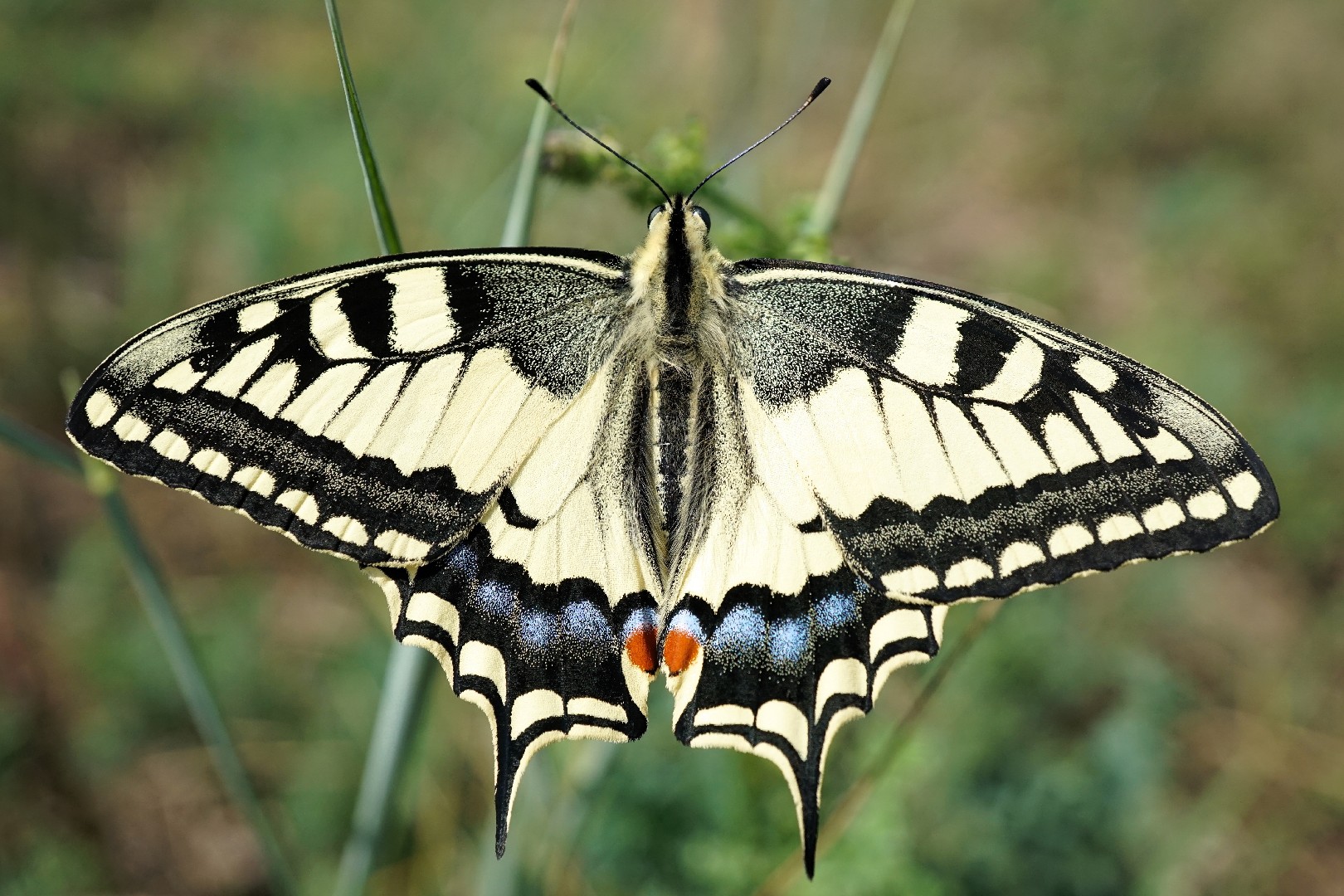
The old World swallowtail (Papilio machaon) is commonly just called the "swallowtail," giving it the added title of "old world" to distinguish it and remind us that it comes from the "old world" (Asia, Africa, Europe). The upper side of them is a beautiful combination of pure white with black striping, the underside being a brownish version of the same thing. There is blue and two red dots on its back side.
More







