




Top 17 Most Common Insects in Georgia
Insects, with their distinct features and various habitats, are a vital part of Georgia's ecosystem. Just as the sweeping mountains differ from the coastal sand dunes in Georgia, so do the variety of insects each geography supports. Bridging beneficial pollinators to unwanted pests, these tiny creatures reflect our nation's unique environments. Discover the 17 most common insects in Georgia, an intriguing reflection of our diverse landscapes.

Most Common Insects
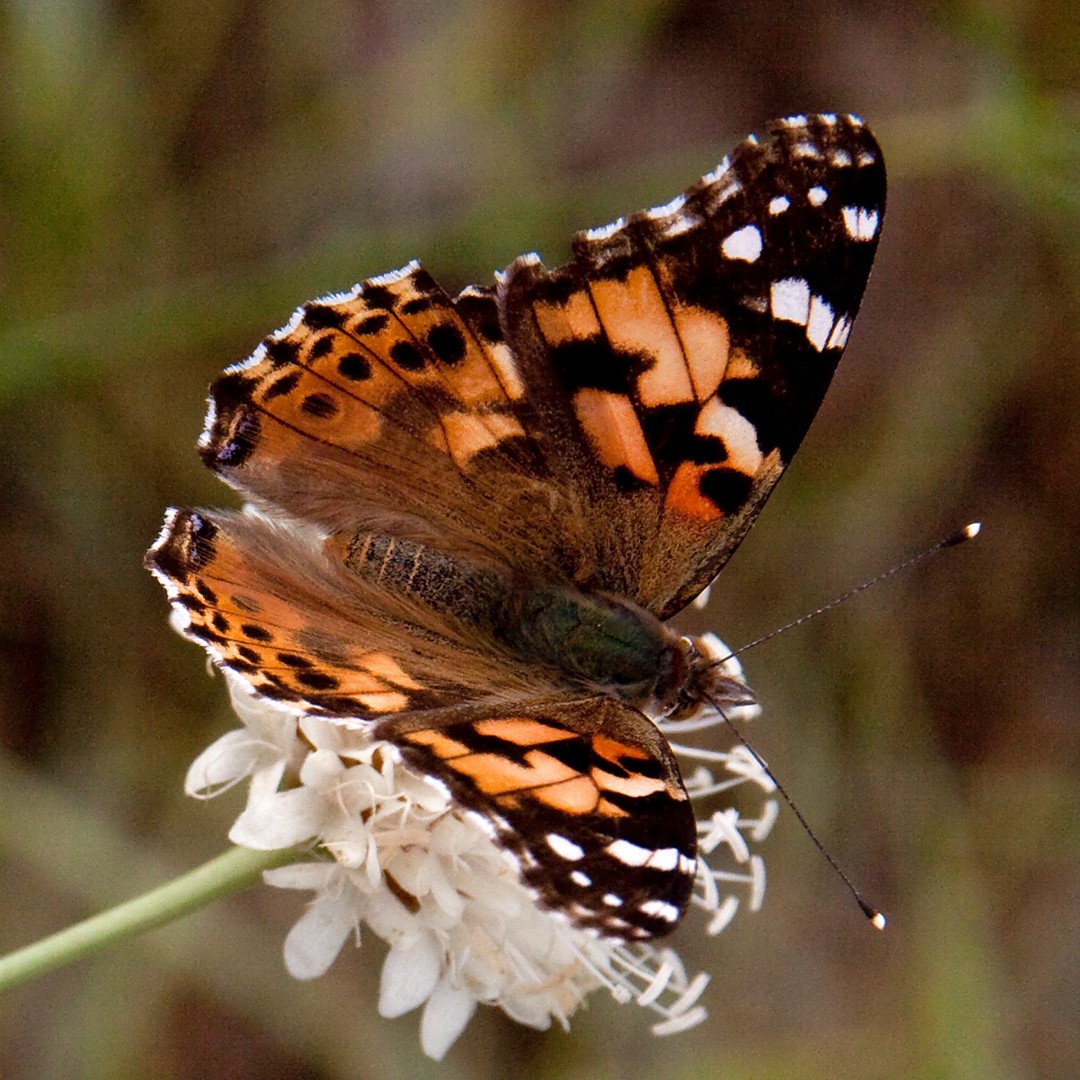
1. Painted lady
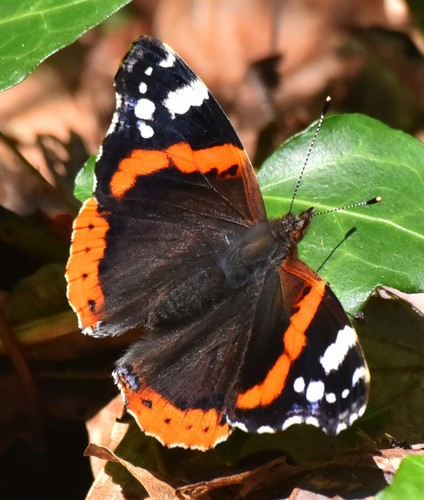
The painted lady is a migratory butterfly that spends part of the year in Northern Africa and then migrates to Europe during the warmer months. Although the adults feed on nectar from flowers, the larvae feed on the leaves of nettles and thistles.
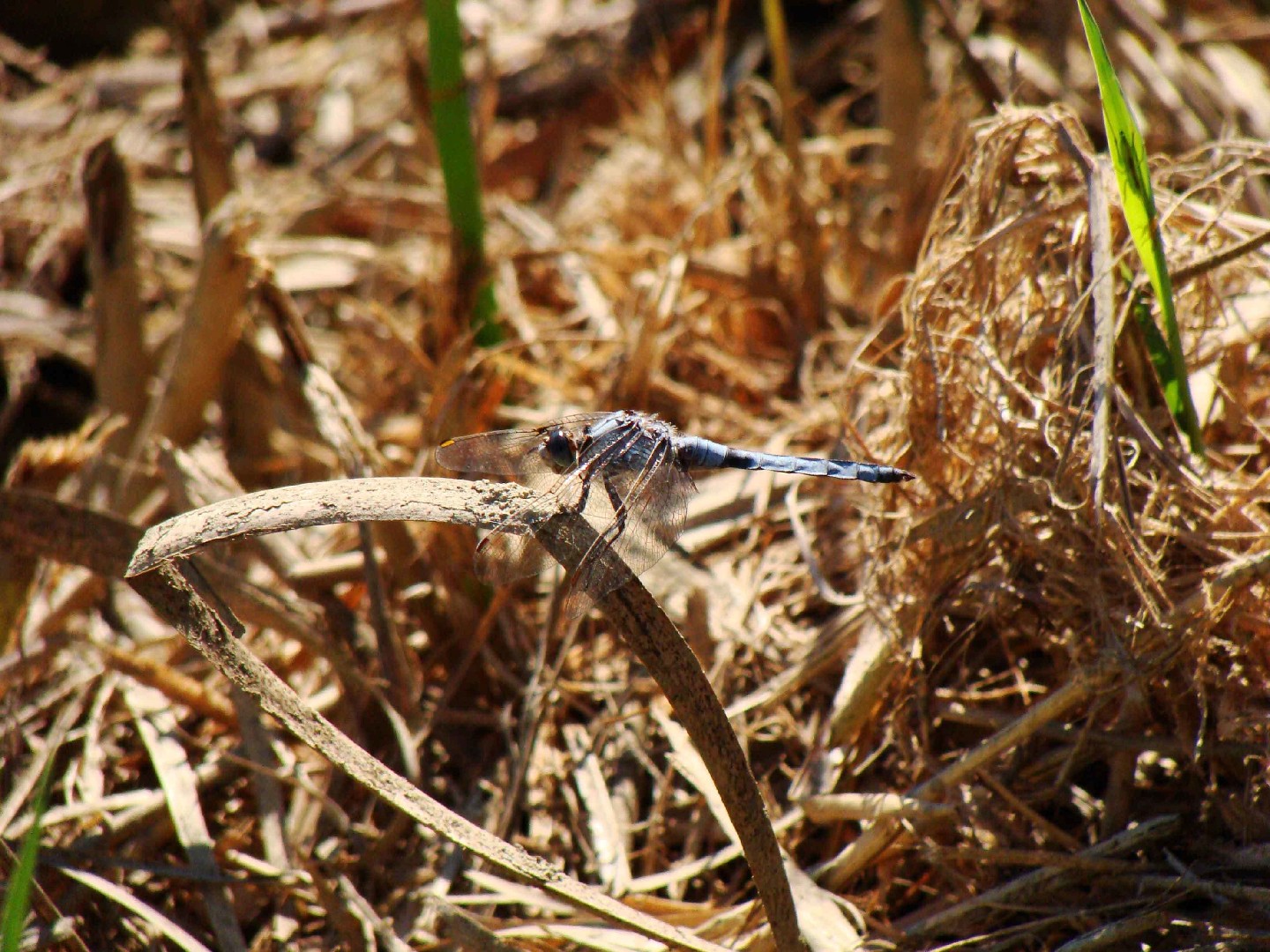
2. Southern skimmer
The adults grow up to 4 - 4.5 cm long. The thorax and the abdomen are pale blue in males, yellowish-brown or greyish-brown in females. Young males are brownish. The abdomen is relatively flattened and shows a thin middorsal black line and distinct points on each segment. The wings are hyaline, with yellow or pale brown pterostigma. The wingspan reaches 7 - 7 cm. 
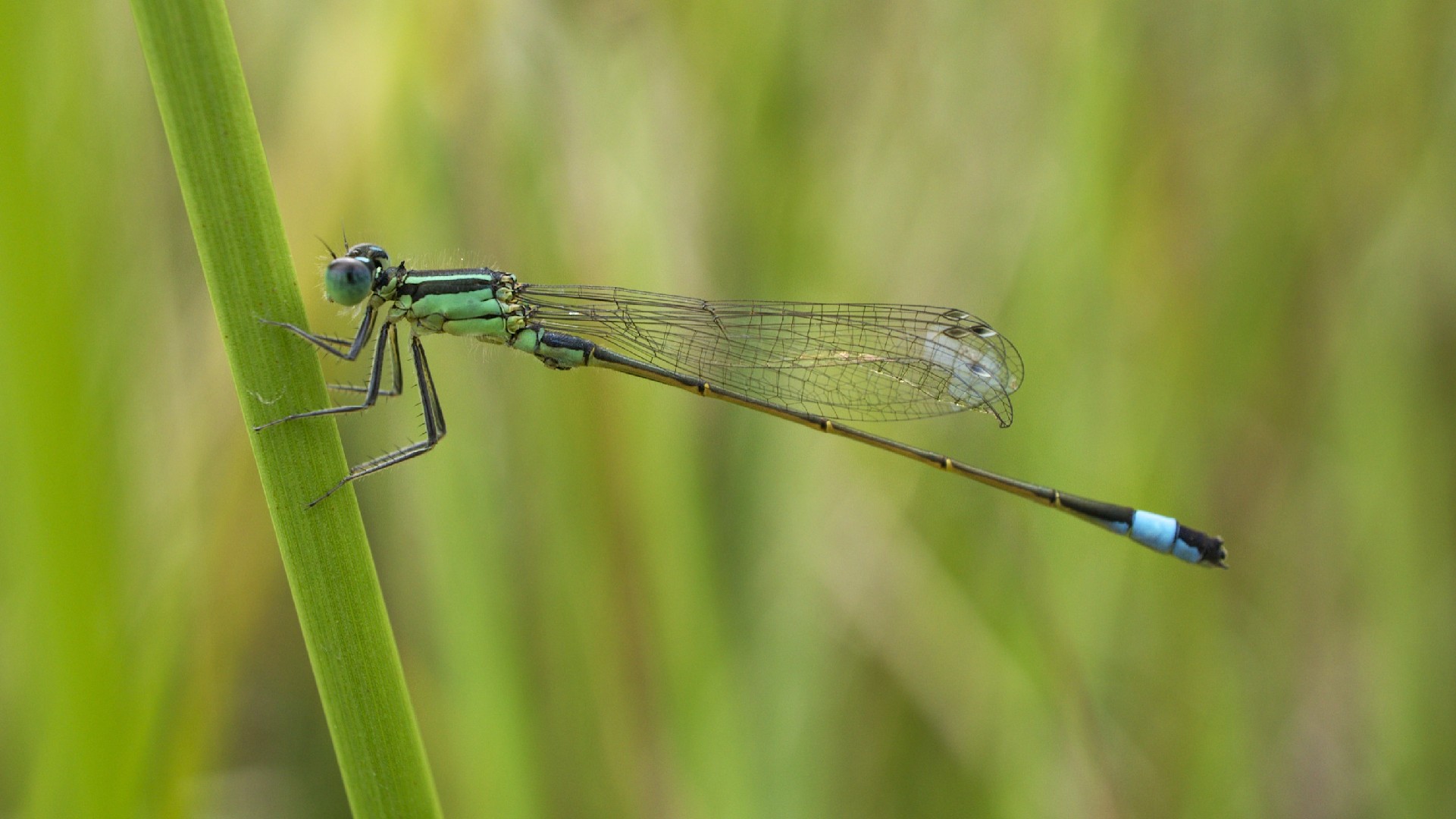
3. Blue-tailed damselfly
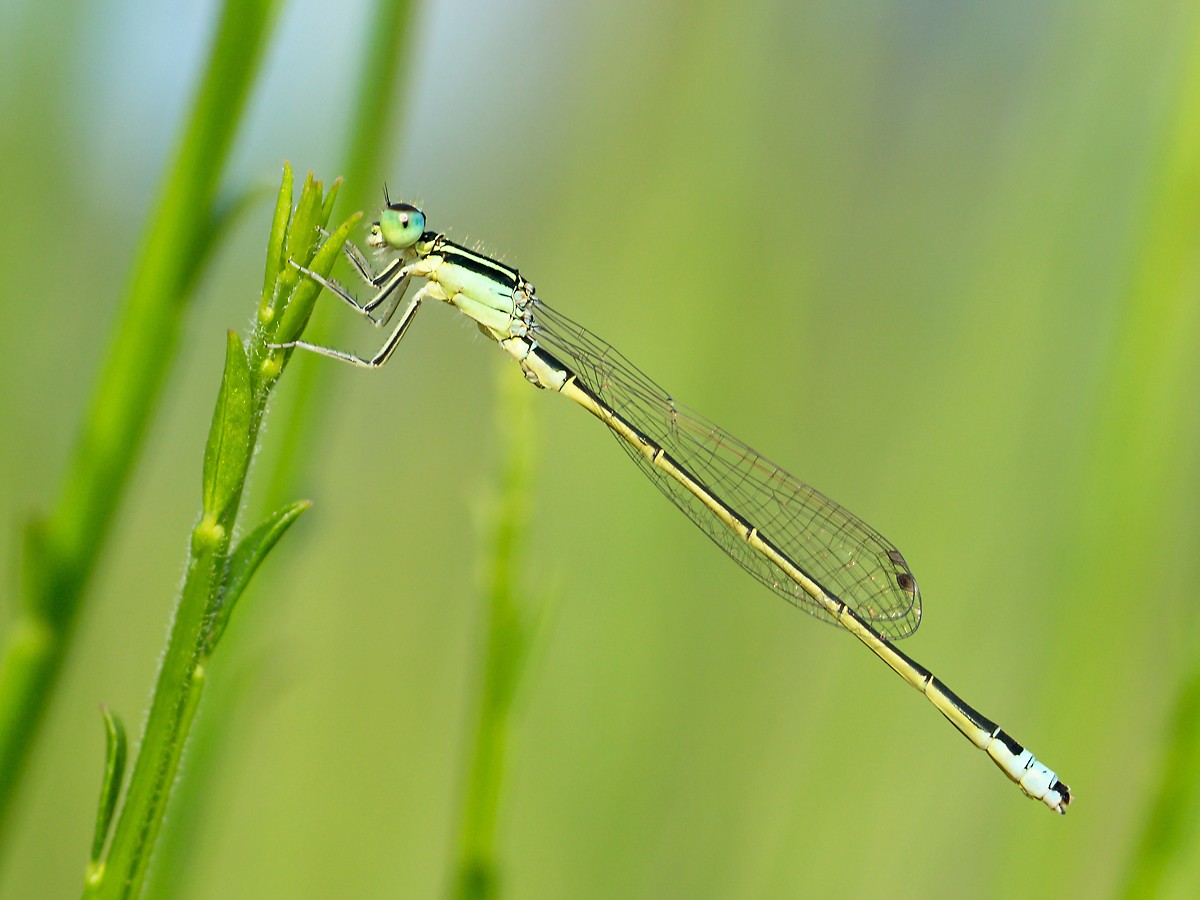
Ischnura elegans can reach a body length of 2.5 - 3.5 cm and a wingspan of about 3.5 cm. Hindwings reach alength of 1.4 - 2 cm. Adult male blue-tailed damselflies have a head and thorax patterned with blue and black. There is a bi-coloured pterostigma on the front wings. Eyes are blue. They have a largely black abdomen with very narrow pale markings where each segment joins the next. Segment eight, however, is entirely pale blue. At rest, the wings of most damselfly species are held back together, unlike dragonflies, which rest with their wings out flat. The thorax of juvenile males has a green tinge. Female blue-tailed Damselflies come in a variety of colour forms.Juveniles may be salmon pink, form rufescens; violet, form violacea and a pale green form. The colour darkens as the damselfly ages. Mature females may be blue like the male, form typica; olive green thorax and brown spot, form infuscans or pale brown thorax and brown spot, form infusca-obseleta.

4. Banded demoiselle
This is a large damselfly with a total length of up to 1.9 in and a hindwing length of up to 1.4 in. Male and female are variable in color and pattern. The male has translucent wings which each have a broad, dark iridescent blue-black spot (or band) across the outer part. On immature dragonflies the spot is dark brown. The body can be a metallic blue or bluish green or a combination of both colours, depending on the time of year and location. The dark wing patch of the male starts at the nodus (the slight dip midway down the upper edge of the wing) but can reach up to the wing-tip in southern races.
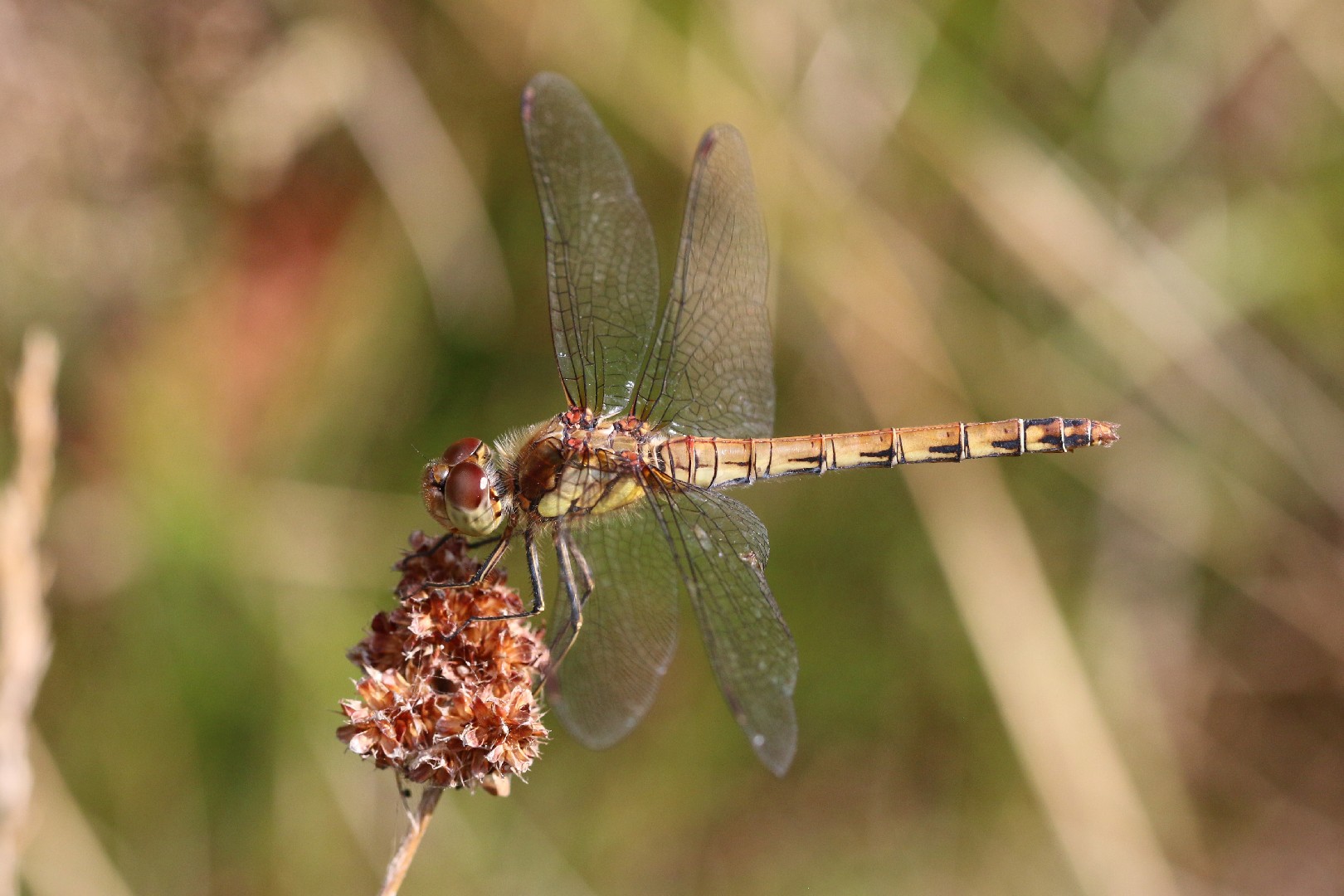
5. Common darter
The Great Heidelibelle owes its name to the fact that it is the largest representative of its genus in Germany. The second part of the species name (epithet) striolatum (m. Striolatus, "with small stripes") refers to the pattern of the breast section. The species occurs in some subspecies with a distribution focus in Asia.
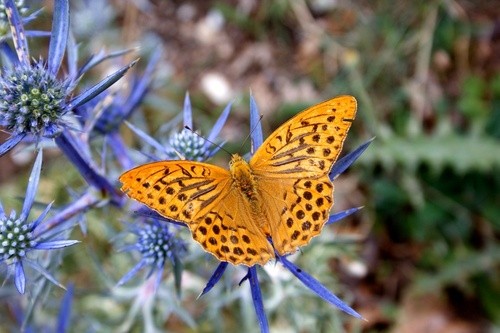
6. Silver-washed fritillary
The silver-washed fritillary (Argynnis paphia) is a beautiful, orange butterfly that is covered in black spots. It earns the "silver-washed" portion of its name through silver streaks you can find running along with it. It produces a scent using "scales" that allows it to distinguish itself when females are trying to locate it.
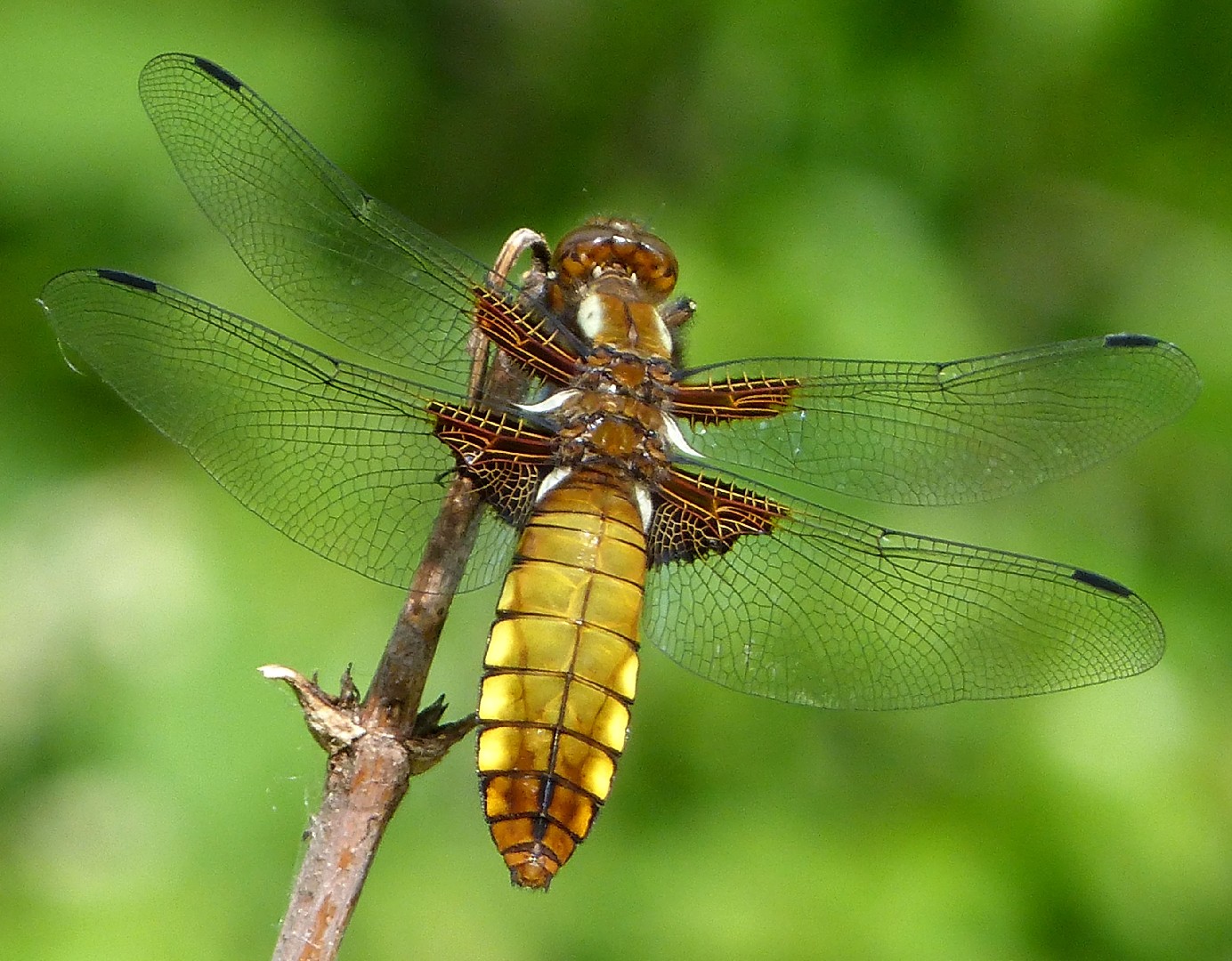
7. Broad-bodied chaser
It is very distinctive with a very broad flattened abdomen, four wing patches and, in the male, the abdomen becomes pruinose blue.
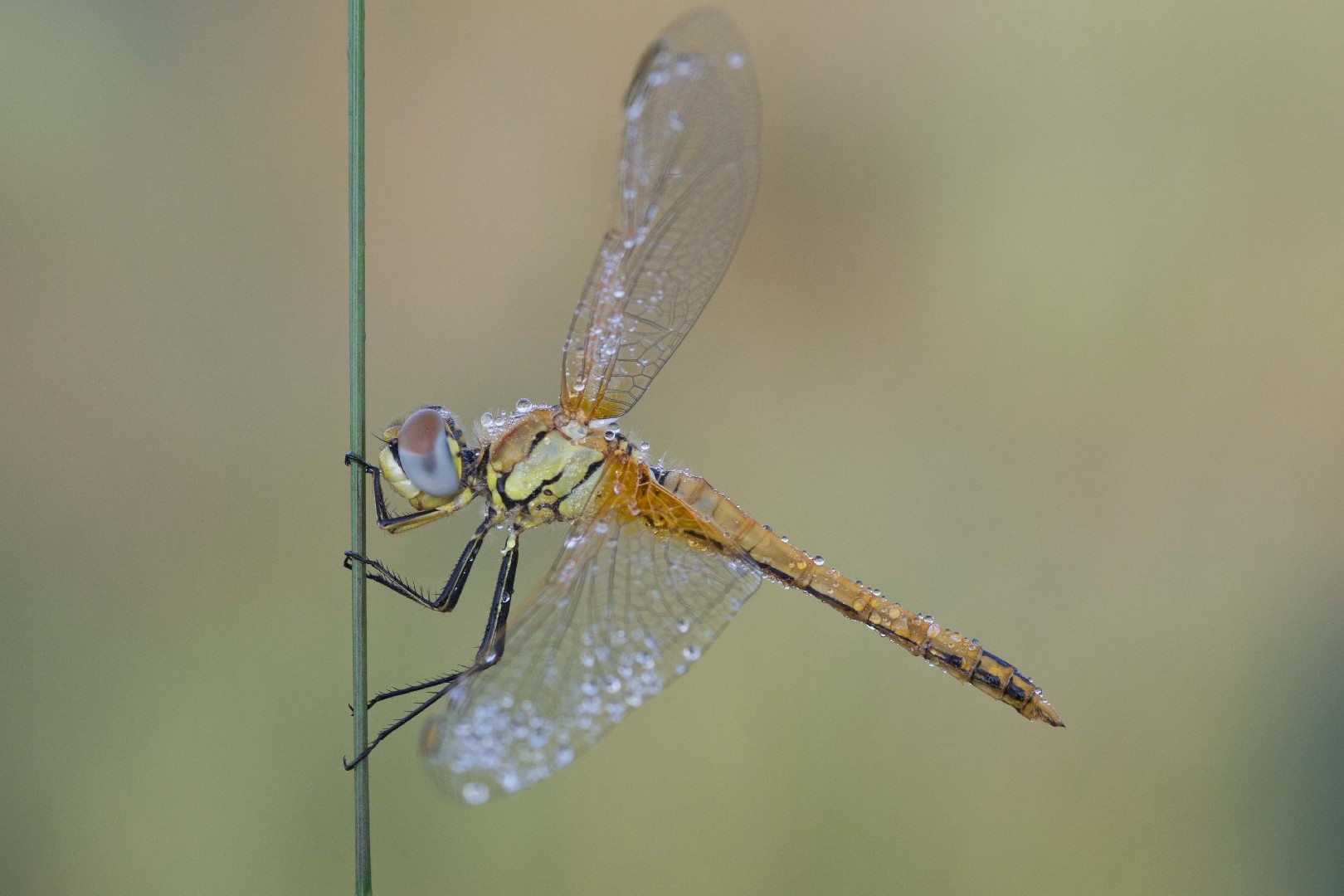
8. Red-veined darter
The Early Darter (Sympetrum fonscolombii) is a species of dragonfly in the family of the leaflets (Libellulidae), which belongs to the great dragonfly (Anisoptera).
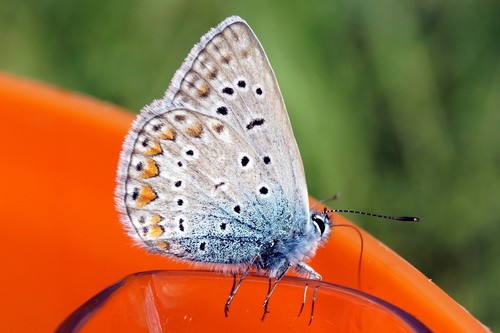
9. Common blue butterfly
Despite its common name, only male specimens of common blue butterfly (Polyommatus icarus) can accurately be described as blue; the females are predominately gray-brown, with only a dusting of blue and a scattering of orange spots. The adults live for only three weeks before dying.
10. Small copper
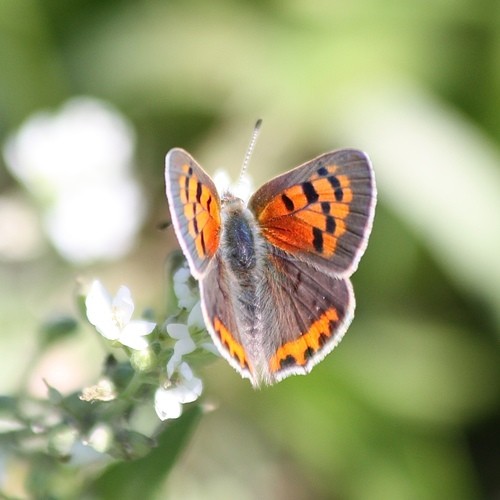
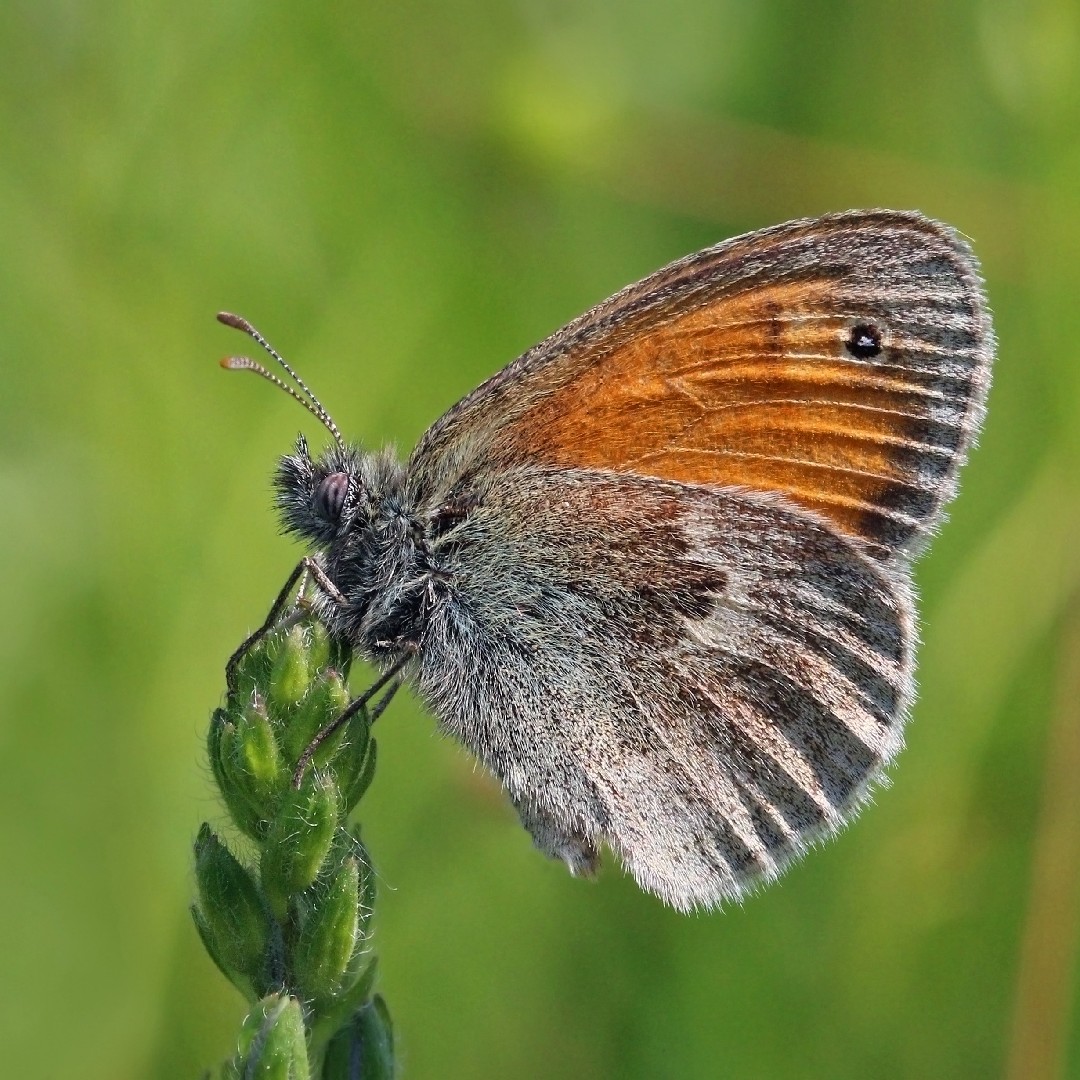
The upperside forewings are a bright orange with a dark outside edge border and with eight or nine black spots. The hindwings are dark with an orange border. Some females also have a row of blue spots inside the orange border and are known as form caeruleopunctata. The undersides are patterned in a similar way but are paler. The black spots on the forewings are outlined in yellow and the dark colouring is replaced by a pale brownish grey. The hindwings are the same brown/grey colour with small black dots and a narrow orange border. The caterpillars (larvae) are usually green, but some have a purple stripe down the middle of the back and along each side.
More







