




Top 14 Most Common Insects in Tbilisi
Insects, distinguished by their segmented bodies and exoskeletons, thrive in various habitats within Tbilisi, contributing to its astonishing biodiversity. The diverse geography in Tbilisi nurtures an array of insect species, each playing critical roles in our ecosystem. Ranging from pesky pests to beneficial pollinators, these insects underscore the intricate relationship between Tbilisi's environment and its micro-inhabitants. So, let's jump right into exploring the intriguing world of Tbilisi's 'Top 14 Most Common Insects'.

Most Common Insects
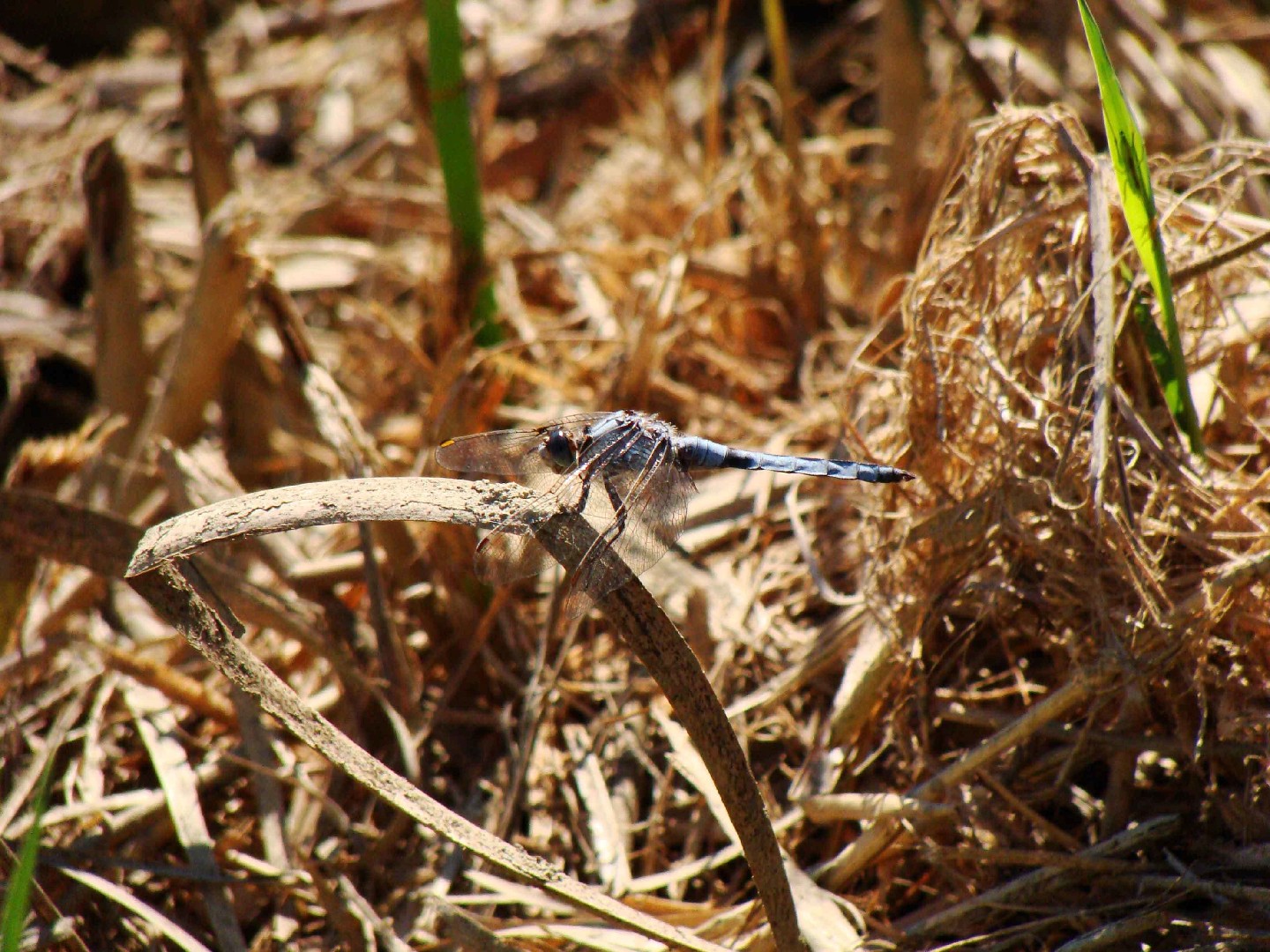
1. Southern skimmer
The adults grow up to 4 - 4.5 cm long. The thorax and the abdomen are pale blue in males, yellowish-brown or greyish-brown in females. Young males are brownish. The abdomen is relatively flattened and shows a thin middorsal black line and distinct points on each segment. The wings are hyaline, with yellow or pale brown pterostigma. The wingspan reaches 7 - 7 cm. 
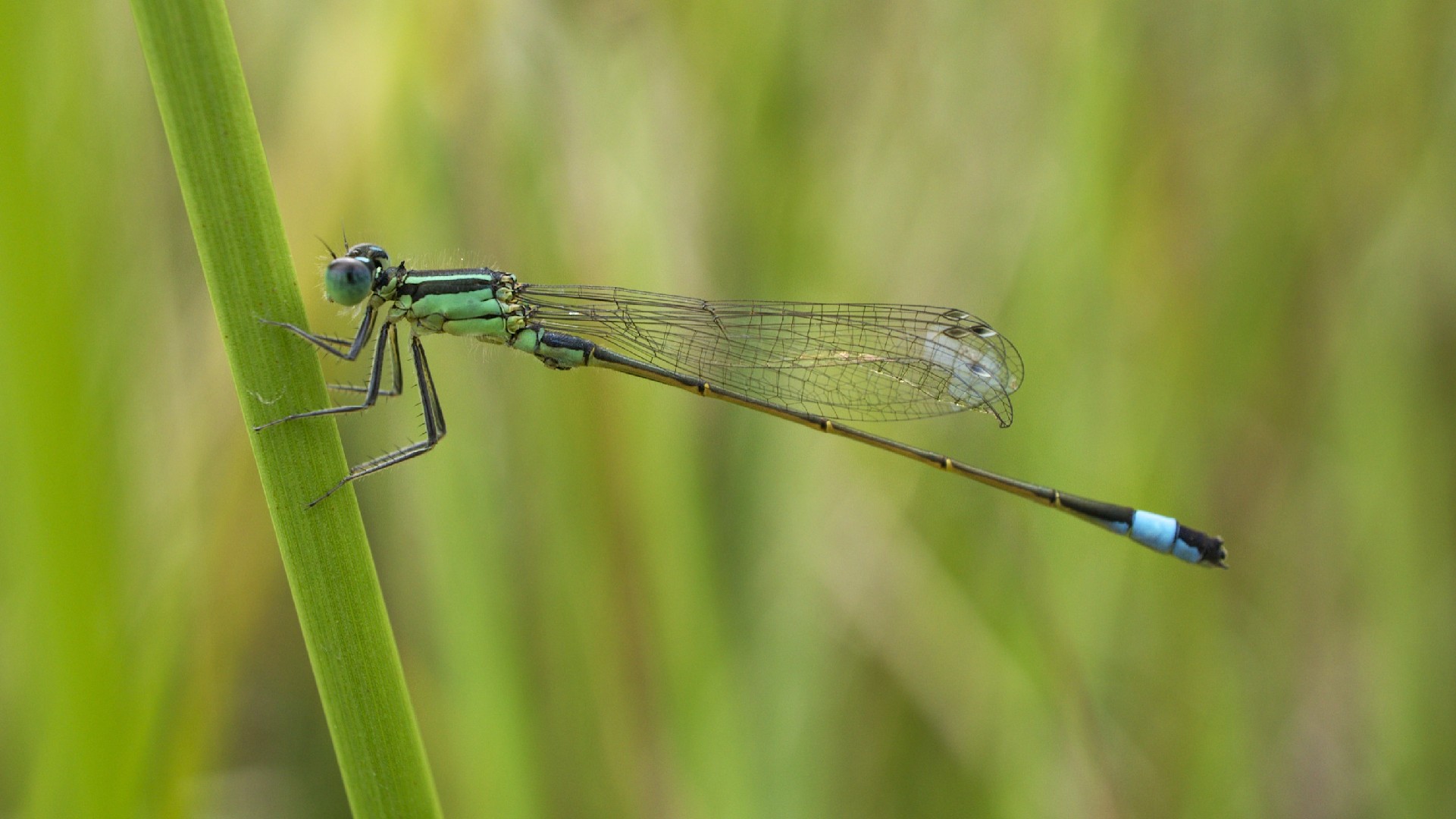
2. Blue-tailed damselfly
Ischnura elegans can reach a body length of 2.5 - 3.5 cm and a wingspan of about 3.5 cm. Hindwings reach alength of 1.4 - 2 cm. Adult male blue-tailed damselflies have a head and thorax patterned with blue and black. There is a bi-coloured pterostigma on the front wings. Eyes are blue. They have a largely black abdomen with very narrow pale markings where each segment joins the next. Segment eight, however, is entirely pale blue. At rest, the wings of most damselfly species are held back together, unlike dragonflies, which rest with their wings out flat. The thorax of juvenile males has a green tinge. Female blue-tailed Damselflies come in a variety of colour forms.Juveniles may be salmon pink, form rufescens; violet, form violacea and a pale green form. The colour darkens as the damselfly ages. Mature females may be blue like the male, form typica; olive green thorax and brown spot, form infuscans or pale brown thorax and brown spot, form infusca-obseleta.
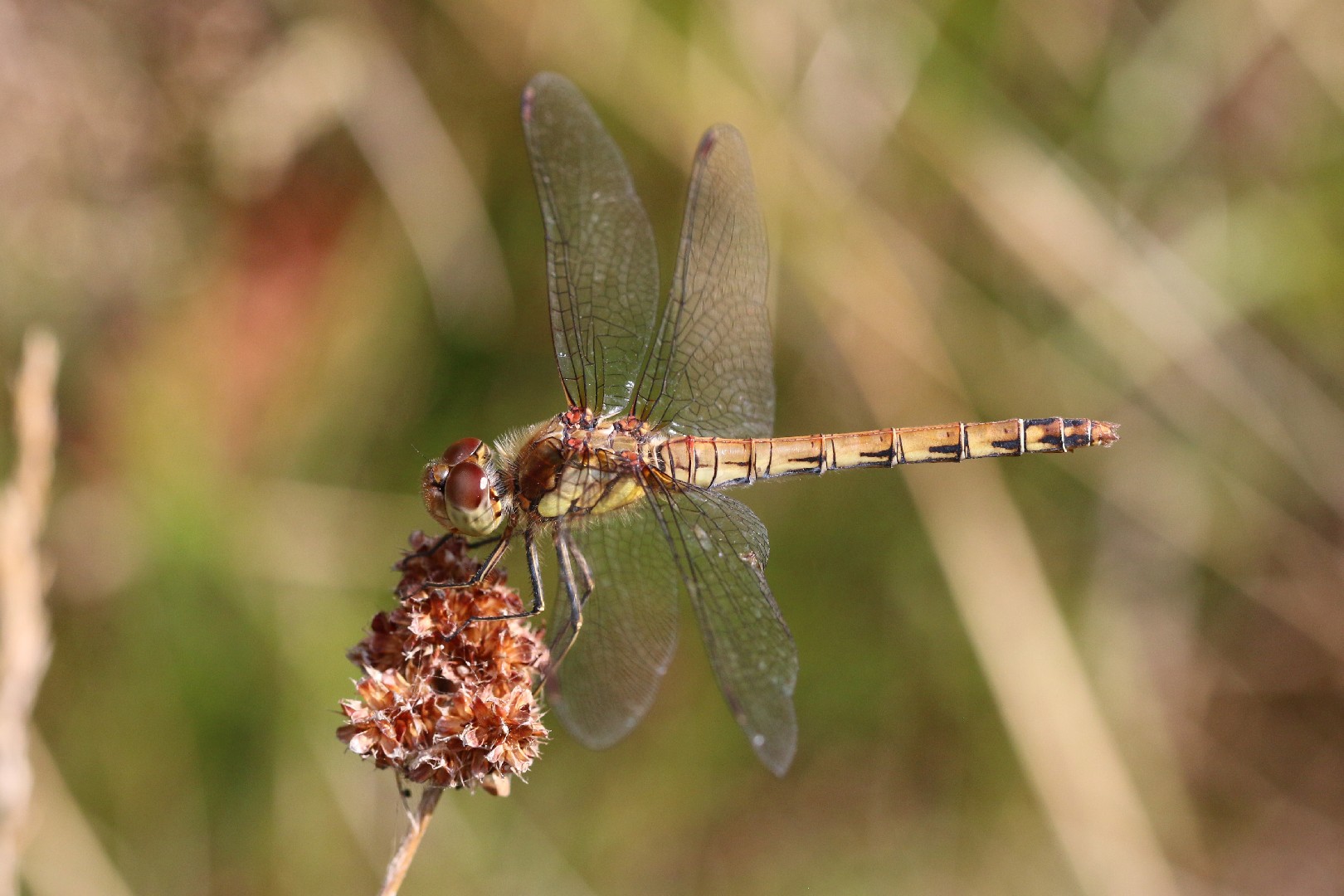
3. Common darter
The Great Heidelibelle owes its name to the fact that it is the largest representative of its genus in Germany. The second part of the species name (epithet) striolatum (m. Striolatus, "with small stripes") refers to the pattern of the breast section. The species occurs in some subspecies with a distribution focus in Asia.

4. Banded demoiselle
This is a large damselfly with a total length of up to 1.9 in and a hindwing length of up to 1.4 in. Male and female are variable in color and pattern. The male has translucent wings which each have a broad, dark iridescent blue-black spot (or band) across the outer part. On immature dragonflies the spot is dark brown. The body can be a metallic blue or bluish green or a combination of both colours, depending on the time of year and location. The dark wing patch of the male starts at the nodus (the slight dip midway down the upper edge of the wing) but can reach up to the wing-tip in southern races.
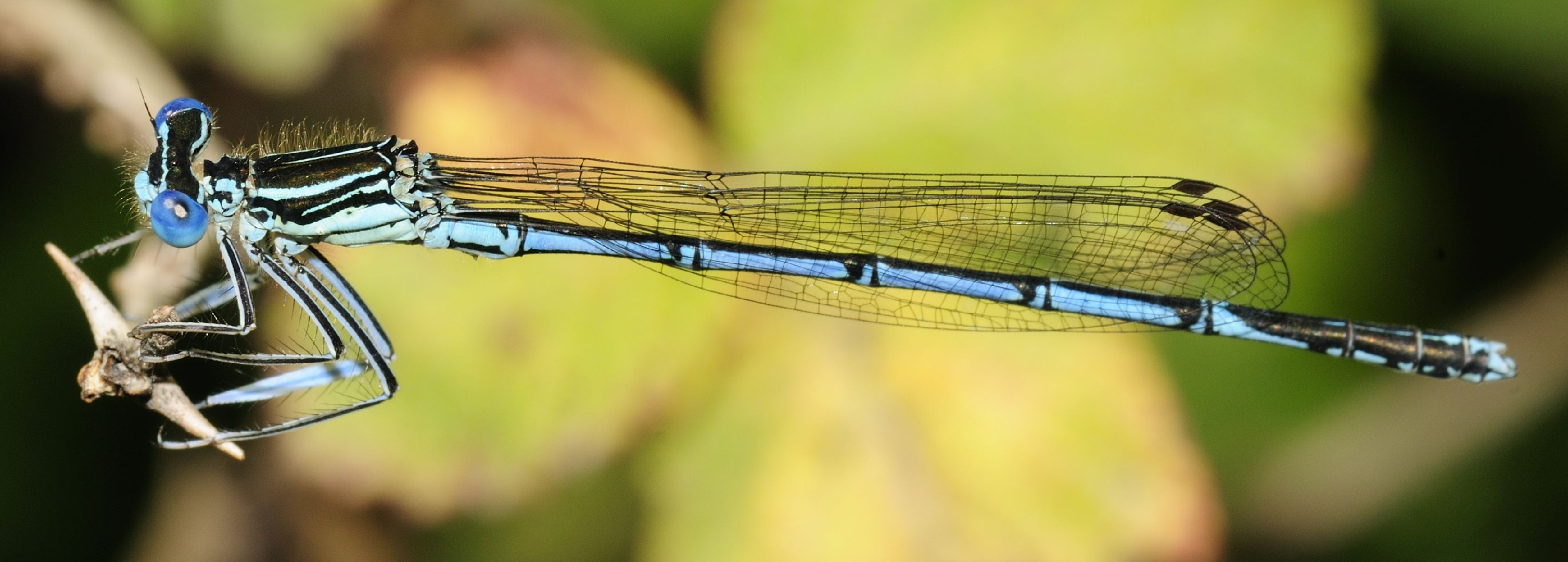
5. White-legged damselfly
The white-legged damselfly or blue featherleg (Platycnemis pennipes) is a damselfly of slow-flowing, muddy waters. It occurs from the Atlantic to Siberia and is often abundant throughout its range.
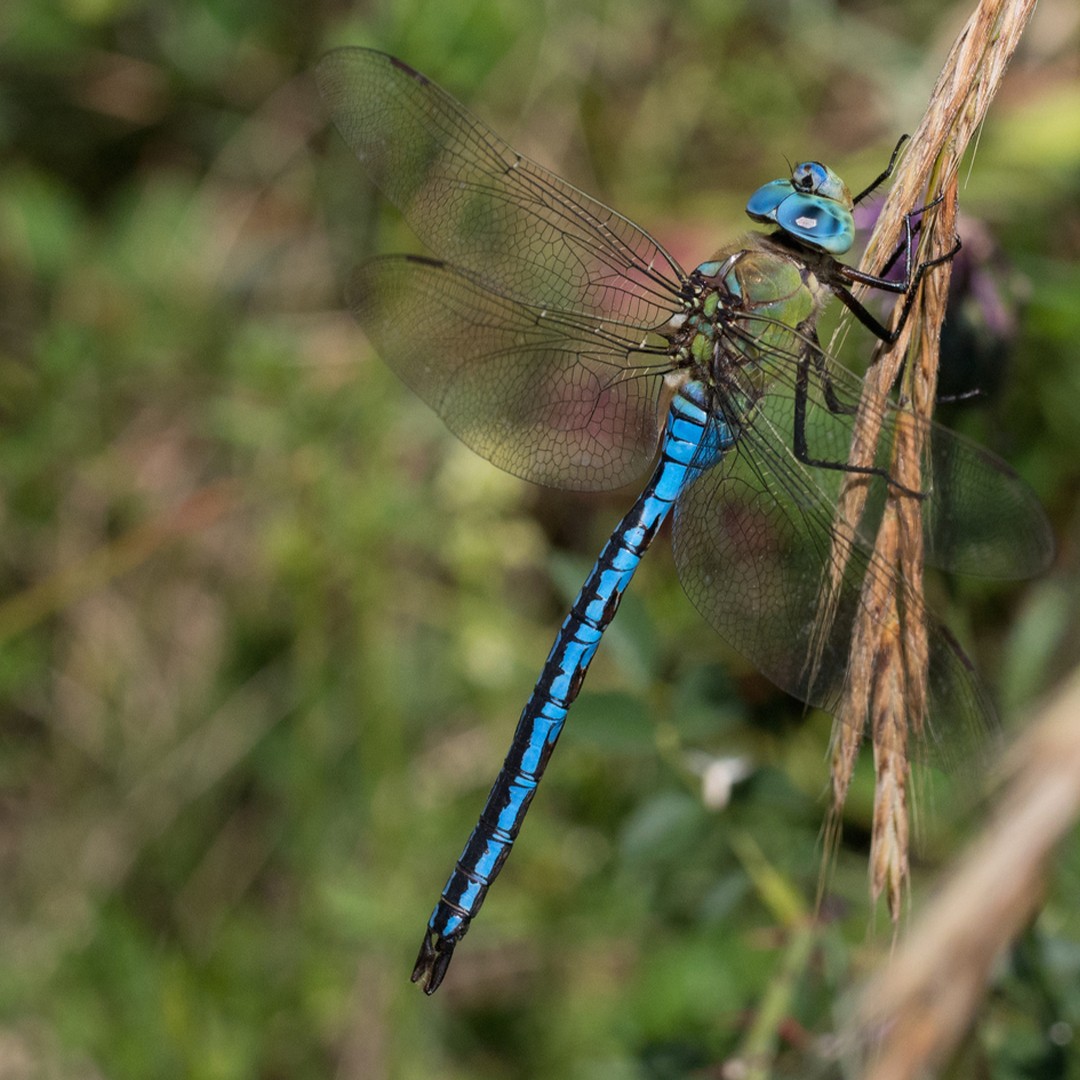
6. Emperor dragonfly
The emperor dragonfly or blue emperor (Anax imperator) is a large species of hawker dragonfly of the family Aeshnidae, averaging 78 millimetres (3.1 in) in length.
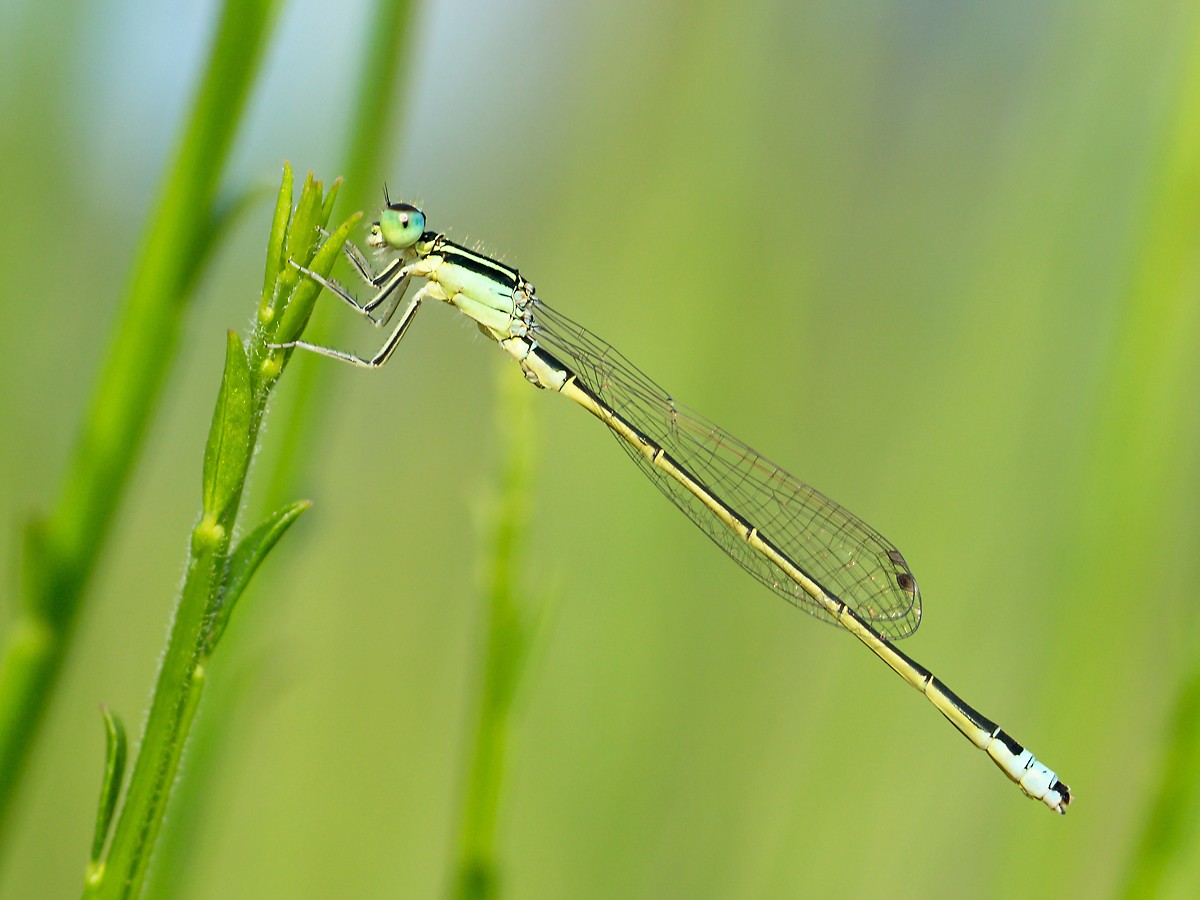
7. Scarce blue-tailed damselfly
It is very similar to the blue-tailed damselfly, Ischnura elegans but on that species the blue spot is mostly on segment 8.Females undergo a change of colour as they mature. The immature female is bright orange, the aurantiaca phase, but matures to a greenish-brown.
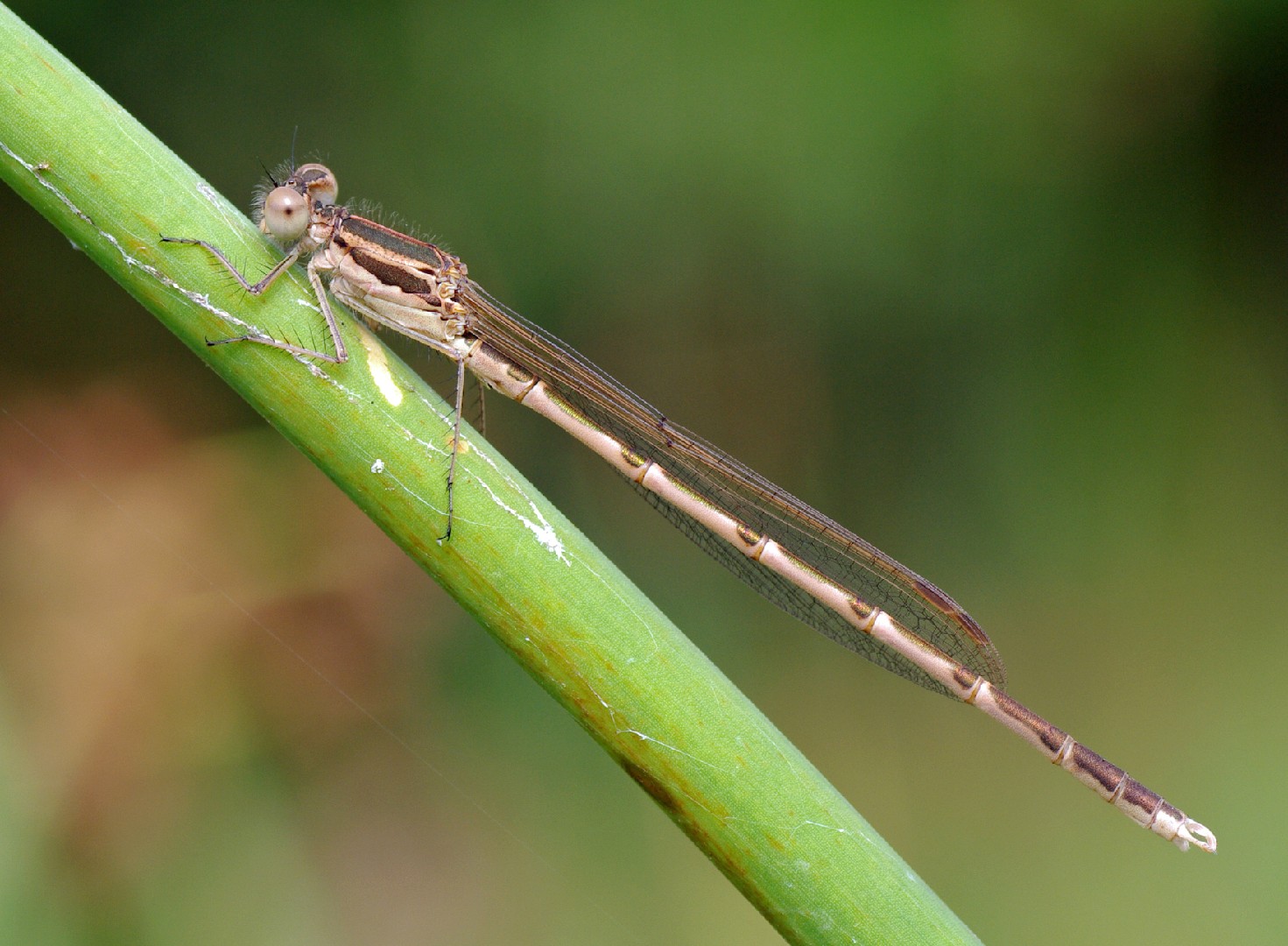
8. Winter damselfly
Sympecma fusca can reach a length of about 4 cm. These damselflies have pale brown pterostigma on both forewing and hindwing and the pterostigma are nearer the wing tip on the forewing which means that both pterostigma can be seen, they do not overlap as in other damselflies. Males that have overwintered have dark brown pterostigma on both forewing and hindwing and many develop blue eyes.
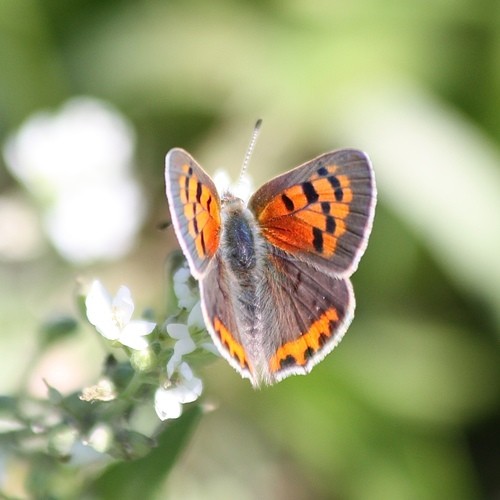
9. Small copper
The upperside forewings are a bright orange with a dark outside edge border and with eight or nine black spots. The hindwings are dark with an orange border. Some females also have a row of blue spots inside the orange border and are known as form caeruleopunctata. The undersides are patterned in a similar way but are paler. The black spots on the forewings are outlined in yellow and the dark colouring is replaced by a pale brownish grey. The hindwings are the same brown/grey colour with small black dots and a narrow orange border. The caterpillars (larvae) are usually green, but some have a purple stripe down the middle of the back and along each side.
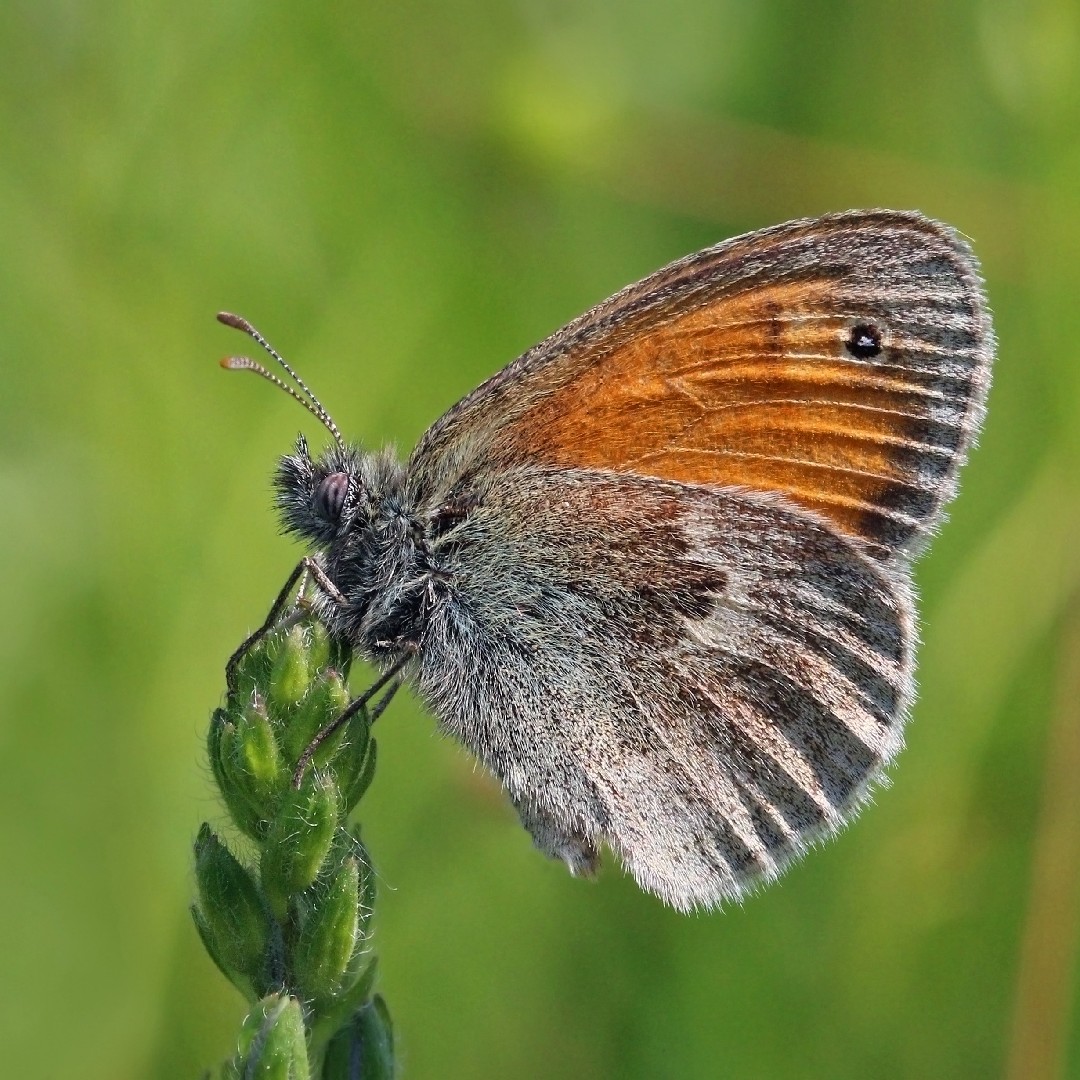
10. Small heath
It rests with closed wings when not in flight.
More







