




Top 16 Most Common Insects in Nafplio
Insects, nature's versatile creatures, are as widespread in Nafplio as its diverse landscapes. Spanning altitudes and climates, insect diversity shifts remarkably in this region. Playing crucial roles in the ecosystem, from pests disrupting agriculture to beneficial pollinators, understanding these 16 common insects sheds light on Nafplio's rich biodiversity, and how intricately they're tied to their environment.

Most Common Insects
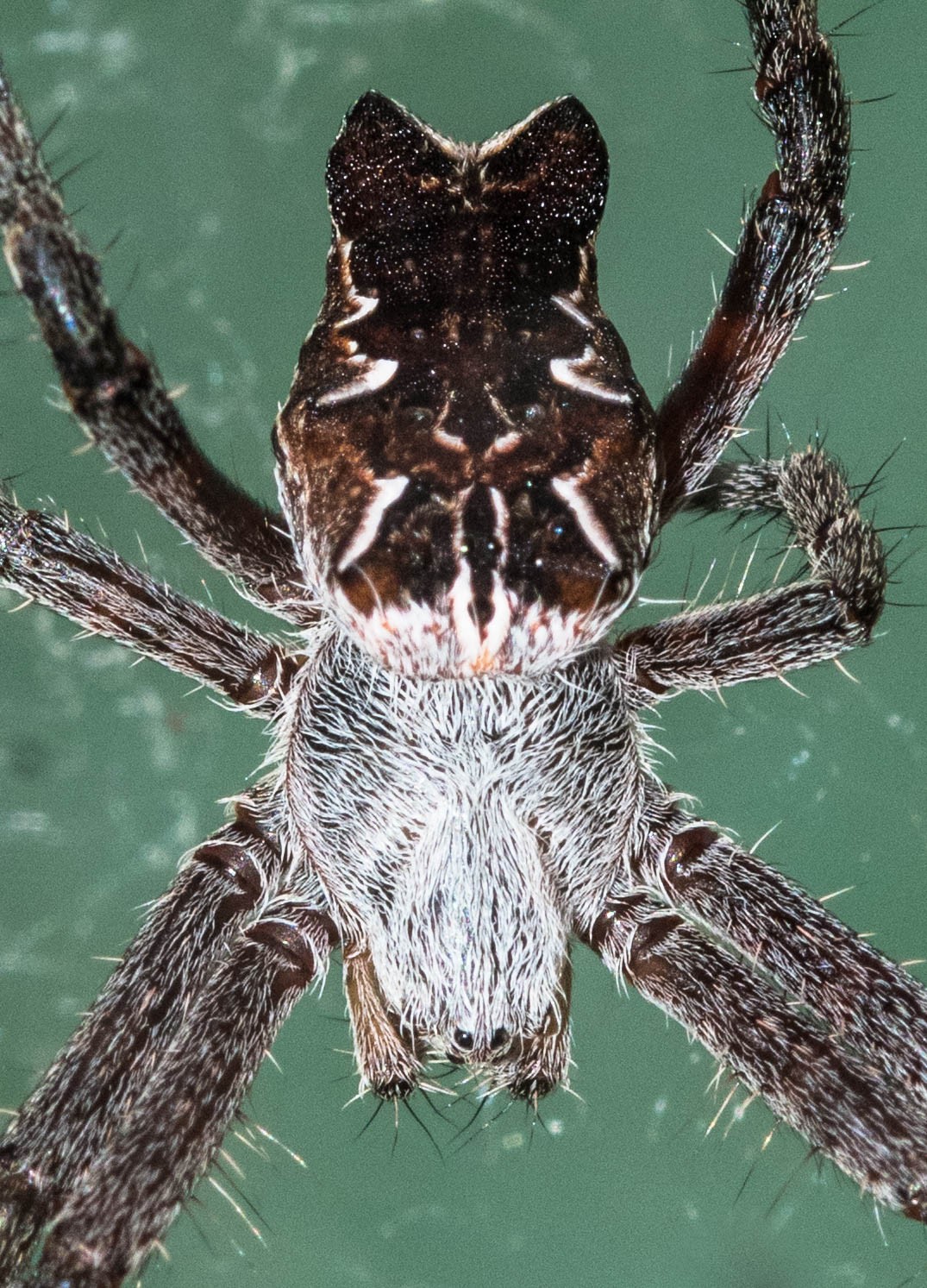
1. Tropical tent-web spider
The tropical tent-web spider (Cyrtophora citricola) is a spider that is known to participate in communal cooperation. Other spiders in its vicinity can build their webs into each other, providing greater mating access and defense against predators. They are strikingly beautiful spiders that have much color variance from black and white to brown. Females tend to resemble a dead leaf.
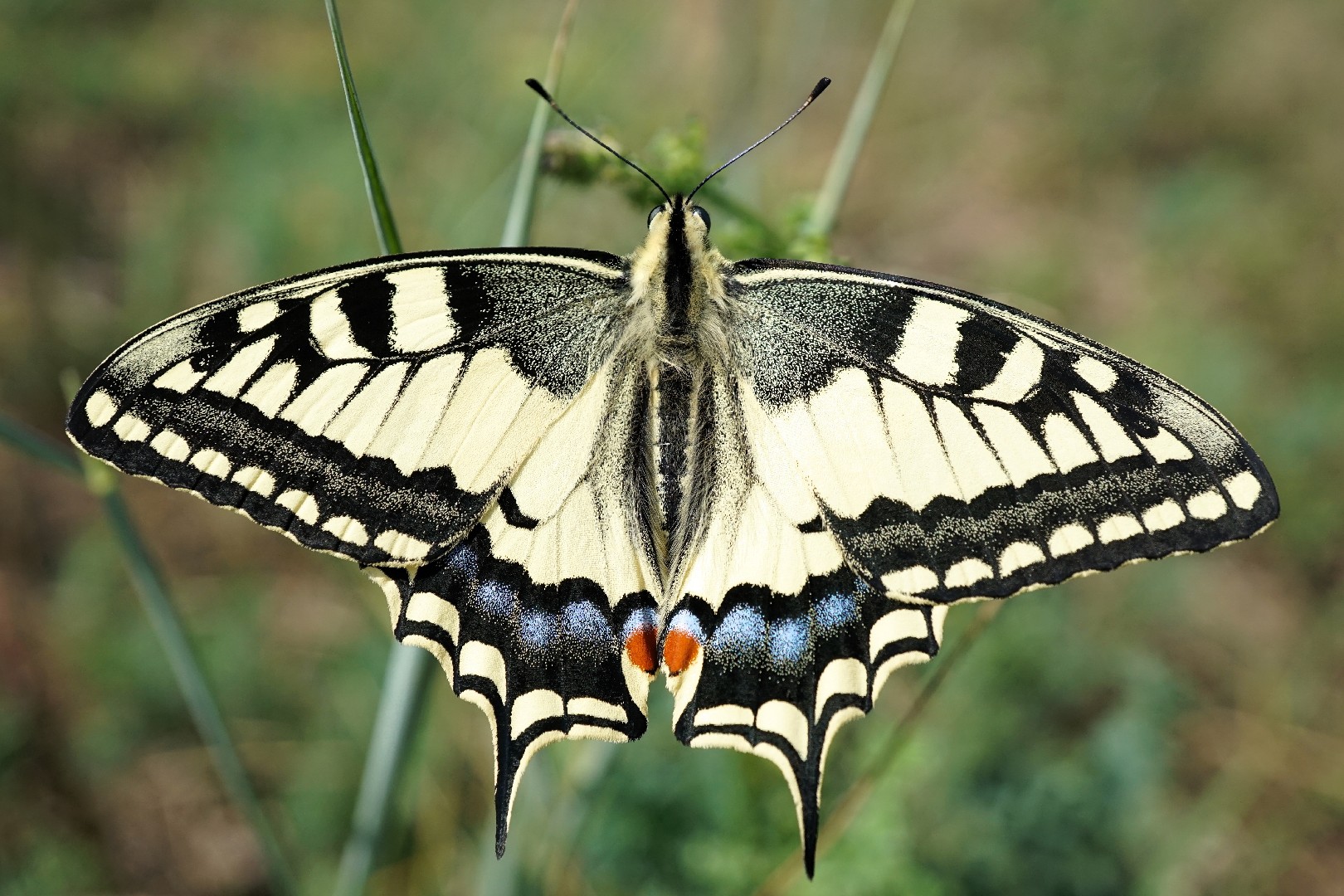
2. Old World swallowtail
The old World swallowtail (Papilio machaon) is commonly just called the "swallowtail," giving it the added title of "old world" to distinguish it and remind us that it comes from the "old world" (Asia, Africa, Europe). The upper side of them is a beautiful combination of pure white with black striping, the underside being a brownish version of the same thing. There is blue and two red dots on its back side.
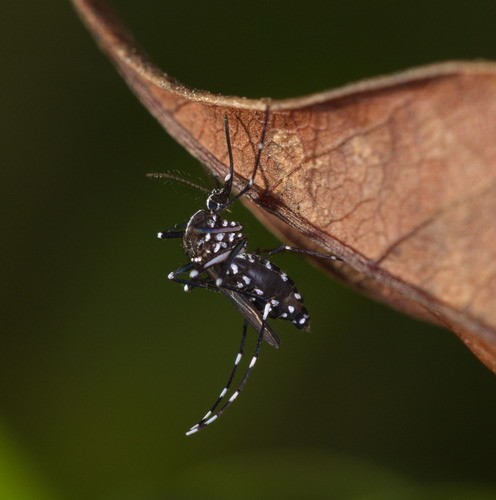
3. Asian Tiger Mosquito
The asian Tiger Mosquito (Aedes albopictus) has recently (the 1970s) infested every corner of the world through the shipment of used tired, lucky bamboo (Dracaena sanderiana), and other similar products. The asian Tiger Mosquito is known to transmit many deadly diseases that include West Nile Virus.
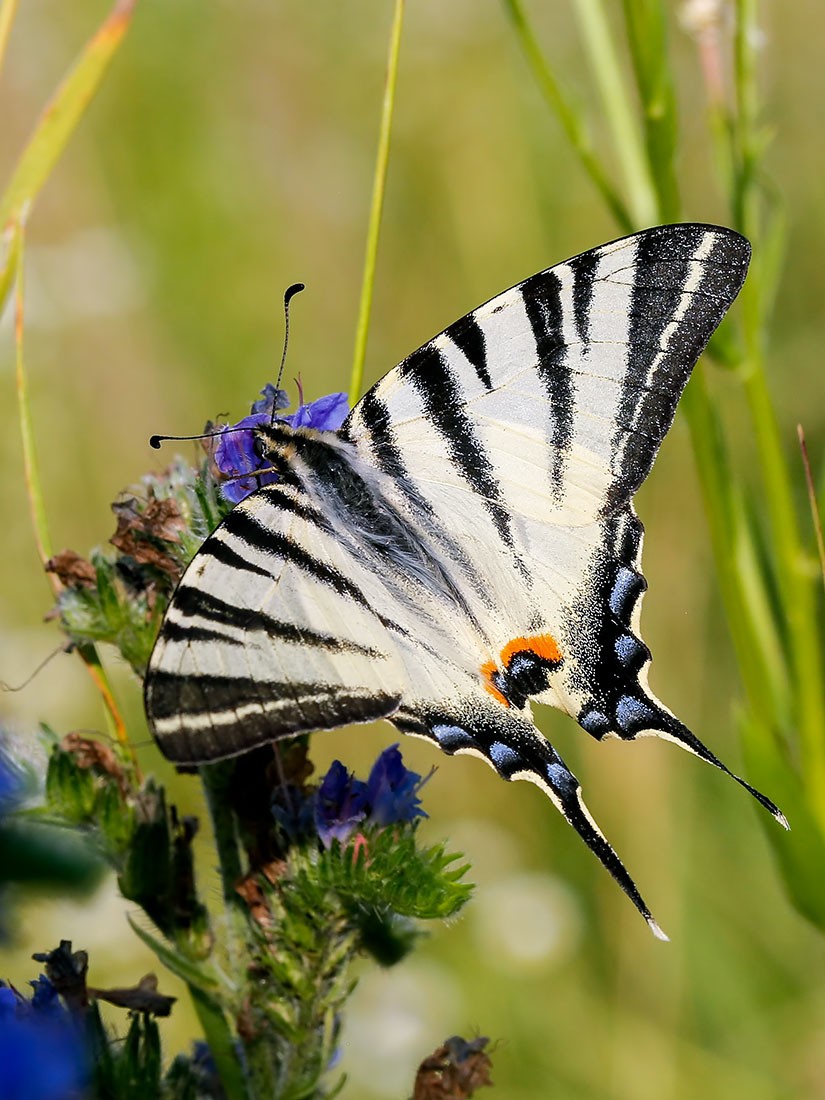
4. Scarce swallowtail
Its slow and floating flight pattern makes it easy to identify the scarce swallowtail as it soars over gardens, orchards, and scrublands. The butterfly has a large presence across Europe, the Middle East, and Asia. The adult lifespan is brief, only two or three weeks. Planting flowers like blackthorn can encourage the butterfly to visit a garden.

5. Dark spreadwing
This species is up to 48 millimeters long. It is similar to other common Lestes species but it is darker in color with more blue pruinescence. The pterostigmata are large and black. 
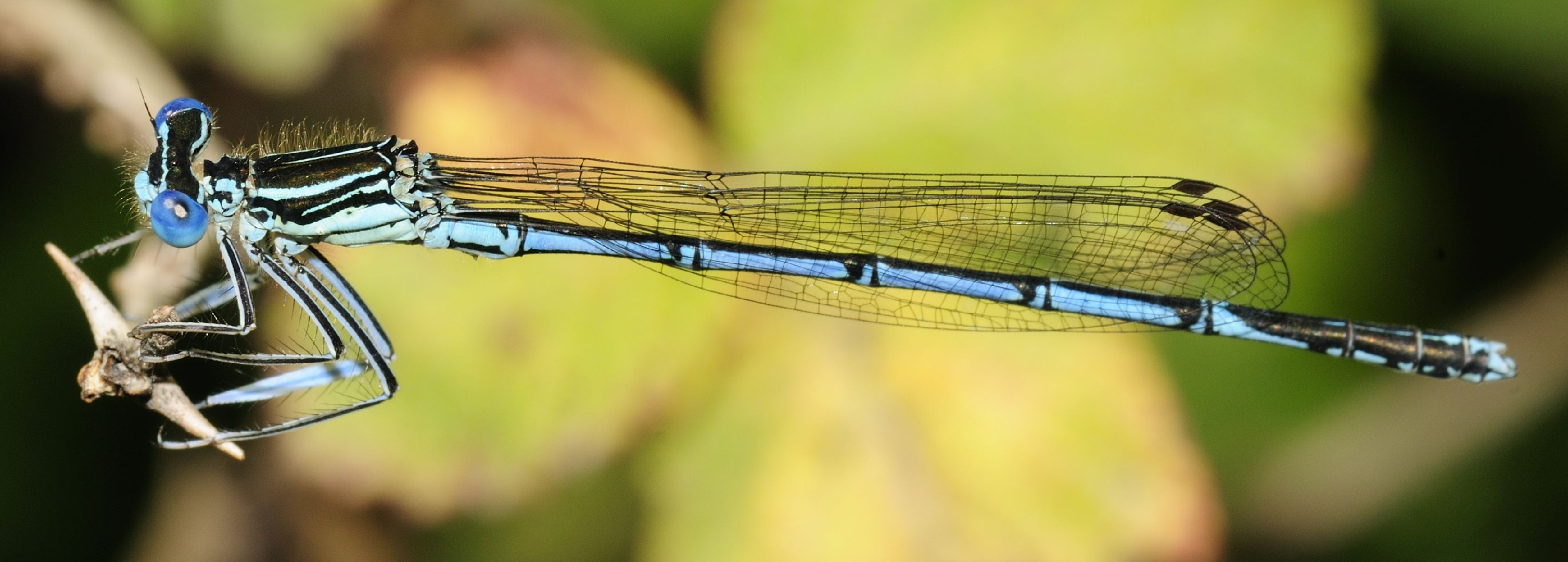
6. White-legged damselfly
The white-legged damselfly or blue featherleg (Platycnemis pennipes) is a damselfly of slow-flowing, muddy waters. It occurs from the Atlantic to Siberia and is often abundant throughout its range.
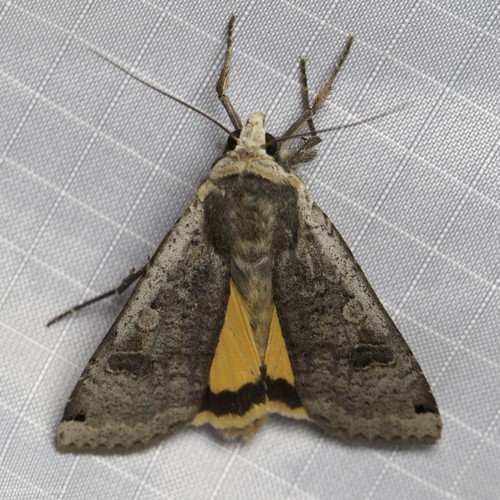
7. Large yellow underwing
An unusually large and heavy species of moth, large yellow underwing (Noctua pronuba) is dreaded by gardeners for the larvae's habit of causing fatal damage to the base of virtually any herbaceous plant. Large migrations occur some years, but how those years are determined is not yet known. Its contrasting colors (yellow-orange and brown) are thought to confuse would-be predators.
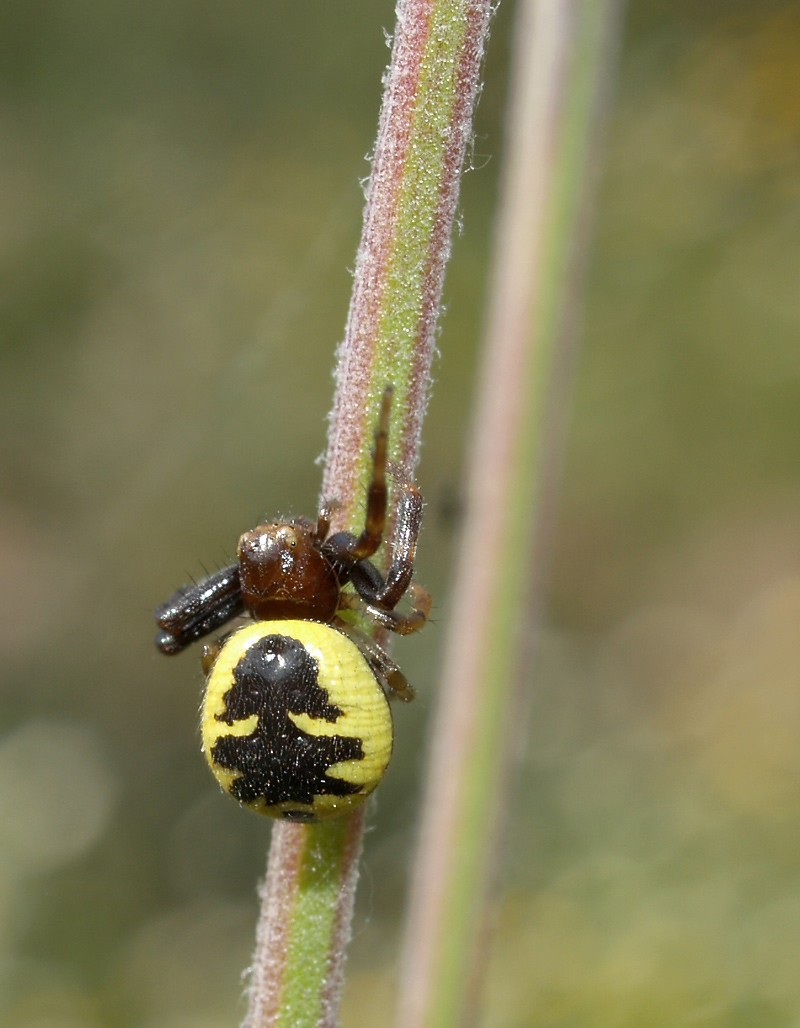
8. Napoleon spider
The adult males reach 2 - 4 mm in length, while females are 7 - 8 mm long. The two pairs of the front legs, used for hunting the flower-feeding insects, are more developed than the rear ones, which have a predominant motor function. Mature males have a black abdomen with two white marks. In mature females, the background colour of the abdomen can be red, yellow or white, with a black pattern which has been noted for a certain resemblance to the silhouette of Napoleon. Prosoma and legs are black or dark brown.
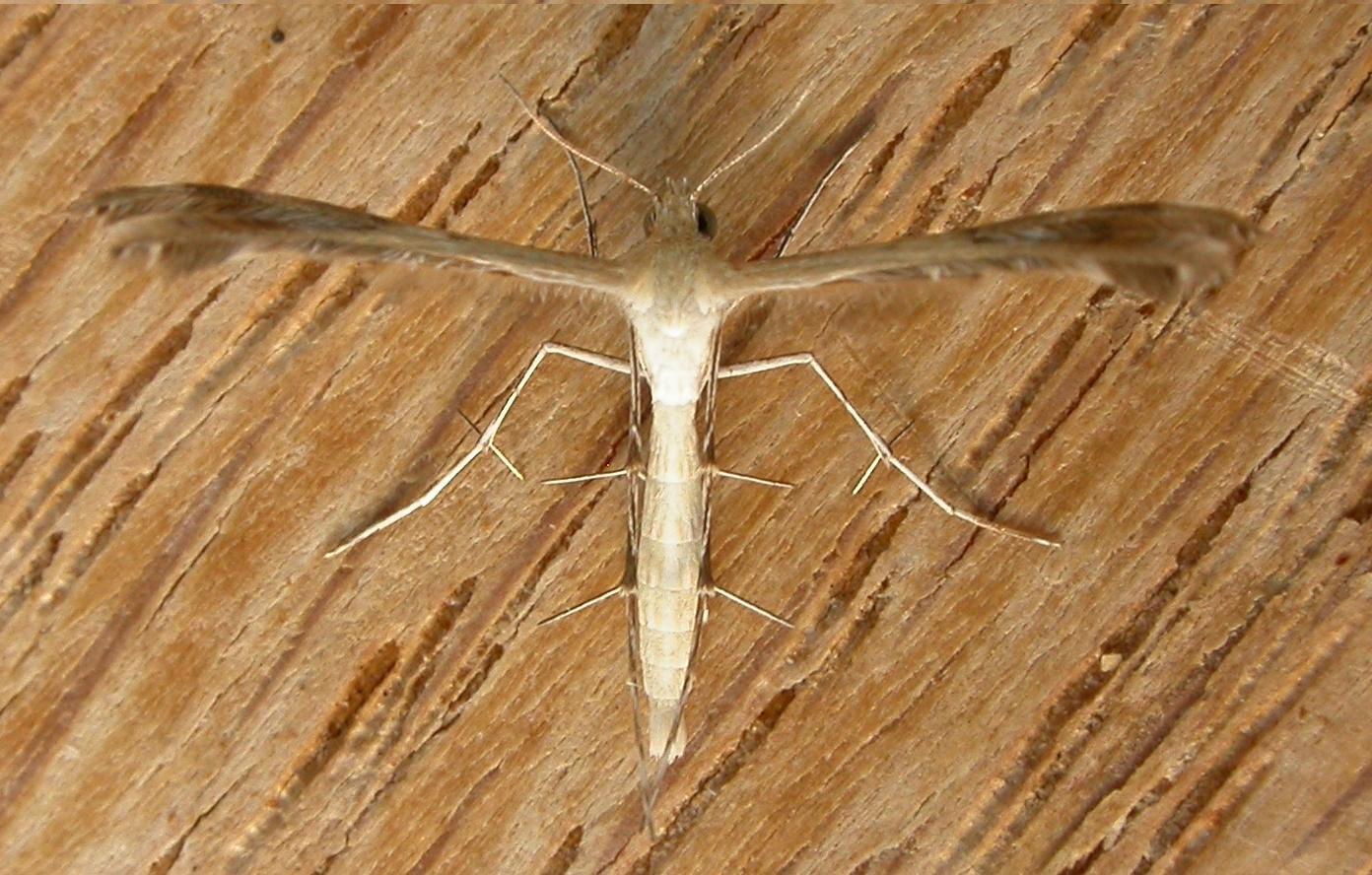
9. Plume moth
The species is found in Europe.
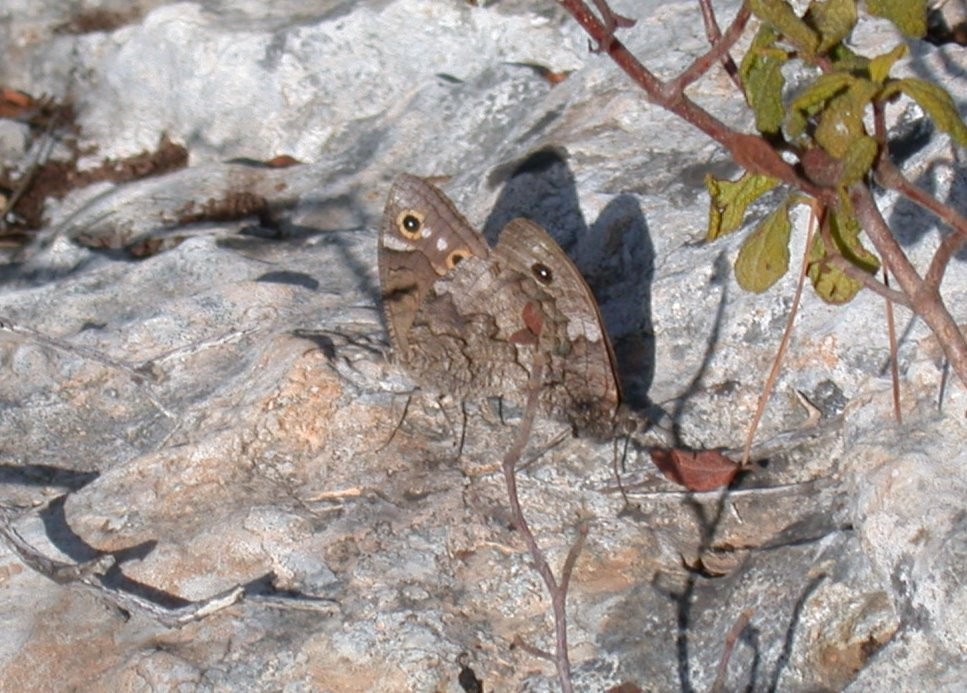
10. Freyer's grayling
S. fatua Frr. (= allionii Hbn). Very similar to the preceding [ statilinus ] , mostly larger ; differs on the upper- side in having a dark submarginal line, and on the underside in the hindwing being more unicolorous and bearing mostly 2 deeply dentate black curved lines across the central area. Hindwing above often very pale in the distal area. Greece; Asia Minor. — sichaea Led. (44c) is a very large form from Syria, with the underside of the hindwing prominently marmorated. — wyssi Christ. (44c), from the Canaries now a full species, is midway between the last two forms, some specimens approaching nymotypical fatua, others being nearer to sichaea. — sylvicola Aust. (44c) [now H. statilinus sylvicola (Austaut, 1880) resembles above the nymotypical form, the underside of the hindwing, however, being entirely uniformly brown-grey and completely without markings. It occurs in West Algeria and was obtained at the same place as hansii, but flies in September, while hansii was caught in July. The status of these North African forms has not yet completely been cleared up. — The species, like the statilinus forms, prefer sandy soil and pine forests. On the Canary Islands the butterflies have been observed flying about the rocks on the coast and settling with preference on that side of the trunks of Pinus canariensis which faces the sun. According to Staudinger specimens of fatua are sometimes on the wing at night, entering the lit up windows and coming to the lantern. The butterflies fly from June to October. The larvae feed on various types of grass.
More







