




Top 20 Most Common Insects in Grenada
Insects, a diverse group of arthropods, play a critical role in Grenada's rich ecosystem. From its low-lying coastlines to lush mountainous regions, the array of habitats contributes to an impressive insect diversity. The top 20 most common insects in Grenada reflect this rich diversity and are influenced by factors such as geography, climate, human activities, and local ecosystems. Intricately intertwined, these insects, whether as beneficial pollinators or pesky pests, significantly impact their environment.

Most Common Insects
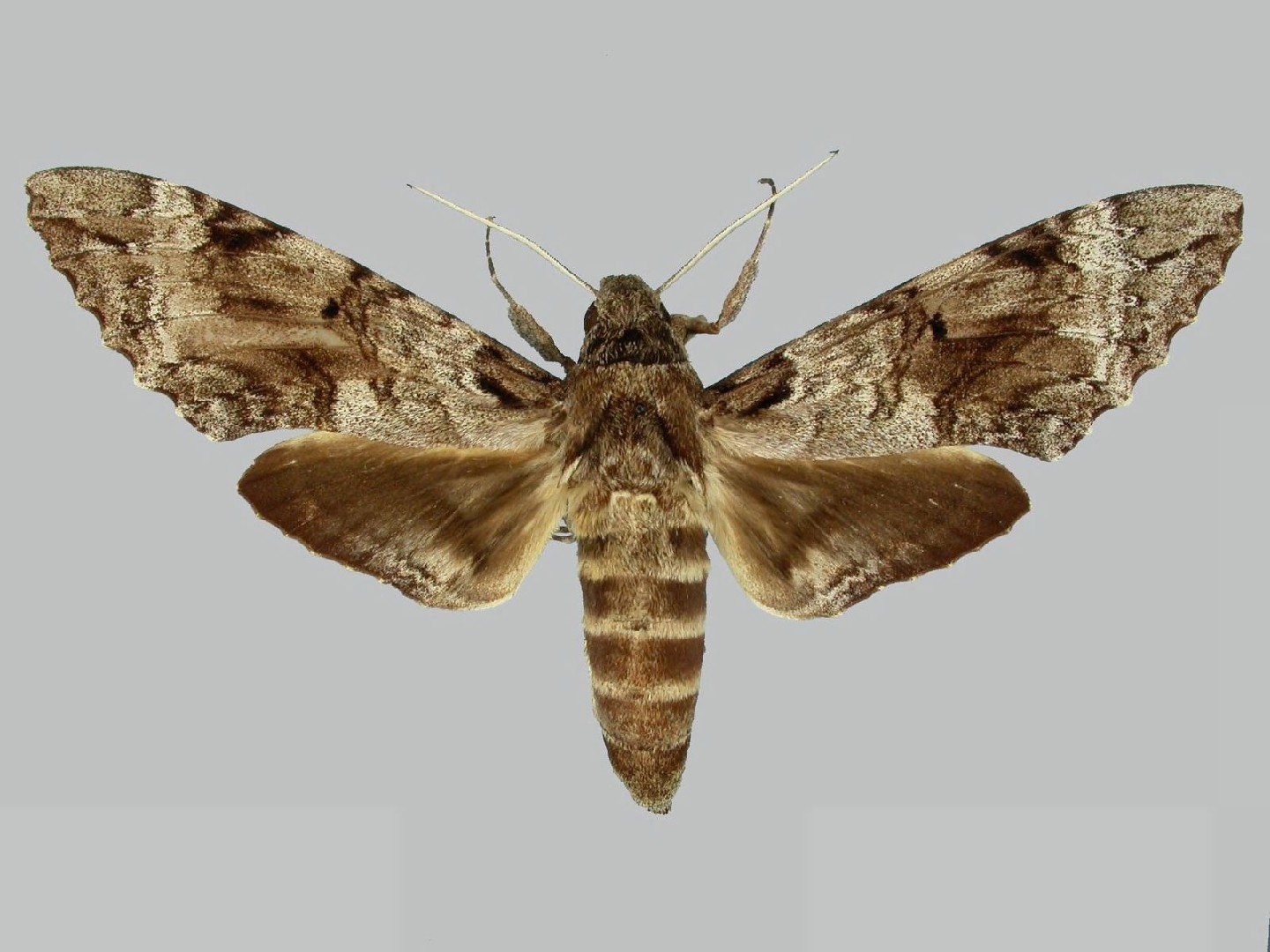
1. Tetrio sphinx
The adult moth is brown with gray and white markings, and the hindwing is a darker brown. The female may be lighter in tone. The body has gray, white, and black bands. The wingspan is 13 - 14 cm, and the female is generally slightly larger than the male. The larva is a caterpillar which may exceed 15 cm in length. It is black with aposematic yellow bands and a red-orange head. Toward the posterior end is an orange bump with a black horn roughly 2 cm long. The legs are orange with black spots. The pupa is about 7 cm long. It is yellow when new, turning brown and darkening to a reddish brown as it hardens. 
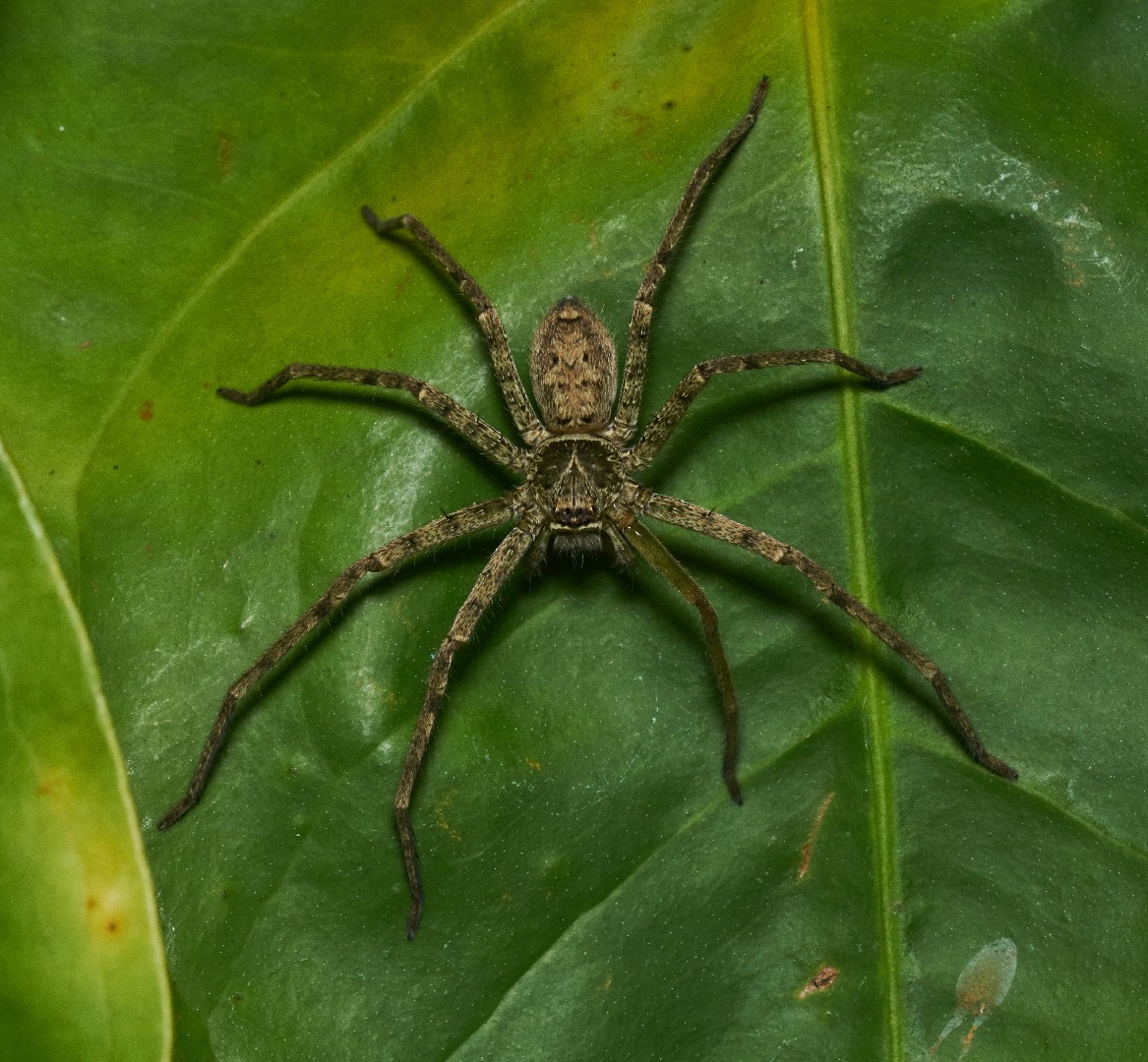
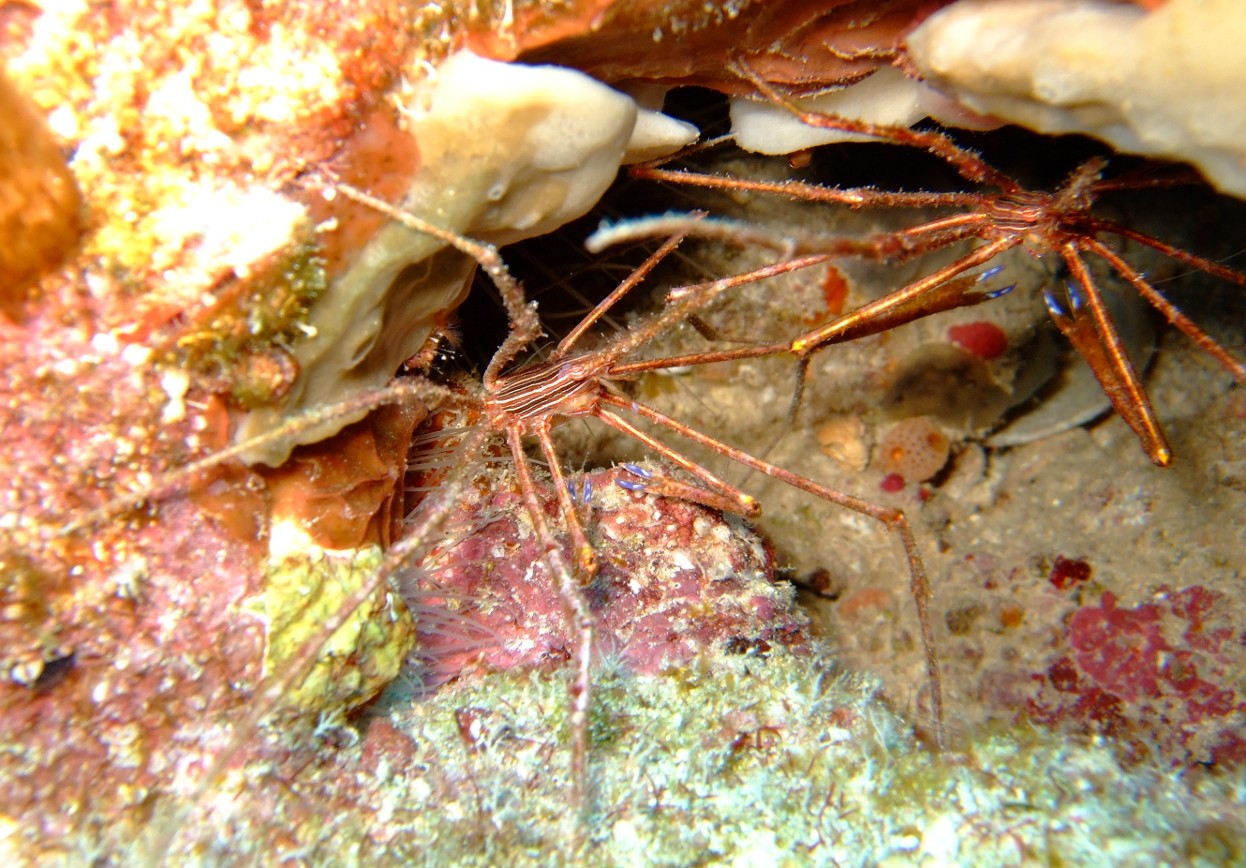
2. Giant Crab Spider
The giant Crab Spider is a large spider native to the tropics; the largest reported individual had a leg span of 30 cm. This cosmopolitan spider is highly valued in some areas, as it's able to catch cockroaches and other indoor pests. Reportedly, it hunts even scorpions and bats. This spider is venomous and sometimes bites humans, but it's considered harmless.
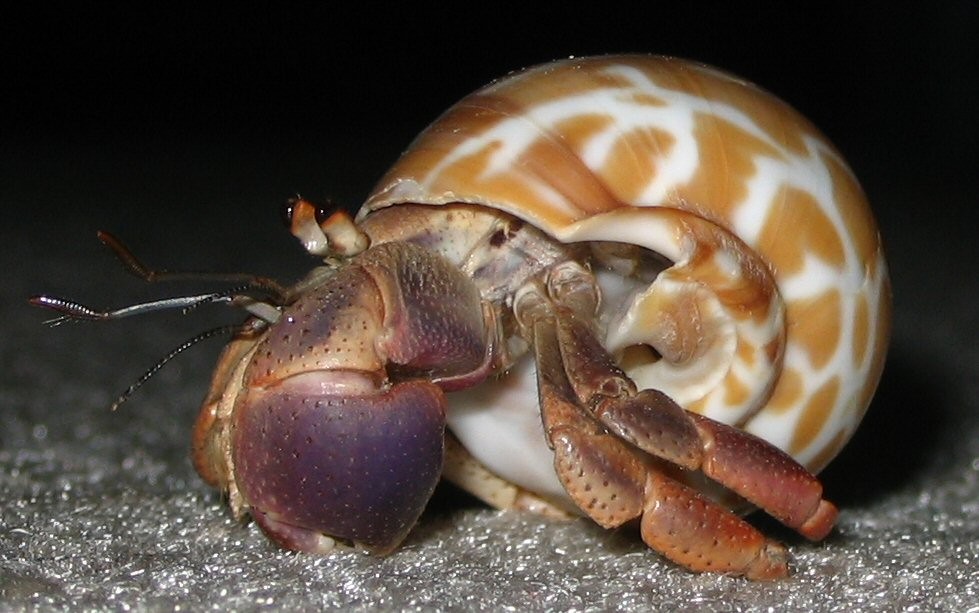
3. Caribbean hermit crab
Caribbean hermit crab (Coenobita clypeatus) is a land hermit crab found in many parts of the western Atlantic and the Caribbean sea. This herbivorous and scavenging crab uses modified gills to breathe air. It prefers the shells of West Indian top snail (Cittarium pica). The caribbean hermit crab is one of the two species of hermit crabs found in the pet trade in the US.

4. Atlantic ghost crab
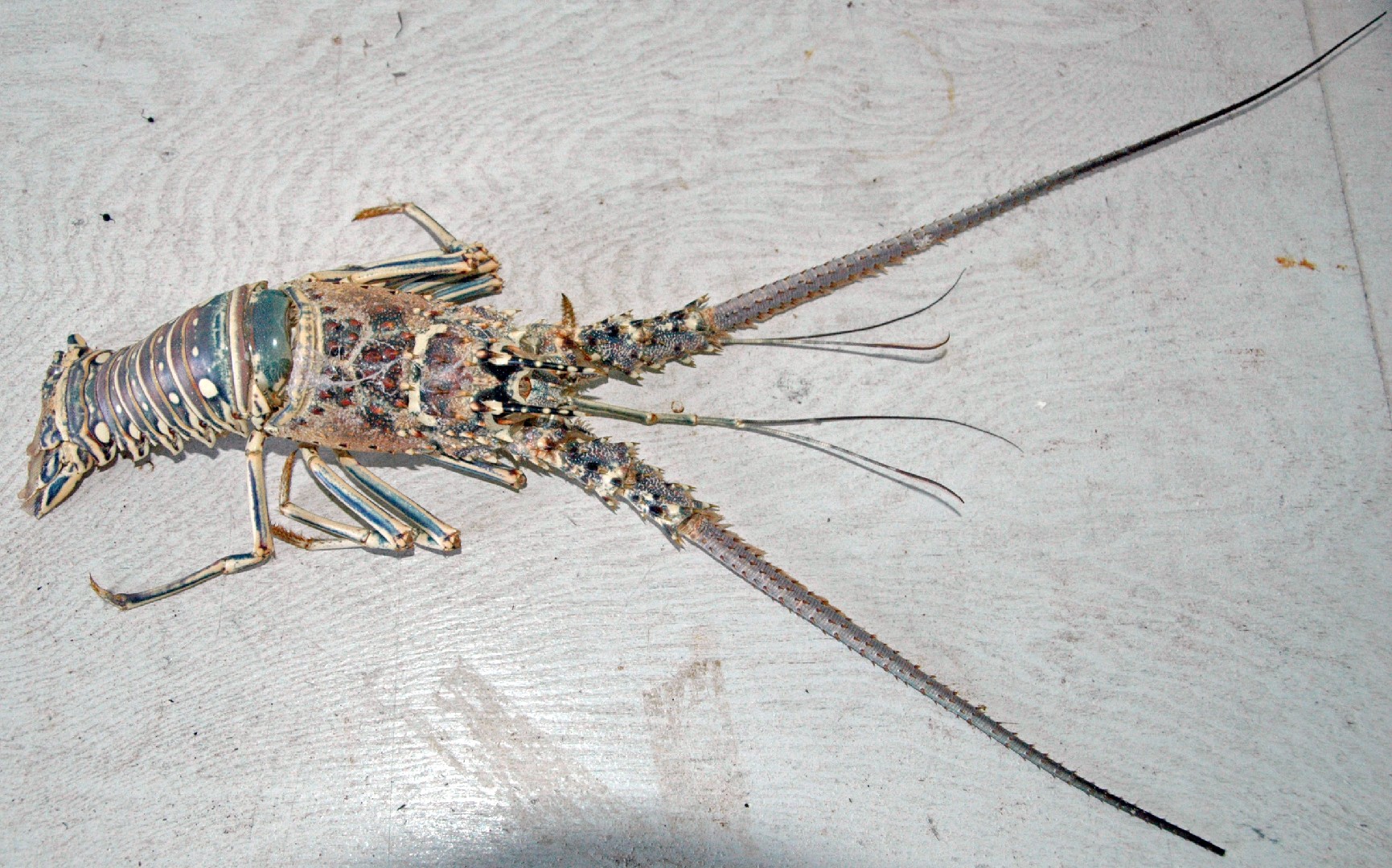
5. Caribbean spiny lobster
Caribbean spiny lobster (Panulirus argus) is a crustacean found in reefs and mangrove swamps in the western Atlantic Ocean. It is the most commonly harvested Panulirus species in the Caribbean region, highly valued for its meat. It is nocturnal and lives a relatively secluded lifestyle hiding in various shelters. Still, odd migrations of hundreds of individuals lined up and marching on the seafloor happen from time to time near Florida and the Bahamas.
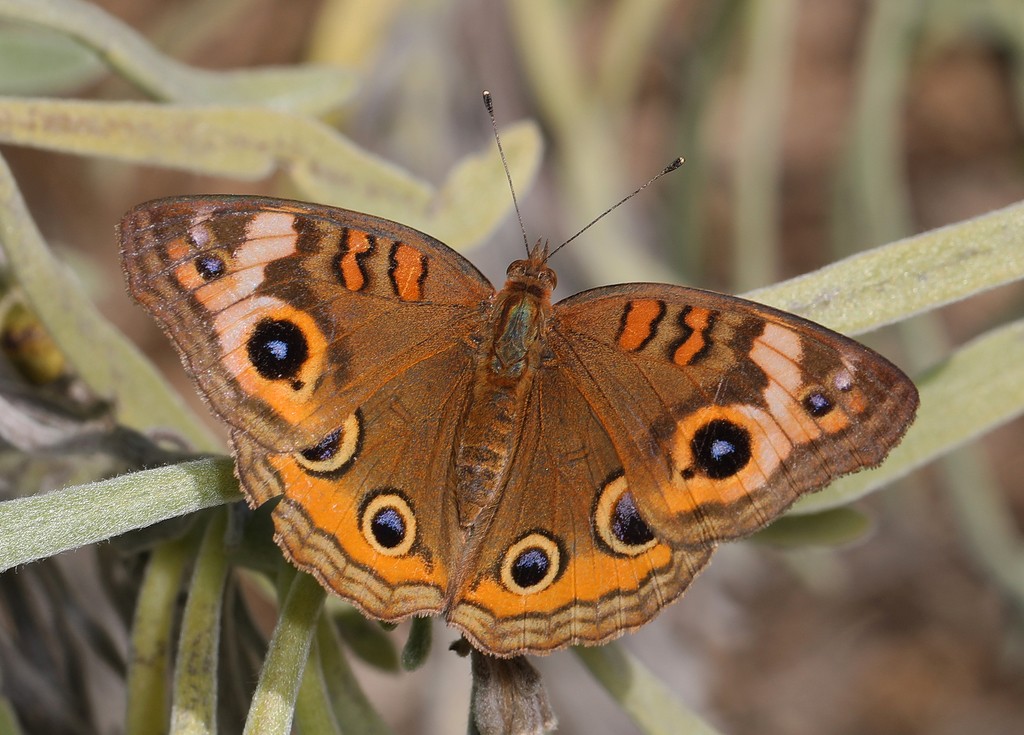
6. Junonia neildi
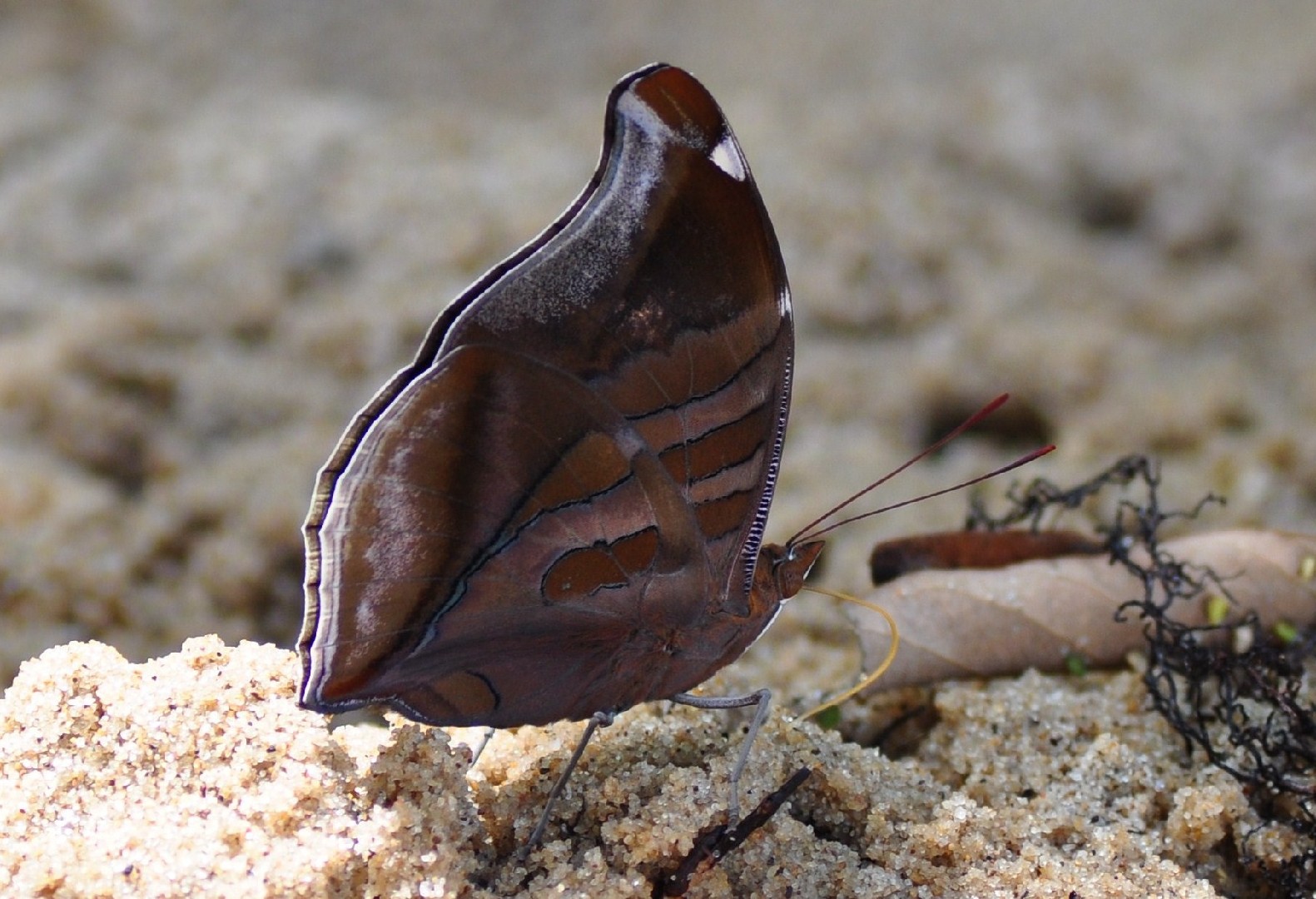
7. Orion cecropian
Historis odius is a butterfly from the Nymphalidae family. The scientific name of the species was first validly published in 1775 by Johann Christian Fabricius.
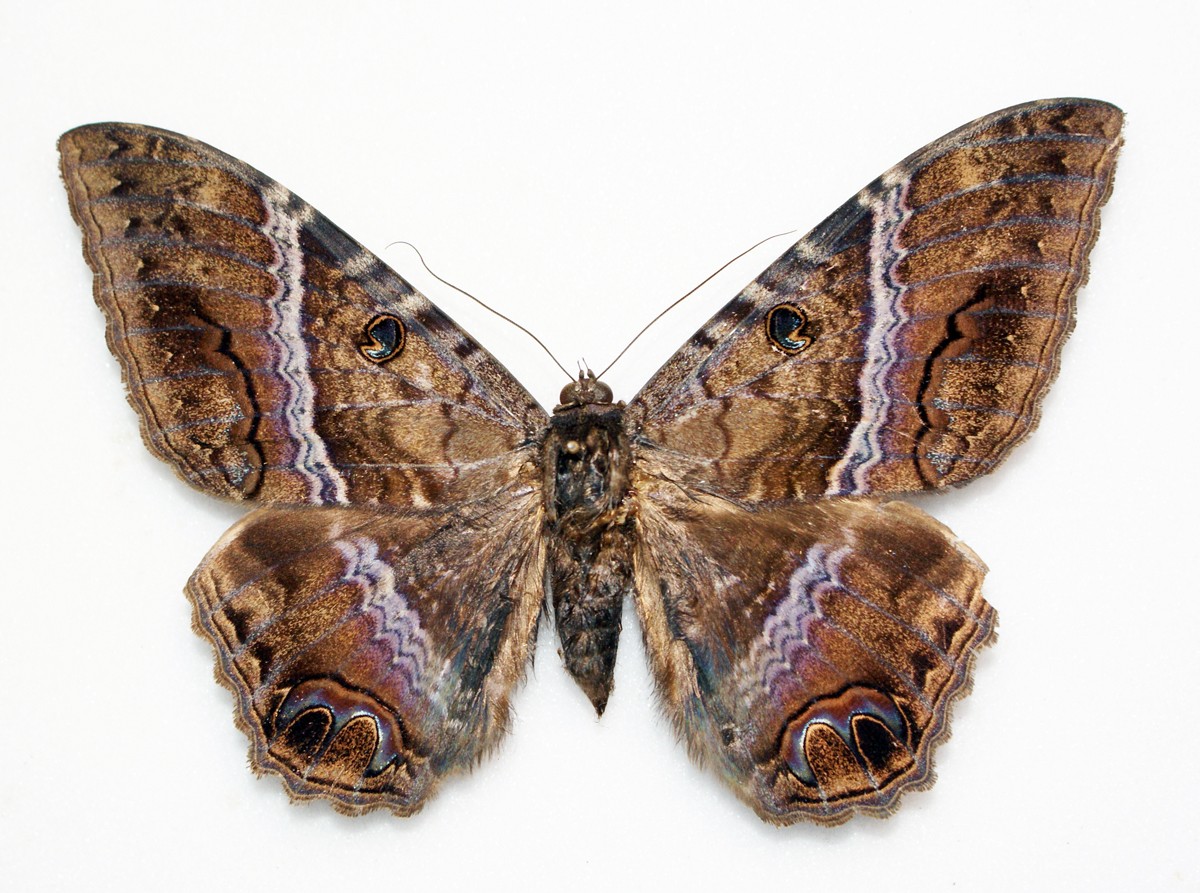
8. Black Witch
The black Witch (Ascalapha odorata) is given this spooky name because its part in folklore being associated with misfortune or death. In the novel, The Silence of the Lambs, they were placed in the mouths of the victims of Buffalo Bill. They can be identified with darker colorings and undertones of purple and pink.
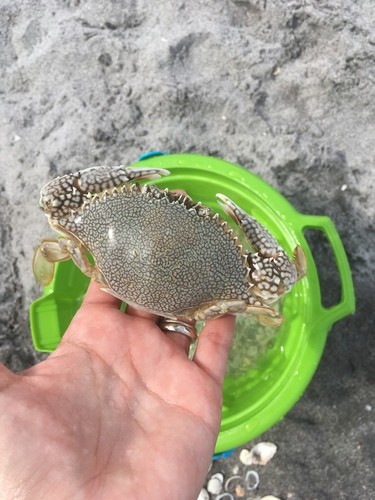
9. Speckled swimming crab
Colorfully attractive, the speckled swimming crab can be found along the shores of the Atlantic Coast. Its hind legs are paddle-shaped to help it swim through the water, and its shell is speckled to perfectly match the sand where it buries itself to wait on unsuspecting prey. Regularly feeding on a variety of crustaceans, small fish and young sea turtles, the speckled swimming crab can be very aggressive.
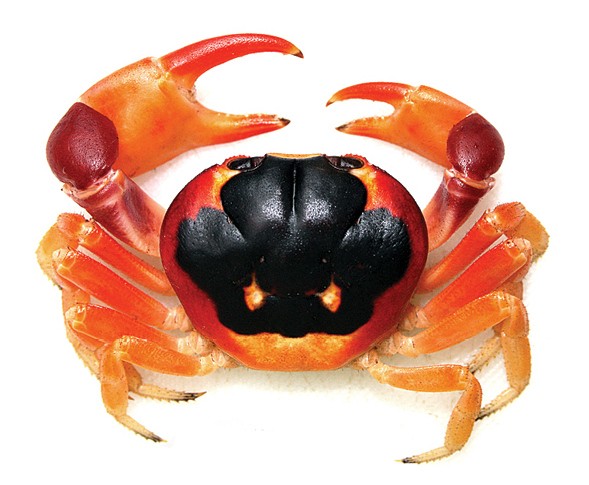
10. Blackback land crab
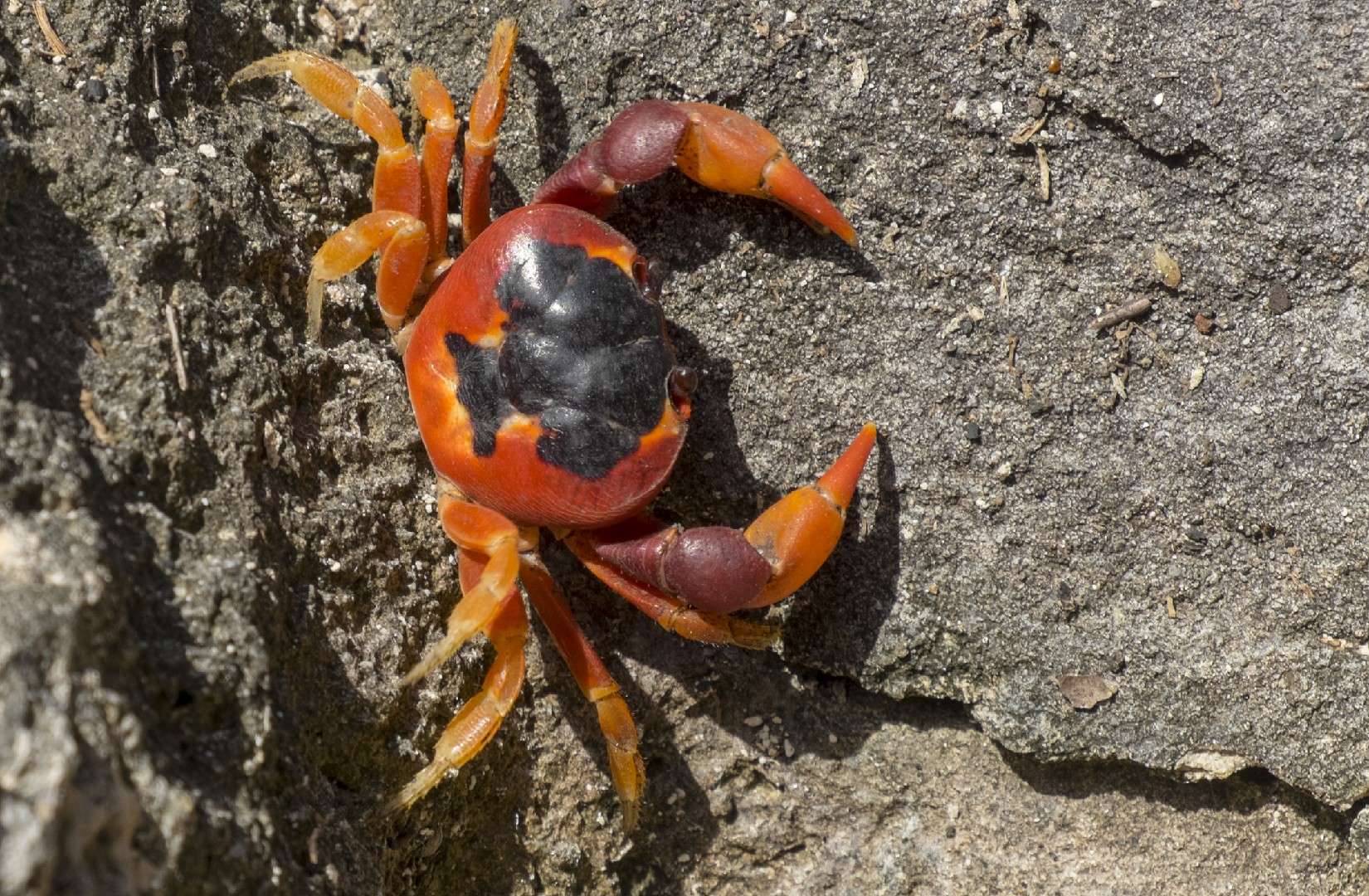
Native to the Caribbean region, the blackback land crab is often spotted on beaches along the Gulf and Eastern Atlantic coastlines. Its bold black shell and reddish orange legs are easy to identify, although this nocturnal feeder is usually hiding in marshes or buried under the sand during the day.


More







