




Top 18 Most Common Insects in Guatemala
Insects, a diverse group known for their exoskeletons and complex life cycles, are central to the ecological balance within Guatemala. The variety of geographic regions across Guatemala significantly influences this insect diversity, with varying habitats offering a haven for a broad spectrum of species. Insects play a pivotal role in our ecosystem, from pollinators aiding in plant reproduction to pests impacting agriculture and human health. In this list, we will discover the top 18 most common insects in Guatemala and their distinct relationship with the environment they inhabit.

Most Common Insects
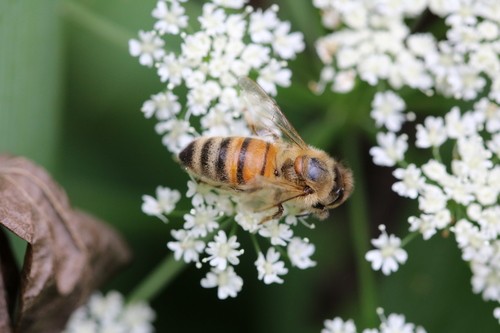
1. Western honey bee
Western honey bee(Apis mellifera) is the most common species of honeybee in the world. Among the first domesticated insects, its cultural and economic impact on humanity has been vast and far-reaching, providing honey, wax and its services as a pollinator. Western honey bee faces challenges worldwide, such as colony collapse disorder, and populations are thought to be decreasing.
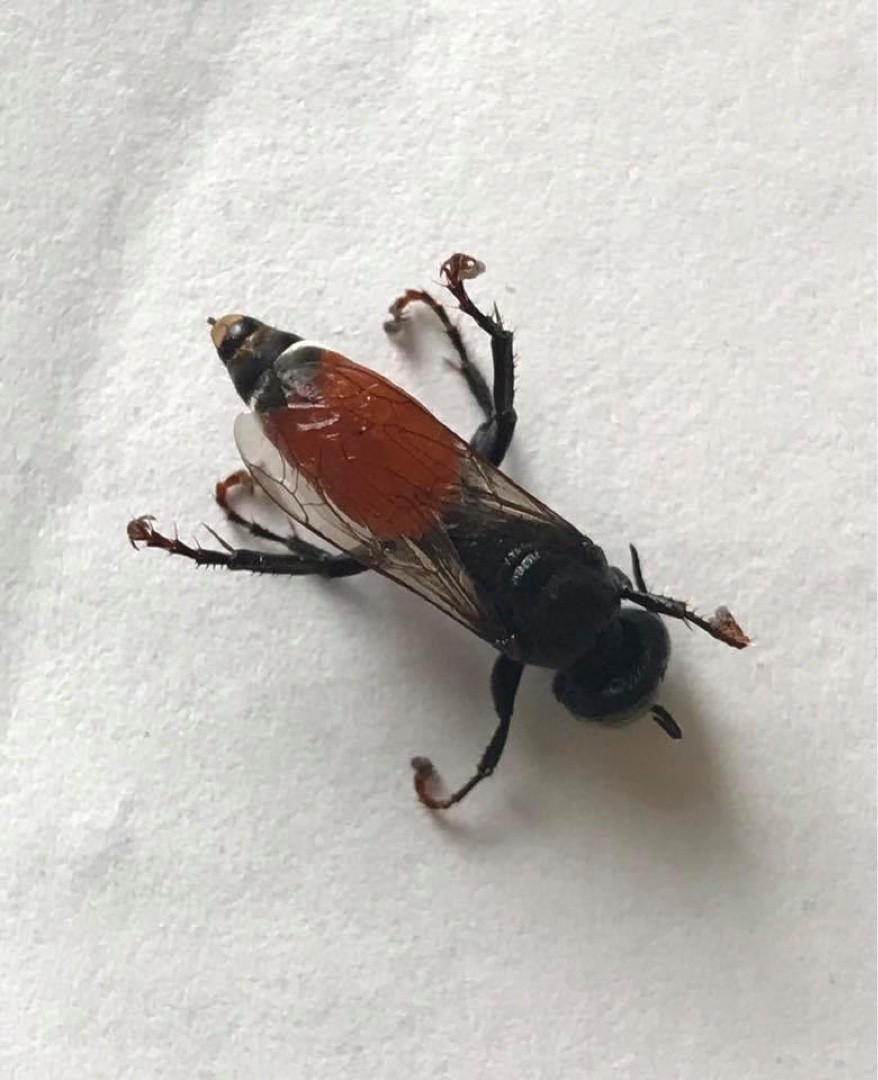
2. Fox-colored stingless bee
The fox-colored stingless bee (Trigona fulviventris) primarily feeds on pollen and nectar, but it has also been known to feed on fungi and dead animals. It builds its nest on the ground near the roots of trees, and it stores nectar and pollen inside. It can be aggressive, so it will attack and bite small arthropods that invade its nest.
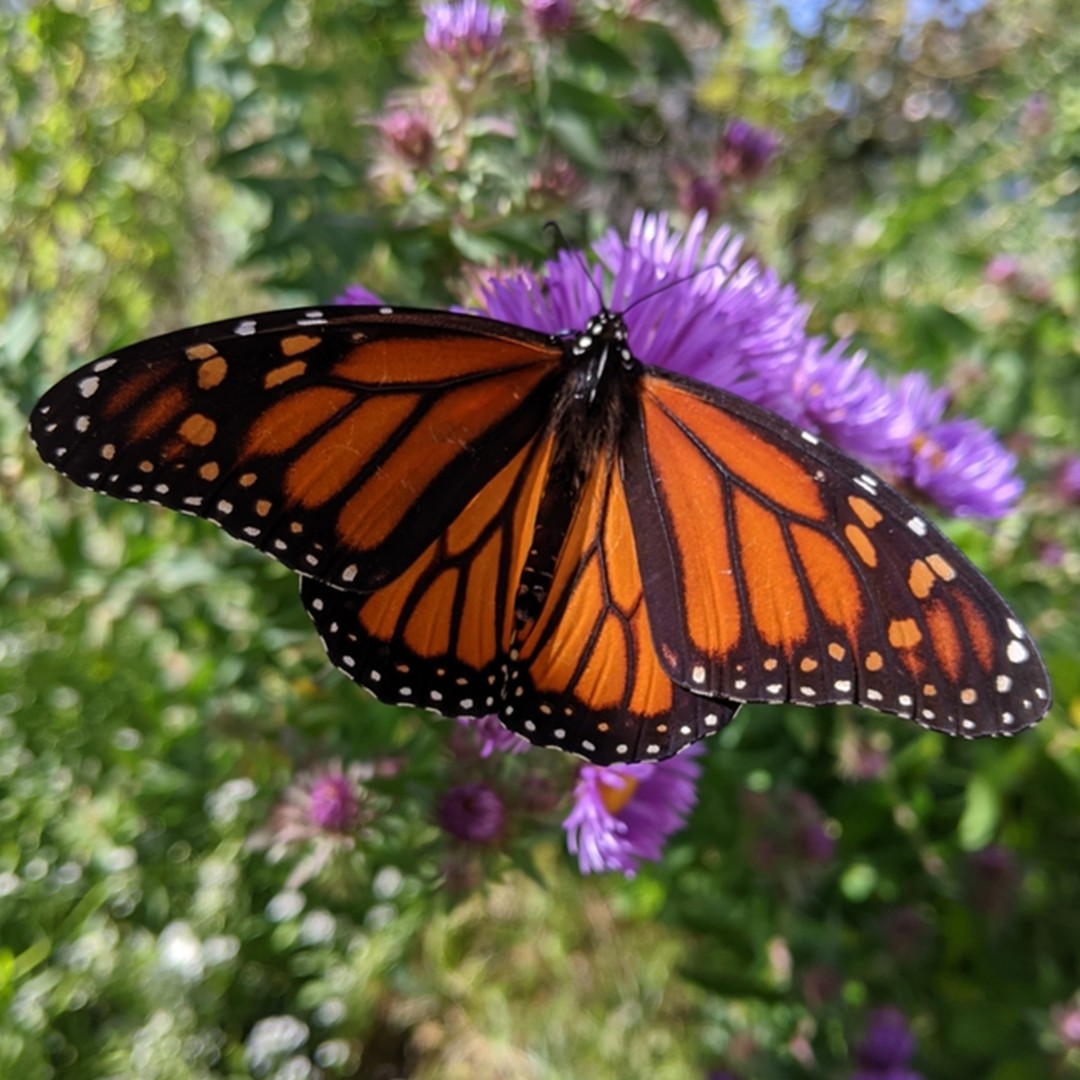
3. Monarch butterfly
The monarch butterfly (Danaus plexippus) is the most recognizable butterfly in North America. It is best known for its appearance, but should be better known for the fact that it has a 3000-mile migration that takes the butterfly 4 generations to complete. Their diet is also a natural deterrent for predators, as they eat milkweed, a poison that induces vomiting.
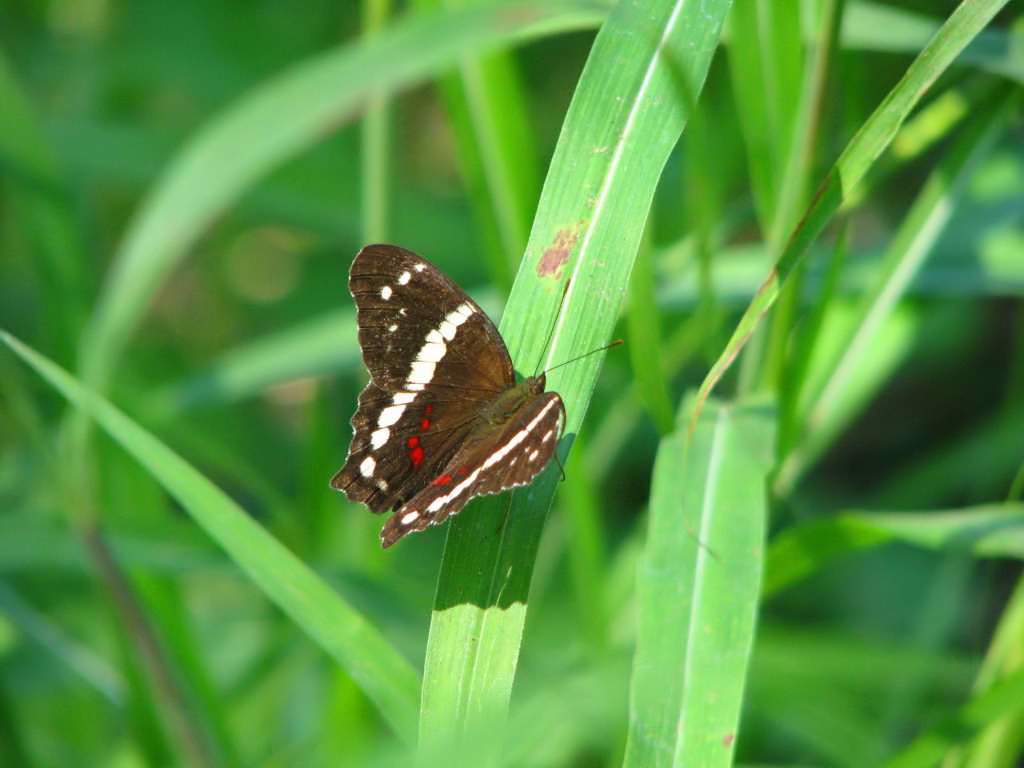
4. Banded peacock
The wingspan of the moths is 60 to 70 millimeters. The basic color of the wings is black-brown to black. On the front wing top, a white, sometimes yellowish bandage extends through the Diskalregion, which continues on the hind wings. Near the apex, some small whitish spots are highlighted. The hind wings show some striking red, sometimes orange spots. The tail at the Analwinkel are very short. All wing bottoms show similar drawing elements as the tops, but these are paler and weaker.
5. Zebra longwing
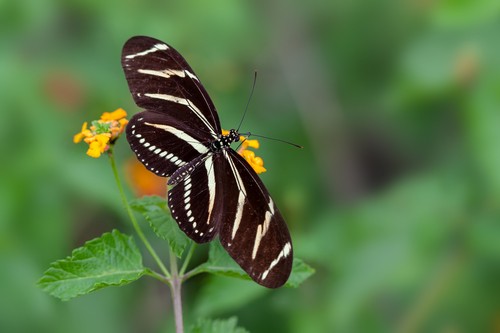
The zebra longwing (Heliconius charithonia) is a beautiful butterfly that has a texture resembling a zebra. They feast and pollen and nectar, using the pollen to produce chemicals that poison predators if they are eaten, deterring most predators from attack. Unfortunately, their populations have been decimated after being caught in the crossfire of sprays meant to control mosquitos.
6. Mexican silverspot
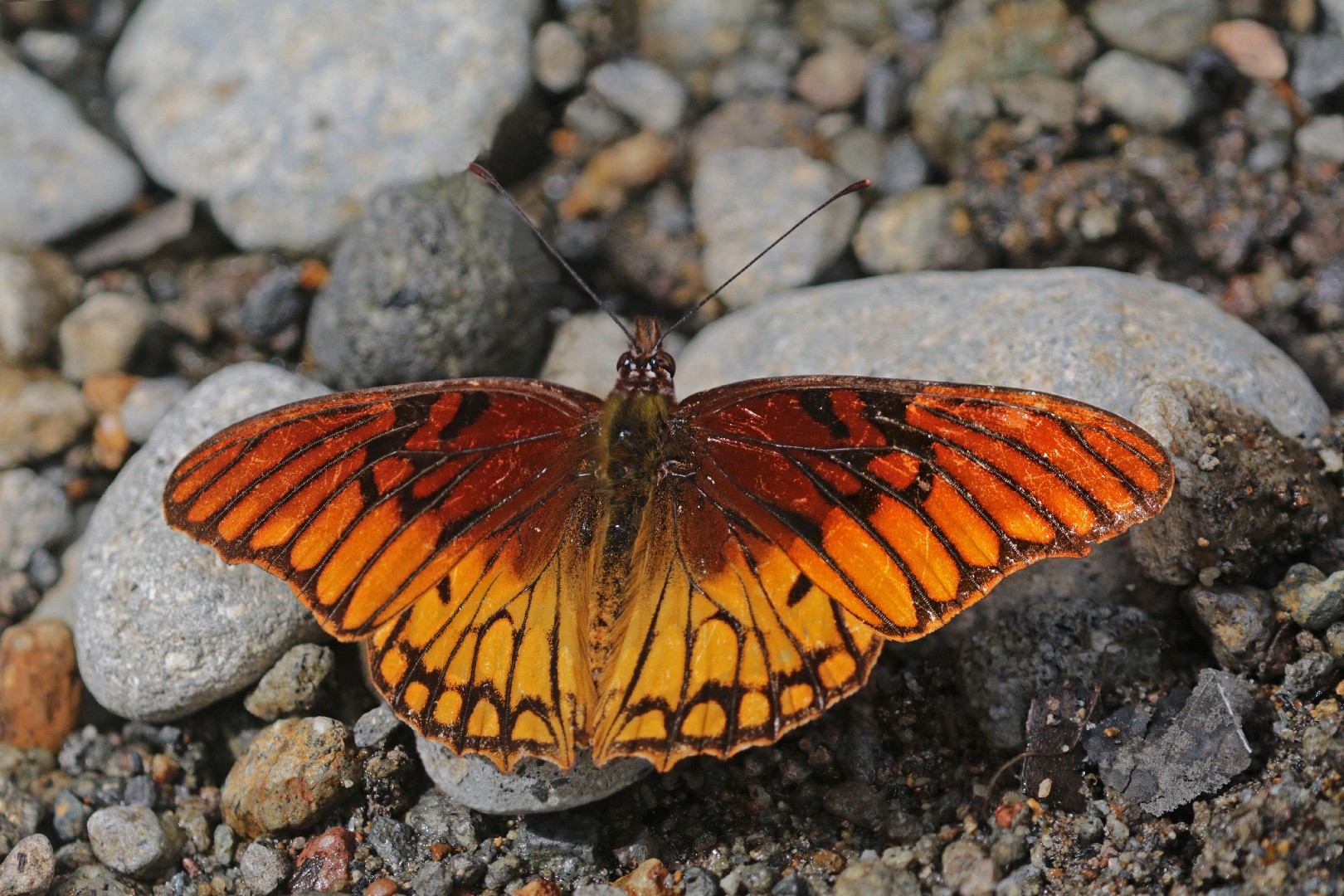
Dione moneta is a butterfly from the Nymphalidae family. The scientific name of the species was first validly published in 1819 by Jacob Hübner.
7. Juno longwing
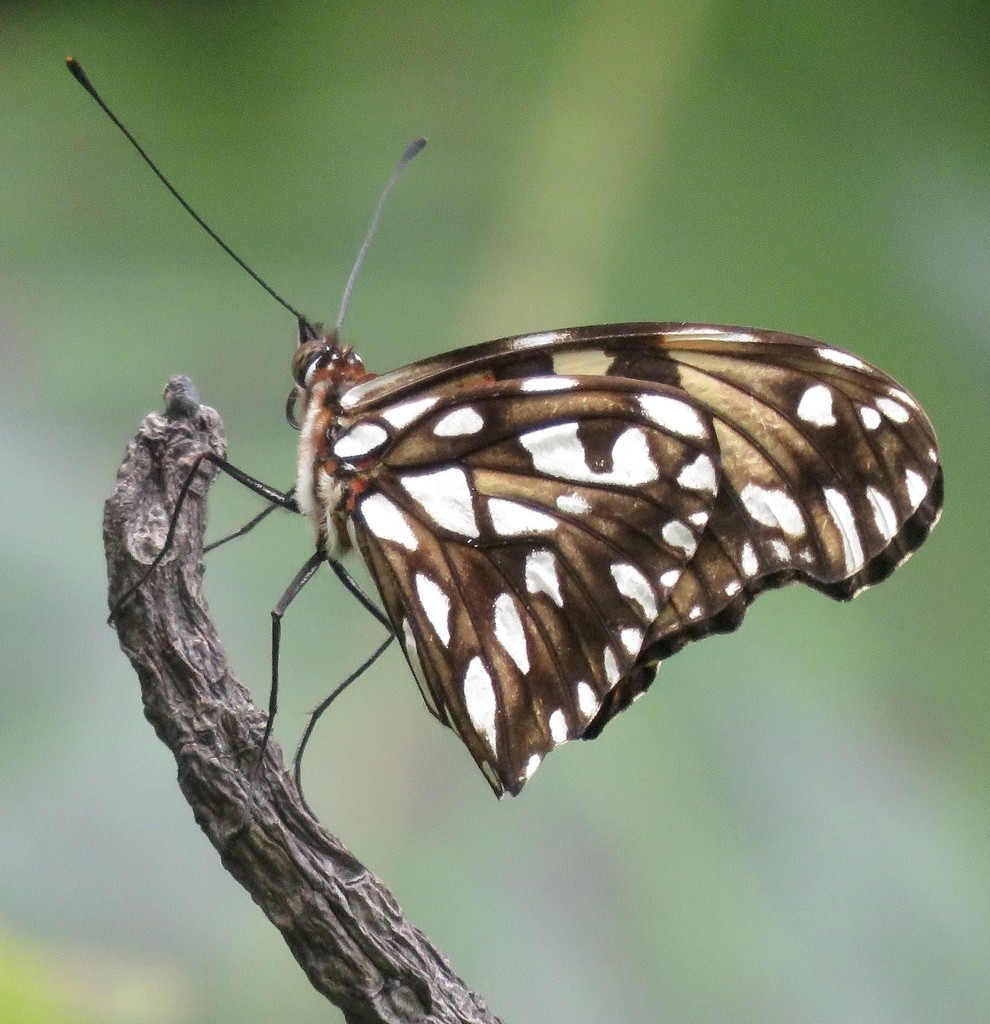
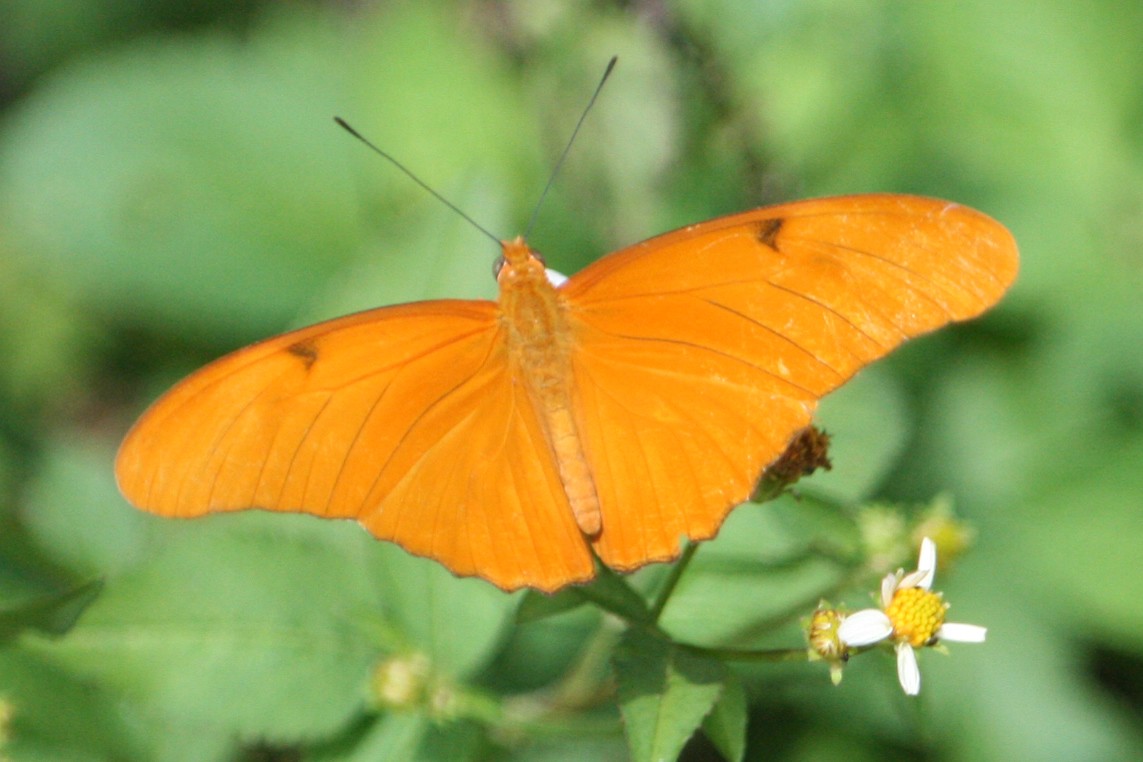
Dione juno, the Juno silverspot, juno longwing, or Juno heliconian, is a species of butterfly of the subfamily Heliconiinae in the family Nymphalidae found from southern United States to South America. 

8. Multicolored asian ladybeetle
Often confused for the ladybug, multicolored asian ladybeetle (Harmonia axyridis) is a separate species that, unlike the ladybug, is a household pest. It is considered particularly annoying for its habit of returning to places from which it is removed. One of the most variable species in the world, there are many different colors and patterns multicolored asian ladybeetle may display, making identification potentially difficult.
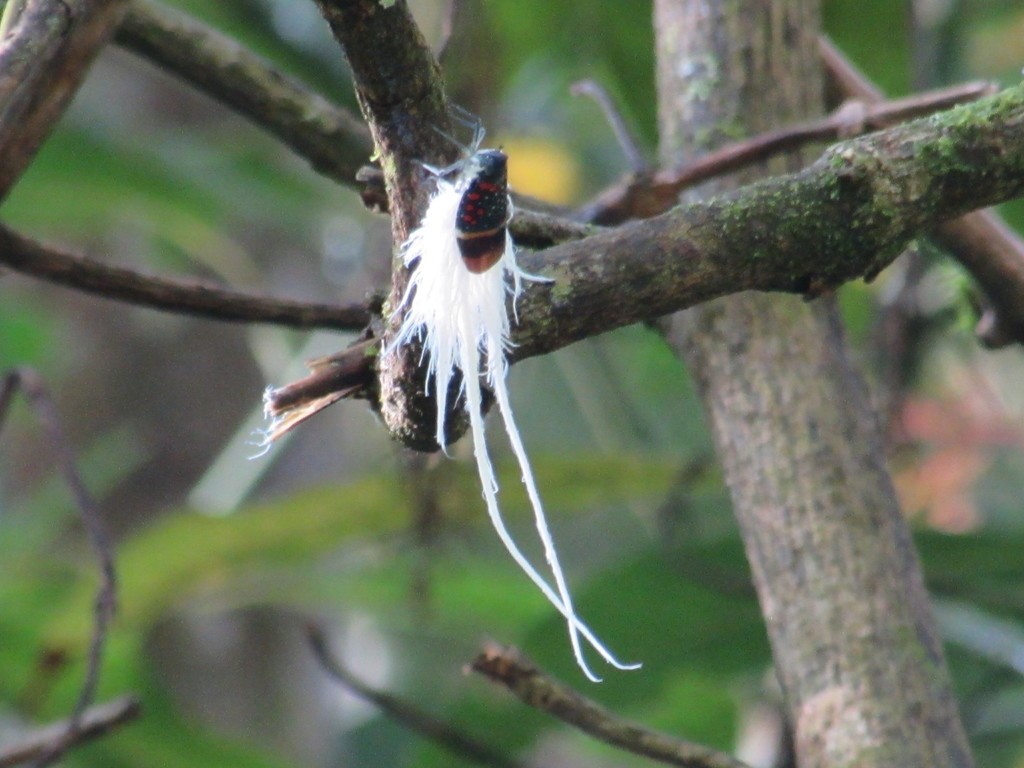
9. Mexican treehopper
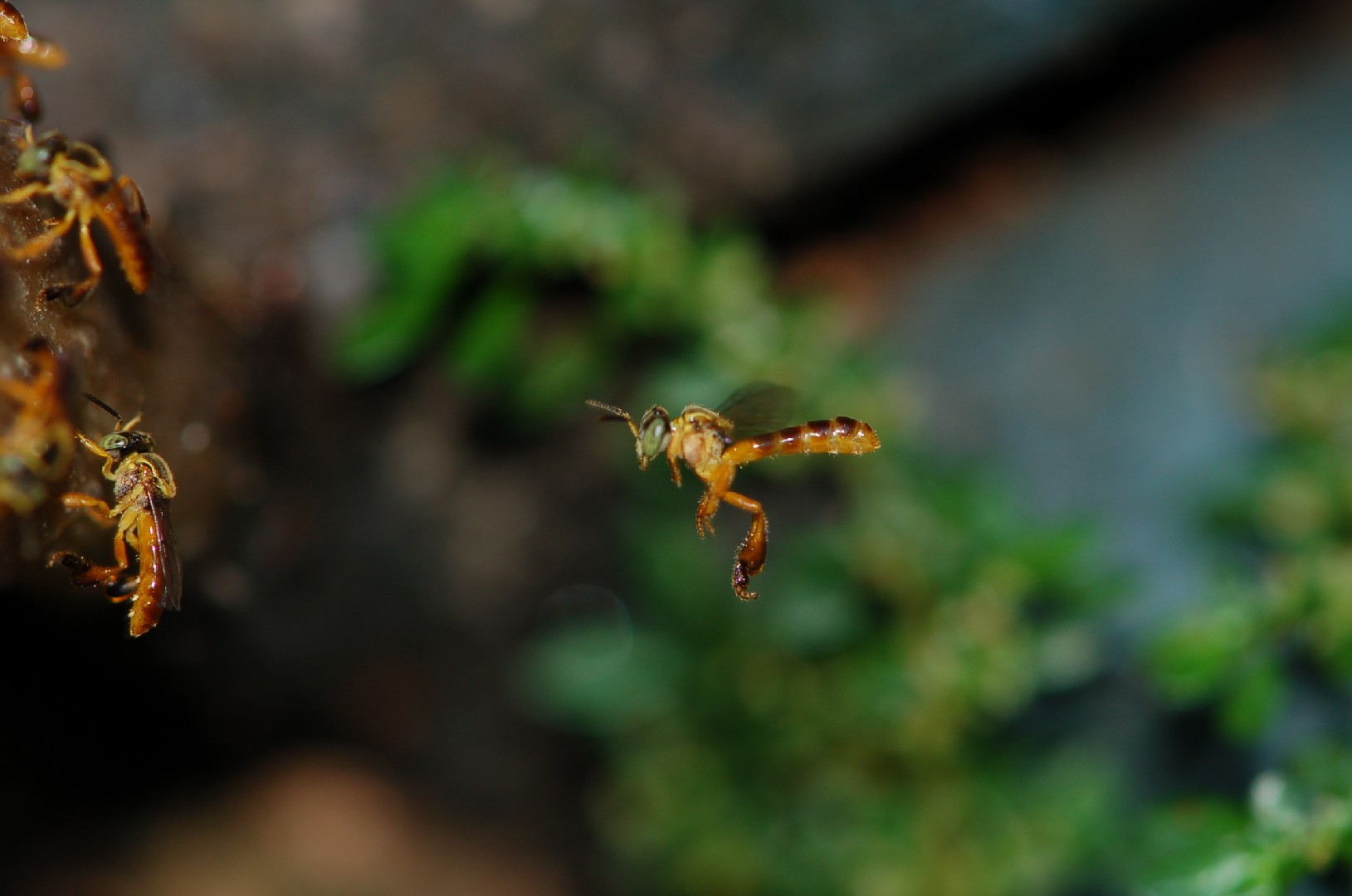
10. Tetragonisca angustula
The Tetragonisca angustula is a bee that makes up as the best of all worlds. First, this is a bee that does not have a stinger, which means that they are not harmful to humans. They also produce honey, which is an awesome addition that makes them perfect for beekeeping. However, they do produce "bouncers" in the form of larger soldiers that are good at protecting the nest.
More







