




Top 19 Most Common Insects in Arunachal Pradesh
Welcome to the fascinating world of insects in Arunachal Pradesh! This region, with its varied geographical terrains, houses an array of insects reflecting a rich biodiversity. Insects in Arunachal Pradesh perform critical ecological roles, from being nuisances to bringing widespread benefits. Our list 'Top 19 Most Common Insects in Arunachal Pradesh' will give you an intriguing glimpse into they inhabit varied environments and how they influence the state's unique ecosystem.

Most Common Insects

1. Common mormon
The common mormon (Papilio polytes) is a beautiful, black butterfly with unique hindwings that have orange and white colorings and two spots jutting out. They are named after the Mormon religion, as the butterflies participate in polygamy, which is a common practice for Mormons. They are also known to mimic red-bodied swallowtail, who are inedible.
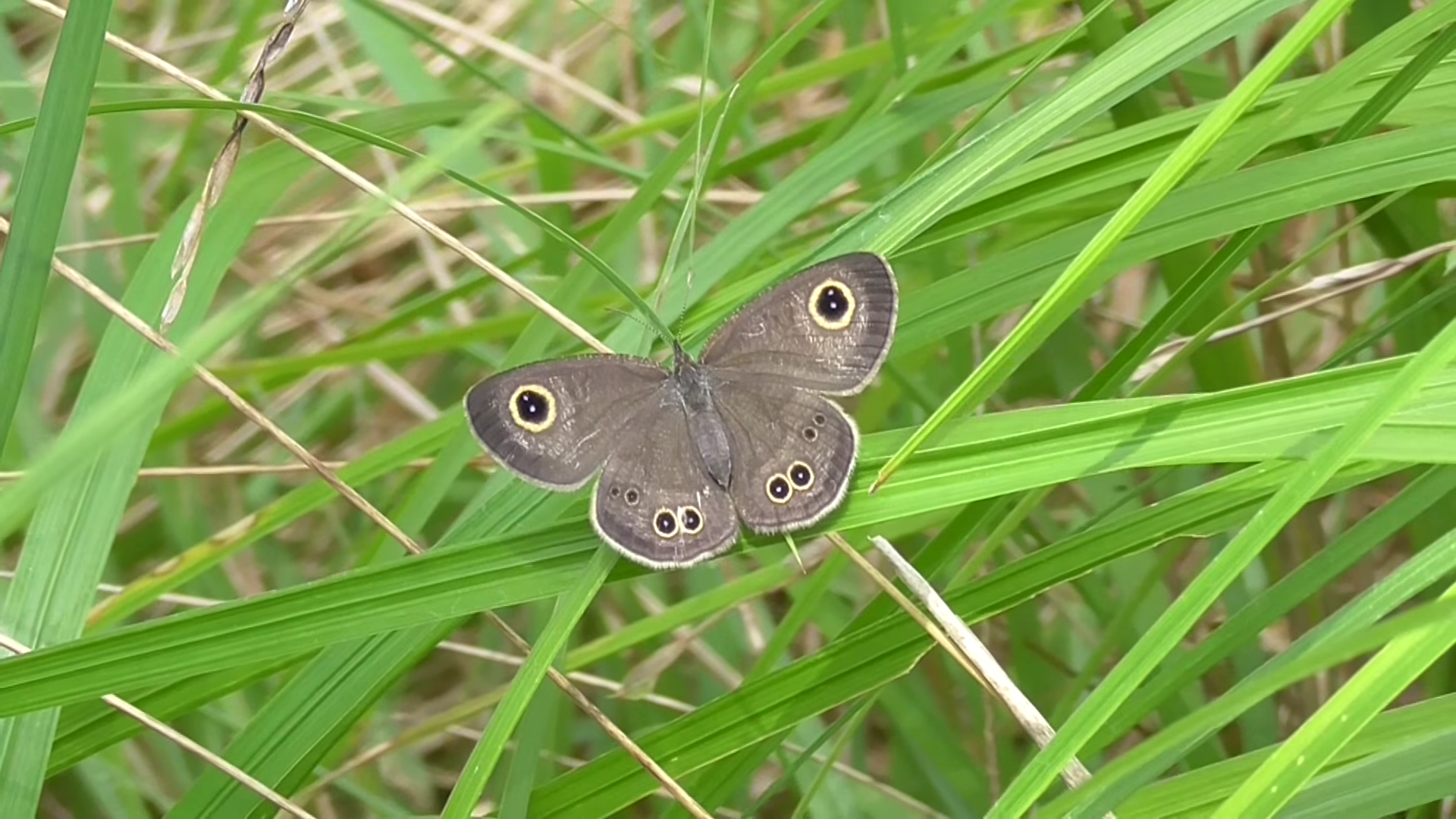
2. Common fivering
Ypthima baldus, the common five-ring, is a species of Satyrinae butterfly found in Asia. 
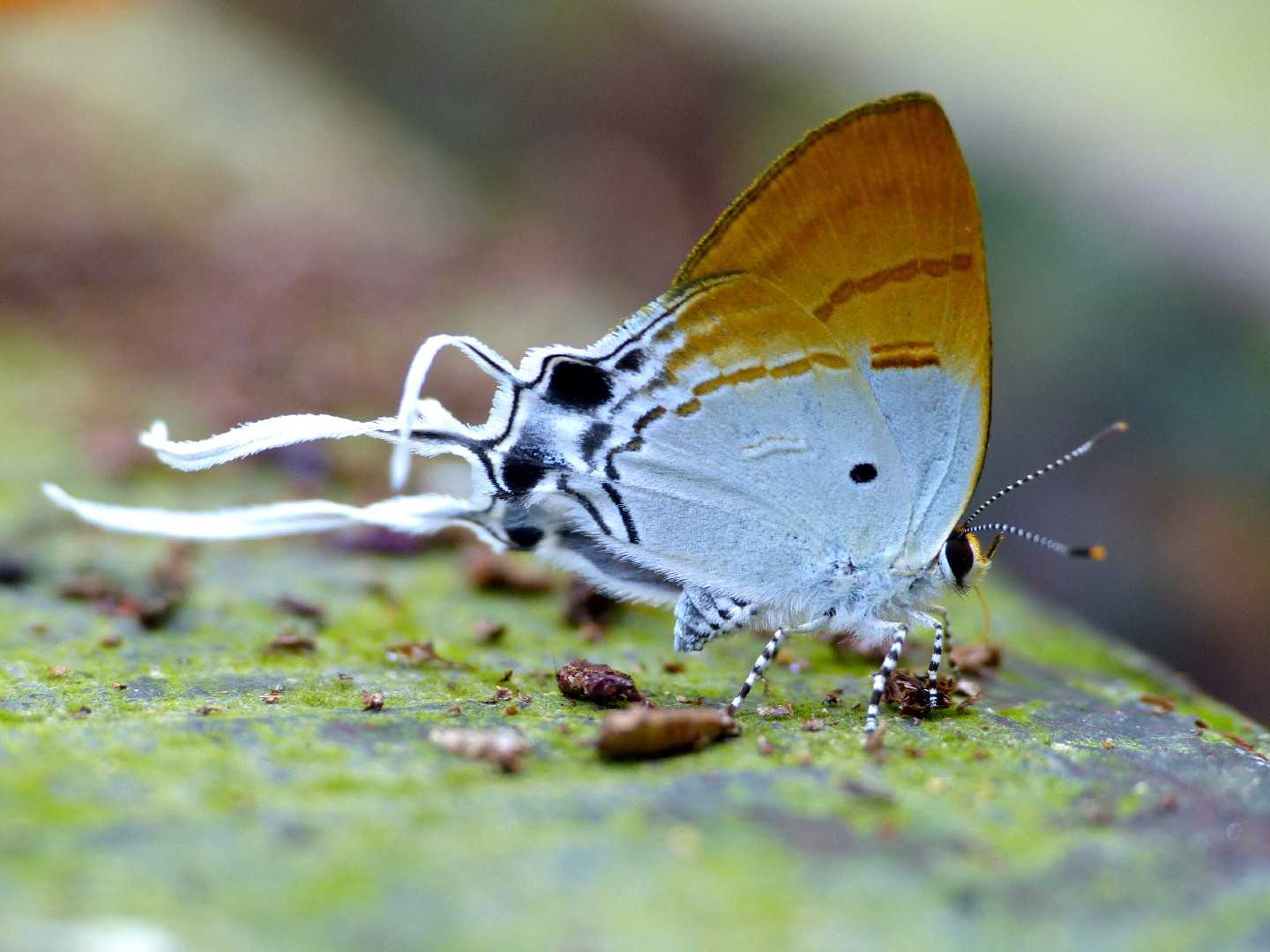
3. Fluffy tit
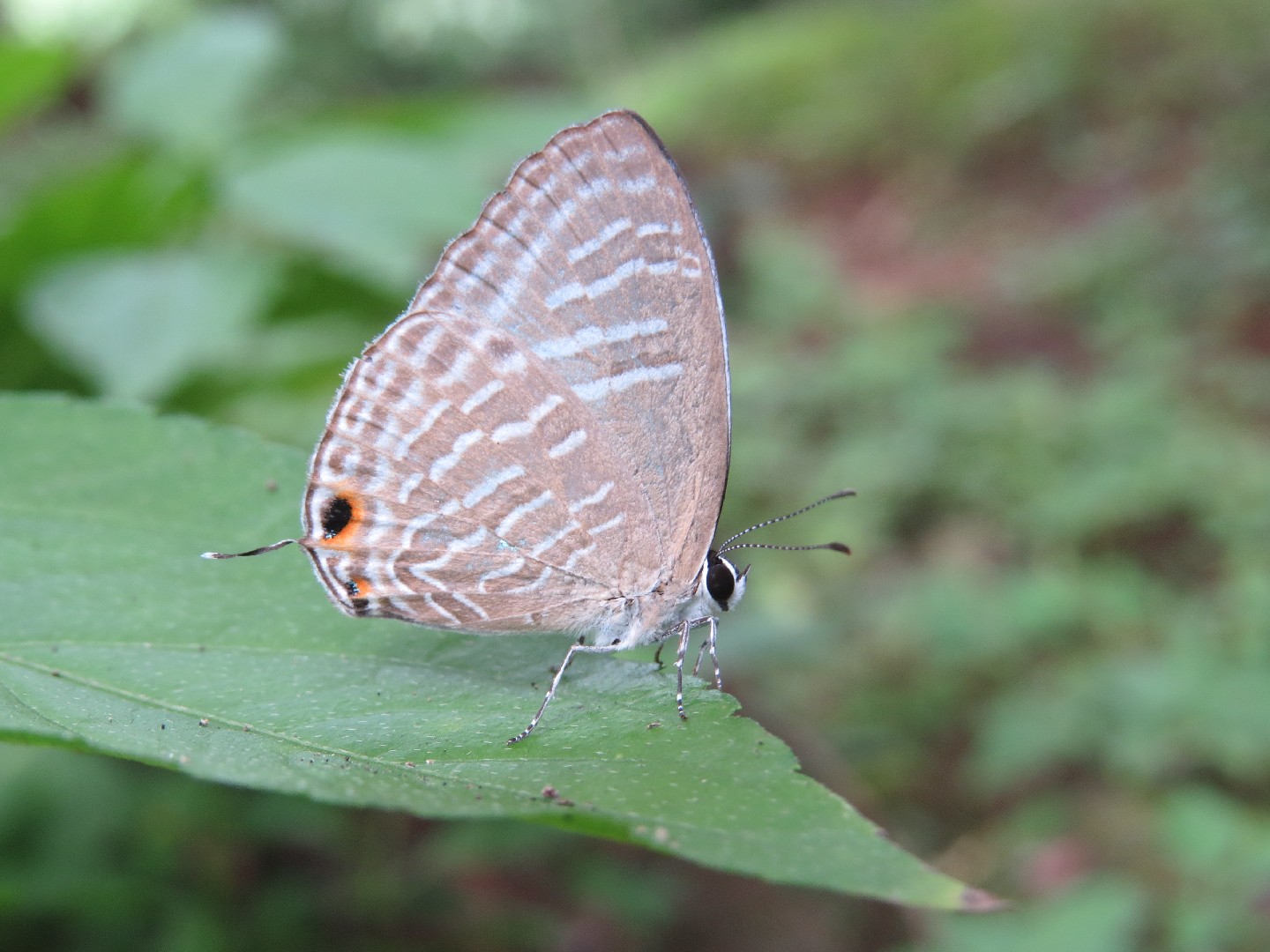
The genus is small, and its wingspan is 3 - 3 cm. It has long fluffy tail (v.1, 1.3 cm.; v.2, 7 mm), which makes it easily recognizable. The forewing (FW) color of male Zeltus is blackish, and the basal area's color is pale blue. The forewing color of female Zeltus is dark brown. The hindwing (HW) color of the male is pale blue, the color of the apex is black. Zeltus amasa has false eyes, legs, and antennae on the hindwing, which resembles and diverts attention from its real head. Upperside of male: Forewing with a small basal space, consisting of the basal half of the cell, and the lower basal portion of the wing greyish-blue, the rest of the wing black. Hindwing with a large black patch at the apex, the rest of the wing greyish-blue, paling hindwards and becoming more or less pure white at the anal angle and on the abdominal fold; tails white, with a pale blue line down their centres, a pale blackish spot at the anal angle and another in the first interspace. Cilia white. Underside. Forewing, pale rufous-brown, four-fifths of the hinder marginal area from the base below vein 2 bluish-white, markings slightly darker than the ground colour; a bar at the end of the cell, edged on both sides with white, a slightly outwardly curved, even discal narrow band of the same width as the cell bar, edged on both sides with white, extending from near the costa to below vein 2, an indistinct similar sub-marginal band without the white edgings. Hiudwing with the upper portion of a paler rufous-brown, paling hindwards, and becoming pale bluish-grey on the lower two-thirds of the wing; a black sub-basal spot below the costa, a pale bar at the end of the cell, edged on both sides with white, a discal broken band of the same narrow width as on the forewing, edged on both sides with white, in a straight line from the costa to vein 4, a linear mark in the next lower interspace well inwards, and below it a line twice acutely angled, then bending inwards straight on to the abdominal margin above the anal angle, a sub-marginal double series of somewhat lunular marks, the outer series ending in a large black spot in the first interspace just above the upper tail, and another at the anal angle; a terminal fine black line with an inner white line. Antennge black, ringed with white; head and body blackish above, with blue pubescence, whitish below. Upperside of female is brown. Forewing with the outer portion shading a little darker. Hindwing with the costa narrowly pale, the rest of the wing brown, paling hindwards and becoming white towards the anal angle, a large black sub-terminal spot above the upper tail, a small one at the anal angle, a suffused brownish spot or mark between them, a short double series of brownish lunular marks on the white ground above them. Underside paler than in the male, markings similar.
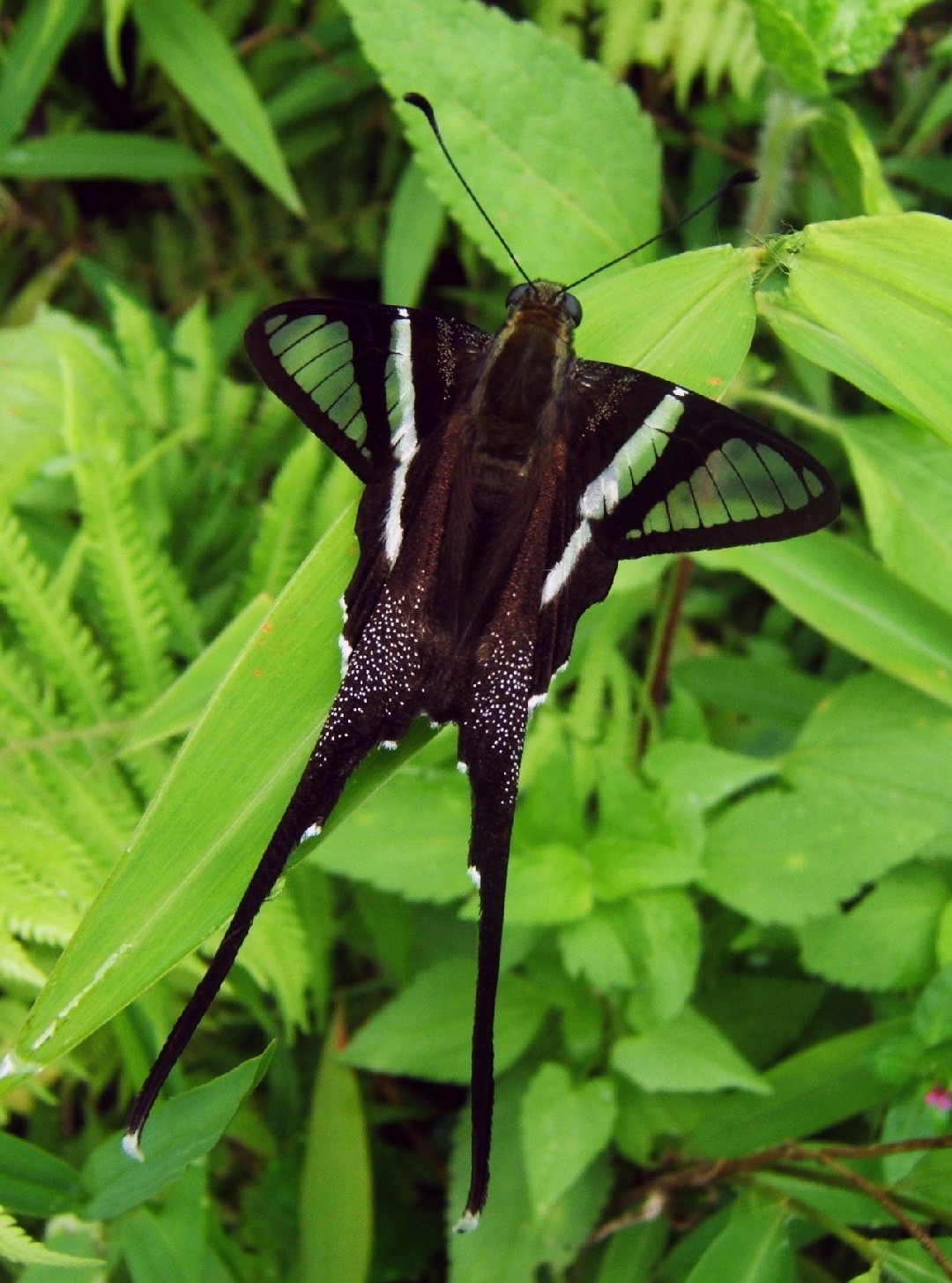
4. White dragontail
Upperside dull brownish black. The forewing has a broad outwardly oblique white transverse band that crosses from a little beyond the basal third of the costal margin to the dorsum, its outer half hyaline (glass like), followed by a hyaline triangular area that does not reach the costa or the termen but is traversed by conspicuously black veins. Between the semihyaline transverse band and the hyaline area the black forms a more or less even band slightly narrower in the middle; the black edging to the costa and termen broad, broadened towards the apex; cilia black. The transverse white band of the forewing is continued straight across and ends in a point on the outer half of vein 3, but is not hyaline along its outer margin; posterior half of the wing dull dark brown, irrorated (sprinkled) towards the base of the long narrow tail at vein 4 with white scales; cilia black, white below vein 5 and along outer side of basal half of tail, the latter tipped white. Underside similar, but the ground colour opaque brownish black; a broad outwardly ill-defined earthy-grey streak along the base of the wings produced slightly down the dorsal margin of hindwing and along the costa of the forewing; the oblique white band on the hindwing joined by a cross sinuous short white line from the dorsal margin to its apex; below this latter a number of irregular white spots on the tornal area. Antennae, head and thorax black, abdomen dark brownish black; beneath, the palpi, thorax and abdomen greyish; claws of the tarsi bifid. Male with a sex mark or brand.
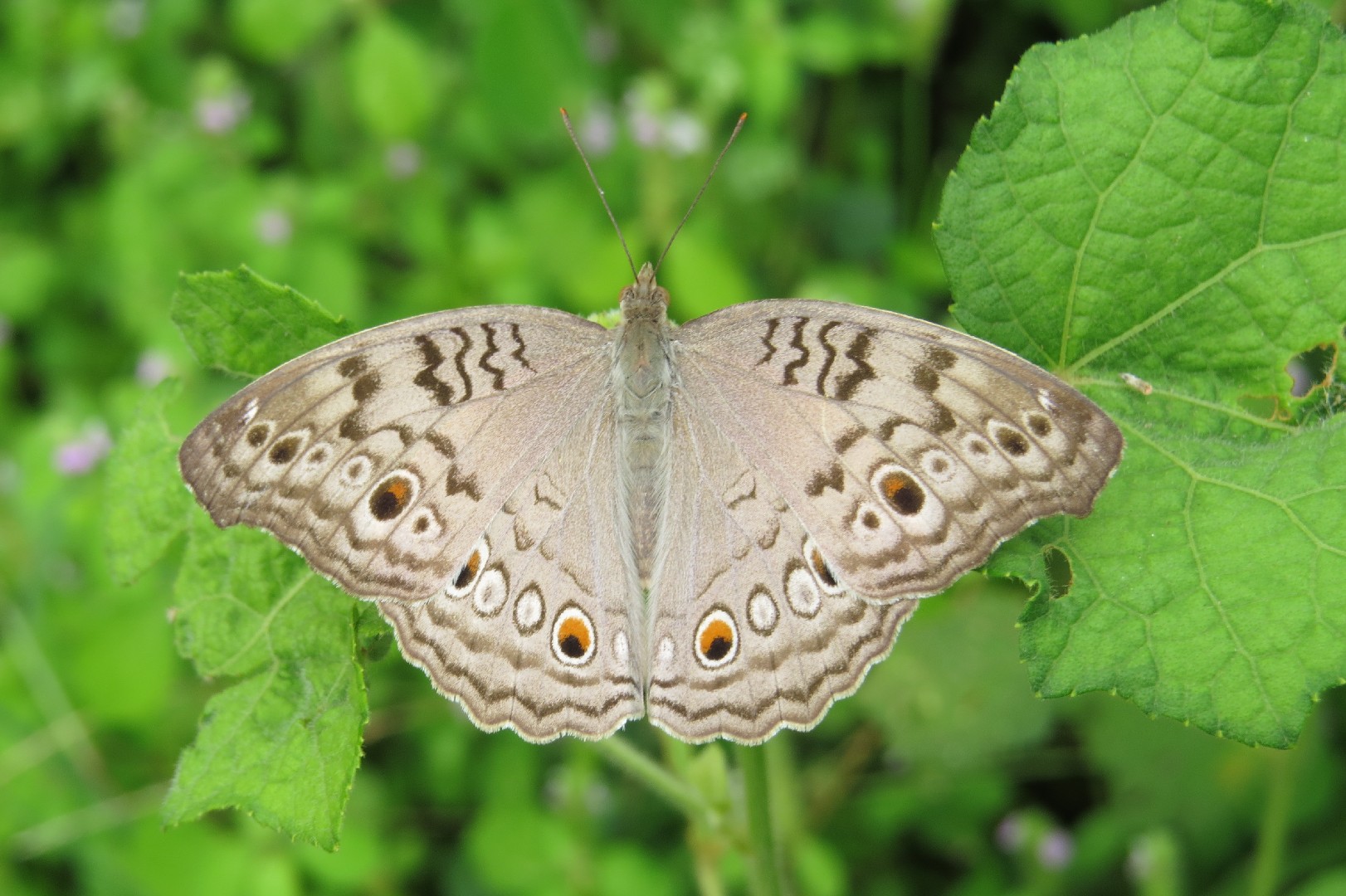
5. Grey pansy
Upperside of both sexes pale lavender brown, apical half of wings paler. Forewing: cell with, three transverse, short, sinuous black bands, the outermost defining the discocellulars; a similar short, somewhat broader band beyond the apex of the cell; two transverse discal dusky black fasciae, the inner highly sinuous and outward, angulate above vein 4, the outer straighter, somewhat lunular, bordered by a series of whitish ovals with dusky or black centers. The black-centered spots in the ovals in interspaces 2, 5, and 6 margined posteriorly with rich ocherous yellow. Beyond this series of ovals is a lunular, narrow, transverse dark band, followed by sinuous subterminal and terminal broad dark lines. Apex of wing slightly fuliginous. Hindwing: a short slender black loop from veins 6 to 4 at apex of cell-area; two discal sinuous transverse dark, fasciae in continuation of those on the forewing: followed by a series of dark-centered ovals in interspaces 2–6, the ovals in interspaces 2, 5, and 6 with the dark centers inwardly broadly bordered with ochreous yellow; postdiscal, subterminal and terminal dark lunular lines as on the forewing. Underside lilacine white markings as on the upperside but very delicate, slender and somewhat obsolescent. In the dry-season forms of the males the rows of oval ocelli are only indicated by the yellow-centered ovals. The most prominent marking is the inner discal fascia crossing the wings; this is much less sinuous than on the upperside and not angulated on the forewing. In the females the markings are all heavier and more distinct, the space between the various transverse fasciae tinged with ocherous.
6. Punchinello
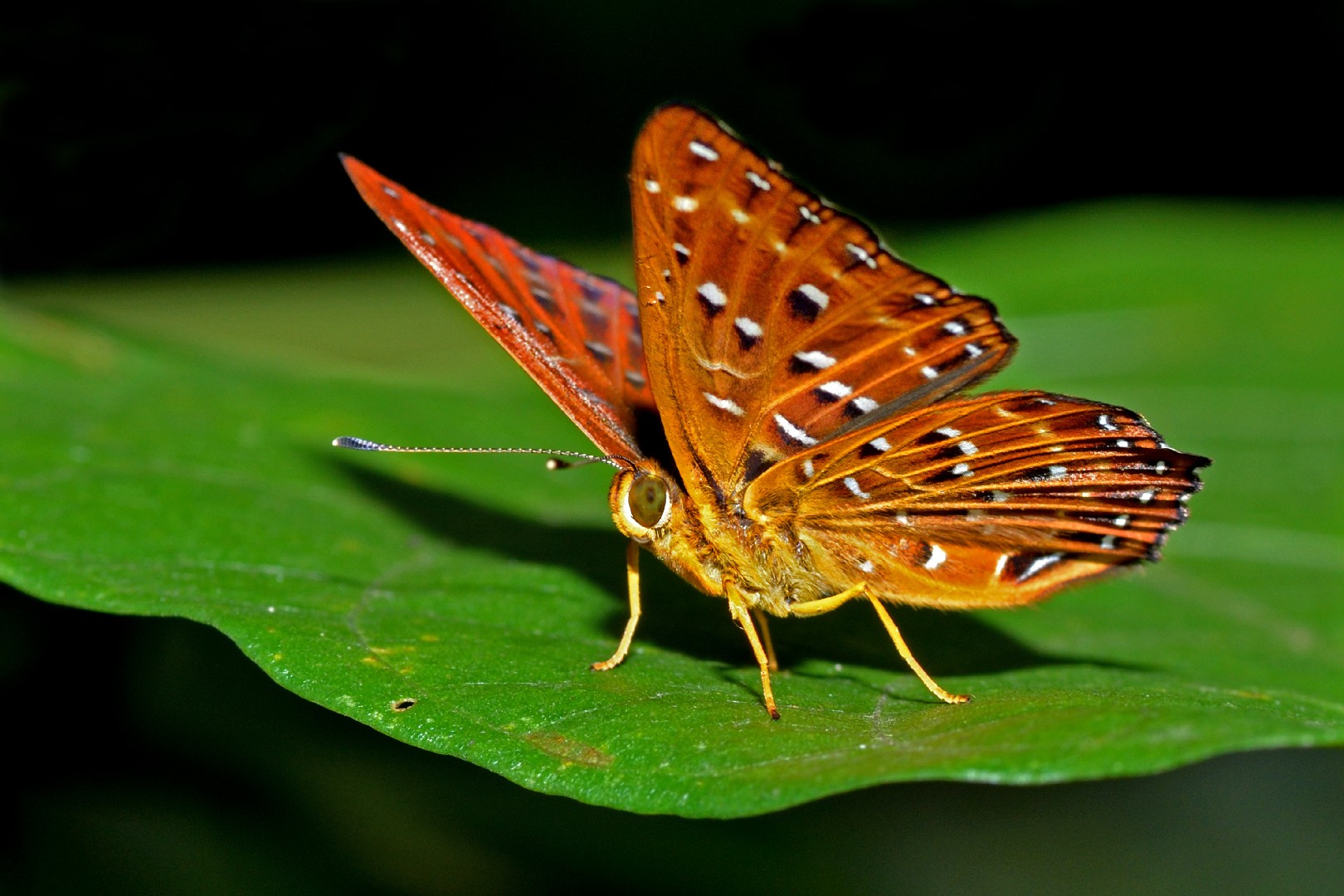
Male in wet-season form: upperside is vinaceous (colour of red wine) brown, the veins ochraceous brown. Forewings and hindwings crossed by four series of minute white spots, the postdiscal series very often obscure, each spot bordered inwardly by a more or less elongate black spot; a terminal very slender black line; cilia alternately black and white. Underside is bright ochraceous brown, the veins conspicuously paler, the white black-bordered spots as on the upperside but larger, more clearly defined and prominent. Antennae brown ringed with white; club black, ochraceous at apex; head, thorax and abdomen concolorous with the wings; beneath, the palpi, thorax and abdomen slightly paler than the wings. Male in dry-season form: upperside has the ground colour darker than in the wet-season form; the spots are smaller and duller in colour. On the forewing the postdiscal series of spots often obsolescent except the spots in interspaces 3, 6 and 8, the latter two very large and prominent; sub-terminal series of spots also often obsolescent. The veins on both forewings and hindwings not paler than the ground colour. Underside is similar to the underside in the wet-season form, but the ground colour a shade darker; the veins not conspicuously paler; the white spots as in the wet-season form, except the postdiscal and subterminal series on the forewing, which are as on the upperside, the anterior large white spots of the postdiscal series being very prominent; the inner black bordering to the white spots much smaller than in the wet-season form. Antennae, head, thorax and abdomen as in the wet-season form. Females have the upper and undersides similar to those of the wet-season form, but the ground colour brighter and paler; markings also similar, but the black bordering to the white spots less prominent.
7. Common tit
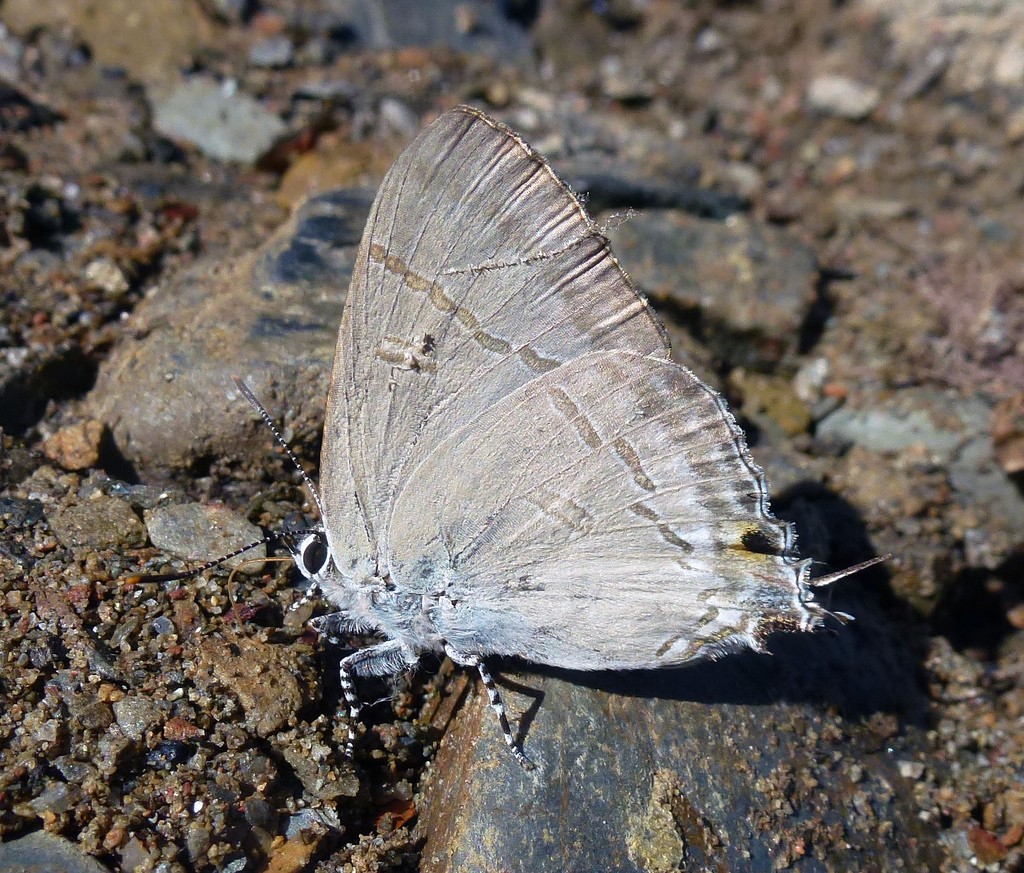
The underside of both sexes is pale greyish brown. The underside hindwing does not have a spot in the basal area of 7. The butterfly has two tails - a 6 mm long one at V1 and a 5 mm long tail at V2. The markings include: a double bar at end-cell,a regular discal line on the forewing,a broken, less regular line on the hindwing. The male butterfly is pale blue to dark brown above, dark shining purple depending on the light. It has a black border with the upper forewing having a large black discal area of modified scales. The female butterfly is dark brown and its hindwing has a white disconnected discal band above the tornus. The butterfly also has a white-edged tornal black spot in 2.
8. Bi-spot royal
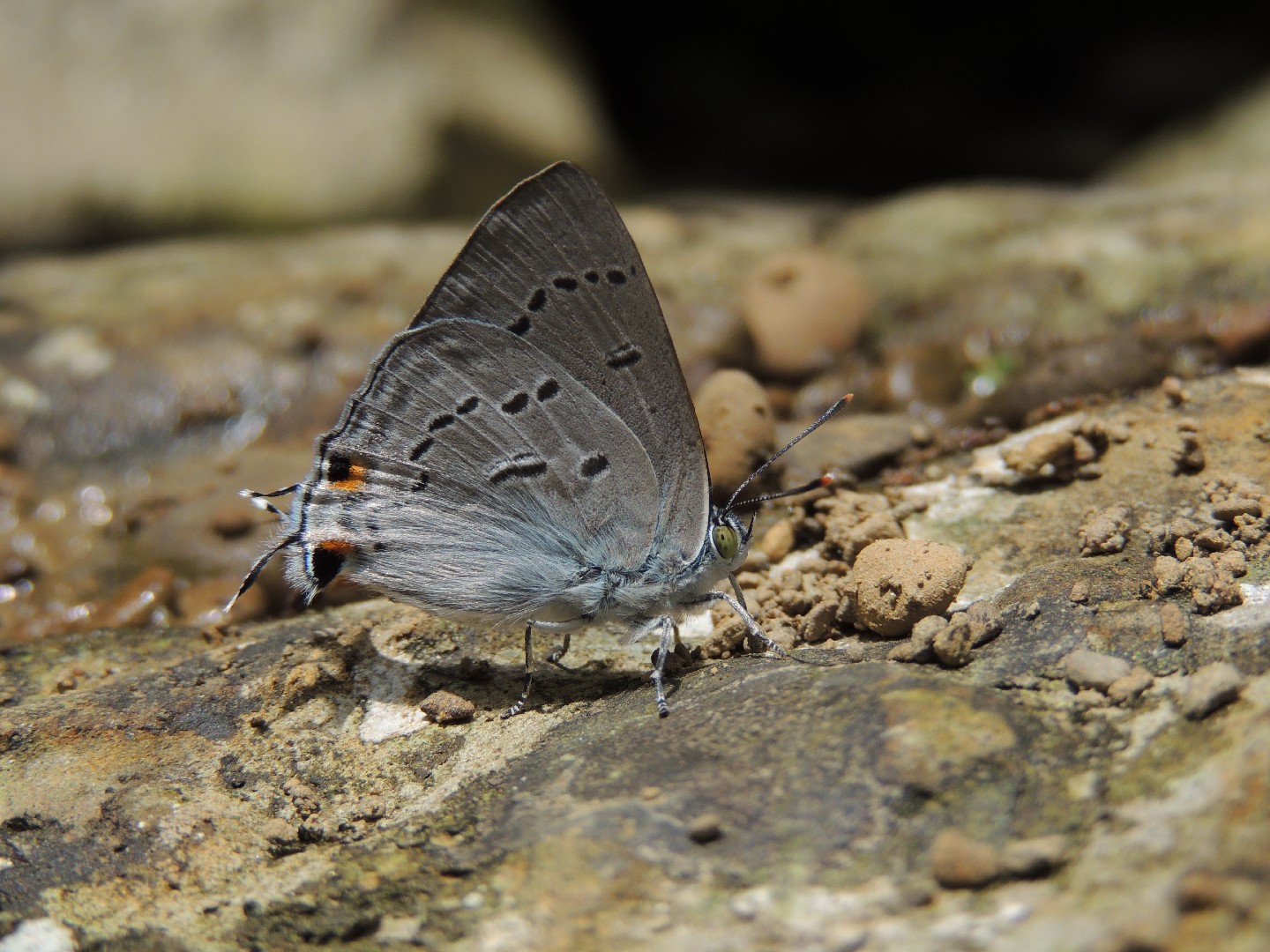
Ancema ctesia, the bi-spot royal, is a species of blue butterfly (Lycaenidae) found in Pakistan and India. The larvae feed on Viscum articulatum.
9. Black-and-white spiny spider
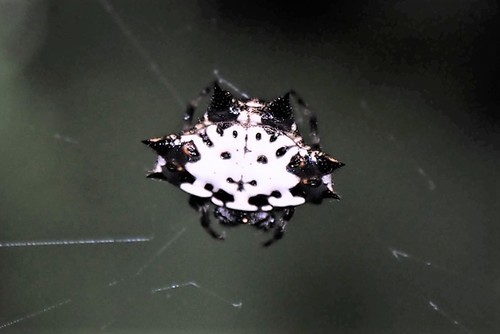
Female black-and-white spiny spider are 6 - 9 mm wide and possess a hard, shiny abdomen armed with six black conical spines. The upper surface of the abdomen is white to yellowish with variable black or dark brown markings and sigilla. Males are much smaller at 3 - 4 mm and in place of spines have small bumps on their abdomens.
10. Autumn leaf
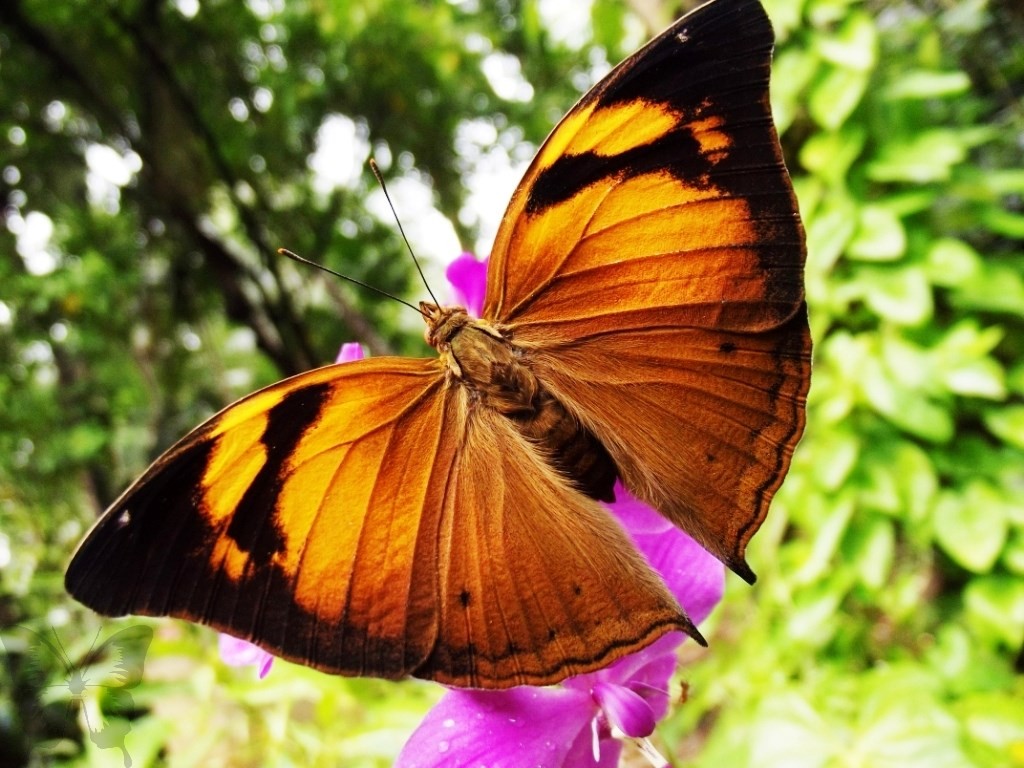
The larvae are black, with two rows of dorsal white spots. Head with a pair of branched spines; rest of the segments with a dorsal and a lateral row of blue branched spines on each side. The pupae are yellowish with numerous black spots; constricted in the middle; head produced into two points. Male's and female's underside yellowish brown, paling anteriorly to rich golden yellow on the forewing, shading anteriorly into dusky brown on the hindwing. Forewing: the apical half black, following a line from vein 12 opposite the discocellulars, passing through apex of cell, obliquely across middle of interspace 3 and curving down to tornus; a black spot near apex of cell coalescing with the inner margin of 1he black colour; a short, very oblique, broad golden-yellow band, broader in the female than in the male, from middle of costal margin to interspace 5; a spot beyond in line with it in interspace 4; two, sometimes three, minute, preapical white specks; the cilia fulvous (tawny), touched with white, anteriorly. Hindwing uniform; the costal margin broadly as noted above, a subterminal narrow band and narrower terminal line posteriorly, dusky black; a postdiscal black spot in interspaces 2 and 5 respectively; the cilia fulvous. The ground colour varies from reddish to dark greenish brown with irrorations (speckles) of greyish and black scales; apex of the forewing and the terminal margin posteriorly of the hindwing more or less lilacine; forewings and hindwings crossed by a dark narrow discal fascia, generally bordered on the inner side by a greyish line; this fascia bent inwards at right angles above vein 6 of the forewing and in most specimens, bordered internally by a diffuse pale patch and externally by an oblique whitish mark, beyond which is a subcostal white spot, followed by a transverse sinuous postdiscal series of obscure ocelli crossing both wings, each ocellus centred by a minute dot, white on the fore, black on the hindwing. In the male there are generally, but not invariably, a number of whitish spots on the basal areas of both wings. Antennae blackish brown, ochraceous at apex; head, thorax and abdomen dark fulvous brown; beneath, the palpi white, the thorax and abdomen pale brown. Wingspan is about 8 - 9 cm.

More







