




Top 18 Most Common Insects in Leh
Insects, the most diversified life forms on planet, are well represented in Leh due to diverse geographical terrains, from lush valleys to barren mountains. These small organisms play pivotal roles as decomposers, pollinators, and even pest controllers. The series showcases the '18 most common insects' and how they copiously co-exist in Leh's ecosystem, reflecting the intricate balance between nature and state's local environment.

Most Common Insects
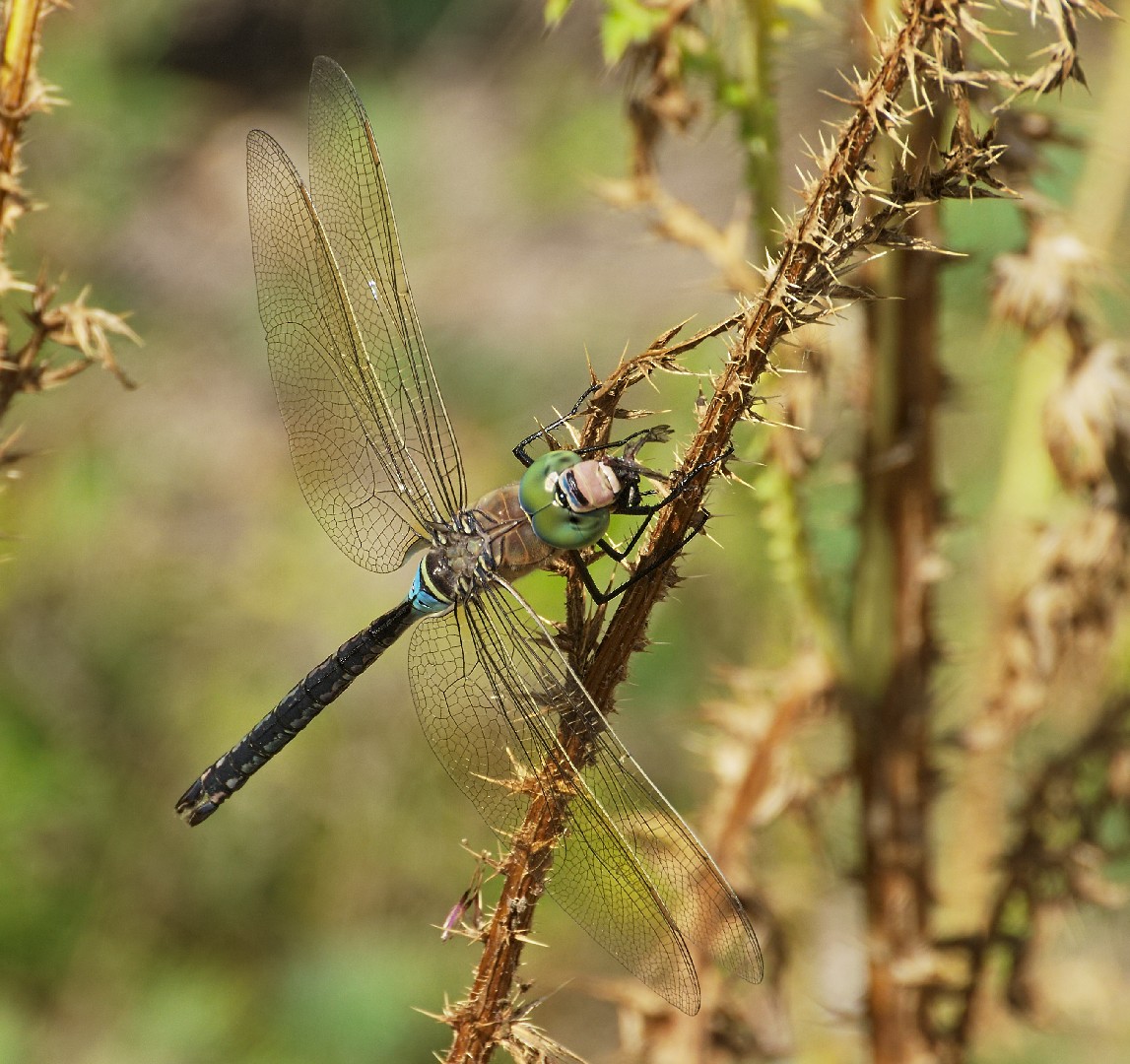
1. Lesser emperor
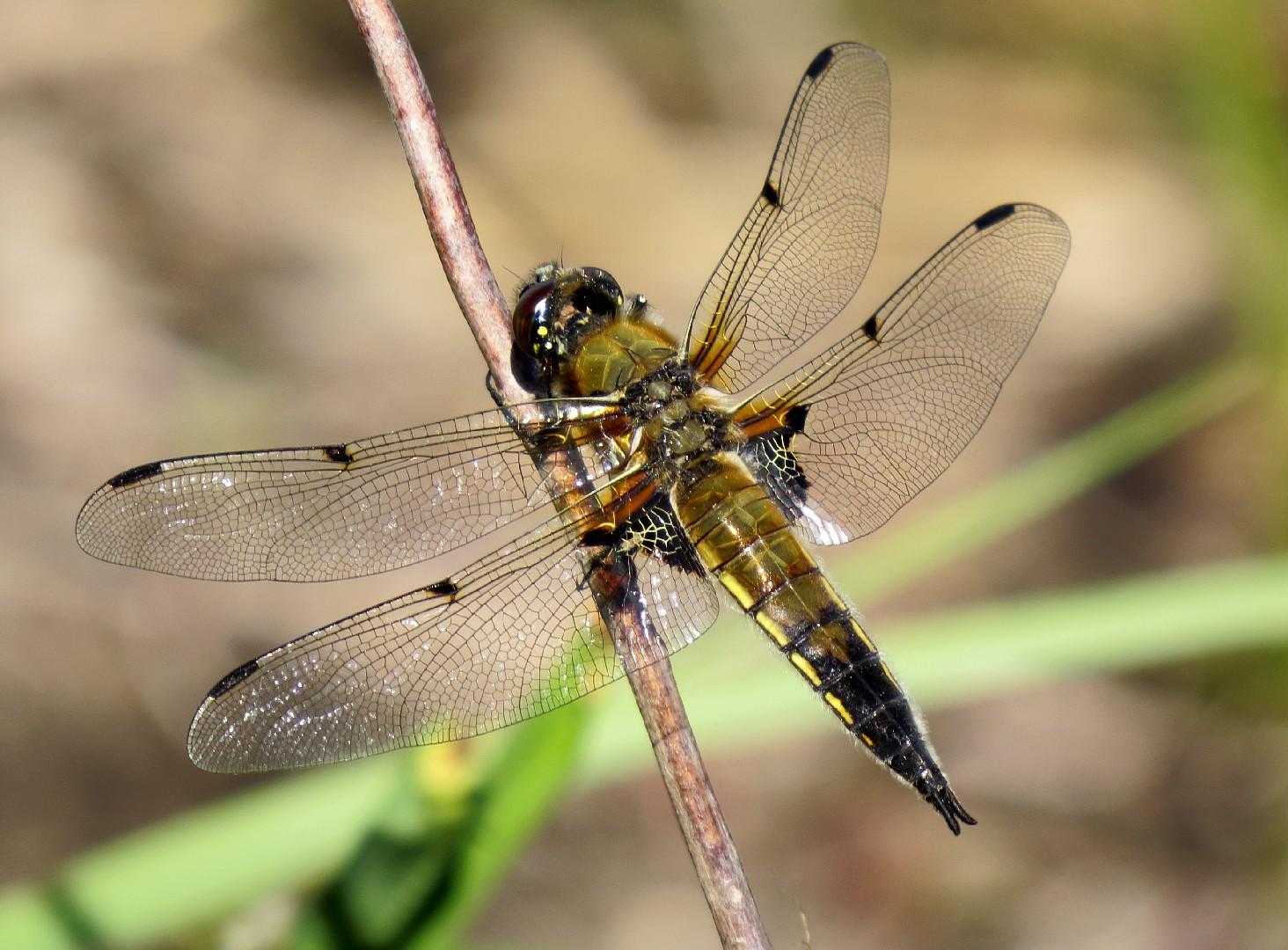
Its labium and labrum are golden-yellow and face and frons are greenish yellow and eyes are green, bluish when aged. Its thorax is pale olivaceous brown with dark brown sutures. Its segment two of the abdomen is turquoise blue. Segment three has a large blue patch at each side. Segments 4 to 9 have an irregular black middorsal stripe. Segment 10 is black. 
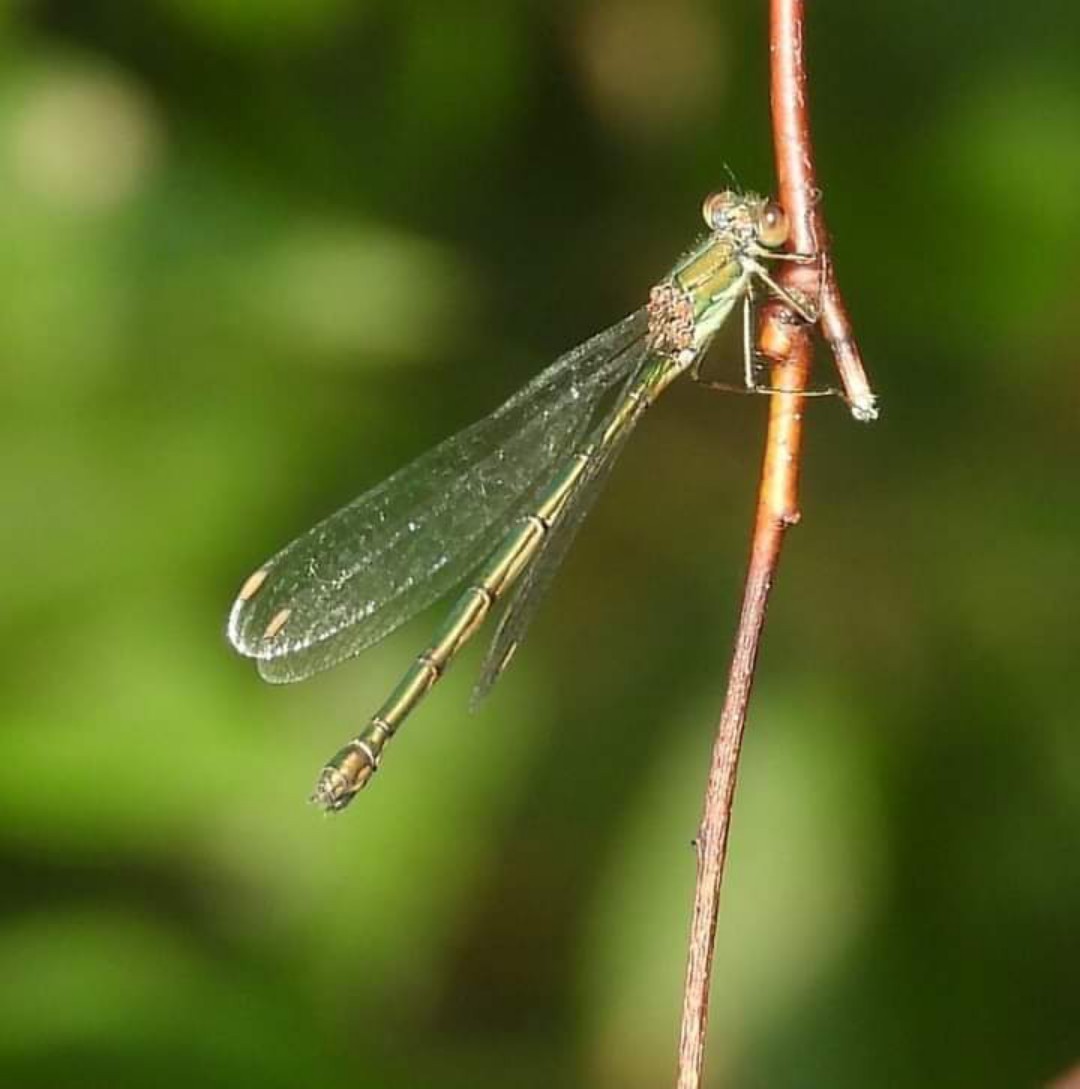
2. Southern emerald damselfly
Lestes barbarus is a species of damselfly of the family Lestidae, the spreadwings. Its common names in English include southern emerald damselfly, shy emerald damselfly, and migrant spreadwing.
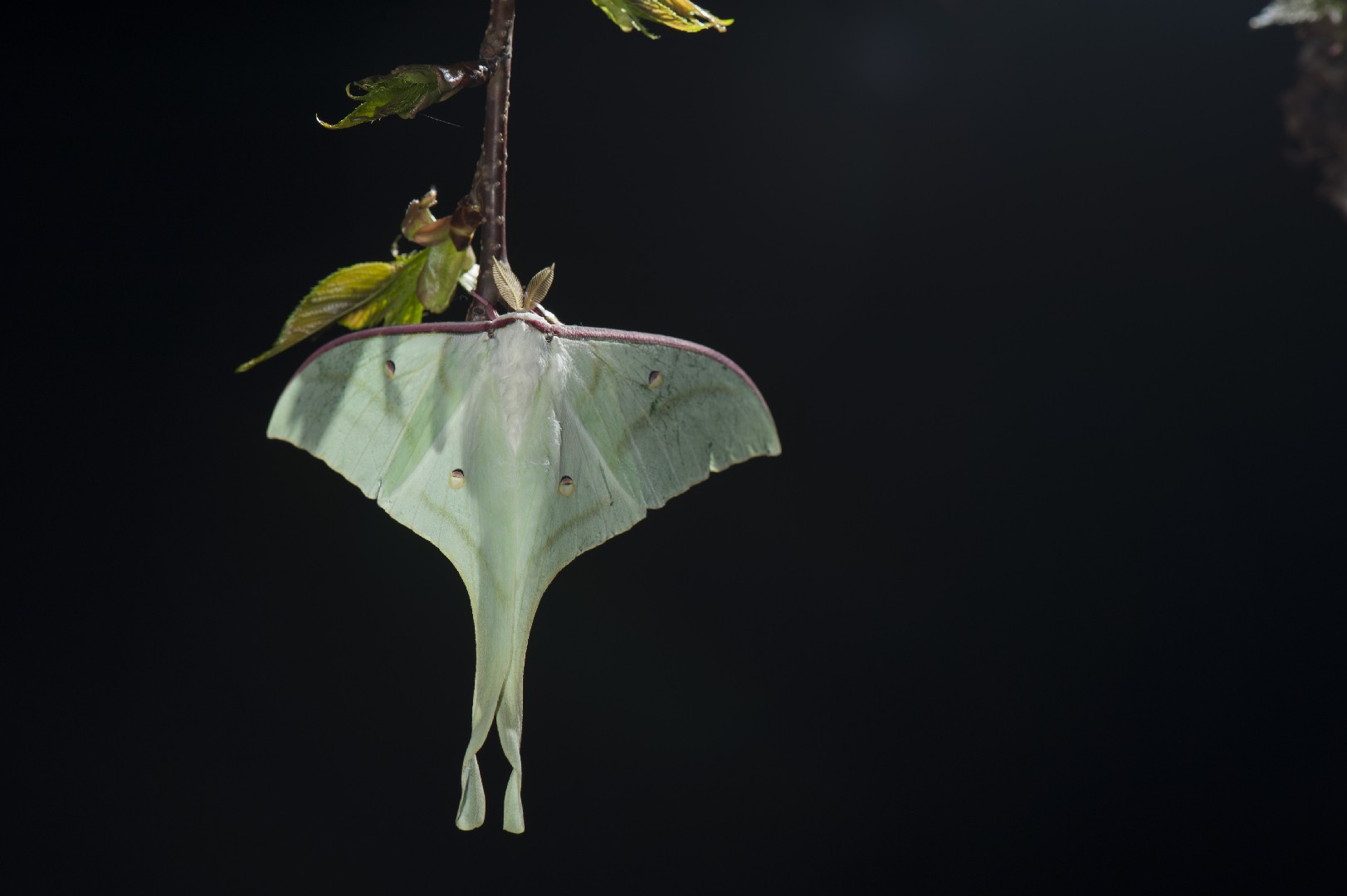
3. Indian moon moth
Actias selene, the Indian moon moth or Indian luna moth, is a species of saturniid moth from Asia. It was first described by Jacob Hübner in 1807. This species is popular among amateur entomologists and is often reared from eggs or cocoons that are available from commercial sources. They fly mainly at night.
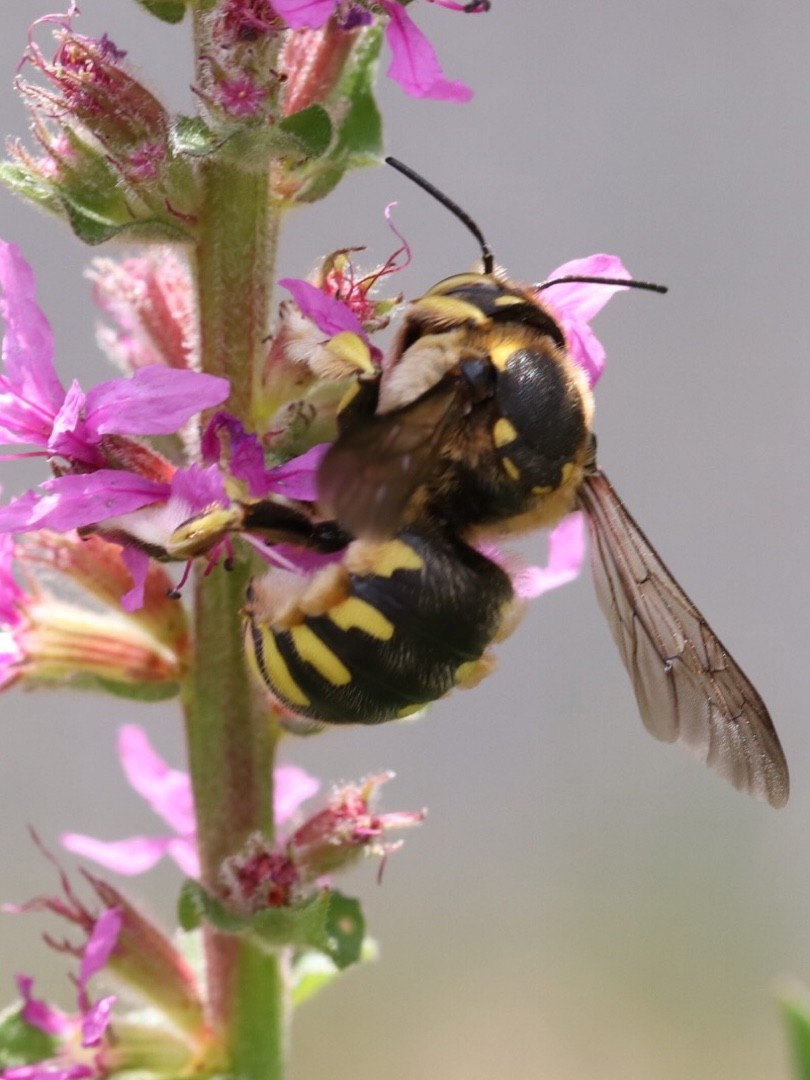
4. Anthidium florentinum
Anthidium florentinum is a very territorial bee that vigorously defends its host plants. The best way for amateur entomologists to identify this bee is by looking for the whitish-gray hairs on the sides of its abdomen. These insects play an important role as pollinators, especially for alfalfa. But their aggressiveness reduces their usefulness as an introduced pollinator.

5. Scarlet skimmer
The species is on the IUCN Red List as not endangered, year of assessment 2009.
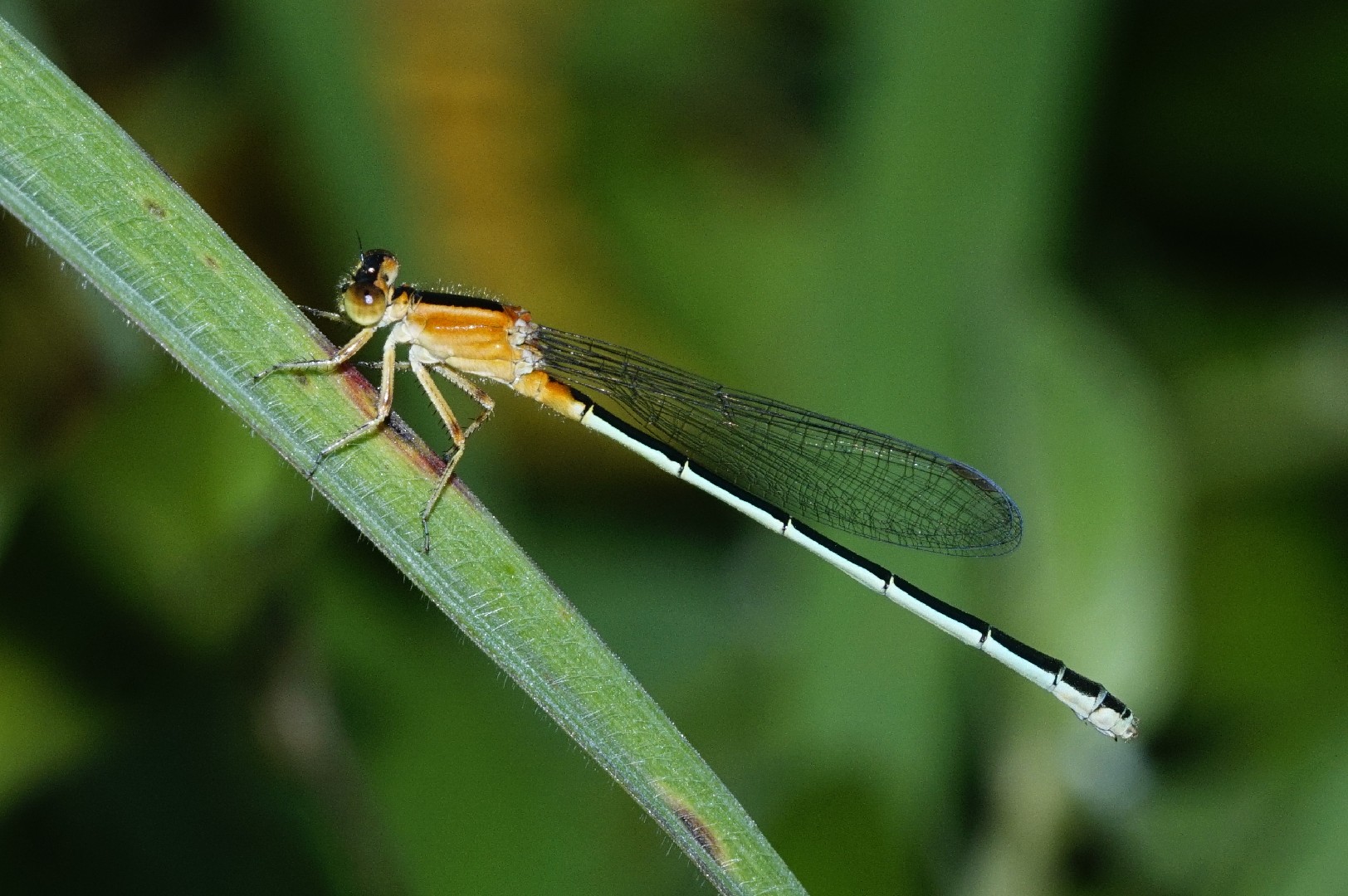
6. Common bluetail
The Senegal Pechlibelle (Ischnura senegalensis) is a dragonfly from the family of the slender dragonflies (Coenagrionidae).
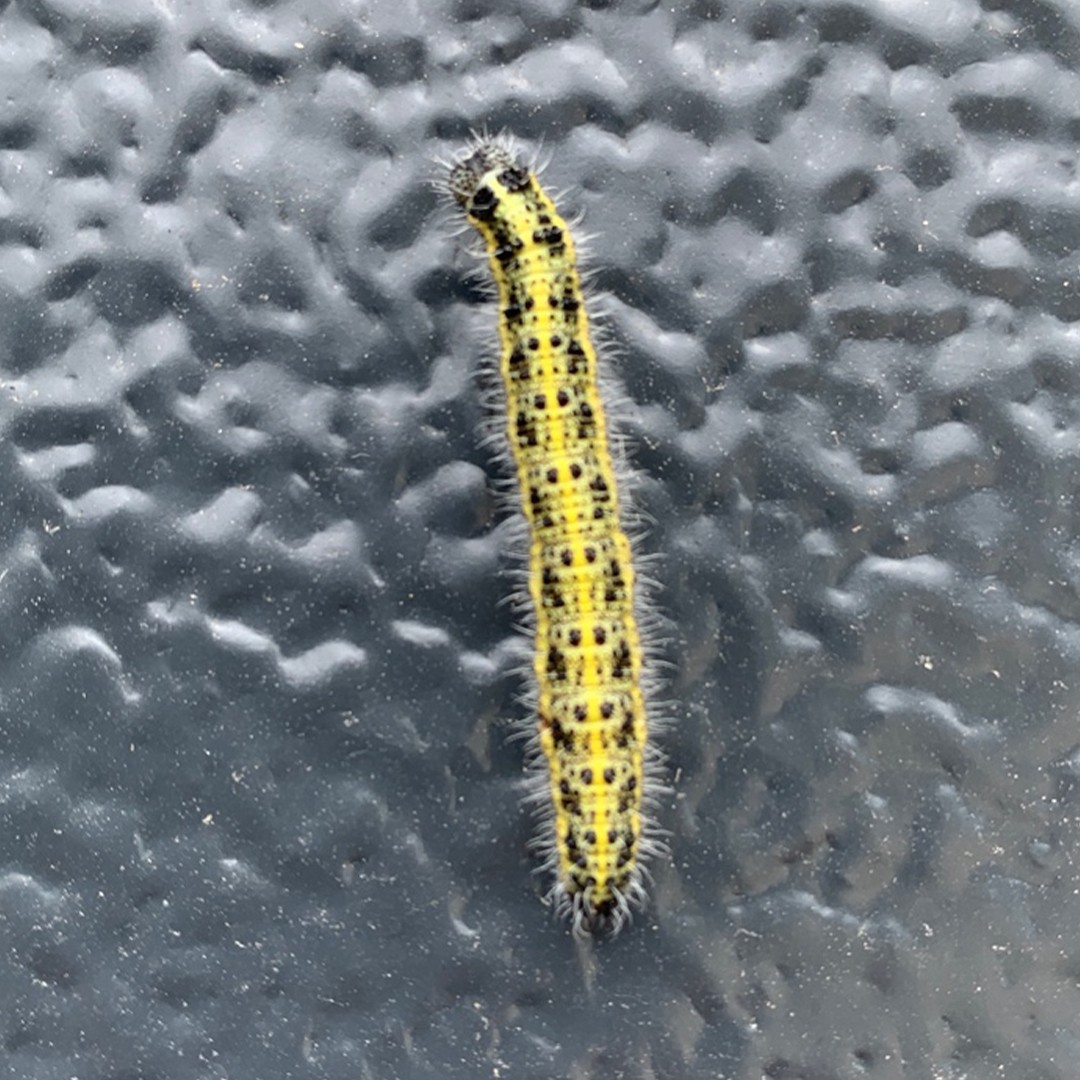
7. Large white
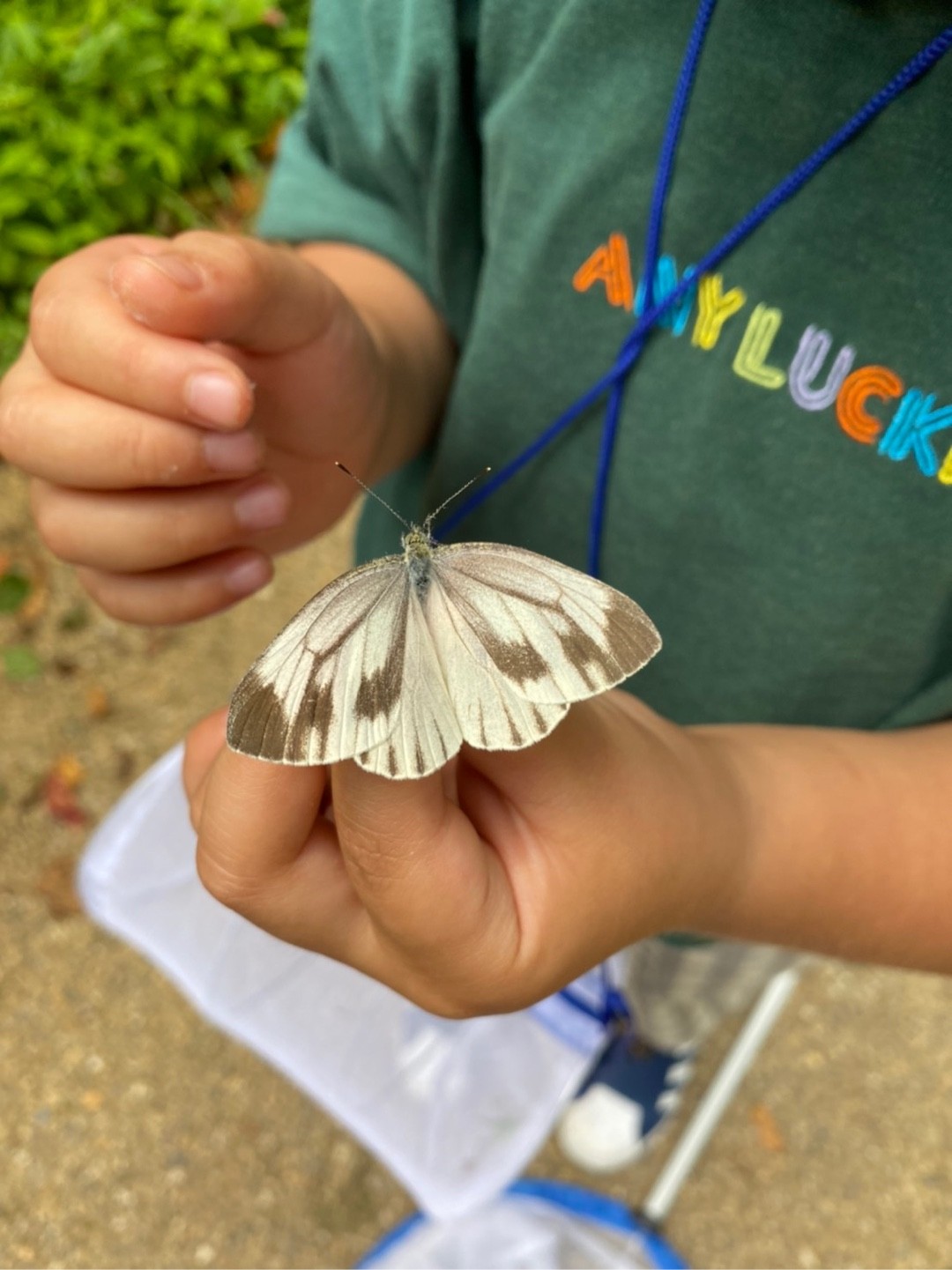
Large white (Pieris brassicae) is visually similar but quite larger than its close relative P. rapae. It lays its eggs on food plants such as cabbages – the origin of its common name – leading to many farmers' classifying this species as a pest.
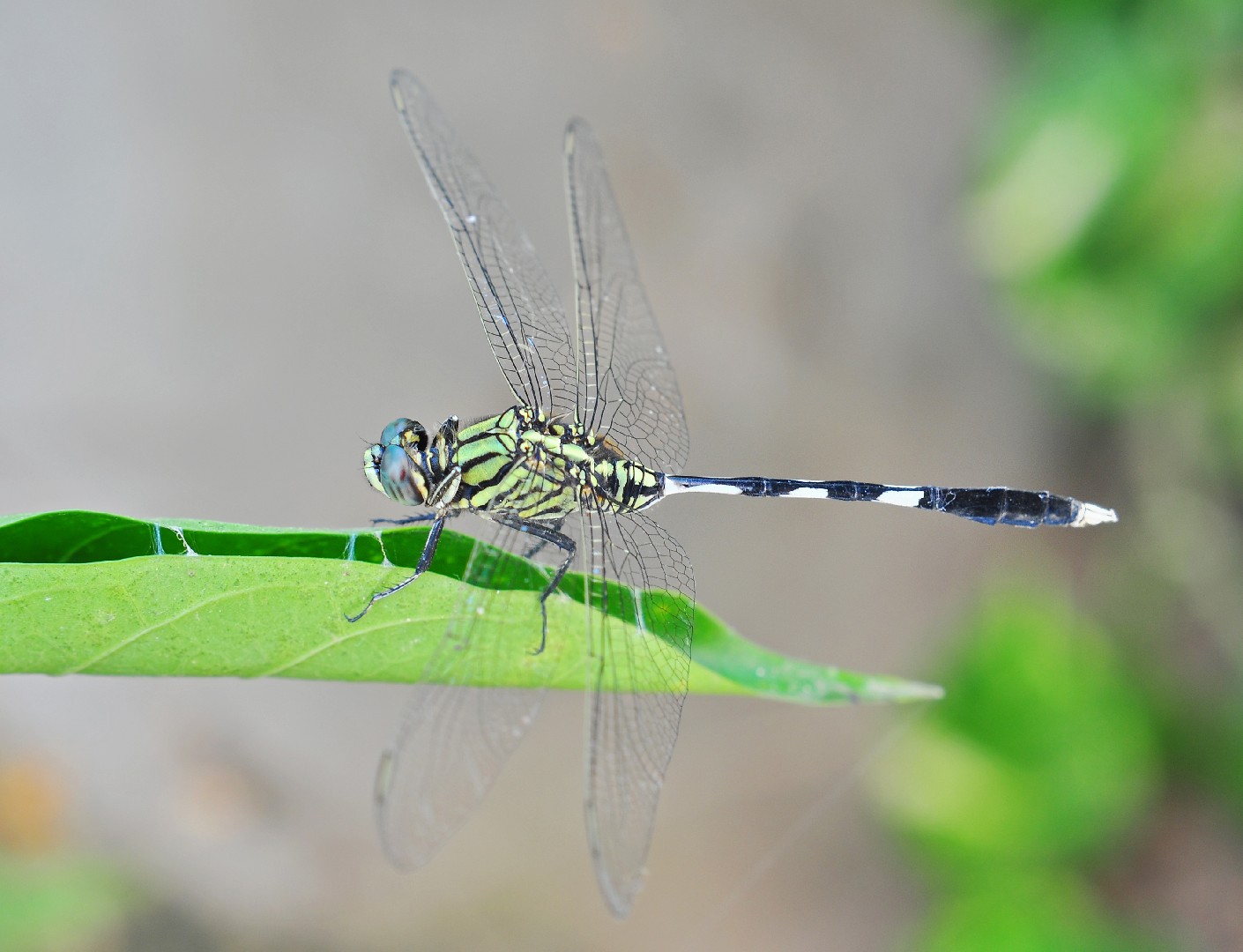
8. Slender skimmer
The species is on the IUCN Red List as not endangered, year of assessment 2009. The slender bank dragonfly occurs from Southeastern Europe and North Africa to Japan and Australia
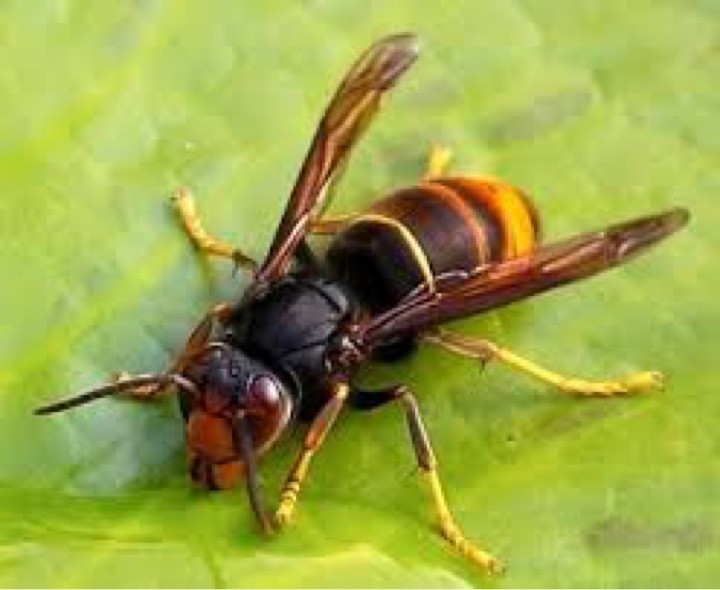
9. Asian hornet
The asian hornet (Vespa velutina) is a predatory species, preying primarily on deceased animals and arthropods, including honey bees. Because of this, it's a major pest for the beekeeping industry, weakening and destroying honey bee hives. The females have a stinger that can inflict pain on humans, but the males do not.
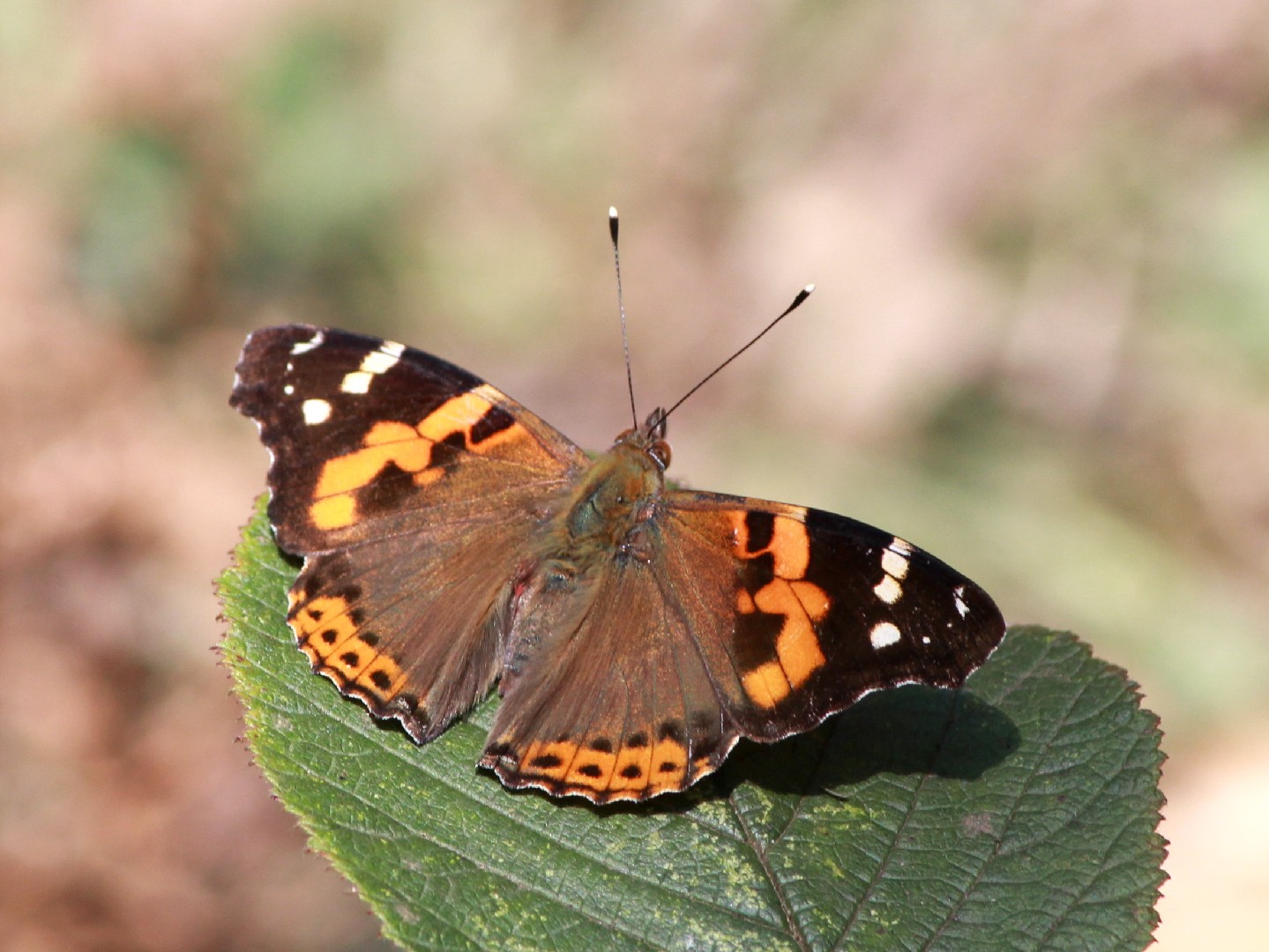
10. Indian red admiral
The indian red admiral (Vanessa indica) is one of the most common butterflies. Any red butterfly you see when hiking or camping is probably an indian red admiral. It is a frequent visitor to garden flowers, although it likes rotten fruit, tree sap, and bird droppings even more than beautiful, fragrant flowers.
More







