




Top 20 Most Common Insects in Bhubaneshwar
Discover the fascinating world of insects in Bhubaneshwar, where varied landscapes host vibrant forms of insect life. From coastal ecosystems fostering unique coastal insects, to forests, fostering a diverse variety of jungle dwellers, Bhubaneshwar's geography contributes significantly to insect diversity. Insects play pivotal roles in these environments, from pollinating plants to controlling pests. Our list of the '20 Most Common Insects' will delve into these tiny heroes and villains, enhancing our understanding of Bhubaneshwar, one insect at a time.

Most Common Insects
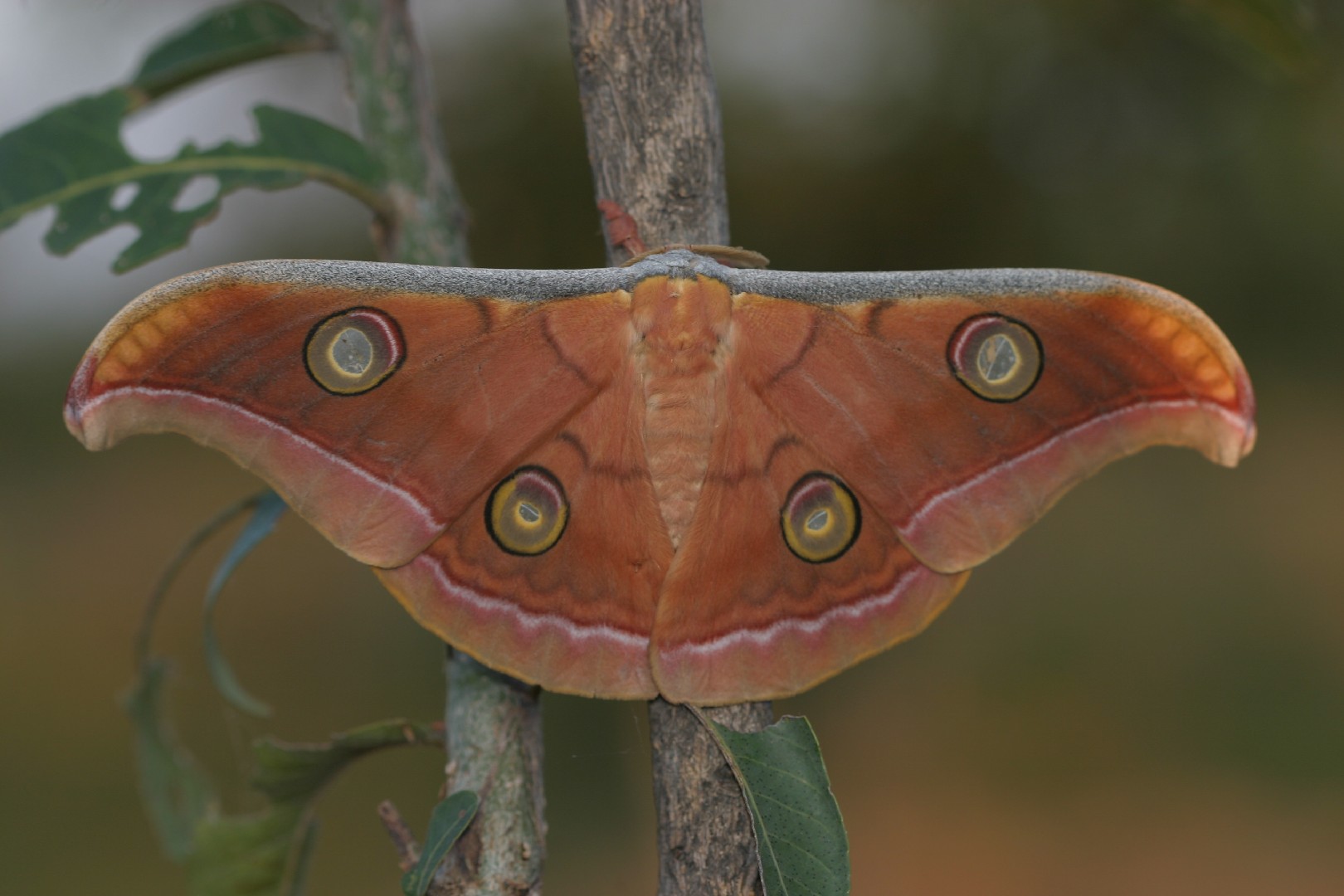
1. Tasar silkmoth
The male is reddish or yellowish. Costal brown and grey fascia of forewings reaching the apex. Hyaline and ocellated spots (eyespots) are much larger than those of A. roylei. The submarginal line of the hind wings close to the margin. No marginal yellow line is seen. Females may be pinkish-brown or bright-yellowish fawn; their hyaline and ocellated spots are larger than the males. Larvae are green colored with paired dorsal series of yellow humps. White lunulate spots on the fifth and sixth somites have purple borders, whereas a lateral yellow line from seventh somite ends in a dilated brown band on the anal somite. Spiracles are yellow. The cocoon is brownish grey, hard, and oval, attached to the host plant by a silken peduncle. 
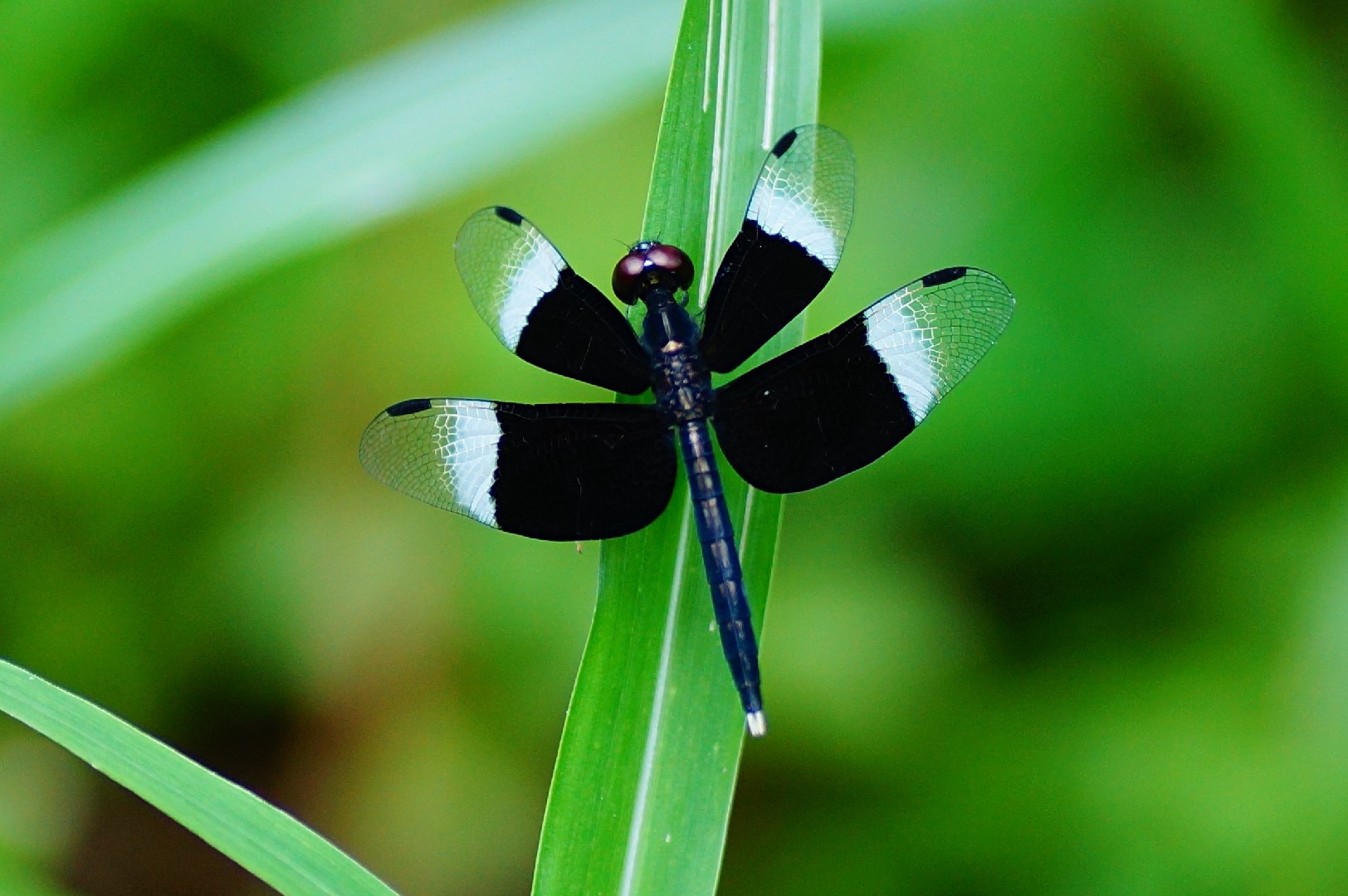
2. Pied paddy skimmer
The species is on the IUCN Red List as not endangered, year of assessment 2007.
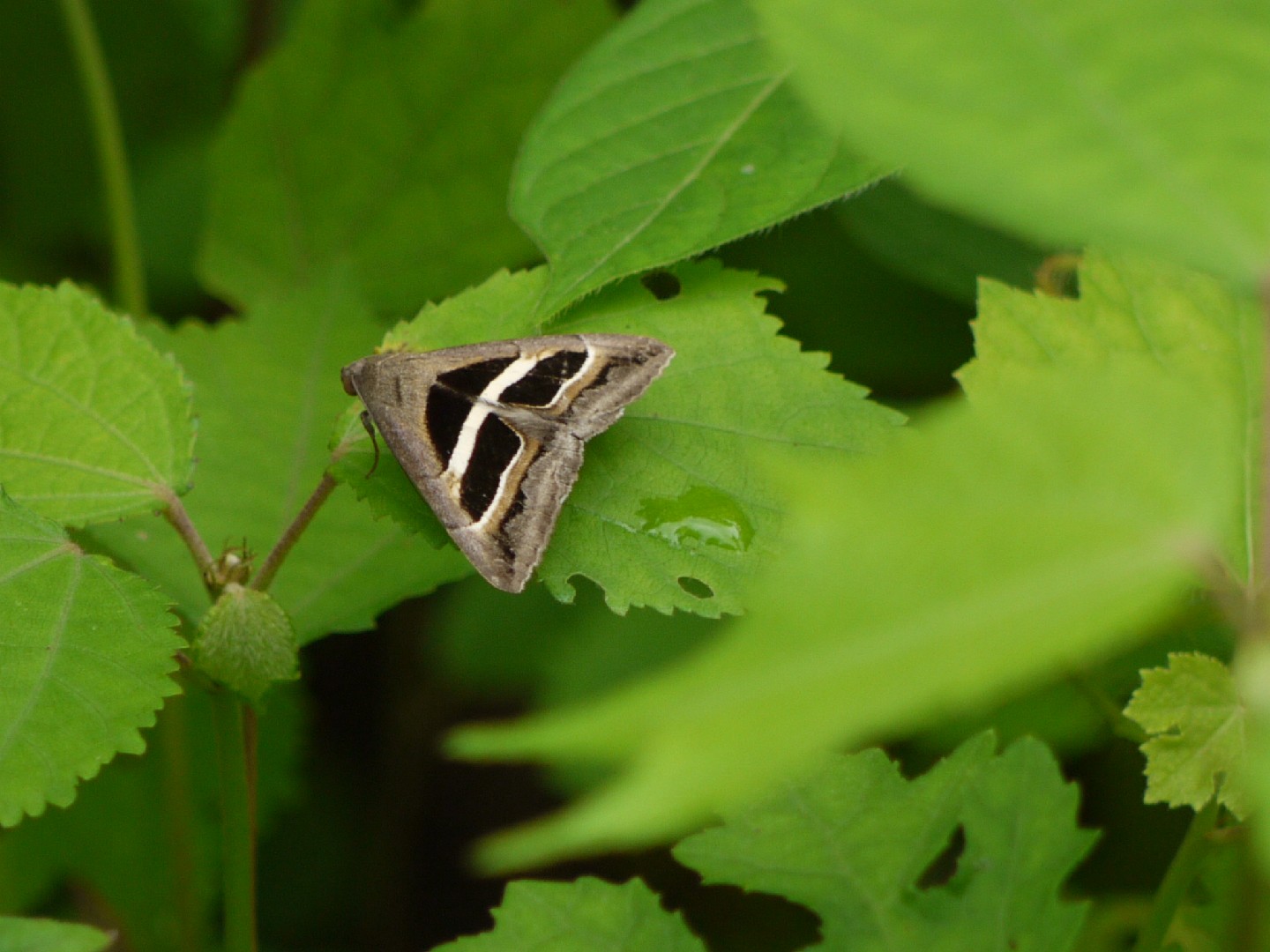
3. Grammodes geometrica
Its wingspan ranges from 26 to 45 mm. Body is greyish brown. Forewings with a large black patch occupying the whole wing except the basal, costal and outer area. Its outer edge waved ad joined by an oblique streak from the apex. Antemedial and postmedial lines curved inwards below the costa with whitish bands outside them on the black patch. The outer part of the postmedial band pale fulvous colored. Hindwings fuscous, with medial pale band. Cilia with white apex and anal angle. Larva is an elongated semi-looper. Tubercles absent. Head is pale ochreous with black spots. Body with longitudinal red lines dorsally and dorso-laterally.
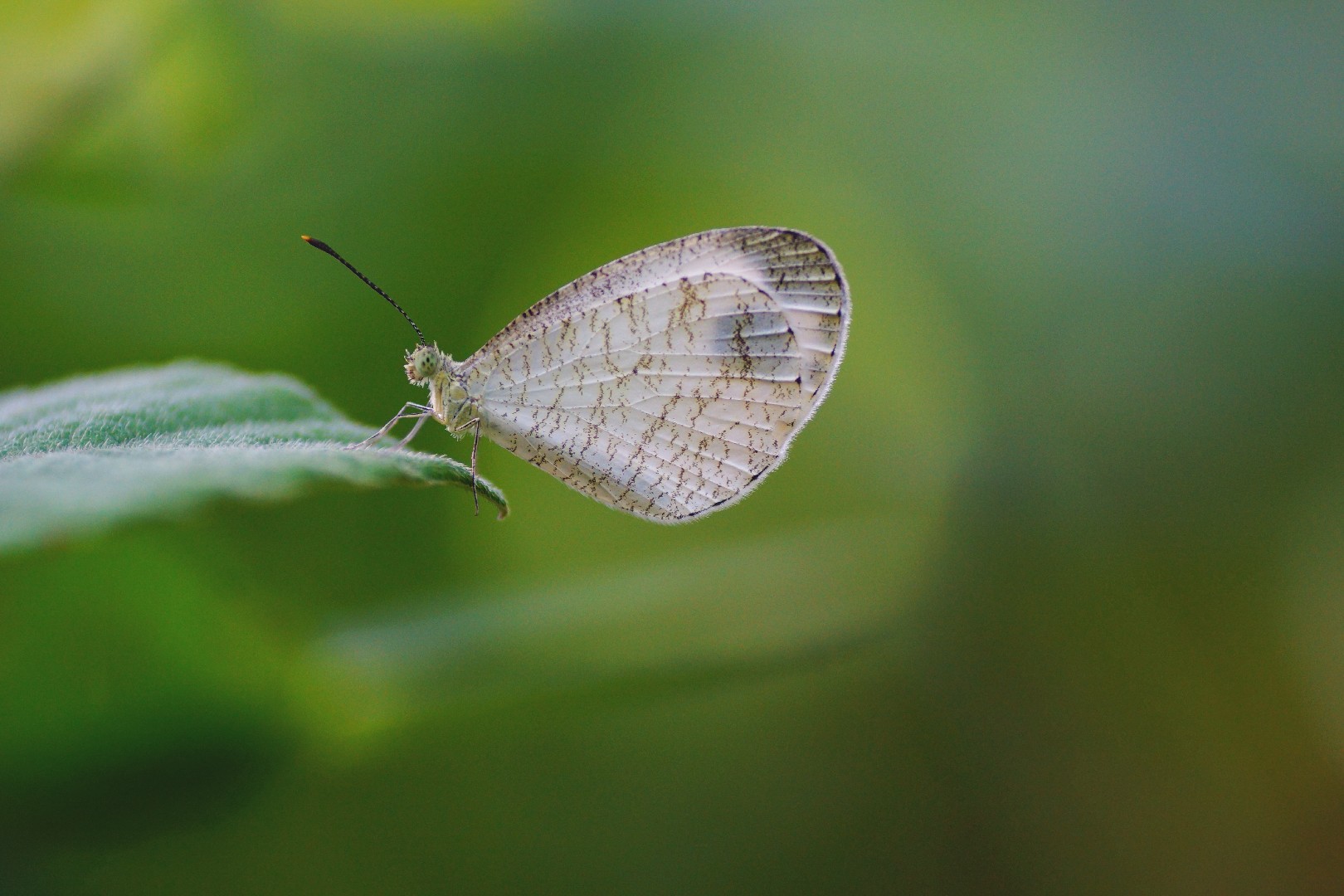
4. Psyche
Upperside is white,base of wings are very slightly powdered with minute black scales.The costa of forewing is speckled obscurely with black; apex black, the inner margin of this inwardly angulate; a very large somewhat pear-shaped post-discal spot also black. Hindwing is white,in most specimens an obscure, extremely slender, terminal black line. Underside is white; costal margin and apex of forewing broadly, and the whole surface of the hindwing irrorated (speckled) with transverse, very slender, greenish strigae and minute dots; these on the hindwing have a tendency to form sub-basal, medial and discal obliquely transverse obscure bands; the postdiscal of forewing is black,spot as on the upperside; terminal margins of both forewings and hindwings with minute black, short, transverse slender lines at the apices of the veins, that have a tendency to coalesce and form a terminal continuous line as on the upperside. Antennae dark brown spotted with white, head slightly brownish, thorax and abdomen white. Female is similar as male, the black markings on the upperside of the forewing on the whole slightly broader, but not invariably so. Wingspan is 2.5 - 5 cm. Larva is green with a pale glaucous tinge about the bases of the legs and slightly hairy. Pupa sometimes green, but more often of a delicate pink shade.
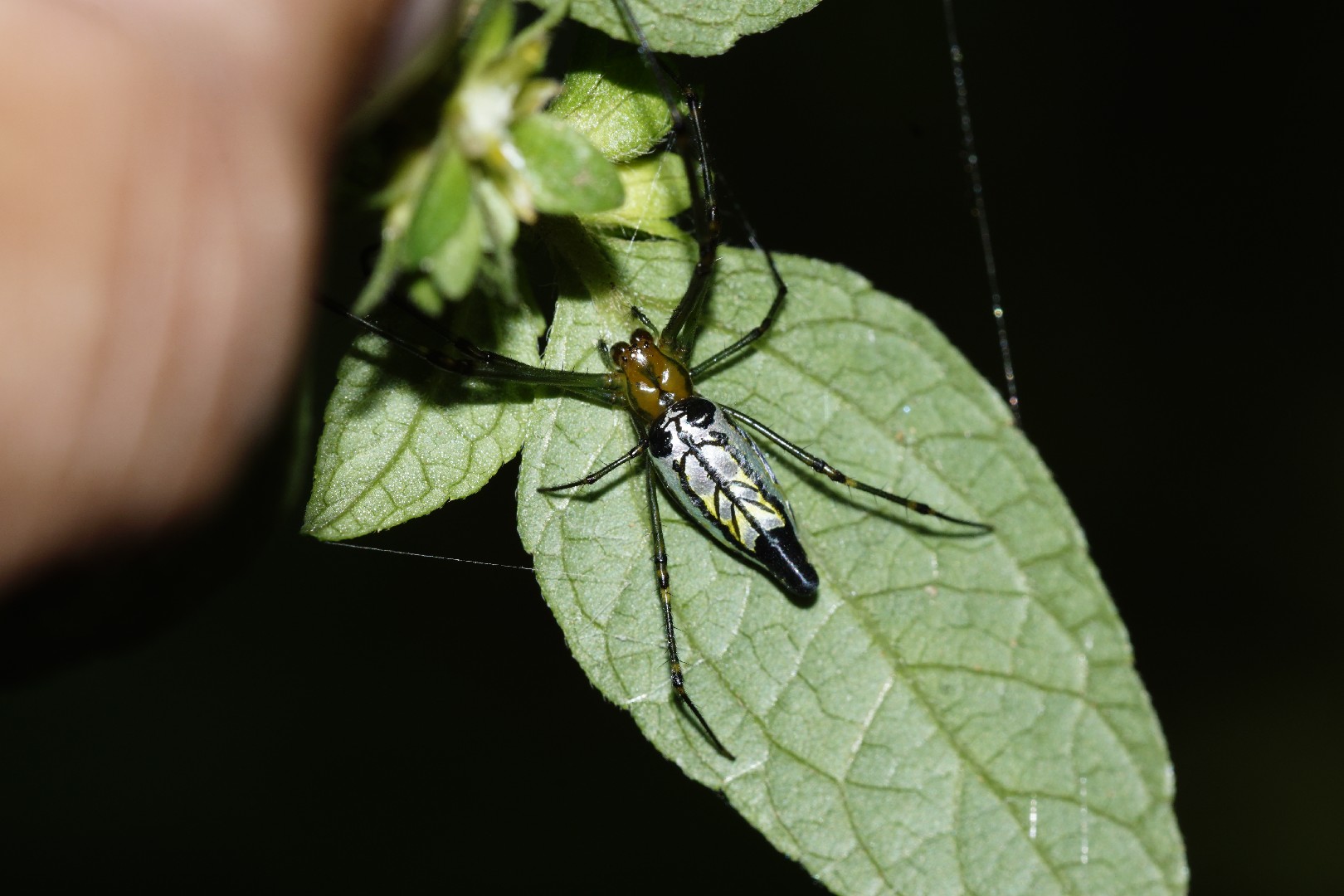
5. Decorative silver orb spider
Leucauge decorata, the decorative silver orb spider, is one of the long-jawed orb weaver spiders. A medium to large sized orb weaving spider, with a body length up to 12 mm long (female). Male to 6 mm. This species has a "point" to the end of the abdomen. Found in Africa, India, south east Asia, also to Australia.
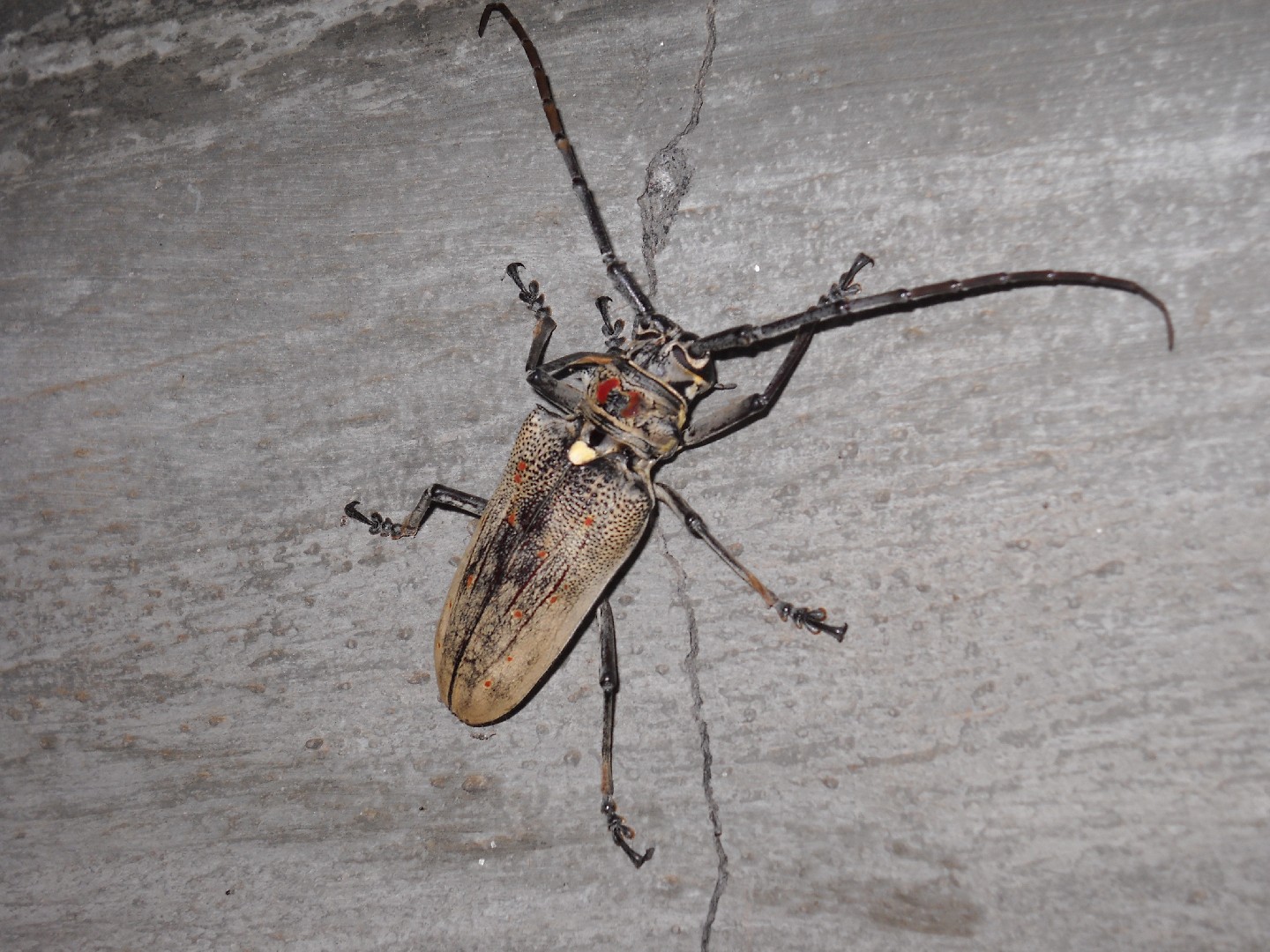
6. Mango stem borer
Batocera rufomaculata is a species of beetle in the family Cerambycidae. It was described by Charles De Geer in 1775. It is known from China, Israel, India, Jordan, Lebanon, Laos, Mauritius, Malaysia, Madagascar, Myanmar, Puerto Rico, Pakistan, Réunion, Syria, Sri Lanka, Thailand, Barbados, Bangladesh and the Virgin Islands. It feeds off of Ficus carica, Carica papaya, Mangifera indica, and Shorea robusta. It can be parasitically infected by Avetianella batocerae.
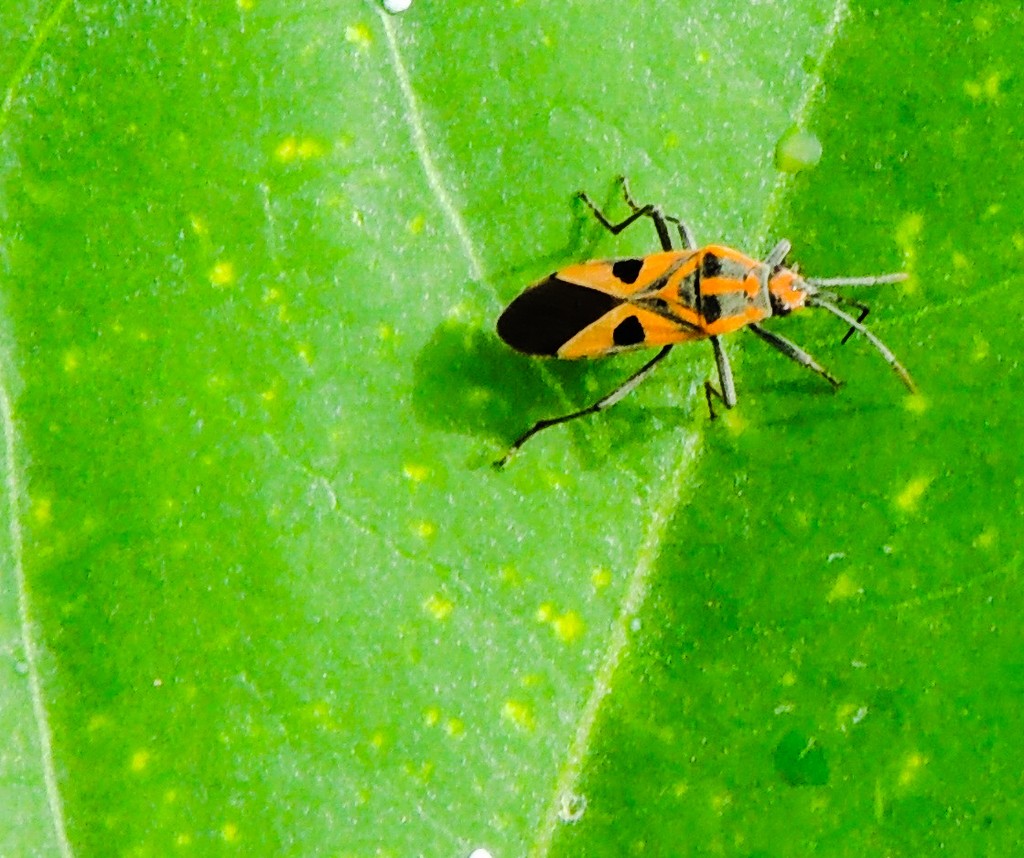
7. Darth maul bug
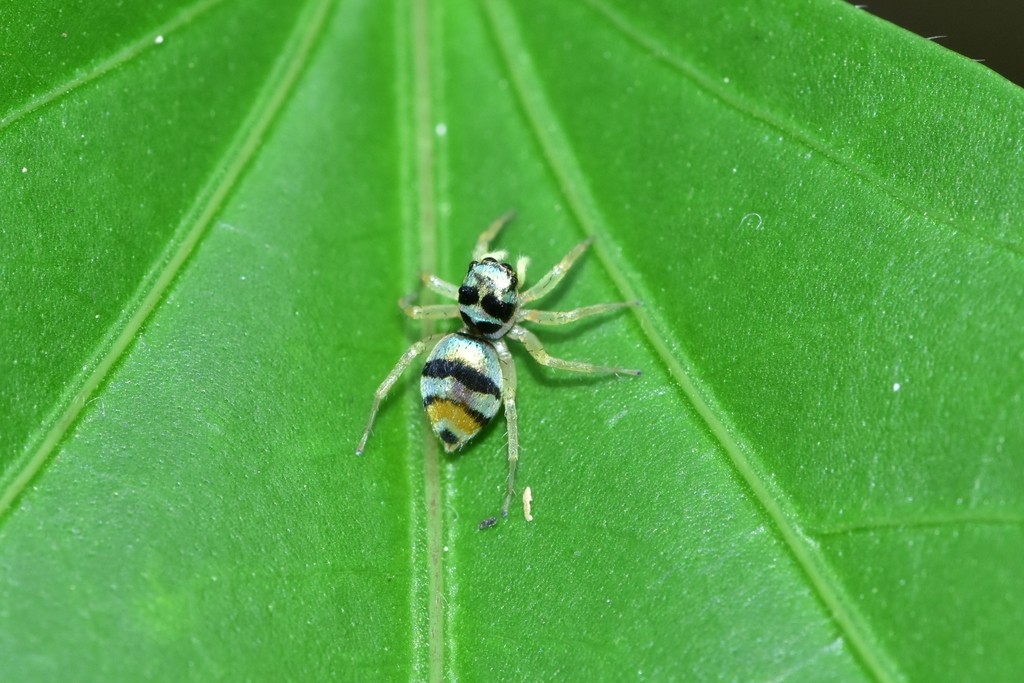
8. Banded phintella
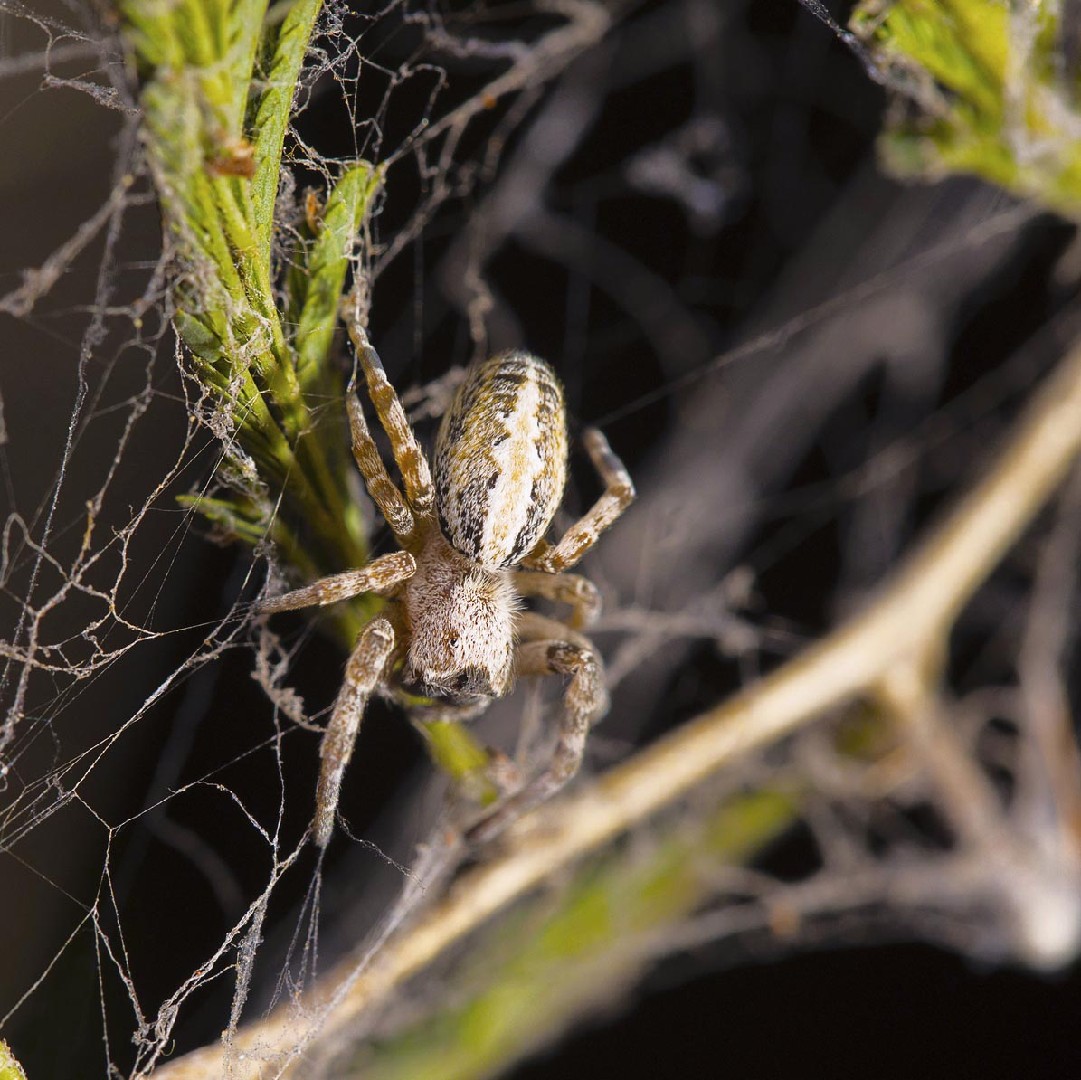
9. Indian cooperative spiders
Stegodyphus sarasinorum, like most Eresids, are short, stout spiders lined with several fine hairs. These fine hairs give the spiders an ash-colored appearance. The dorsal side of the abdomen is marked with three longitudinal white stripes and six pairs of dots, which are part of the spider's patterning. There are two irregular surfaces containing the six spinnerets encased in a structure called the cribellum. Unlike most spiders, S. sarasinorum does not have a well defined cephalic groove. The arrangement of the eight eyes consisted of two rows of four and two in front and the other rows facing the side to allow for the wider range of vision. Their modified mandibles, known as falces, are black in color and the claws are curved for defense on the sides of the body.
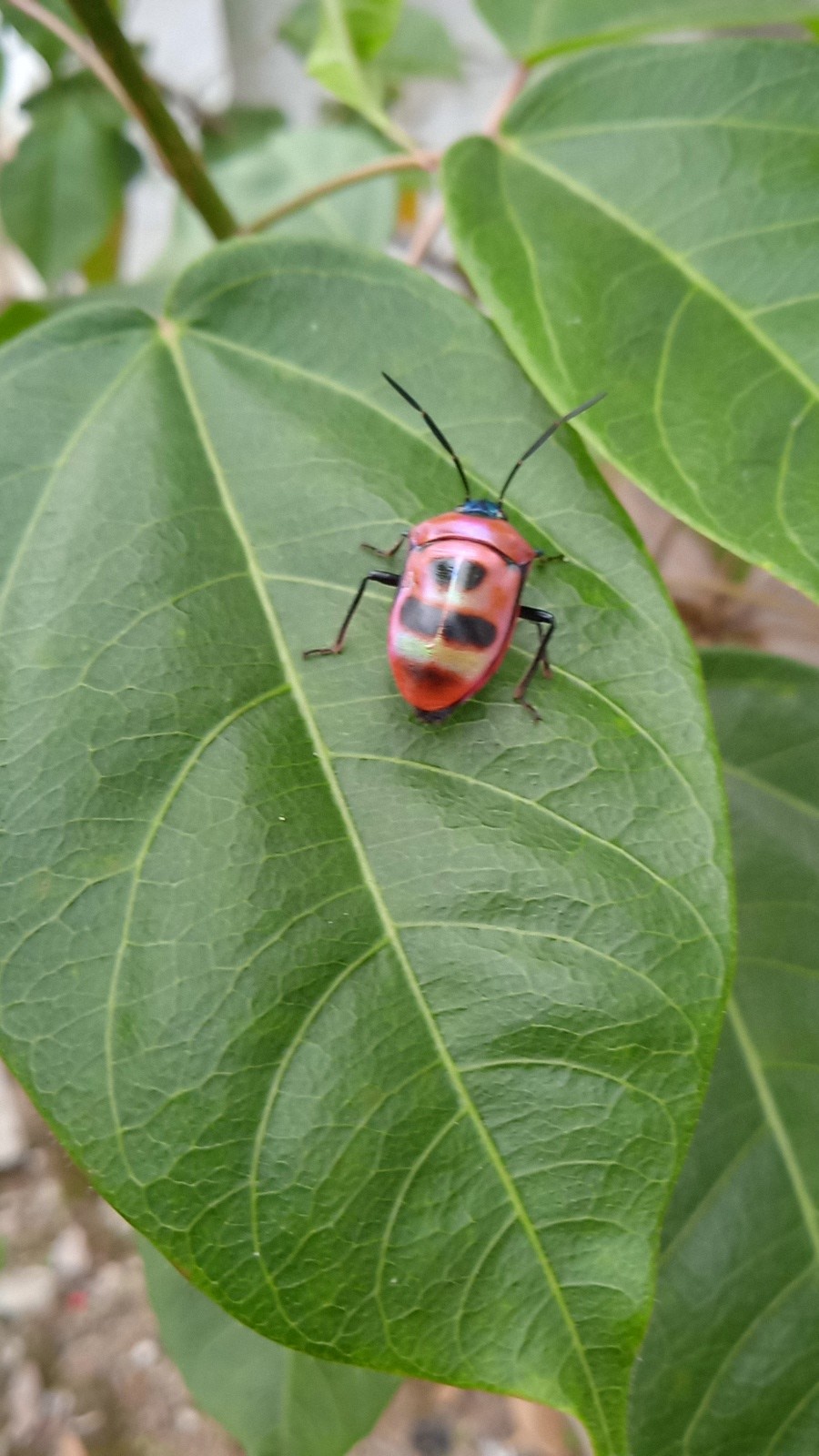
10. Coridius ianus
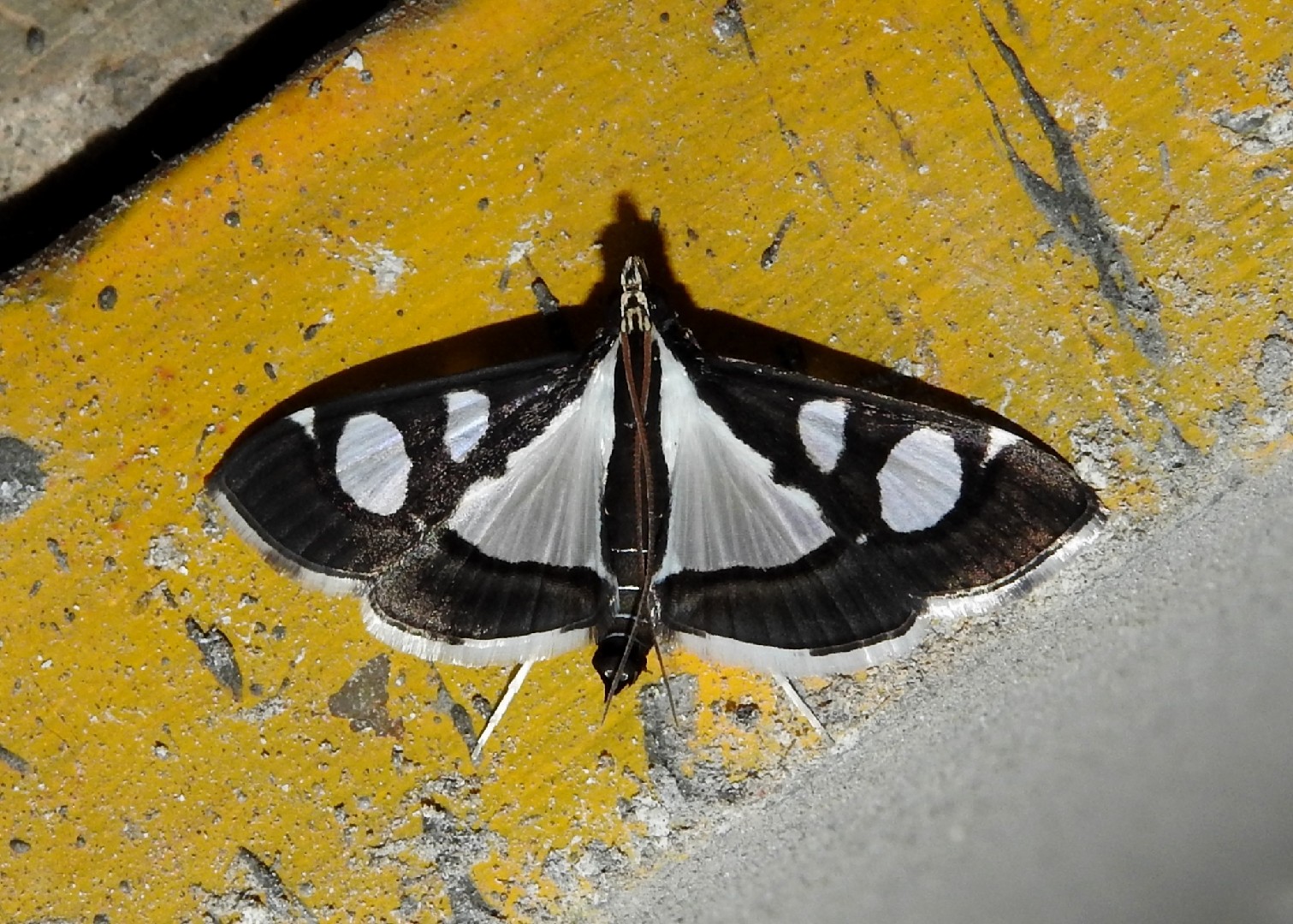

More







