




Top 20 Most Common Insects in Panskura
Insects, with their diverse forms and fascinating behaviors, pervade every corner of Panskura, each uniquely adapted to their specific niches. The diverse geography of Panskura, from mountain forests to coastal plains, creates a mosaic of habitats, affecting insect diversity. These tiny creatures, both fascinating and dreaded, play vital roles in our ecosystems, acting as pollinators, decomposers, or pests. Unearthing the relationship between Panskura's environments and its insect inhabitants reveals the intricate dance of life happening under our noses. Come join us as we explore the 20 most common insects of Panskura.

Most Common Insects

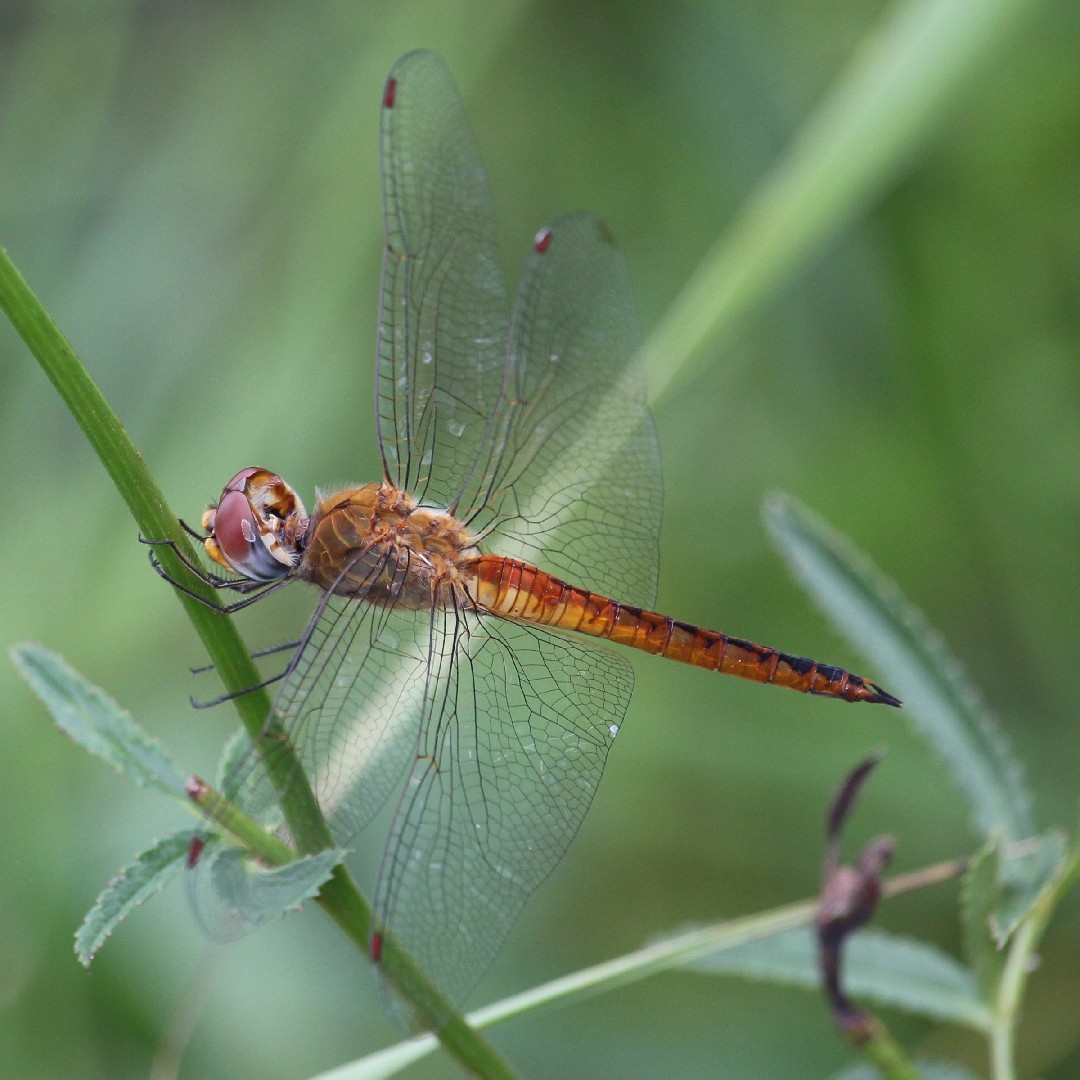
1. Scarlet skimmer
The species is on the IUCN Red List as not endangered, year of assessment 2009.

2. Wandering midget
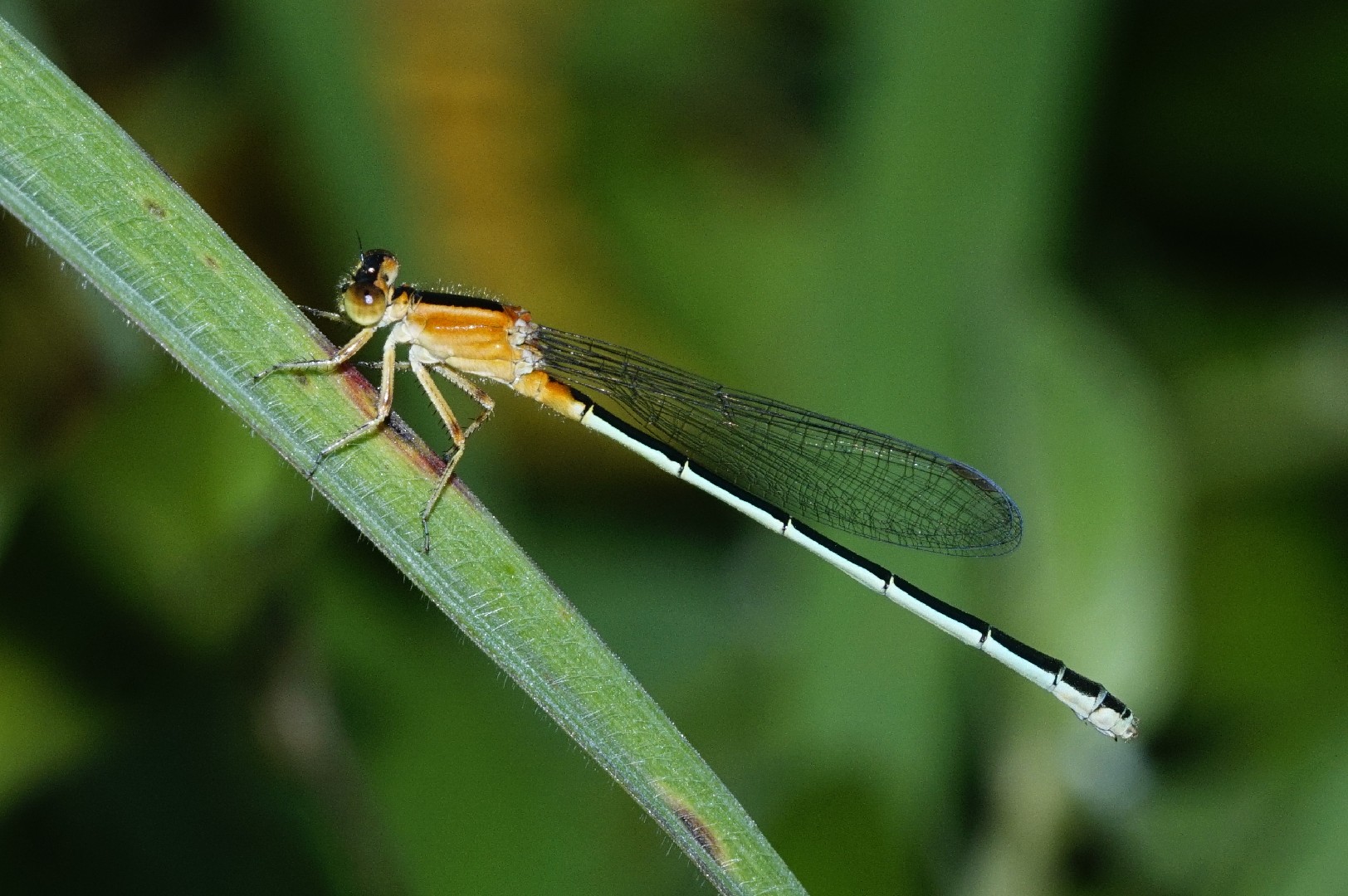
It is a small damselfly with black capped green eyes, black thorax with apple green stripes on lateral sides. Segments 1 to 7 of its abdomen is black on dorsum and pale green on ventral half. The remaining segments are orange-red. Very old males may get pruinosed on the dorsum of the head and the thorax with snowy white, making all the markings beneath being quite obscured. Female is more robust and exhibits several color morphs. The green color of the male is replaced by red in the females in the red forms. In androchrome forms, the female has same green colors as in the male. Female colour variation is depended on ontogenic colour change associated with sexual development too. It breeds in marshes and ponds. 
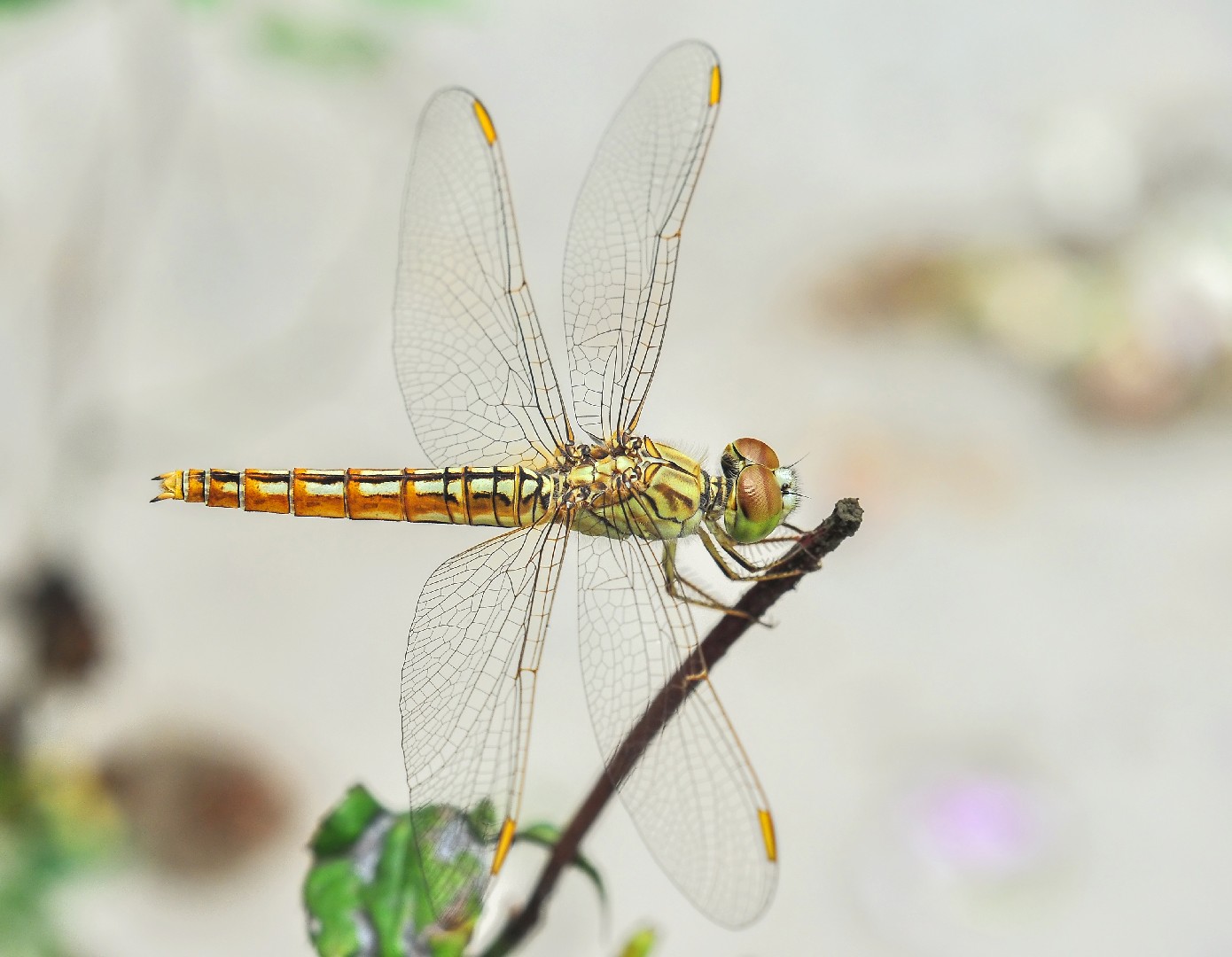
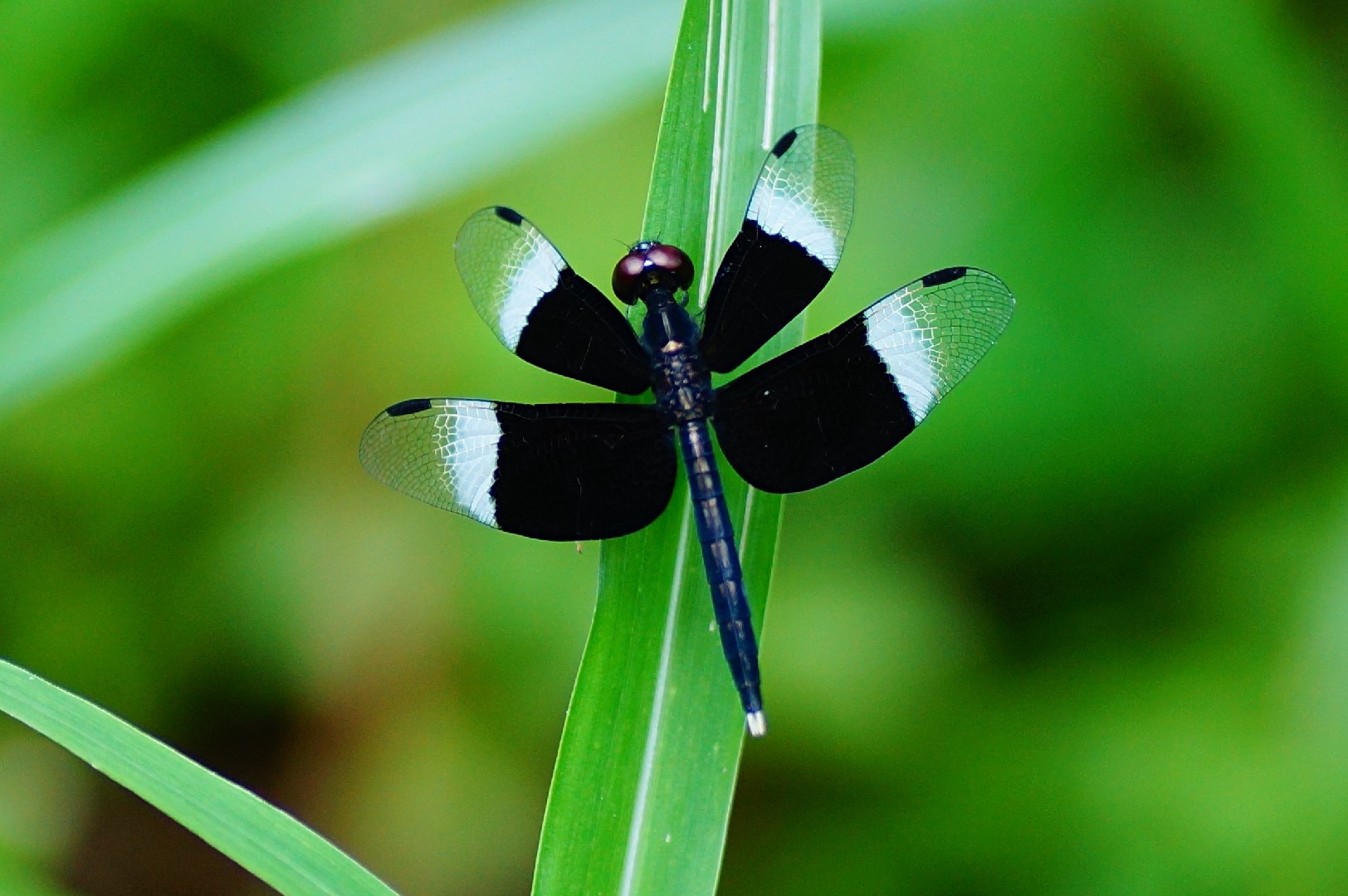
3. Ditch jewel
The species is on the IUCN Red List as not endangered, year of assessment 2010.
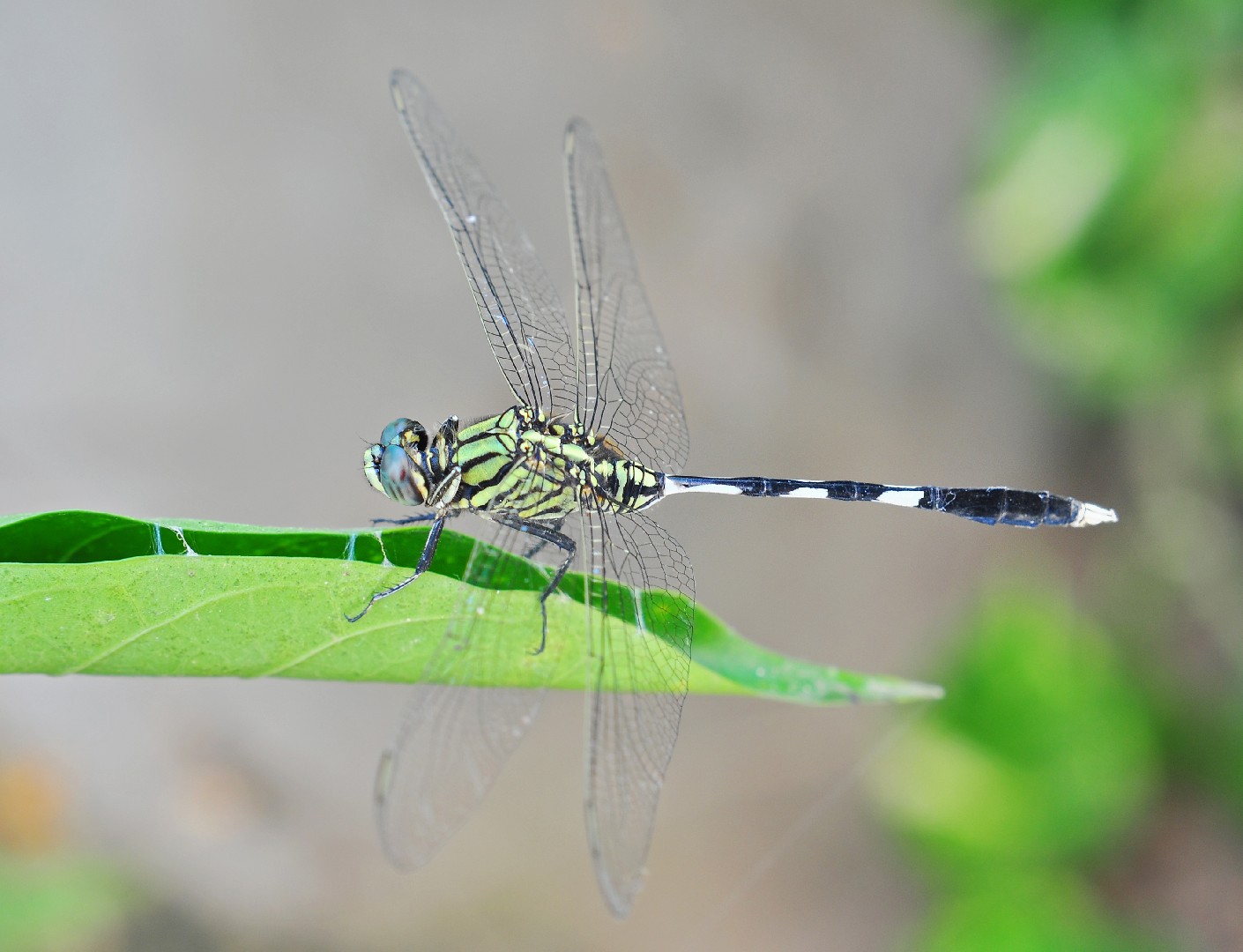
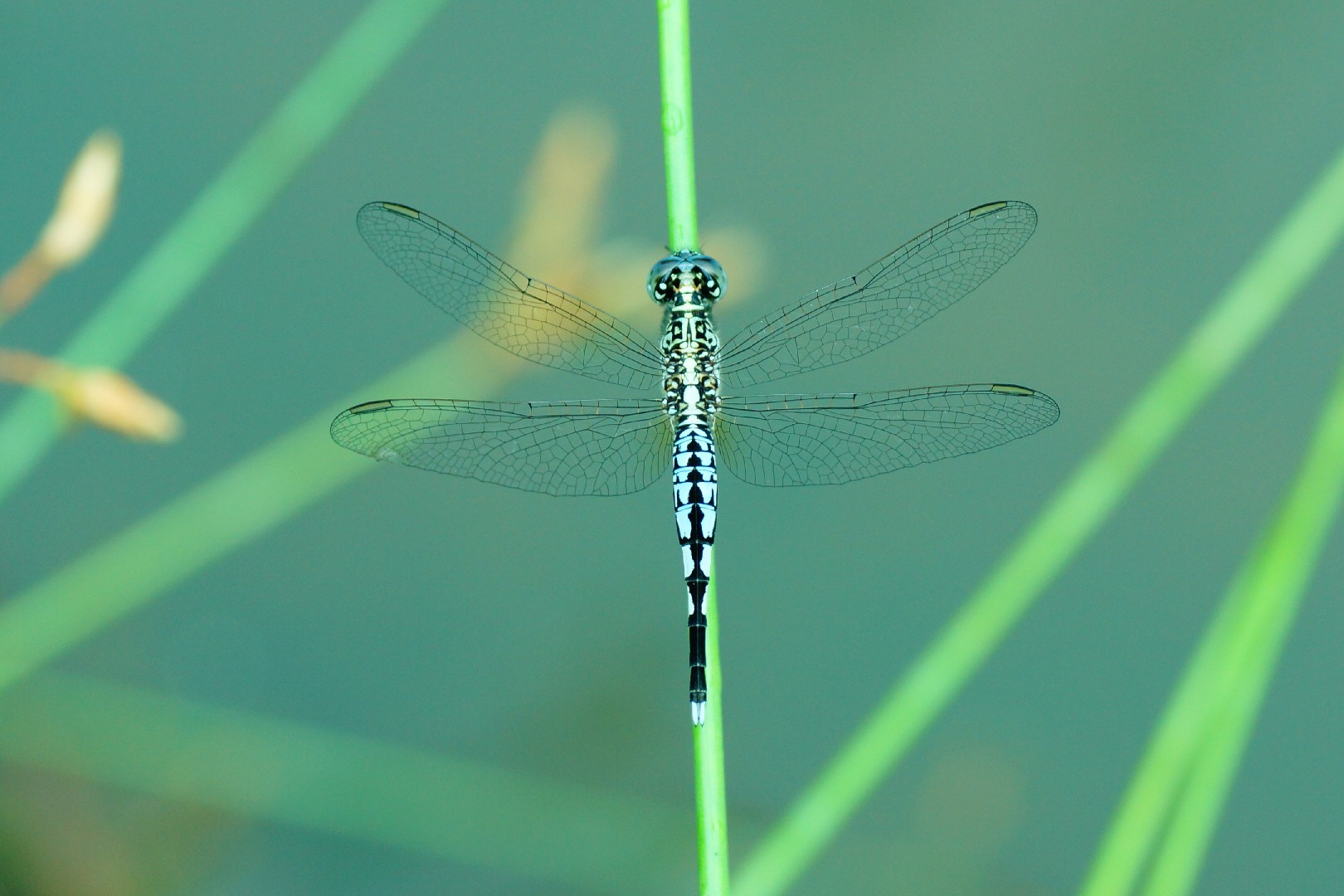
4. Slender skimmer
The species is on the IUCN Red List as not endangered, year of assessment 2009. The slender bank dragonfly occurs from Southeastern Europe and North Africa to Japan and Australia
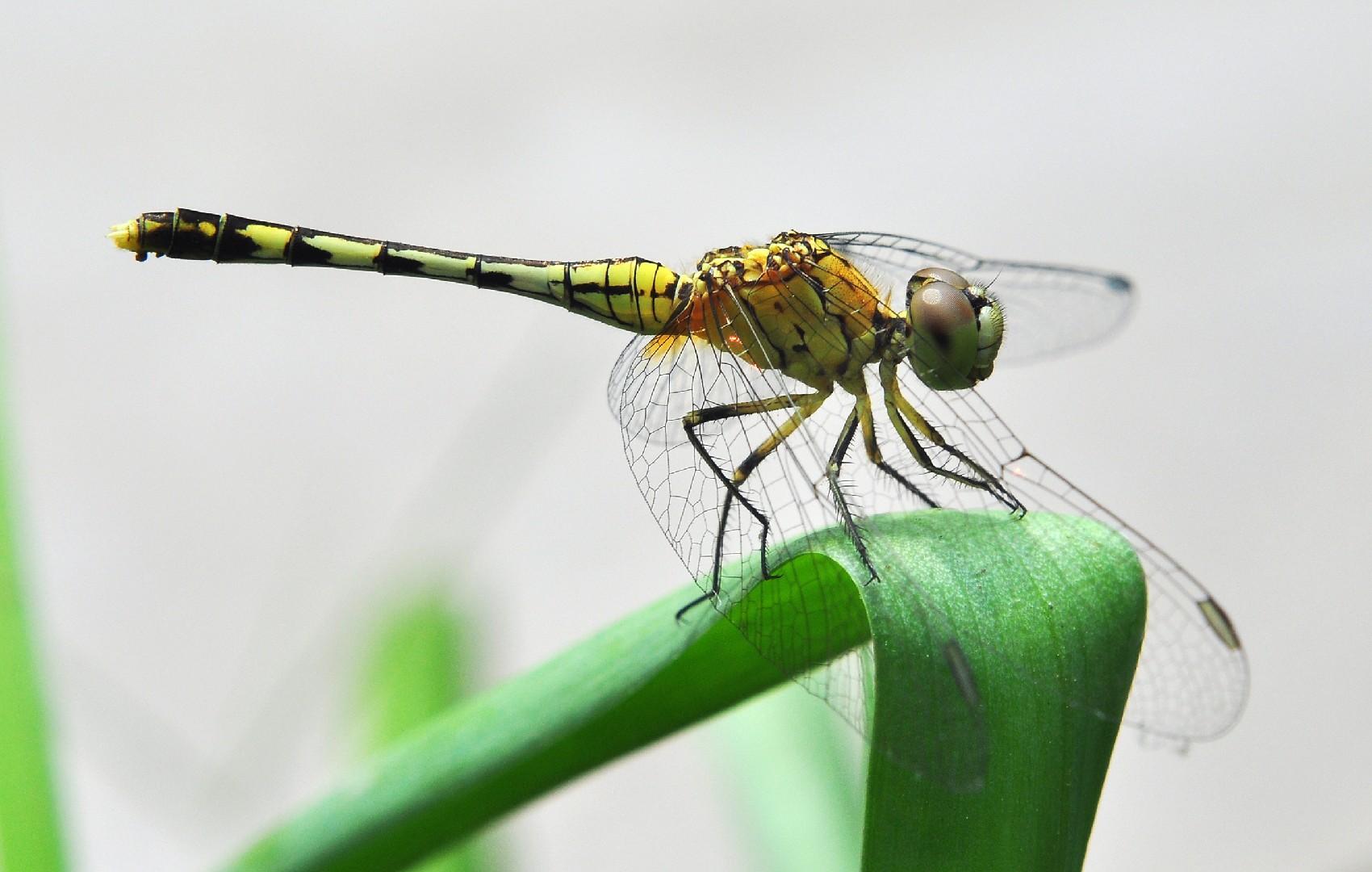
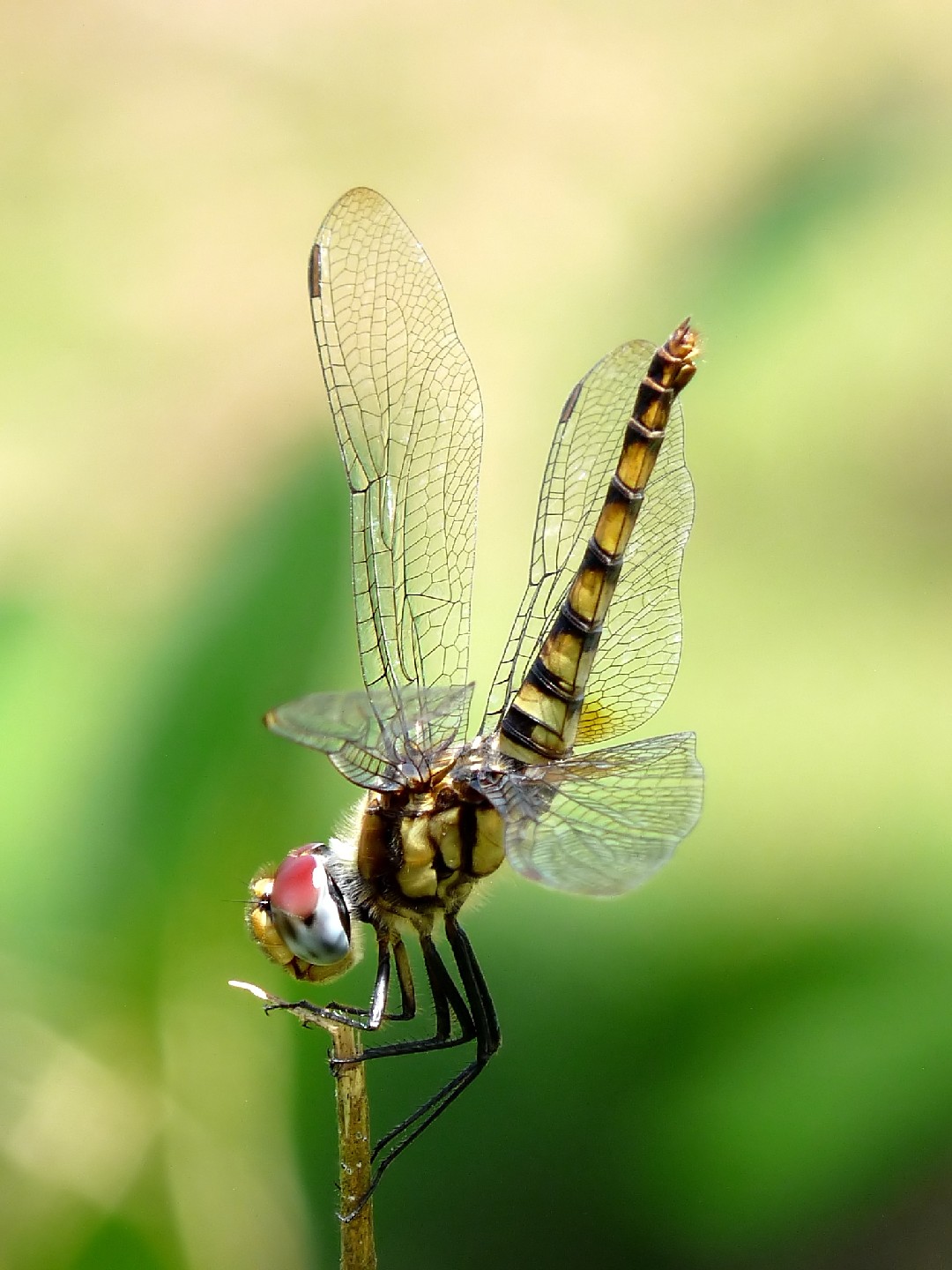
5. Chalky percher
Diplacodes trivialis is small dragonfly with bluish eyes and greenish-yellow or olivaceous thorax and abdomen with black marks. In very old adults, the whole thorax and abdomen become uniform pruinosed blue. Clear wings, without apical or basal markings, and the creamy white anal appendages and deep pruinescence in adults help to distinguish this species from others in its genus.

6. Coromandel marsh dart
The species is on the IUCN Red List as not endangered, year of assessment 2007.
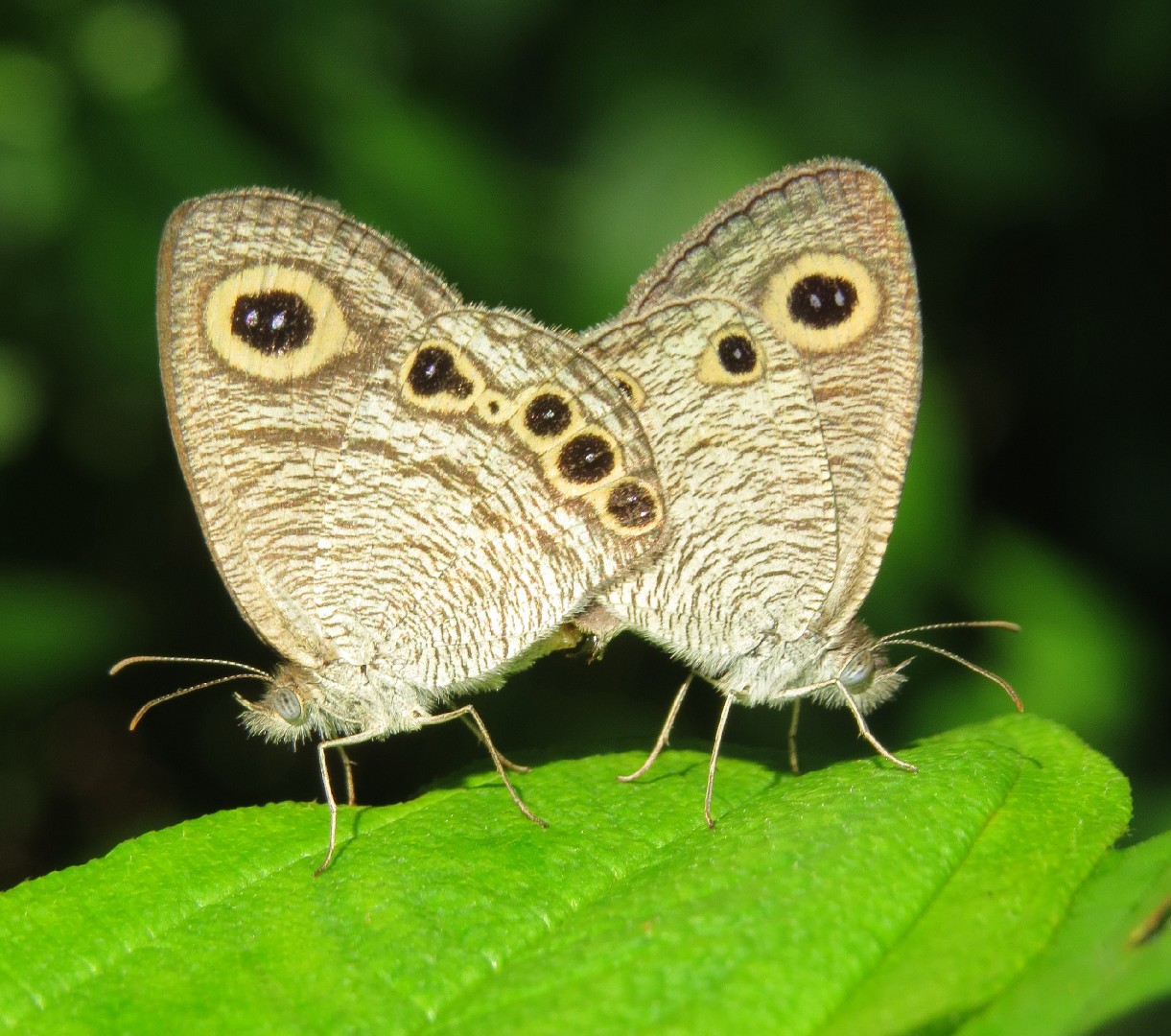
7. Common four-ring
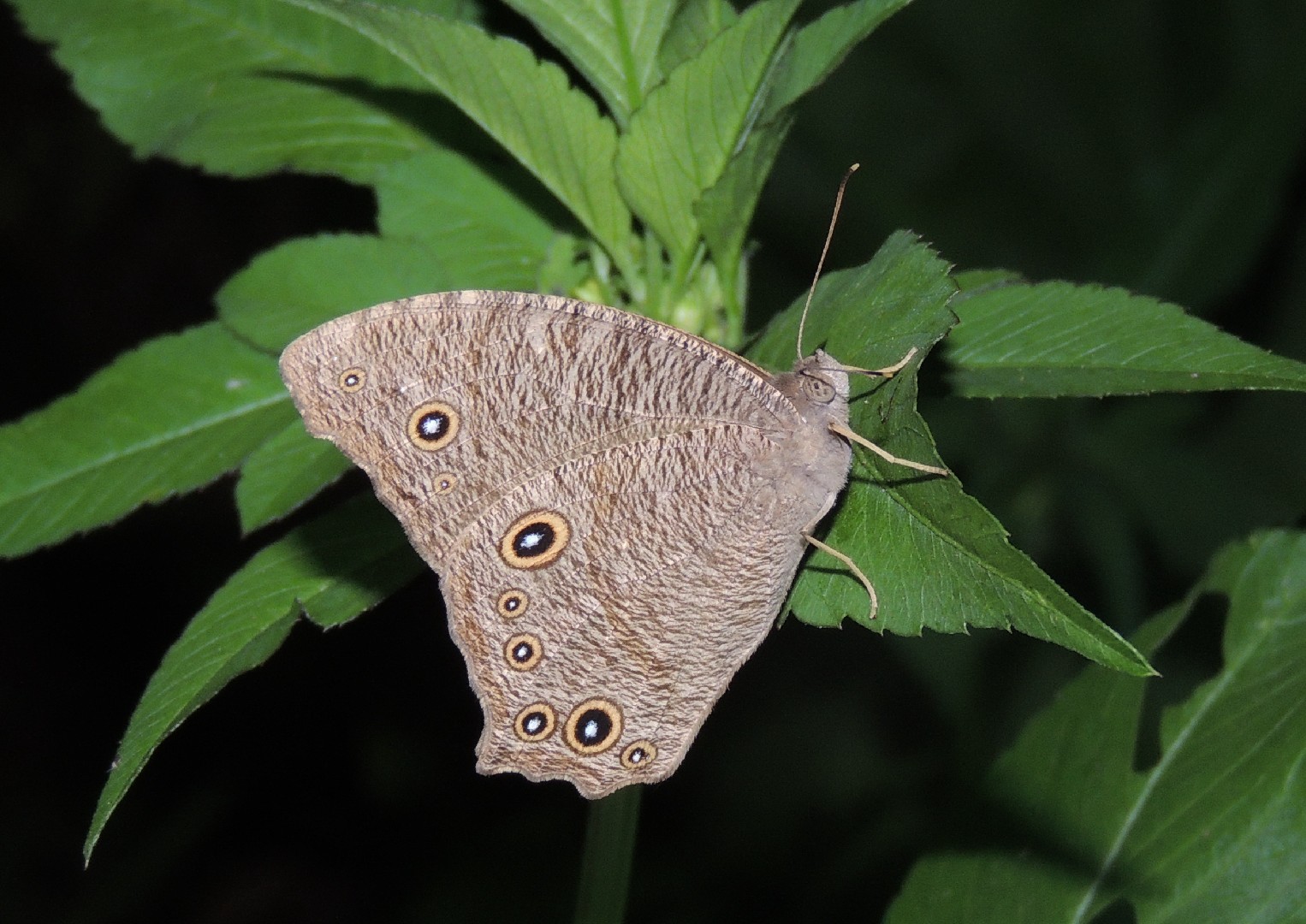
Wet-season form: Upperside greyish brown. Forewing with the usual comparatively large, bi-pupilled, yellow-ringed, black preapical ocellus. Hindwing usually with two, sometimes with three, very rarely without any, smaller similar uni-pupilled postdiscal ocelli. Underside greyish white, not very densely covered with transverse short brown striae. Forewing with the preapical ocellus as on the upperside, obscure discal and subterminal dull brown transverse fasciae and a narrow brown ring round the ocellus diffusely produced posteriorly. Hindwing with one apical and typically three postdiscal posterior ocelli placed in a curve; traces of transverse brown discal and subterminal fasciae in most specimens. Antenna, head, thorax and abdomen greyish brown, the abdomen paler beneath. Male without secondary sex-mark. Dry-season form: Similar, somewhat paler on both upper and under sides; the discal and subterminal transverse fasciae more pronounced; the ocelli on the underside of the hindwing minute or absent. Adults have a wingspan of 4 - 4.5 cm.
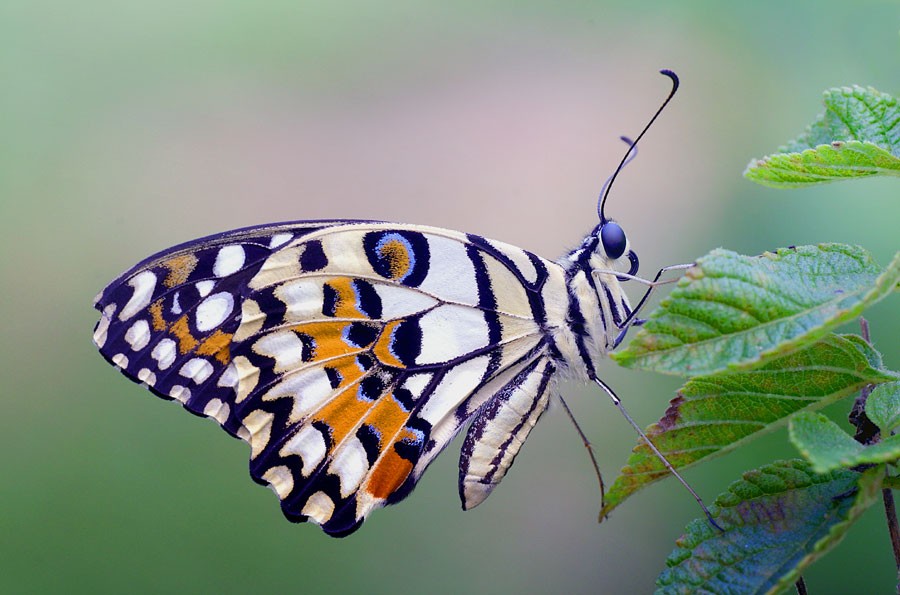
8. Lime swallowtail
The lime swallowtail (Papilio demoleus) has a beautiful black and white pattern, but it's considered a major pest to citrus trees. It feeds on nearly any type of citrus, including oranges and limes. This butterfly's small, green larvae are capable of defoliating an entire nursery grove. They are truly trouble makers in the citrus orchard.
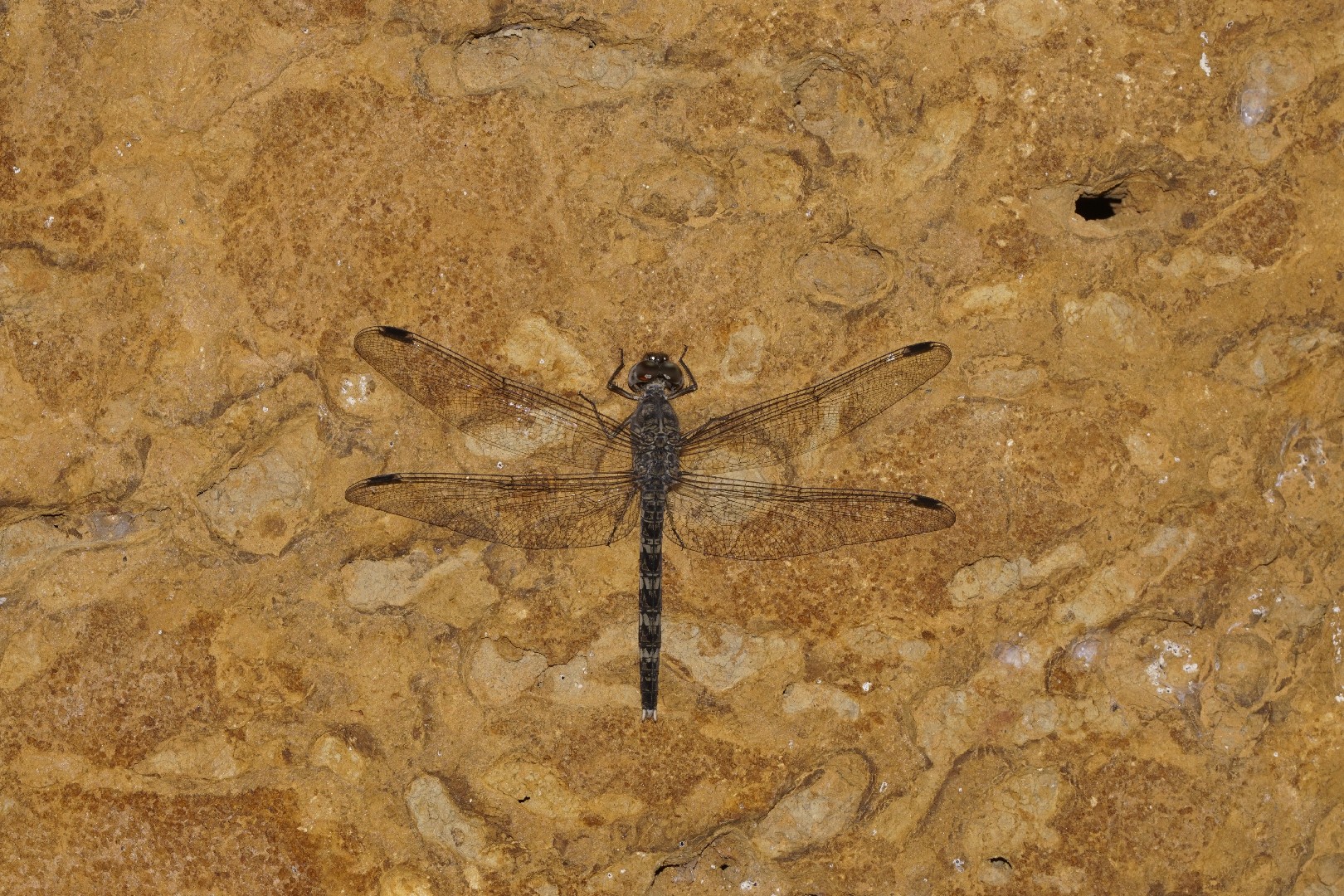
9. Granite ghost
The species is on the IUCN Red List as not endangered, year of assessment 2010.
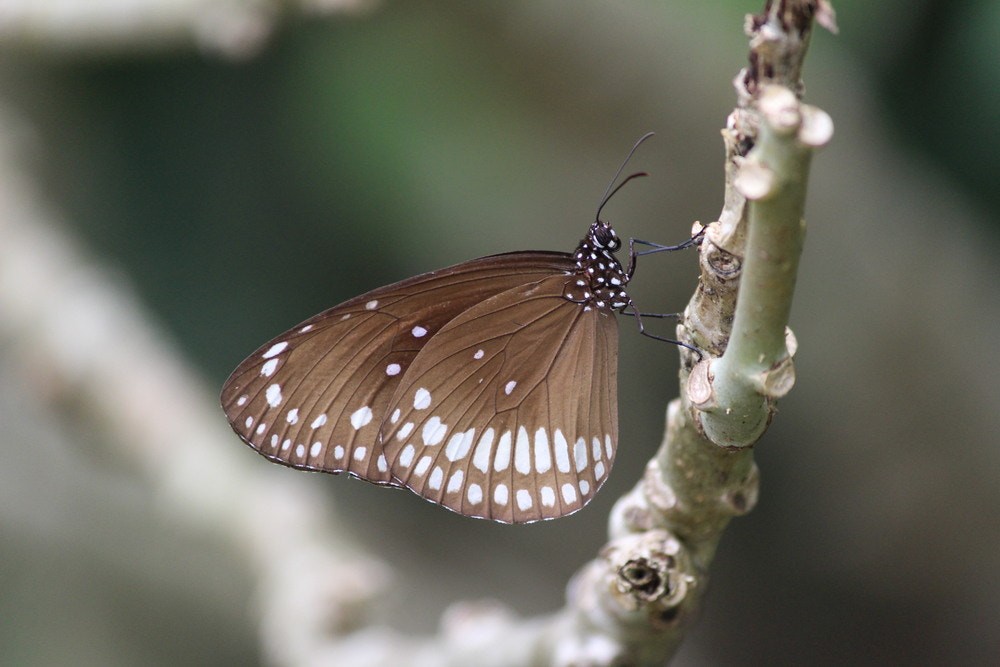
10. Common crow
The common crow is a glossy-black butterfly with brown undersides with white markings along the outer margins of both wings. The wingspan is about 8–9 cm and the body has prominent white spots. The male has a velvety black brand located near the rear edge on the upperside of the forewing. On the underside there is a white streak in the same location. This white streak is present in both male and female. Upperside dark brown, broadly paler along terminal margins; Fore and hind wing with subterminal and terminal series of white spots; on fore wing the former more or less oval, curved inwards opposite apex, the latter series often incomplete, not reaching apex, the spots smaller; often there is a small costal spot, and very rarely a spot in apex of cell and one or more discal spots; on the hind wing the inner series of spots are elongate, the outer conical.Underside similar, but ground-colour more uniform; cell, costal and discal spots on both fore and hind wing nearly always present.



More