




Top 20 Most Common Insects in Surabaya
Welcome to our exploration of the '20' most common insects thriving in 'Surabaya'. This region, teeming with diverse habitats, is a veritable playground for many insect species. Whether as pests or beneficial contributors to the ecosystem, these insects play a critical role in maintaining nature's balance in 'Surabaya'. Our journey will introduce you to this fascinating world, revealing insights into how 'Surabaya's geography supports such a rich variety of insect life.

Most Common Insects
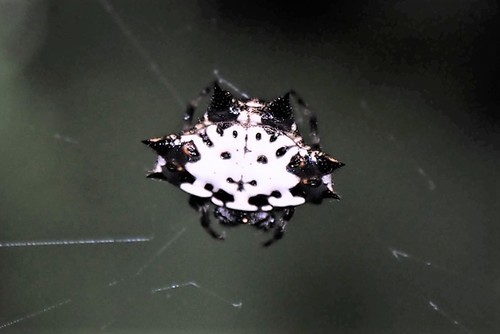
1. Black-and-white spiny spider
Female black-and-white spiny spider are 6 - 9 mm wide and possess a hard, shiny abdomen armed with six black conical spines. The upper surface of the abdomen is white to yellowish with variable black or dark brown markings and sigilla. Males are much smaller at 3 - 4 mm and in place of spines have small bumps on their abdomens. 
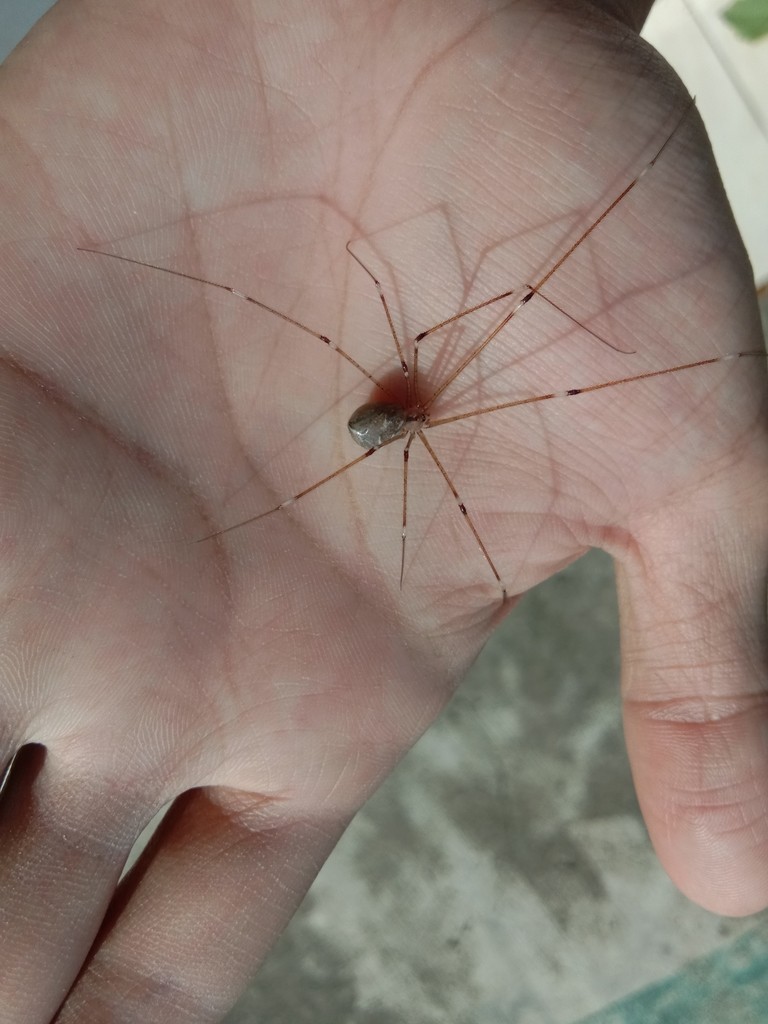
2. Short-bodied cellar spider
Physocyclus globosus, sometimes known as the short-bodied cellar spider is a species of spider belonging to the family Pholcidae. This is a cosmopolitan species, found in caves and buildings throughout the warmer parts of the world.
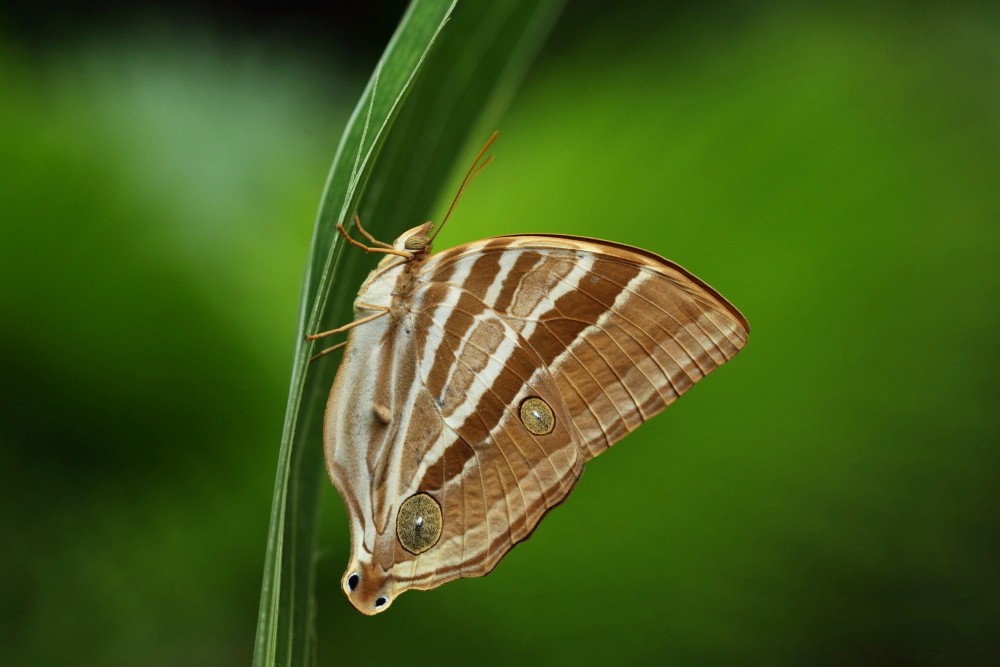
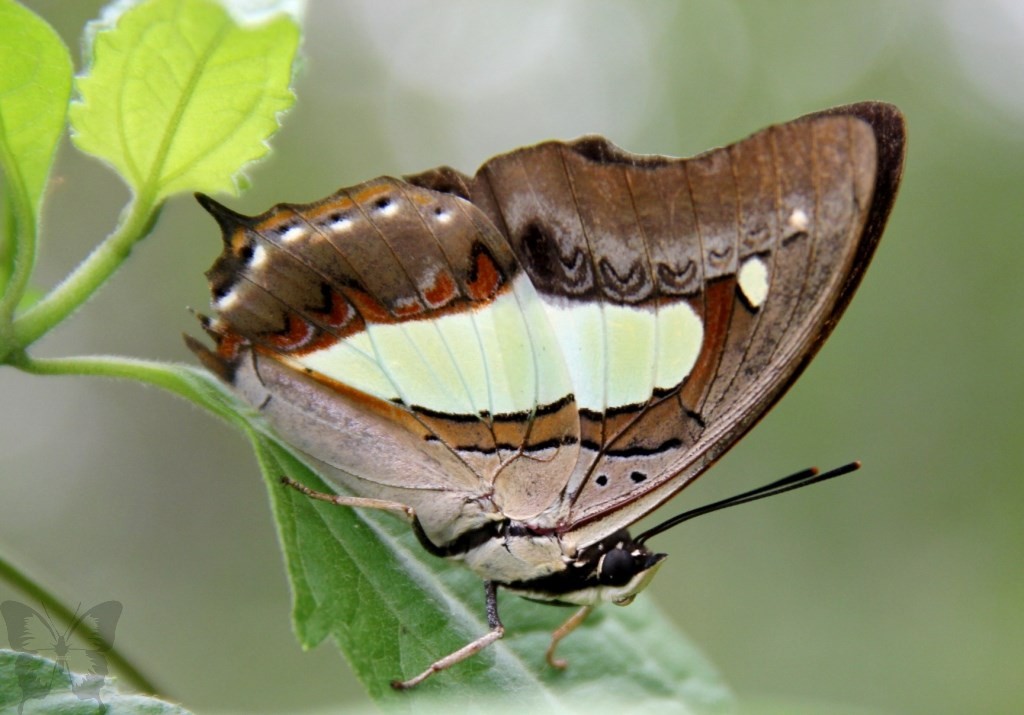
3. Palm king
Male: upperside umber brown. Forewing with the costal margin narrowly fulvous (reddish brown) near apex, crossing towards the termen, forming an obscure preapical band joining a subterminal lunular band of the same colour. Hindwing uniform, with a subterminal band as in the forewing but not lunular, straight. Underside pale brown, with the following transverse pale lilac-white bands crossing both forewing and hindwing: basal, subbasal, discal, postdiscal, broad subterminal and terminal; the subbasal and discal of equal width, meeting above the tornal angle in V-shape, the space between the two bands with, on the forewing, two shorter similar bands crossing the cell, on the hindwing a single similar band from costa to median vein; subterminal band on hindwing bent upwards above tornal area and continued halfway up the dorsal margin, the broadly-produced tornus with a dark brown spot; finally a large ochraceous ocellus in interspace 2, and a smaller similar one in interspace 6. Antennae reddish; head, thorax and abdomen umber brown. Secondary sex-mark a glandular fold in membrane of wing shaded by tufts of long hair along vein 1 on upperside of hindwing, and preapically on the abdomen with tufts of stiff long hairs. Female: Upper and undersides as in the male but paler; on the upperside the fulvous along the costal margin widens into a preapical patch, and generally the bands on the underside show through and appear above as pale fulvous bands.Wingspan: 11 - 12 cm .Eggs: The freshly laid eggs are creamy white with a small black spot in the centre and a black circular ring. The eggs are laid in a row. At Thenmala, the observer saw two rows, the first having 15 eggs and the second 3 eggs. Prior to hatching, the colour of the egg changes to black. Larvae: The first instar larvae are cylindrical, measuring 0.6 - 0.8 mm in length. The second instar larvae are pale greenish yellow measuring 0.8 - 1.2 mm in length. The third instar larvae are morphologically very similar to the previous instar, but are longer ( 3 - 4 cm ) and stouter. The fourth instar larvae are stouter and longer measuring 4.5 - 5 cm . During the fifth instar, the larvae become more brownish than greyish and measure 7 - 8 cm in length. Larvae of the palm king are voracious feeders. Most of the time, they remain on the underside of the leaf, eating from the tip of the leaf working towards the base. With regard to coloration, the fifth instars show marked difference in their ground colour: some being more brownish and some more greyish. Pupa: The process of pupation takes about half a day and resulted in a greenish spindle-shaped pupa, well-camouflaged among the pointed leaves of the host plant. Initially, they are semi-transparent but later they become more opaque. The pupa has veins and lines similar to that of the leaves of the host plant, all veins ending at the pointed lower end of the pupa. The pupa becomes transparent on the eve of hatching, with the wings and head clearly visible.
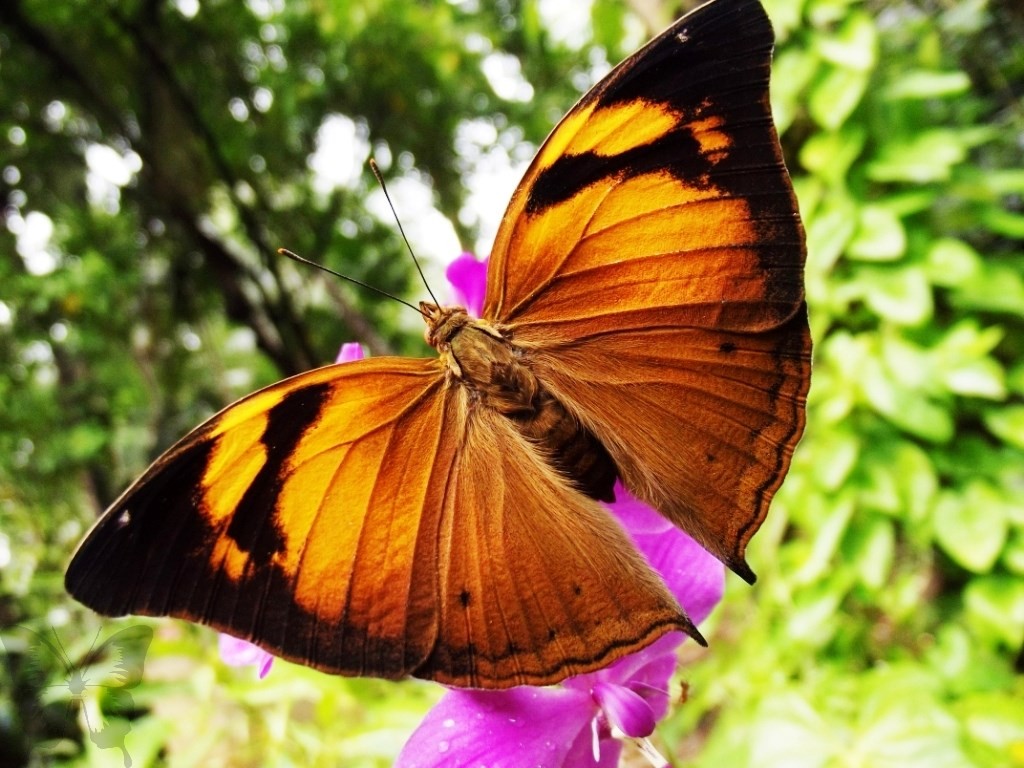
4. Autumn leaf
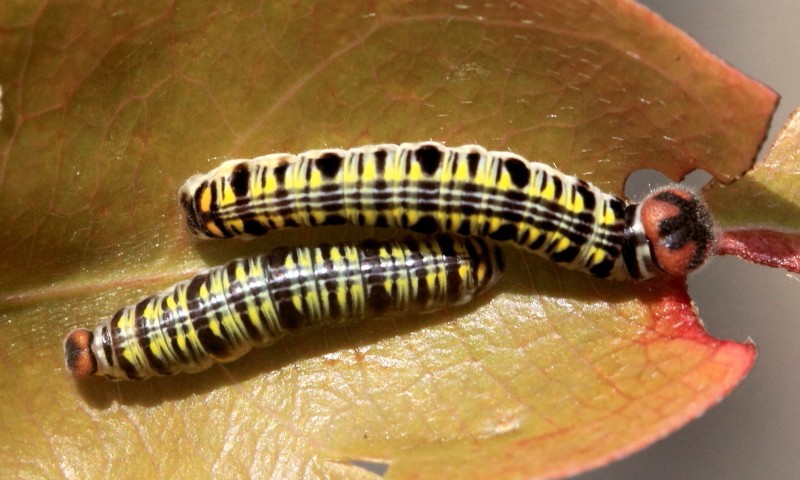
The larvae are black, with two rows of dorsal white spots. Head with a pair of branched spines; rest of the segments with a dorsal and a lateral row of blue branched spines on each side. The pupae are yellowish with numerous black spots; constricted in the middle; head produced into two points. Male's and female's underside yellowish brown, paling anteriorly to rich golden yellow on the forewing, shading anteriorly into dusky brown on the hindwing. Forewing: the apical half black, following a line from vein 12 opposite the discocellulars, passing through apex of cell, obliquely across middle of interspace 3 and curving down to tornus; a black spot near apex of cell coalescing with the inner margin of 1he black colour; a short, very oblique, broad golden-yellow band, broader in the female than in the male, from middle of costal margin to interspace 5; a spot beyond in line with it in interspace 4; two, sometimes three, minute, preapical white specks; the cilia fulvous (tawny), touched with white, anteriorly. Hindwing uniform; the costal margin broadly as noted above, a subterminal narrow band and narrower terminal line posteriorly, dusky black; a postdiscal black spot in interspaces 2 and 5 respectively; the cilia fulvous. The ground colour varies from reddish to dark greenish brown with irrorations (speckles) of greyish and black scales; apex of the forewing and the terminal margin posteriorly of the hindwing more or less lilacine; forewings and hindwings crossed by a dark narrow discal fascia, generally bordered on the inner side by a greyish line; this fascia bent inwards at right angles above vein 6 of the forewing and in most specimens, bordered internally by a diffuse pale patch and externally by an oblique whitish mark, beyond which is a subcostal white spot, followed by a transverse sinuous postdiscal series of obscure ocelli crossing both wings, each ocellus centred by a minute dot, white on the fore, black on the hindwing. In the male there are generally, but not invariably, a number of whitish spots on the basal areas of both wings. Antennae blackish brown, ochraceous at apex; head, thorax and abdomen dark fulvous brown; beneath, the palpi white, the thorax and abdomen pale brown. Wingspan is about 8 - 9 cm.
5. Orangetail awlet
Both sexes: The butterfly has a wingspan of 45 to 50 mm. Above, both sexes are an unblemished dark brown. The hindwings have an orange fringe. The abdomen is orange towards the rear. Below, the wings have white patches; the forewings having a large white central patch, and the hindwings having a broad pure white discal band. The male has no brands.
6. Cucurbit beetle
7. Coconut skipper
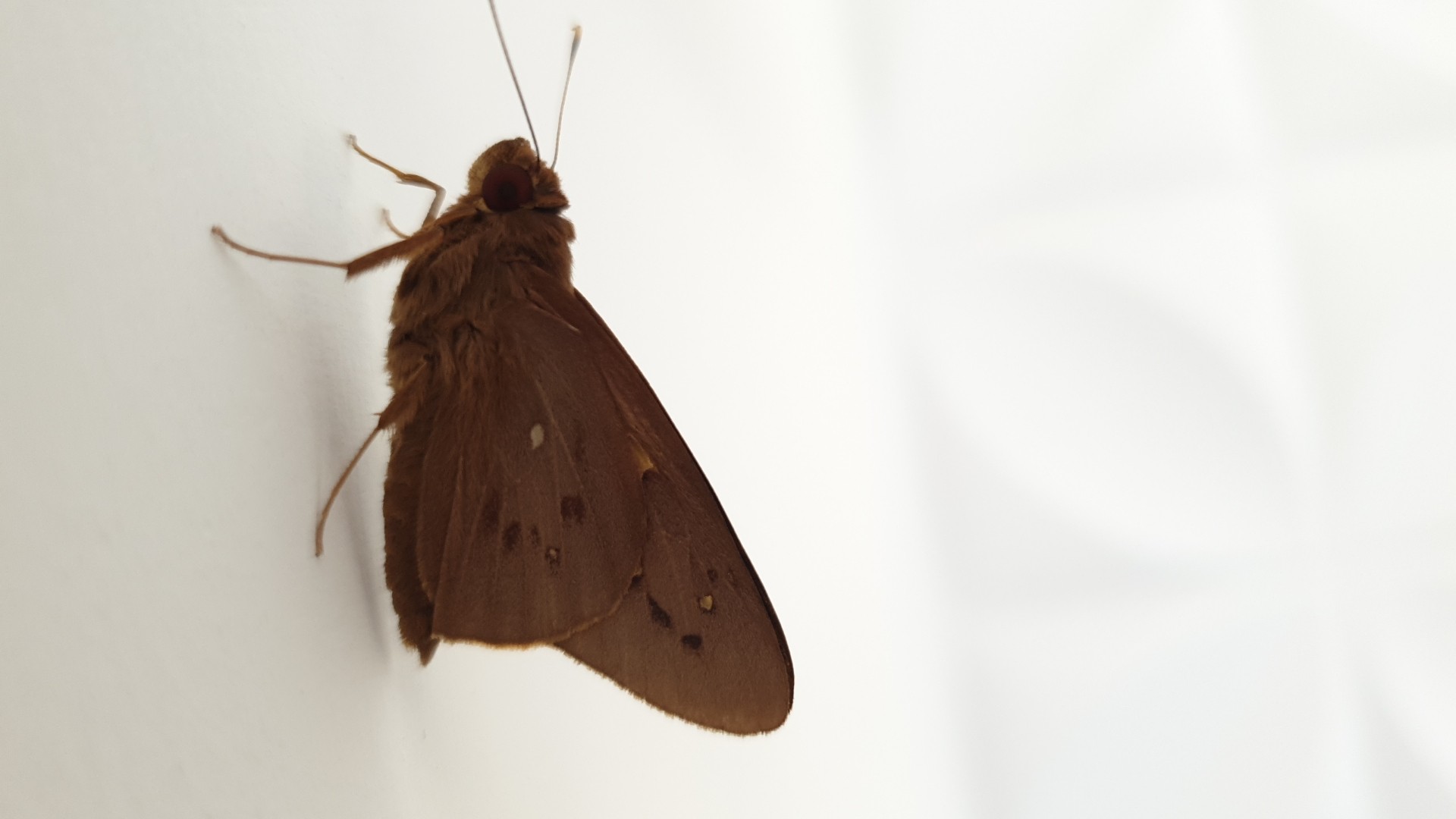
Hidari irava, the coconut skipper, is a butterfly of the family Hesperiidae. It is found in southern Myanmar, Thailand, western Malaysia, as well as on Sumatra, Java, Borneo and the Sula Islands. The wingspan is 45–55 mm. The larvae feed on Bambusa species and Cocos nucifera.
8. Multi-coloured saint andrew's cross spider
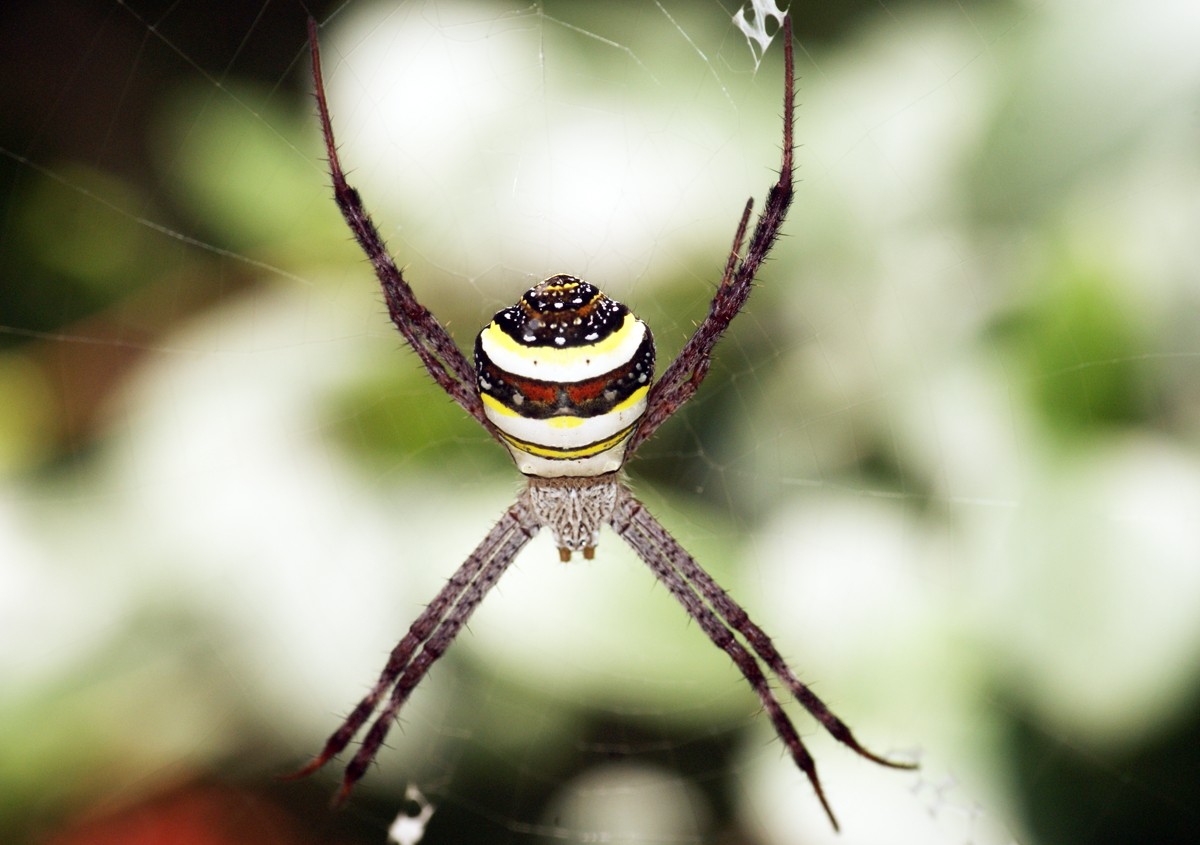
Argiope versicolor is a colorful spider. The female's cephalothorax is covered by silvery hair. Its abdomen is pentagonal in shape with white, yellow, red, dark bands dorsally, and two longitudinal yellow stripes ventrally. The dark bands are dotted with white. The legs are orange with dark bands. She usually sits head down in the centre of the web, with legs held spread-eagle in an 'X' shape reminiscent of St. Andrew's Cross. The male is smaller and duller than the female, and brown and cream coloured.
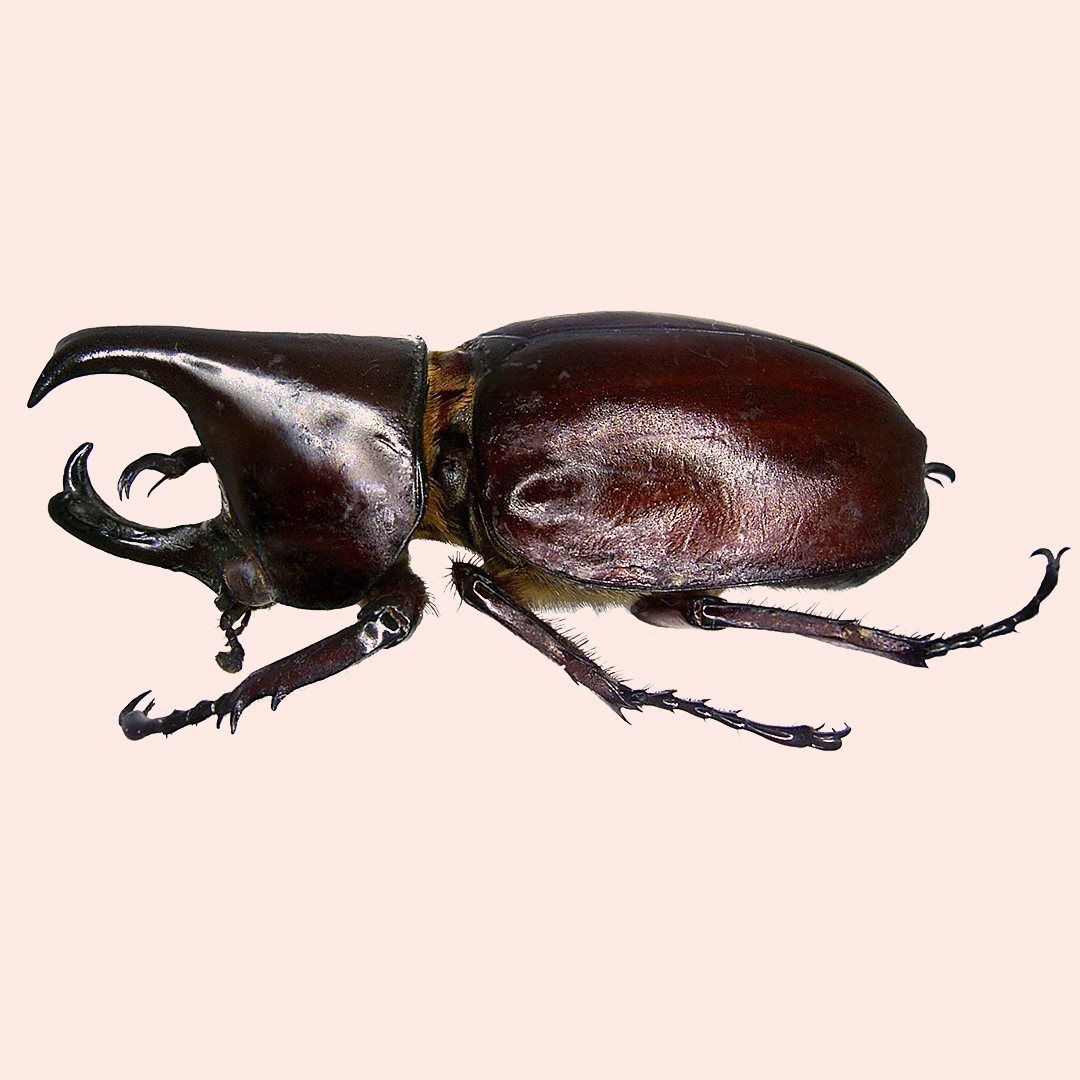
9. Elephant Beetle
Xylotrupes gideon can reach a length of 3.5–7 centimetres (1.4–2.8 in). As usual with rhinoceros beetles there is a great difference between the genders. Males are larger than females. They have two chitinous bifurcated horns, a thick thoracic horn and a smaller cephalic horn, which they use to eliminate their rivals during the mating period. These beetles are shiny dark red, dark brown, or black in coloration. The eyes are located on each side of the head. When disturbed these beetles make a hissing noise, produced by rubbing the tip of the abdomen against the edge the elytra. The larvae develop in decaying vegetable matter and take usually two years in development, the adult beetles live 2–4 months. A female can lay about 20-30 eggs but it depends on the place where they lived . 2-
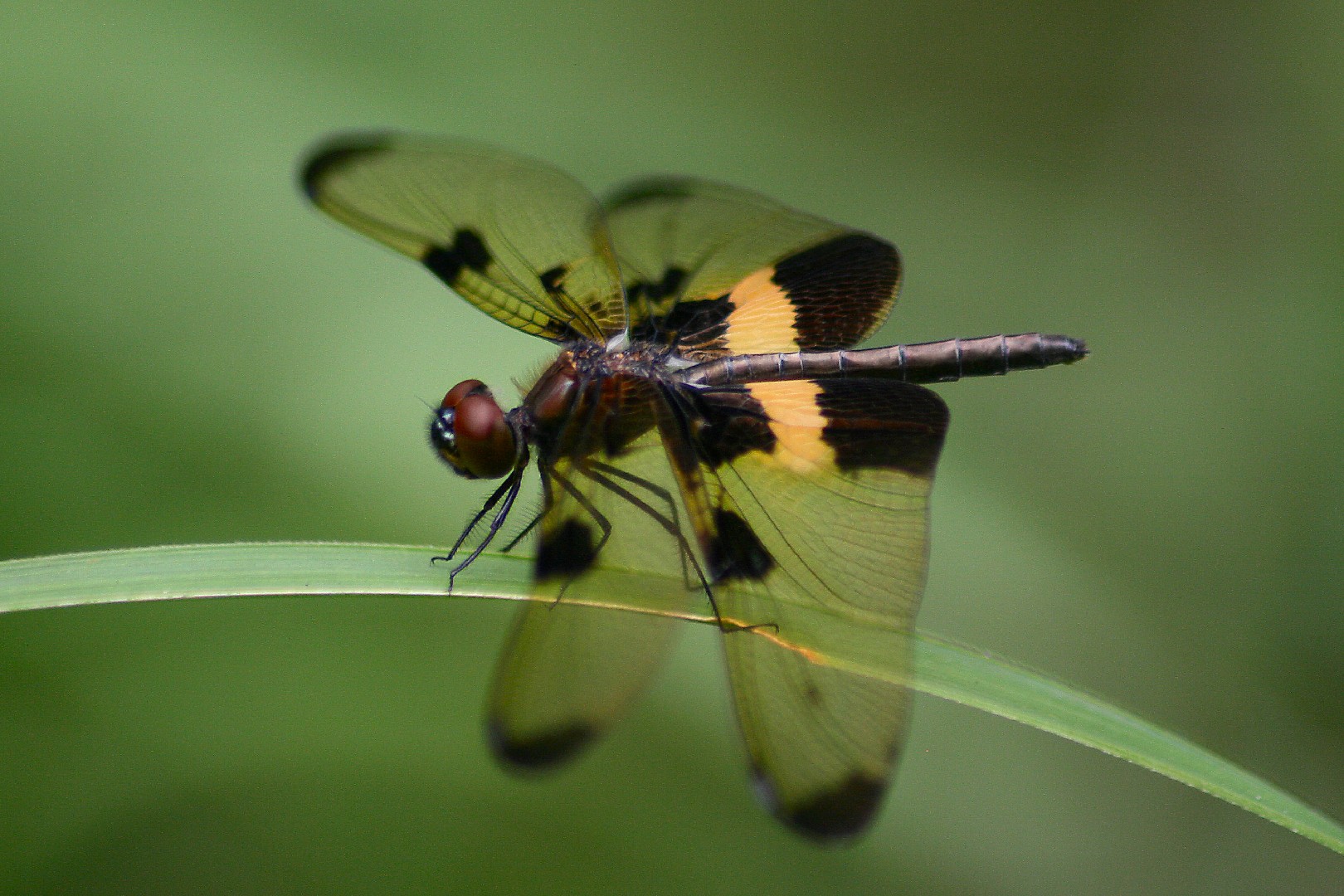
10. Yellow-barred flutterer
The scientific name Rhyothemis phyllis was first validly published in 1776 by Sulzer.
More







