




Top 9 Most Common Insects in Maluku
Insects, the most diverse group of organisms on Earth, boast a dazzling array of shapes, sizes, and habitats, particularly in Maluku. Geographical nuances within Maluku undeniably influence local insect diversity, manifesting in an intriguing 9 most common insects. Insects have crucial roles in the ecosystem, from pests disrupting human activities to beneficial species aiding in pollination and decomposition. Acknowledging this deep interrelationship between Maluku's environments and its insect inhabitants, brings a new layer of understanding about our natural world.

Most Common Insects
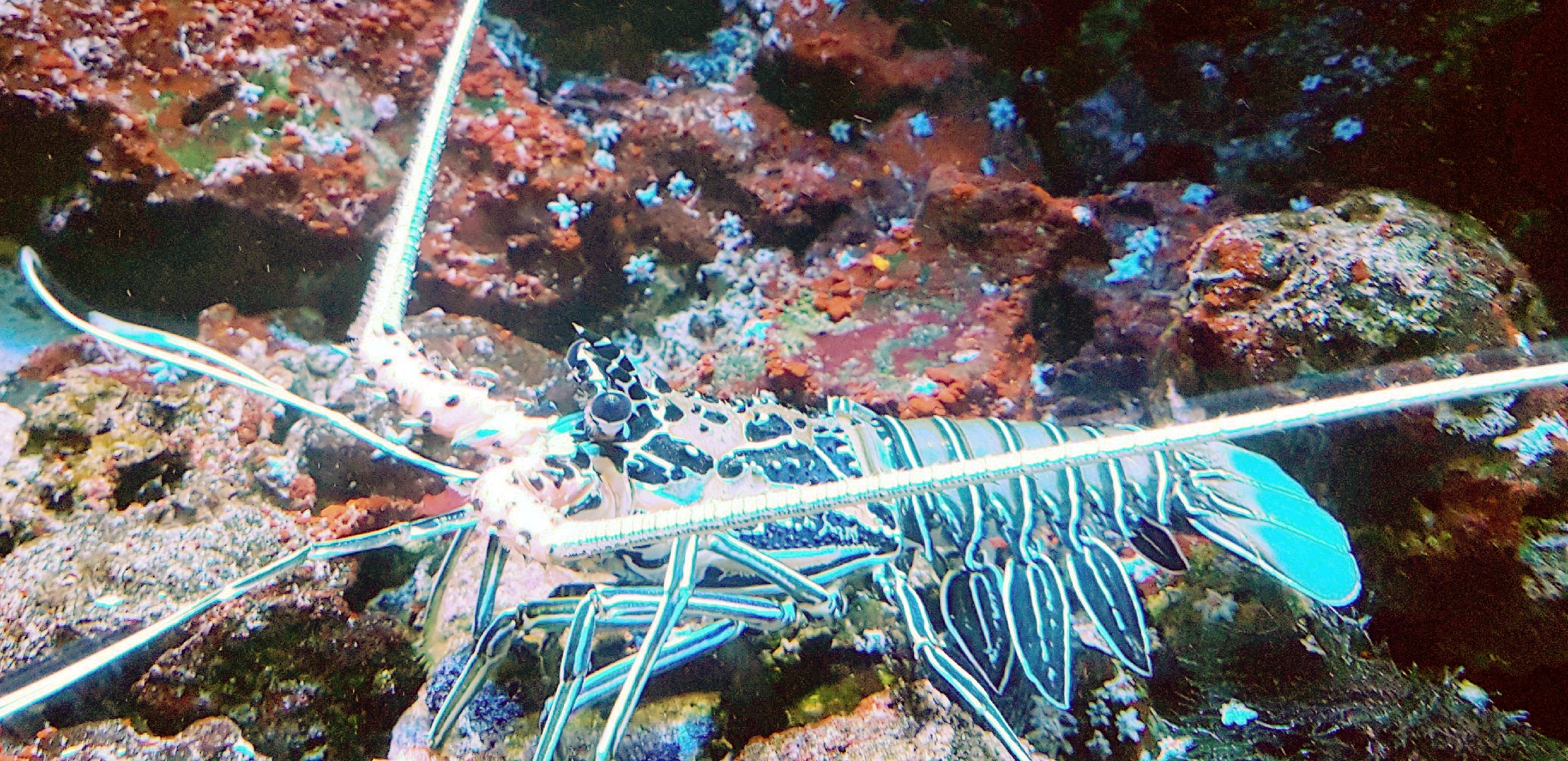
1. Painted rock lobster
The multicolored lobster (Panulirus versicolor) is a ten foot crayfish of the crawfish family.
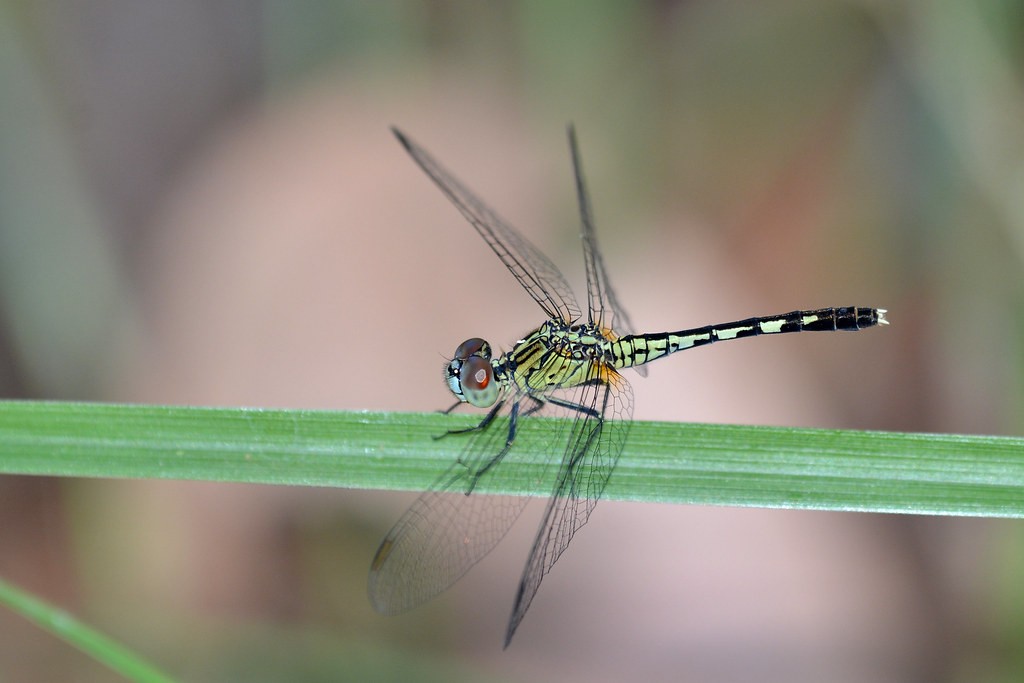
2. Green skimmer
Orthetrum serapia is a medium-sized dragonfly with a wingspan of 60-85mm. Its wings are clear except for a small dark spot at the base of the hindwing. The thorax is greenish to greyish yellow with black markings. The abdomen is black with pale yellow or pale green markings. Orthetrum serapia appears very similar to Orthetrum sabina and can be confused where the range of the two overlap in north-eastern Australia. 
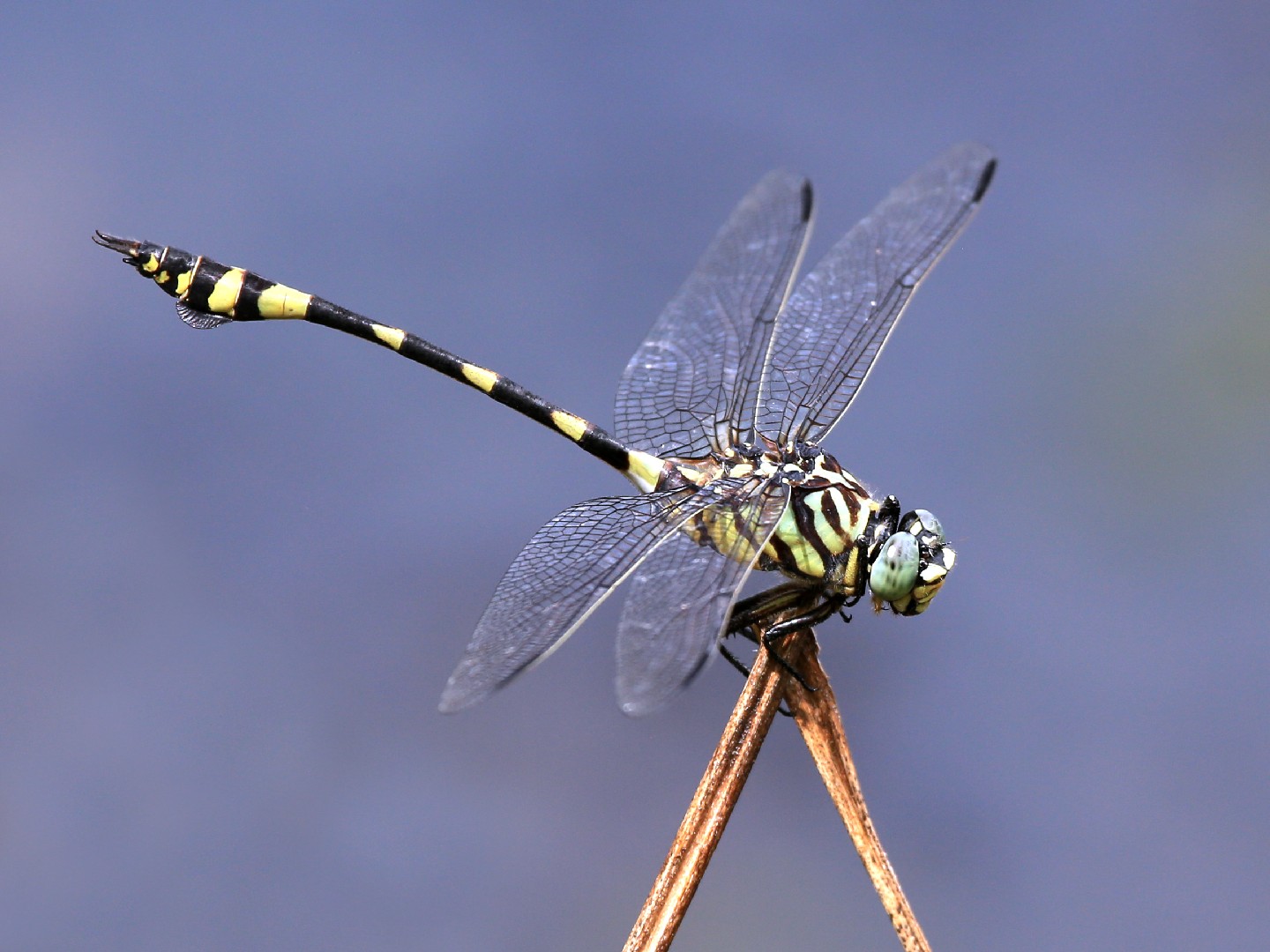
3. Australian tiger
They are large dragonflies (wingspan 10 cm, length 7 cm) with eyes widely spaced on top of the head. They have clear wings and are yellow and black in colour. The males are identified from females by two curved flaps below segment eight of the abdomen.
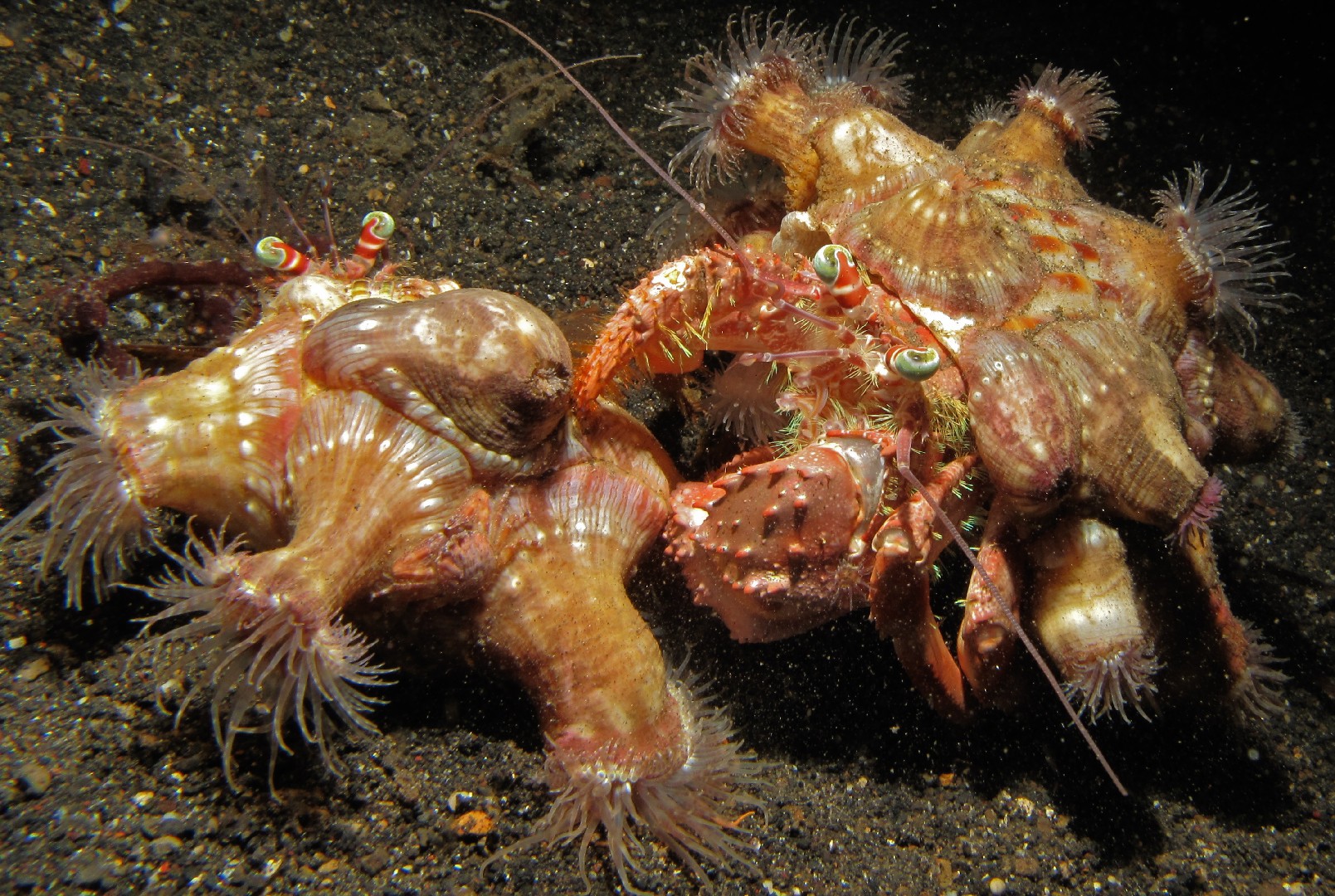
4. Anemone hermit crab
Dardanus pedunculatus usually attain a maximum size of 10 centimetres (4 in). The carapace is mottled in tan and cream, while the eyestalks are white with red bands. The sexes are similar. The left claw is much larger than the right claw.

5. Banded coral shrimp
Banded coral shrimp (Stenopus hispidus) is a crustacean that occupies tropical waters in the Atlantic Ocean, the Gulf of Mexico, and reefs surrounding Australia and New Zealand. It acts as a cleaner fish, and removing parasites and fungi from other passing fish. This species is monogamous and mates for life.
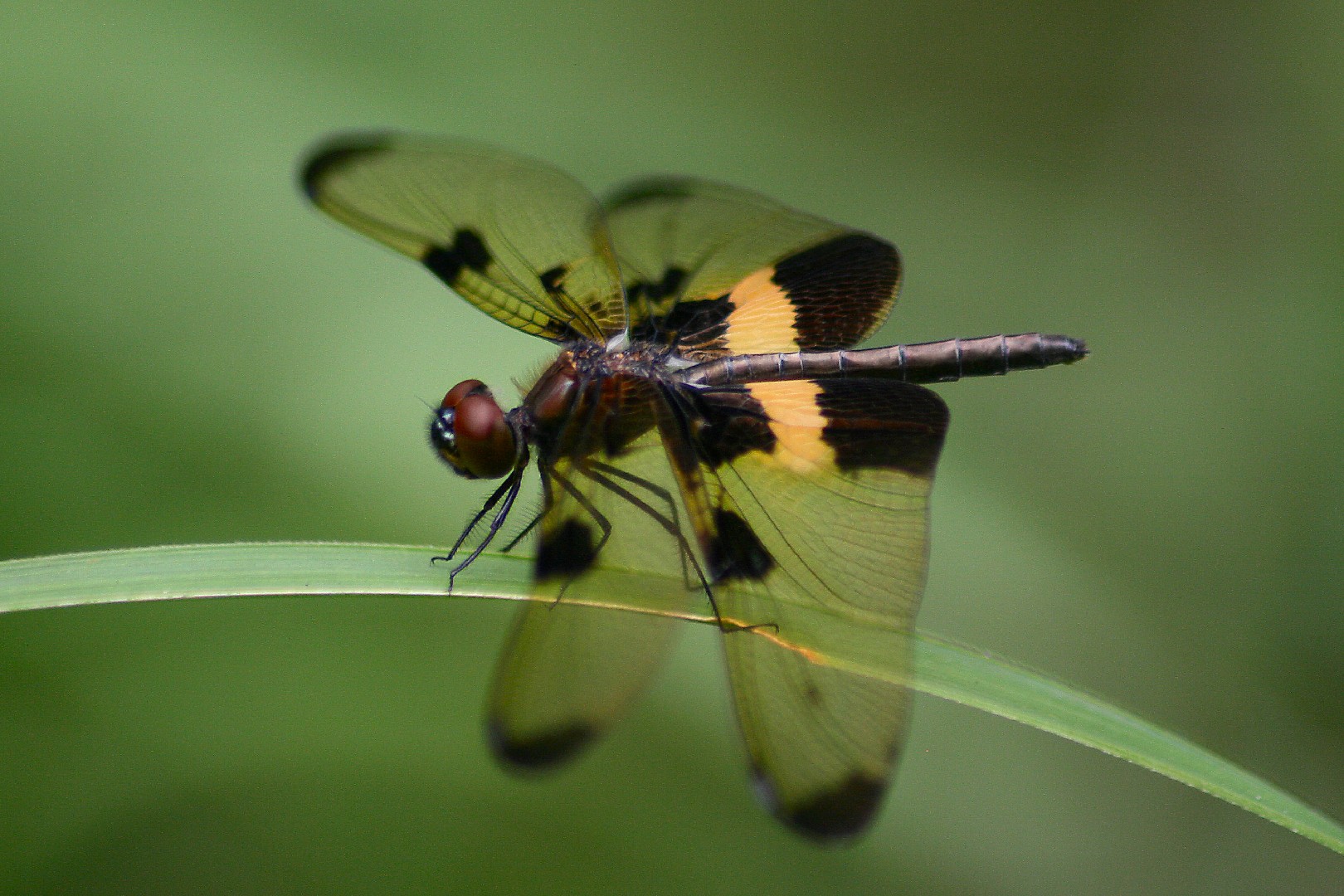
6. Yellow-barred flutterer
The scientific name Rhyothemis phyllis was first validly published in 1776 by Sulzer.
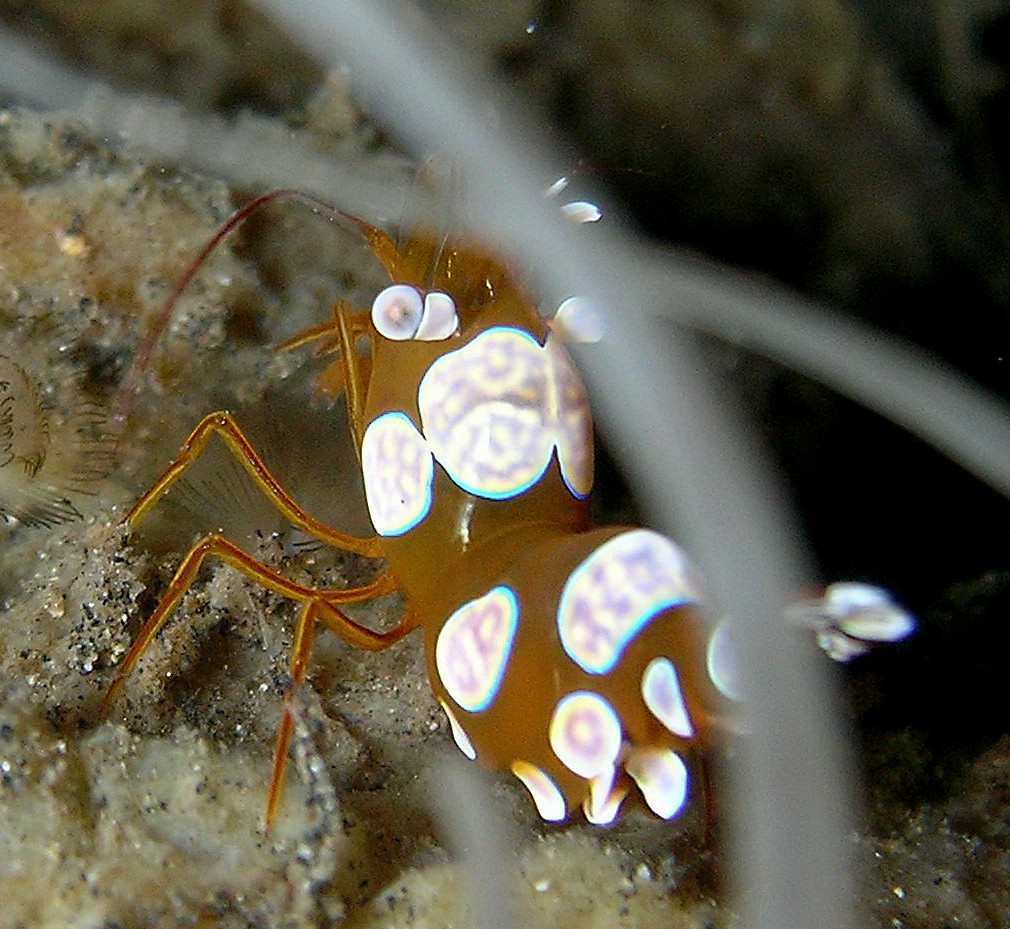
7. Squat shrimp
Thor amboinensis is a small shrimp growing to a length of about 13 millimetres (0.5 in). It is an olive brown colour with symmetrically placed white patches edged with thin blue lines. It characteristically carries its abdomen curved upwards with its tail fan above its head.
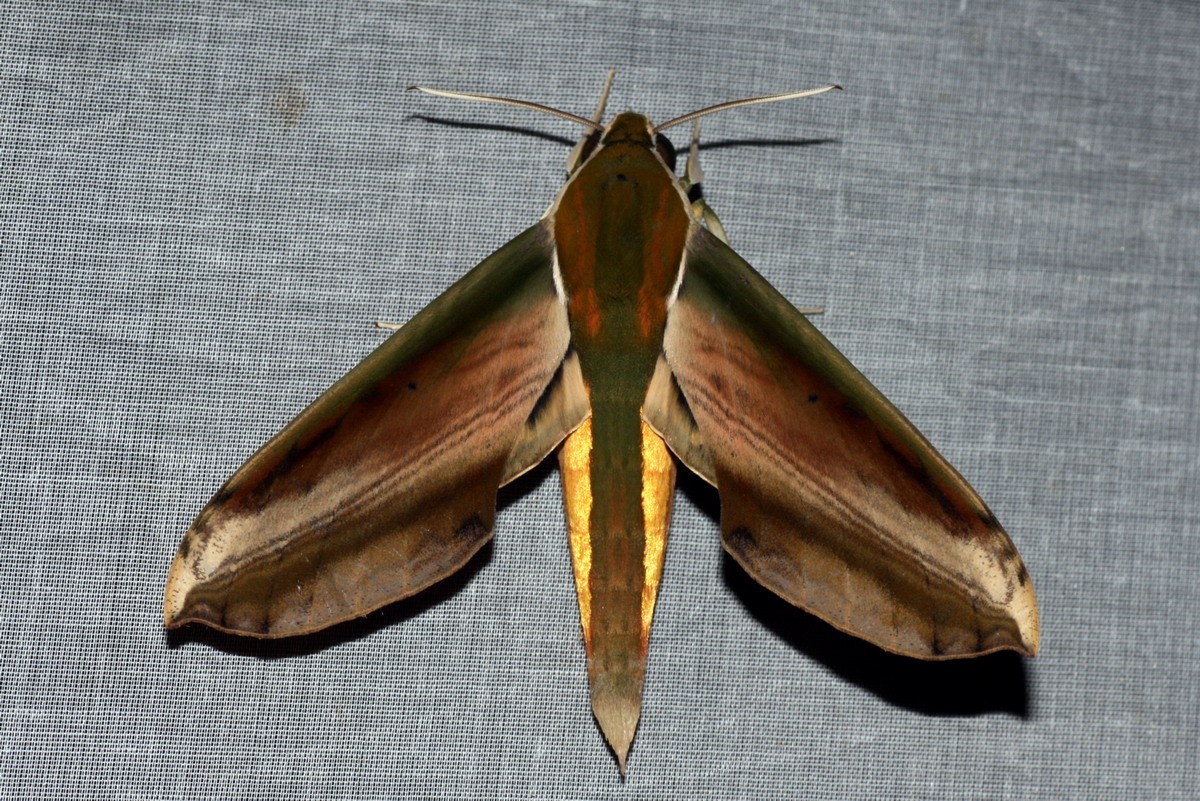
8. Yam hawk moth
The wingspan is 9 - 13 cm. Head, thorax and a stripe down center of abdomen is green suffused with ferrugineous. Thorax is with a lateral grey stripe and abdomen is golden yellow at the sides. Forewings are olive brown and the base with a patch of black and white on the inner margin. A black dot is present at end of cell. A postmedial waved oblique line met by three straight oblique lines from the apex at inner margin. Hindwings are black brown where the anal angle is ochreous, which colour extends towards the apex as a submarginal band. Ventral side is suffused with reddish ochreous.
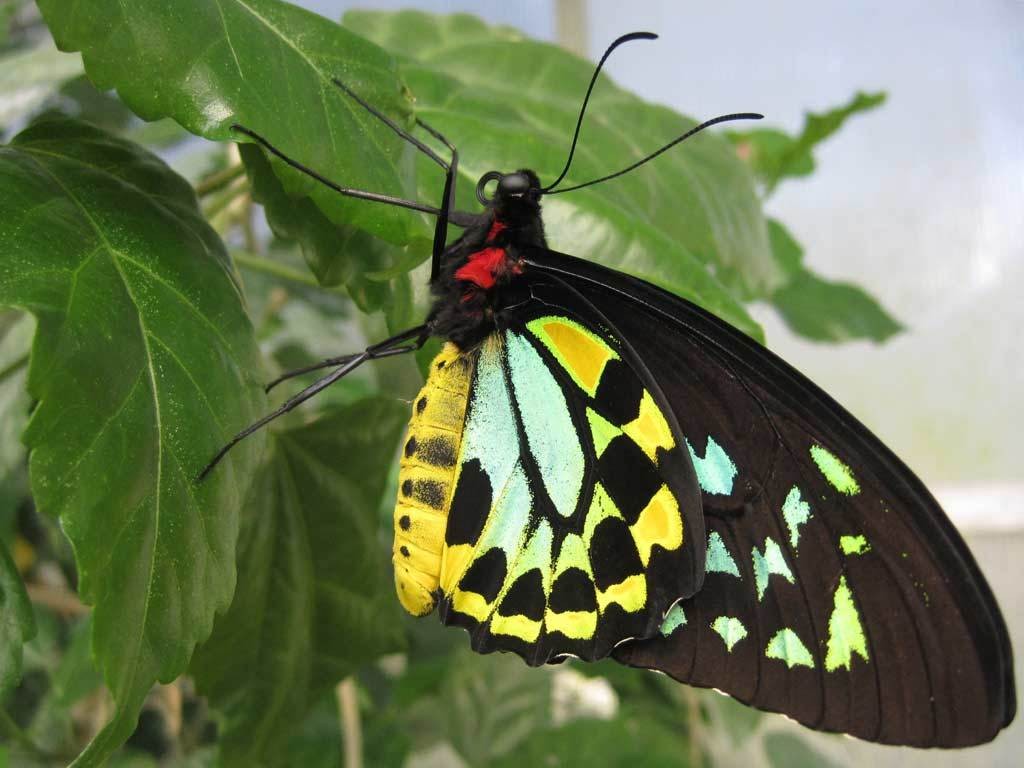
9. Common birdwing
Male: The upperside forewings are velvety black. There is a green (most races) subcostal stripe and a green (most subspecies) marginal stripe bordering the termen, tormen and dorsum of the wing. The sex brand is black and longish. The underside of the forewing is black. There is a chain of bluish or green postdiscal spots. The hindwings are green. At the wing's leading edge (costa) there are basal yellow-gold spots. There is also a postdiscal chain of black spots. The edge of the hindwing is black. The underside is dark green or bluish. The yellow-golden spots are transparent. The veins are partly black and the marginal edge of the wing is black. At the outer edge there is a postdiscal chain of black spots. The body (abdomen) is yellow. Head and thorax are black. The underside of thorax has a red hair coat. Female: The female is larger than the male and in the upper range of the wingspan. The basic colour of the female is dark brown. There is a chain of white postdiscal spots on the forewings. There is a chain of larger white postdiscal spots with dark centres on the hindwing. The underside is very similar to the upper. Larva: First instar larvae are wine red on hatching. They soon turn black or dark brown. All segments have soft tubercles with stiff ends bearing black spines. On the 4th segment tubercles are red. The tubercles are dark brown on the other segments. In the second instar, the tubercles lack spines, the 4th tubercles are light red and on the other segments they are the same colour as the body. In the third instar, there is a white to pink saddlemark on the 4th segment. In the fourth and fifth instars, the ground colour is ashy grey to brown, the saddlemark on the 4th segment is white and the tubercles on the 4th segment are white. There may be saddlemarks on the 5th segment and the 6th segment. The tips of the tubercle are black and the osmeterium is dark red.







