




Top 20 Most Common Insects in Venice
Insects, a species group teeming with immense diversity, resides in every corner of Venice, thriving in locations with varying geographical features. Given the diverse environmental aspects of Venice, the insect populous highly varies, underlying the direct influence the state's landscapes have on these creatures. Insects, both pests and benefactors, play crucial roles in Venice's ecosystem, impacting the equilibrium our environment retains. Stay tuned for our list of Top 20 most common insects you can spot in Venice.

Most Common Insects
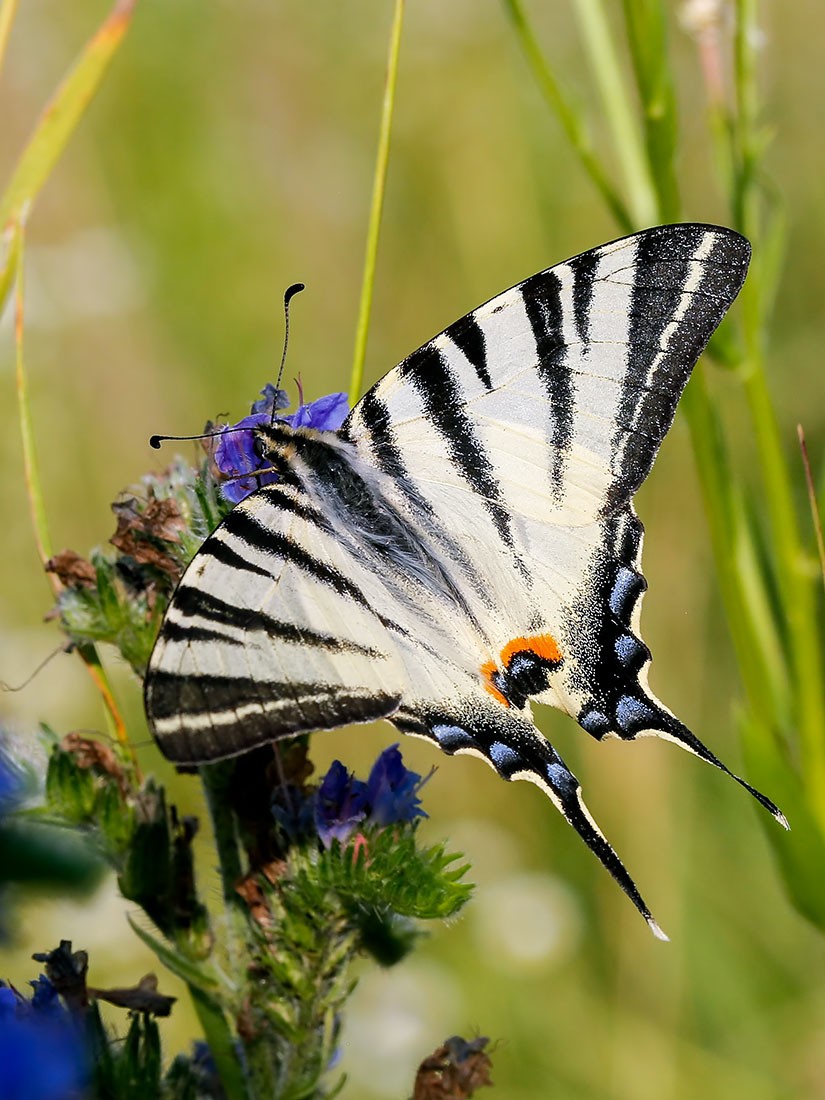
1. Scarce swallowtail
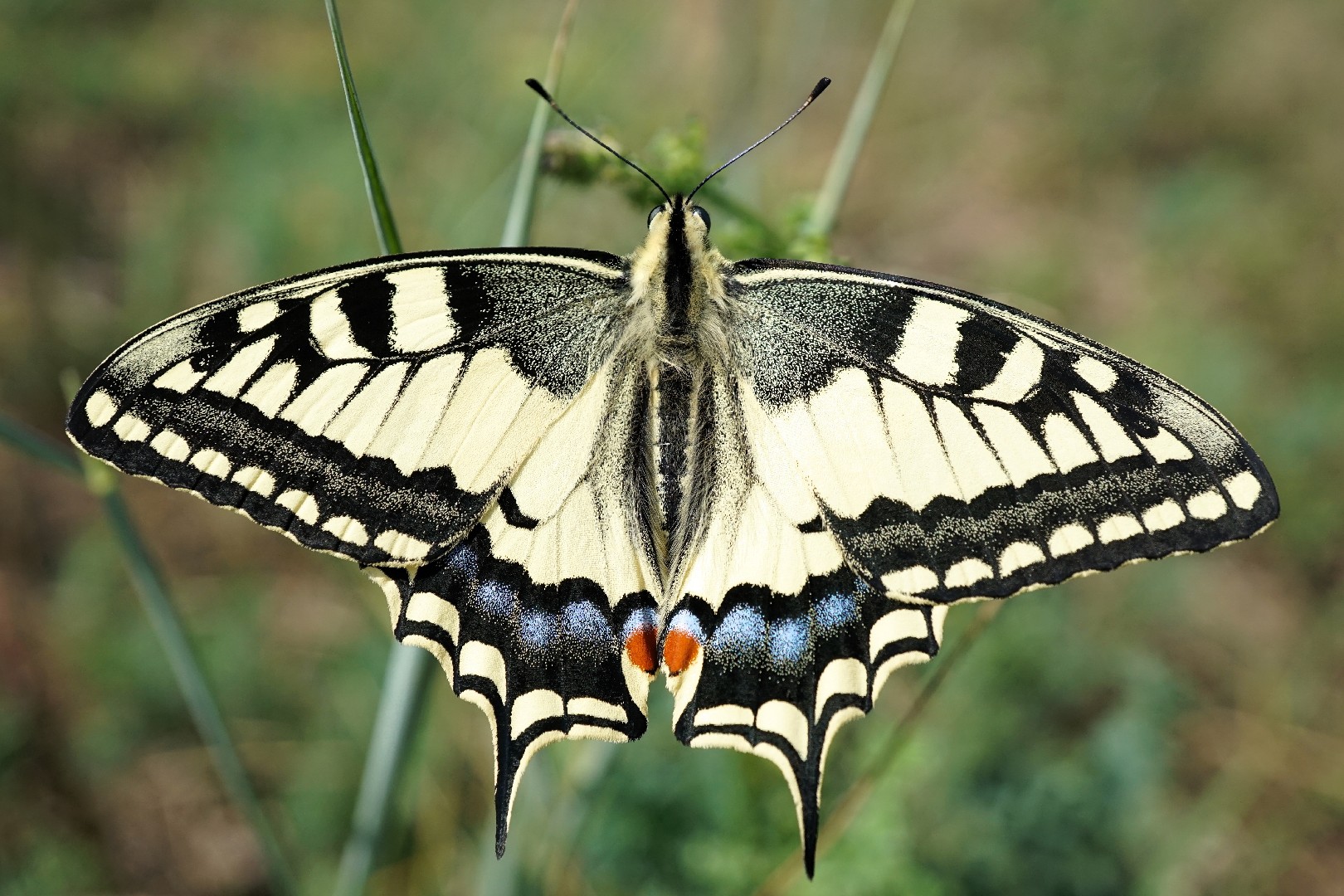
Its slow and floating flight pattern makes it easy to identify the scarce swallowtail as it soars over gardens, orchards, and scrublands. The butterfly has a large presence across Europe, the Middle East, and Asia. The adult lifespan is brief, only two or three weeks. Planting flowers like blackthorn can encourage the butterfly to visit a garden.
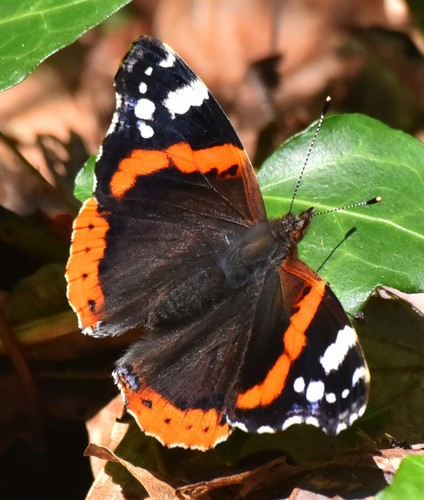
2. Red admiral
Red admiral (Vanessa atalanta) is a visually striking species of butterfly. Unusually territorial, males will compete for choice areas, and females will only mate with males that maintain their own territories. This butterfly is known for being particularly patient with human interactions, even to the point of perching on clothing or flesh.
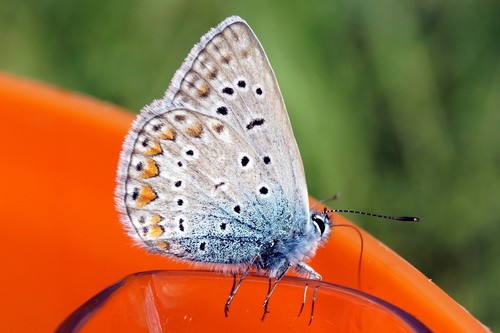
3. Common blue butterfly
Despite its common name, only male specimens of common blue butterfly (Polyommatus icarus) can accurately be described as blue; the females are predominately gray-brown, with only a dusting of blue and a scattering of orange spots. The adults live for only three weeks before dying.
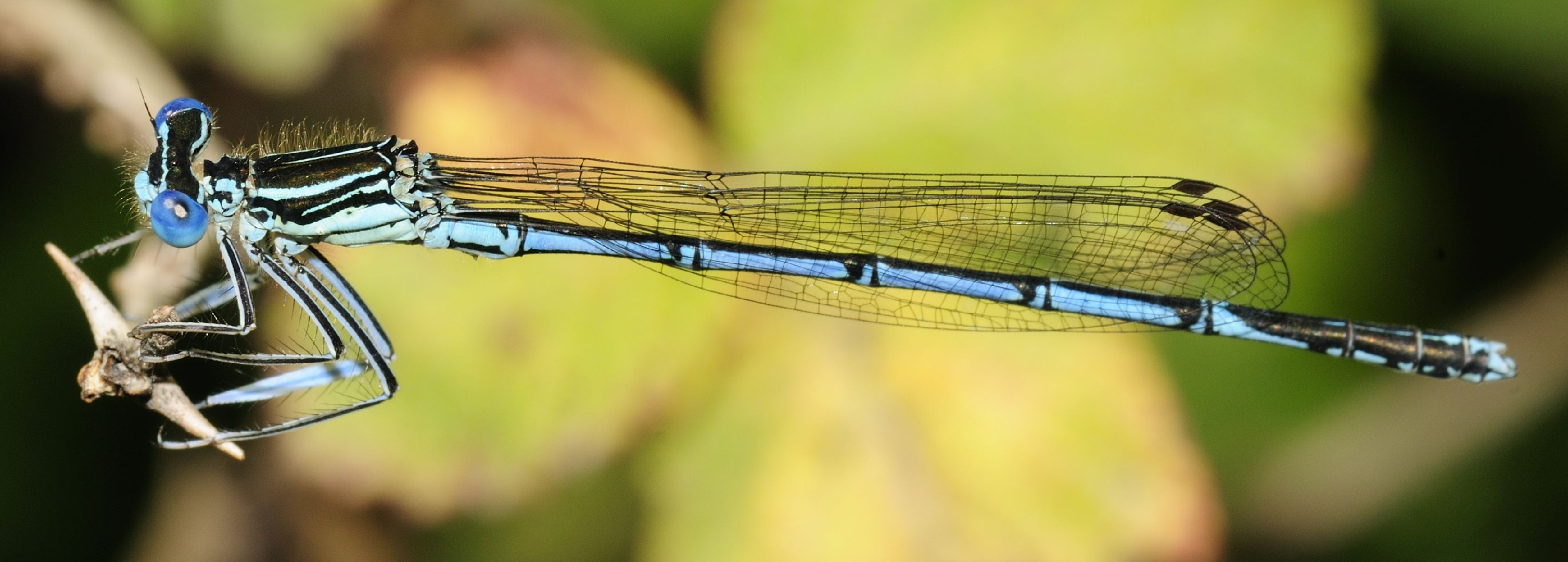
4. White-legged damselfly
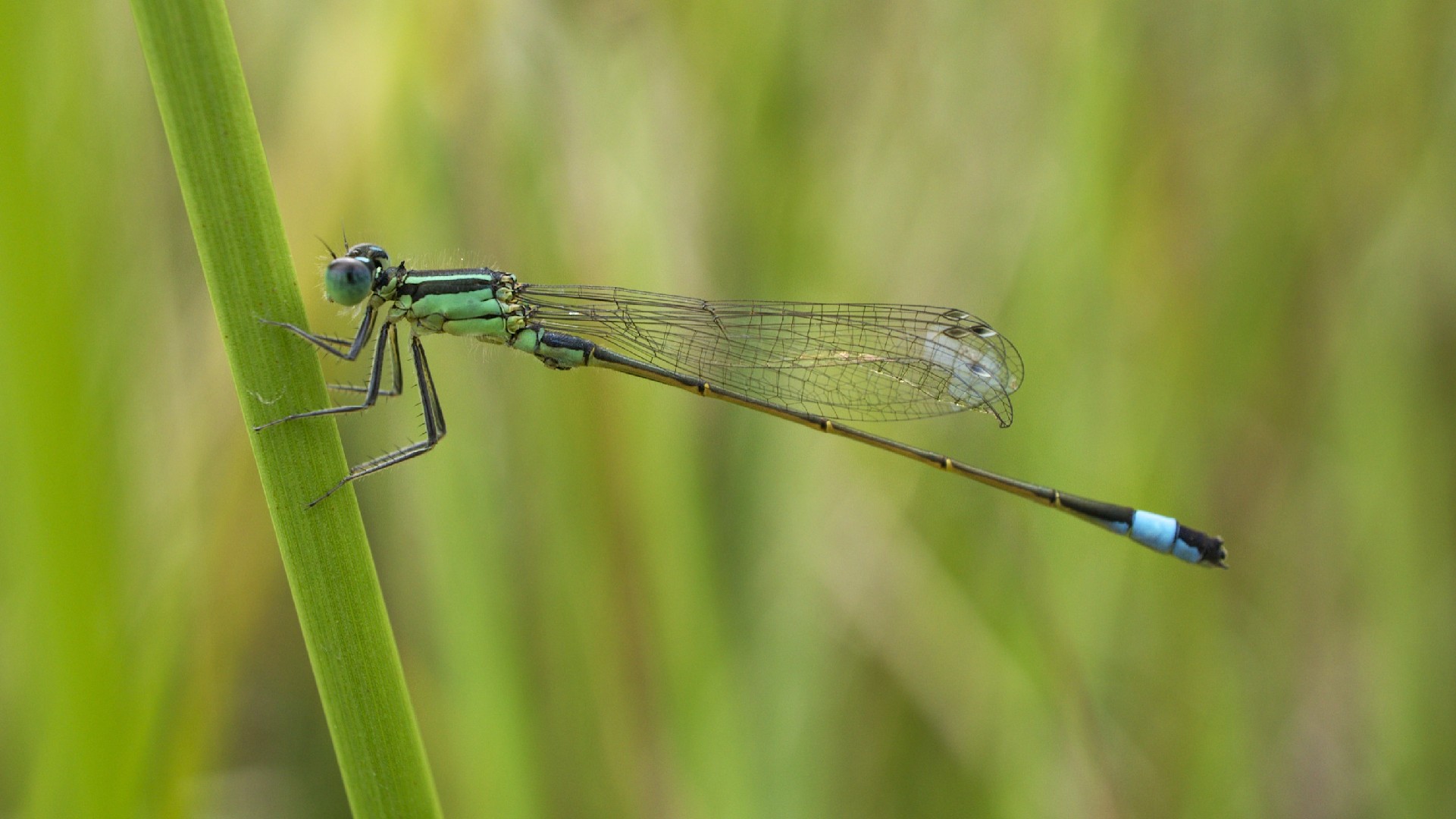
The white-legged damselfly or blue featherleg (Platycnemis pennipes) is a damselfly of slow-flowing, muddy waters. It occurs from the Atlantic to Siberia and is often abundant throughout its range. 
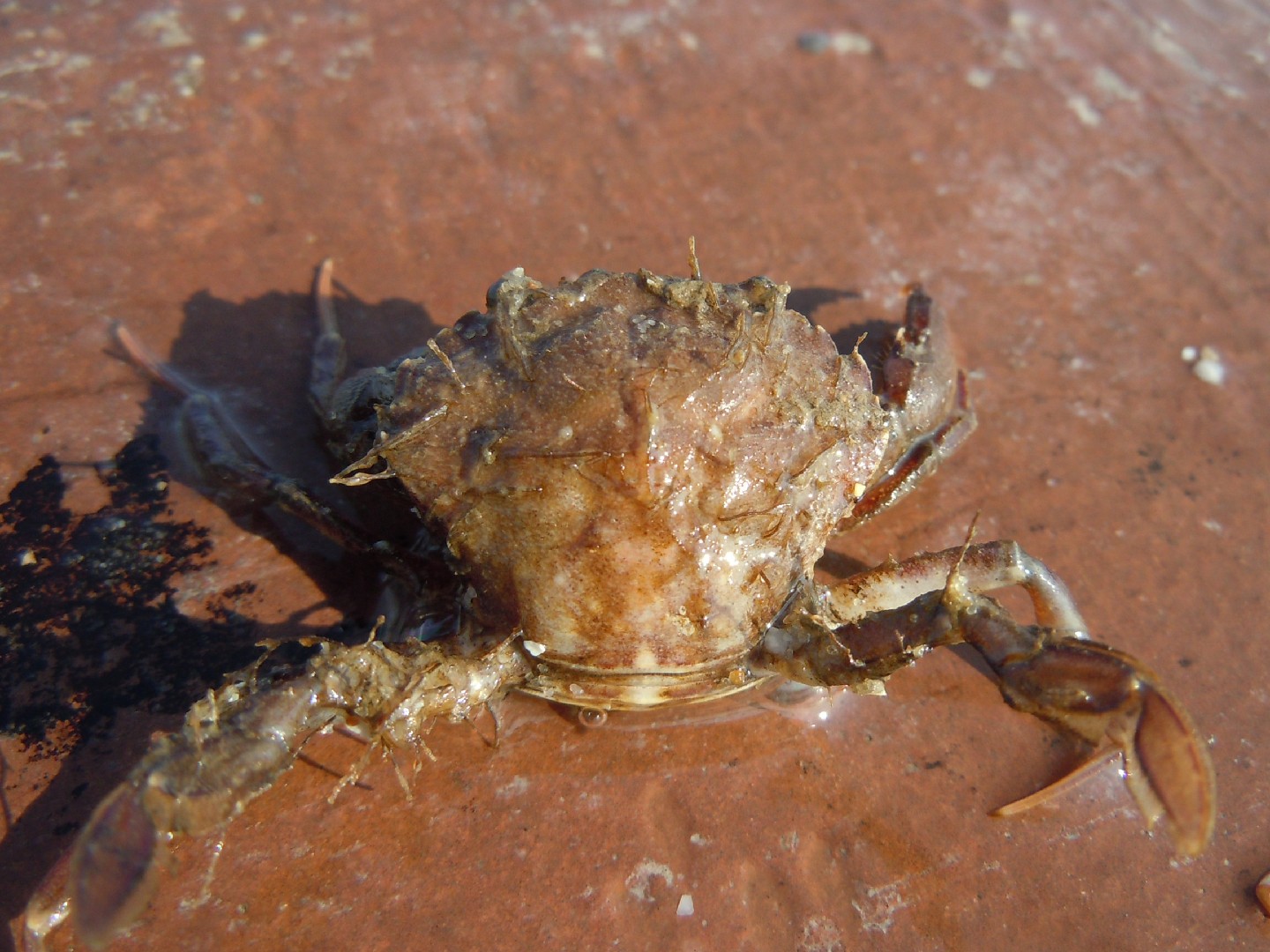
5. Mediterranean green crab
Carcinus aestuarii is a species of crab from the family of the Portunidae. The scientific name of the species was first validly published in 1847 by Nardo.
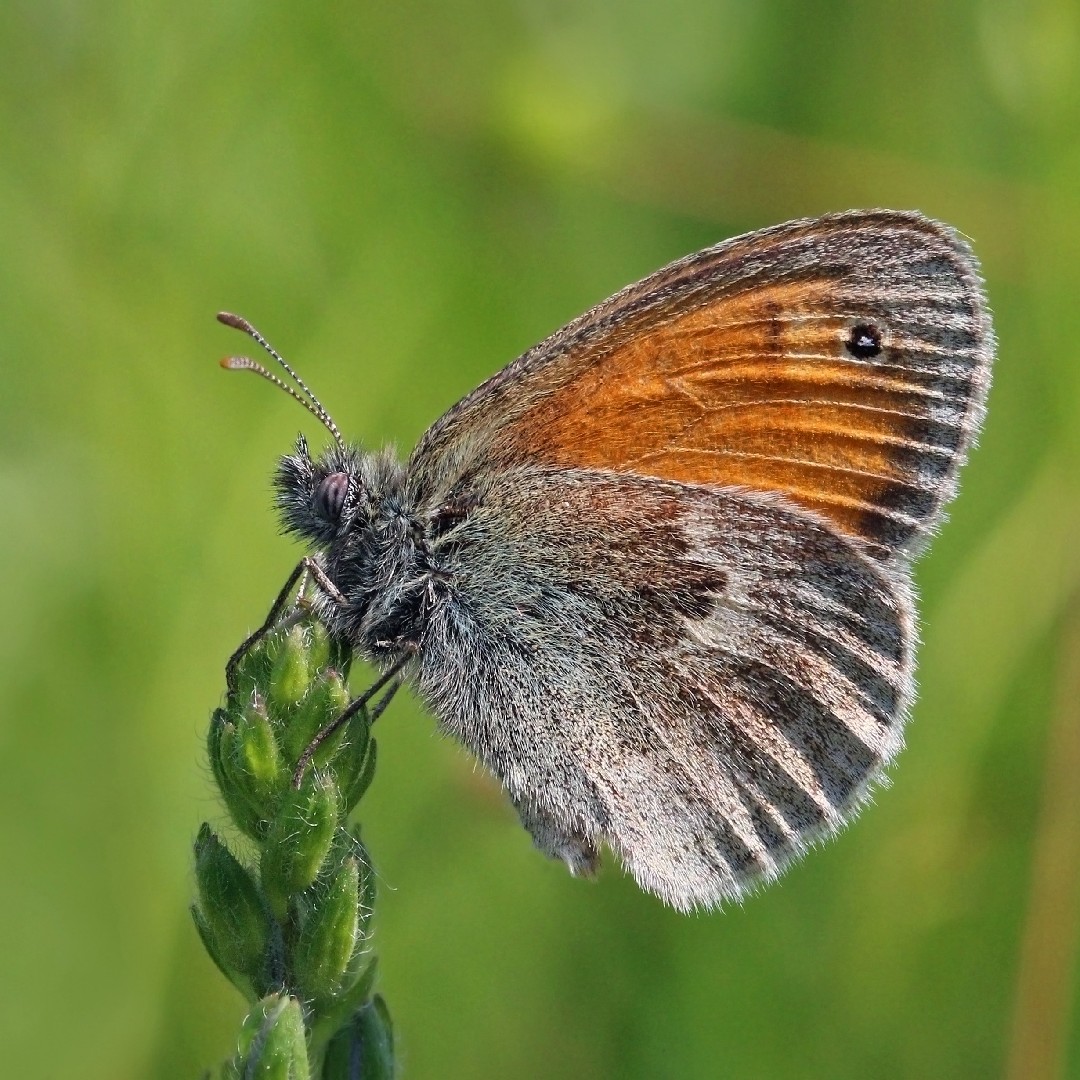
6. Small heath
It rests with closed wings when not in flight.
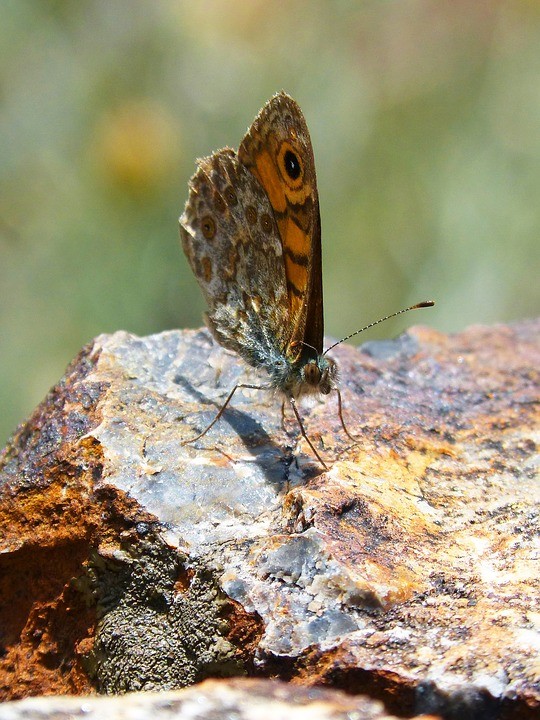
7. Wall brown
P. megera L. [— xiphie Boisd. pt (45d). Above reddish yellow, with a black mark which traverses the distal band from the cell of the forewing to the abdominal margin of the hindwing, short black stripes crossing the disc and the cell of the forewing.
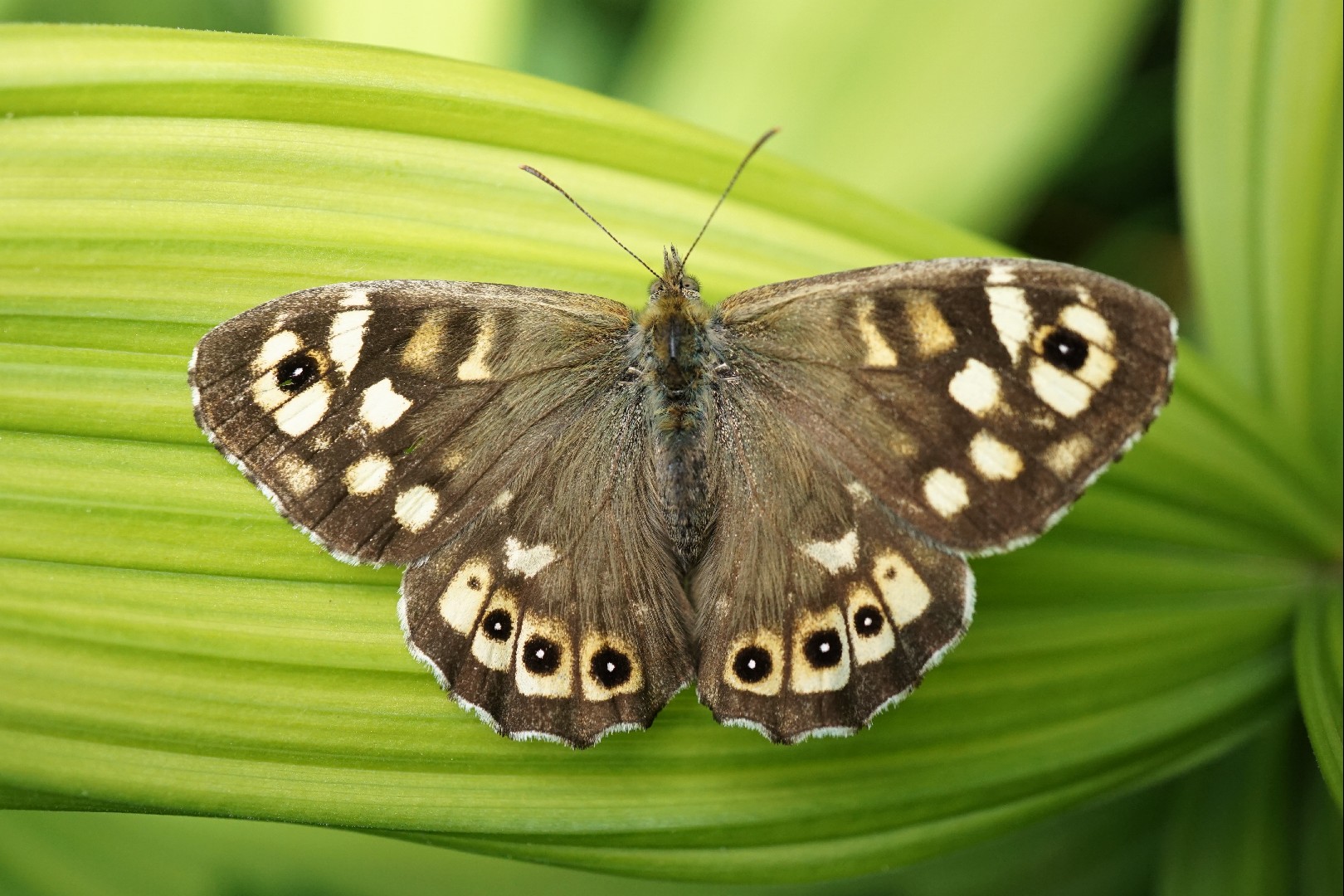
8. Speckled wood
The speckled wood (Pararge aegeria) prefers to live in damp, dark woodlands. Unlike other butterflies, it's more active in shadier habitats rather than sunny ones. Males often fight over a perch, spiraling up to the treetops until they determine a winner. These perches are where the males find passing females.

9. Banded demoiselle
This is a large damselfly with a total length of up to 1.9 in and a hindwing length of up to 1.4 in. Male and female are variable in color and pattern. The male has translucent wings which each have a broad, dark iridescent blue-black spot (or band) across the outer part. On immature dragonflies the spot is dark brown. The body can be a metallic blue or bluish green or a combination of both colours, depending on the time of year and location. The dark wing patch of the male starts at the nodus (the slight dip midway down the upper edge of the wing) but can reach up to the wing-tip in southern races.
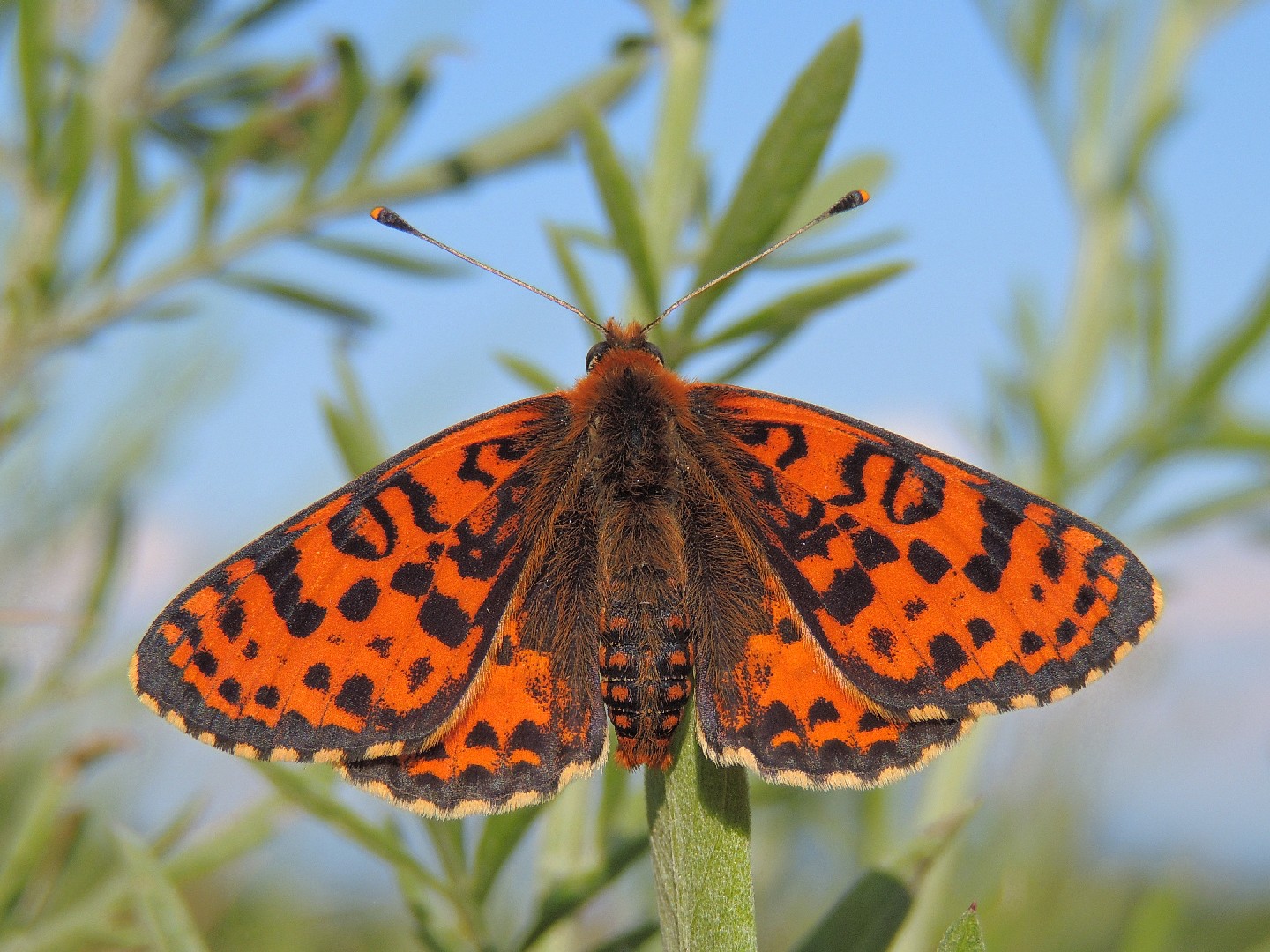
10. Spotted fritillary
Melitaea didyma is a medium-sized butterfly with a wingspan reaching 3.5 - 5 cm. The overside of the wings is a bright orange-brown with dark brown markings arranged in rows, which are quite variable in quantity and size. Sometimes the colour of the females is a duller orange, shaded with grey-green. The underside of the wings is chequered pale yellow and pale orange. Melitaea didyma has seasonal forms and sexual dimorphism.

More







