




Top 11 Most Common Insects in Umi
Welcome to the intriguing world of insects in Umi, a land bustling with remarkable insect diversity. Geographic elements like climate, flora, and fauna heavily influence this array of insect species, each playing their unique roles as pollinators, pests, or nutrient recyclers. As we journey through our '11 most common insects in Umi', we delve into their fascinating lives and how they distinctively contribute to our lush, vivacious ecosystem.

Most Common Insects
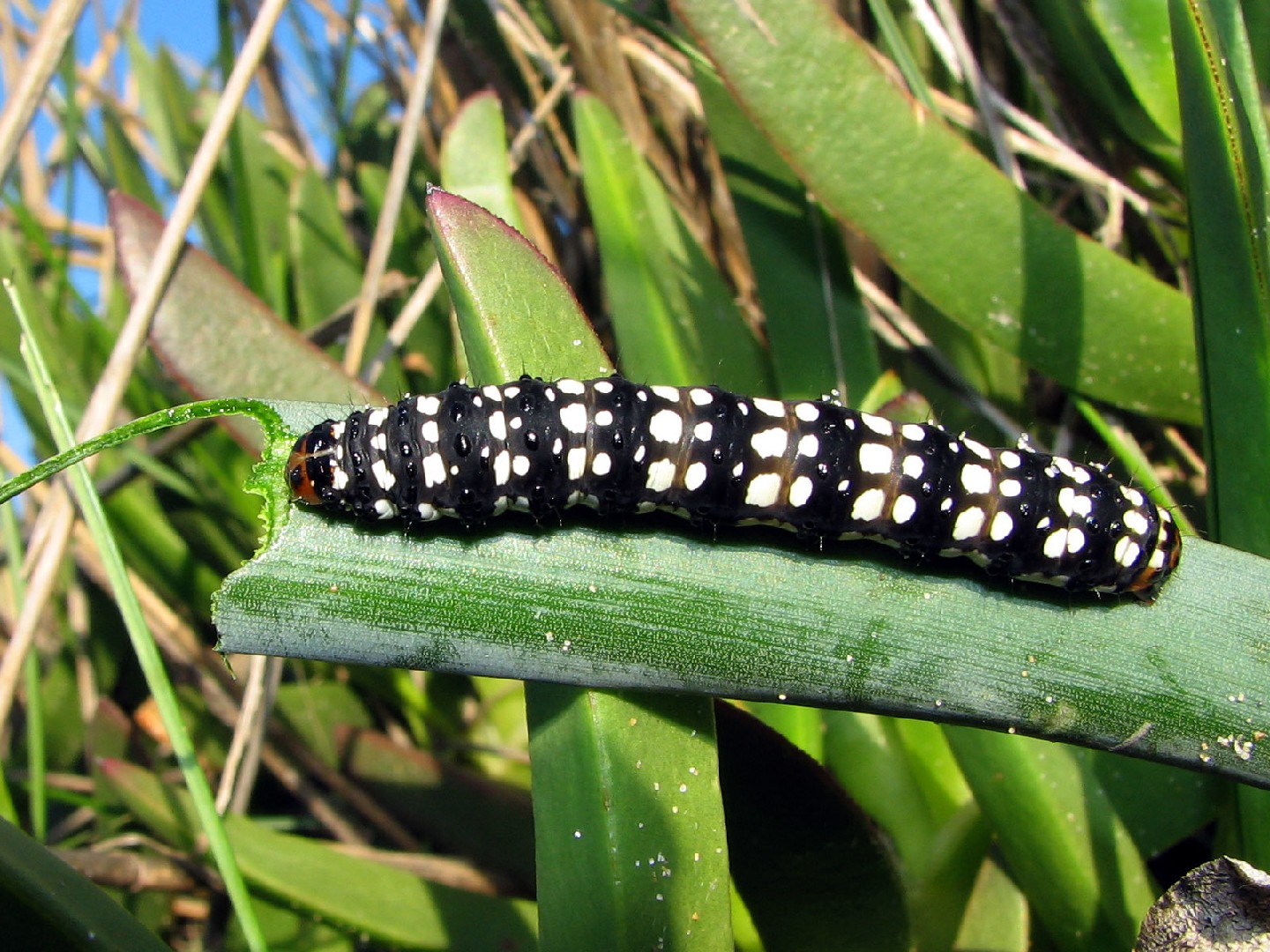
1. Lily borer
The wingspan of the moth is about 4 cm. Its head, thorax and forewings are very dark brown, but paler toward the wingtips. Sub-basal, median and postmedial indistinct waved lines are black. A curved submarginal ochreous line with ferrous colored lunuled found on each side of it. There is a marginal black lunule series. The hindwings are practically white. Tarsi bear black and white stripes. 
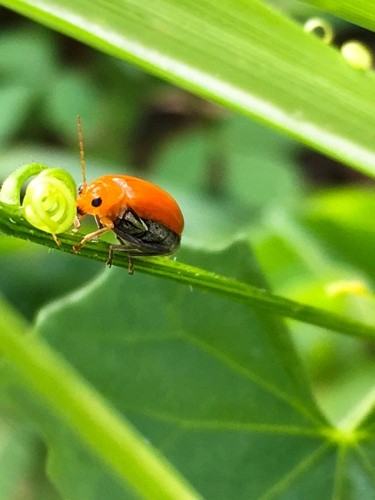
2. Cucurbit beetle
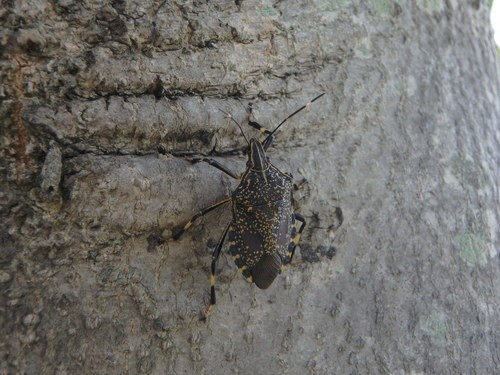
3. Yellow-spotted stink bug
The yellow-spotted stink bug has a wide distribution across Asia. In China, the insect is a pest to more than 57 plants, including fruit trees. It can damage plants and reduce crop yields. Adults overwinter in natural and manmade shelters like building crevices and underneath tree bark, emerging in the spring to feed on the tree’s new growth.
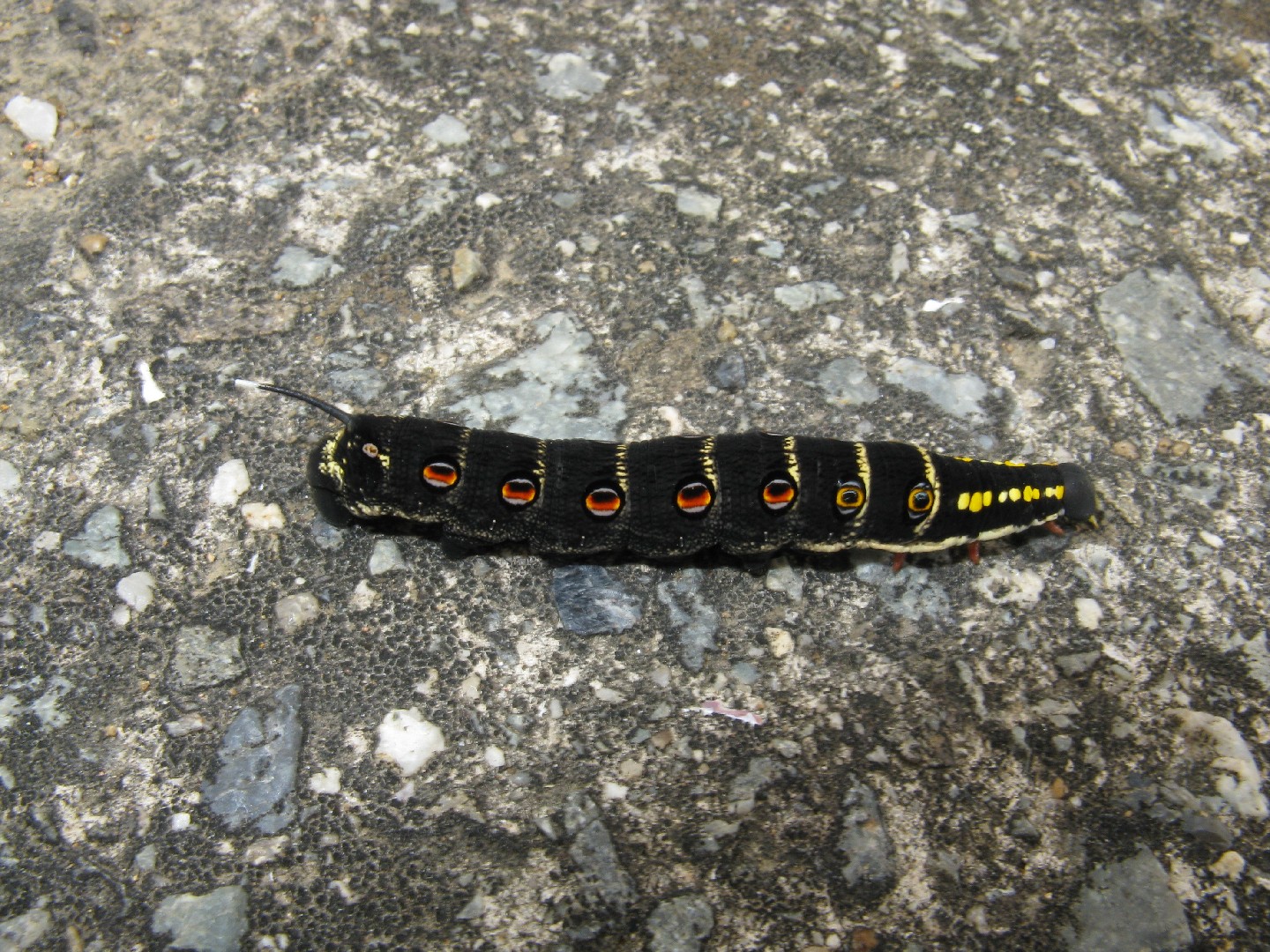
4. Impatiens hawk moth
The impatiens hawk moth can be considered a pest among commercial and residential gardeners. Both the moth and caterpillar feed on several flowering plants, including fuchsias and the Australian native violet. Adult females lay their eggs on the plant’s foliage, ensuring the hatching larvae have a ready food source.

5. Siren
Hestina persimilis, the siren, is an East Palearctic species of siren butterfly (Apaturinae) found in western China, Simla to Assam, Orissa. The larva feeds on Celtis australis.
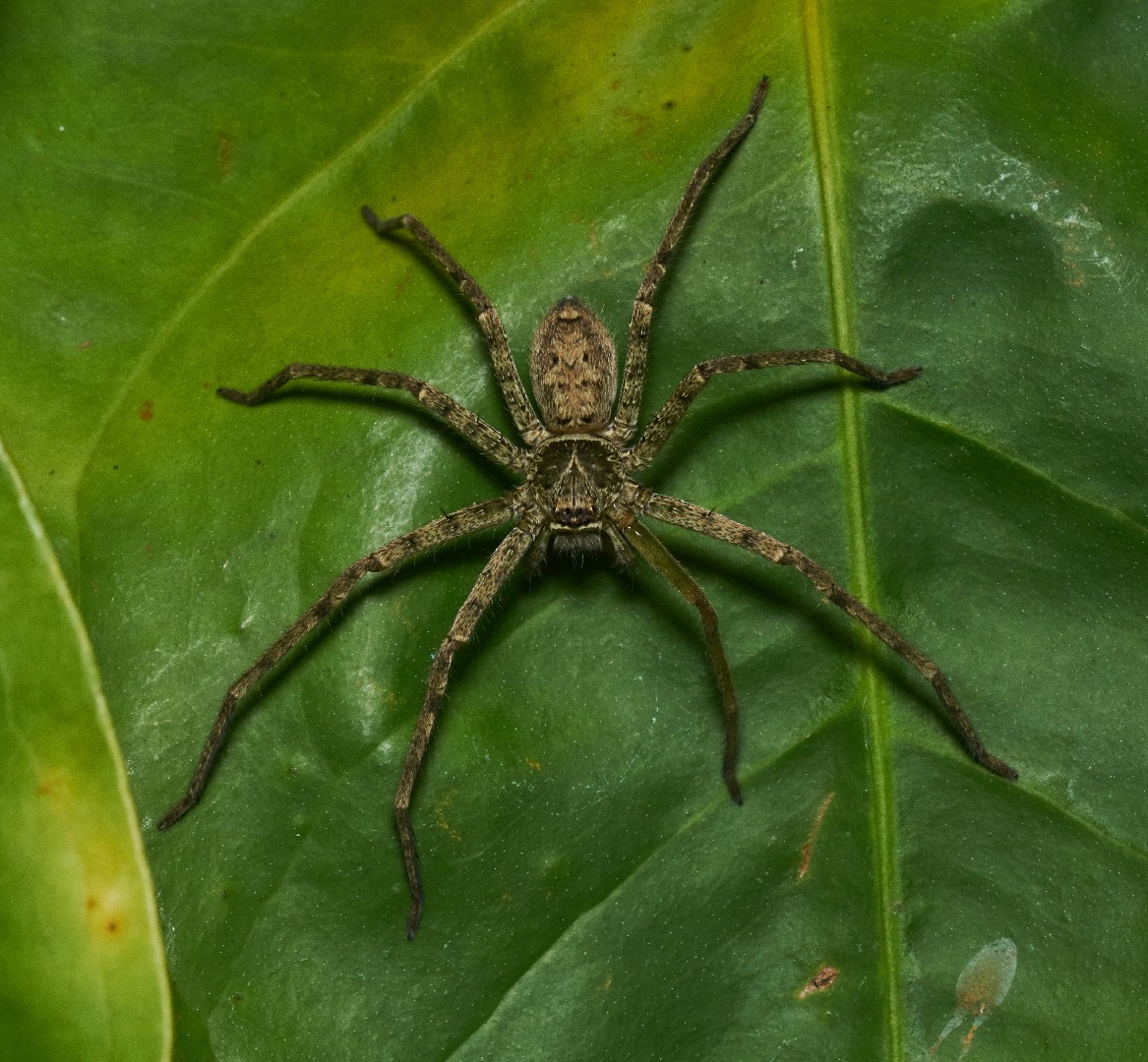
6. Giant Crab Spider
The giant Crab Spider is a large spider native to the tropics; the largest reported individual had a leg span of 30 cm. This cosmopolitan spider is highly valued in some areas, as it's able to catch cockroaches and other indoor pests. Reportedly, it hunts even scorpions and bats. This spider is venomous and sometimes bites humans, but it's considered harmless.
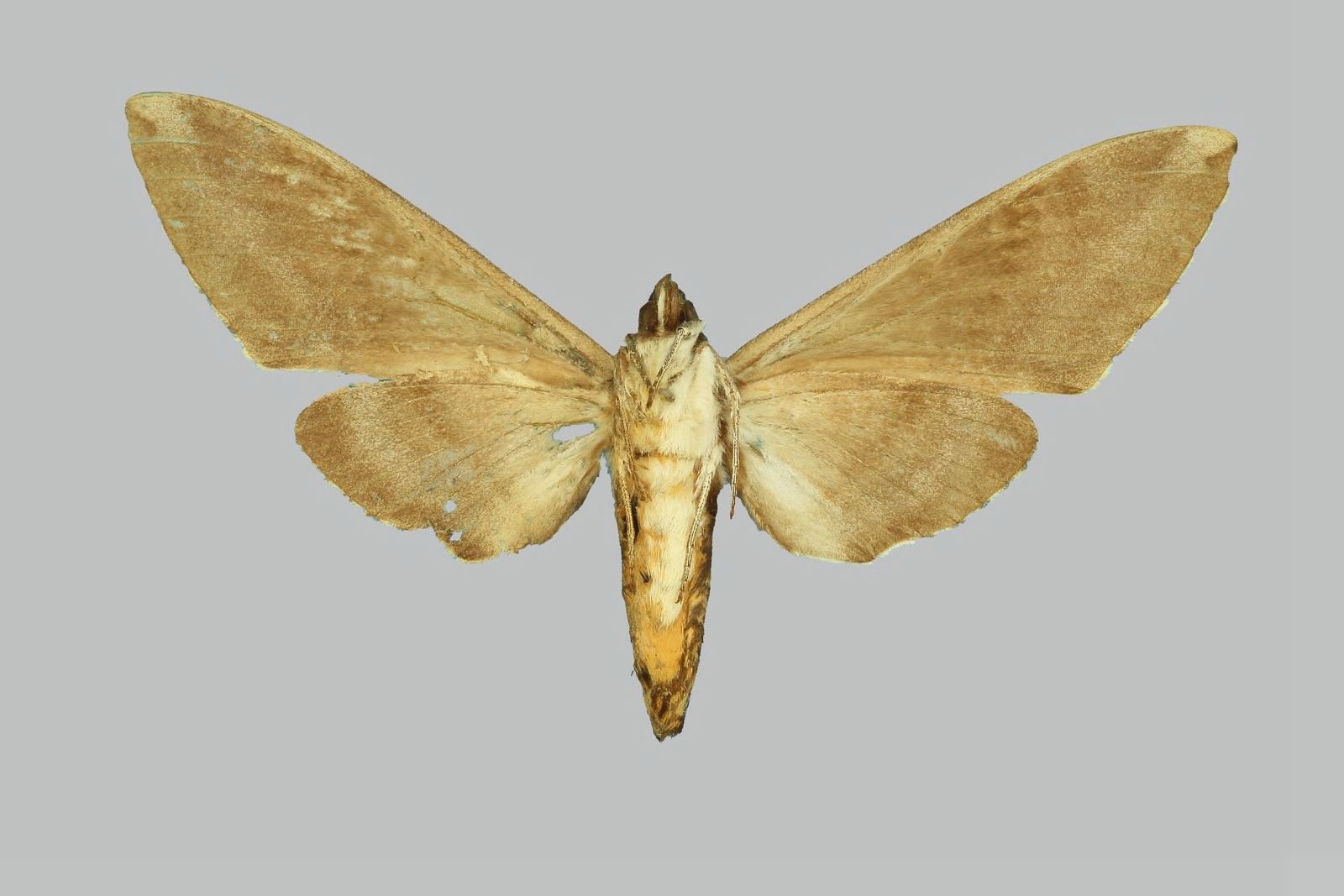
7. Notonagemia analis
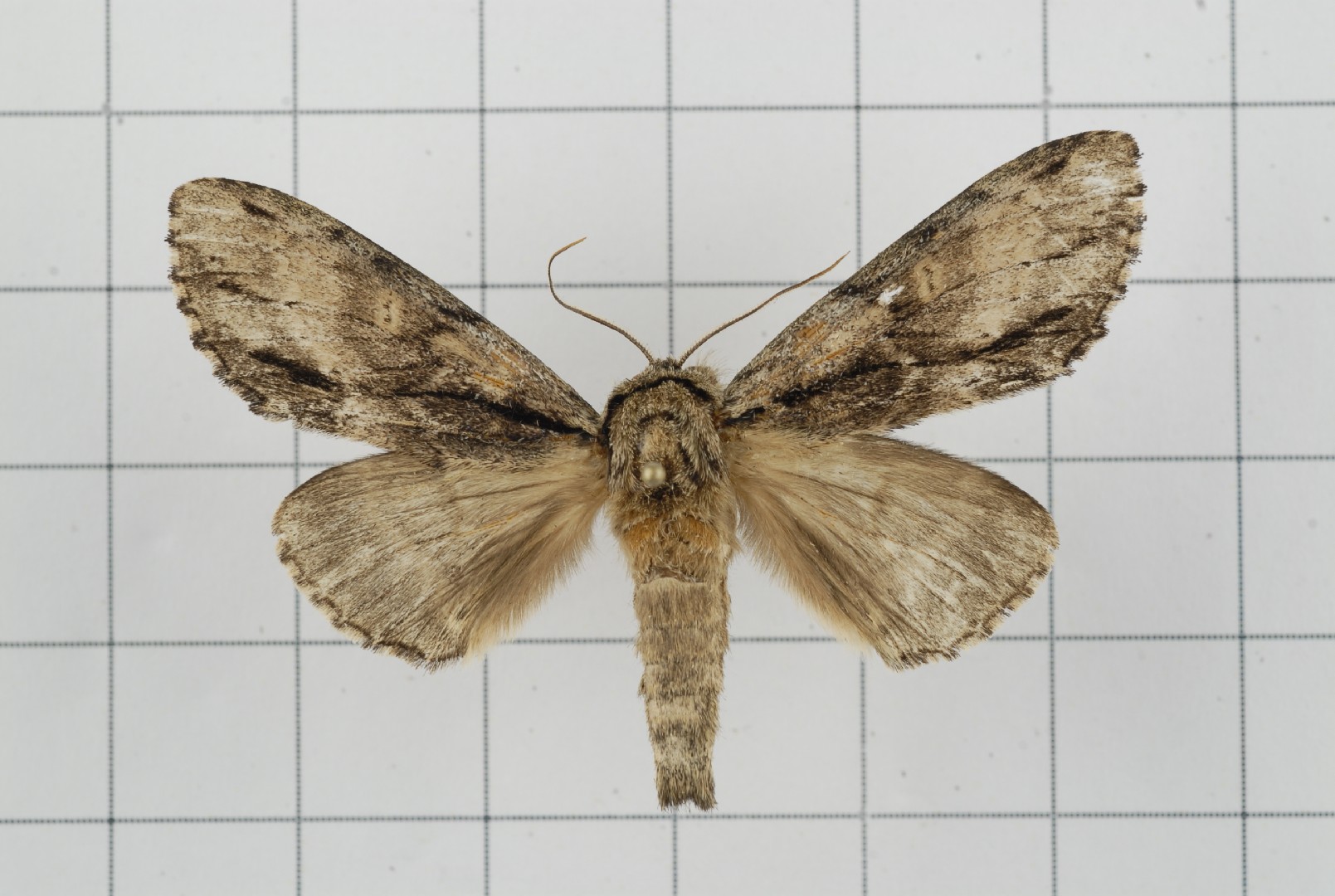
8. Shaka atrovittata
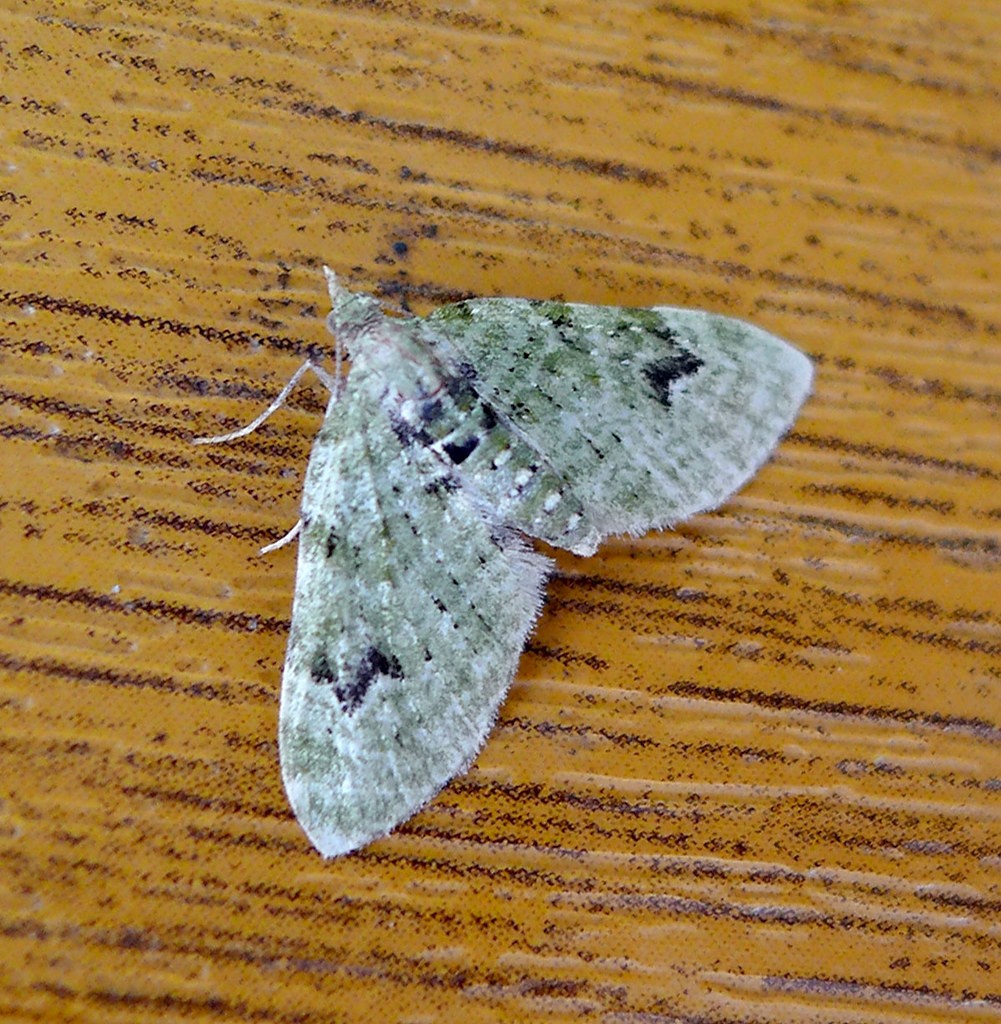
9. V-pug
The v-pug (Chloroclystis v-ata) is a moth of the family Geometridae. It is found throughout the Palearctic region, the Near East and North Africa. It is well distributed in the British Isles except for the north of Scotland. The species was first described by Adrian Hardy Haworth in 1809. The forewings of newly emerged adults are green with a characteristic V-shaped black mark which is part of a crossline. The green colouring fades over time but the markings, small size (14–19 mm) and triangular resting posture make this an easy species to identify. The hindwings are greyish white. Either one or two broods are produced each year and adults can be seen at any time between May and August. The species flies at night and is attracted to light. The green larva, usually with three reddish stripes, feeds on the flowers of a wide range of plants (see list below). The species overwinters as a pupa.
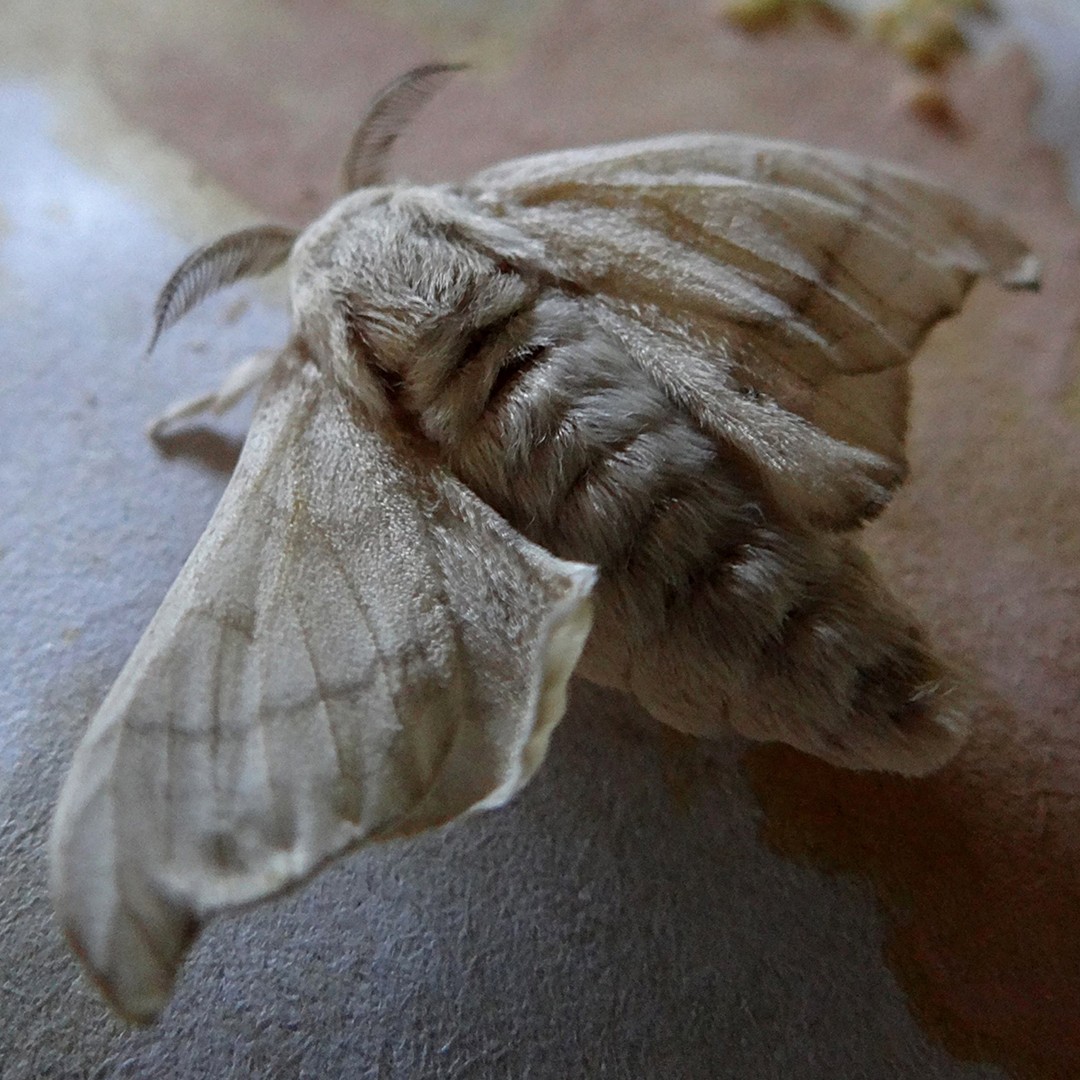
10. Silkworm
Bombyx mori, the domestic silk moth, is an insect from the moth family Bombycidae. It is the closest relative of Bombyx mandarina, the wild silk moth. The silkworm is the larva or caterpillar of a silk moth. It is an economically important insect, being a primary producer of silk. A silkworm's preferred food are white mulberry leaves, though they may eat other mulberry species and even the osage orange. Domestic silk moths are entirely dependent on humans for reproduction, as a result of millennia of selective breeding. Wild silk moths (other species of Bombyx) are not as commercially viable in the production of silk. Sericulture, the practice of breeding silkworms for the production of raw silk, has been under way for at least 5,000 years in China, whence it spread to India, Korea, Nepal, Japan, and the West. The domestic silk moth was domesticated from the wild silk moth Bombyx mandarina, which has a range from northern India to northern China, Korea, Japan, and the far eastern regions of Russia. The domestic silk moth derives from Chinese rather than Japanese or Korean stock. Silk moths were unlikely to have been domestically bred before the Neolithic Age. Before then, the tools to manufacture quantities of silk thread had not been developed. The domesticated B. mori and the wild B. mandarina can still breed and sometimes produce hybrids. Domestic silk moths are very different from most members in the genus Bombyx; not only have they lost the ability to fly, but their color pigments have also been lost.
More







