




Top 16 Most Common Insects in Sapporo
Insects, nature's tiniest architects, hold an integral position within our ecosystems. Their divergence greatly depends on the geographical diversity offered by areas like Sapporo. Particular terrains, vegetation, and climates uniquely sculpt both boons and banes of our insect kin. Whether they're pests impacting agriculture, or vital pollinators, Sapporo's insect world is a fascinating exploration on our Top 16 list.

Most Common Insects
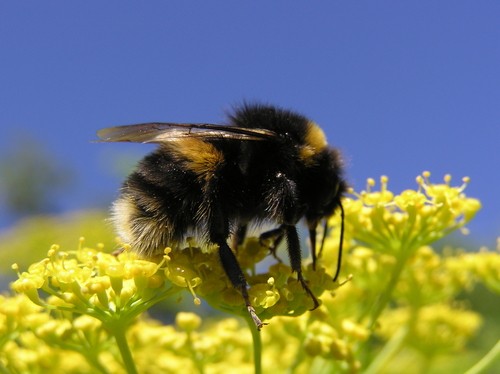
1. Buff-tailed bumble bee
A popular pollinating species in European greenhouses, buff-tailed bumble bee (Bombus terrestris) is one of the more common species of bumblebee worldwide. This species displays comparatively high levels of intelligence, recognizing flowers by color and navigating several miles (if necessary) to return to the hive. Unlike many other bee species, the queen of a buff-tailed bumble bee hive will only mate with one male.
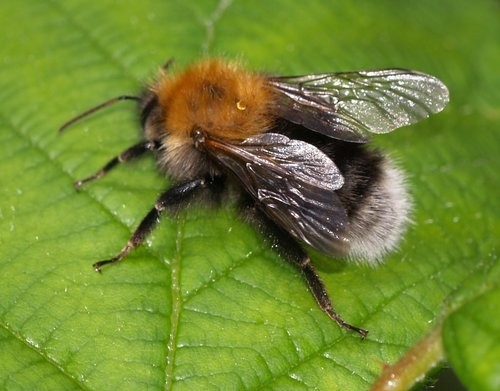
2. Tree bumble bee
The tree bumble bee (Bombus hypnorum) is otherwise known as the new garden bumblebee due to its ability to survive in uncommon environments. They like living near humans, often overtaking birdhouses for their own uses. When they aren't evicting birds from their houses they do work for the good of the colony.
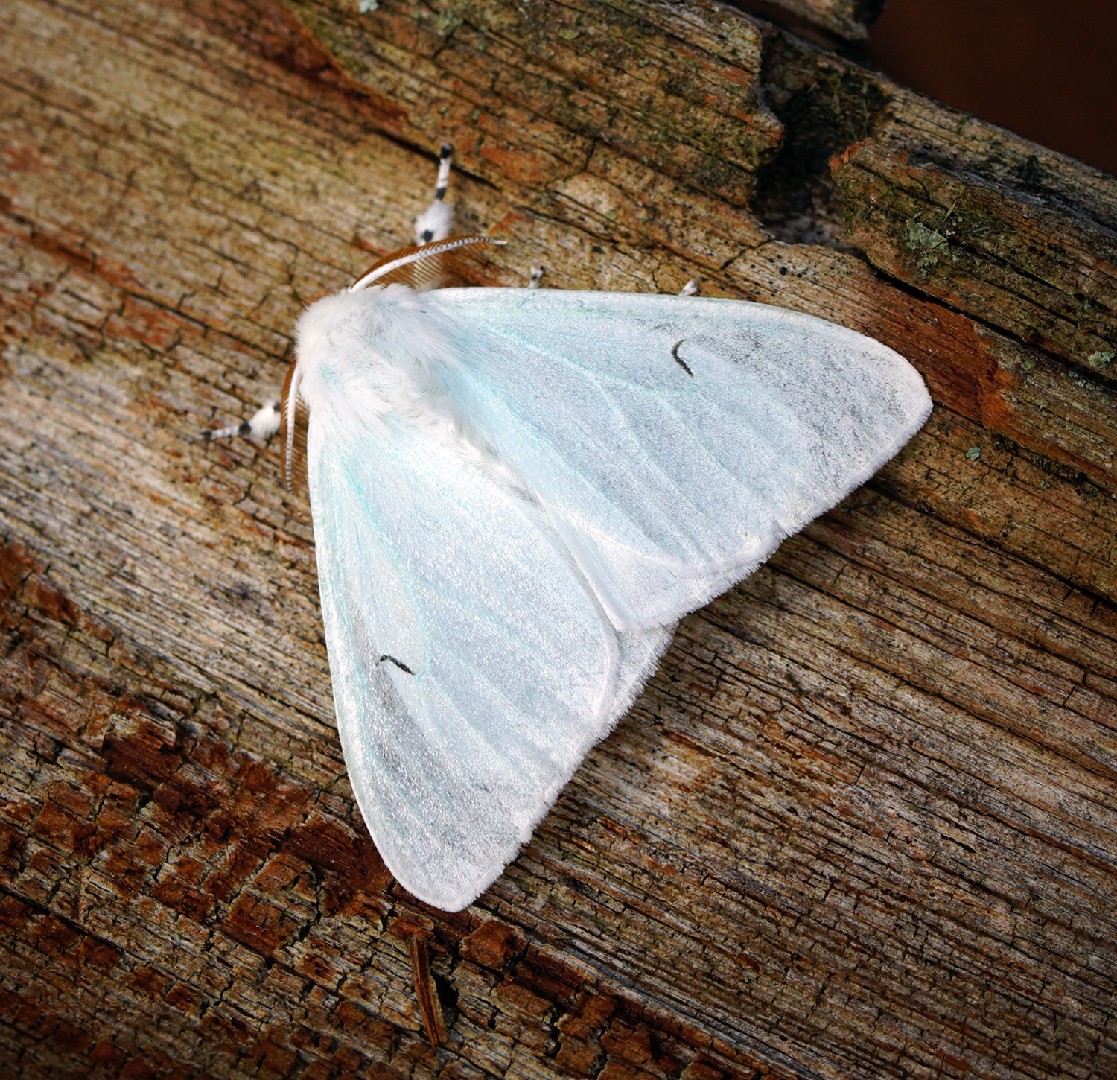
3. Black v moth
The wingspan is 3.5 - 4.5 cm. 
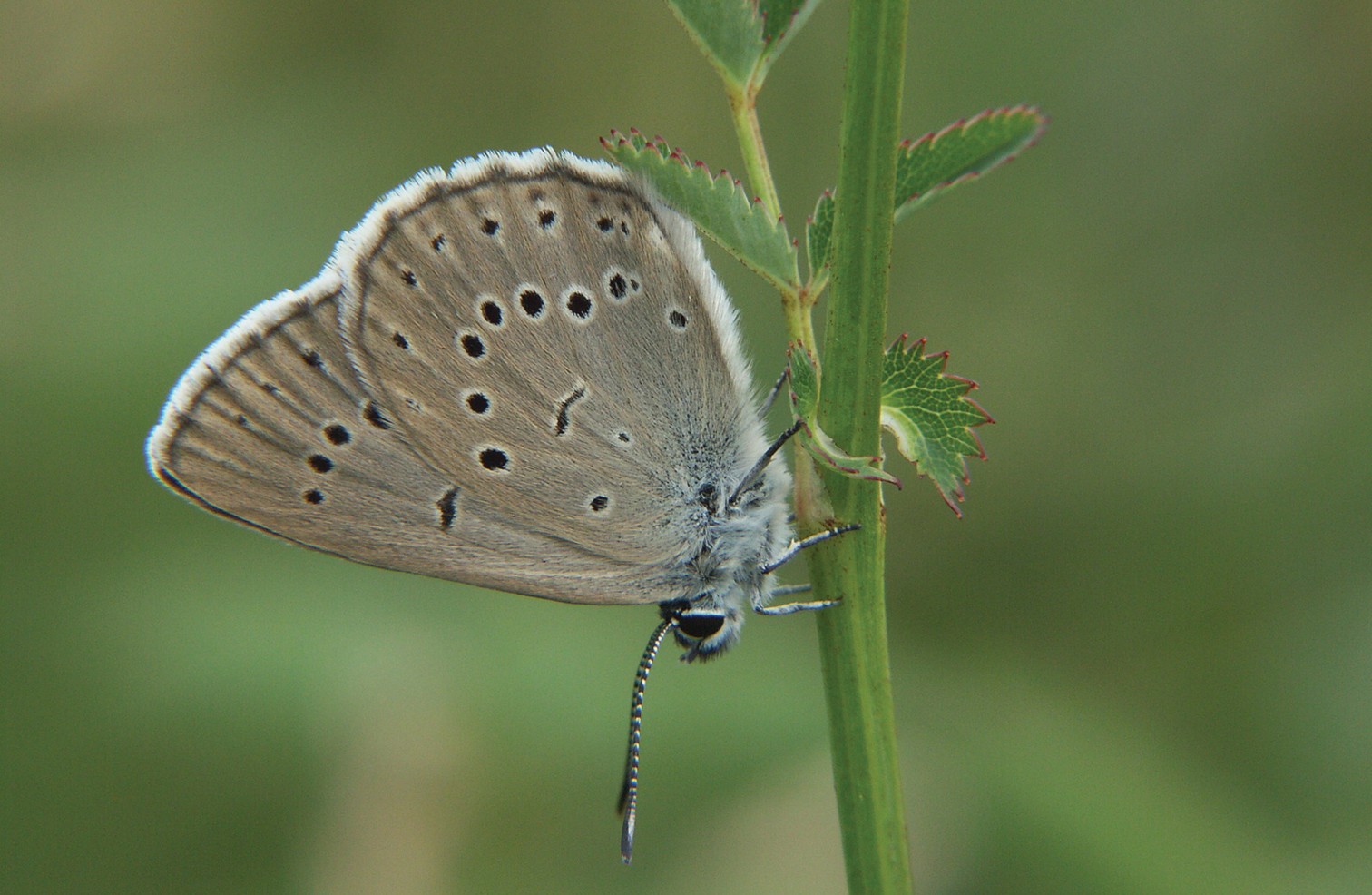
4. Scarce large blue
L. euphemus Hbn. (= diomedes Rott.) (83 a), Male above almost entirely blue, but not shining; the margins, the discocellular spot of the forewing and commonly some small spots on the disc black; female much blacker, often a little paler on the disc, this lighter area bearing rows of black spots. Underside with very numerous ocelli, which are rarely as large and conspicuous as in our figure of the underside. The species is at once distinguished from the very similar arion by the underside not bearing an ocellus in the cell proximally to the discocellular spot. Throughout Europe (with the exception of England) and the adjacent districts of Asia, from North Germany and Russia to Italy, and from Paris to Dauria. — Near the North- Western boundary there occur especially small individuals (of the size of icarus), which have but few ocelli; these are ab. paula Schultz. In ab. obsoleta Gillm. the ocelli of the hindwing are entirely absent or almost, while in ab. striata Gillm. they are modified into streaks. — obscurata Stgr. (83 b) is a strongly darkened form from Central Asia (also already in the Ural) — euphemia Stgr. (83 b) is much larger than European specimens, with a broad block border which sharply contrasts with the light blue; from Amurland. North China and Corea. — kazamoto Druce (83 b), from Japan, is above uniformly black-brown above in both sexes, without any trace of blue, and the underside is more strongly ocellate. — Egg semiglobular with the top sunk in, greenish white, laid on Sanguisorba (usually on the inflorescence). The young larva purplish brown with black head and pale segmental incissions; it bores into the heads of the plant and lives later on in the seed-pods ; it hibernates. Pupa on the ground, under stones, clods of earth, and the dead leaves of the food-plant. The butterflies are sporadic, their localities being widely dispersed. They fly in damp meadows where Sanguisorba grows, being here usually very abundant. They settle almost exclusively on Sanguisorba: when disturbed they fly mostly only as far as the nearest cluster of that plant, where they settle on a flower with the wings always closed, their flight being rather slow and flapping. In July and August.
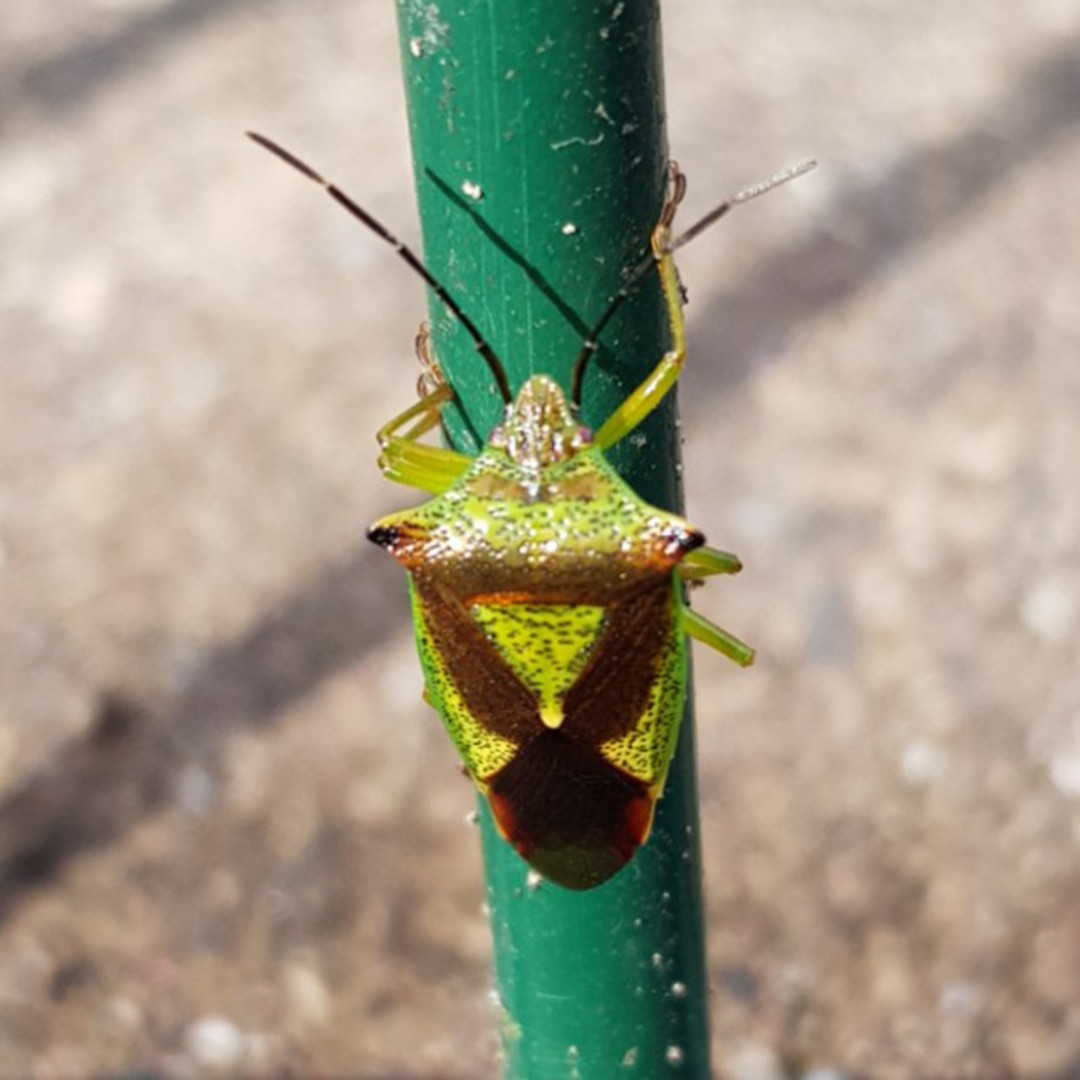
5. Hawthorn shield bug
The hawthorn shield bug (Acanthosoma haemorrhoidale) is a common European shield bug. Its chief food is haws, the fruit of the hawthorn tree, but adults can overwinter on a diet of leaves, and individuals can be found on many potential food plants, including pedunculate oak, sessile oak and whitebeam. They may grow up to 17 mm (0.67 in) long, and are camouflaged in shades of green and brown. Like many so-called "stink bugs", they may release unpleasant odours when disturbed.
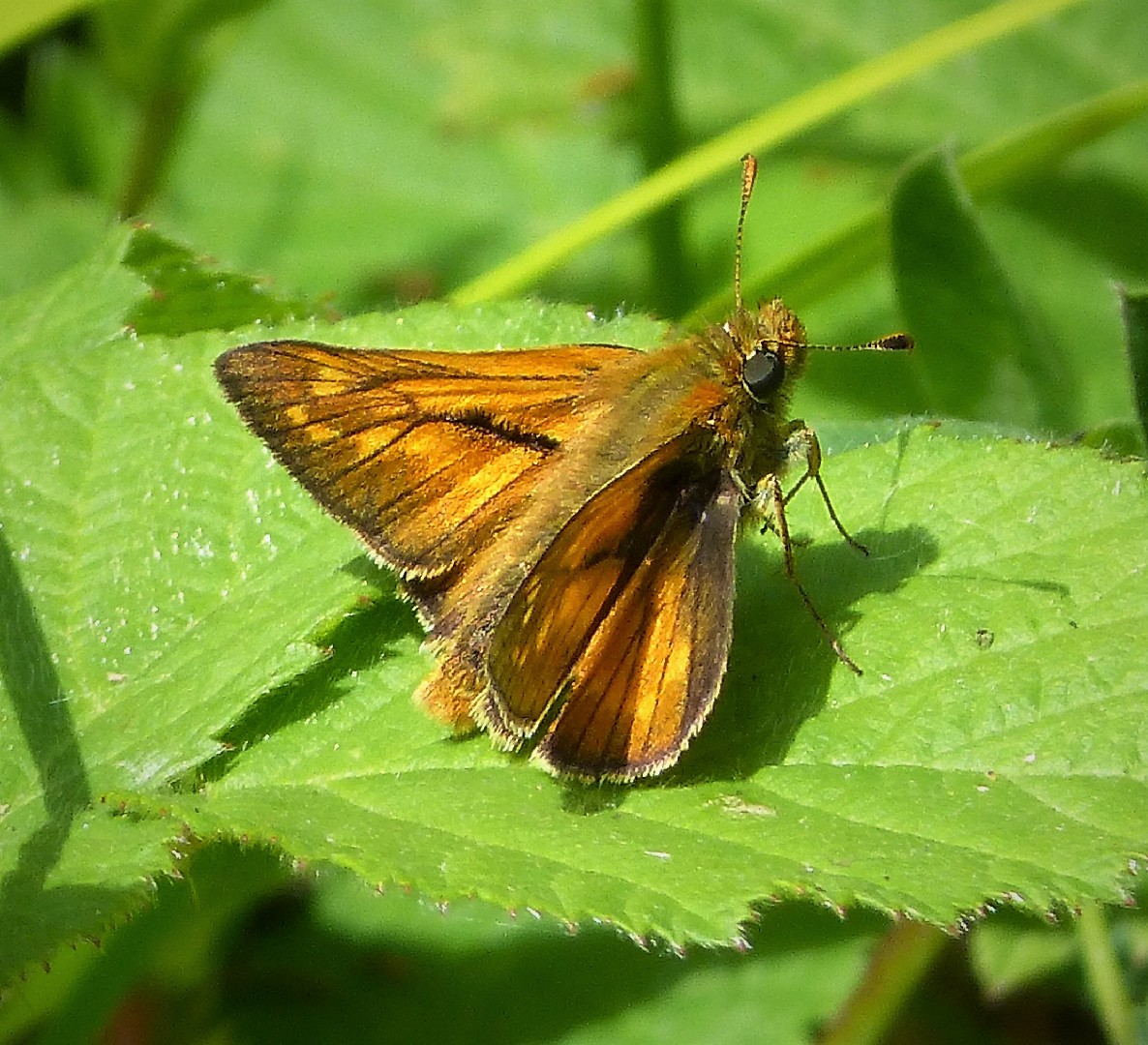
6. Ochlodes venatus
Ochlodes venatus is a skipper butterfly species in the family Hesperiidae. The name was long used for the large skipper of Europe, but it actually refers to its Far Eastern sister species and the large skipper is now called O. sylvanus. There is some dispute however about whether the large skipper should not better placed in O. venatus as a subspecies sylvanus or faunus. An ICZN Opinion in 1944 noted that the genus name Ochlodes is masculine, so the correct epithet for this species is venatus. However, many sources continue to list it as Ochlodes venata. These two skippers are possibly sympatric in China. Ochlodes venatus occurs from there eastwards to Korea and Japan.
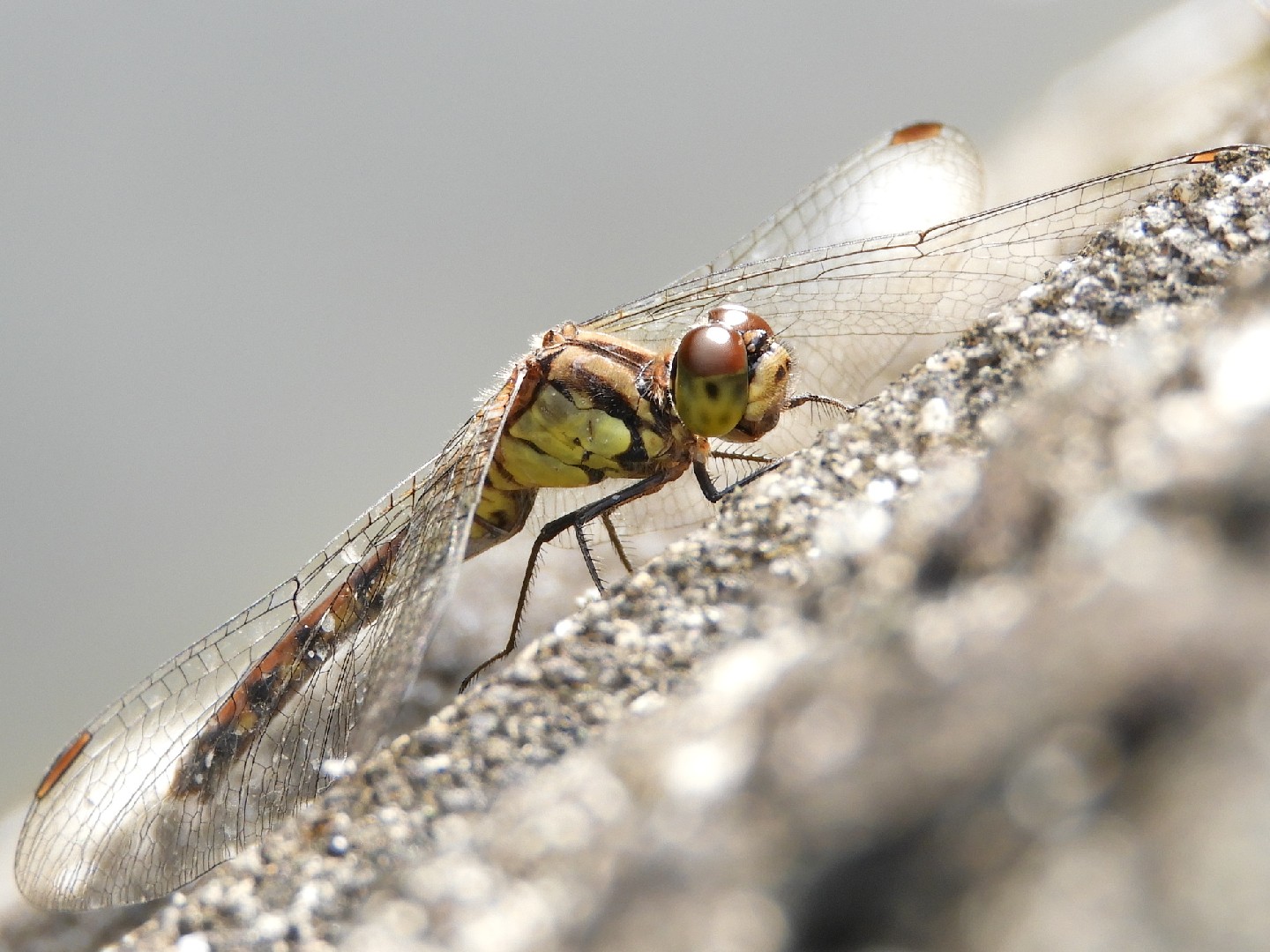
7. Foot-tipped darter
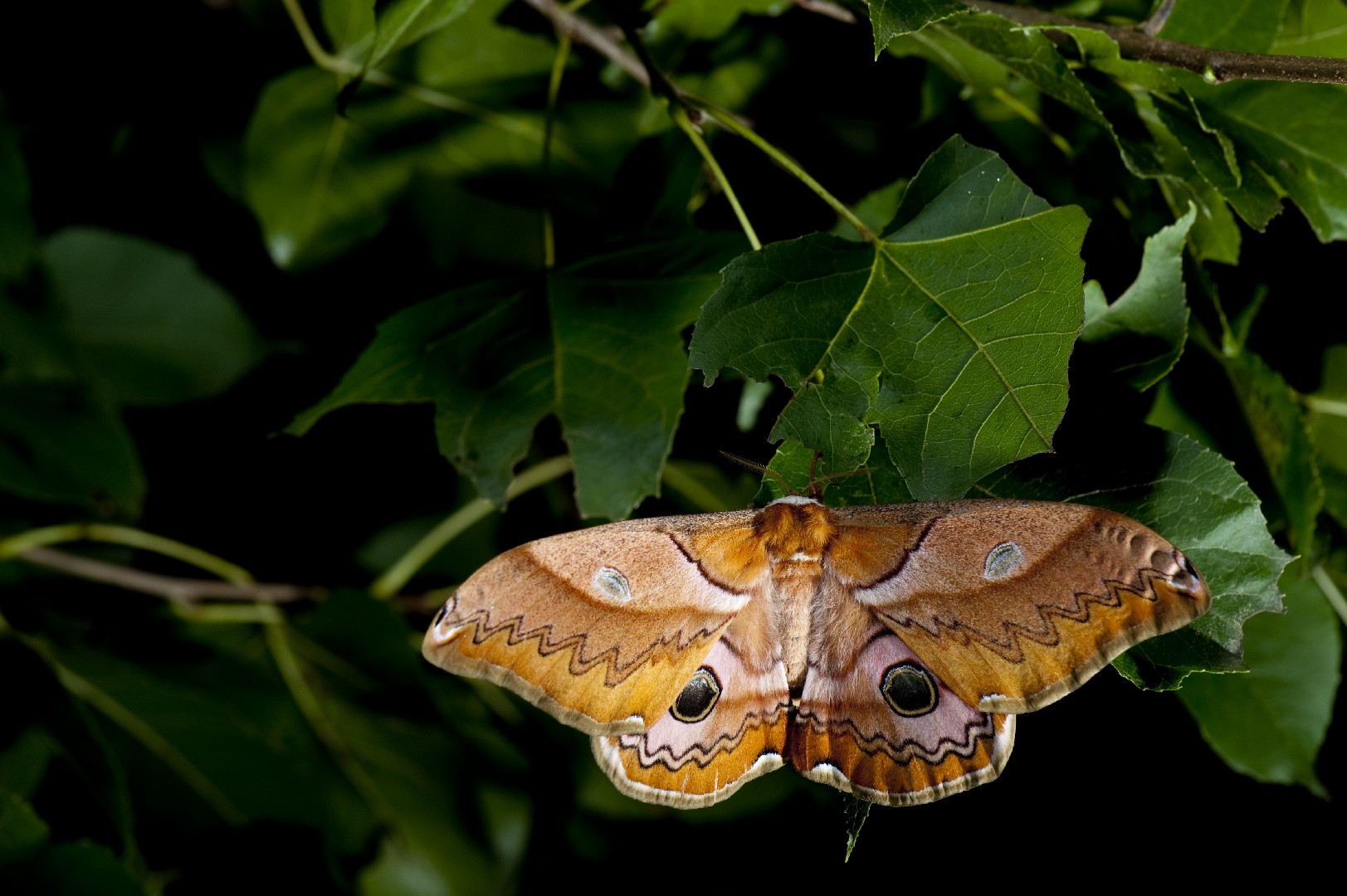
8. Caligula japonica
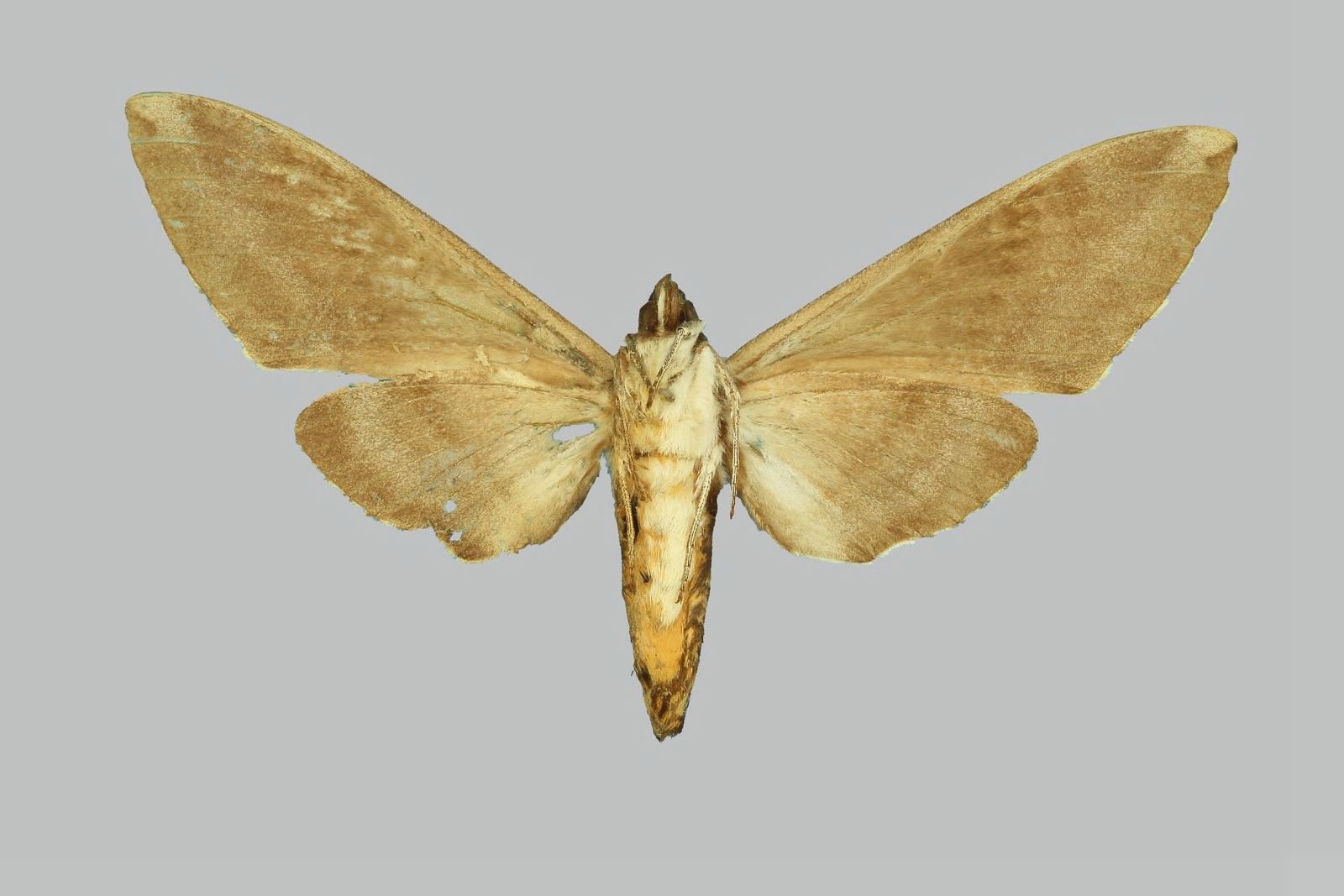
Caligula japonica, the Japanese giant silkworm, is a moth of the family Saturniidae. It was described by Frederic Moore in 1872. It is found in eastern Asia, including China, Korea, Japan and Russia. The larvae feed on various plants, including Salix, Fagus, Quercus and Juglans.
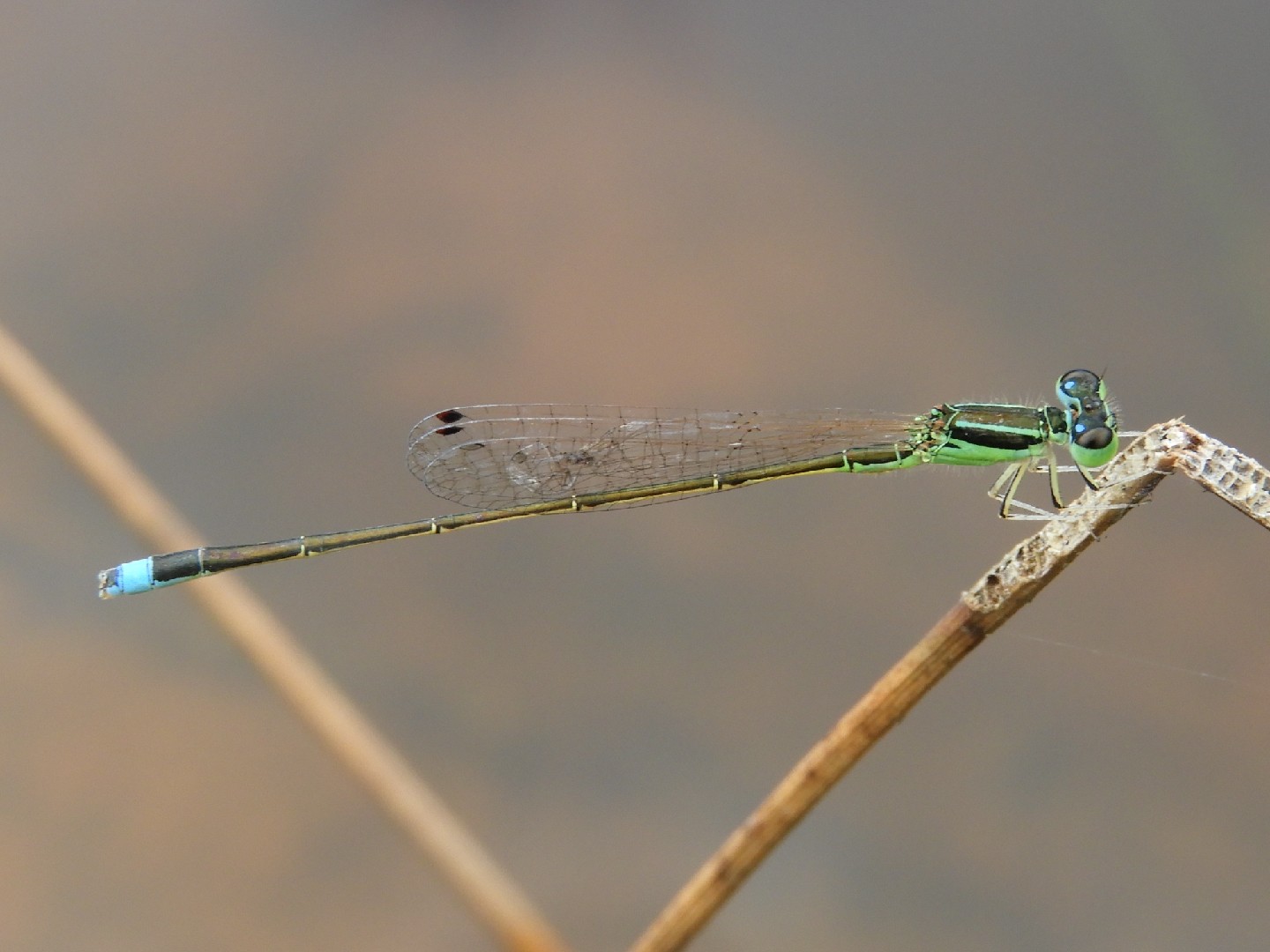
9. Asian bluetail
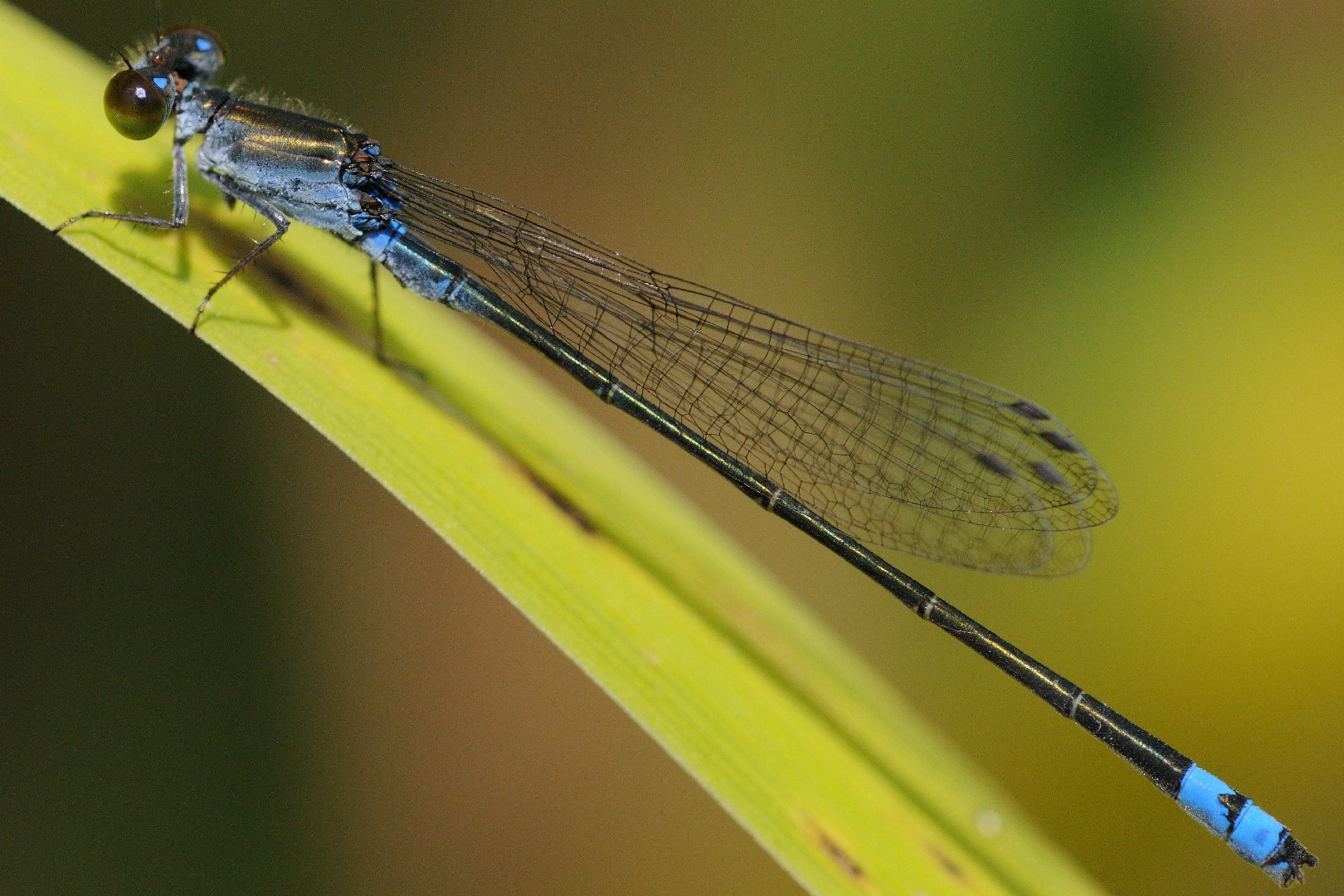
The scientific name of the species was first validly published in 1865 by Brauer.
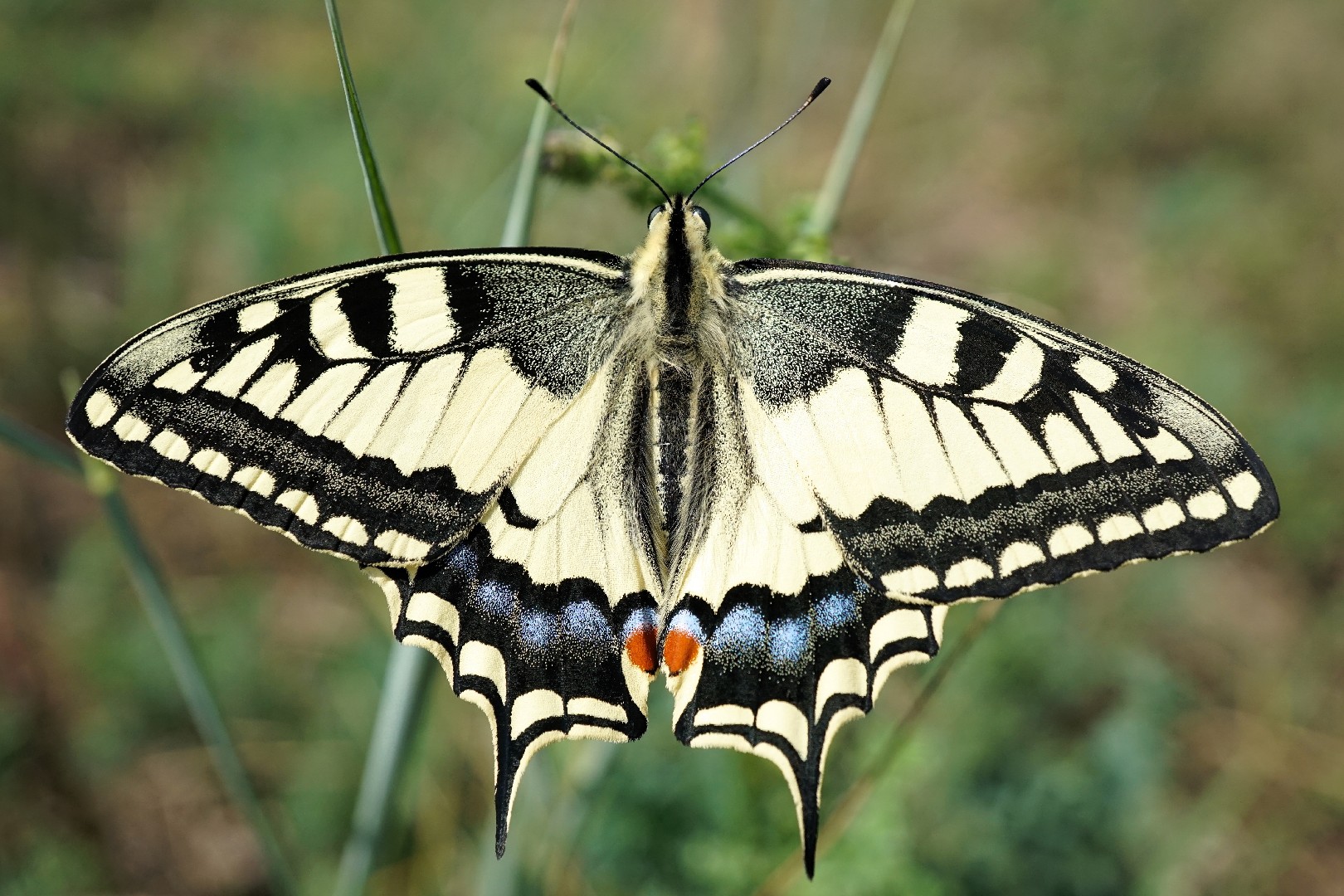
10. Old World swallowtail
The old World swallowtail (Papilio machaon) is commonly just called the "swallowtail," giving it the added title of "old world" to distinguish it and remind us that it comes from the "old world" (Asia, Africa, Europe). The upper side of them is a beautiful combination of pure white with black striping, the underside being a brownish version of the same thing. There is blue and two red dots on its back side.

More







