




Top 17 Most Common Insects in Hokkaido
Insects, nature's tiniest architects, hold an integral position within our ecosystems. Their divergence greatly depends on the geographical diversity offered by areas like Hokkaido. Particular terrains, vegetation, and climates uniquely sculpt both boons and banes of our insect kin. Whether they're pests impacting agriculture, or vital pollinators, Hokkaido's insect world is a fascinating exploration on our Top 17 list.

Most Common Insects
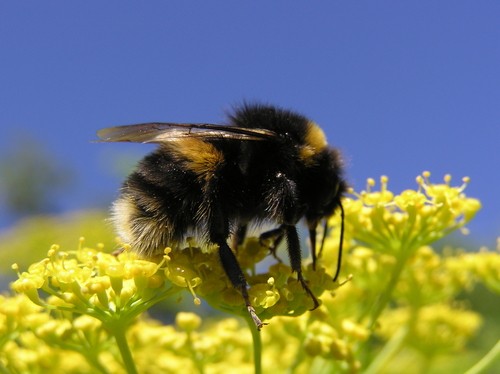
1. Buff-tailed bumble bee
A popular pollinating species in European greenhouses, buff-tailed bumble bee (Bombus terrestris) is one of the more common species of bumblebee worldwide. This species displays comparatively high levels of intelligence, recognizing flowers by color and navigating several miles (if necessary) to return to the hive. Unlike many other bee species, the queen of a buff-tailed bumble bee hive will only mate with one male.
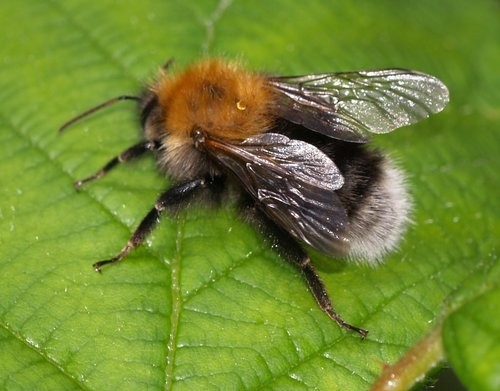
2. Tree bumble bee
The tree bumble bee (Bombus hypnorum) is otherwise known as the new garden bumblebee due to its ability to survive in uncommon environments. They like living near humans, often overtaking birdhouses for their own uses. When they aren't evicting birds from their houses they do work for the good of the colony.
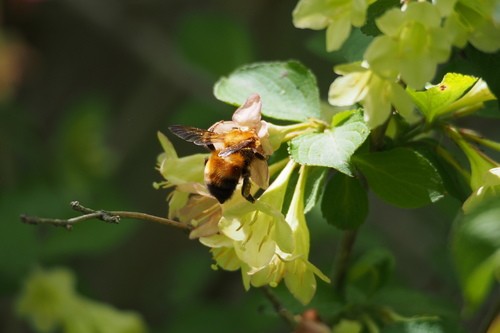
3. Diverse bumble bee
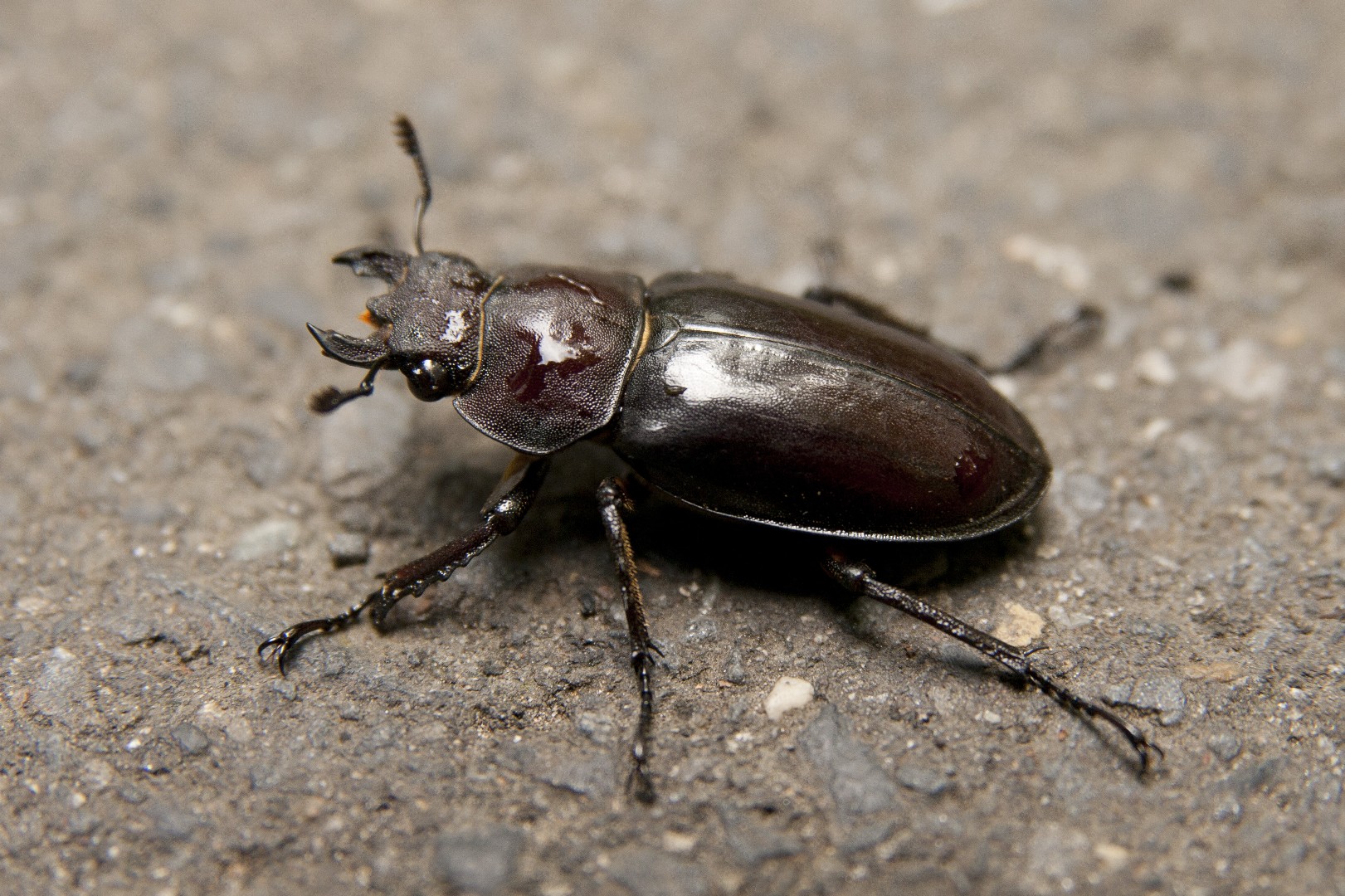
4. Miyama stag beetle
Lucanus maculifemoratus is a beetle of the Family Lucanidae. This species is known as Miyama stag beetle (Deep Mountain stag beetle) in Japan. These beetles have a light covering of golden hair on their back, mostly around the rear edges. Lucanus maculifemoratus is known from northeastern Asia, including Japan, the Korean Peninsula and Russia. 
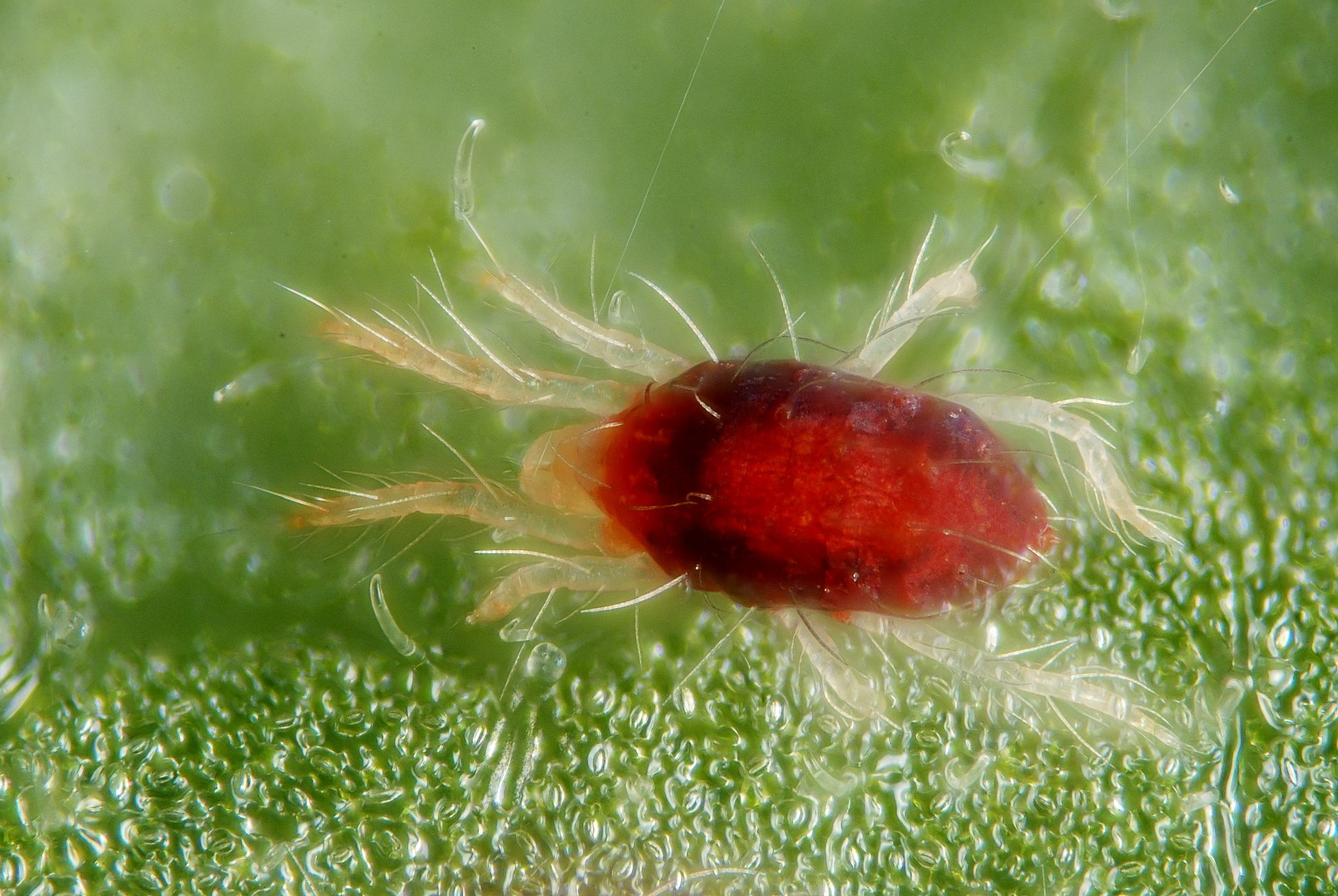
5. Two-spotted spider mite
The two-spotted spider mite is a pest insect in the United States, even in colder climates where it invades greenhouses. The insect is often found underneath plant leaves, where it uses its needle-like mouth to pierce the foliage. The insect can also damage flowers. It spins a fine web as its feeds, aiding the plant damage.
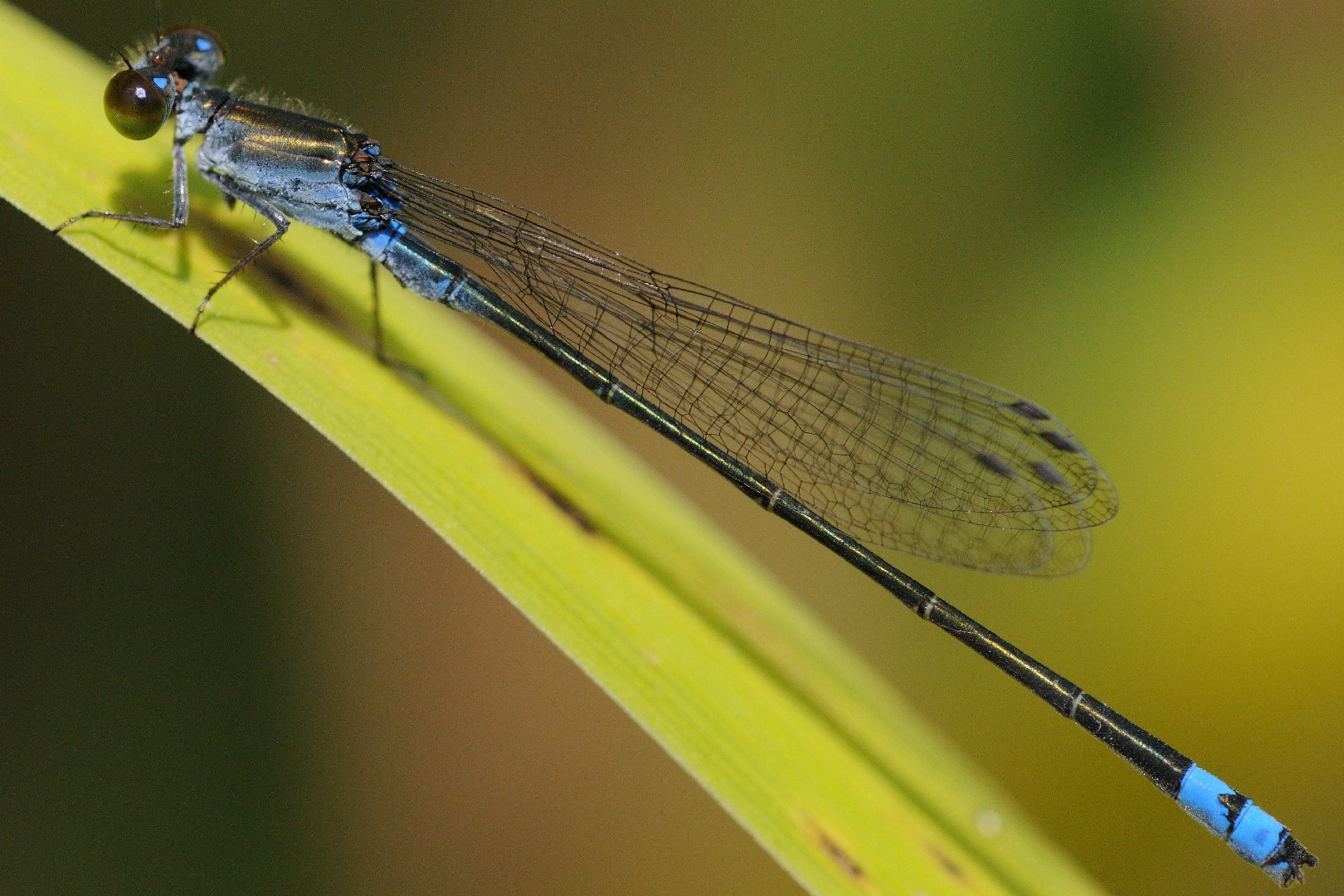
6. Dusky lilysquatter
The species is on the Red List of the IUCN as not endangered, assessment year 2009, the trend of the population is stable according to the IUCN.
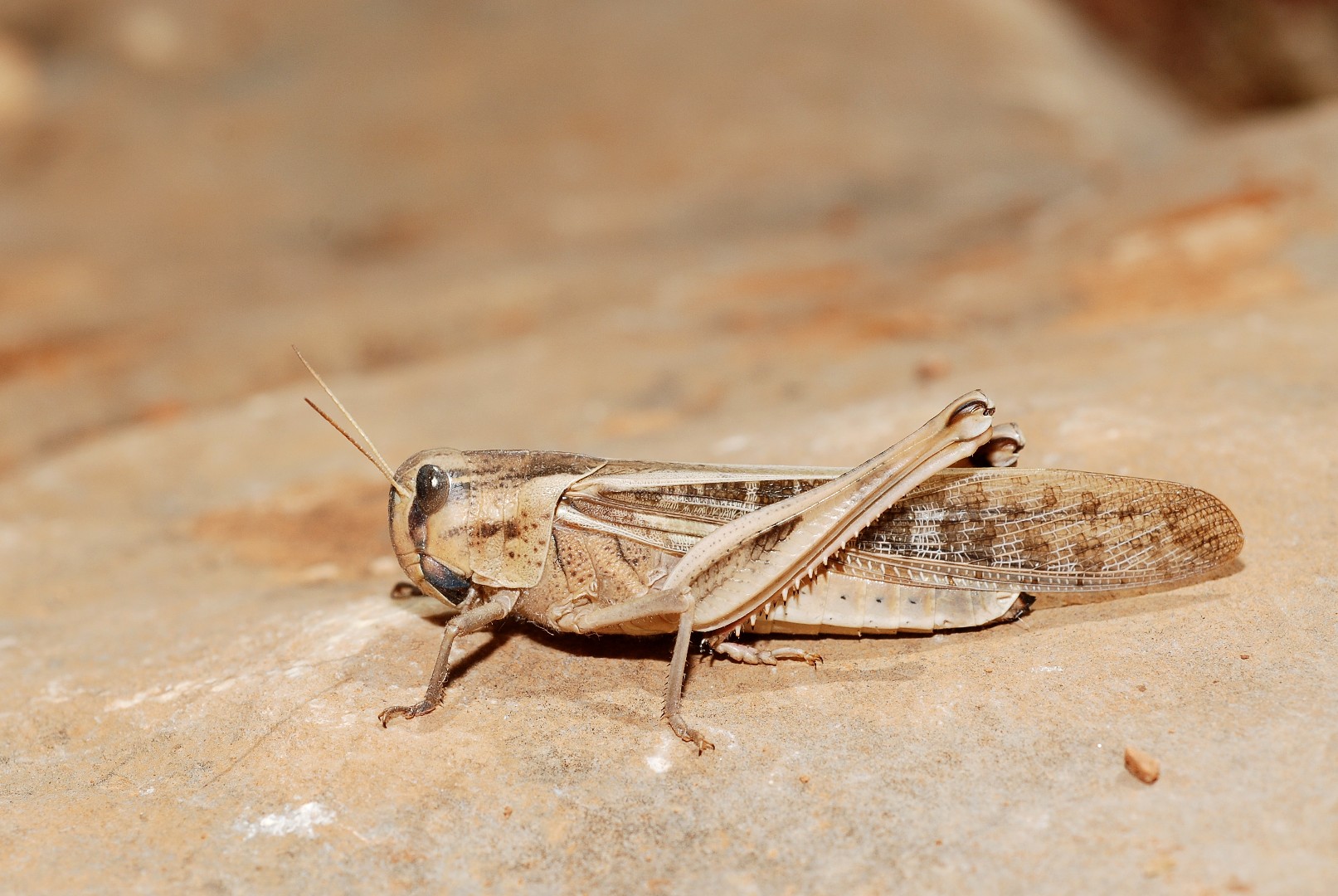
7. Migratory locust
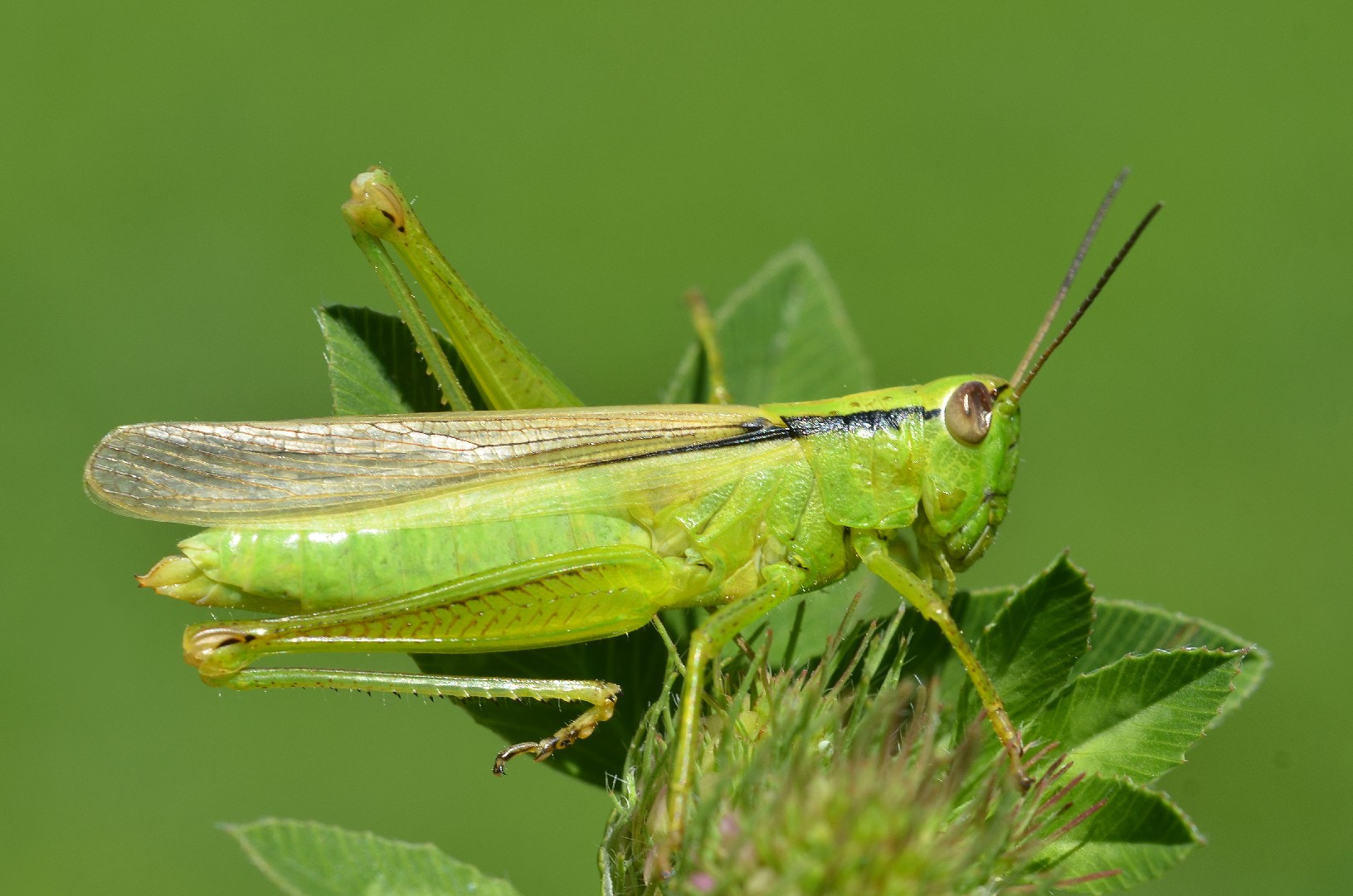
The migratory locust (Locusta migratoria) is a gray-brown grasshopper found in a wide range throughout the world. It primarily feeds on gramineous plants, rangeland flora, and economic crops. It's a minor pest when in large groups, but it rarely causes significant damage since it disappears in the winter.
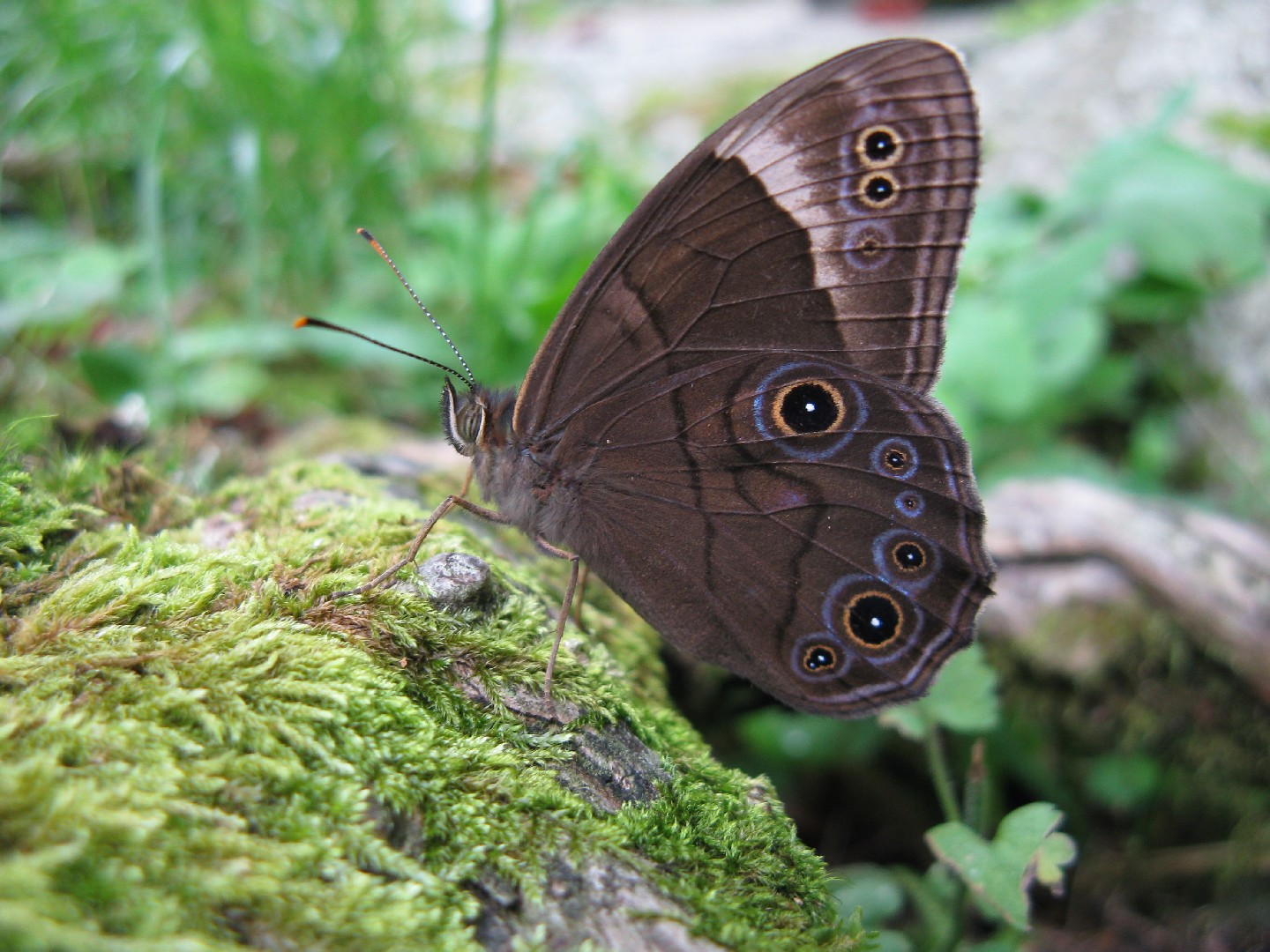
8. Diana Treebrown
The Lethe diana's wingspan ranges from 45 to 55 mm. Its forewings are dark brown, and sometimes have white belt-like patterns that are more apparent on the female. The hindwings are also dark brown with an eyespot pattern adorning the back, with about one or two small eyespots and on the forewings, and six eyespots ranging in size on the hindwing. The veins are a distinctly noticeable darker brown.
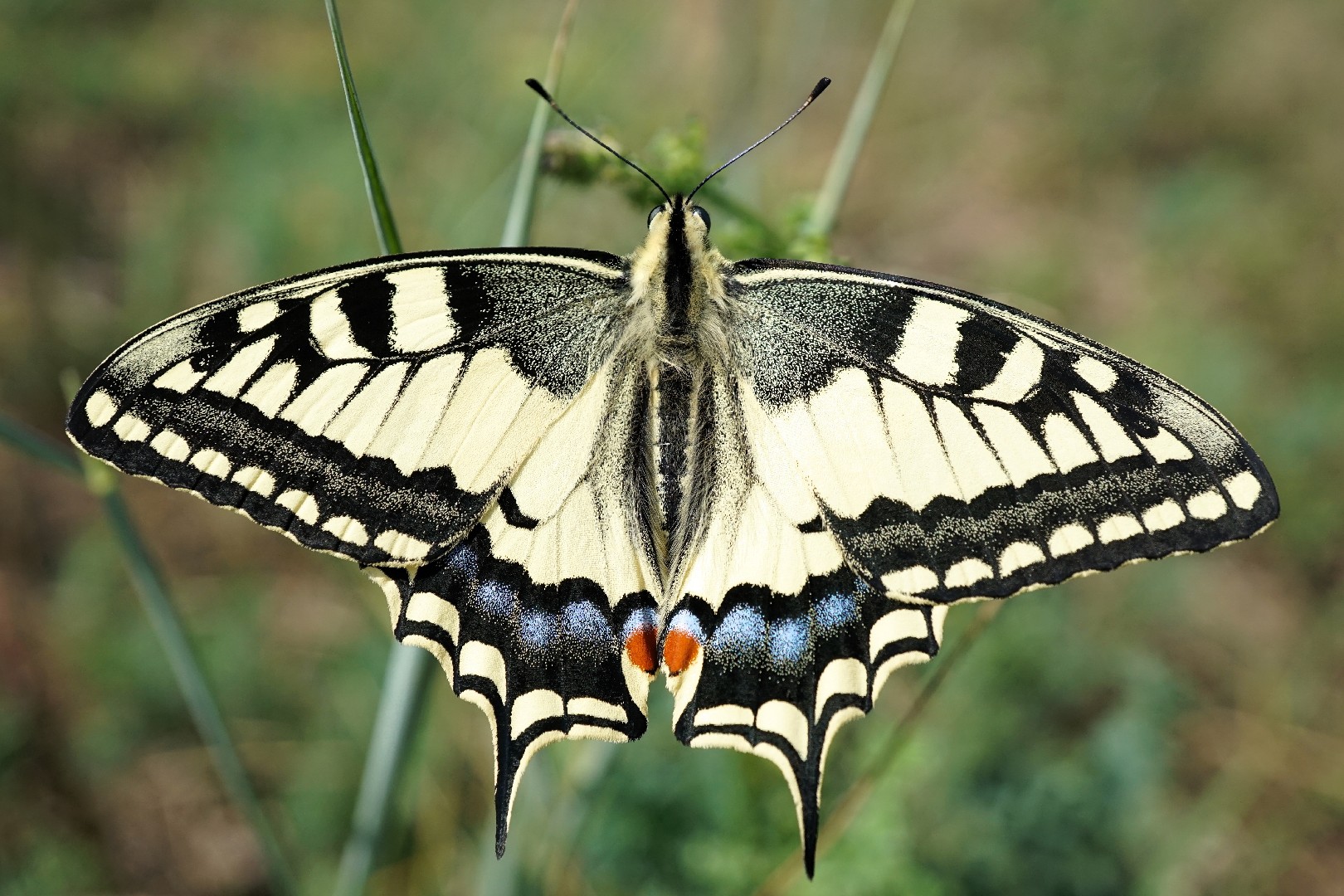
9. Old World swallowtail
The old World swallowtail (Papilio machaon) is commonly just called the "swallowtail," giving it the added title of "old world" to distinguish it and remind us that it comes from the "old world" (Asia, Africa, Europe). The upper side of them is a beautiful combination of pure white with black striping, the underside being a brownish version of the same thing. There is blue and two red dots on its back side.
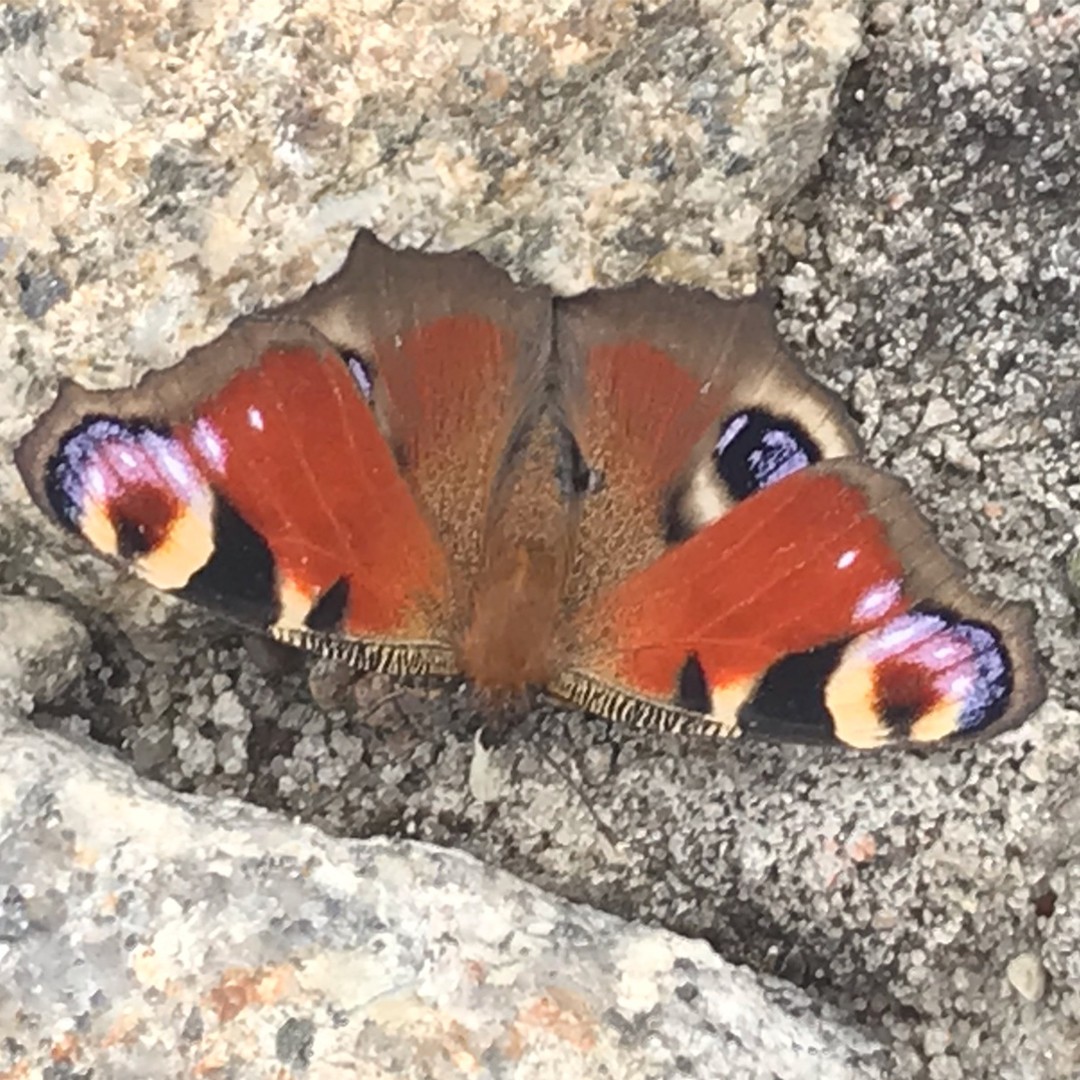
10. European peacock
European peacock (Aglais io) is a colorful butterfly that resides in temperate Asia and Europe – hence its common name. Its prominent eyespots deter would-be predators, who mistake them for the eyes of a bigger, more dangerous species. In recent years, this species appears to be expanding its range into previously uncolonized territory.

More