




Top 15 Most Common Insects in Tamba
In the dense forests and lush gardens of Tamba, a vibrant array of insects thrive. These creatures, ranging from pollinators to pests, play key roles in maintaining ecological balance. As Tamba spans from bustling cities to serene countrysides, its varied environments foster diverse insect life. Stay tuned as we dive into uncovering the top 15 most common insects gracing Tamba, each contributing uniquely to this intricate web of life.

Most Common Insects
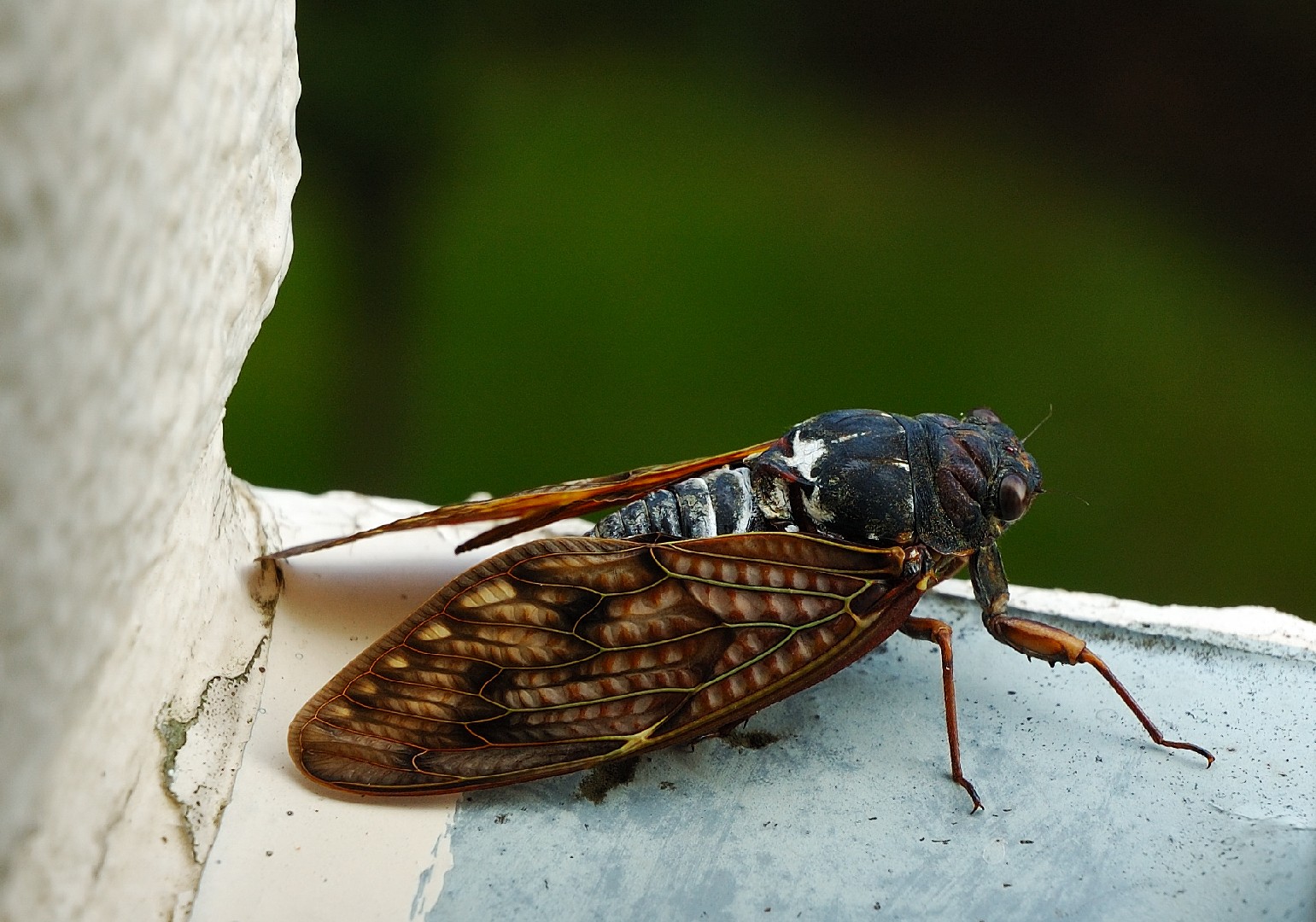
1. Large brown cicada
Large brown cicada are usually about 6 - 6 cm long, having a wingspan of roughly 8 cm. 
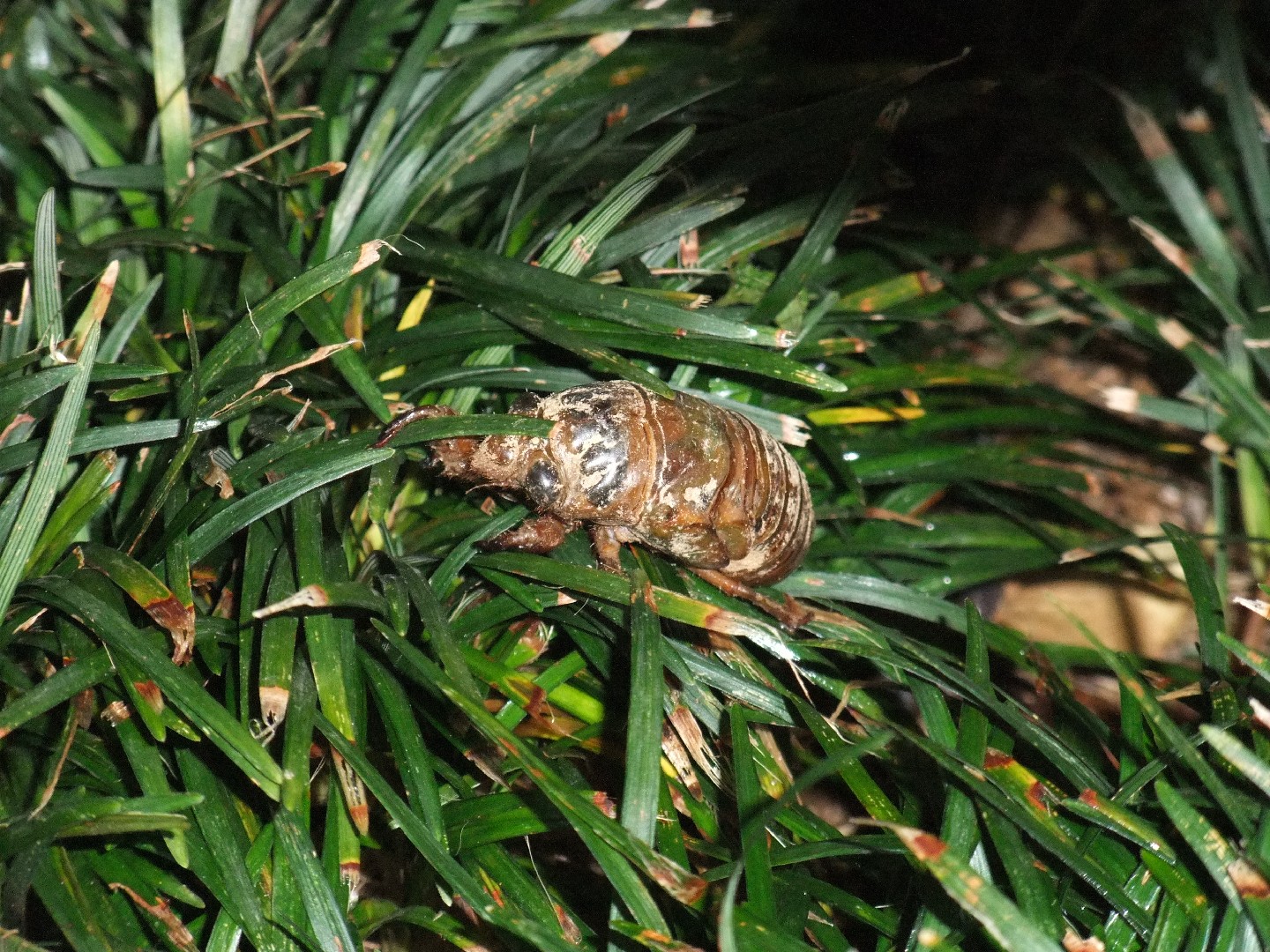
2. Black giant cicada
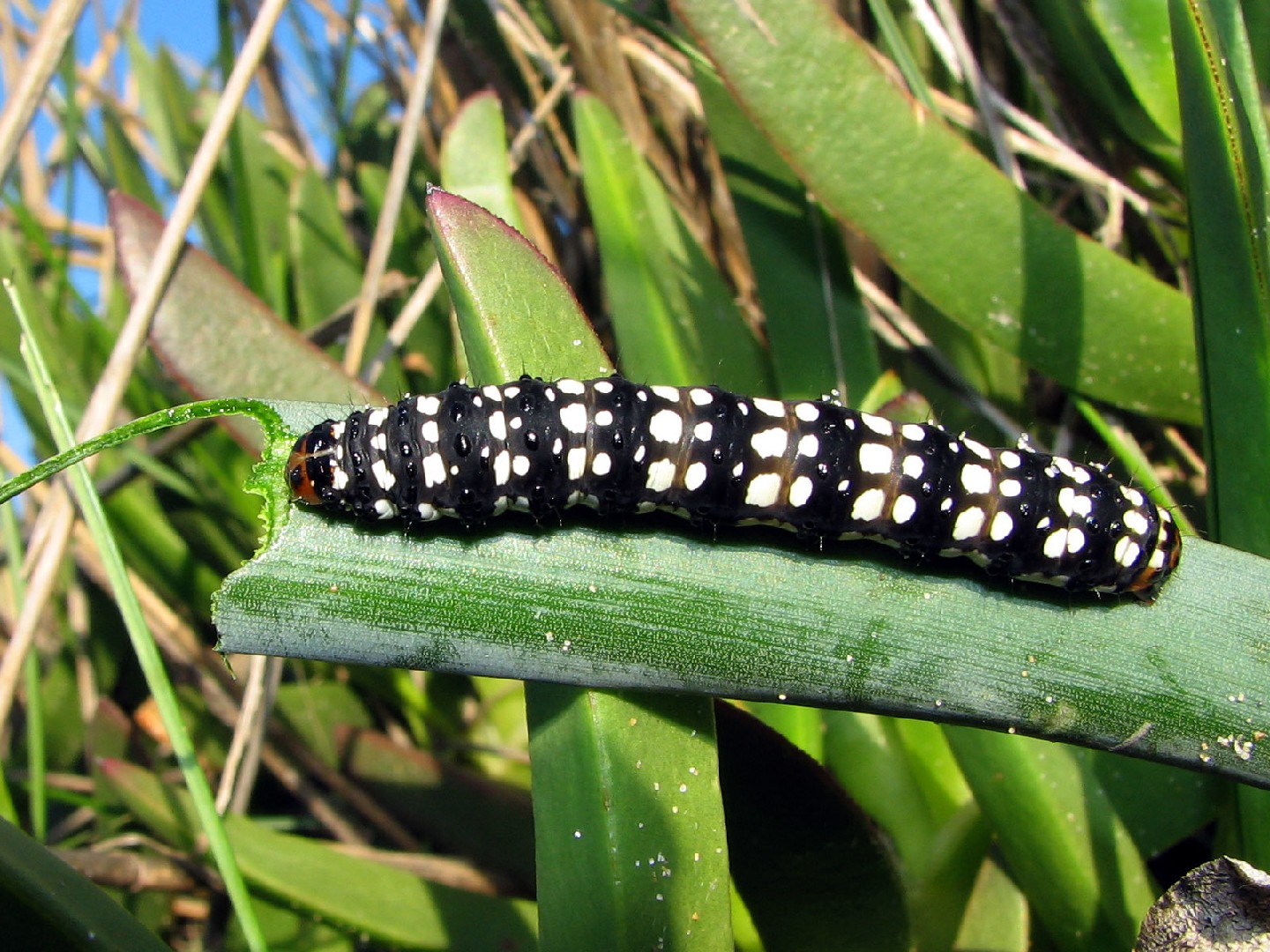
3. Lily borer
The wingspan of the moth is about 4 cm. Its head, thorax and forewings are very dark brown, but paler toward the wingtips. Sub-basal, median and postmedial indistinct waved lines are black. A curved submarginal ochreous line with ferrous colored lunuled found on each side of it. There is a marginal black lunule series. The hindwings are practically white. Tarsi bear black and white stripes.
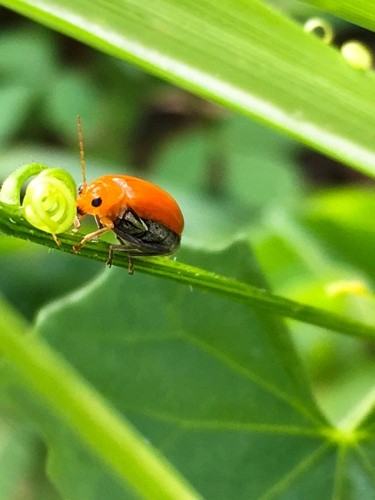
4. Cucurbit beetle
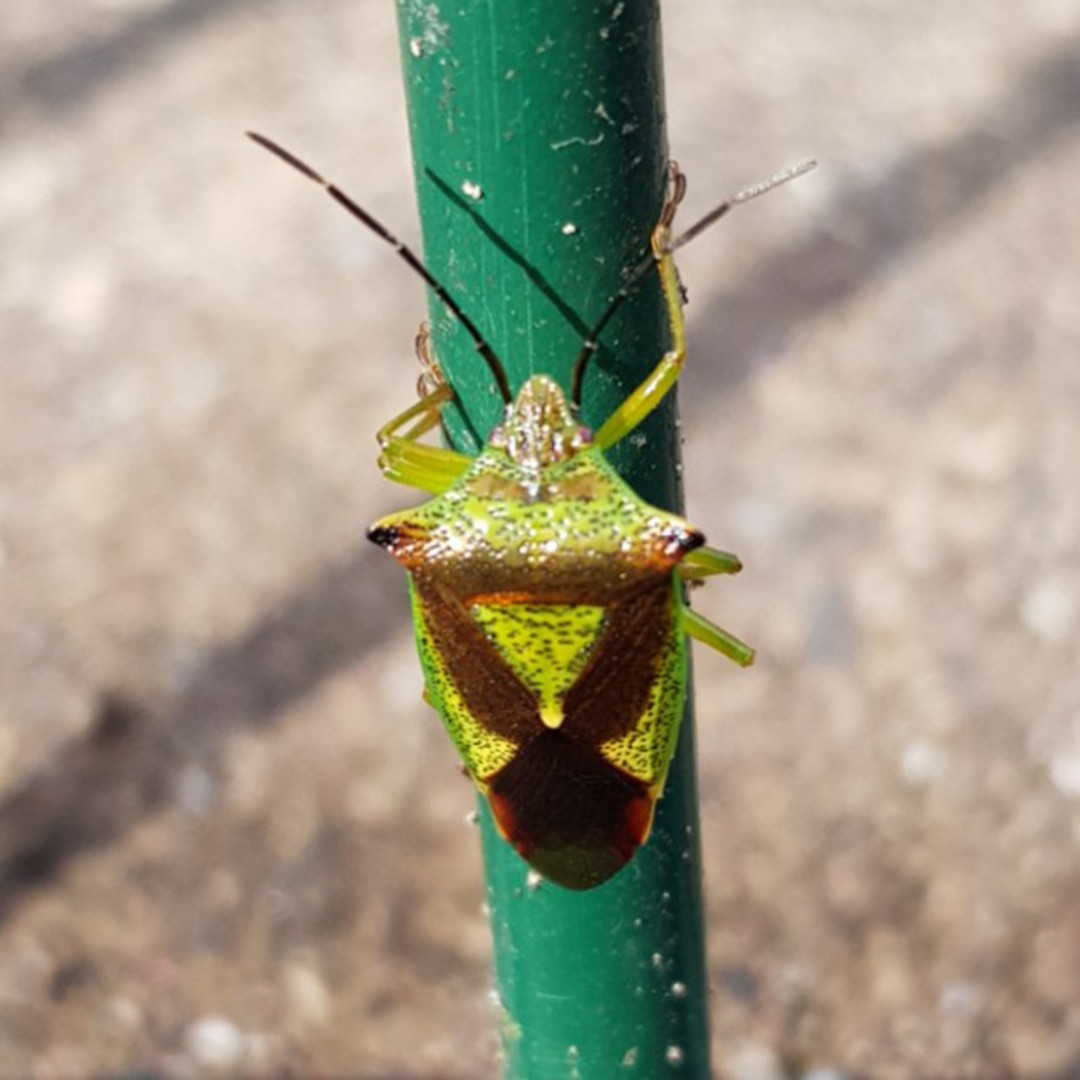
5. Hawthorn shield bug
The hawthorn shield bug (Acanthosoma haemorrhoidale) is a common European shield bug. Its chief food is haws, the fruit of the hawthorn tree, but adults can overwinter on a diet of leaves, and individuals can be found on many potential food plants, including pedunculate oak, sessile oak and whitebeam. They may grow up to 17 mm (0.67 in) long, and are camouflaged in shades of green and brown. Like many so-called "stink bugs", they may release unpleasant odours when disturbed.
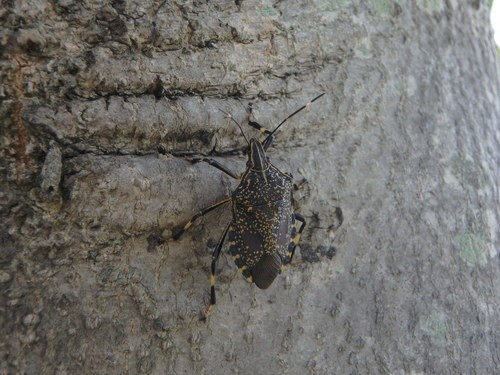
6. Yellow-spotted stink bug
The yellow-spotted stink bug has a wide distribution across Asia. In China, the insect is a pest to more than 57 plants, including fruit trees. It can damage plants and reduce crop yields. Adults overwinter in natural and manmade shelters like building crevices and underneath tree bark, emerging in the spring to feed on the tree’s new growth.
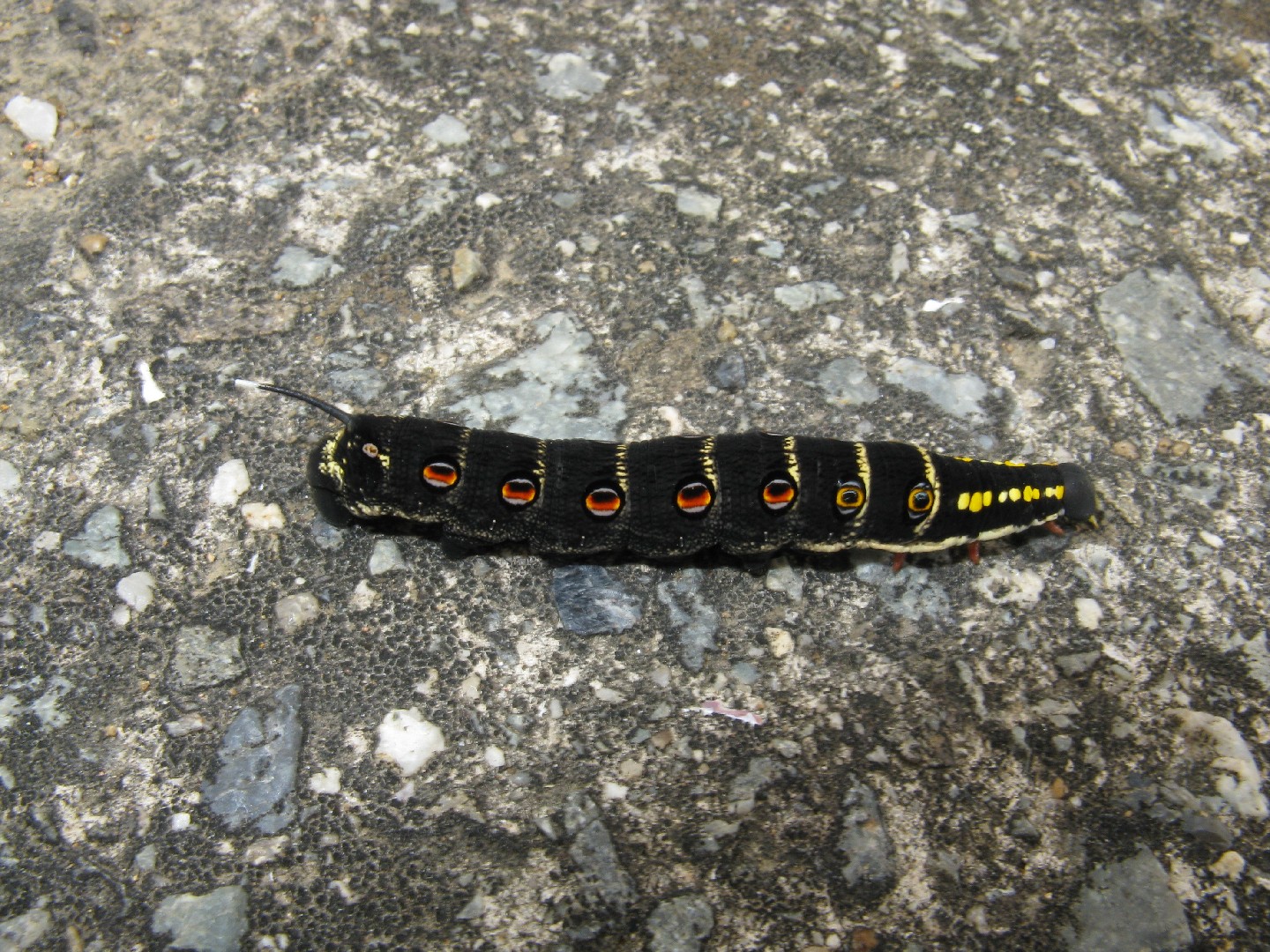
7. Impatiens hawk moth
The impatiens hawk moth can be considered a pest among commercial and residential gardeners. Both the moth and caterpillar feed on several flowering plants, including fuchsias and the Australian native violet. Adult females lay their eggs on the plant’s foliage, ensuring the hatching larvae have a ready food source.
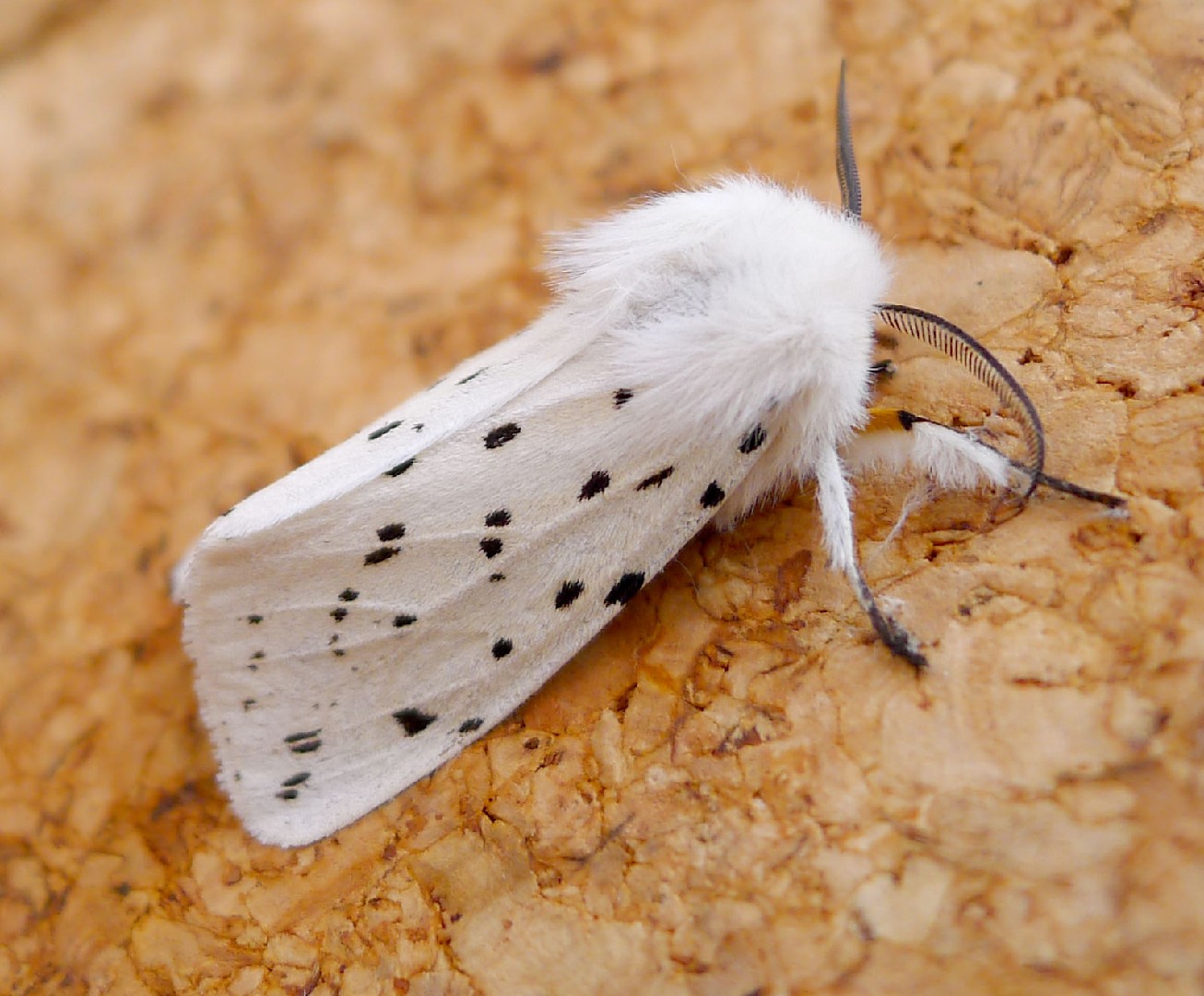
8. White ermine
With its bright white and black-spotted wings, the white ermine moth perhaps gets its name from the small mammals called ermines, which turn a vibrant white in the winter. This lovely insect is a delight to spot in the wild and can be found in many habitats all around the world.

9. Siren
Hestina persimilis, the siren, is an East Palearctic species of siren butterfly (Apaturinae) found in western China, Simla to Assam, Orissa. The larva feeds on Celtis australis.
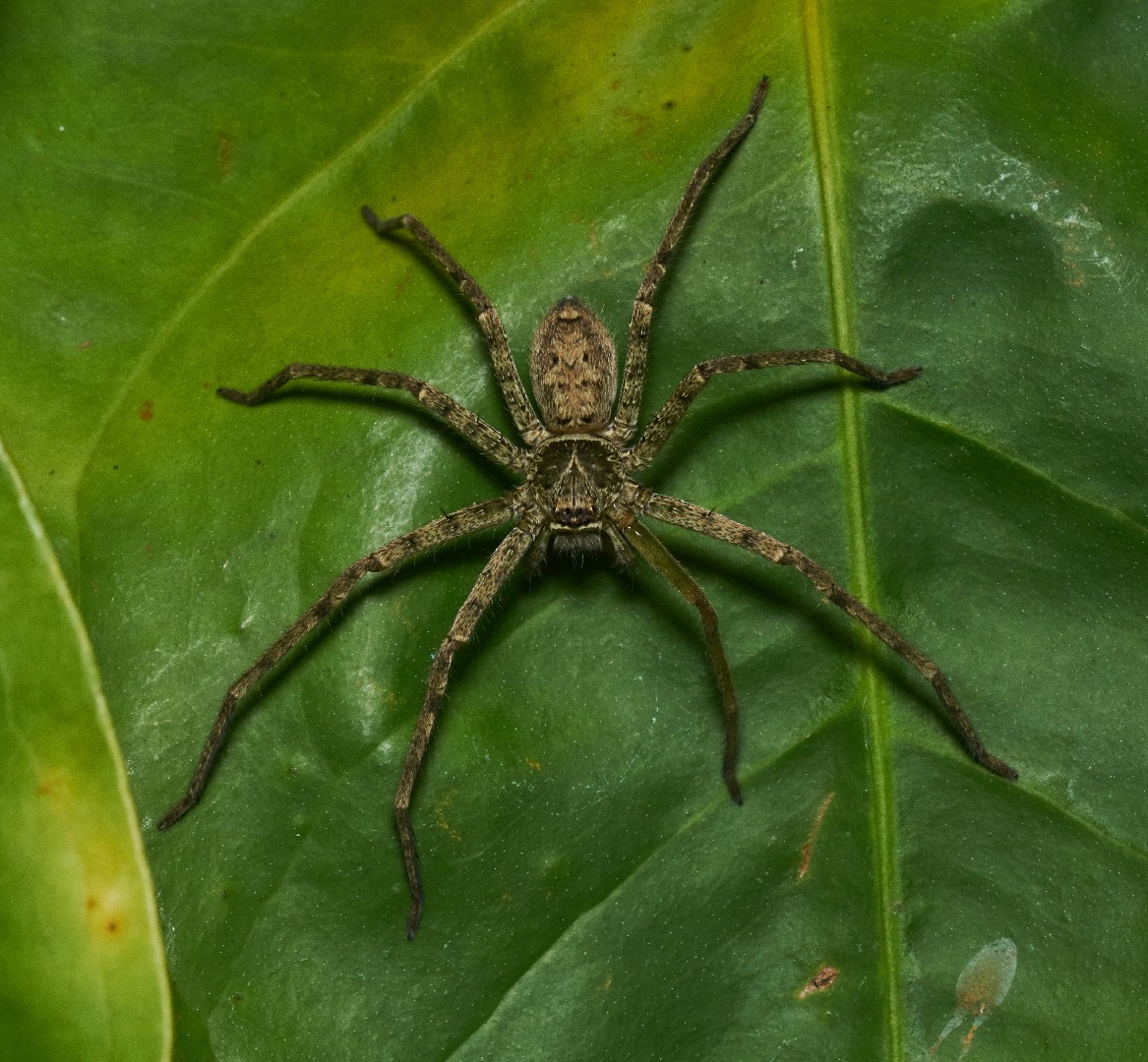
10. Giant Crab Spider
The giant Crab Spider is a large spider native to the tropics; the largest reported individual had a leg span of 30 cm. This cosmopolitan spider is highly valued in some areas, as it's able to catch cockroaches and other indoor pests. Reportedly, it hunts even scorpions and bats. This spider is venomous and sometimes bites humans, but it's considered harmless.

More







