




Top 20 Most Common Insects in Okinawa
Welcome to our virtual exploration of the world of insects in Okinawa! Insects, with their fascinating diversity and rich roles in our ecosystem, thrive in varied habitats offered by Okinawa's unique geography. Understanding the intricate relationship between these ecological warriors and pests to their surrounding environment helps us appreciate Okinawa's vibrant biodiversity. Stay tuned as we unveil our list of 20 most common insects within this region.

Most Common Insects
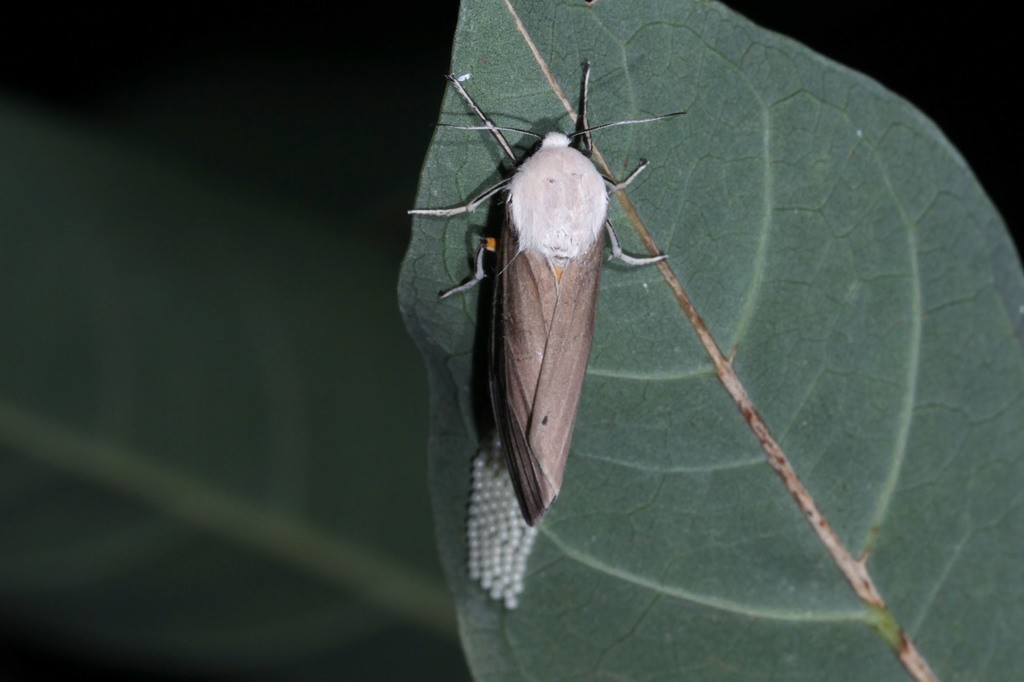
1. Clouded tiger moth
The larvae are dark brown, with a very pale yellow dorsal stripe. 
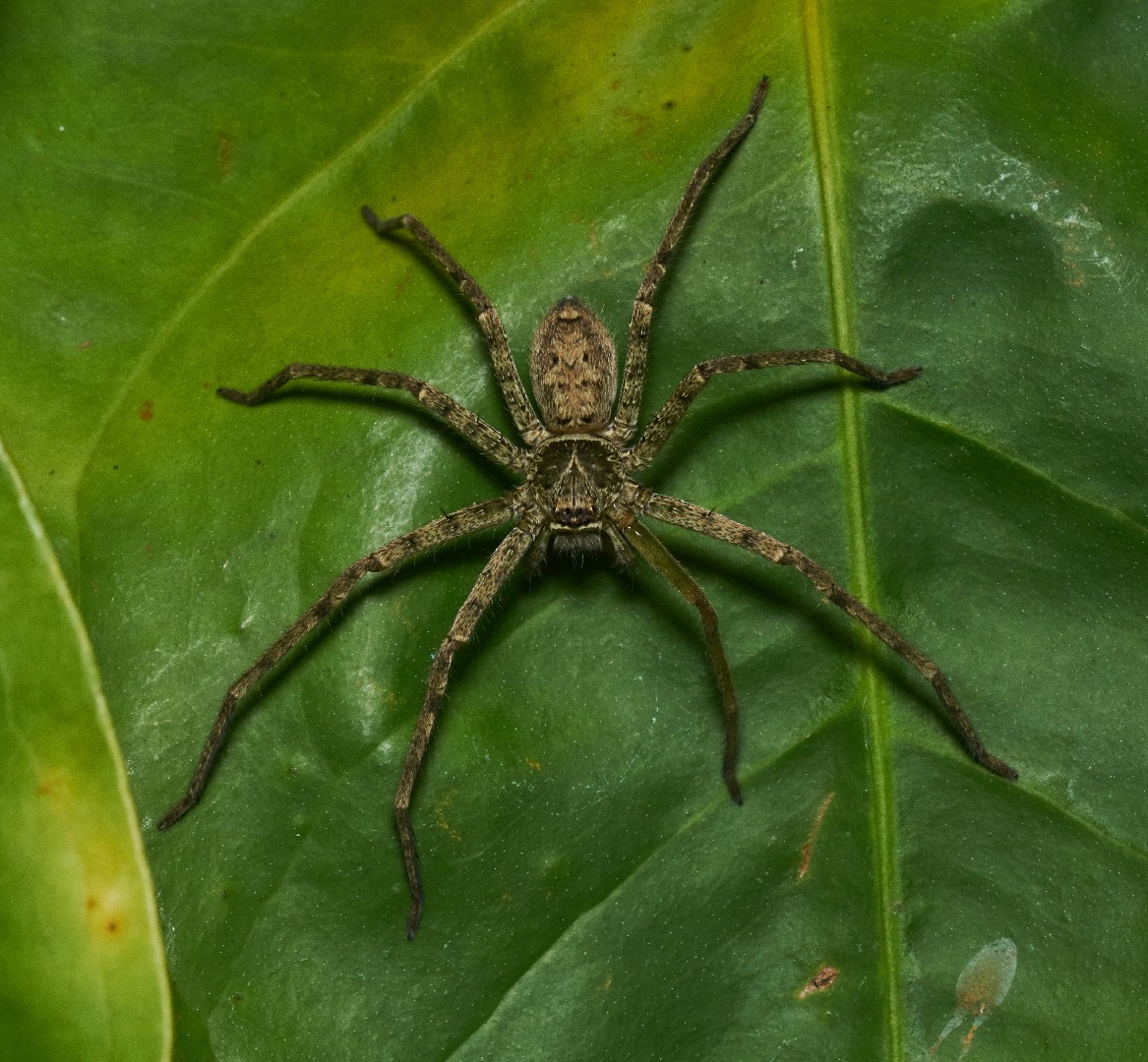
2. Giant Crab Spider
The giant Crab Spider is a large spider native to the tropics; the largest reported individual had a leg span of 30 cm. This cosmopolitan spider is highly valued in some areas, as it's able to catch cockroaches and other indoor pests. Reportedly, it hunts even scorpions and bats. This spider is venomous and sometimes bites humans, but it's considered harmless.
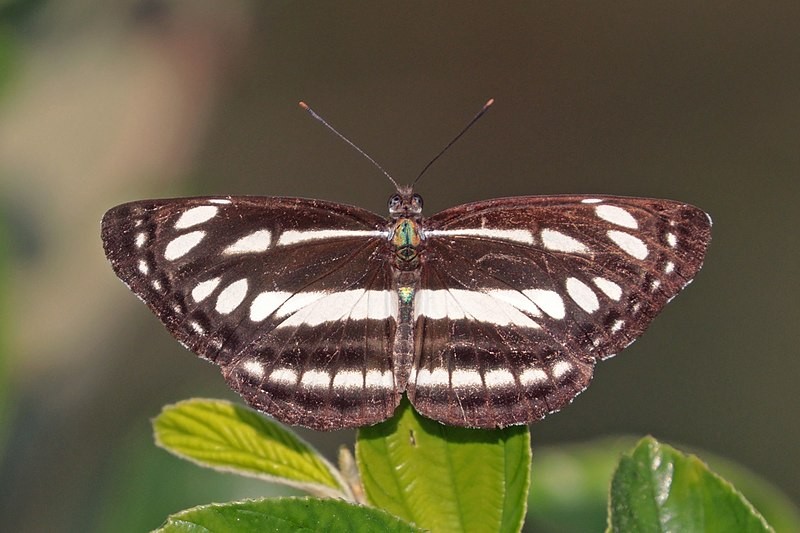
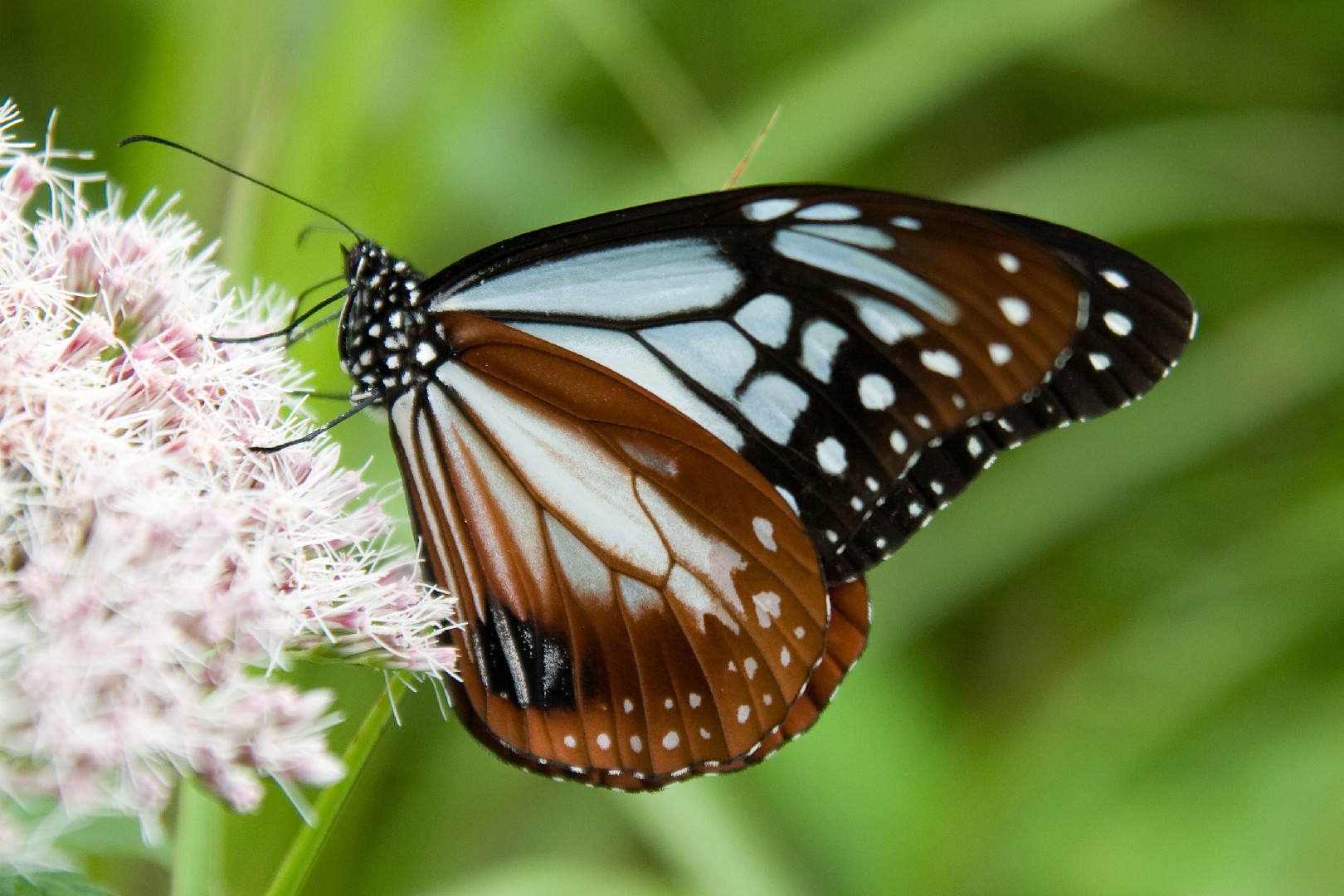
3. Common sailor
Dry-season form - Upperside black, with pure white markings. Forewing discoidal streak clavate (club shaped), apically truncate, subapically either notched or sometimes indistinctly divided; triangular spot beyond broad, well defined, acute at apex, but not elongate; discal series of spots separate, not connate (united), each about twice as long as broad; postdiscal transverse series of small spots incomplete, but some are always present. Hindwing: subbasal band of even or nearly oven width; discal and subterminal pale lines obscure; postdiscal series of spots well separated, quadrate or subquadrate, very seldom narrow. Underside from pale golden ochraceous to dark ochraceous almost chocolate; white markings as on the upperside, but broader and defined in black. Forewing: interspaces 1a and 1 from base to near the apex shaded with black, some narrow transverse white markings on either side of the transverse postdiscal series of small spots. Hindwing a streak of white on costal margin at base, a more slender white streak below it; the discal and subterminal pale lines of the upperside replaced by narrow white lines with still narrower margins of black. Antennae, head, thorax and abdomen black; the palpi, thorax and abdomen beneath dusky white. Wet-season form - Differs only in the narrowness of the white markings and in the slightly darker ground colour and broader black margins to the spots and bands on the underside. More than 20 subspecies have been described. This species has been observed to make sounds whose function has not been established.
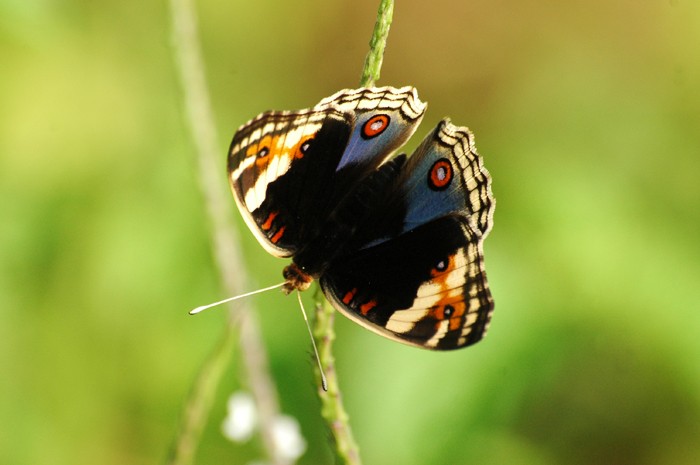
4. Blue pansy
Male upperside: somewhat more than half the forewing from base velvety black, apical half dull fuliginous; cell-area with or without two short transverse orange bars; a blue patch above, the tornus; the outer margin of the basal black area obliquely zigzag in a line from the middle of costa to apex of vein 2, including a large discal, generally obscure ocellus, which, however, in some specimens is prominently ringed with orange yellow. Beyond this a broad white irregularly oblique discal band followed by a short oblique preapical bar from costa; a small black orange-ringed ocellus beneath the bar, a subterminal continuous line of white spots in the interspaces and a terminal jet-black slender line; cilia alternately dusky black and white. Hindwing blue shaded with velvety black towards base; a postdiscal black white-centred orange and black-ringed ocellus in interspace 2, a round minutely white-centred velvety-black spot (sometimes entirely absent) in interspace 5; the termen narrowly white, traversed by an inner and an outer subterminal and a terminal black line; cilia white. Underside forewing: basal half with three black-edged, sinuous, broad, ochraceous-orange transverse bands, followed by the pale discal baud; ocelli, preapical short bar, subterminal and terminal markings much as on the upperside; the discal band margined inwardly by a broad black angulated line which follows the outline of the black area of the upperside. Hindwing irrorated (sprinkled) with dusky scales and transversely crossed by subbasal and discal slender zigzag brown lines and a postdiscal dark shade, on which are placed the two ocelli as on the upperside; subterminal and terminal faint brown lines, and a brownish short streak tipped black at the tornal angle below the lower ocellus. Female. Similar, with similar but larger and more clearly defined ocelli and markings; the basal half of the forewings and hindwings on the upperside fuliginous (sooty) brown, scarcely any trace of blue on the hindwing. Antennae brown, head reddish brown, thorax and abdomen above brownish black: palpi, thorax and abdomen beneath dull white.
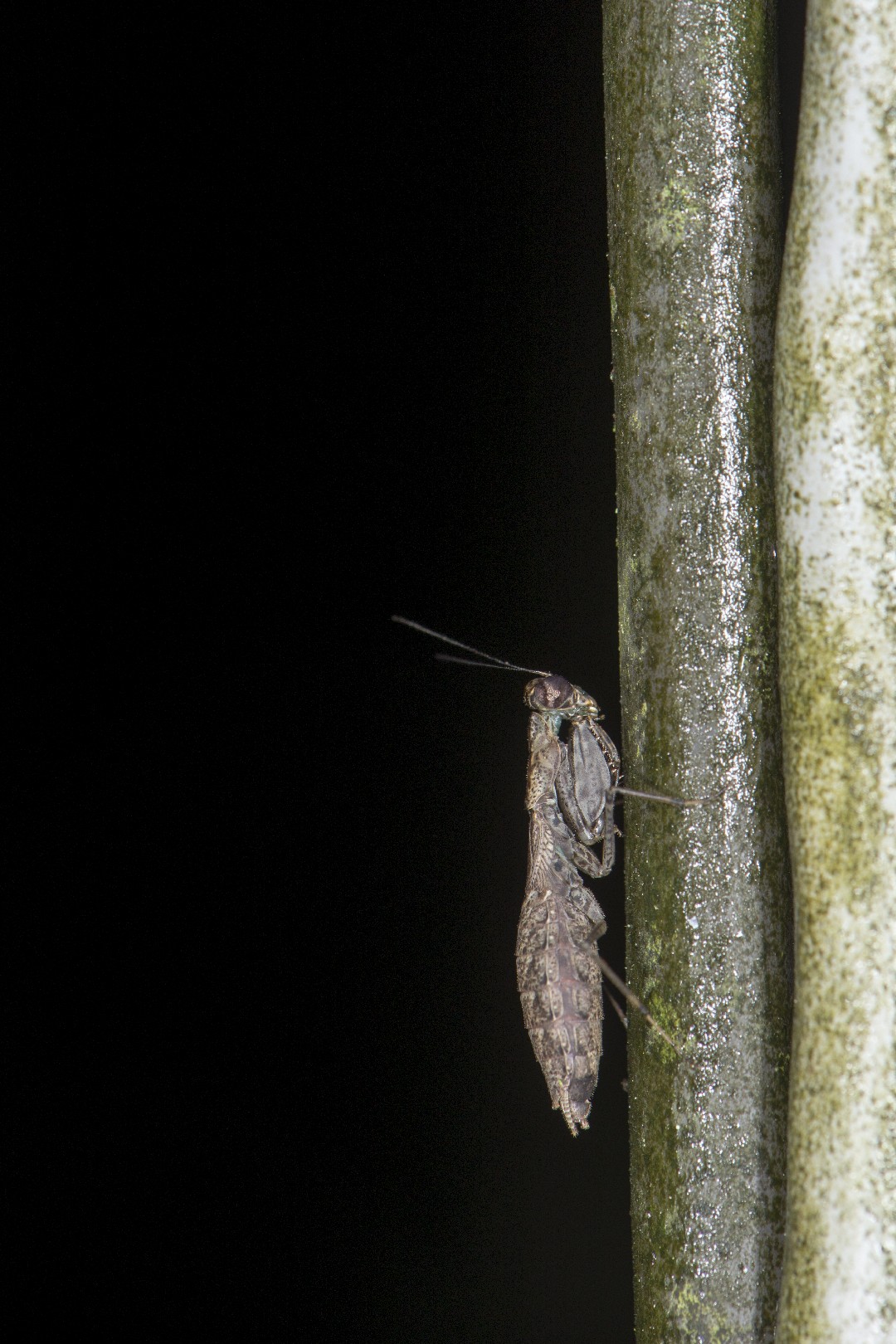
5. Amantis nawai
Females: 15–20 millimetres (0.59–0.79 in). Females have wing nubs Males: 13–17 millimetres (0.51–0.67 in) in length. Males have full wings.
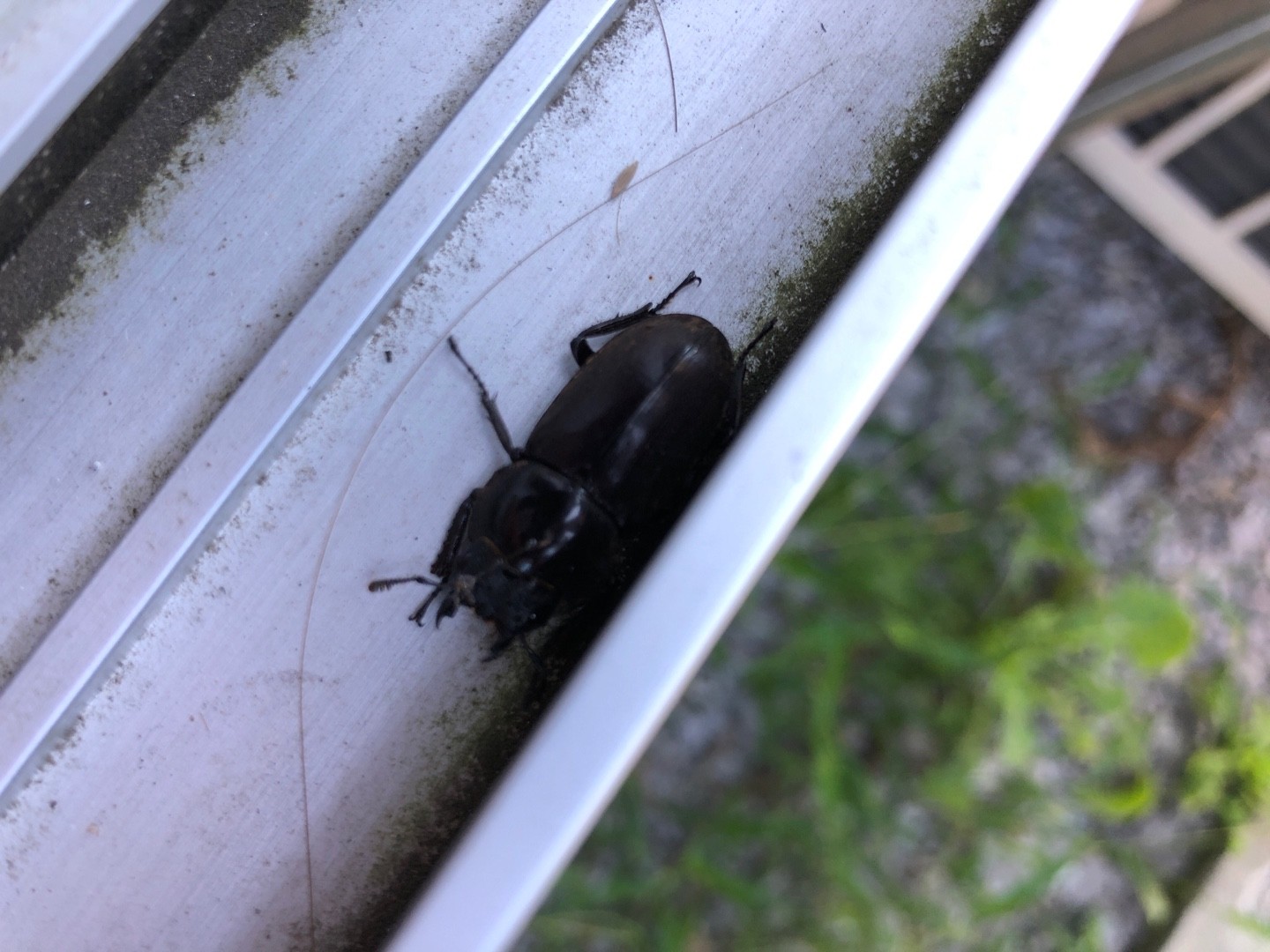
6. Giant stag beetle
The world's largest stag beetle, the giant stag beetle is very popular among beetle collectors and often kept as an exotic pet, however, in some regions, the export of this bug is considered a crime. A common inhabitant of Asian rainforests, this beetle is known to be very aggressive, especially the males—they will bite anything if they feel threatened.
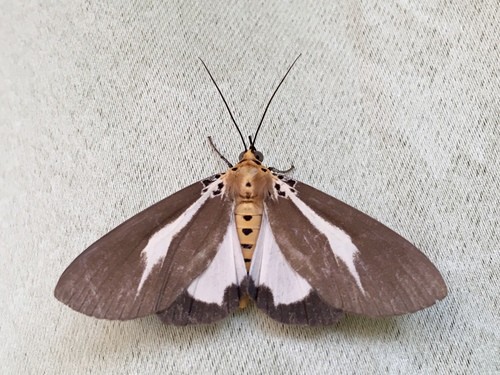
7. Asota heliconia
The wingspan is 5 cm.
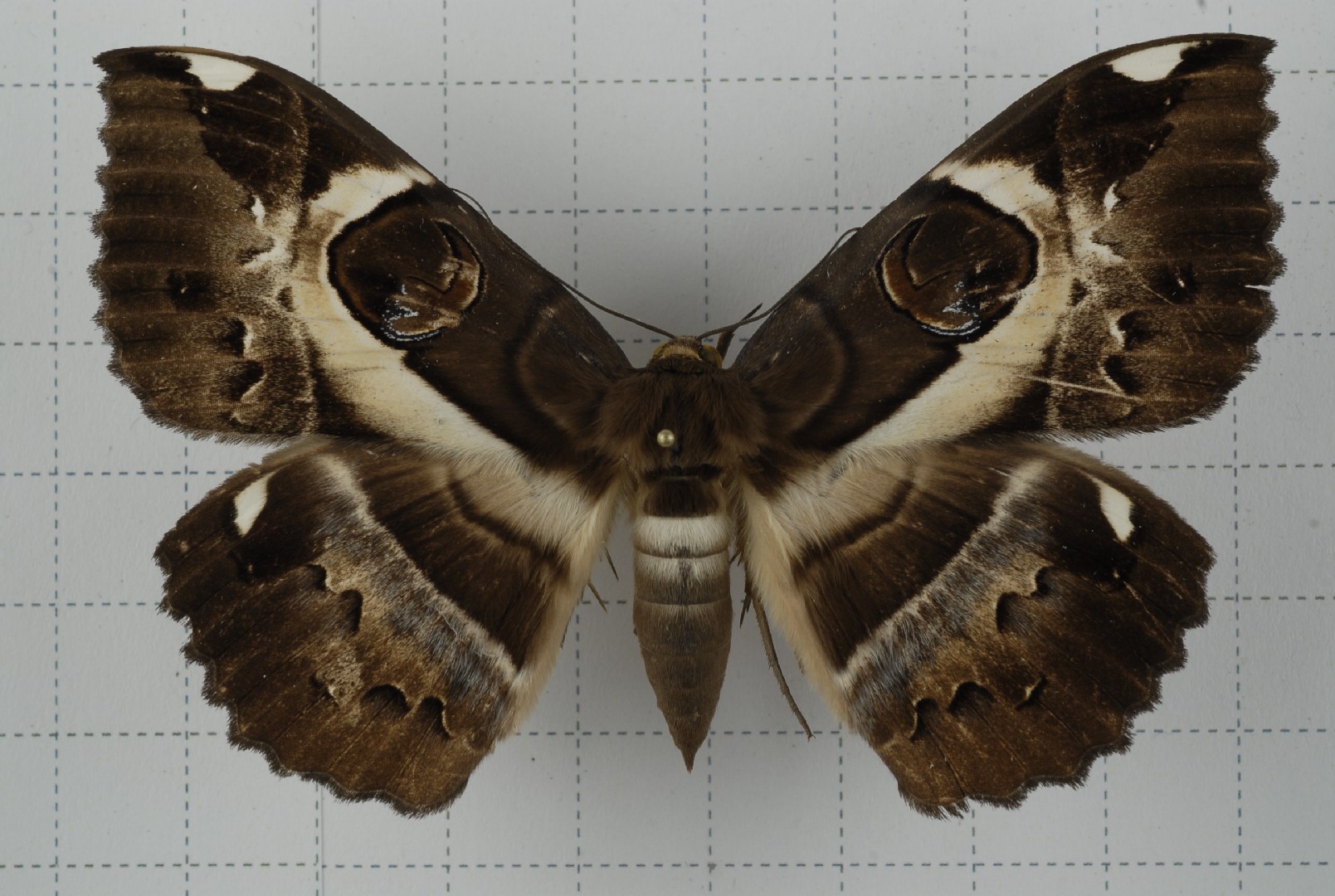
8. Erebus ephesperis
The wingspan is about 9 cm and the patterning is very obliterative, breaking the body outline with shadow like countershading.
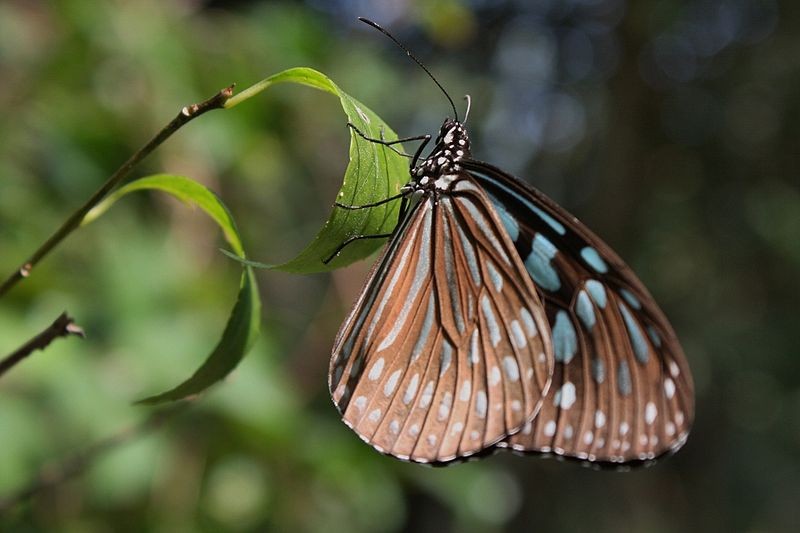
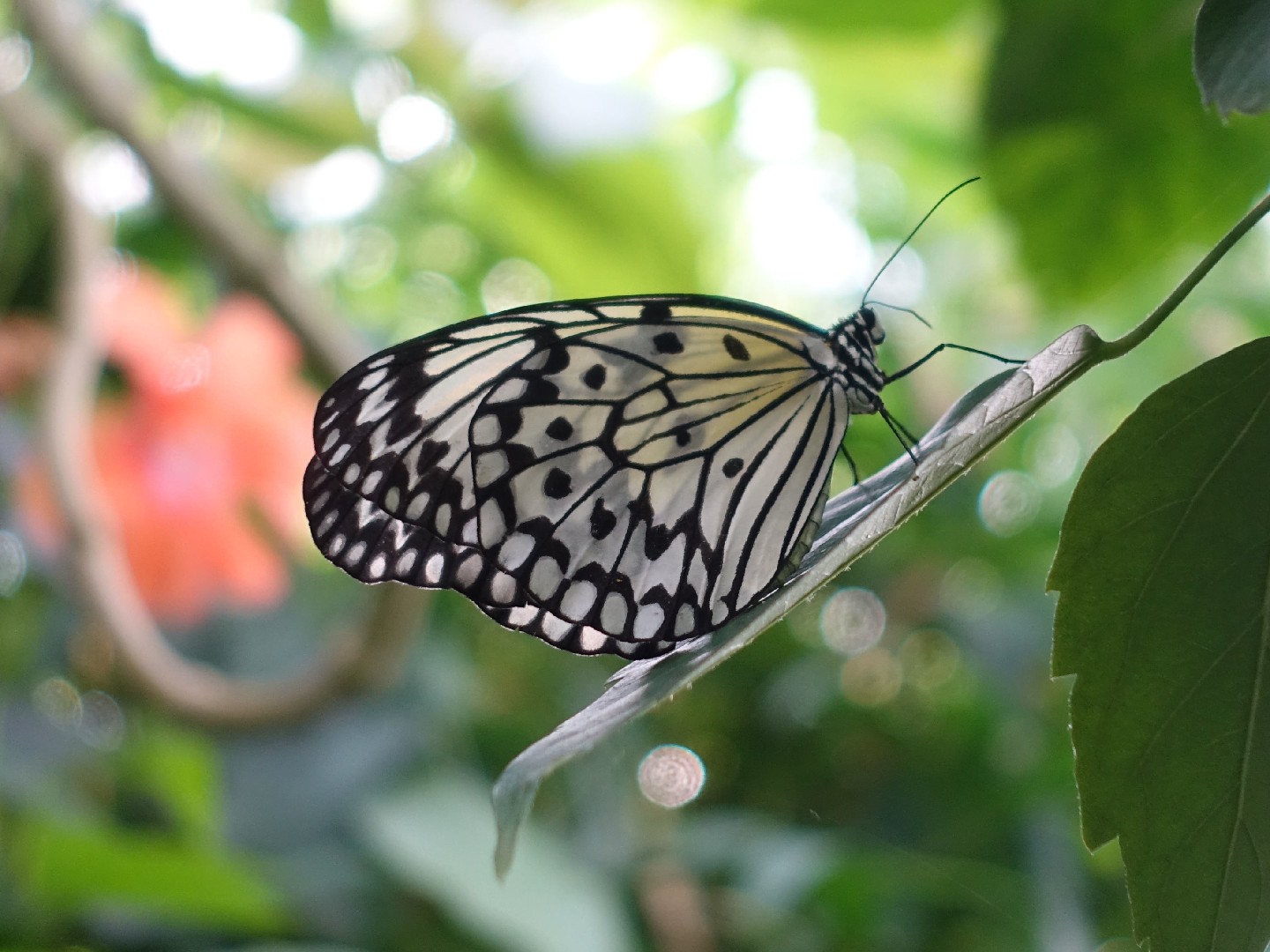
9. Ceylon blue glassy tiger
Ideopsis similis, the Ceylon blue glassy tiger, is a butterfly found in Asia, including Sri Lanka, India and Taiwan, that belongs to the subfamily Danainae (crows and tigers), in the family Nymphalidae (brush-footed butterflies).
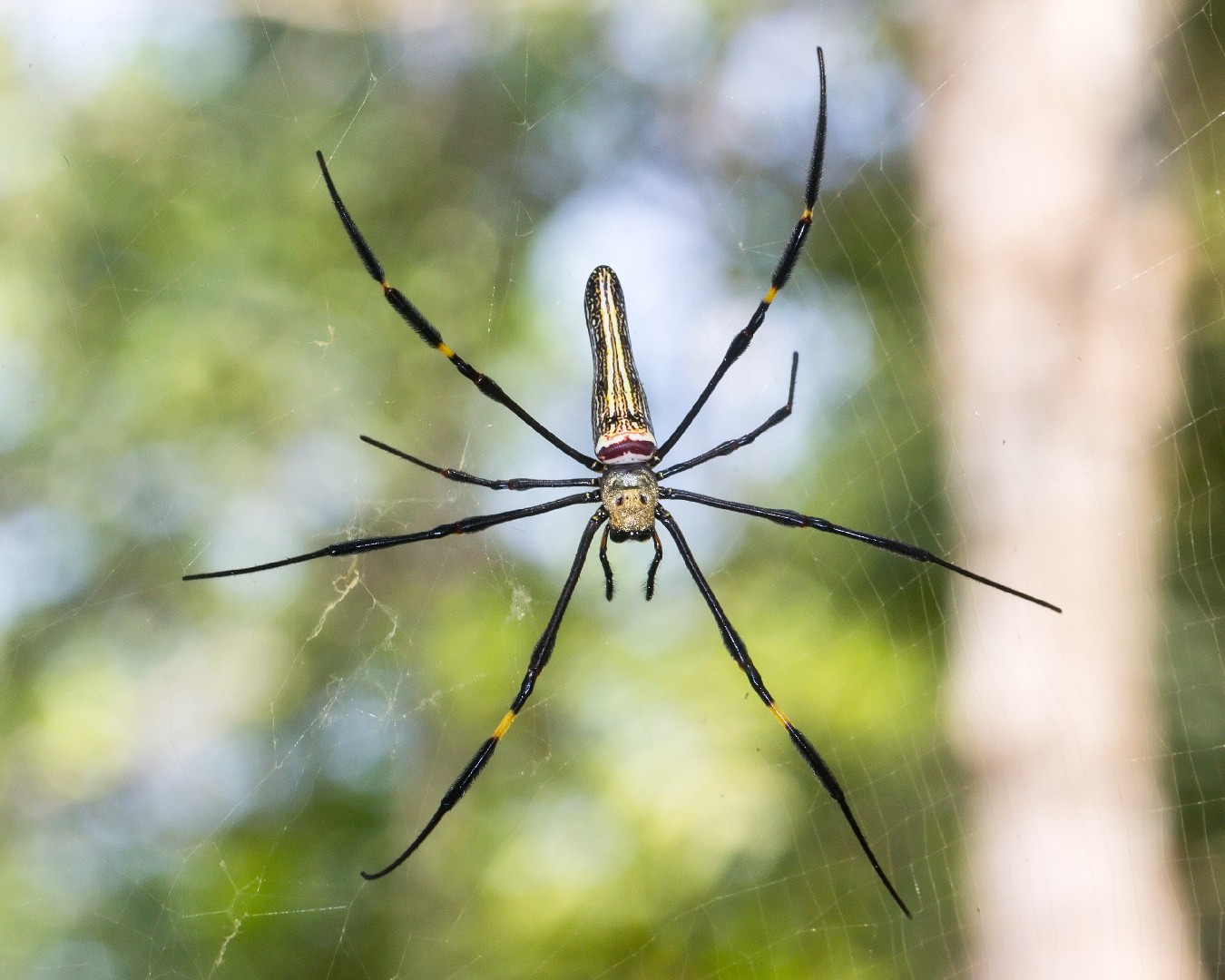
10. Giant golden orb weaver
The giant golden orb weaver (Nephila pilipes) is known for spinning a golden web. Despite that being neat, that isn't the weirdest part about them. Females are known to favor gigantism, causing males to be much smaller than average females. Males are known to have mating plugs which attempt to prevent other males from mating, but the size difference can make this tricky.

More







