




Top 13 Most Common Insects in Hamamatsu
Welcome to our exploration of insects in Hamamatsu! These fascinating creatures, as diverse as the region's landscapes, play vital roles in our ecosystem. From pests which challenge our daily lives to beneficial insects enhancing biodiversity; their existence is intricately tied to the health of Hamamatsu. Let's delve into 13 of the most common insects and understand their significance in Hamamatsu.'s ecosystem.

Most Common Insects
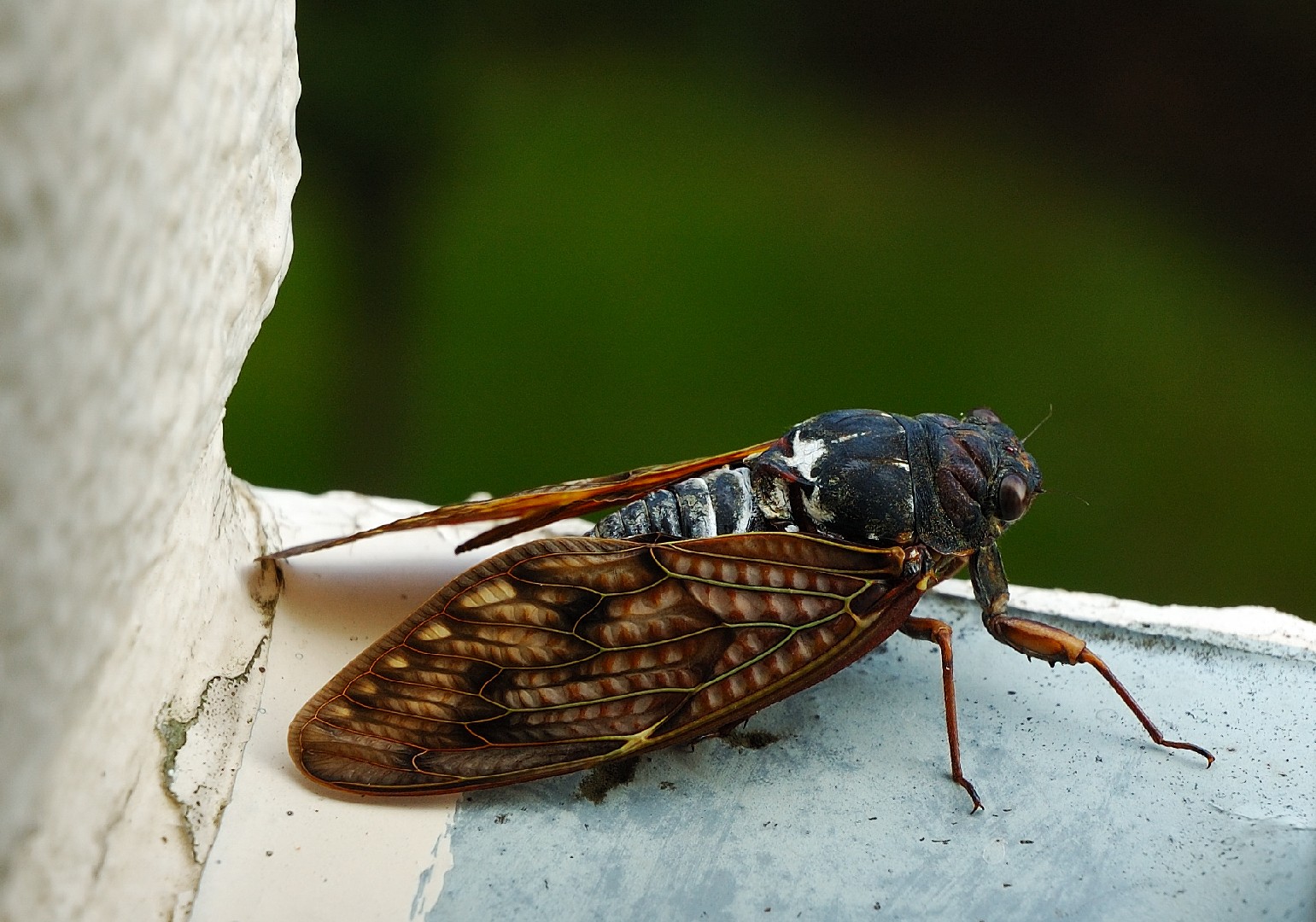
1. Large brown cicada
Large brown cicada are usually about 6 - 6 cm long, having a wingspan of roughly 8 cm. 
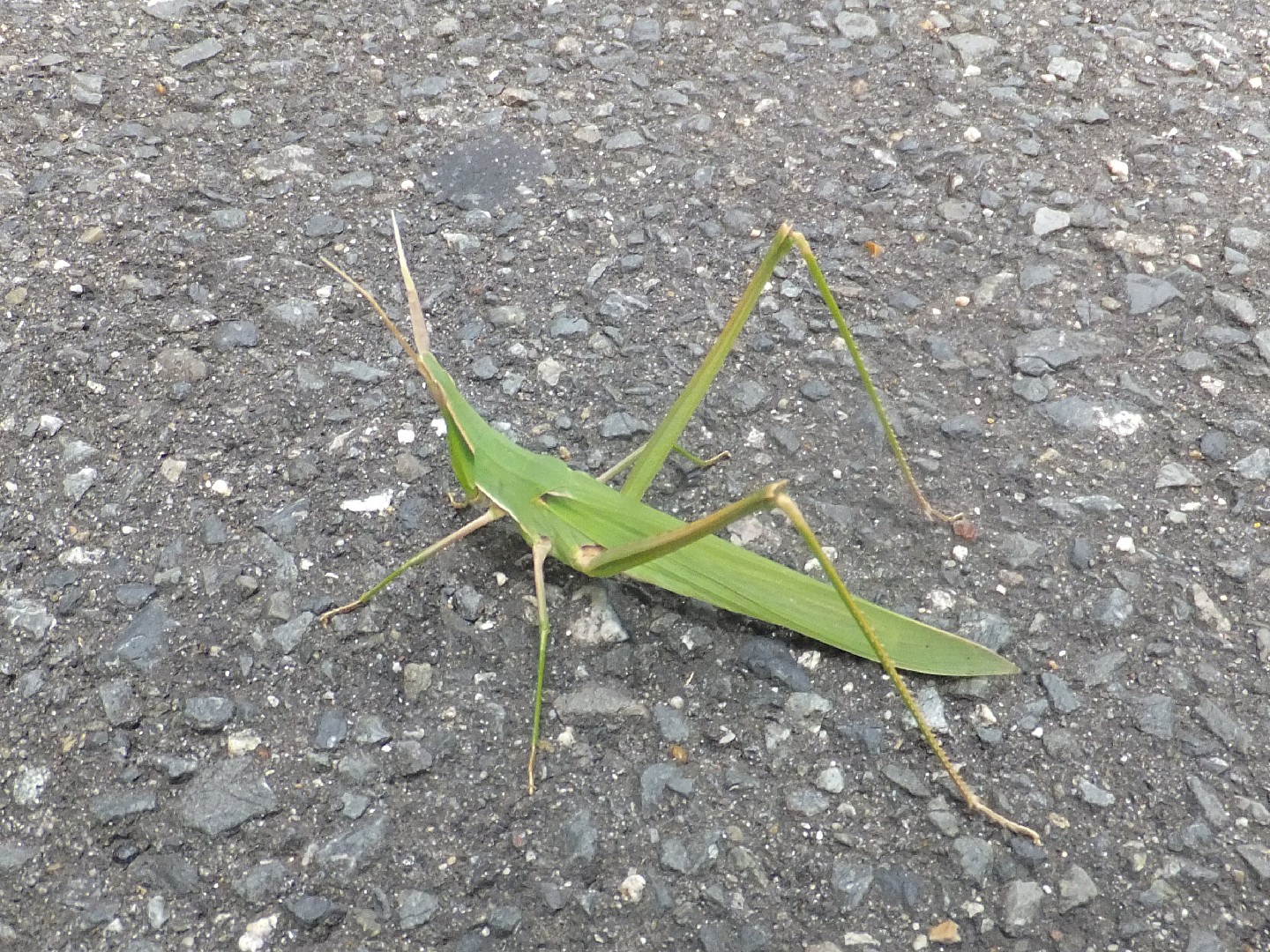
2. Oriental longheaded locust
It's easy to mistake the slender, green oriental longheaded locust for a blade of grass since it's often found among grasses and in crop fields. While it can become a pest in these crop fields, this insect has been eaten by humans and may provide nutrition for domesticated poultry.
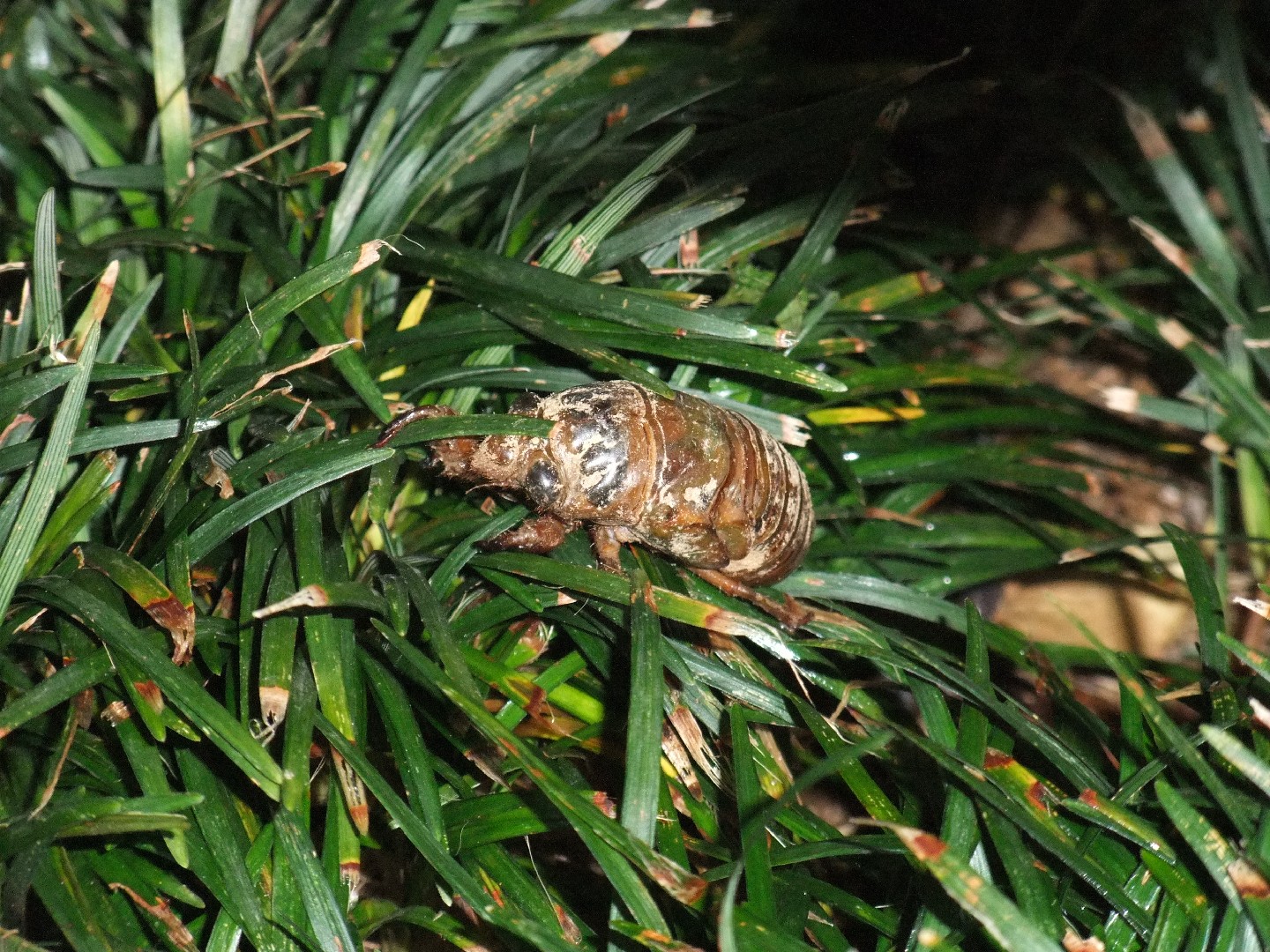
3. Black giant cicada
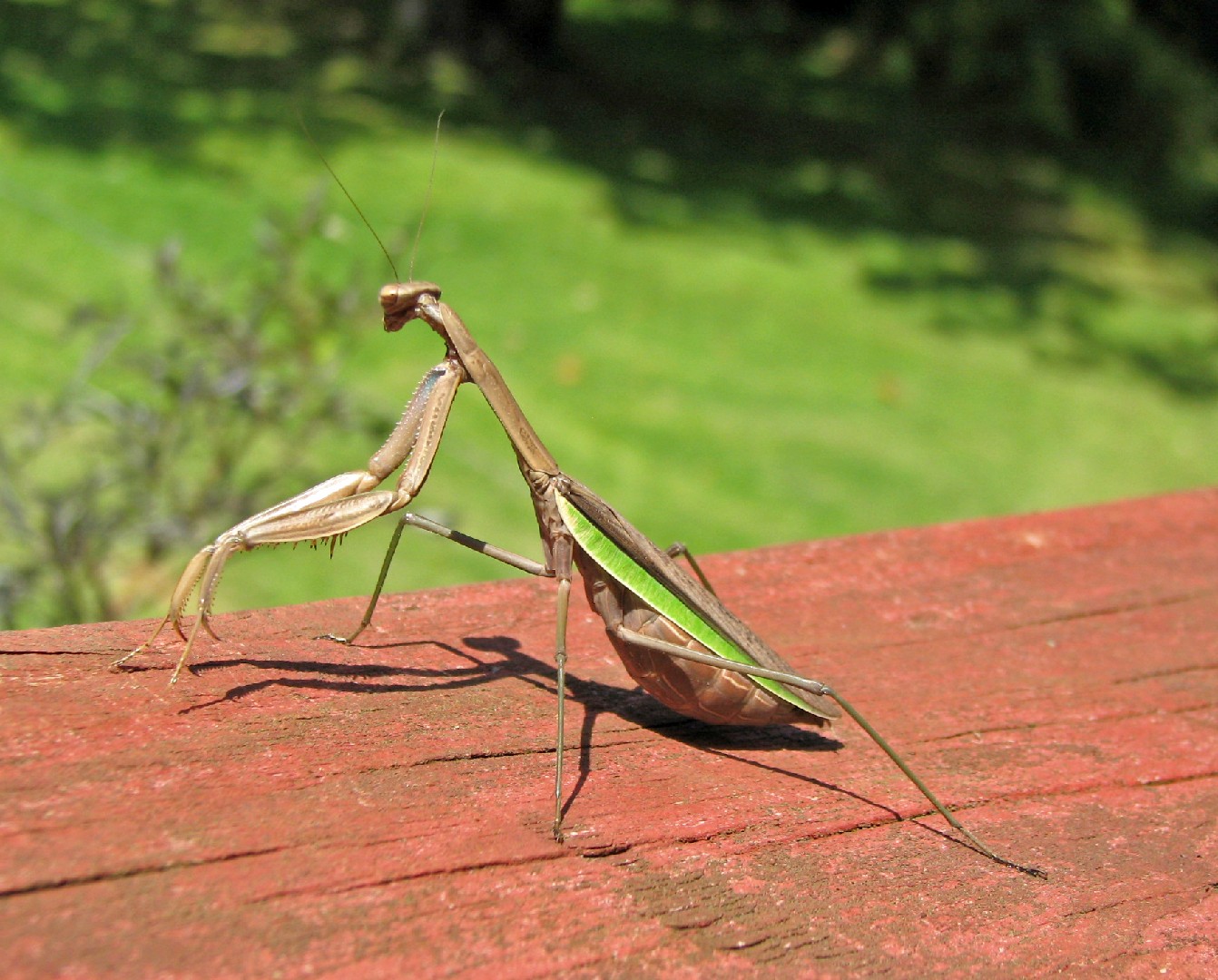
4. Chinese Mantis
The chinese Mantis (Tenodera sinensis) is one of the largest mantis species, often growing as long as a human hand. It is always alert since its head is capable of swiveling 180 degrees. This mantis is highly aggressive, so it can consume just about any other insect, including butterflies, cockroaches, and grasshoppers.
5. White-tailed skimmer
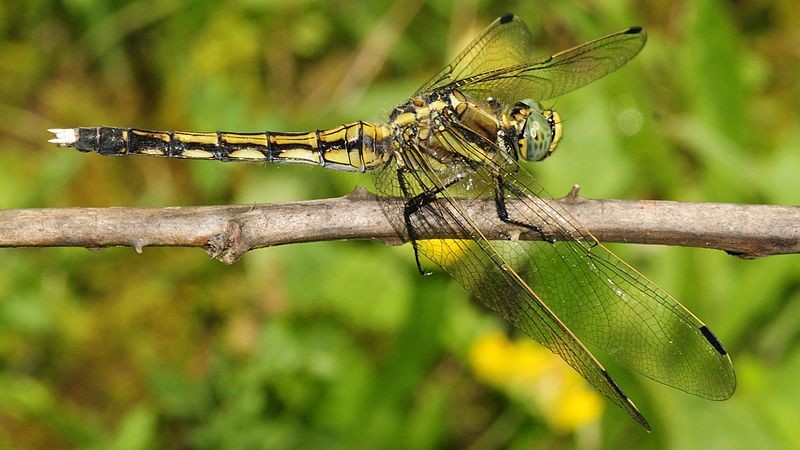
Orthetrum albistylum is a dragonfly species, which occurs from central and south Europe to China and Japan. Its distribution is often patchy but in many areas it is common. The species has recently spread its range northwards to the Baltic Sea coast in Poland. The common name for this species is white-tailed skimmer. One of the ongoing threats affecting the habitat of Orthetrum albistylum is the production of crops. The water pollution associated with crop production is also having a direct effect on the quality of the habitat of this species.
6. Lily borer
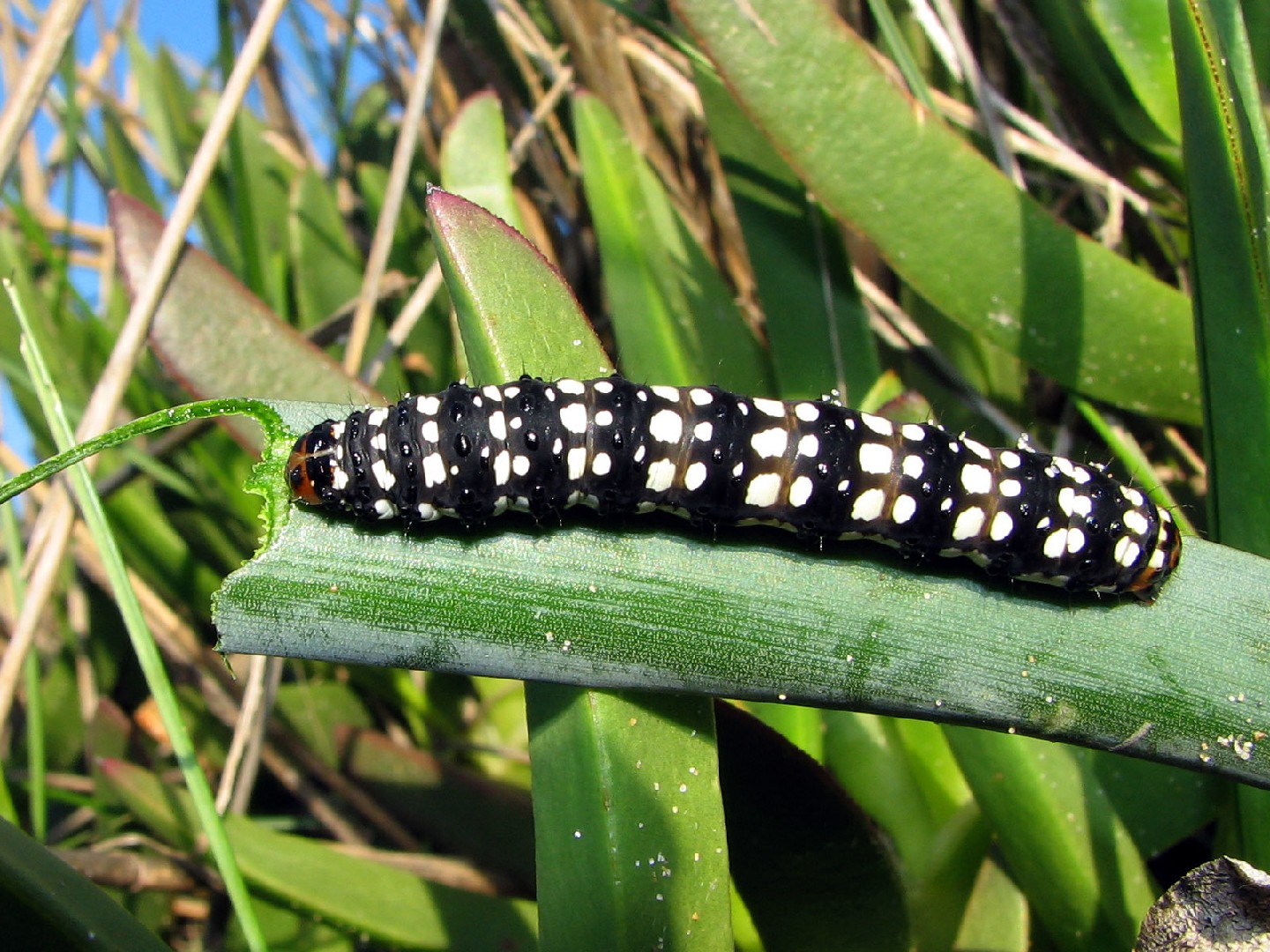
The wingspan of the moth is about 4 cm. Its head, thorax and forewings are very dark brown, but paler toward the wingtips. Sub-basal, median and postmedial indistinct waved lines are black. A curved submarginal ochreous line with ferrous colored lunuled found on each side of it. There is a marginal black lunule series. The hindwings are practically white. Tarsi bear black and white stripes.
7. Cucurbit beetle
8. Yellow-spotted stink bug
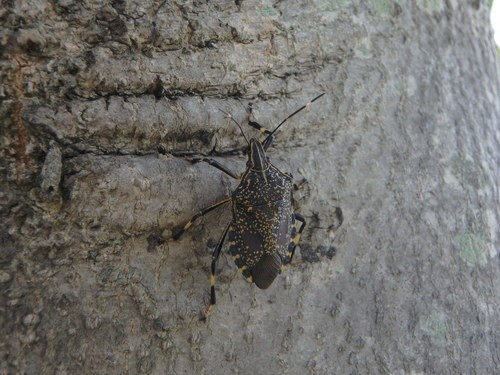
The yellow-spotted stink bug has a wide distribution across Asia. In China, the insect is a pest to more than 57 plants, including fruit trees. It can damage plants and reduce crop yields. Adults overwinter in natural and manmade shelters like building crevices and underneath tree bark, emerging in the spring to feed on the tree’s new growth.
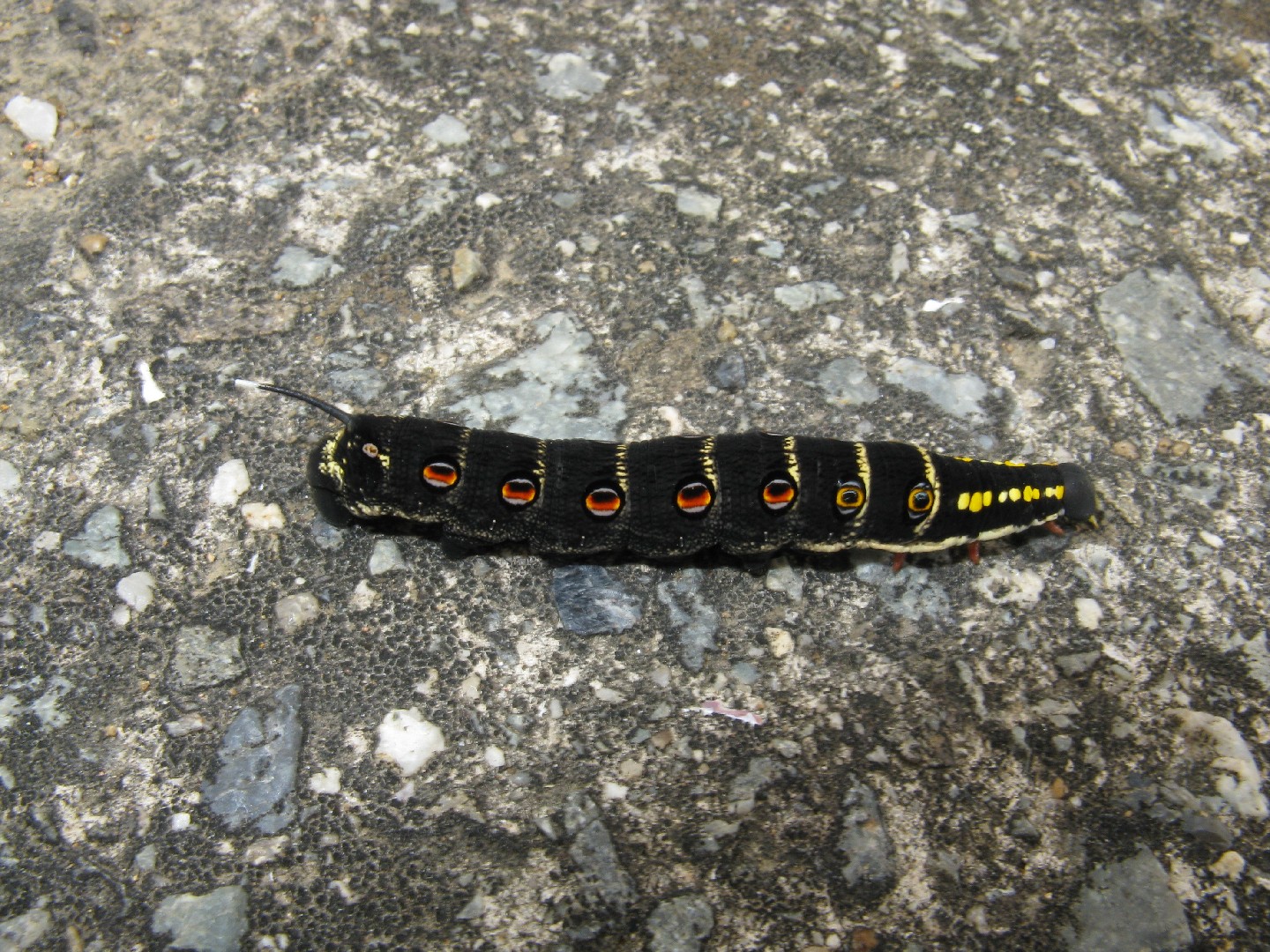
9. Impatiens hawk moth
The impatiens hawk moth can be considered a pest among commercial and residential gardeners. Both the moth and caterpillar feed on several flowering plants, including fuchsias and the Australian native violet. Adult females lay their eggs on the plant’s foliage, ensuring the hatching larvae have a ready food source.
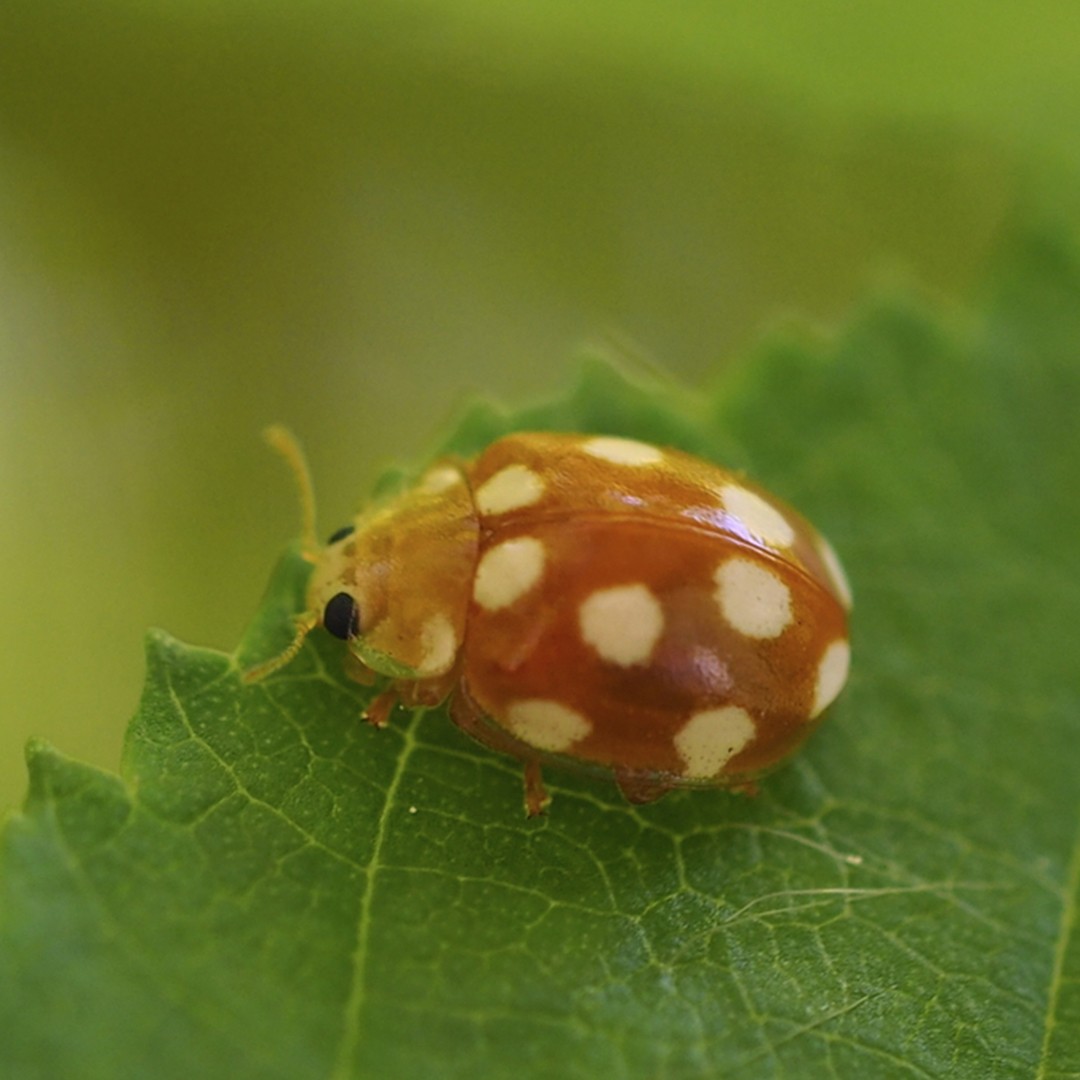
10. Vibidia 12-guttata
Vibidia duodecimguttata can reach a length of about 4 millimetres (0.16 in). These beetles have an oval shaped body. The light brown antennae are quite long. The elytra have a slightly wider side edge. Their entire body has a light brown basic color on the upper and lower side, only the eyes are black. Elytra show 12 whitish spots, six on each elytron (hence the Latin word duodecimguttata, meaning twelve-spotted as if by drops). There is a whitish spot on both sides of the throat. This species is rather similar to Calvia decemguttata and Halyzia sedecimguttata.

More







